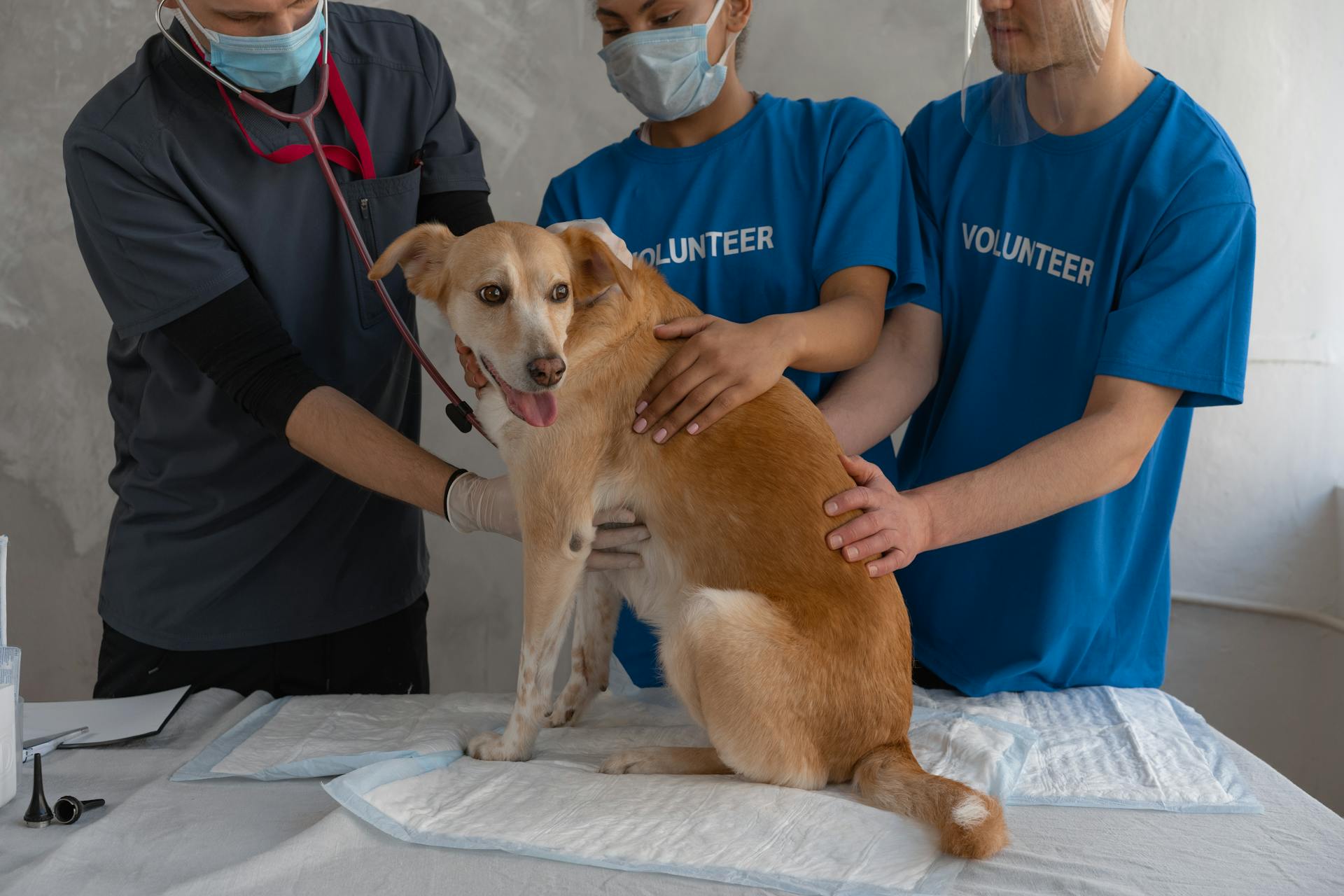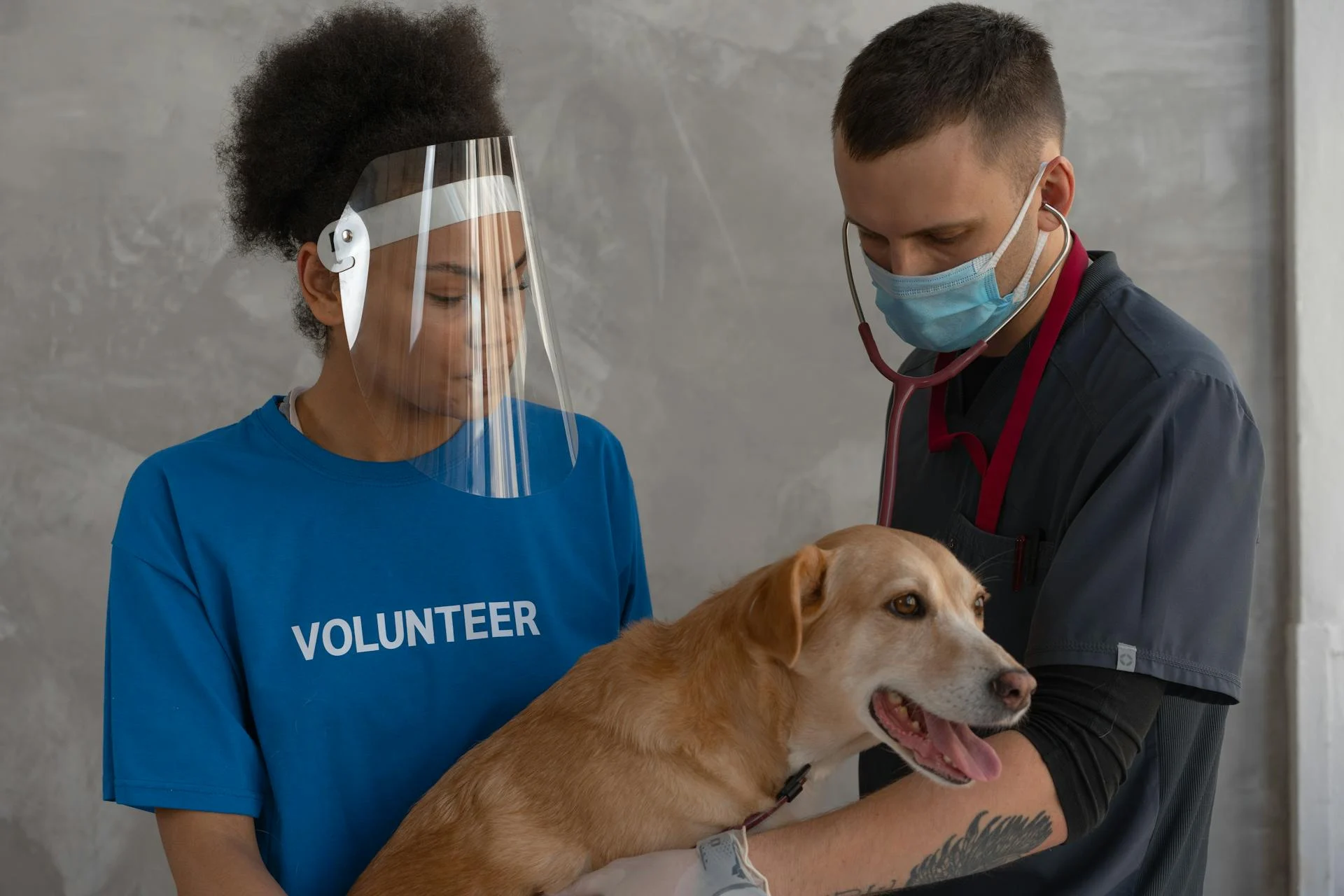
Choosing the right career as a veterinary technician can be a daunting task, especially with the numerous specialities available. With the increasing demand for veterinary care, the job market is expanding, and opportunities are emerging.
Veterinary technicians can work in various settings, including private clinics, research institutions, and zoos. They can also choose to specialize in areas such as surgery, dentistry, or cardiology.
One of the most in-demand specialities is veterinary dental care, where technicians assist veterinarians with dental procedures and educate pet owners on oral health.
For another approach, see: Veterinary Dental Technician Training
How to Become a Veterinary Technician
Becoming a veterinary technician requires a strong foundation in your craft. You'll need to start by getting your technician license.
To become eligible for the certification exam, you'll need significant experience in the specialty, as well as case logs and reports. Continuing education is also a must.
Having a NAVTA-approved specialty academy on your side can give you a head start.
Veterinary Technician Specialties
Veterinary technicians can specialize in various areas, each with its own set of requirements and responsibilities.
To become a laboratory animal veterinary technician, you'll need at least 3 years of experience in laboratory animal practice, with 70% of that time spent in applicable practice or one of the three certification categories. You'll also need to complete 60 hours of continuing education, submit 50 case logs, and provide four case reports.
The Academy of Veterinary Emergency and Critical Care Technicians and Nurses (AVECCTN) offers a specialty in emergency and critical care, which requires credentials as a veterinary technician from an AVMA-approved school and three years of full-time experience in emergency and critical care medicine.
Here are some key requirements for veterinary technician specialties:
Job Description
As a veterinary technician, your job description will be quite varied. You'll be responsible for helping with surgeries, regulating medications, organizing diagnostic tests, and giving general care to animals.
You might be surprised at the different settings where you can find work as a vet tech. These include private veterinary clinics, animal hospitals, research facilities, and veterinary training programs.
Here are some of the key responsibilities you'll have in these roles:
- Helping with surgeries
- Regulating medications
- Organizing diagnostic tests
- Giving general care to animals
You'll be working closely with veterinarians to provide top-notch care and add to the overall well-being of animals in these settings.
Salary
Salary can vary significantly for Veterinary Technician Specialists (VTS) depending on factors such as professional experience, expertise, and geographic location.
Veterinary technician specialists with specific certifications, such as those who completed the VTS program, tend to earn higher salaries than others.
According to the National Association of Veterinary Technicians in America (NAVTA), salaries for VTS experts can range from $40,000 to $60,000 or more per year.
As veterinary medicine continues to evolve, the demand for VTS experts with specialized skills in areas like anesthesia, dentistry, and emergency medical care is likely to increase.
Types of Technicians:
As a veterinary technician, you may choose to specialize in one of several areas. Laboratory technicians, for example, spend most of their time collecting and analyzing blood and tissue samples.
Emergency and critical care technicians work in high-stress environments, often caring for animals that have been injured or are suffering from life-threatening conditions.
Dental technicians focus on the oral health of animals, performing procedures like cleanings, extractions, and fillings. They also educate pet owners on proper dental care.
Veterinary technicians who work in zoos and wildlife parks often care for exotic animals, such as elephants, lions, and monkeys.
Check this out: How Is a Veterinary Technician Work Environment
Choosing a Vet Specialty
Choosing a vet specialty is a crucial decision that can shape your career and professional fulfillment. It's essential to approach the selection process carefully.
Identify your interests and favorite tasks as a vet tech. Think about what truly attracts you to veterinary medicine. Look for different vet tech specialties, such as surgical, dental, anesthesia, and more, and understand the everyday duties and difficulties related to each specialty.
Research the salary ranges for various vet tech specialties and evaluate if potential earnings align with your economic goals and expectations. Consider your preferences for workplaces like clinics, emergencies, or specialty hospitals, and think about how your values align with the ethics of various specialties.
Get in touch with experienced vet techs who have professional excellence in different fields, and seek mentorship to gain a complete understanding of the day-to-day challenges and benefits of particular specialties.
Here are some key factors to consider when choosing a vet specialty:
- Demand for the specialty in your area
- Development potential and job positions
- Availability of continuing education (CE) programs and resources
- Work hours and possible stress levels
- Certification and licensing needs
By considering these factors, you can decide on the vet tech specialty that best suits your passion, major goals, and lifestyle.
Exam Types and Requirements
Most specialties nowadays demand proper professional experience. Many veterinary technicians start their careers in general practice before specializing.
Get certificates related to your chosen specialty. This can be a crucial step in advancing your career.
There are various veterinary technician specialties, ranging from surgery to behavior. The field is constantly evolving, and new specialties will emerge as it advances.
Choosing a vet tech specialty depends upon several different factors, such as personal interests, job demand, and required education and training.
Discover more: Different Veterinary Specialties
Clinical Pathology
Clinical Pathology is a specialized field within veterinary technology that requires a high level of expertise and knowledge. To become a Veterinary Technician Specialist (VTS) in Clinical Pathology, you'll need at least 3 years of experience in the field.
To qualify for the VTS in Clinical Pathology, you'll need to submit a year-long case log, a skill log, and 5 case reports. Two letters of recommendation are also required.
The Academy of Veterinary Clinical Pathology Technicians (AVPCT) offers this certification, which demonstrates a veterinary technician's superior knowledge and ability to perform laboratory techniques. Earning a VTS in Clinical Pathology will give you the highest standard of comprehensive and multidisciplinary care.
Sub-specialties in Clinical Pathology include cardiology, equine, and small animal, among others.
Laboratory Animal
Laboratory Animal technicians have a unique set of skills and knowledge that's essential for animal welfare and medical care in laboratory settings.
The Academy of Laboratory Animal Veterinary Technicians and Nurses (ALAVTN) promotes excellence in this field, offering three certification categories: research clinical nursing, research surgeon, and research anesthetists.
A different take: Laboratory Procedures for Veterinary Technicians
To become certified, you'll need at least 3 years of experience in laboratory animal practice, with 70% of that time spent in applicable practice or one of the three certification categories. This hands-on experience is crucial for developing the necessary skills.
Here are the specific requirements for certification: At least 3 years of experience in laboratory animal practice with 70% of that time spent in applicable practice or one of the 3 certification categories60 hours of continuing education50 case logsCompleted advanced skills form4 case reports2 letters of recommendation
Worth a look: Animal Health Technician
Ophthalmic
To become a veterinary ophthalmic technician, you'll need to meet the requirements set by the Academy of Veterinary Ophthalmic Technicians (AVOT).
The AVOT advocates for ocular health and advancing knowledge and practice standards in ophthalmology.
To qualify, you'll need to spend at least 75% of your 3-year training in ophthalmology.
You'll also need to complete 40 hours of continuing education to stay up-to-date with the latest advancements in the field.
To become certified, you'll need to complete an advanced ophthalmology skills list and submit 4 case reports.
Additionally, you'll need to keep 50 case logs and submit 3 questions for possible use in future examinations.
Finally, you'll need to get 2 letters of recommendation from professionals in the field.
Curious to learn more? Check out: How to Become a Veterinary Technician in California
Emergency & Critical Care
Emergency & Critical Care is a veterinary technician specialty that requires advanced knowledge, technical expertise, and gentle care to help animals in emergency situations. This specialization is a crucial part of animal healthcare.
To become a certified emergency and critical care technician, you'll need to meet specific requirements, including having credentials as a veterinary technician from an AVMA-approved school and at least three years of full-time experience in emergency and critical care medicine. You'll also need to complete at least twenty-five hours of continuing education related to emergency and critical care.
In this field, veterinary technicians play a vital role in assisting veterinarians in emergency cases and caring for critically ill hospitalized patients. They're specially trained to handle emergencies, such as injury or surgery recovery, and have accurate knowledge about animal life support methods.
Here are some key responsibilities of a veterinary technician in emergency and critical care:
- Checking and managing patients in severe conditions
- Controlling medications
- Conducting diagnostic tests
- Teaming up closely with veterinarians to create and execute treatment plans
The salary for a veterinary technician in emergency and critical care can range from $45,000 to $65,000 or more per year, depending on factors such as location and experience. Veterinary offices, specialty facilities, and emergency medical care centers are potential workplaces for these experts.
Suggestion: Emergency Veterinary Technician
Anesthesia & Analgesia
Becoming a veterinary technician in anesthesia and analgesia requires dedication and hard work, but it's a rewarding career that can make a real difference in the lives of animals. The Academy of Veterinary Technicians in Anesthesia and Analgesia (AVTAA) is a prestigious organization that sets the standard for this specialty.
To become a credentialed member of the AVTAA, you'll need to have 8,000 hours of experience as a licensed veterinary technician, with at least 75% of those hours focused on anesthesia care and management. This extensive experience is essential for providing the best possible care for patients under anesthesia.
As a credentialed member of the AVTAA, you'll also need to maintain continuing education in the area of anesthesia and analgesia, submit case logs, write a case report, and demonstrate advanced knowledge and skills in anesthesia care. This ongoing education ensures that you stay up-to-date with the latest techniques and best practices in the field.
If this caught your attention, see: Veterinary Education
To become a candidate for the VTS in anesthesia and analgesia, you'll need to have 4 years of experience, with at least 75% of those hours devoted to anesthesia. You'll also need to submit up to 50 case logs, complete 40 hours of continuing education, and write 4 case reports. Additionally, you'll need to have a completed skills checklist and two letters of recommendation.
Here's a quick summary of the requirements for becoming a credentialed member of the AVTAA and a candidate for the VTS in anesthesia and analgesia:
By following these requirements and dedicating yourself to the field of anesthesia and analgesia, you'll be well on your way to a rewarding career as a veterinary technician.
Clinical Specialties
Clinical specialties in veterinary technology offer a range of opportunities for advancement and specialization. Earning a VTS (Veterinary Technician Specialist) in clinical pathology demonstrates superior knowledge and ability to perform laboratory techniques.
To become a VTS in clinical pathology, one must have at least 3 years of experience in the field, a year-long case log, a skill log, 5 case reports, and 2 letters of recommendation. This certification enables veterinary technicians to provide comprehensive and multidisciplinary care.
VTS in clinical pathology also have sub-specialties such as cardiology, equine, and small animal.
Clinical Practice
Earning a VTS in clinical practice requires a significant amount of experience and dedication. To qualify, you'll need at least 5 years of clinical experience.
The Academy of Veterinary Technicians in Clinical Practice (AVTCP) has three species-specific categories: small animal, exotic companion animal, and production animal. These categories help guide the type of experience you'll need to accumulate.
To become a certified clinical specialist, you'll need to complete a year-long case log, which requires documenting a minimum of 50 cases. This log will be reviewed as part of your application.
Worth a look: Equine Veterinary Practice
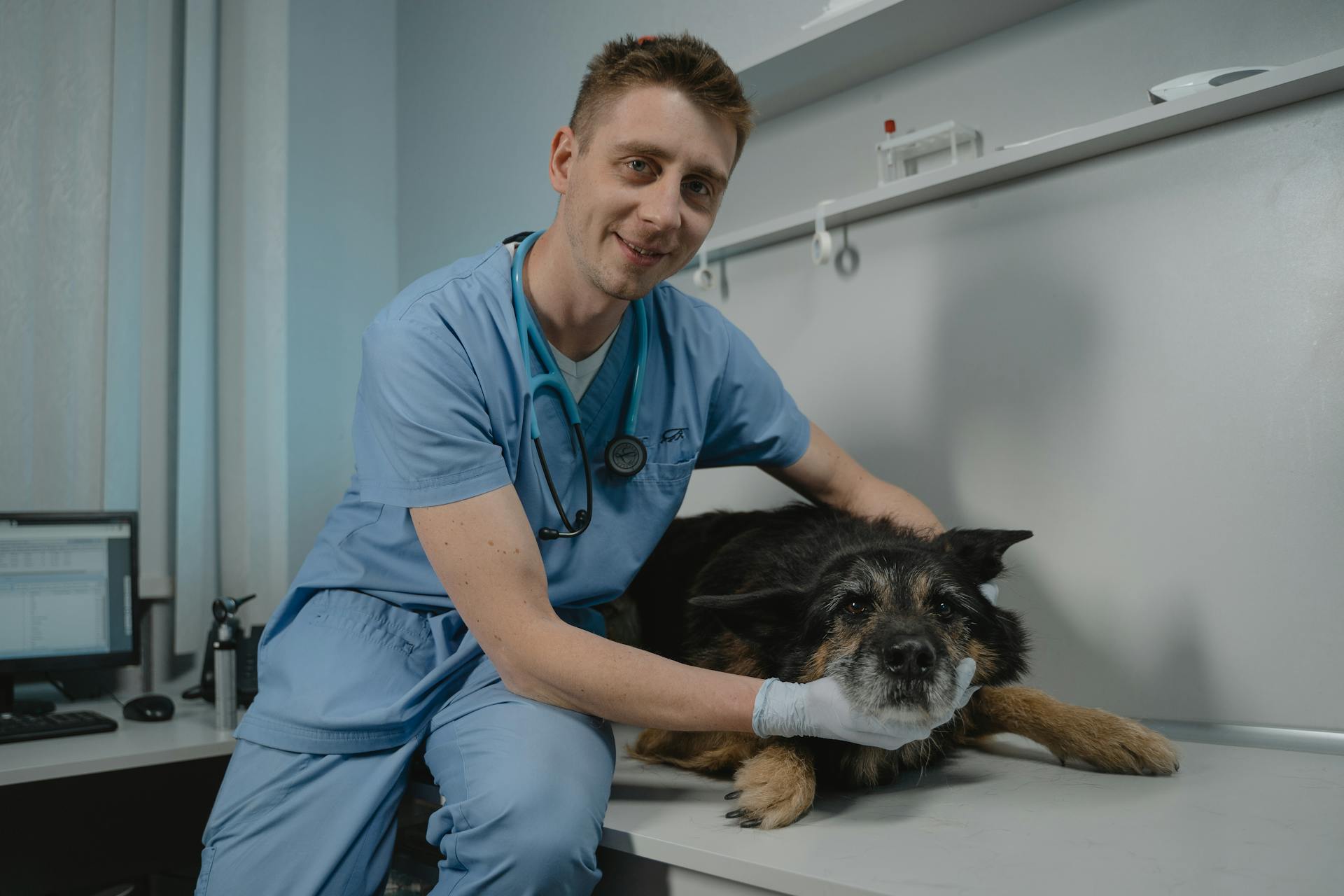
In addition to the case log, you'll need to complete 5 detailed case reports and obtain at least 50 continuing education hours. These requirements ensure that you have a strong foundation in clinical practice and are up-to-date on the latest techniques and research.
Here's a summary of the requirements:
By meeting these requirements, you'll be well on your way to earning a VTS in clinical practice and becoming a certified clinical specialist.
Surgical
Surgical specialties in veterinary medicine are a vital part of providing top-notch care for pets. They involve advanced training and expertise in assisting veterinarians with surgical procedures.
Veterinary surgical techs are specially trained to oversee pre-operative and post-operative care, making them an essential part of a surgical team. To become a veterinary surgical tech, you'll need at least 3 years of experience with 75% of that time dedicated to performing veterinary surgical duties.
A case log of at least 50 patients is also required, along with 4 case reports and 40 hours of continuing education. Additionally, you'll need to provide 2 letters of recommendation and a letter of intent.
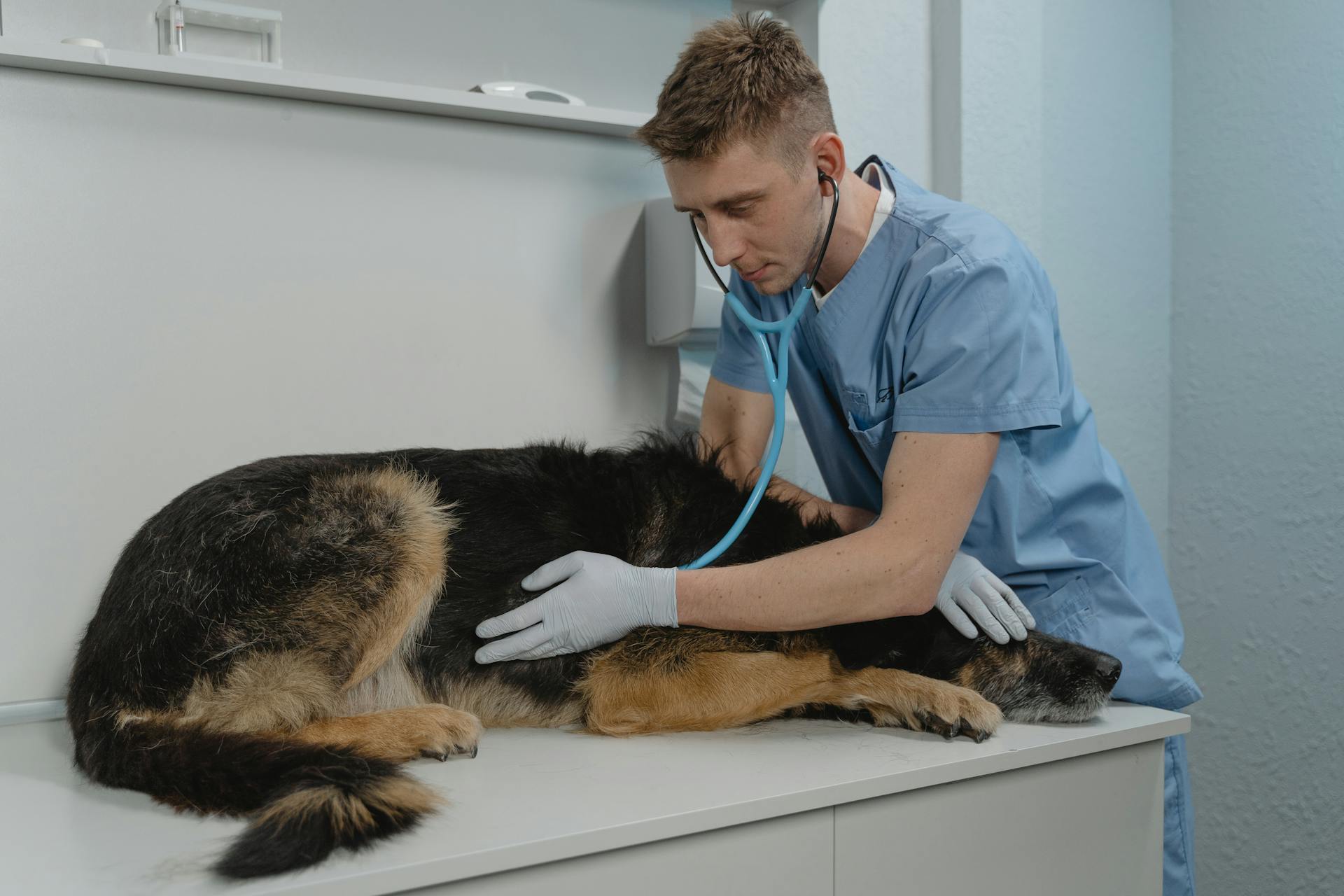
Here's a summary of the requirements to become a veterinary surgical tech:
Becoming a veterinary surgical tech requires dedication and hard work, but the rewards are well worth it. By pursuing this specialty, you'll be able to provide the most advanced care to your patients.
Internal Medicine
Internal medicine veterinary technicians are highly skilled professionals who play a crucial role in assisting internists with patient care. They have advanced skills to prepare samples, assist with diagnostic procedures, and educate clients.
To become a credentialed internal medicine veterinary technician, you'll need to complete a veterinary technician school. After that, you'll need to gain three years and 6,000 hours of experience as a credentialed vet tech in the field of internal medicine.
The Academy of Internal Medicine Veterinary Technicians (AIMVT) is the third most popular veterinary technician specialty, with over 124 members currently credentialed. They promote the interest in and advance the skills of veterinary technicians within the disciplines of veterinary internal medicine.
Related reading: Veterinary Technician Skills
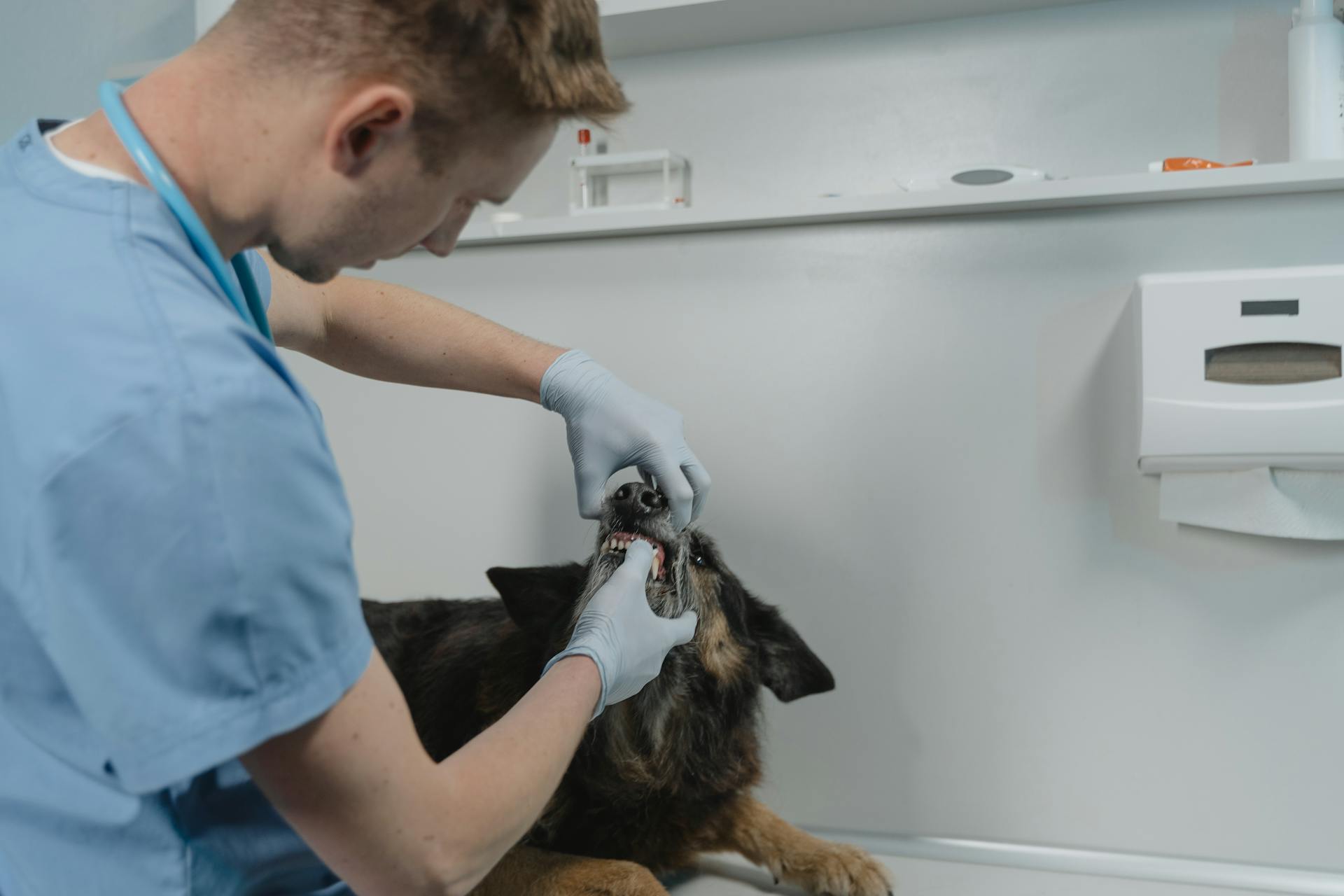
Internal medicine veterinary technicians can further specialize in areas such as small animal internal medicine, large animal internal medicine, cardiology, oncology, and neurology. To earn credentials, you'll also need to complete a minimum of 40 hours of continuing education within internal medicine.
To become an AIMVT-VTS, you'll need to submit three potential examination questions and provide two letters of recommendation. This is in addition to completing the minimum work experience and continuing education requirements.
Here's a summary of the steps to become an AIMVT-VTS:
- Graduate from a veterinary technician school.
- Complete the minimum work experience of three years and 6,000 hours as a credentialed vet tech in the field of Internal Medicine.
- Have a minimum of 40 hours of continuing education within Internal Medicine.
- Submit three potential examination questions.
- Provide two letters of recommendation.
Dentistry
Dentistry is a critical aspect of veterinary medicine, and veterinary dental technicians play a vital role in assisting veterinarians with dental care. They are credentialed professionals who have completed rigorous training and education.
To become a credentialed veterinary dental technician, one must graduate from an accredited veterinary technician school. This is the first step towards a career in veterinary dentistry.
Completing 25 hours of wet lab training and 15 hours of advanced dental procedures lectures is also required. This hands-on training helps technicians develop the skills they need to assist with dental procedures.
Discover more: Veterinary Technician Hours
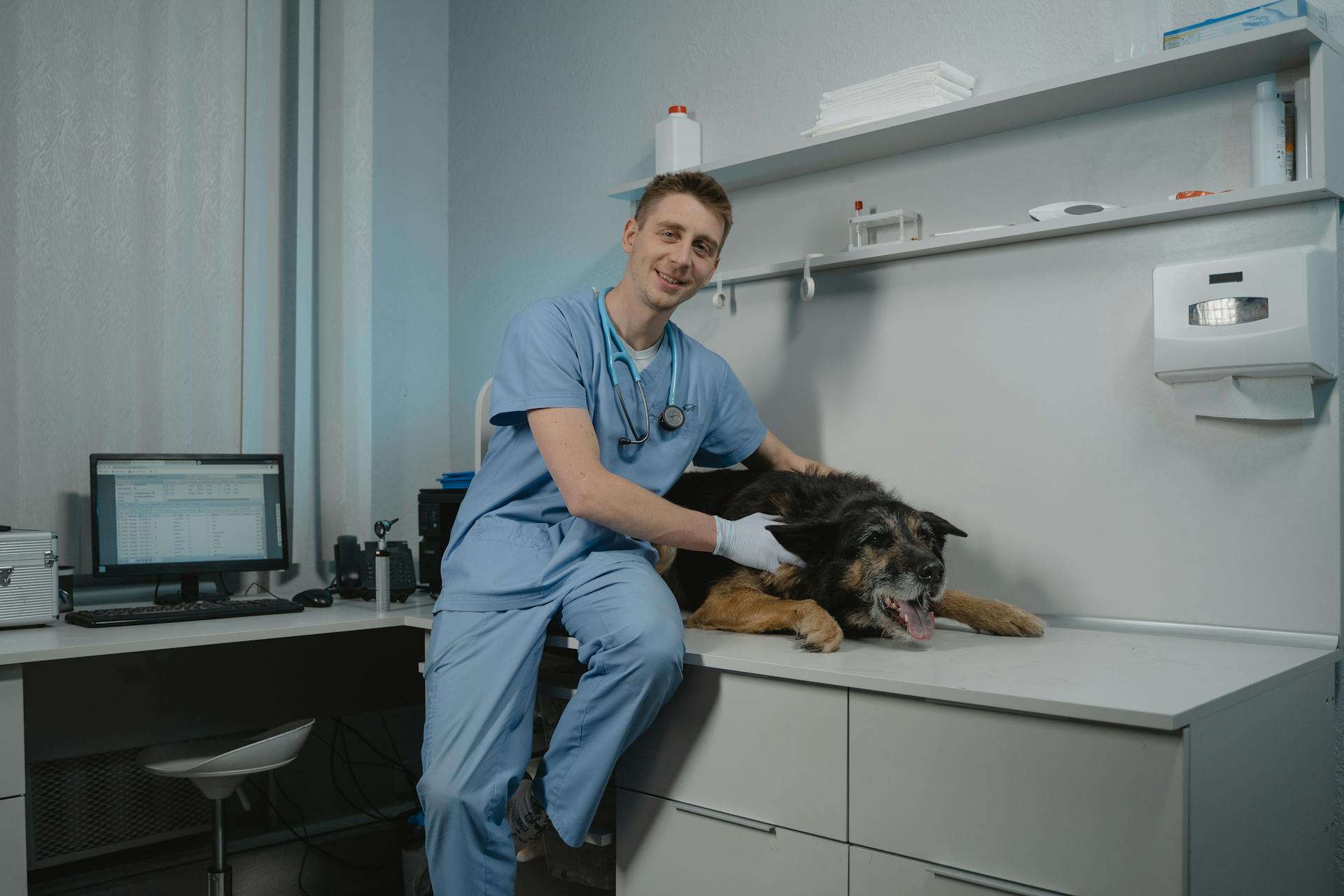
Veterinary dental technicians must also provide case logs and case reports, as well as complete a set of dental radiographs. This demonstrates their ability to work with dental patients and take high-quality radiographs.
List of Requirements for Credentialed Veterinary Dental Technicians:
- Graduate from an accredited veterinary technician school.
- Complete 25 hours of wet lab training and 15 hours of advanced dental procedures lectures.
- Provide case logs and case reports.
- Complete a set of dental radiographs.
- List and label veterinary dental equipment.
- Complete a required reading list.
Critical Care
Critical care is a veterinary technician specialization that requires a high level of expertise and composure under pressure. To become a critical care vet tech, you'll need to have advanced veterinary knowledge and technical expertise.
In a critical care setting, veterinary technicians are crucial team members who must be adept at critical thinking and make smart decisions quickly. They may be responsible for administering medications, conducting diagnostic tests, and assisting with emergency procedures.
The Academy of Veterinary Emergency and Critical Care Technicians and Nurses (AVECCTN) recognized the Emergency and Critical Care specialty for technicians as the most popular, with over 360 members credentialed in 2015. To be eligible for these credentials, a candidate must have specific education and experience requirements.

Some of the key responsibilities of a critical care vet tech include:
- Intravenously replacing lost fluids
- Administering general anesthesia
- Collecting specimens and taking radiographs
- Assisting with diagnosis and treatment
- Performing invasive procedures, such as drawing blood
- Monitoring vital signs carefully
These responsibilities require a high level of skill and composure, as every minute counts in a critical care setting.
Equine and Zoo Specialties
Equine and zoo specialties are two distinct areas that require specialized skills and experience. Equine veterinary technicians need at least 3 years of experience and a case log of at least 50 patients to advance their education and professional recognition.
To become a certified equine veterinary technician, you'll need to meet specific requirements, including a completed skills checklist and two letters of recommendation. You'll also need to complete 40 hours of continuing education and submit four case reports.
Zoo veterinary technicians, on the other hand, require at least 5 years of experience in zoological medicine and 40 case logs. They'll also need to complete 40 hours of continuing education and submit five case reports.
Here's a comparison of the requirements for equine and zoo veterinary technicians:
These specialized fields require dedication, hard work, and a passion for animal care. If you're considering a career in equine or zoo veterinary technology, be prepared to put in the time and effort to meet these requirements and make a real difference in the lives of animals.
Equine
To become a certified equine veterinary technician, you'll need at least 3 years of experience.
A case log of at least 50 patients is also required, which can be achieved through working with equine patients on a daily basis.
You'll need to submit 4 case reports, detailing your experiences and the care provided to each patient.
Continuing education is also crucial, with a minimum of 40 hours required.
A completed skills checklist and 2 letters of recommendation are also necessary for certification.
Here's a summary of the requirements:
Zoo
Zoo work is a highly competitive field that requires serious animal care experts to care for animals living outside of their natural habitats. It's a challenging but rewarding career that involves caring for exotic and captive animals in aquariums or zoological parks.
To become a zoo veterinarian, you'll need at least 5 years of experience in zoological medicine. This experience will help you develop the skills and knowledge needed to care for a wide range of animal species.
Recommended read: How to Become a Zoo Veterinary Technician
One of the most important qualifications for a zoo veterinarian is completing the Academy of Veterinary Zoological Medicine Technicians (AVZMT) certification program. This program requires zoo technicians to demonstrate excellence in the field by meeting specific requirements, including:
- at least 5 years of experience in zoological medicine
- 40 case logs
- 40 hours of continuing education
- complete skills checklist
- 5 case reports
- 2 professional letters of recommendation
As a zoo veterinarian, your duties will be varied and may include giving veterinarians assistance with their clinical cases, providing treatment to many different species, immobilizing animals big and small, surgical assistance, medical record-keeping, and laboratory work.
Diagnostic Imaging
Diagnostic imaging is a specialized field in veterinary technology that requires a high level of expertise and dedication. Technicians in this field must have at least 5 years of work experience, with 75% of that experience dedicated to diagnostic imaging or research-based work.
To become a certified veterinary technician in diagnostic imaging, you'll need to complete a veterinary diagnostic imaging skills form and submit 1 year of case logs and 6 case reports. Continuing education is also essential in this field, as it helps you stay up-to-date with the latest techniques and technologies.
For another approach, see: Diagnostic Imaging for Veterinary Technicians
Here are the key requirements for becoming a certified veterinary technician in diagnostic imaging:
- 5 years of work experience with 75% dedicated to diagnostic imaging or research
- Continuing education
- 2 letters of recommendation
- Completion of the veterinary diagnostic imaging skills form
- 1 year of case logs
- 6 case reports
- Submit 5 examination questions with corresponding answers
These requirements demonstrate the high level of expertise and dedication required to succeed in this specialized field.
Physical Rehabilitation and Nutrition
To become a specialist in physical rehabilitation, you'll need at least 5 years of experience, with 2 years in a general practice setting. This is a significant investment of time and dedication, but it's worth it for the opportunity to improve the lives of animals.
If you're interested in nutrition, the Academy of Veterinary Nutrition Technicians requires at least 3 years of experience in clinical or research-based animal nutrition. You'll also need to complete 40 hours of continuing education and submit a 1-year case log and 5 case reports.
Here's a comparison of the requirements for physical rehabilitation and nutrition specialists:
Physical Rehabilitation
Physical rehabilitation is a crucial aspect of an animal's recovery and overall well-being. It requires a dedicated professional with the right experience and qualifications.
To become a veterinary physical rehabilitation technician, you typically need 5 years of experience, with at least 2 years in a general practice setting. This hands-on experience is essential in understanding the needs of animals and developing the skills to create effective rehabilitation plans.
Having a strong educational background is also vital. You should aim to complete 4 case reports, which demonstrate your ability to analyze and improve rehabilitation outcomes. Additionally, maintaining case logs and completing an advanced skills list in veterinary physical rehabilitation are essential for staying up-to-date with the latest techniques and best practices.
When applying for a veterinary physical rehabilitation position, be prepared to provide a letter of intent and two letters of recommendation from experienced professionals in the field.
Discover more: Essential Calculations for Veterinary Nurses and Technicians
Nutrition
Nutrition is a crucial aspect of physical rehabilitation, especially for animals. It plays a vital role in their overall health and well-being.
To become a veterinary nutrition technician, you'll need at least 3 years of experience in clinical or research-based animal nutrition. This experience will help you understand the nutritional needs of animals and develop a career in this field.
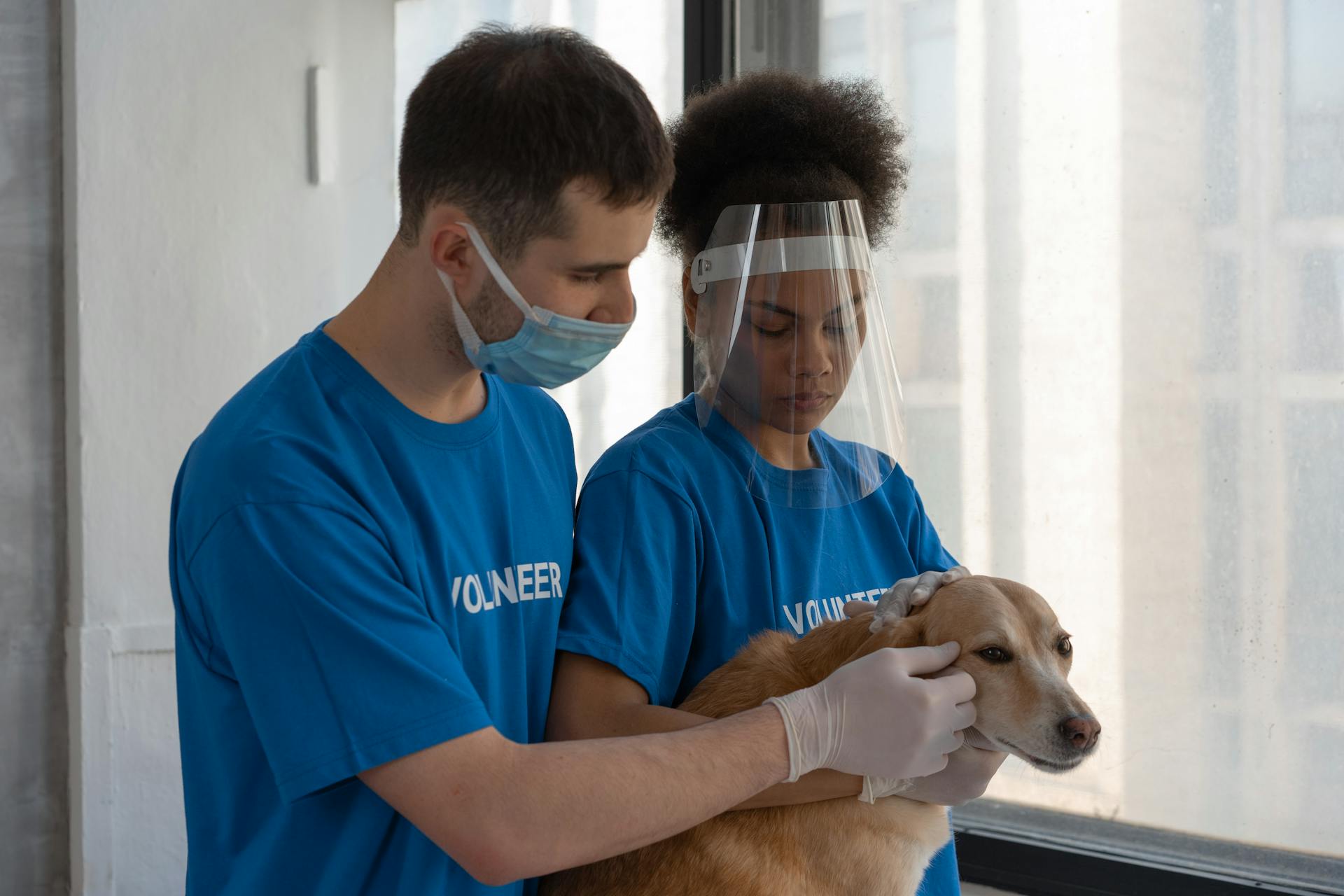
Continuing education is also essential for veterinary nutrition technicians. You'll need to complete 40 hours of continuing education to stay up-to-date with the latest developments in animal nutrition.
A completed skill form and a 1-year case log are also required to become a veterinary nutrition technician. These documents will help you demonstrate your skills and experience in the field.
When it comes to case reports, you'll need to submit at least 5 case reports as part of your application. These reports should showcase your ability to apply your knowledge of animal nutrition in real-world scenarios.
Two letters of recommendation are also required to support your application. These letters should come from professionals who can vouch for your skills and experience in veterinary nutrition.
Discover more: Veterinary Technician Continuing Education Free
Frequently Asked Questions
How many veterinary technician specialists are there?
There are 16 recognized specialties within the field of veterinary technology. These specialties are certified by the Committee of Veterinary Technician Specialties through NAVTA.
What other jobs can a vet tech do?
Besides working in a veterinary clinic, vet techs can also find careers as zookeepers, animal trainers, diagnostics technicians, and clinical technicians in various animal care settings
Featured Images: pexels.com