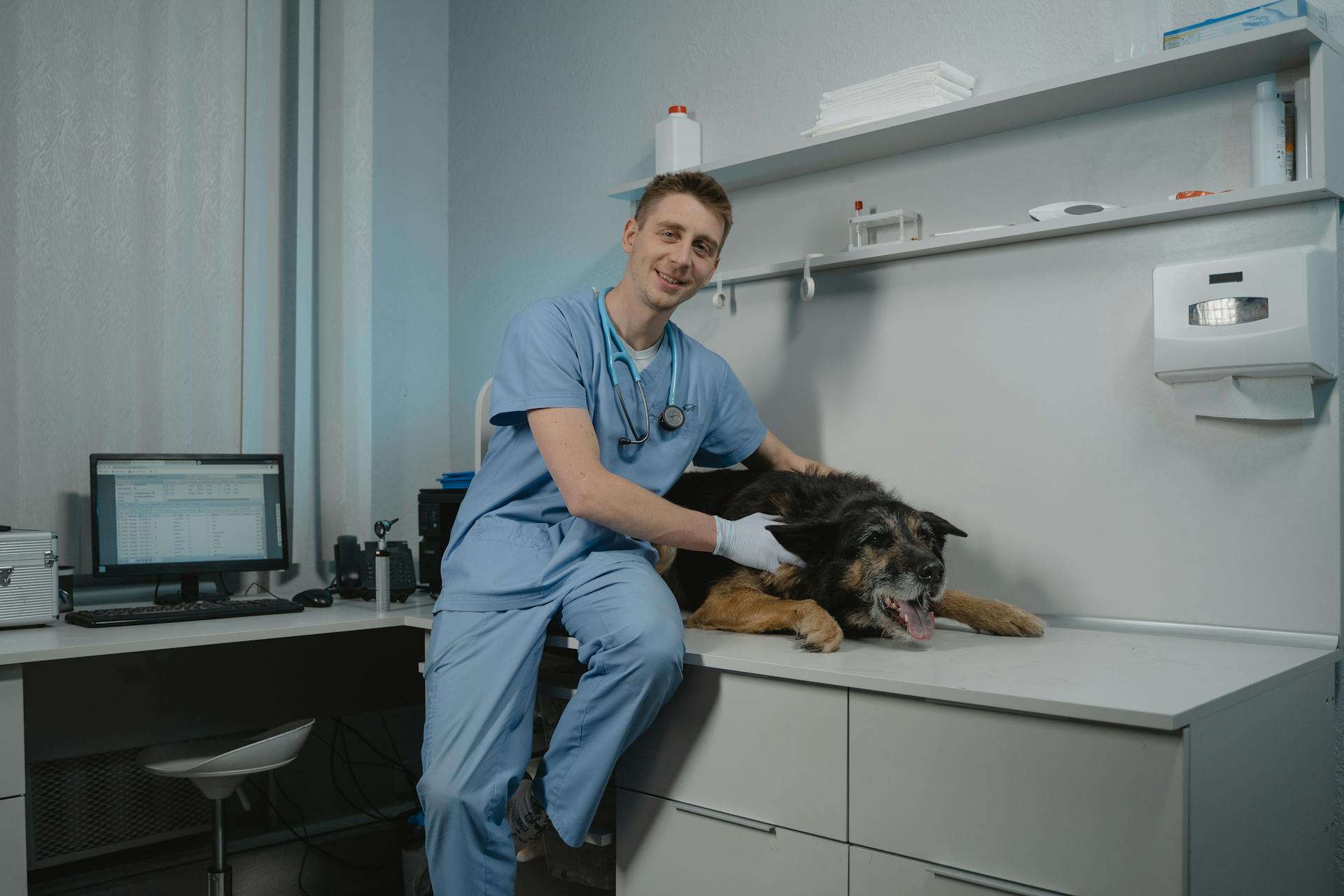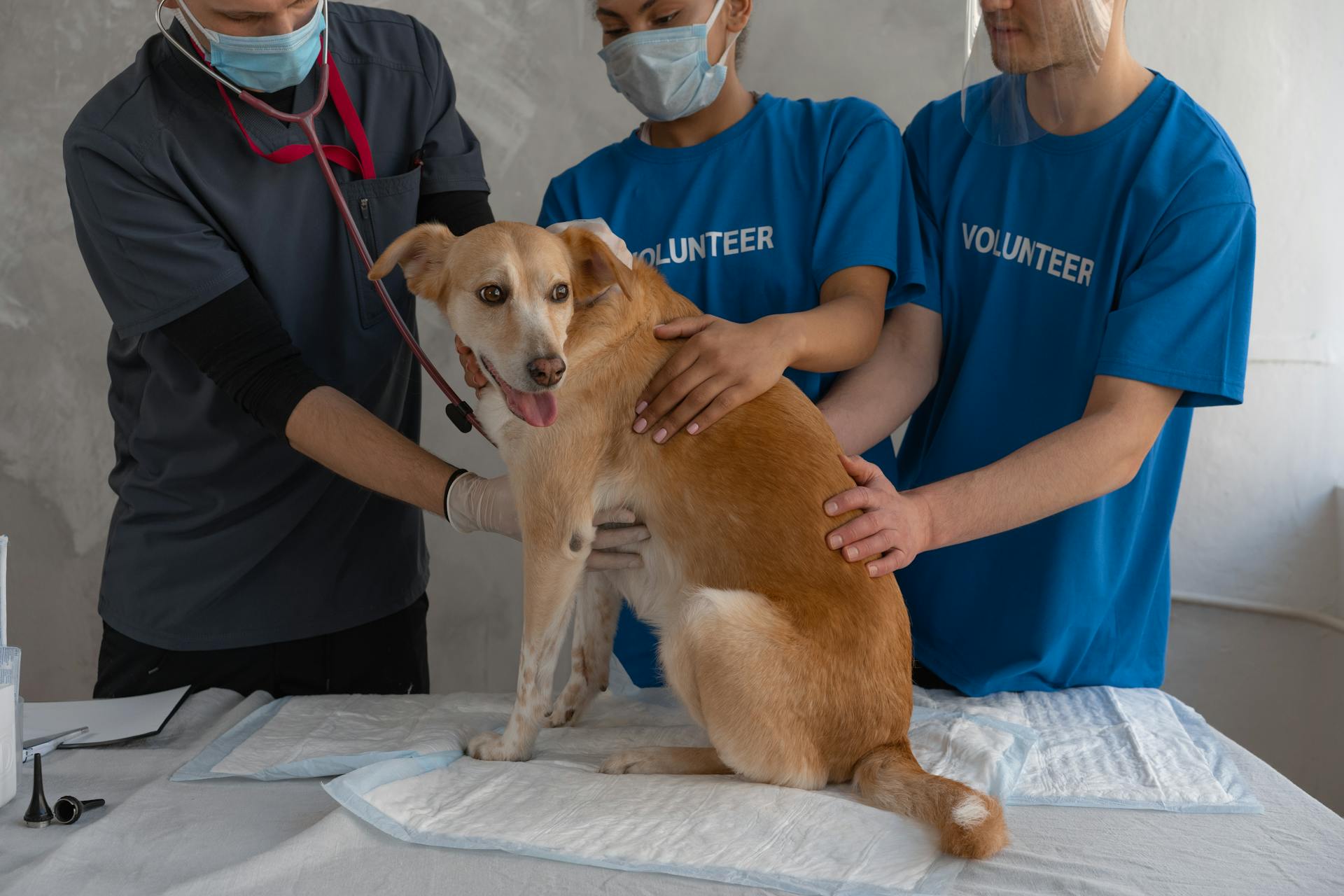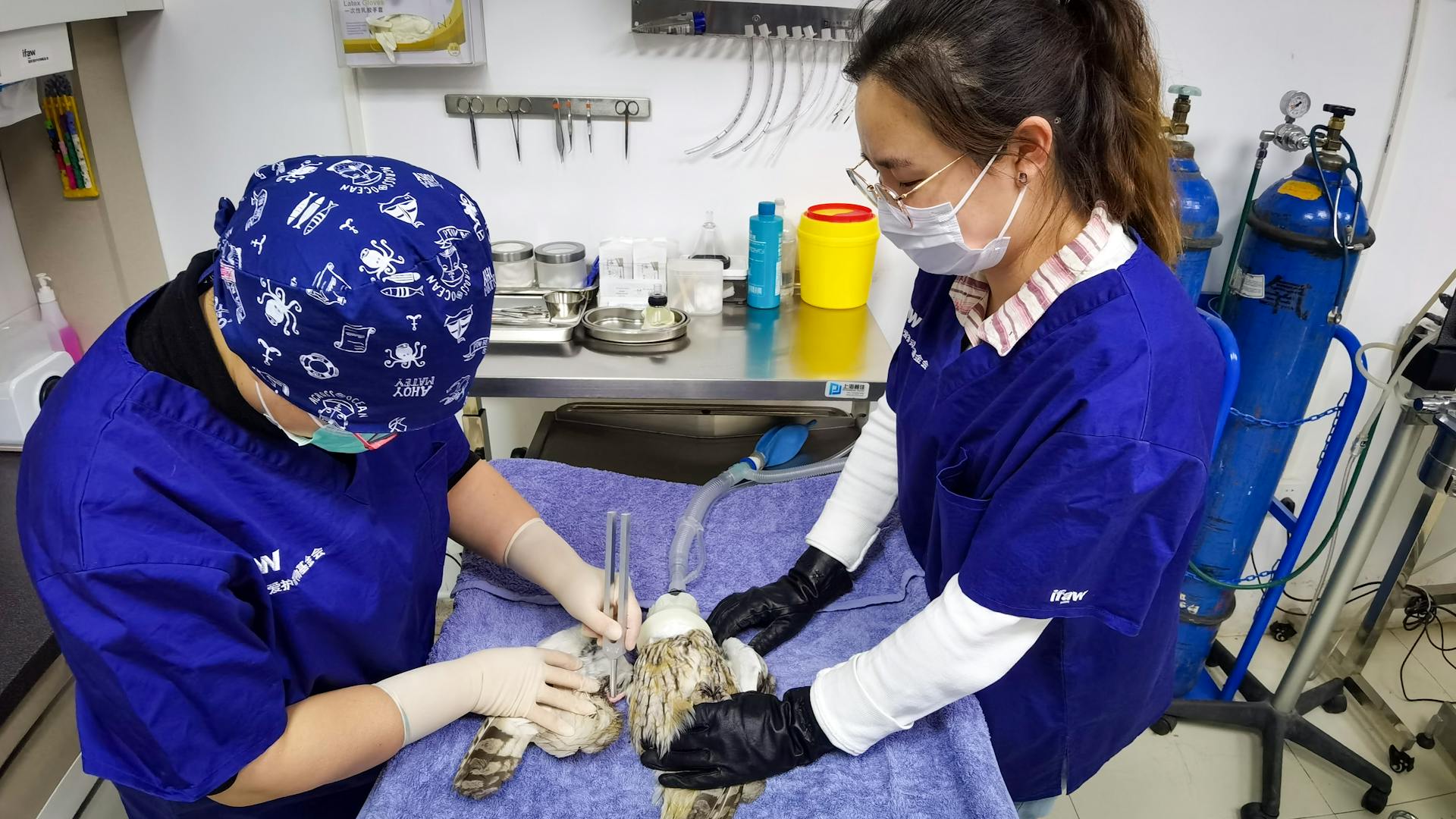
As a veterinary technician, you'll be working closely with veterinarians and other animal care professionals to ensure the health and well-being of animals. This requires a strong foundation in technical skills, including taking vital signs, administering medications, and performing laboratory tests.
One of the most essential skills of a veterinary technician is the ability to accurately take vital signs, such as temperature, pulse, and respiratory rate. This requires attention to detail and a thorough understanding of normal and abnormal values.
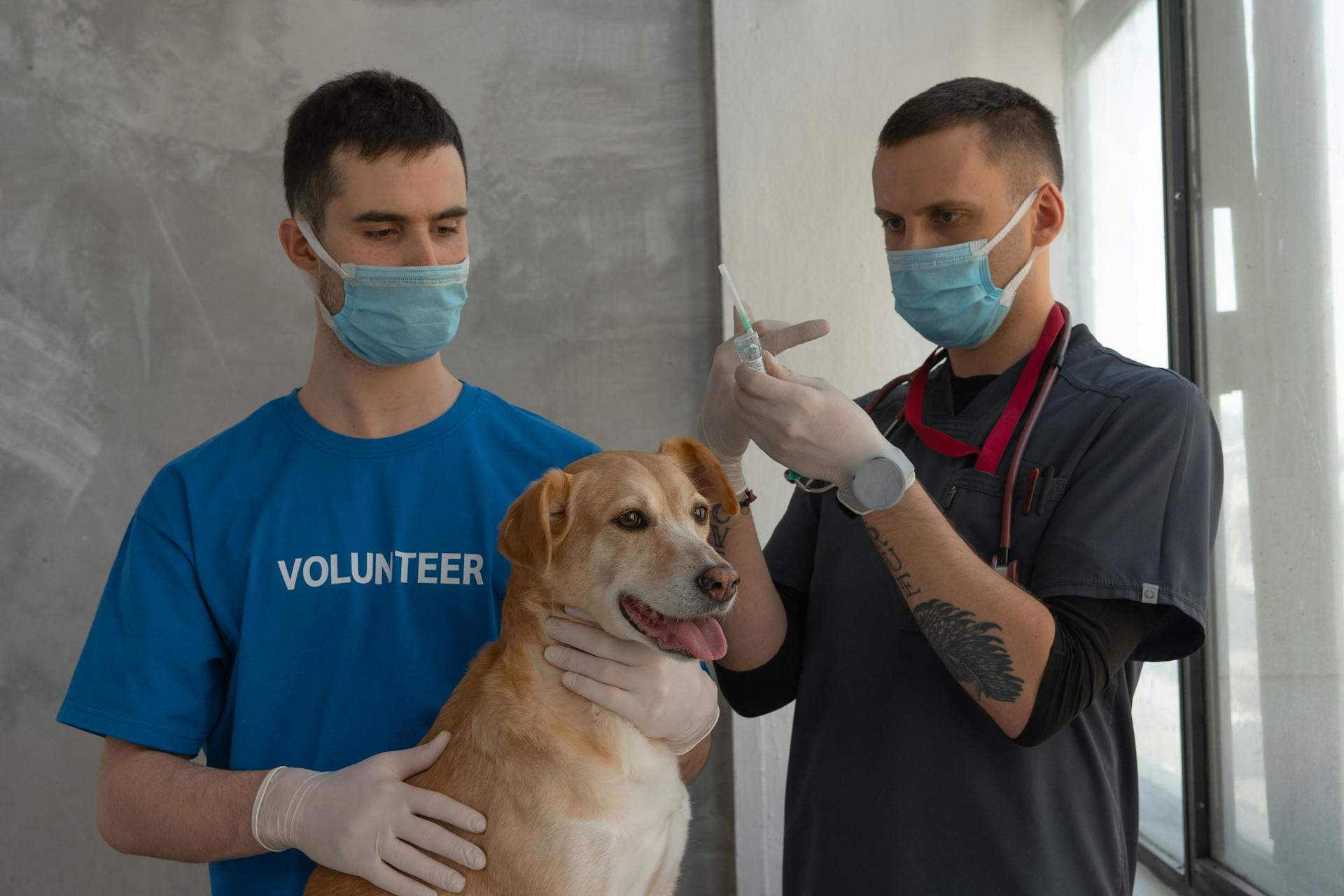
Veterinary technicians must also be skilled in the administration of medications, including injections, oral medications, and topical treatments. This involves knowledge of medication dosages, routes of administration, and potential side effects.
In addition to technical skills, veterinary technicians must also possess excellent communication and interpersonal skills to effectively interact with clients and other animal care professionals. This includes active listening, empathy, and the ability to provide clear and concise instructions.
Expand your knowledge: Pitbull Dog Signs
Key Skills
As a veterinary technician, attention to detail is crucial for ensuring the accuracy of medical records and administering medications correctly. This skill is essential for providing the highest standard of care for patients.
Veterinary technicians must also possess problem-solving abilities to think critically and solve problems quickly and efficiently in high-pressure situations. This is particularly important in a fast-paced environment like a veterinary clinic.
To be successful in this role, veterinary technicians need a range of skills, including surgical prep, pre-op, and post-op care, as well as the ability to read in-house samples. These skills can be grouped into different tiers, with each tier requiring increasingly advanced knowledge and abilities.
Here is a breakdown of the key skills required for each tier:
These skills are not only essential for providing quality patient care but also for advancing in one's career as a veterinary technician.
Attention to Detail
Attention to detail is crucial in the veterinary field, where a single mistake can have serious consequences. Inaccurate medical records can lead to misdiagnoses and inappropriate treatment.
Veterinary technicians must be meticulous in their work, following protocols and procedures to provide the highest standard of care for their patients. This attention to detail is essential for administering medications correctly.
Administering medications correctly requires careful attention to detail, as the wrong dosage or medication can harm an animal. Veterinary technicians must double-check prescriptions and dosages to ensure accuracy.
In addition to medical records and medication administration, attention to detail is also critical for identifying subtle changes in an animal's condition. This can help prevent serious health issues from developing.
Problem-Solving Abilities
As a veterinary technician, you'll often find yourself in high-pressure situations where you need to think on your feet. Veterinary technicians must be adaptable and resourceful.
In a fast-paced veterinary clinic, unexpected challenges and emergencies can arise at any moment. This requires the ability to think critically and solve problems quickly and efficiently.
Curious to learn more? Check out: Vetcheck Pet Urgent Care Center - Fishers in
Communication
Effective communication is key in any profession, and veterinary technicians are no exception. They must be able to communicate clearly and confidently, both verbally and in writing, to convey important information about a patient’s condition.
This means being able to clearly explain a treatment plan and aftercare instructions to pet owners. Veterinary technicians must be able to collaborate with veterinarians and fellow staff members to provide the best possible care for animals.
Collaboration is essential in veterinary settings, and effective communication helps make that happen. By communicating clearly, veterinary technicians can ensure that all parties involved are on the same page.
Patience
Patience is a vital skill for veterinary technicians, as we're often exposed to animals with different personalities, which can be challenging to deal with. A good technician has patience and can remain calm even in difficult situations.
Dealing with fractious animals is a common occurrence, and it's easy to get frustrated. However, it's essential to give animals the benefit of the doubt, just as we tend to do.
The biggest challenge for veterinary technicians is often dealing with people, both clients and colleagues. We need to treat others as we'd like to be treated, not necessarily as they treat us. This is a tough but essential part of the job if we want to succeed.
Discover more: Essential Calculations for Veterinary Nurses and Technicians
CA Seasoned Tech
As a seasoned veterinary technician in California, it's essential to have a strong foundation in key skills.
In the CA Tier 1 > Tier 2 Seasoned Registered Vet Tech Skills Checklist, we see that dental extractions are a crucial skill, often required in emergency situations.
A fresh viewpoint: Veterinary Assistant Skills
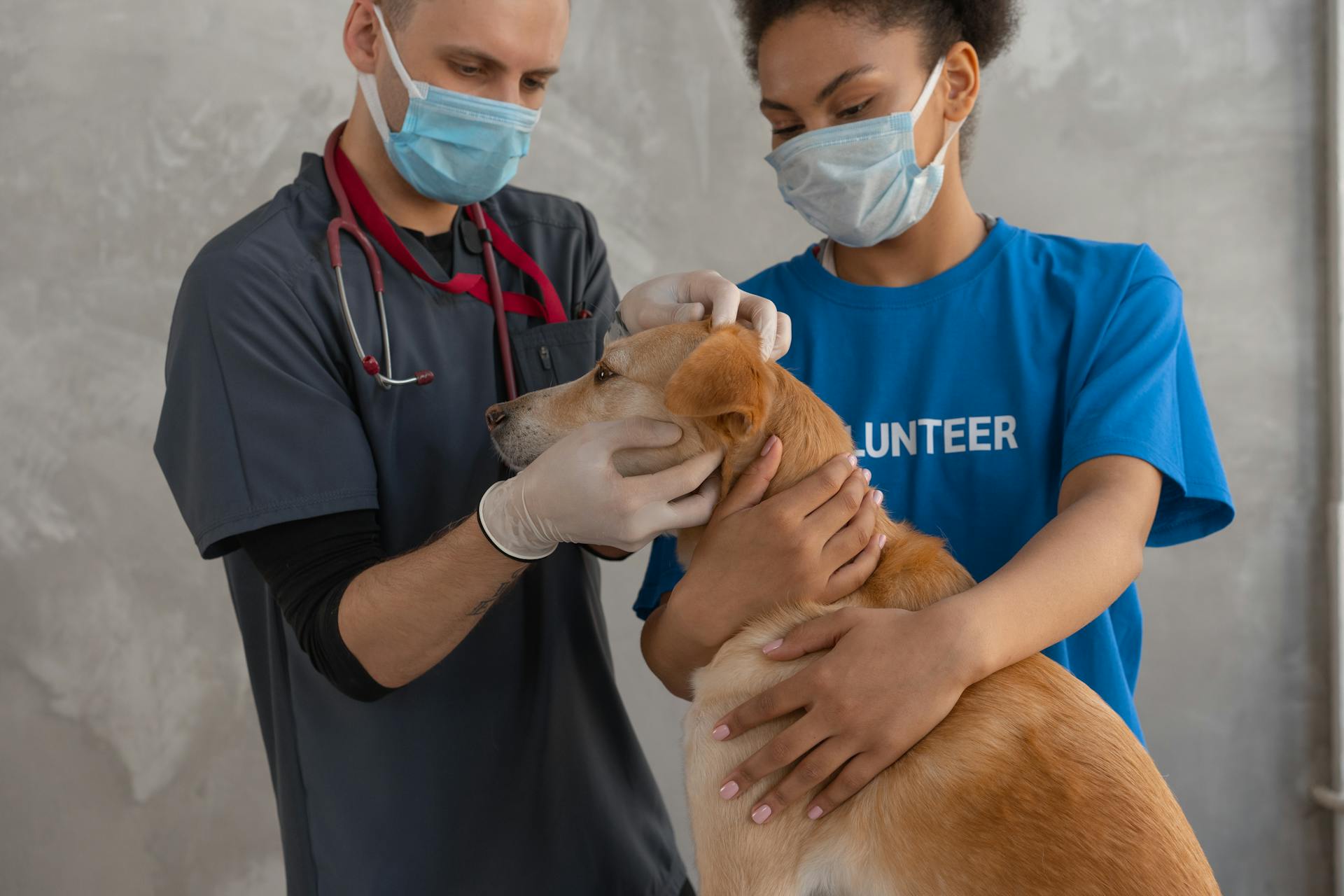
To perform dental extractions, you'll need to be comfortable with SQ, IM, and IV injections, which can be administered with or without a port. This requires a good understanding of anatomy and the ability to navigate different types of injections.
Surgical closure of skin wounds is another critical skill, one that requires attention to detail and a solid understanding of wound care principles.
In addition to these skills, you'll also need to be able to perform ultrasound-guided cystocentesis and urinary catheter placement.
And let's not forget the importance of recognizing emergencies and performing CPR. This requires a combination of knowledge and hands-on experience, as well as the ability to remain calm under pressure.
Here are some key skills that are essential for a CA Seasoned Tech:
- Dental extractions
- SQ, IM, IV injections (with or without a port)
- Surgical closure of skin wounds
- Ultrasound guided cystocentesis
- Urinary catheter placement
- Recognizing emergencies and performing CPR
Physical and Mental Demands
Working as a veterinary technician can be physically demanding, requiring long hours on your feet, lifting and restraining animals, and performing repetitive tasks.
Physical stamina and endurance are essential qualities that enable veterinary technicians to meet the physical demands of the job and provide optimal care for their patients.
Veterinary technicians must also have the mental stamina to handle stressful situations, such as dealing with anxious or aggressive animals, and making quick decisions in emergency situations.
Physical Stamina

Working as a veterinary technician can be physically demanding, requiring long hours on your feet, lifting and restraining animals, and performing repetitive tasks.
Physical stamina and endurance are essential qualities that enable veterinary technicians to meet the physical demands of the job and provide optimal care for their patients.
Long hours on your feet can be tiring, but it's a necessary part of the job.
Recommended read: Should I Bathe My Dog before Flea Treatment
Safety
Safety is often taken for granted in the veterinary industry. It's something that seems obvious, but can regularly be forgotten, especially in a busy, stressful workday.
Overworked and burnt-out practice staff can lead to unsafe conditions for patients, and also create a hazardous workplace for vet techs.
Focusing on safety protocols and strategies can reinforce their importance and provide the necessary tools to make the clinic safe.
Veterinary Technician Roles
As a veterinary technician, your role can vary greatly depending on your level of experience and skills. To move up from Tier 2 to Tier 3, you'll need to have a solid foundation in assisting with surgeries, including spay and neuter, orthopedic, and dental procedures.
You'll also need to be confident in your ability to perform anesthetic inductions, monitoring, and recovery, as well as patient triage. This requires a good understanding of emergency situations and critical care.
To give you a better idea of the skills required at each level, here's a comparison of some of the key tasks:
- Tier 2 to Tier 3: Assist/monitor spay and neuter surgery, assist/monitor orthopedic surgery, grade 3-4 dentistry and dental radiographs, patient triage
- CA Tier 2 to Tier 3: Assist the vet in emergencies or complex surgical procedures, prep for surgery, use of an anesthesia ventilator
These skills are essential for advancing your career as a veterinary technician and increasing your earning potential.
Lead Tech
As a veterinary technician, you may have heard of the concept of Lead Tech, but what exactly does it entail? Lead Techs are the most in-demand on the Roo platform, which means you'll see a huge jump in shifts available when you level up from Tier 2 to Tier 3.
To move up from Tier 2 to Tier 3, you'll need to master certain skills. Here are some of the key requirements:
- Anesthetic induction, monitoring, and recovery
- Assist/monitor spay and neuter surgery
- Assist/monitor orthopedic surgery
- Grade 3-4 dentistry and dental radiographs
- Patient triage (some ER experience)
These skills are crucial for a successful career as a Lead Tech, and it's essential to have a solid foundation in all of them before moving up to the next tier.
Veterinary Technician Roles
As a veterinary technician, your role is crucial in providing top-notch care to animals. You'll be working closely with veterinarians to diagnose and treat medical conditions, perform surgical procedures, and administer medications.
To move up the ranks, you'll need to acquire specialized skills and experience. For example, to move from Tier 1 to Tier 2, you'll need to be able to confidently perform surgical prep, pre-op, and post-op care, as well as dental prophylaxis and client education. You'll also need to be able to read in-house samples, such as fecals, blood, and urine.
In California, the requirements are slightly different. To move from Tier 1 to Tier 2, you'll need to be able to perform dental extractions, SQ, IM, and IV injections, as well as surgical closure of skin wounds and ultrasound-guided cystocentesis.
As you progress to Tier 3, you'll need to take on more advanced responsibilities, such as handling emergencies and complex surgeries, calculating and administering CRI's, and managing a central line. You'll also need to have experience as an inpatient nurse in an ICU and at least 2 years of critical animal care and nursing experience.
Worth a look: Veterinary Dental Technician Training
Here's a breakdown of the skills required for each tier:
Remember, becoming a skilled veterinary technician takes time, patience, and practice. But with dedication and hard work, you can move up the ranks and provide top-notch care to animals in need.
Benefits for Patients, Clients and Staff
Working as a veterinary technician can bring numerous benefits to patients, clients, and staff alike.
Veterinary technicians play a vital role in providing quality care to animals, and this can lead to improved patient outcomes.
In a typical day, a veterinary technician may assist in surgeries, take x-rays, and administer medications, all of which can contribute to better patient care.
Veterinary technicians also have the opportunity to work with a variety of animals, from small pets to large livestock, which can make their job exciting and challenging.
By working as a veterinary technician, individuals can develop strong communication skills, which are essential for interacting with clients and other healthcare professionals.
Veterinary technicians often work in a team environment, which can foster a sense of camaraderie and teamwork among staff members.
In addition to these benefits, veterinary technicians can also enjoy job security and a relatively high salary compared to other healthcare professionals.
Broaden your view: Veterinary Technician Relief Work
Specialized Areas
As a veterinary technician, you'll have the opportunity to specialize in various areas, each with its own unique set of skills and responsibilities.
Radiology technicians, for example, are skilled in taking X-rays and other imaging tests to help diagnose animal health issues. They must be able to position patients correctly and ensure that the equipment is calibrated properly.
Phlebotomy technicians, on the other hand, are responsible for collecting blood and other fluid samples from animals. This requires a steady hand and attention to detail to ensure that the samples are collected correctly and safely.
In addition to these specialized areas, veterinary technicians may also work in areas such as anesthesia, laboratory work, or even dentistry.
Expand your knowledge: How Is a Veterinary Technician Work Environment
Tier 4 Tech
As a Tier 4 Tech, you'll have the ability to pick up any tech shift on the platform in your area, including the highest paying tech shifts. This is a huge advantage in maximizing your earnings using Roo.
To become a Tier 4 Tech, you'll need to have a strong foundation in skills that Tier 3 Techs possess, including handling emergencies and complex surgeries, calculating and administering CRI's, and managing a central line.
You'll also need to have at least 2+ years of critical animal care and nursing experience, as well as experience as an Inpatient Nurse in an ICU. This level of expertise will give you the confidence to take on any tech shift and excel in your role.
Telehealth
Telehealth has become a crucial aspect of veterinary medicine, especially since the pandemic. It allows veterinary practices to handle more patient wellness visits while still making time for urgent or critical patients in-office.
By utilizing telehealth, veterinary practices can break down barriers to care that prevent clients from regularly bringing their pets for exams. This can be especially helpful for clients who live far from the practice or have difficulty bringing their pets in for regular check-ups.
Consider reading: Are Bengal Cats Good Pets
Telehealth can also be used to educate clients on proper pet care, which is essential for maintaining the health and well-being of their pets. This can include providing guidance on nutrition, exercise, and preventative care.
Training veterinary technicians in telehealth procedures is necessary for continued growth and success in a veterinary practice that utilizes telehealth.
Frequently Asked Questions
What to put on a vet tech resume?
To create a strong vet tech resume, include essential sections such as contact information, professional summary, work experience, education, certifications, and skills. Tailoring these sections to highlight your relevant experience and qualifications will make your resume stand out to potential employers.
What are 3 duties of a veterinarian technician?
A veterinarian technician's duties include preparing animals for surgery, administering medications and treatments, and collecting case histories. They play a crucial role in supporting veterinarians in providing quality care to animals.
Featured Images: pexels.com