To become an effective animal control officer, you'll need a combination of physical and mental skills. Animal control officers must be physically fit to handle the demands of the job, such as chasing and restraining animals.
Having a strong understanding of animal behavior and body language is crucial for de-escalating situations and minimizing the risk of bites or attacks. This requires a keen eye for detail and the ability to read non-verbal cues.
Animal control officers must also be able to think on their feet and make quick decisions in high-pressure situations. This might involve assessing a situation and deciding the best course of action to safely capture or relocate an animal.
In addition to these skills, animal control officers must have excellent communication and interpersonal skills to interact with the public, law enforcement, and other stakeholders.
Required Skills
As an animal control officer, you'll need to possess a unique combination of skills to effectively handle various animal-related situations. Animal Handling is a crucial skill, requiring the ability to safely handle and restrain animals of various sizes, species, and temperaments.
Physical Fitness is also essential, as you'll need to perform physically demanding tasks, including lifting heavy objects, working outdoors in all weather conditions, and standing for extended periods. This requires a high level of physical stamina and endurance.
To effectively handle animal-related issues, you'll need to possess strong problem-solving and decision-making skills. This involves being able to think critically and make sound judgments in high-pressure situations. In addition, you'll need to have excellent communication skills, including verbal and written communication, to interact with the public, law enforcement, and other agencies.
Handling Stray Animals
Handling stray animals is a crucial part of an animal control officer's job. They must handle complaints regarding stray animals, licensed and unlicensed domesticated animals, and investigate alleged violations of state anti-cruelty statutes.
To effectively handle stray animals, an animal control officer must have strong animal handling skills. This includes the ability to safely handle and restrain animals of various sizes, species, and temperaments. They must also be able to prioritize and manage multiple tasks efficiently, including responding to emergency calls and handling conflicts.
Curious to learn more? Check out: A Day in Life of Animal Control Officer
Animal control officers must be familiar with local and state animal control laws, ordinances, and regulations. This includes county ordinances, state laws, and animal control regulations. They must also be able to issue citations and summonses when necessary.
In some cases, animal control officers may need to handle emergency situations involving stray animals. This can include providing emergency first aid and using pepper spray to protect themselves. They must also be prepared to handle snakes and other wild animals.
Here are some key tasks involved in handling stray animals:
- Handling complaints regarding stray animals
- Investigating alleged violations of state anti-cruelty statutes
- Picking up stray animals
- Enforcing animal laws
- Providing emergency first aid
- Using pepper spray to protect themselves
List of Skills
To become an animal control officer, you'll need to possess a unique set of skills that will help you navigate the demands of this challenging job.
Animal control officers must have excellent animal handling skills, which involves safely handling and restraining animals of various sizes, species, and temperaments.
To effectively communicate with the public, law enforcement, and other agencies, you'll need to have strong verbal and written communication skills.
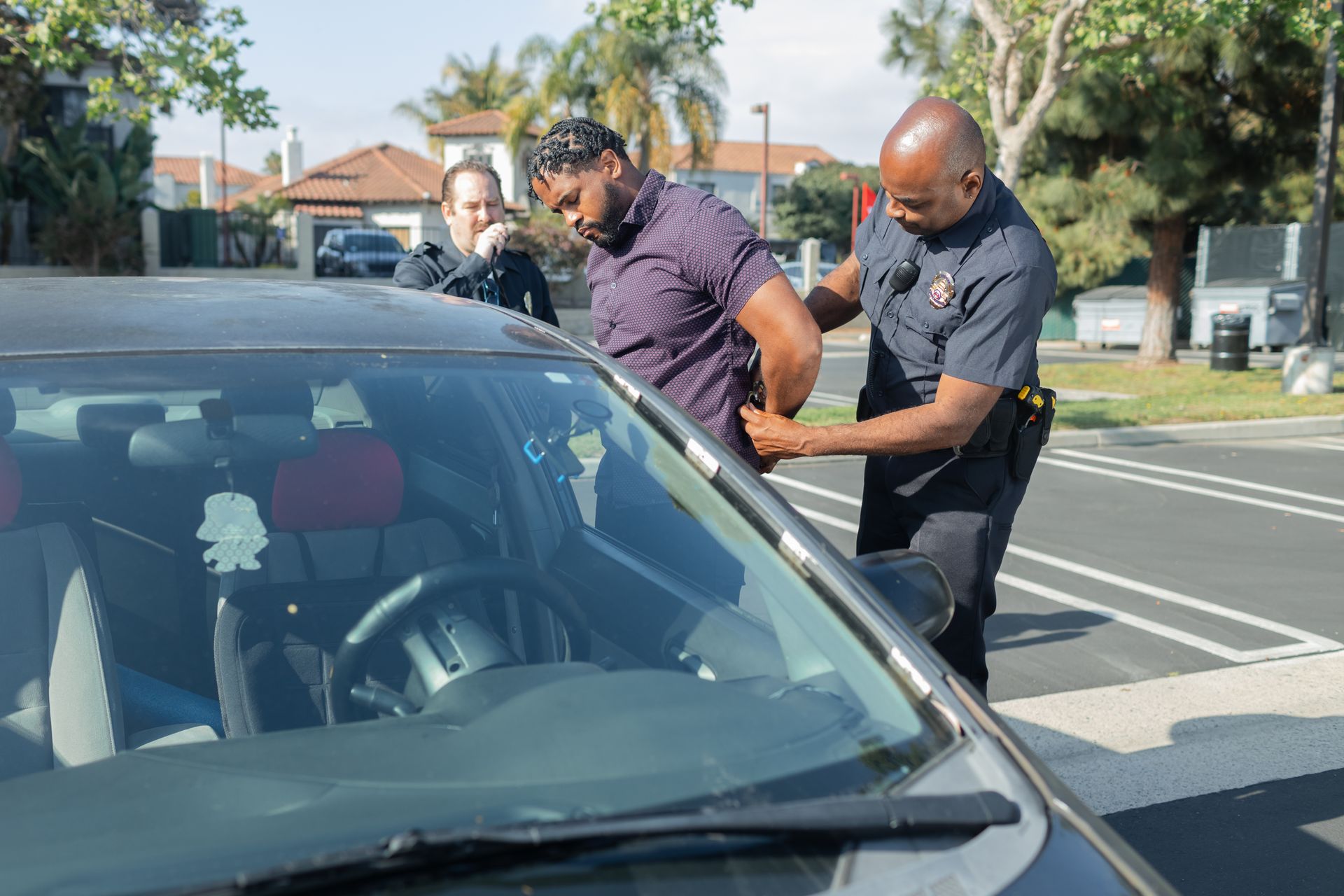
A strong sense of compassion is essential for an animal control officer, as you'll be dealing with emotionally challenging situations involving animals.
Effective problem-solving and decision-making skills are crucial for resolving animal-related issues and emergencies.
Physical fitness is also a must, as you'll need to perform physically demanding tasks, including lifting heavy objects, working outdoors in all weather conditions, and standing for extended periods.
Here are some key skills you'll need to succeed as an animal control officer:
- Animal Handling
- Communication
- Compassion
- Problem-solving
- Physical Fitness
- Time Management
- Knowledge of Animal Control Laws
- First Aid
- Computer Literacy
- Conflict Resolution
- High school diploma or equivalent
- Valid driver's license with a clean driving record
- Certification or training in animal control, animal handling, or a related field
- Previous experience in animal control, law enforcement, or a related field
- Ability to work flexible hours, including evenings, weekends, and holidays
- Physical ability to pass a pre-employment medical examination and meet the physical demands of the job
- Ability to pass a background check and drug screening
These skills will help you navigate the demands of this challenging job and ensure the safety and well-being of both animals and humans in your community.
Qualifications and Training
To become an effective animal control officer, you'll need to meet certain qualifications and have the right training. A high school diploma or equivalent is the minimum educational requirement, but having certification or training in animal control, animal handling, or a related field is definitely a plus.
Discover more: Impulse Control Dog Training
Previous experience in animal control, law enforcement, or a related field is also highly desirable. This hands-on experience will help you develop the skills and confidence you need to excel in this role.
To give you a better idea of the qualifications required, here are the key points to keep in mind:
- Valid driver's license with a clean driving record
- Ability to pass a pre-employment medical examination
- Ability to pass a background check and drug screening
It's also essential to be flexible with your work hours, including evenings, weekends, and holidays as required. This may not be ideal for everyone, but it's a necessary part of the job.
Responding to Emergency Calls
Responding to Emergency Calls is a critical aspect of any role that requires assistance in difficult situations.
Responded to emergency calls and assisted other personnel in difficult situations, demonstrating the ability to think on your feet and stay calm under pressure.
Emergency calls can arise from a variety of situations, including those involving domestic animals and wildlife.
Responded to all emergency calls involving domestic animals and wildlife, showcasing expertise in handling sensitive and potentially hazardous situations.
In situations where emergency calls are received, it's essential to remain composed and follow established protocols to ensure the safety of all parties involved.
Responded to emergency calls and assisted other personnel in difficult situations, indicating a strong ability to collaborate and provide support when needed.
Required Qualifications
To land a job in animal control, you'll need to meet the required qualifications. A high school diploma or equivalent is the minimum educational requirement.
Having a valid driver's license with a clean driving record is also essential, as you'll likely be driving a vehicle as part of your job.
Certification or training in animal control, animal handling, or a related field can give you an edge, but it's not always necessary.
Previous experience in animal control, law enforcement, or a related field can be beneficial, but it's not a requirement.
Here are the key qualifications you'll need to meet:
- High school diploma or equivalent
- Valid driver's license with a clean driving record
- Certification or training in animal control, animal handling, or a related field (preferred)
- Previous experience in animal control, law enforcement, or a related field (desirable)
You'll also need to be physically able to pass a pre-employment medical examination and meet the physical demands of the job.
Being able to work flexible hours, including evenings, weekends, and holidays, is also a must.
Finally, you'll need to pass a background check and drug screening.
Resume and Career Development
As an animal control officer, it's essential to highlight relevant skills on your resume to increase your chances of landing a job. To do this, you'll want to include skills such as PET, Patrol, and Law Enforcement Agencies.
To further enhance your resume, consider including skills like Emergency Situations, Animal Control Ordinances, and City Ordinances. These will show potential employers that you have a solid understanding of the role and its requirements.
When it comes to career development, having the right skills can make all the difference. Here are some key skills to focus on: Animal HandlingAnimal BitesAnimal LicensesAnimal Complaints These skills will not only make you a more competitive candidate but also help you excel in your role as an animal control officer.
Steps to Becoming an Officer
Becoming an officer requires a strong educational foundation, with most positions requiring a bachelor's degree in a field such as business, law enforcement, or a military-related field.
To get started, you'll need to meet the basic qualifications, which typically include being a U.S. citizen, being at least 18 years old, and having a high school diploma or equivalent.
A commissioning program can provide a direct path to becoming an officer, such as the Officer Candidate School (OCS) program, which is offered by the U.S. military.
Discover more: K9 Unit Requirements
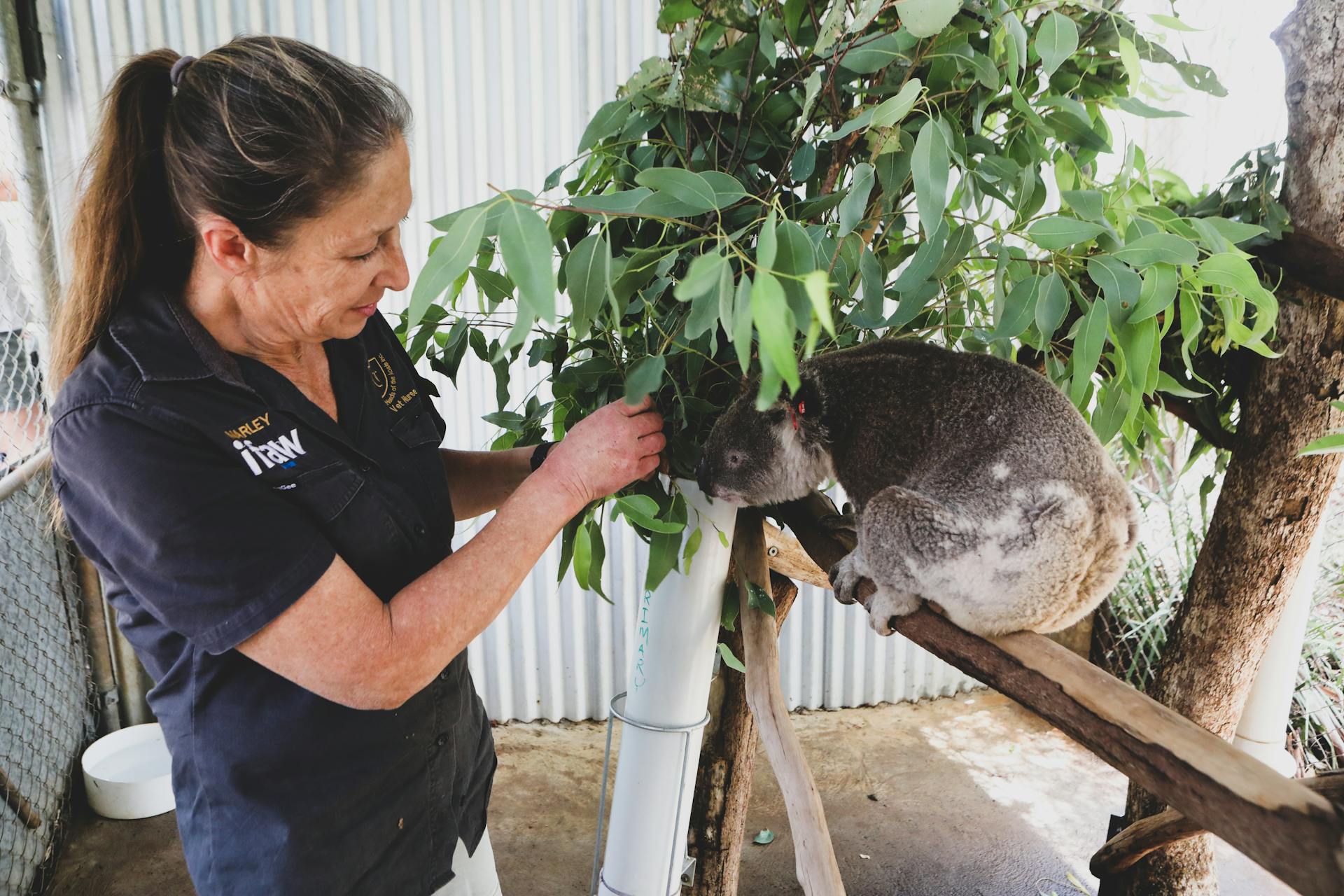
The OCS program typically lasts 12-14 weeks and provides training in leadership, tactics, and other essential skills.
To increase your chances of being accepted into a commissioning program, focus on developing strong leadership skills and a strong academic record.
The military also offers a variety of officer training programs, such as the Reserve Officers' Training Corps (ROTC), which can provide a four-year education and a commission upon graduation.
In addition to formal education and training, becoming an officer also requires a strong sense of discipline and a willingness to take on leadership roles and responsibilities.
Worth a look: K9 Police Officer
Skills to Add to Resume
To add relevant skills to your resume, consider including critical thinking, physical fitness, and attention to detail. These skills are essential for an animal control officer, but can also be applied to other roles.
As an animal control officer, you'll need to be able to communicate effectively with people from all backgrounds in potentially stressful situations. This requires excellent verbal and written communication skills.
To handle emotionally challenging situations, you'll need strong empathy and compassion for animals. This is crucial for resolving animal-related issues and emergencies.
Animal control officers must be able to safely handle and restrain animals of various sizes, species, and temperaments. This requires a combination of physical fitness and knowledge of animal behavior.
If you're interested in a career in animal control, consider highlighting your knowledge of local and state animal control laws, ordinances, and regulations. This will help you stand out as a candidate.
To demonstrate your problem-solving skills, include examples of times when you've had to think on your feet or come up with creative solutions to complex problems.
Here are some key skills to include on your resume:
Laws and Regulations
As an animal control officer, it's essential to be familiar with the laws and regulations that govern your work. Animal Control Laws are in place to protect both humans and animals, and it's crucial to enforce them effectively.
Intriguing read: Animal Neglect Laws California
Routine patrols of the county are a key part of enforcing these laws, as they help identify strays and other animals that may be in violation of applicable animal control laws and ordinances.
Assisting in vaccinating animals and educating the public on the importance of vaccines is also a vital part of enforcing animal control laws and ordinances. This helps prevent the spread of diseases and promotes public health.
To give you a better idea of the specific laws and regulations you'll be working with, here's a quick rundown of some key points:
- Conducting routine patrols to identify strays and other animals in violation of applicable animal control laws and ordinances.
- Assisting in vaccinating animals and educating the public on the importance of vaccines.
Laws and Regulations
Animal control laws are in place to protect both humans and animals. Conducting routine patrols of the County is a key part of enforcing these laws.
Stray animals and those violating applicable laws are a common issue. Animal control officers are responsible for identifying and addressing these problems.
Vaccinating animals is an important aspect of animal control. Assisting in vaccinations and educating the public on the importance of vaccines is a crucial role.
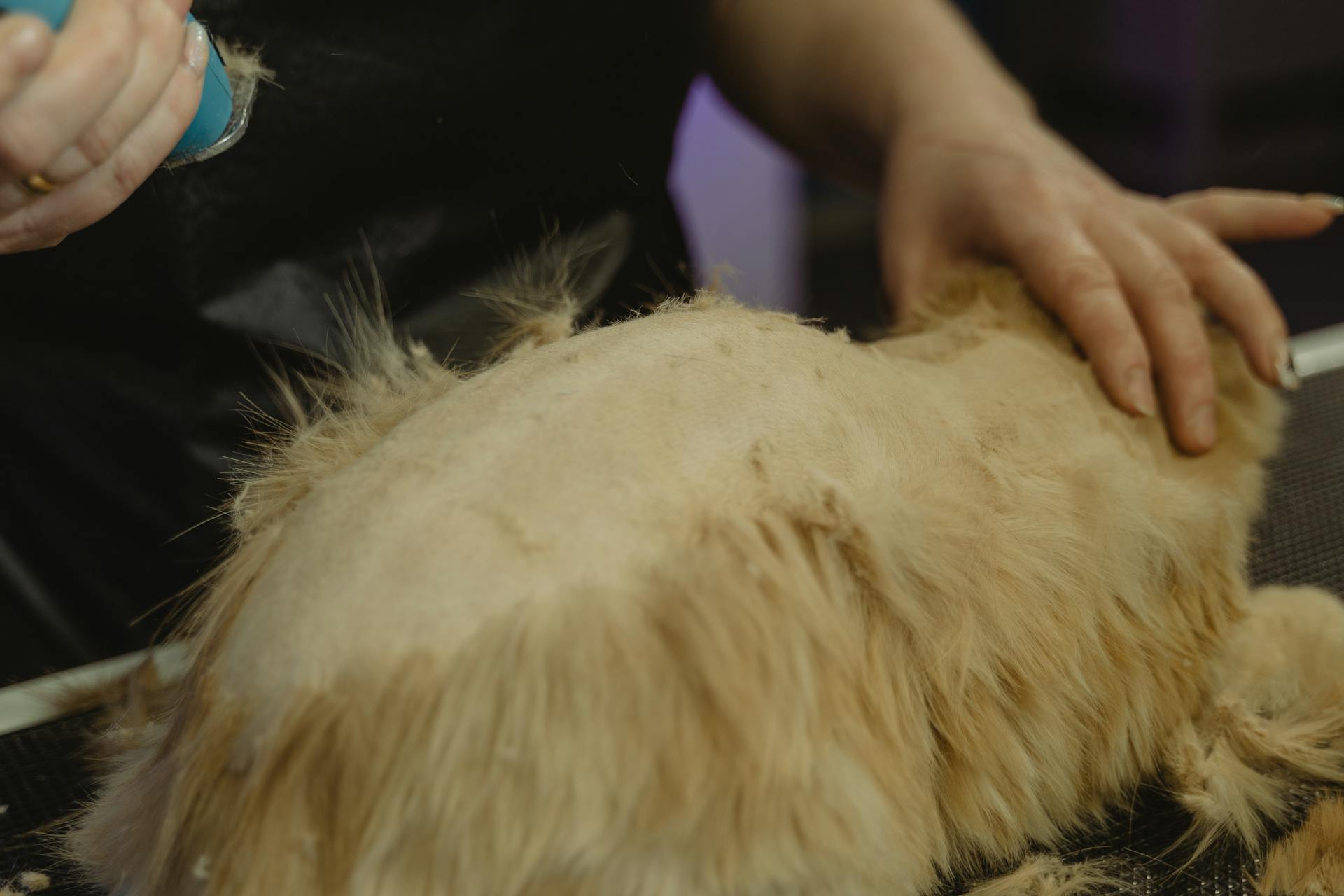
Animal control laws and ordinances related to vaccines must be enforced. This includes educating the public and taking necessary actions to prevent animal-related diseases.
Here is a summary of key animal control laws:
- Conduct routine patrols of the County for strays and other animals in violation of applicable animal control laws and ordinances.
- Assist in vaccinating animals, educating public on vaccines, and enforcing animal control laws and ordinances in relation to vaccines.
Handling Animal Bites
Animal control officers play a crucial role in handling animal bites. They investigate all assigned animal-related incidents and provide follow-up on reports of animal bites and attacks.
To effectively handle animal bites, officers must be prepared to interview citizens for statements and complete reports. This includes documenting incidents ranging from animal bites to animal cruelty.
In some cases, officers may issue criminal citations and violation warnings in accordance with city ordinances. They must also emphasize safe animal handling and identification to prevent potential safety risks.
Here's a list of key responsibilities for animal control officers handling animal bites:
- Interview citizens for statements relevant to violations
- Complete reports on animal bites and attacks
- Investigate all assigned animal-related incidents
- Issue criminal citations and violation warnings as needed
Law Enforcement Agencies
Law Enforcement Agencies play a crucial role in protecting animals from abuse and neglect. They investigate cases and rescue injured wildlife.
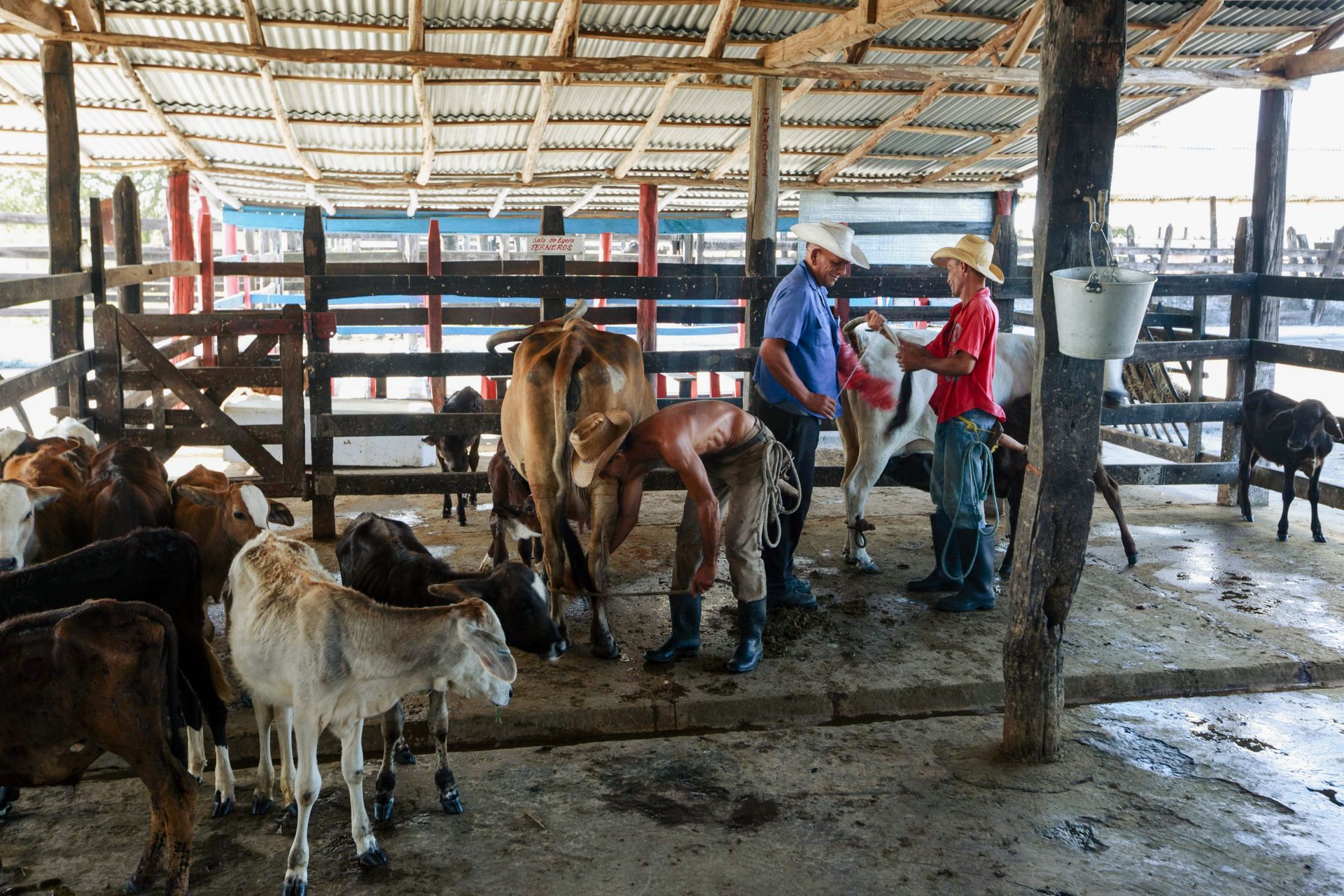
Law enforcement agencies work closely with organizations that investigate animal cruelty to ensure that those responsible are held accountable. This collaboration is essential in preparing for prosecutions related to animal treatment.
In some cases, law enforcement agencies may need assistance from these organizations to prepare for prosecutions. This can include providing evidence and expert testimony.
Here are some examples of how law enforcement agencies work with organizations to investigate animal cruelty:
- Investigated animal abuse/neglect cases
- Rescued various injured wildlife
- Assisted Law Enforcement agencies when animal involved
- Conducted animal cruelty investigations
- Assisted law enforcement agencies prepare for prosecutions related to animal treatment
Frequently Asked Questions
What skills do you need for animal care?
To care for animals, you'll need essential skills like attention to detail, patience, and communication, as well as a passion for animal welfare. A combination of physical and emotional abilities, including being healthy and fit, is also crucial for providing top-notch care.
What does an animal control officer do on a resume?
An animal control officer enforces local laws and ordinances related to animal care, investigates complaints, and performs shelter duties. They also provide services such as vaccinations, microchipping, and sterilization to pet owners.
Featured Images: pexels.com