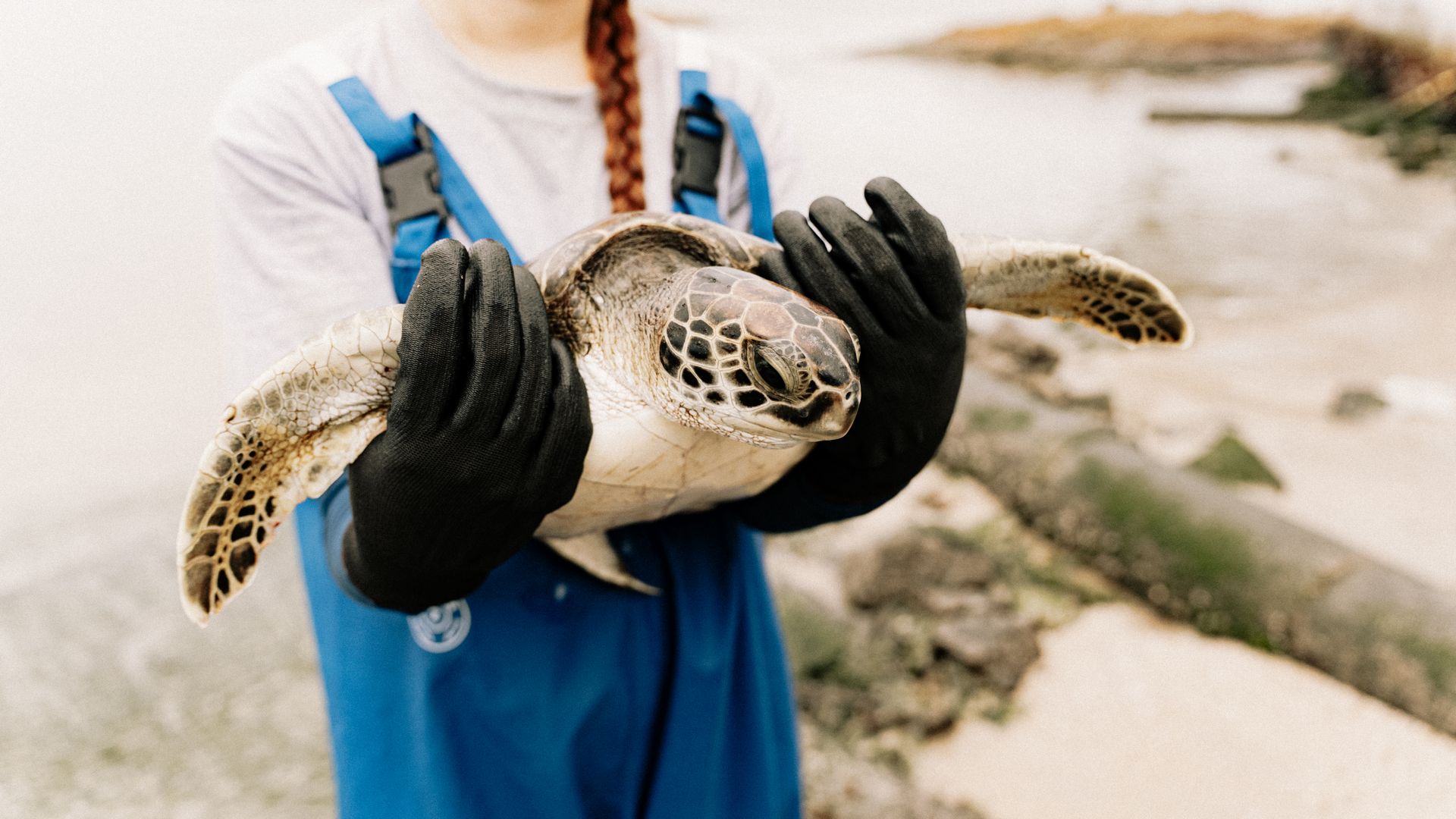
Becoming a zoo veterinary technician is a dream career for many animal lovers. This role requires a combination of animal care experience, technical skills, and education in veterinary technology.
To get started, you'll need to complete a veterinary technology program accredited by the American Veterinary Medical Association (AVMA). These programs typically take two years to complete and result in an associate's degree.
As a zoo veterinary technician, you'll work closely with veterinarians and other animal care professionals to provide medical care and support to a wide range of animals. This may involve administering medication, collecting and analyzing blood samples, and assisting with surgeries.
Zoo veterinary technicians also need to be comfortable working in a fast-paced environment and be able to lift heavy equipment and animals.
Intriguing read: Pima Medical Institute Veterinary Technician
Education Requirements
To become a zoo veterinary technician, you'll need to meet the education requirements set by the Association of Zoo Veterinary Technicians (AZVT). To start, you'll need to graduate from a veterinary technology program approved by the American Veterinary Medical Association (AVMA). This typically takes two years to complete and involves learning principles of animal biology, as well as necessary skills like restraining animals for procedures and conducting lab tests.
Membership in the National Association of Veterinary Technicians in America (NAVTA) and the Association of Zoo Veterinary Technicians (AZVT) is also recommended. After completing your education, you'll need to gain work experience in the field of zoo medicine, which should last at least five years and total 10,000 hours.
To become certified, you'll need to complete continuing education hours, which should total at least 40 hours in fields relevant to zoo veterinary technology. You'll also need to complete case logs, which should include at least 40 cases, five of which should be detailed case studies covering mammal, avian, and reptile/amphibian categories. These case studies should be approved by a qualified supervisor.
Here's a breakdown of the steps to become a certified zoo veterinary technician:
By following these steps and meeting the education requirements, you'll be well on your way to becoming a certified zoo veterinary technician.
Career and Job
The demand for zoo vet techs is on the rise, with the U.S. Bureau of Labor Statistics predicting a 19 percent increase in jobs between 2023 and 2033.
There are approximately 10,000 zoos worldwide and 439 zoos in the U.S., offering many potential job opportunities for aspiring zoo vet techs.
The Association of Zoos and Aquariums reports that caring for animals in accredited facilities created 198,000 jobs in 2018, with some of those positions filled by zoo vet techs.
You might enjoy: Zoo Veterinary Technician
Career Outlook
The career outlook for zoo vet techs is looking bright. The U.S. Bureau of Labor Statistics predicts the field of veterinary medicine will continue to grow, with a 19 percent increase in jobs expected nationally between 2023 and 2033.
There are approximately 125,700 veterinary technologist and technician jobs currently, with 24,300 new positions expected to be created. This growth is driven by the increasing need for animal care in zoos and other facilities.
As of 2023, there are around 10,000 zoos worldwide and 439 zoos of various types in the U.S., providing plenty of opportunities for aspiring zoo vet techs.
Getting a Job
Networking is key, with 85% of jobs being found through connections.
Building a strong online presence is crucial, with 45% of employers checking social media before making a hiring decision.
Tailor your resume to the job, highlighting relevant skills and experiences.
In-person interviews are still the most effective way to land a job, with 90% of employers preferring them over video interviews.
Practice your responses to common interview questions, such as "Why do you want to work for this company?" or "What are your strengths and weaknesses?"
A fresh viewpoint: How to Get a Job as a Veterinary Assistant
Organizations for Technicians
If you're a zoo vet tech or thinking of joining the field, you'll want to check out the Association of Zoo Veterinary Technicians (AZVT). The AZVT has a mission to improve veterinary technical care in zoo animal medicine through sharing ideas, techniques, and conservation.
Their annual conferences focus on laboratory techniques that support individual and institutional research. Membership costs $40 per year for active members and associates, and $22 per year for students and non-technical personnel.
The AZVT has grown from 29 members in 1981 to 400 members worldwide. This organization promotes education and professional standards, and contributes to conservation efforts.
Additional reading: Animal Conservation Organizations
Job Responsibilities and Environment
As a zoo veterinary technician, you'll have a wide range of responsibilities. You'll assist veterinarians with routine, diagnostic, and emergency procedures, which may include surgery, radiology, and anesthesia induction. These procedures can be as varied as the patient population, which can include endangered species.
You'll also be responsible for submitting or processing specimen samples for lab testing, entering medical records, and maintaining the hospital and animal holding spaces. You may also be asked to participate in gross necropsies and sample preparation, prepare specimens for diagnostic laboratory tests, and train veterinary technician interns or volunteers on procedures and protocols.
Some specific tasks you may be asked to perform include submitting specimen samples for lab testing, entering medical records, maintaining the hospital and animal holding spaces, and performing routine pharmacy-related tasks. You may also be asked to assist with the creation of balanced and nutritious feeding plans for animals with a wide variety of dietary requirements.
See what others are reading: Laboratory Procedures for Veterinary Technicians
Here are some specific responsibilities you may have as a zoo veterinary technician:
- Submitting or processing specimen samples for lab testing
- Entering medical records
- Maintaining the hospital and animal holding spaces
- Assisting with the creation of balanced and nutritious feeding plans
- Performing routine pharmacy-related tasks
- Participating in gross necropsies and sample preparation
- Preparing specimens for diagnostic laboratory tests
- Training veterinary technician interns or volunteers
- Following all safety guidelines and modeling safe work practices
- Performing husbandry tasks such as cleaning, feeding, and maintenance
Technician Externship
The veterinary technician externship is a great opportunity for students to gain hands-on experience in zoo veterinary technology. It's a 4-6 week program that's available all year, with the largest volume and diversity of clinical procedures occurring in the winter months.
Students will assist the veterinarian and technician with daily procedures, treatments, and hospital maintenance. They'll also get to care for animals in the hospital holding/quarantine when needed.
Responsibilities will vary depending on the student's experience and skills, but some tasks may include assisting with routine and emergency procedures, lab work, and necropsies. They'll also be responsible for entering data into the MedArks program and filing records.
To be eligible, students should be enrolled in an accredited veterinary technology program with a long-term interest in zoo/wildlife medicine. Experience with exotic species is preferred but not required.
Additional reading: Tcc Veterinary Technician Program

Here are some of the specific duties that externs will be responsible for:
- Assist veterinary staff with routine procedures (immobilizations, physical exams, treatments, etc) as well as emergency procedures.
- Assist veterinary technician with lab work (parasitology, urinalysis, in-house blood work, preparing samples for outside laboratories).
- Assist with hospital maintenance (equipment cleaning, sterilization, inventory, etc).
- Care for animals (cleaning and feeding) in hospital holding/quarantine when needed.
- Enter data into MedArks program and file records.
- Dispense medications under supervision of the veterinary technician.
- Assist with necropsies.
Externs will work as volunteers for the duration of their externship, with no housing or stipend offered by the zoo. They'll need to be available to work at least 30 hours a week, with a negative tuberculin test and current vaccinations required.
Check this out: Veterinary Technician Relief Work
Clinical Environment and Procedures
As a zoo veterinary technician, you'll be working in a unique clinical environment that's unlike any other animal care setting. Each zoo has its own veterinary care environment, which can range from state-of-the-art facilities to more basic setups.
You'll be exposed to potentially hazardous chemical substances like cleaning agents used for animal enclosures, as well as disease organisms that can cause minor physical trauma like cuts, bruises, and minor burns.
Zoo vet techs may be required to be vaccinated for rabies and other zoonotic diseases to protect themselves and their colleagues.
For more insights, see: How Is a Veterinary Technician Work Environment

In terms of typical daily procedures, zoo vet techs perform a wide range of tasks, including assisting veterinarians with routine, diagnostic, and emergency procedures.
These procedures can include surgery, digital radiology, dental prophylaxis, anesthesia induction, monitoring and recovery, medication administration, and IV catheter placement.
Having training in ultrasonography is a valuable skill for zoo vet techs, especially when working with endangered species.
Here are some of the specific tasks that zoo vet techs may perform:
- Submitting or processing specimen samples for lab testing
- Entering medical records to transmit vital information to supervisors
- Maintaining the hospital and animal holding spaces and inventory clinic supplies
- Assisting with the creation of balanced and nutritious feeding plans for animals
- Performing routine pharmacy-related tasks
- Participating in gross necropsies and sample preparation
- Preparing specimens and performing diagnostic laboratory tests
- Training veterinary technician interns or other volunteers
- Following safety guidelines and modeling safe work practices
- Performing husbandry tasks like cleaning, feeding, and maintenance
In some zoos, vet techs may have specialized ultrasound technology and practice training to ensure healthy gestation labor and delivery of endangered species.
Daily Physical & Emotional Considerations
As a zoo veterinary technician, you'll need to be physically fit to handle animals of all sizes, from small to massive, and be skilled in handling even the most dangerous ones.
Physical demands of the job include walking, standing for long periods, bending, and lifting heavy objects. You may need to make coordinated gross motor movements in response to changing external stimuli within moderately demanding tolerances.
Curious to learn more? Check out: Do Veterinary Assistants Need a Degree
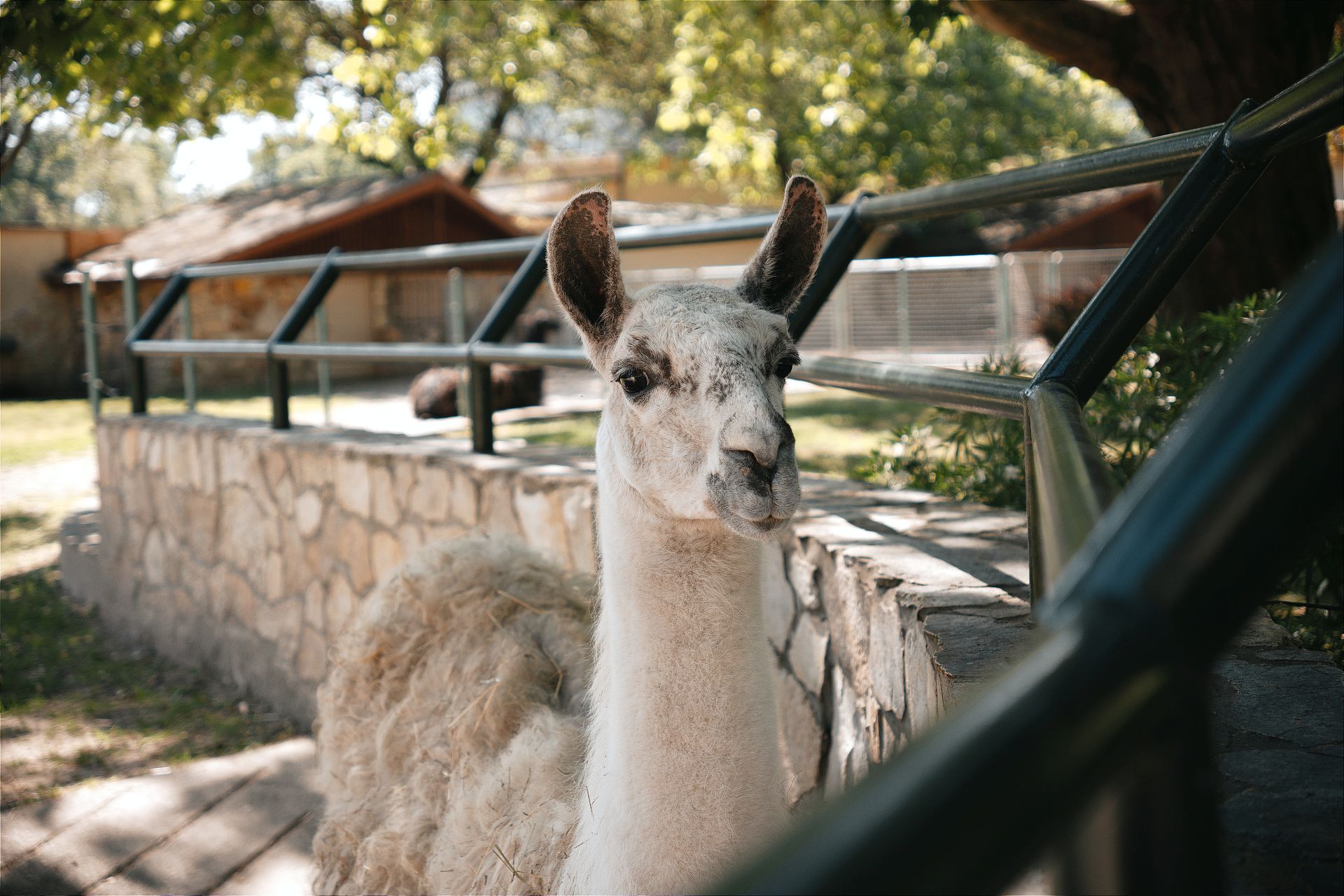
Working in a zoo environment can be unpredictable, with animals in various enclosures and habitats. Be prepared to work weekends, holidays, and some evenings, often beyond scheduled work hours.
The job can be emotionally taxing, especially when working with endangered species. You'll have the opportunity to promote the life and well-being of animals that are on the brink of extinction, which can be a gratifying experience.
You'll also have the chance to work with a variety of animals, from snakes to larger mammals, and conduct research to improve their health and well-being. This can be a unique and rewarding experience, as you'll be contributing to the advancement of animal care and conservation.
For another approach, see: Working Cats
Animal Patients
Working with a variety of animal breeds is a key part of being a zoo vet tech. This can include exotic species that are not as well understood or predictable.
Zoo animals can range from species that present little danger to humans to species that can be far more dangerous if not handled correctly. These can include creatures like scorpions, venomous snakes, lions, and bears.
Zoo vet techs may be required to work with rare animal breeds that are not as well understood or as predictable. Regular exposure to heat, humidity, and cold is the norm for zoo vet techs.
Zoo animals are housed in artificial habitats designed to ensure their health and well-being. This can mean that vet techs are exposed to extremes in temperature, humidity, and moisture.
Salary and Benefits
As a zoo veterinary technician, you can expect a decent salary, but it's essential to consider the cost of living in your area. According to ZipRecruiter, the average annual salary for zoo veterinary technicians across the United States is $57,577.
Most zoo vet techs can expect to earn between $43,000 and $76,500 per year, depending on their location and experience level. Opportunities for advancement that may lead to higher salaries vary by region.
The cost of living in certain areas can significantly impact your purchasing power. For example, California and Alaska have a very high cost of living, with California being the third most expensive state to live in and Alaska being the fifth most expensive.
A unique perspective: Veterinary Technician Schools in Los Angeles
Here's a breakdown of the average annual salary for zoo veterinary technicians in the United States, based on data from ZipRecruiter:
It's worth noting that zoo veterinarians earn a significantly higher salary than zoo veterinary technicians, with an average annual salary of $189,657.
Veterinarian and Technician Comparison
As a future zoo veterinary technician, you may be wondering about the difference between a veterinarian and a technician. Veterinarians are medical doctors for animals, earning a Doctor of Veterinary Medicine (DVM) degree and requiring 4-5 years of education after high school.
Veterinarians are responsible for diagnosing and treating animals, as well as performing surgeries. In contrast, veterinary technicians assist veterinarians with medical procedures and provide critical care to animals.
Veterinary technicians typically earn an associate's degree and complete a training program in veterinary technology. They work closely with veterinarians to provide medical care to animals.
Veterinary technicians are often in charge of taking X-rays, collecting blood samples, and administering medications to animals. They also assist with surgeries and provide care to animals after surgery.
In a zoo setting, veterinary technicians may work with a team of veterinarians and other technicians to provide care to a wide range of animals. They may also assist with conservation efforts and provide education to the public about animal care and welfare.
Related reading: Free Veterinary Technician Ce
Education and Training Resources
To become a zoo veterinary technician, you'll need to start by graduating from a veterinary technology program approved by the American Veterinary Medical Association (AVMA). This will give you a solid foundation in the principles of animal biology and the necessary skills to be successful on the job.
Accredited programs are typically two-year associate degree programs, but some institutions offer four-year bachelor's degree programs as well. These programs will teach you essential skills like restraining animals for procedures, preparing and giving medications, and conducting lab tests.
To become a certified vet tech, you'll need to pass the Veterinary Technician National Exam after graduation. This will qualify you to work as a veterinary technician, but to become a zoo veterinary technician, you'll need to take it to the next level.
The Association of Zoo Veterinary Technicians (AZVT) recommends that you join the National Association of Veterinary Technicians in America (NAVTA) and the AZVT itself to gain access to valuable resources and networking opportunities.
For your interest: Will Black Vultures Attack Dogs
To become a zoo vet tech, you'll need to complete at least 10,000 hours (five years) of work experience in the field of zoo medicine. This experience must be recent, no more than seven years old at the point of application.
You'll also need to complete at least 40 hours of continuing education in fields relevant to this specialty. The CE hours must have been taken no earlier than five years preceding the application to take the exam to become a veterinary technician specializing in zoological medicine.
To demonstrate your skills and knowledge, you'll need to complete at least 40 case logs, five of which must be detailed case studies. These case studies must cover mammal, avian, and reptile/amphibian categories, and be approved by a qualified supervisor.
Here's a summary of the education and training requirements:
Frequently Asked Questions
How long does it take to become a zoo vet?
Becoming a zoo vet requires 8-10 years of education and training, including a DVM degree, internship, and residency in zoological medicine. This extensive training prepares individuals for a rewarding career caring for diverse animal species in zoos and wildlife institutions.
Can you be a vet tech for wildlife?
Yes, vet techs can work in wildlife conservation and related fields with additional academic experience. This can include roles in government agencies, research institutions, and conservation organizations.
Featured Images: pexels.com