To become an equine veterinarian, you'll need to earn a Doctor of Veterinary Medicine (DVM) degree from an accredited veterinary program.
This typically takes four years to complete after earning a bachelor's degree, with a strong foundation in sciences like biology, chemistry, and physics.
Equine veterinarians must also develop a range of technical skills, including proficiency in diagnostic techniques like ultrasound and endoscopy.
These skills will serve you well in a career that involves working with horses in a variety of settings, from private practices to research facilities.
Educational Track
To become a skilled equine veterinarian, you'll need to stay on top of the latest developments in the field through ongoing education and training. This includes attending veterinary conferences and workshops, where you can learn from experts and network with peers.
Veterinary conferences and workshops are a great way to stay up to date on new treatments and surgical techniques. You can find these events through professional organizations or online listings.
Certification programs in specialized fields like acupuncture, chiropractic care, or regenerative medicine can also help you expand your knowledge and skills. These programs can be a great way to differentiate yourself from other equine veterinarians.
Advanced training in diagnostic imaging, dentistry, or reproduction can be especially valuable, as these areas are constantly evolving. By staying current in these fields, you'll be able to provide the best possible care for your equine patients.
Here are some examples of educational opportunities for equine veterinarians:
- Veterinary conferences and workshops
- Certification programs in specialized fields (e.g., acupuncture, chiropractic care, regenerative medicine)
- Advanced training in diagnostic imaging, dentistry, or reproduction
By pursuing ongoing education and training, you'll be well on your way to a successful and rewarding career as an equine veterinarian.
Steps to Become a Veterinarian
To become a veterinarian, you'll need to earn a bachelor's degree from an accredited college or university, typically in a science-related field like biology or animal science. This usually takes four years.
You'll also need to take the Graduate Record Examination (GRE) or Medical College Admission Test (MCAT), and submit letters of recommendation as part of your veterinary school application. Gain clinical experience with animals before applying to veterinary school.
Once in veterinary school, you'll undergo intensive coursework and hands-on training in subjects like equine medicine and surgery, diagnostic imaging, and pharmacology. You'll also complete clinical rotations in your final year, working with experienced veterinarians in equine hospitals and private practices.
Here are the typical veterinary school requirements:
- Take the GRE or MCAT
- Submit letters of recommendation
- Gain clinical experience with animals
What do veterinarians do?
As a veterinarian, your role is multifaceted and requires a deep understanding of animal anatomy, physiology, and pathology.
You'll spend a significant amount of time performing routine health care tasks, such as wellness exams and vaccinations, to ensure the health and well-being of animals.
Equine veterinarians, for example, may perform lameness evaluations to assess a horse's gait and movement, using diagnostic tools like X-rays or ultrasound to identify injuries or abnormalities.
Emergency care is a critical part of a veterinarian's job, as they must respond quickly to urgent situations such as colic, wounds, or foaling complications.
Dental care is also an important aspect of a veterinarian's role, as they may need to float (file) teeth to maintain proper alignment and prevent eating difficulties.
Veterinarians may also provide reproductive services, such as assisting with breeding programs or pregnancy checks, and perform surgical procedures like wound repair or joint injections.
Here are some of the key responsibilities of a veterinarian:
- Routine health care
- Lameness evaluations
- Emergency care
- Dental care
- Reproductive services
- Surgical procedures
Becoming a Veterinarian
To become a veterinarian, you'll need to earn a Bachelor's Degree in a relevant field such as animal science, biology, or a related field. Coursework typically includes biology, chemistry, physics, animal anatomy and physiology, microbiology, genetics, and nutrition.
You'll also need to gain experience working with animals, which can be done by volunteering or interning with veterinarians, equine rehabilitation centers, farms, or research facilities. Many veterinary programs require this experience, so it's essential to start building your portfolio as soon as possible.
To apply to veterinary school, you'll need to take the Graduate Record Examination (GRE) or Medical College Admission Test (MCAT), submit letters of recommendation, and gain clinical experience with animals. Once in veterinary school, you'll undergo intensive coursework and hands-on training in equine medicine and surgery, diagnostic imaging, pharmacology, infectious diseases, orthopedics and lameness evaluation, reproductive health, and emergency and critical care.
The Doctor of Veterinary Medicine (DVM) program typically lasts four years and is highly competitive. To become a licensed veterinarian, you'll need to pass the North American Veterinary Licensing Examination (NAVLE) and meet the requirements of your state or province.
Broaden your view: How Long Does It Take to Become an Animal Chiropractor
Here are some universities in the UK that offer RCVS-approved veterinary degrees:
- Keele University
- Harper Adams University
- Royal Veterinary College London
- University of Liverpool
- University of Edinburgh
- University of Bristol
- University of Cambridge
- University of Glasgow
- University of Nottingham
- University of Surrey
These programs typically take five years to complete, although students who already have a degree in a science subject may be able to complete the program in four years.
Veterinary Specialization
Becoming an equine veterinarian requires a deep commitment to animal health, and one way to stand out in this field is to specialize in a specific area. This can lead to higher pay and niche roles, especially in high-performance sectors.
You can specialize in areas like equine surgery, internal medicine, or reproduction (theriogenology). Board certification in these areas can significantly boost your earning potential.
To become board-certified, you'll need to complete a residency program, which typically lasts three to five years. This intensive training will prepare you for certification by organizations like the American College of Veterinary Surgeons (ACVS) or the American College of Veterinary Internal Medicine (ACVIM).
Consider reading: Famous African American Veterinarians
Equine surgery, for example, involves advanced training in procedures like joint replacement and arthroscopy. This specialization can lead to high-paying opportunities in top-tier racing stables or high-performance breeding programs.
Here are some specialized areas you can consider:
- Equine surgery
- Internal medicine
- Reproduction (theriogenology)
- Sports medicine and rehabilitation
- Dentistry
By specializing in one of these areas, you'll not only increase your earning potential but also become a sought-after expert in your field.
Skills and Qualities
To become an equine veterinarian, you'll need a unique combination of technical skills, interpersonal skills, dedication, and passion for the equine industry.
Equine vets must be willing to work long hours, often in challenging and unpredictable conditions, and be detail-oriented to keep meticulous records of their patients' medical histories and treatments.
A strong work ethic and dedication to their profession are essential for equine vets, who must be willing to learn from others and share knowledge and expertise.
To succeed in this field, you'll need strong communication and interpersonal skills, as you'll be explaining medical conditions, treatment plans, and preventive care to owners, trainers, and farriers on a daily basis.
Compassion and patience are crucial when discussing serious or life-threatening diagnoses with horse owners.
Here are some key skills and qualities required to become an equine vet:
- Strong communication and interpersonal skills
- Detail-oriented and able to keep meticulous records
- Strong work ethic and dedication to their profession
- Problem-solving and critical thinking skills
- Ability to work collaboratively with other professionals
- Passion for horses and the equine industry
Equine vets must also have self-discipline and a strong work ethic, as building a strong reputation in the industry requires years of dedication and reliability.
In addition to technical skills, equine vets must be able to analyze symptoms, interpret diagnostic results, and create effective treatment plans, requiring problem-solving and critical thinking skills.
It's essential to consider the emotional burden of being an equine vet, as you may have to deal with difficult situations, such as putting animals to sleep, and be prepared to handle the emotional toll of this job.
Career Advancement and Debt
As an equine veterinarian, you'll need to stay current with the latest advancements in the field to provide top-notch care for your clients' horses. This means attending veterinary conferences and workshops, which can help you stay up to date on new treatments and techniques.
Continuing education is crucial in equine veterinary medicine, and there are many ways to gain specialized knowledge. For example, you can pursue certification programs in fields like acupuncture, chiropractic care, or regenerative medicine.
Equine veterinarians who gain extensive experience and specialized knowledge can expand their practice, become consultants, or teach at veterinary schools. This can be a great way to advance your career and increase your earning potential.
Financial planning is critical for equine veterinarians, as student debt can be a significant challenge. In the US and Canada, vet school debt often ranges between $150,000 and $250,000.
Broaden your view: Spanish for Veterinarians
Continuing Education and Career Advancement
Continuing education is key to advancing your career as an equine veterinarian. To stay current, you can attend veterinary conferences and workshops.
These events provide opportunities to learn about new treatments, surgical techniques, and medical advancements. By staying informed, you can offer the best possible care to your clients' horses.
If you want to specialize in a particular area, certification programs are available in fields like acupuncture, chiropractic care, and regenerative medicine. Advanced training in diagnostic imaging, dentistry, or reproduction can also enhance your skills.
Equine veterinarians with extensive experience and specialized knowledge can expand their practice, become consultants, or even teach at veterinary schools. This is a great way to share your expertise and earn a higher income.
Average Student Debt
Average student debt can be a significant challenge for many aspiring veterinarians. In the US and Canada, vet school debt often ranges between $150,000 and $250,000.
This can be a daunting amount for many students, especially considering that equine vets typically earn less than small animal vets. Loan repayment can be a challenge, especially in the early years of practice.
Financial planning is critical for managing student debt.
Personality and Passion
To become an equine veterinarian, you'll need a unique blend of personality traits and passion for the field. A deep love for horses is fundamental to long-term success and job satisfaction.
Success in equine veterinary medicine requires a combination of medical expertise, business acumen, and personal resilience. This means being comfortable around horses of all breeds, sizes, and temperaments.
A successful equine veterinarian must be able to handle the physical and emotional demands of the job, including long hours and high-stress situations.
Personality Traits of Successful Veterinarians
To be a successful veterinarian, you need a combination of medical expertise and personal resilience.
A successful equine veterinarian requires a combination of medical expertise, business acumen, and personal resilience.
Being able to handle stress and pressure is crucial in this profession.
Success in equine veterinary medicine requires a combination of medical expertise, business acumen, and personal resilience.
Business acumen is just as important as medical expertise for a successful veterinarian.
Medical expertise, business acumen, and personal resilience are the key traits for a successful equine veterinarian.
Passion for Horses and Veterinary Medicine
A deep love for horses is fundamental to long-term success and job satisfaction in equine veterinary medicine. This passion is essential for building strong relationships with horse owners and ensuring the best possible care for their animals.
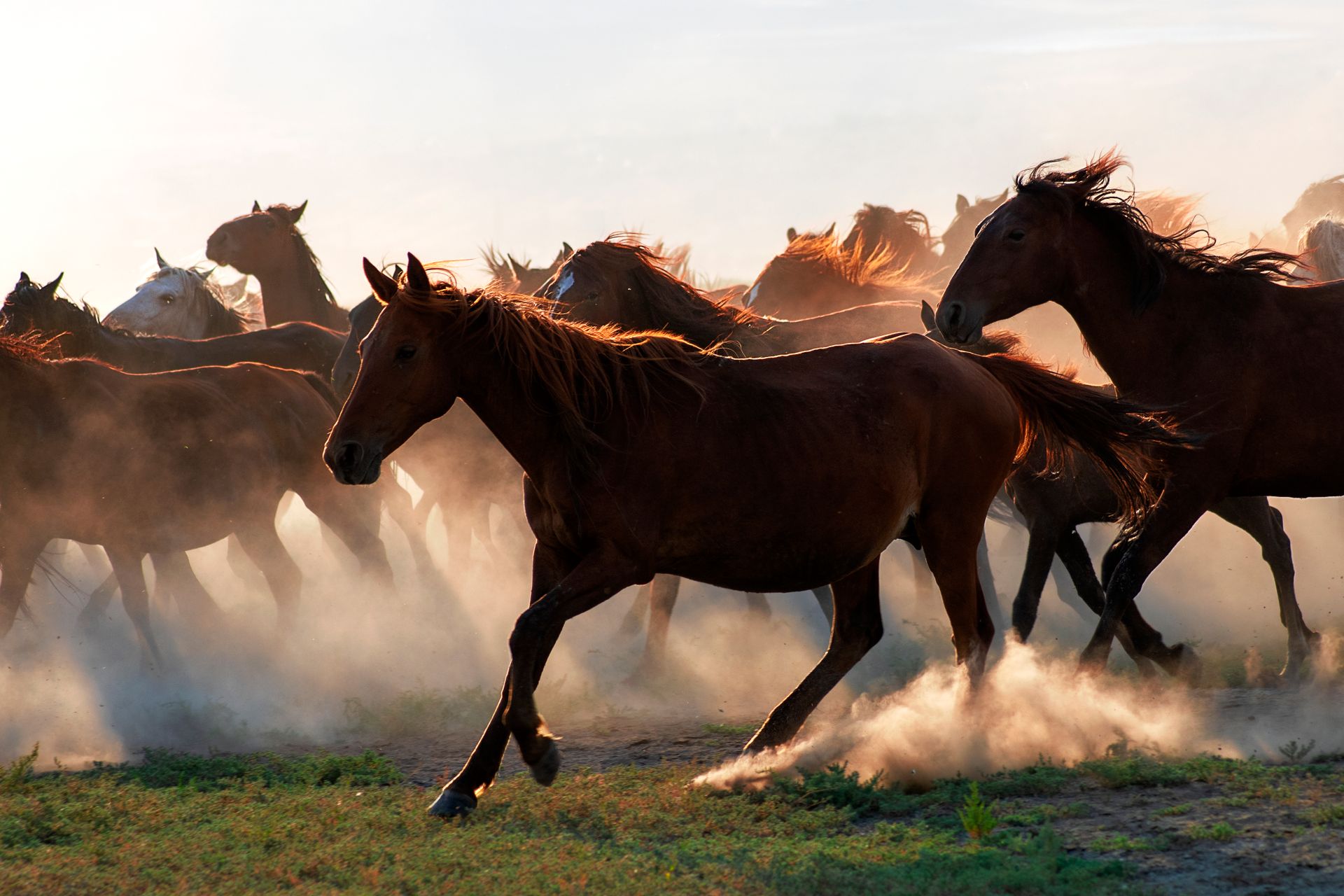
To be comfortable around horses, veterinarians must be able to handle horses of all breeds, sizes, and temperaments. This requires a high level of confidence and calmness in the presence of horses.
Here are some key characteristics of a successful equine veterinarian:
Having a passion for horses and veterinary medicine can make all the difference in a veterinarian's career. It's essential to find a profession that you truly enjoy, and equine veterinary medicine is an excellent choice for those who love horses.
Getting Started
To become an equine veterinarian, you'll need to start by completing the necessary education and licensing. This will open doors to a variety of career paths, including private equine veterinary practices and specialty equine hospitals.
Equine veterinarians can work in a range of settings, from private practices to research institutions and government agencies. You can even start your own mobile practice, traveling to farms and equestrian facilities to provide on-site care.
If you want to gain more experience, consider completing a one-year internship at an equine hospital or large practice. This will give you hands-on experience in areas like surgery, emergency medicine, and sports medicine.
To get a better idea of the types of places you can work as an equine veterinarian, here are some examples:
- Private equine veterinary practices
- Specialty equine hospitals
- Research institutions
- University teaching hospitals
- Equine rehabilitation and sports medicine centers
- Government agencies (e.g., USDA, FDA)
Frequently Asked Questions
Do equine vets make good money?
Equine veterinarians can earn high salaries, with average annual incomes ranging from $171,110 in California to $204,406 in Texas. Their compensation varies significantly depending on location and other factors.
How long does it take to become a horse vet?
To become a horse vet, it typically takes 8 years of education and training after high school, including 4 years of undergraduate studies and 4 years of veterinary school. After completing veterinary school, graduates can choose to enter private practice or pursue an additional year of clinical training through an internship.
Featured Images: pexels.com