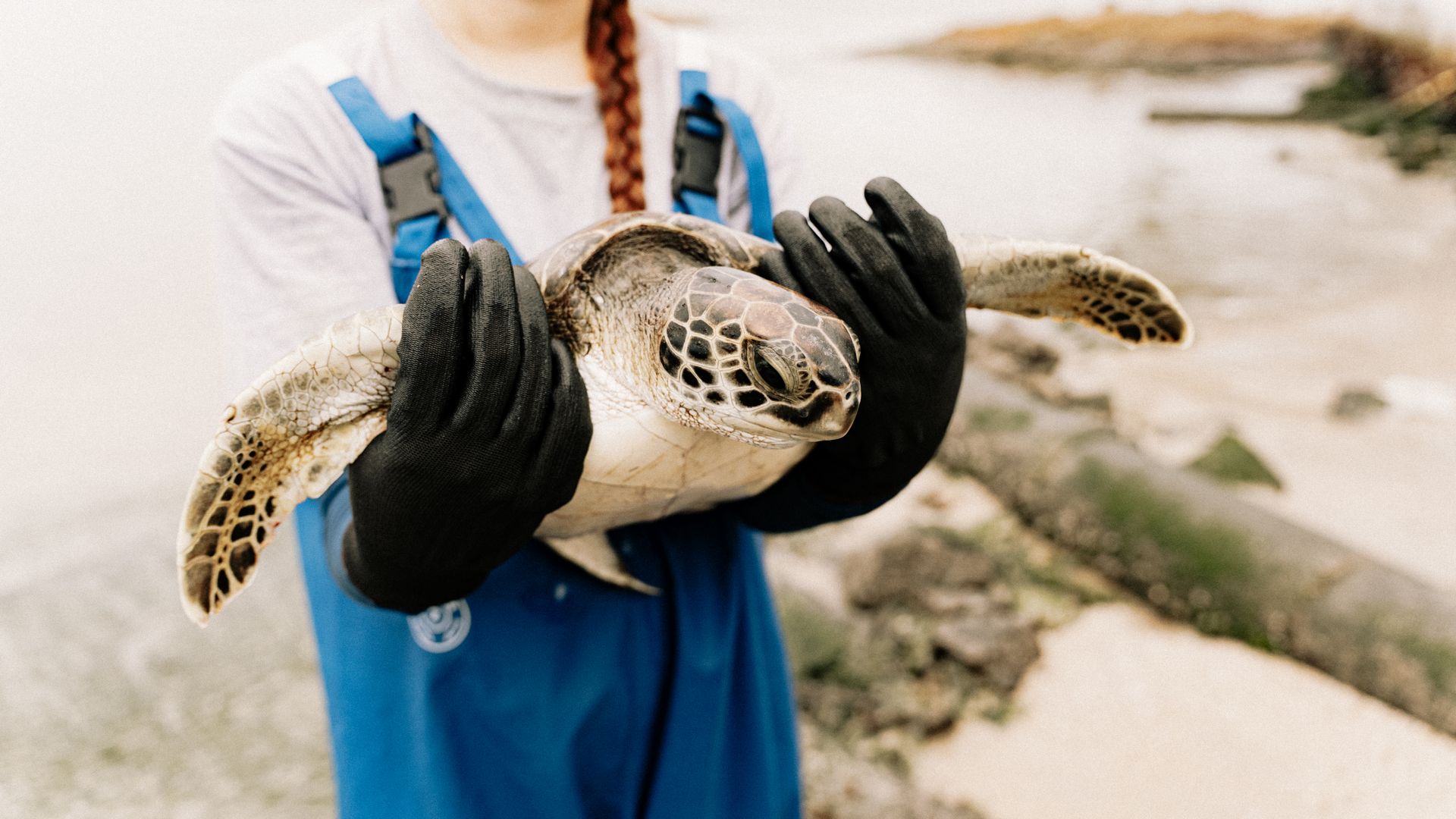
To become a wildlife rehabilitator, you'll need to gain the necessary knowledge and skills to care for injured or orphaned wildlife. You can start by taking a wildlife rehabilitation course, which can range from a few hours to several days.
These courses cover topics such as animal behavior, nutrition, and handling, as well as laws and regulations regarding wildlife rehabilitation. You can find courses through organizations like the International Wildlife Rehabilitation Council (IWRC) or the National Wildlife Rehabilitators Association (NWRA).
Volunteering at a local wildlife rehabilitation center is also a great way to gain hands-on experience and learn from experienced rehabilitators. This will give you a chance to see firsthand what it takes to care for wildlife and make a difference in your community.
By taking the time to learn and gain experience, you can become a skilled wildlife rehabilitator and make a real difference in the lives of injured or orphaned wildlife.
See what others are reading: Wildlife Rehabilitation
Getting Started
Wildlife rehabilitation requires a lot of knowledge and experience, so it's essential to start by learning about the basics of wildlife care and rehabilitation.
To become a wildlife rehabilitator, you'll need to have a good understanding of animal behavior, physiology, and psychology.
You should also be prepared to work with a variety of species, including mammals, birds, reptiles, and amphibians.
Start by taking online courses or attending workshops to learn about wildlife rehabilitation and the laws and regulations surrounding it.
You can also volunteer at a local wildlife rehabilitation center to gain hands-on experience.
Volunteering will give you the opportunity to work with experienced rehabilitators and learn about the day-to-day operations of a wildlife rehabilitation center.
It's also a great way to build your network and make connections in the field.
For another approach, see: Wild Life Conservation Day
Education and Training
To become a wildlife rehabilitator, you'll need to earn a high school diploma as a first step.
A bachelor's degree is usually preferred for a wildlife rehabilitator position, and it typically takes about four years to complete when attending school full-time.
Consider earning a degree in a related area, such as biology or ecology, as it will give you a solid foundation in topics relevant to wildlife rehabilitation.
You'll also need to pursue a wildlife rehabilitation certification, which is required for most positions. The LDWF's Wildlife Rehabilitation Basic Skills Course or the IWRC Foundations of Wildlife Rehabilitation Online are recognized certification courses.
After gaining hands-on experience, you can continue to specialize as a wildlife rehabilitator by pursuing an undergraduate certificate, such as the Wildlife Care and Rehabilitation Undergraduate Certificate offered at Husson University.
Finally, be sure to review the state law where you live to find out if you need an additional permit to practice as a wildlife rehabilitator, as most states require wildlife rehabilitators to be licensed or to obtain a permit.
Facilities and Regulations
To become a wildlife rehabilitator, you'll need to establish a facility that meets certain criteria. Facilities can be in the home of a permitted wildlife rehabilitator, a stand-alone rehabilitation center, or an affiliate of an organization like a humane society or veterinary clinic. These facilities must adhere to established standards for safety, cleanliness, and sanitation, as well as government agency regulations.
Wildlife rehabilitation facilities also need to meet specific requirements, including those related to rehabilitation, health, and zoning regulations. Enclosures must meet or exceed the National Wildlife Rehabilitators Association/IWRC Standards for Wildlife Rehabilitation.
To get started, you'll need to meet the permit requirements and conditions, which include being at least 18 years old, having no felony convictions or Class 2 or greater wildlife violations, and completing a wildlife rehabilitation course. You'll also need to pass a facility inspection and provide proof of course completion, among other requirements.
Facilities
Facilities can be a crucial aspect of wildlife rehabilitation, and there are specific requirements that need to be met. In the United States, for example, facilities need to meet established criteria, including standards for safety, cleanliness, and sanitation, as well as government agency regulations.
Wildlife rehabilitation can be conducted in various types of facilities, including the homes of permitted or licensed wildlife rehabilitators. According to the article, facilities can also be stand-alone rehabilitation facilities or centers, or even a separate affiliate of another organization such as a humane society, animal sanctuary, or veterinary clinic.
A facility's location and setup can greatly impact the care and well-being of the animals. In Colorado, for instance, facilities must meet specific zoning regulations and ordinances, as outlined in the Colorado Parks and Wildlife Regulations Chapter 14 Wildlife Rehabilitation.
Here are some examples of different types of facilities where wildlife rehabilitation can take place:
In addition to meeting physical requirements, facilities must also adhere to strict guidelines for animal care and handling. For example, wildlife held under a Wildlife Rehabilitation Permit must be handled minimally and without public contact, as stated in the Louisiana Wildlife and Fisheries Commission's permit requirements.
Here's an interesting read: Wildlife Rehabilitator Education Requirements
Cooperating Veterinarian
Having a cooperating veterinarian is crucial for a successful rehabilitation experience. As an apprentice, you'll have access to the resources your sponsor uses, but to graduate to an independent permit, you'll need one.
Your veterinarian will provide medical care and support for your patients, which is essential for rehabilitation. They'll be a valuable partner in your rehabilitation journey.
You'll need to establish a relationship with a veterinarian to provide medical care and support for your patients. This relationship is essential for successful rehabilitation.
A unique perspective: How to Become an Equine Veterinarian
Rehabilitation License Application
To become a wildlife rehabilitator in Colorado, you'll need to apply for a rehabilitation license. The application process varies depending on your situation, so let's break it down.
If you're a current license holder, you'll need to renew your license annually by January 31. This means attaching specific documents to your application, but don't worry, it's a straightforward process.
To renew your license, you'll need to submit the required documents, which include proof of current licensureproof of completion of continuing educationproof of liability insurance and any other relevant documents. Make sure to submit everything on time to avoid any issues.
If your license has lapsed, you'll need to request reinstatement by submitting a new application with the required documents. This includes proof of current licensure, proof of completion of continuing education, and proof of liability insurance. It's essential to get this process started as soon as possible to avoid any delays.
If you're relocating to Colorado from another state, you might be eligible to bypass the provisional license requirements. To do this, you'll need to submit a new application with the required documents, including proof of your out-of-state license, proof of liability insurance, and a detailed explanation of your rehabilitation experience.
Becoming a Wildlife Rehabilitator
Becoming a wildlife rehabilitator is not a straightforward career path, but it's definitely achievable with the right steps. There is no single career pathway to becoming a wildlife rehabilitator, unlike other professions.
You can start by gaining hands-on experience with animal care, which can be a great way to develop a passion for rehabilitation. Some people even begin their careers as a veterinarian or another animal care professional.
Ultimately, becoming a wildlife rehabilitator requires a combination of experience, passion, and a willingness to learn and adapt.
Related reading: Endangered Animal Charities
Provisional
Becoming a wildlife rehabilitator requires a lot of hard work and dedication, but it can be a very rewarding career.
Most wildlife rehabilitator positions are seasonal, which means you'll need to be flexible and prepared to work varying hours throughout the year.
In areas with high human populations, there are often more opportunities for wildlife rehabilitation jobs.
As a wildlife rehabilitator, you'll be caring for temporarily displaced, wild animals that are sick or injured. This can include feeding them, caring for their injuries, transporting them, and maintaining temporary habitats.
Collaborating with other wildlife rehabilitators is a crucial part of the job, as you'll need to work together to decide the best course of action for each animal. In some cases, this can be a difficult decision, such as euthanizing an animal that may not fully recover.
Keeping accurate records and reports is essential for maintaining data on the animals being cared for at the rehabilitation center.
Some of the key responsibilities of a wildlife rehabilitator include:
- Caring for temporarily displaced, wild animals that are sick or injured.
- Collaborating with other wildlife rehabilitators about the next best steps for the animal.
- Compiling data and maintaining reports about the animals being cared for at the rehabilitation center.
In addition to hands-on care, wildlife rehabilitators also play an important role in educating the public about the importance of wildlife rehabilitation efforts. This can involve creating public presentations and developing fundraising campaigns to generate revenue for the rehabilitation facility.
Becoming a Professional
There is no single career pathway toward becoming a wildlife rehabilitator. Many rehabilitators begin their careers as a veterinarian or another animal care professional.
Others simply start gaining hands-on experience with animal care before developing a passion for rehabilitation.
Here's an interesting read: How to Become an Exotic Animal Veterinarian
Rehabilitation Importance
Becoming a wildlife rehabilitator is a rewarding career that requires dedication and compassion. It's a job that can make a real difference in the lives of animals and the environment.
Wildlife rehabilitation improves overall animal welfare by providing humane care that animals need to recover from injuries or illnesses. This care can include medical treatment, nutrition, and a safe environment.
Removing sick animals from natural areas benefits public health by preventing the transmission of diseases to humans. I've seen firsthand how quickly diseases can spread in the wild, so this is a crucial aspect of wildlife rehabilitation.
Wildlife rehabilitation also enhances conservation efforts by protecting the local ecosystem and ensuring that as many animals as possible can be reintroduced to their natural habitats. This helps maintain the balance of nature and preserves biodiversity.
Here are the three main reasons why wildlife rehabilitation is important, according to the Association of Avian Veterinarians:
- Improves overall animal welfare
- Benefits public health
- Enhances conservation efforts
Personal Qualities and Experience
To become a wildlife rehabilitator, you'll want to cultivate the right qualities and skills. A love of animals is essential, as you'll be working directly with sick and injured animals, which can be emotionally draining.
You'll also need an interest in science, as wildlife rehabilitation is a scientific endeavor that requires you to preserve the local ecosystem. Understanding the wildlife rehabilitation field is also crucial, as it involves working to help animals avoid a life in captivity and re-adapt to their natural habitat.
Volunteering at animal organizations, such as wildlife rehabilitation centers or animal rescues, is an excellent way to gain hands-on experience. This will help you develop a deeper understanding of the field and learn about the best practices in wildlife rehabilitation.
As you gain experience, you'll also have the opportunity to network with other wildlife rehabilitation specialists, which can lead to your first position as a wildlife rehabilitator.
Related reading: Endangered Animals in Brazil
Featured Images: pexels.com