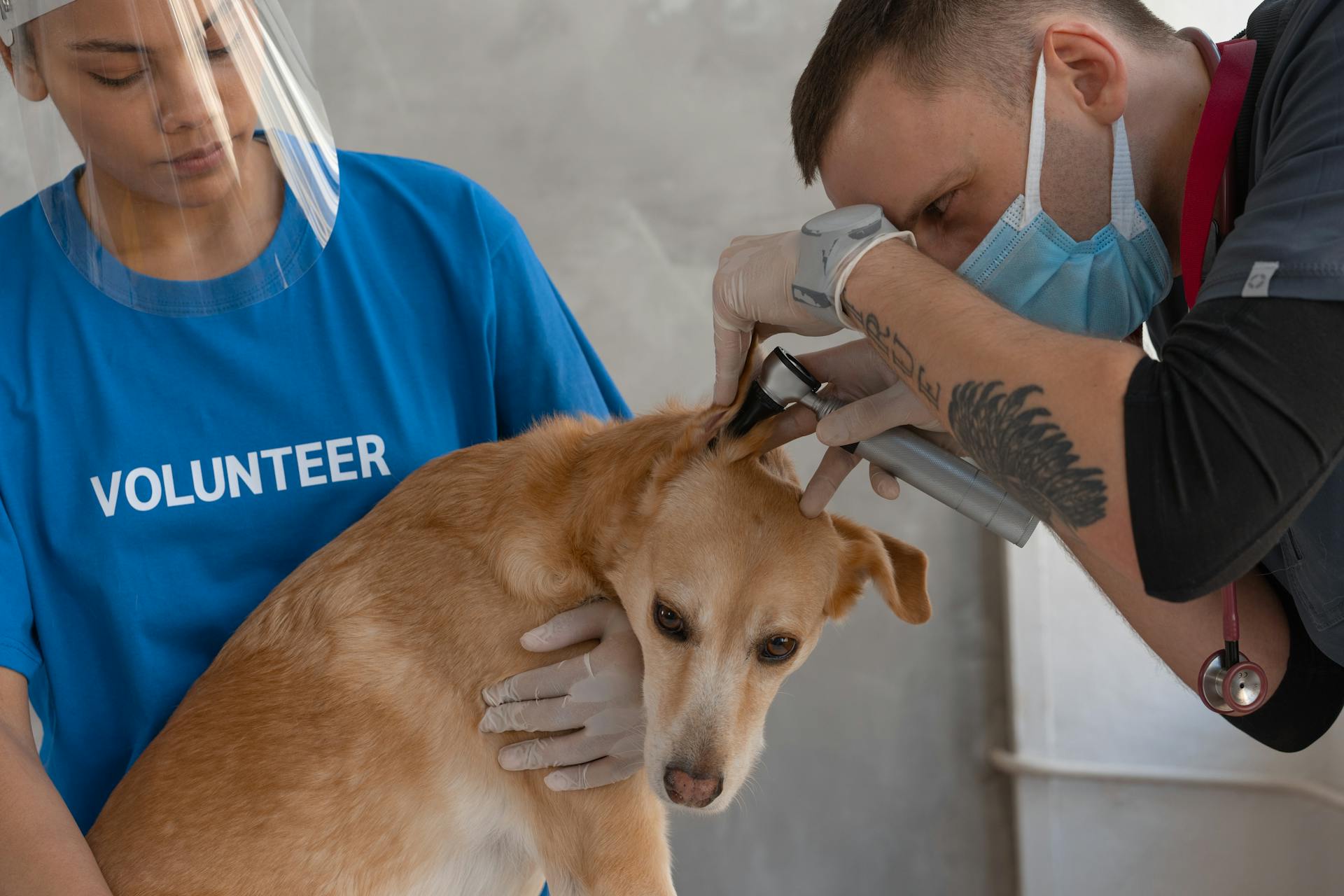
The TCC Veterinary Technician Program is designed to provide students with the knowledge and skills needed to succeed in this rewarding career. TCC's program is accredited by the American Veterinary Medical Association (AVMA) and is recognized as one of the best in the region.
Students can expect to complete the program in two years, earning an associate's degree in veterinary technology. The curriculum includes coursework in animal behavior, anatomy, and pharmacology, as well as hands-on training in clinical settings.
Graduates of the program are eligible to take the Veterinary Technician National Examination (VTNE) and become certified veterinary technicians.
Program Details
The TCC veterinary technician program is designed to equip you with a broad range of science-based knowledge, including anatomy, physiology, nutrition, and more. You'll study a wide range of courses to earn your degree.
The program is offered in both full-time and part-time curricula, allowing you to choose the track that best fits your circumstances and goals. Full-time students can graduate in just five semesters, while part-time students can complete their degree in three years.
To give you a better idea of the program's structure, here's a brief overview of the program maps:
- Program Map - 2-year Full-time: This track is designed for students who can commit to a full-time schedule and graduate in just two years.
- Program Map - 3-year Part-time: This track is ideal for students with significant work or family obligations who need a more flexible schedule.
Work Location
You'll have the opportunity to work in a variety of settings, from private veterinary practices to zoos and exotic animal care.
Most Registered Veterinary Technicians and Nurses work for private veterinary practices, but you can also find jobs in research facilities, veterinary teaching hospitals, and livestock production.
Jobs in veterinary supply and sales, rescue and humane organizations, and even military service are also available.
The U.S. Bureau of Labor Statistics forecasts a 15 percent growth in veterinary technician and nursing occupations from 2020 to 2030, faster than the average for all occupations.
Worth a look: How Is a Veterinary Technician Work Environment
Program Competencies
As a student in this program, you can expect to develop a strong foundation in veterinary nursing procedures. By the time you graduate, you'll be able to apply theoretical information to take appropriate action in the delivery of veterinary nursing procedures.
Related reading: Laboratory Procedures for Veterinary Technicians
You'll have the skills to competently perform a full range of veterinary nursing procedures used in small and large animal medicine. This includes everything from routine care to more complex procedures.
The program graduate competencies emphasize the importance of practicing behaviors consistent with the Veterinary Technology Code of Ethics and employer expectations/requirements. This means you'll be well-prepared to work in a professional and ethical environment.
Here are the specific program graduate competencies you can expect to develop:
- Apply theoretical information to take appropriate action in the delivery of veterinary nursing procedures.
- Competently perform a full range of veterinary nursing procedures used in small and large animal medicine.
- Practice behaviors consistent with the Veterinary Technology Code of Ethics and employer expectations/requirements.
Degree Requirements & Program Map
As a veterinary nursing student, you'll be studying a wide range of science-based courses to prepare for your future career.
You'll need to take courses in anatomy, physiology, nutrition, small and large animal care, clinical laboratory science, and dental care, among others.
Our program is designed to be flexible, with both full-time and part-time curricula available. This means you can choose the track that best fits your lifestyle and goals.
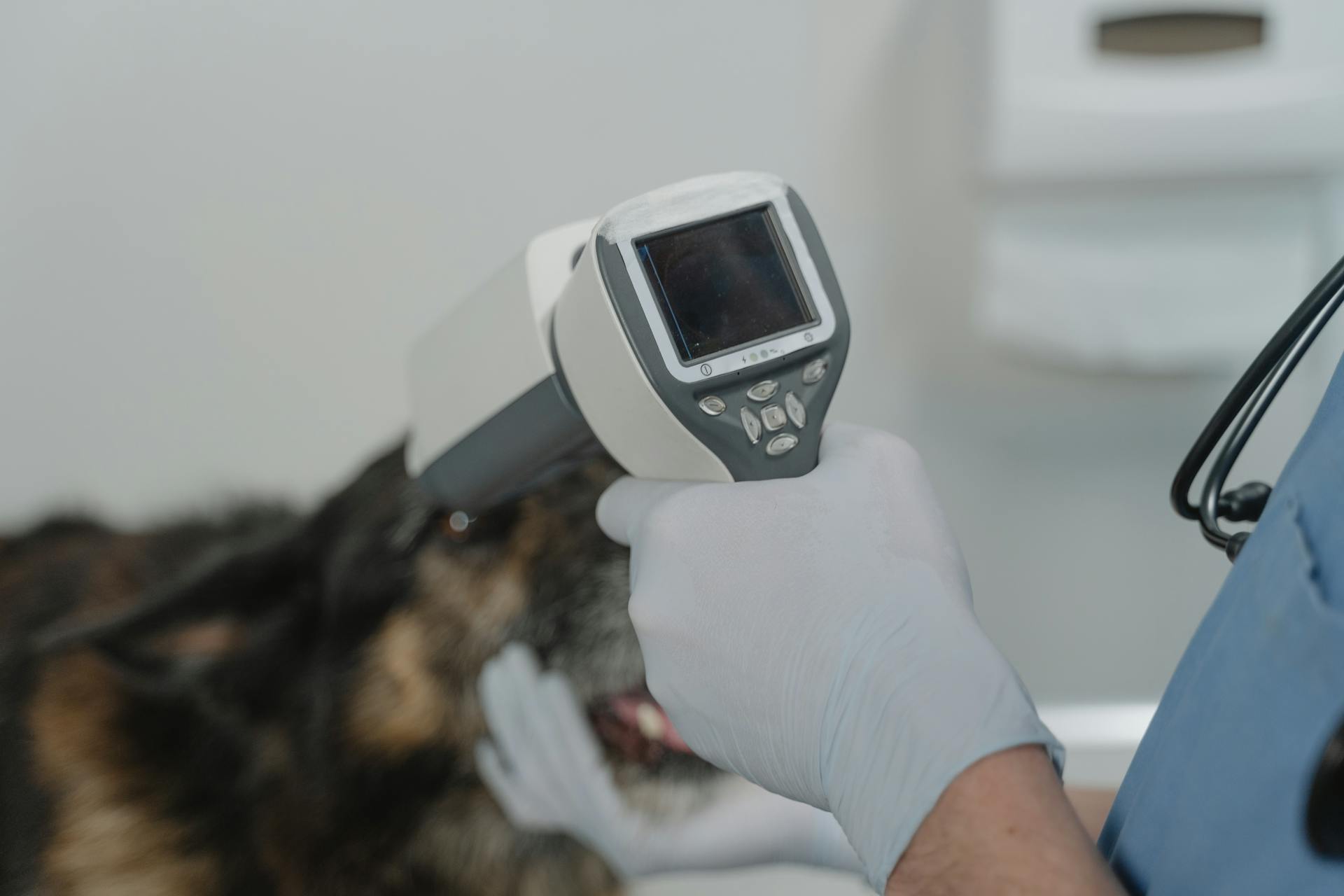
Full-time students can complete their degree in just five semesters, while part-time students can take three years to finish. This alternative part-time program is perfect for those with significant work or family obligations.
Here are the program maps to help you plan your degree:
- Program Map - 2-year Full-time
- Program Map - 3-year Part-time
Course Information
The TCC veterinary technician program is designed to be completed in just 12 months, allowing you to start your career as a veterinary technician quickly.
You'll take a total of 72 credits of coursework, which includes both classroom and laboratory instruction.
The program is accredited by the American Veterinary Medical Association, giving you the confidence that you're getting a high-quality education.
You'll learn about animal behavior, anatomy, and physiology, as well as laboratory procedures and clinical techniques.
Clinical experience is a key part of the program, with opportunities to work with real patients in a variety of settings.
The program is designed to be hands-on, with a focus on preparing you for a career as a veterinary technician.
Curious to learn more? Check out: Is Veterinary Technician a Good Career
Career and Animals
The pet care industry is booming, and it's no surprise why - who doesn't love animals? The Tidewater Community College veterinary technology programs are a great way to turn your passion into a career.
You'll get in-depth instruction on animal behavior, care, and treatment, and even get hands-on practice through clinical experience. The program is comprehensive and prepares you for a career as a licensed veterinary technician.
The program is designed for those who are already working in veterinary practices as veterinary assistants, and it's perfect for those who want to move up in their careers. You'll learn laboratory diagnostics, advanced nursing care, client communication, radiography, anesthesiology, surgical nursing, and dentistry on a variety of animal species.
The program is intensive, with classes meeting twice a week and all-day laboratories 3-4 times a semester. But don't worry, you'll be well-prepared for the demands of this career.
Here are the program details:
The Veterinary Assistant program is approved by the National Association of Veterinary Technicians in America, and the Veterinary Technology program has received initial accreditation by the American Veterinary Medical Association.
Veterinary Focus
The veterinary technology program at TCC is a challenging but rewarding field. Admission to this program is selective and requires a separate application in addition to admission to the college.
If you're considering applying, be prepared to submit a separate application. This is a crucial step in the admission process.
Data and Statistics
The TCC Veterinary Technician Program has some impressive statistics. 76 first-time candidates have taken the VTNE, a significant number that reflects the program's popularity.
The program's pass percentage is also noteworthy, with 91% of candidates passing the VTNE over a three-year period. This is a testament to the program's effectiveness in preparing students for the exam.
Individuals who are concerned about animal welfare can report their concerns to the college without fear of discrimination or reprisal. This is a crucial aspect of the program's commitment to animal care and ethics.
If you're considering reporting a concern, you can do so in writing or verbally. The college will preserve your confidentiality to the extent necessary to conduct a review.
Here are some key details to include when submitting a complaint:
- date and time of the event
- location of the event
- animal species involved
- identification of the animals
- specific care or handling concerns
- other relevant details
Frequently Asked Questions
How fast can you become a vet tech?
Becoming a vet tech typically takes 2-4 years to complete, depending on whether you enroll as a full-time or part-time student. Choose the right program for you to start your journey in this rewarding career.
Is it worth getting certified as a vet tech?
Getting certified as a vet tech can open doors to various career opportunities beyond clinical settings, making it a valuable investment in your future. Certification can lead to new and exciting career paths in the animal care industry.
Featured Images: pexels.com