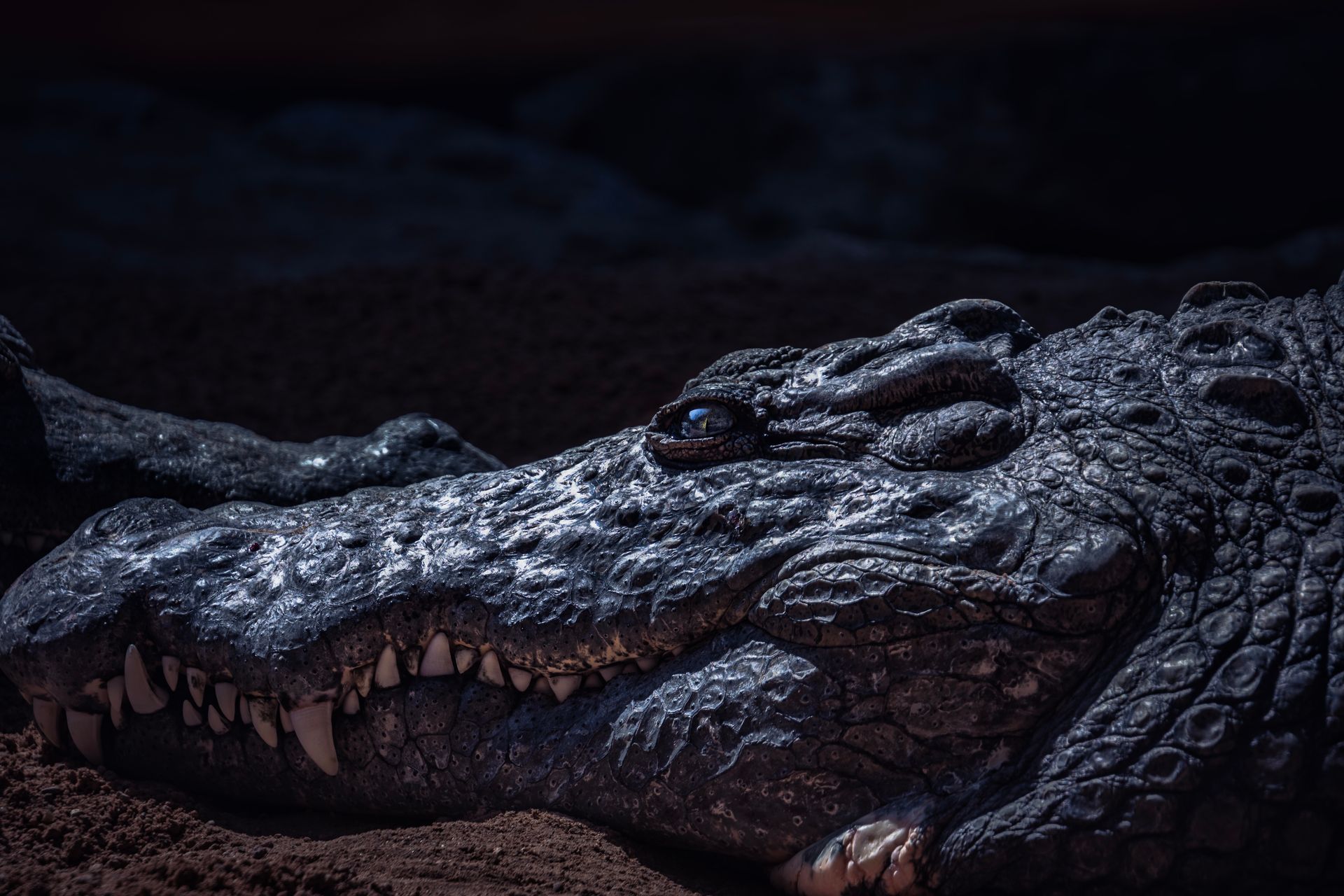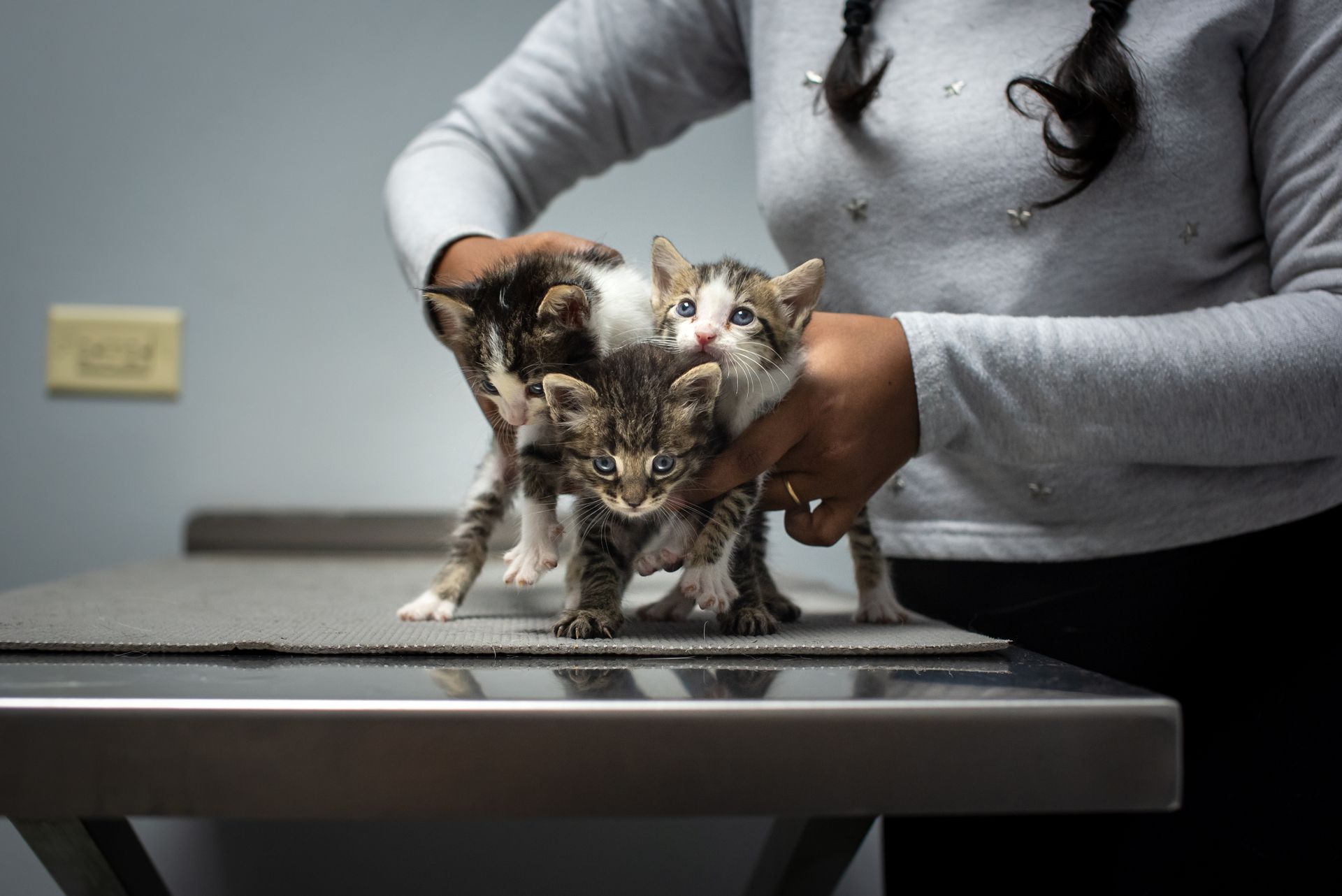
There are many different veterinary specialties, each with its own unique focus and expertise. Some veterinarians specialize in caring for exotic animals, such as birds, reptiles, and small mammals.
Veterinarians who specialize in dentistry, or veterinary dentistry, focus on the oral health of animals. They perform procedures like cleanings, extractions, and crowns to keep their patients' teeth and gums healthy.
Veterinary dermatologists, on the other hand, focus on skin problems and allergies in animals. They diagnose and treat conditions like hot spots, skin infections, and flea allergies.
Veterinary ophthalmologists specialize in eye care for animals, performing surgeries and treating conditions like cataracts and glaucoma.
Here's an interesting read: Veterinary Dentistry
Veterinary Specialties
Veterinary specialties offer a wide range of career paths for veterinarians. There are 22 veterinary specialty organizations recognized by the American Veterinary Medical Association (AVMA), representing 41 distinct veterinary medicine specializations and subspecialties.
These specializations require additional training beyond the initial DVM degree, which can take one to three years. For example, veterinary anesthesiologists have additional training in anesthesia and pain management, and are skilled at managing pain and minimizing complications.
Readers also liked: Veterinary Dental Technician Training
Some veterinary specialties focus on specific species, such as avian practice, feline practice, or equine practice. Others focus on specific areas of medicine, such as surgery, cardiology, or oncology. There are also specialties that focus on animal behavior, welfare, and conservation.
Here are some examples of veterinary specialties:
- Anesthesiology and pain management
- Animal behavior
- Aquatic animal medicine
- Avian medicine
- Cardiology
- Oncology (cancer in animals)
- Surgery, including orthopaedics and soft tissue surgery
- Zoological medicine
According to the AVMA, as of 2024, there are 46 distinct veterinary specialties recognized, with 16,291 total active board-certified specialists.
Medical Specialties
Veterinary specialties are a vital part of modern animal care. Many veterinarians choose to specialize in a specific area, allowing them to provide more focused and effective care for their patients.
Anesthesiology and pain management is one such specialty, where veterinarians are trained to administer and monitor anesthesia, as well as provide advanced pain relief techniques. This is a crucial area of expertise, as even minor procedures can be stressful for animals.
Veterinary anesthesiologists have additional training in this area, allowing them to tailor a plan specifically to each animal and minimize the risk of complications. They are highly skilled at managing pain and monitoring patients after the procedure.
In contrast, veterinary behaviorists use a combination of medical and behavioral knowledge to help animals with complex behavioral issues. They take detailed histories and identify relevant facts to create a personalized treatment plan.
Some examples of veterinary specialties include anatomic pathology, aquatic animal medicine, and avian medicine. These specialists have a deep understanding of the unique needs and challenges associated with each species.
Here is a list of some veterinary specialties, grouped by category:
- Anesthesia and pain management
- Behavioral medicine
- Anatomic pathology
- Aquatic animal medicine
- Avian medicine
- Equine medicine
- Emergency and critical care
- Internal medicine
- Nutrition
- Oncology (cancer in animals)
- Parasitology
- Preventive medicine
- Reptile and amphibian medicine
- Shelter medicine
- Sports medicine and rehabilitation
- Surgery, including orthopaedics and soft tissue surgery
- Theriogenology
- Toxicology
- Zoological medicine
Emergency Care
Emergency care is a vital aspect of veterinary specialties. Diplomates of the American College of Veterinary Emergency and Critical Care undergo specialized training to handle critically ill patients.
Veterinary specialists in emergency and critical care are trained for high-pressure situations. They're equipped to act swiftly and ensure the animal gets the immediate attention it needs.
Emergency hospitals and intensive care units are where you'll often find these experts. They're the ones who stabilize, treat, and monitor critical patients.
These specialists are the go-to for emergency situations, no matter how severe. Whether it's an injury or a sudden health problem, they're the ones who'll act fast to save the animal's life.
A fresh viewpoint: Emergency Veterinary Technician
Laboratory and Diagnostic Services
Lab animal veterinarians are critical in a research setting, ensuring that lab animal species like rodents, rabbits, and primates are treated ethically and humanely.
Their work is crucial to the success of medical research and the development of new treatments and cures.
Preventive Care and Health
Preventive medicine veterinarians work to detect and control diseases affecting both animals and humans.
Prevention is one of the greatest health strategies for humans, and it's equally effective for animals.
Diplomates of the American College of Veterinary Preventive Medicine are trained in surveillance, recognition, outbreak investigation, and management of animal diseases.
Preventive medicine veterinarians are experts in collaborative work, lending themselves to employment in regulatory medicine, epidemiology, and public health.
Rehabilitation and Surgery
Veterinary specialists in sports medicine and rehabilitation focus on returning injured athletic animals to normal function and health. They often perform surgeries and procedures that other veterinarians might not be able to perform.
Sports medicine and rehabilitation specialists can choose to work with dogs or horses, and their training exposes them to a wide range of surgical and medical procedures. These specialists aim to sustain health or return animals to normal health and function after surgery or injury.
Veterinary surgeons, on the other hand, perform routine surgeries like spays and neuters, but also handle more complex procedures that require specialized equipment and facilities. They often have extensive training and access to support staff that general practice veterinarians may not have.
Sports medicine and rehabilitation specialists can obtain certification to work with dogs or horses, and their goal is to return injured animals to normal function and health. This requires a deep understanding of animal anatomy and physiology, as well as the latest medical techniques and technologies.
Species-Specific Care
Species-Specific Care is a vital aspect of veterinary specialties. Veterinarians have the option to focus on a particular species or class of animals, developing in-depth knowledge and skill in that area.
For instance, some veterinarians specialize in Avian practice, which involves caring for birds. Others focus on Equine practice, working with horses. These specialists gain expertise that helps them provide the best care for their specific patients.
Here are some examples of species-specific specialties:
- Avian practice
- Beef cattle practice
- Canine and feline practice
- Dairy practice
- Equine practice
- Exotic companion mammal practice
- Feline practice
- Food animal practice
- Reptile and amphibian practice
- Shelter medicine practice
- Swine health management
Zoological and Exotic Care
If you're fascinated by the unique needs of wild and exotic animals, zoological and exotic care might be the perfect fit for you. This specialty allows veterinarians to work with a wide range of species, from tigers and polar bears to giraffes and reptiles.
Zoo and wildlife veterinarians are trained to address the health issues of animals in protected settings or their natural environment. They play a crucial role in conservation efforts around the world.
Diplomates of the American College of Zoological Medicine are experts in all manner of zoo, wildlife, and aquatic species. This includes developing in-depth knowledge and skill in one of the following specialties:
By choosing a specialty in zoological and exotic care, veterinarians can make a real difference in the lives of these amazing animals.
Frequently Asked Questions
How many vet degrees are there?
There are 22 recognized veterinary specialties, each with its own unique area of expertise. Learn more about the various veterinary specialties and their roles in animal care.
Featured Images: pexels.com