Veterinary dentistry is a specialized field that requires a unique set of skills and knowledge.
Veterinary dentists undergo extensive training to learn about the anatomy and physiology of animal teeth and gums.
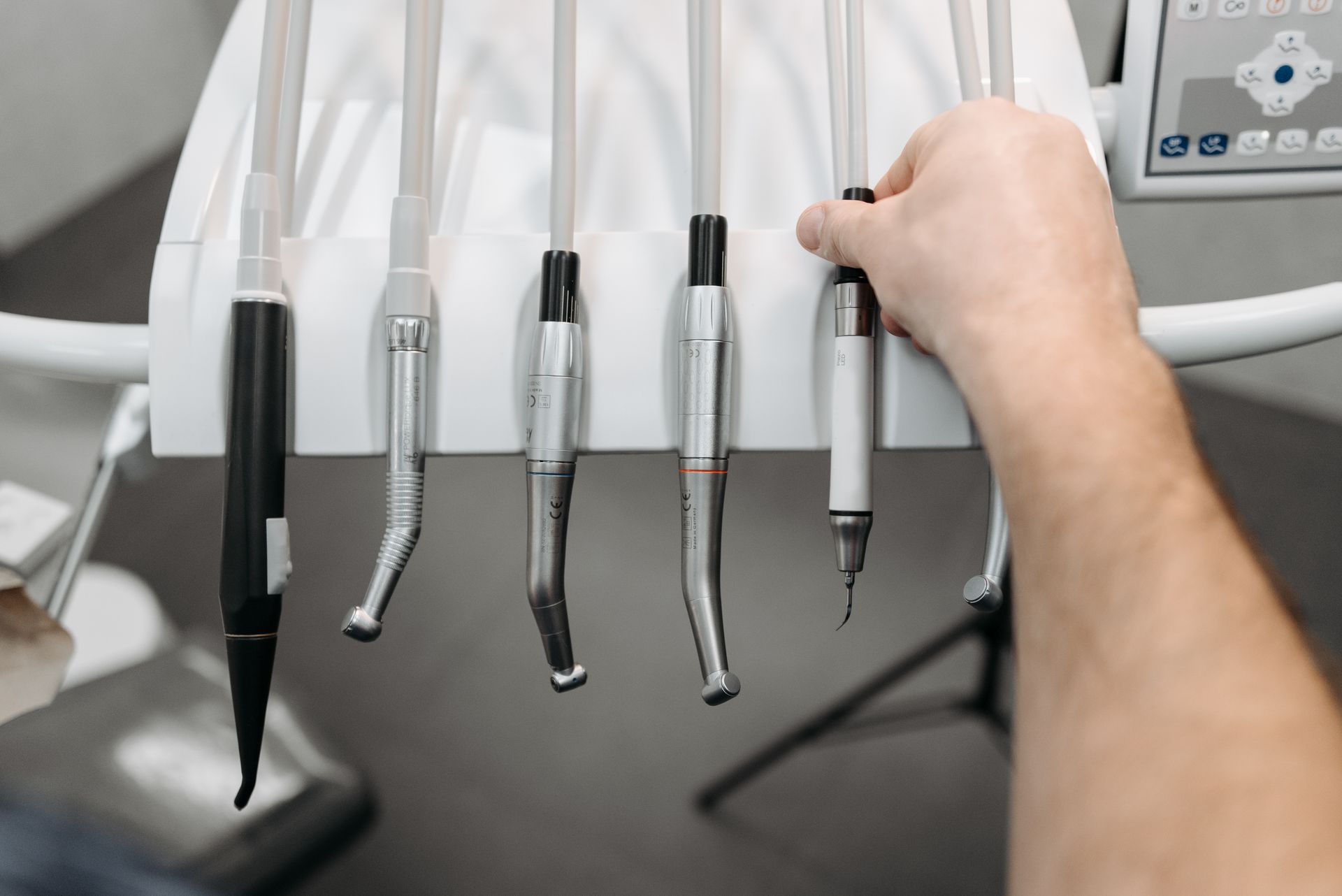
They use various tools and equipment to diagnose and treat dental problems in animals.
Veterinary dentists often work closely with veterinarians to provide comprehensive care for their patients.
Many veterinary dentists offer a range of services, including routine cleanings, fillings, and extractions.
Some veterinary dentists also specialize in advanced procedures such as oral surgery and dental radiology.
Veterinary dentists can work in private practice, academia, or research, and may also work in zoos, wildlife sanctuaries, or other unique settings.
Veterinary Dentistry Professionals
Veterinary dentistry professionals are highly trained and dedicated individuals who specialize in the care of pets' teeth and gums. They undergo extensive training and education to become experts in their field.
To become a board certified specialist in veterinary dentistry, a veterinarian must complete at least two years of advanced training, including a residency at an approved facility, and complete a case log of at least 500 cases. This ensures they have the skills and knowledge to diagnose and treat a wide range of dental issues.
You might like: Dentistry and Rehab Veterinary Specialist
A board certified specialist in veterinary dentistry has additional training in areas such as periodontics, endodontics, restorative dentistry, oral surgery, prosthodontics, and orthodontics.
Here are some key areas of expertise for veterinary dentistry professionals:
These professionals are committed to providing the highest standard of care for pets, and work closely with family veterinarians to develop individualized treatment plans for every patient.
Board Certified Veterinarian Dentist
A board certified veterinarian dentist is a licensed veterinarian who has obtained intensive, additional training in the areas of periodontics, endodontics, restorative dentistry, oral surgery, prosthodontics, and orthodontics. This specialized training enables them to provide expert care for your pet's dental needs.
To become a board certified specialist in veterinary dentistry, a veterinarian must complete at least two years of advanced training, including a residency at an approved facility or alternate program. They must also complete a case log of at least 500 cases and prepare case reports.
For more insights, see: Veterinary Technician Training Program
A board certified veterinarian dentist has the expertise to diagnose and treat a wide range of dental conditions, including gingivostomatitis and tooth resorption. They are also skilled in performing procedures such as root canals, oral surgery, and extractions.
Here are the areas of expertise for a board certified veterinarian dentist:
- Periodontics
- Endodontics
- Restorative dentistry
- Oral surgery
- Prosthodontics
- Orthodontics
By choosing a board certified veterinarian dentist, you can be confident that your pet is receiving the highest standard of care for their dental needs. These specialists have the knowledge and skills to provide expert treatment and advice to ensure your pet's continued good health.
Board Certified Equine Vet
A Board Certified Equine Vet is a veterinarian who has demonstrated specialist knowledge and expertise in veterinary dentistry, specifically for horses and other equids.
This certification is offered by the American Veterinary Dental College, which is recognized as the specialist certification organization in veterinary dentistry in North America by the American Board of Veterinary Specialties.
For more insights, see: Certified Veterinary Technician Programs
To become a Board Certified Equine Vet, a veterinarian must complete the AVDC training requirements and pass the AVDC examination.
In 2014, the American Veterinary Dental College formally recognized Equine Dental Specialty as a specialty for veterinarians with advanced dental training for horses and other equids.
This recognition allows existing diplomates to refer to themselves as non-species specific or as small animal veterinary dental specialists, which includes dentists for dogs and cats.
You might like: Equine Veterinary Assistant
Dental Care and Treatment
Proper dental care is crucial for your pet's overall health and well-being. You should start your pet's dental care routine at an early age, with annual dental examinations and cleanings beginning at one year old.
The best way to prevent dental disease in pets is through regular care, including daily tooth cleanings and special dental care diets and treats. Your veterinarian can provide guidance on the best home care options for your pet.
Dental disease can lead to a range of problems, including bad breath, inflamed gums, missing or loose teeth, and pain and discomfort. In severe cases, it can even lead to systemic health problems in dogs and cats.
Explore further: Lab Dog Health Problems
Signs that your pet may need dental care include bad breath, drooling or excessive salivation, pawing at the teeth or mouth, and visible tartar on the teeth. Your veterinarian can help identify these signs and recommend a course of action.
Treatment for dental disease typically involves cleanings, medications, and scalings, but in severe cases, surgery may be necessary. Regular dental care can prevent these problems and keep your pet's teeth and gums healthy.
Here is a list of signs that may indicate your pet needs dental care:
- Bad breath
- Drooling or excessive salivation
- Pawing at the teeth or mouth
- Discoloration or staining of the teeth
- Visible tartar on the teeth
- Red, irritated, swollen, or bleeding gums
- Loose or missing teeth
- Difficulty eating
- Discharge from the nose
- Swelling under the eyes
- Weight loss or loss of appetite
- Lethargy and loss of vitality
Pet Health and Care
Dental disease can be a major problem for pets, leading to pain, discomfort, and even systemic health issues. Bad breath, for instance, is a common sign that your pet may need dental care.
Drooling or excessive salivation, pawing at the teeth or mouth, and visible tartar on the teeth are also red flags. These symptoms can be a sign that your pet is suffering from dental disease.
Regular dental care is essential to prevent these problems. Starting at one year of age, your pet should have an annual dental examination and cleaning.
In addition to regular cleanings, daily tooth cleanings and special dental care diets and treats can help prevent dental disease. Your veterinarian can advise you on the best home dental care routine for your pet.
Here are some signs that your pet may need dental care:
- Bad breath
- Drooling or excessive salivation
- Pawing at the teeth or mouth
- Discoloration or staining of the teeth
- Visible tartar on the teeth
- Red, irritated, swollen, or bleeding gums
- Loose or missing teeth
- Difficulty eating
- Discharge from the nose
- Swelling under the eyes
- Weight loss or loss of appetite
- Lethargy and loss of vitality
Dental Problems and Diseases
Dental disease is the most common disease of small animals, with periodontal (gum) disease, endodontic (nerve) disease, and tooth resorption being the most common types. These conditions can be severe and painful, and can seriously affect an animal's general health status and quality of life.
Bad breath, excessive drooling, pawing at the face, difficulty eating, bleeding or recessed gums, and tooth loss are possible signs of dental disease. These symptoms can be subtle, so it's essential to have your pet regularly examined by a veterinarian.
Take a look at this: Feline Tooth Resorption
Dental disease can be treated with ultrasonic scaling and polishing of teeth, periodontal surgery, root canal therapy, extractions, and fillings. With proper treatment, most dental conditions are treatable, and the prognosis is excellent.
Here are some common signs that a pet may need dental care:
- Bad breath
- Drooling or excessive salivation
- Pawing at the teeth or mouth
- Discoloration or staining of the teeth
- Visible tartar on the teeth
- Red, irritated, swollen, or bleeding gums
- Loose or missing teeth
- Difficulty eating
- Discharge from the nose
- Swelling under the eyes
- Weight loss or loss of appetite
- Lethargy and loss of vitality
A thorough dental cleaning is essential to prevent periodontal disease and associated health problems. Regular dental cleanings can help prevent these issues and keep your pet's teeth and gums healthy.
Proper dental care is crucial for cats and dogs, as dental disease can lead to systemic health problems. Neglecting dental care can result in bad breath, inflamed gums, missing, loose, or broken teeth, and all the associated pain and discomfort.
If this caught your attention, see: Health Dog Gums
Pet Anesthesia and X-Rays
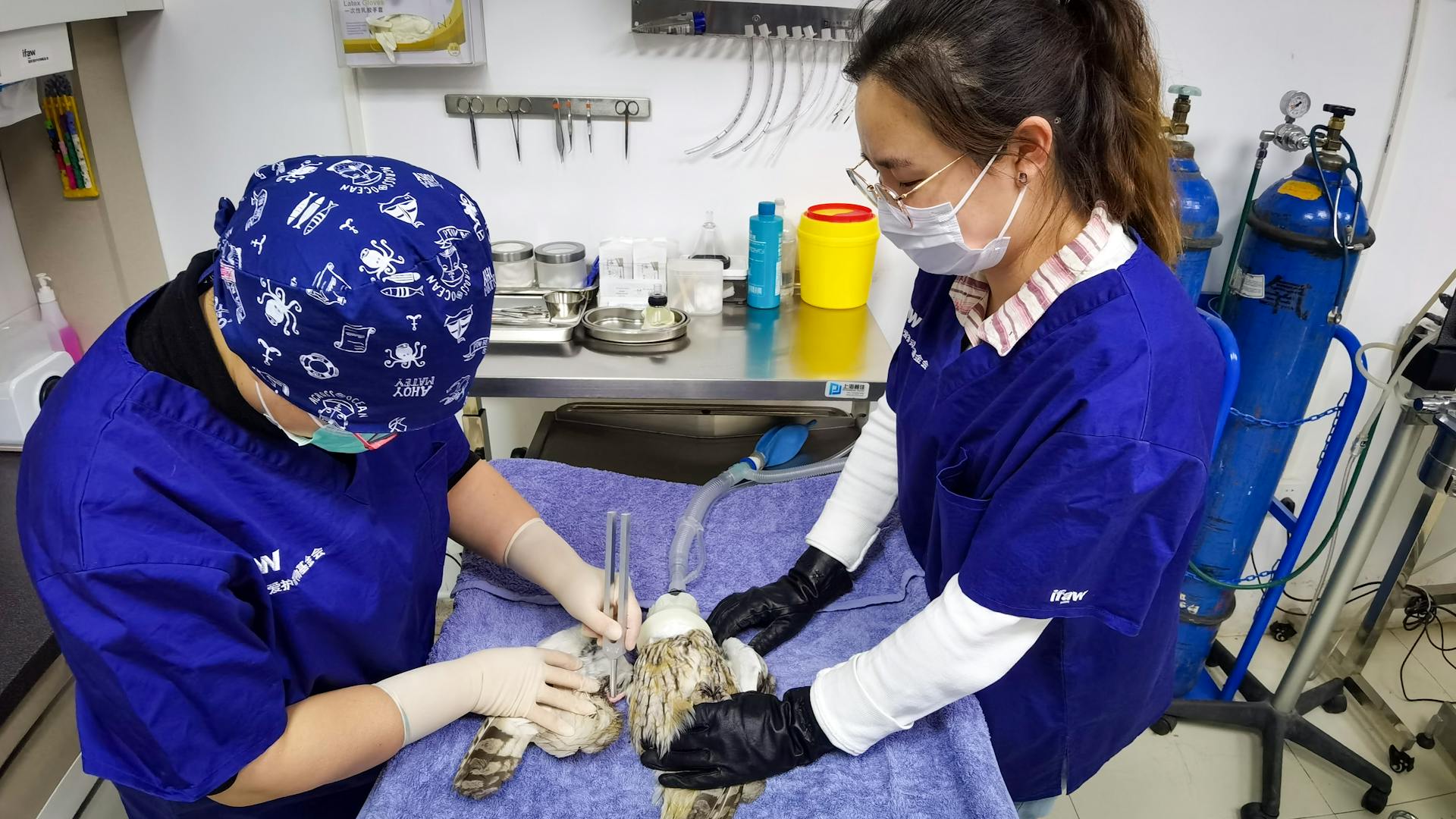
Pet anesthesia is a crucial part of veterinary dentistry, as it allows veterinarians to perform thorough checkups and necessary procedures.
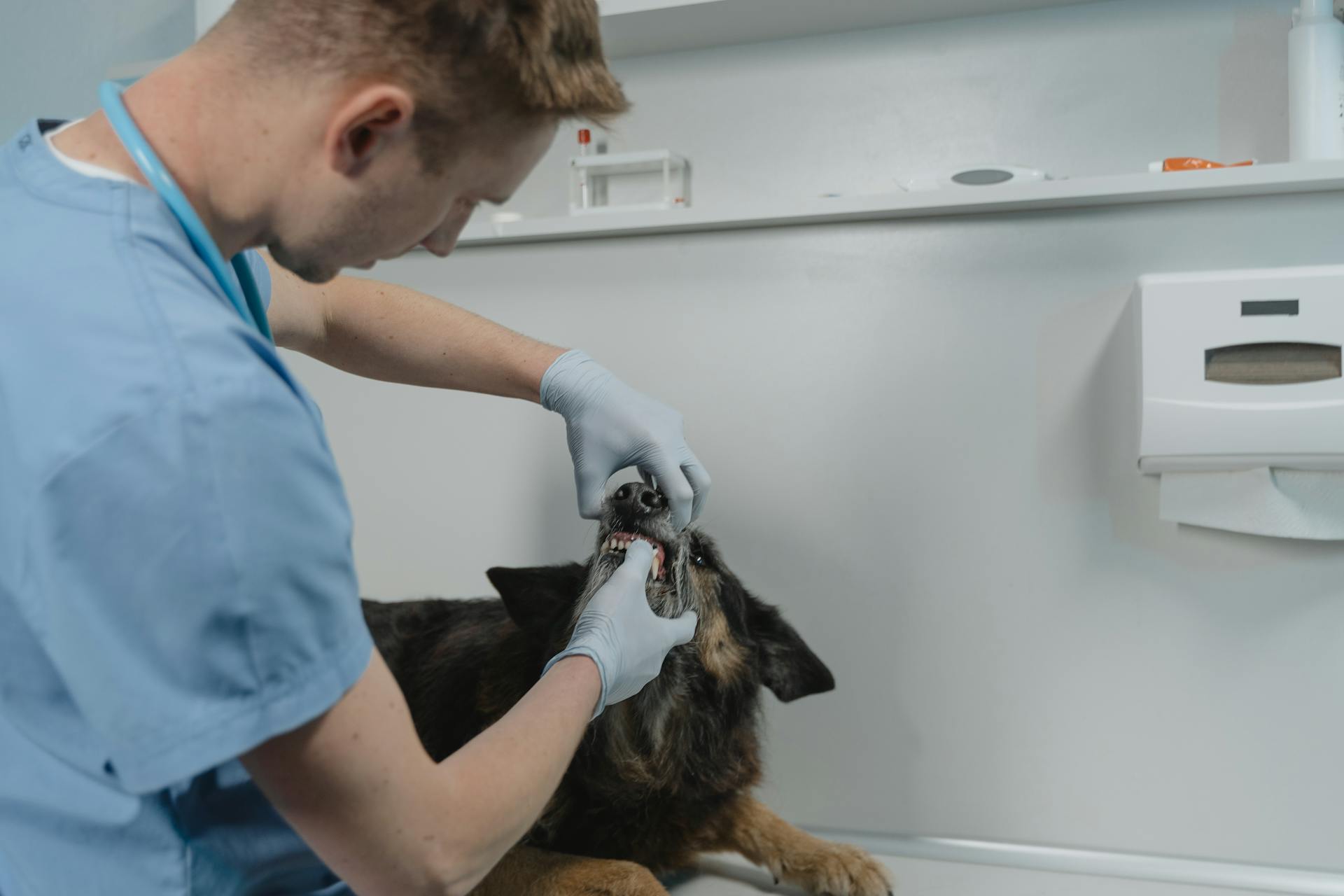
Pets need to be anesthetized for anything other than the most cursory of examinations because they can't explain what's happening and why. Your veterinarian needs to be able to visualize all your pet's teeth, even those in the back of their mouth, and access the entire mouth with instruments during the cleaning procedure.
For more complicated procedures, such as tooth extractions, oral surgery, and root canals, anesthesia is essential. Without it, these procedures would be impossible or extremely difficult.
Dental x-rays, or radiographs, are becoming the standard of care in pet dentistry. They help detect problems below the gum line or within the tooth itself, which is impossible to do without them.
Radiographs are necessary before deciding on a course of therapy, such as determining how extensive a tooth fracture is. This information is crucial for your veterinarian to provide the best possible care for your pet.
Veterinary Dentistry Services
Becoming a veterinary dentist is a rigorous process that requires dedication and time. An EVDC resident is a veterinary surgeon undertaking a course of training to qualify as a Diplomate of the EVDC.
The route to becoming a Diplomate of the EVDC involves advanced veterinary dental training and experience, as well as satisfying all the College credentialing requirements. This includes passing the College entry examinations and maintaining a commitment to the specialty.
If this caught your attention, see: Veterinary Dental Technician Training
An EVDC training programme can be either a full-time 3-year period of training at an approved Specialist Centre or a part-time period of training (minimum 5 years) with part-time supervision.
Dental disease is a common problem that affects small animals of any age, with up to 80% of dogs and 70% of cats developing signs of dental disease by the age of three if they don't receive proper dental care.
Your general practitioner veterinarian may refer you to a board-certified veterinary dentist for conditions like root canal or oral surgery, or for access to specialized diagnostic or treatment equipment.
Frequently Asked Questions
How long does it take to become a veterinarian dentist?
To become a veterinarian dentist, it typically takes 8-12 years of education and training after high school, including a 4-year veterinary degree and a 3-5 year residency in dentistry. This extensive education prepares veterinarians to specialize in animal dental care.
Featured Images: pexels.com