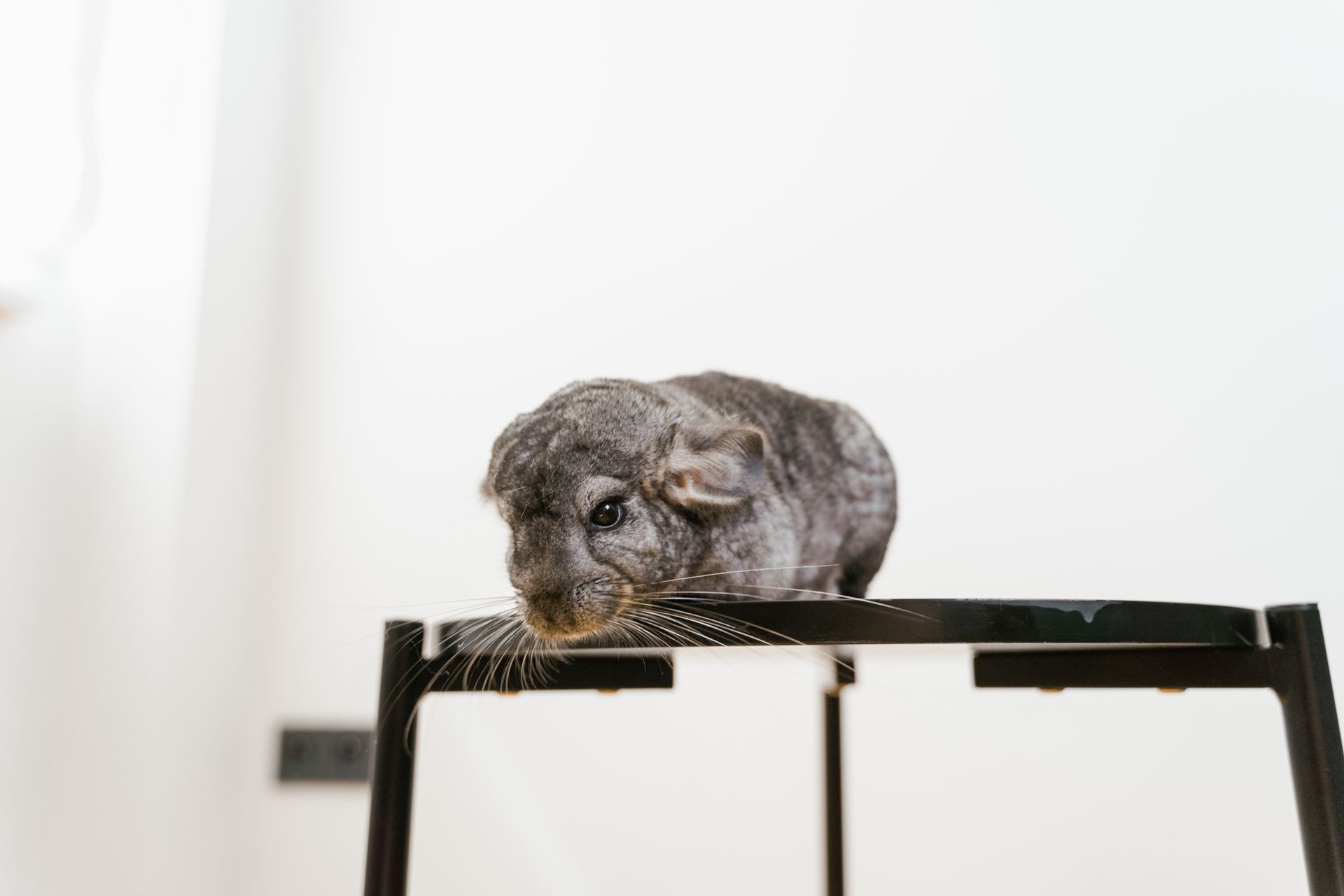
Chinchillas are small, fluffy rodents native to the Andes mountains in South America. They have thick, soft fur that's highly prized for its softness and warmth.
Chinchillas are herbivores, which means they primarily eat plants and plant-based foods. They have a specialized digestive system that allows them to extract nutrients from plant material.
Chinchillas are crepuscular, meaning they're most active at twilight and in the early morning hours. This unique schedule helps them avoid predators in their natural habitat.
Their large ears and keen sense of hearing make them highly attuned to their surroundings, allowing them to detect potential threats from a distance.
Physical Characteristics
Chinchillas are small mammals, measuring between 9 to 15 inches in length, excluding their bushy tail. Their tail can add an additional 5 to 6 inches to their overall measurement.
Adult chinchillas typically range between 1-2 pounds in weight. They have incredibly soft and dense fur, with thousands of fine hairs per follicle contributing to its velvety texture.
Their ears are large and rounded, sensitive to sound, helping them remain alert to their surroundings. Chinchillas have large and positioned eyes on the sides of their head, providing a wide field of vision.
Appearance
Chinchillas are small mammals, measuring between 9 to 15 inches in length, excluding their bushy tail.
Their tail itself can add an additional 5 to 6 inches to their overall measurement, making them a bit larger than you'd expect.
Adult chinchillas typically range between 1-2 pounds in weight, which is relatively light.
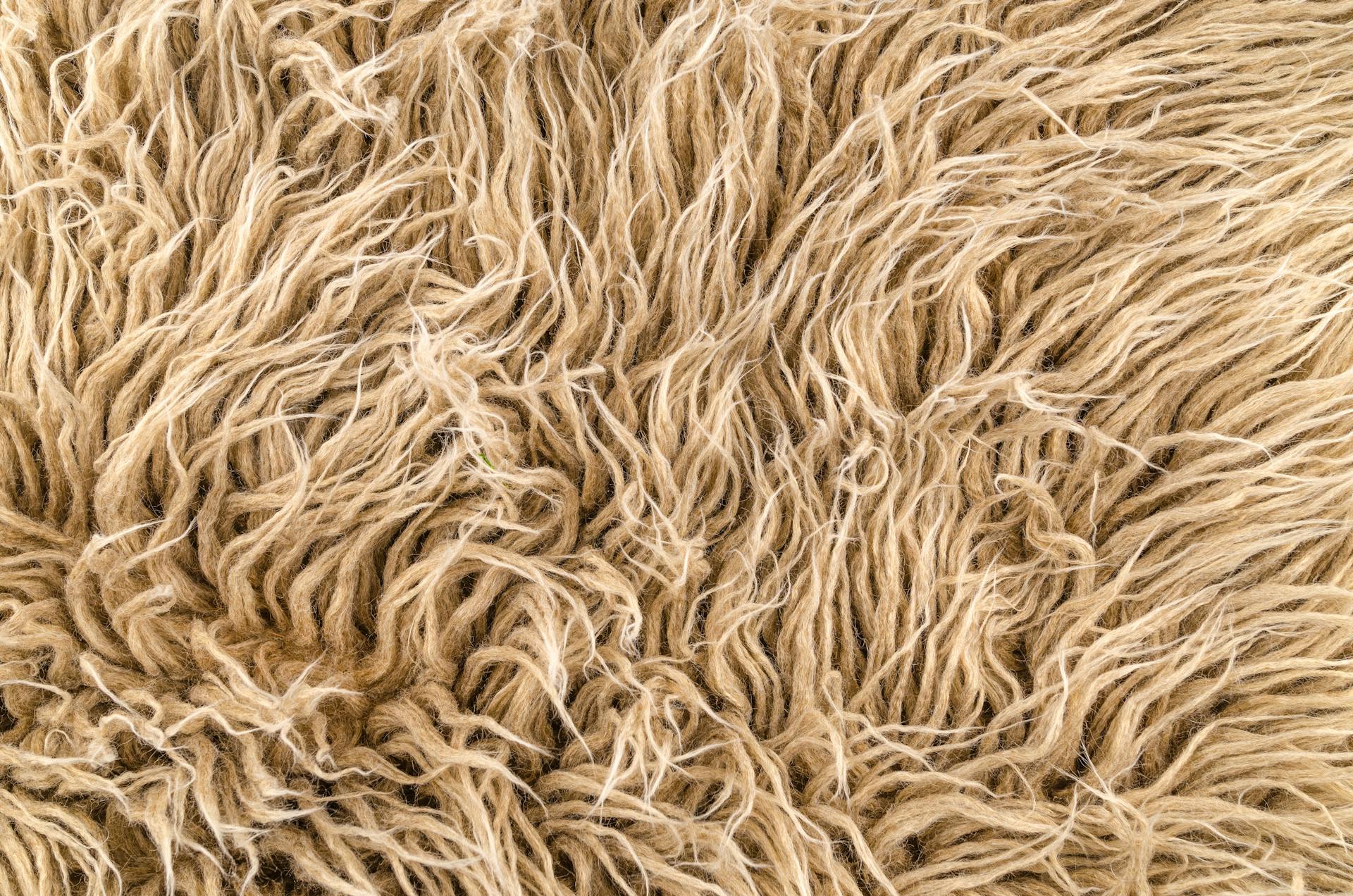
Their luxurious fur is incredibly soft and dense, consisting of thousands of fine hairs per follicle that contribute to its velvety texture.
Chinchilla fur comes in various colors, including gray, white, beige, ebony, and black velvet, with some rare genetic mutations producing fur colors like violet, sapphire, or mosaic.
Their large, rounded ears are sensitive to sound, helping them remain alert to their surroundings and detect potential predators.
Their eyes are also large and positioned on the sides of their head, providing them with a wide field of vision that allows them to spot movement easily.
Chinchillas have extremely dense and soft fur due to the fact that they grow up to 60 hairs per follicle, making their appearance very fluffy in comparison to other small animals.
Their build is most closely related to a mouse, but they are a bit larger in size and have stronger hind legs than mice, which makes them very agile jumpers.
Here's an interesting read: Chinchilla Fur Slip
Lifespan
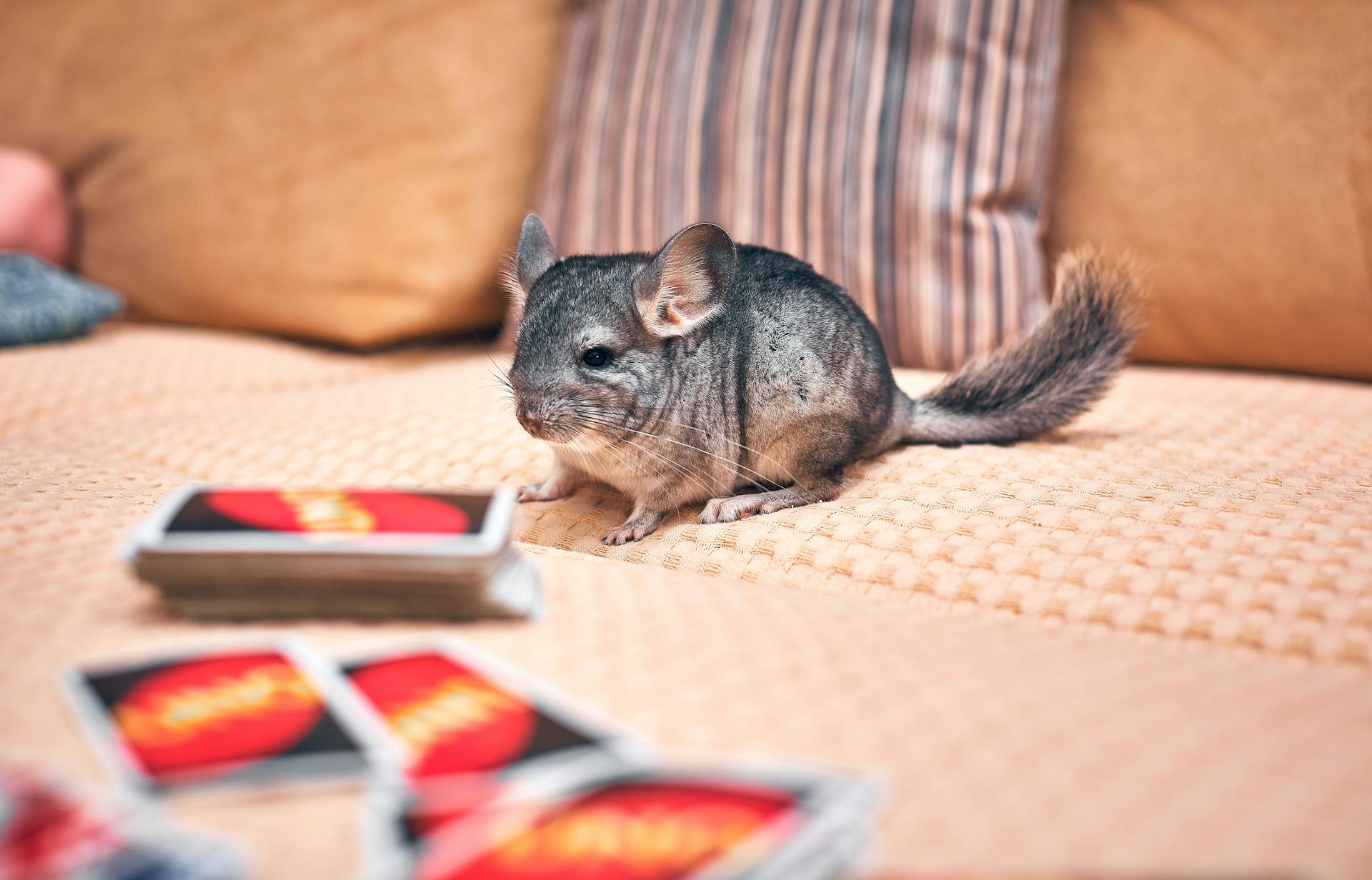
A chinchilla's lifespan can be quite impressive, especially with proper care. In the wild, they typically live for 8-10 years, but this can vary greatly due to predators like hawks and owls.
Proper nutrition is key to a long and healthy life for chinchillas. This means providing them with food pellets that contain all the necessary nutrients, along with good quality hay.
Chinchillas in captivity can live up to 20 years with the right care. This is a big difference from their wild counterparts, and it's all thanks to our ability to provide them with a safe and healthy environment.
If this caught your attention, see: Chinchillas Natural Habitat
Habitat and Behavior
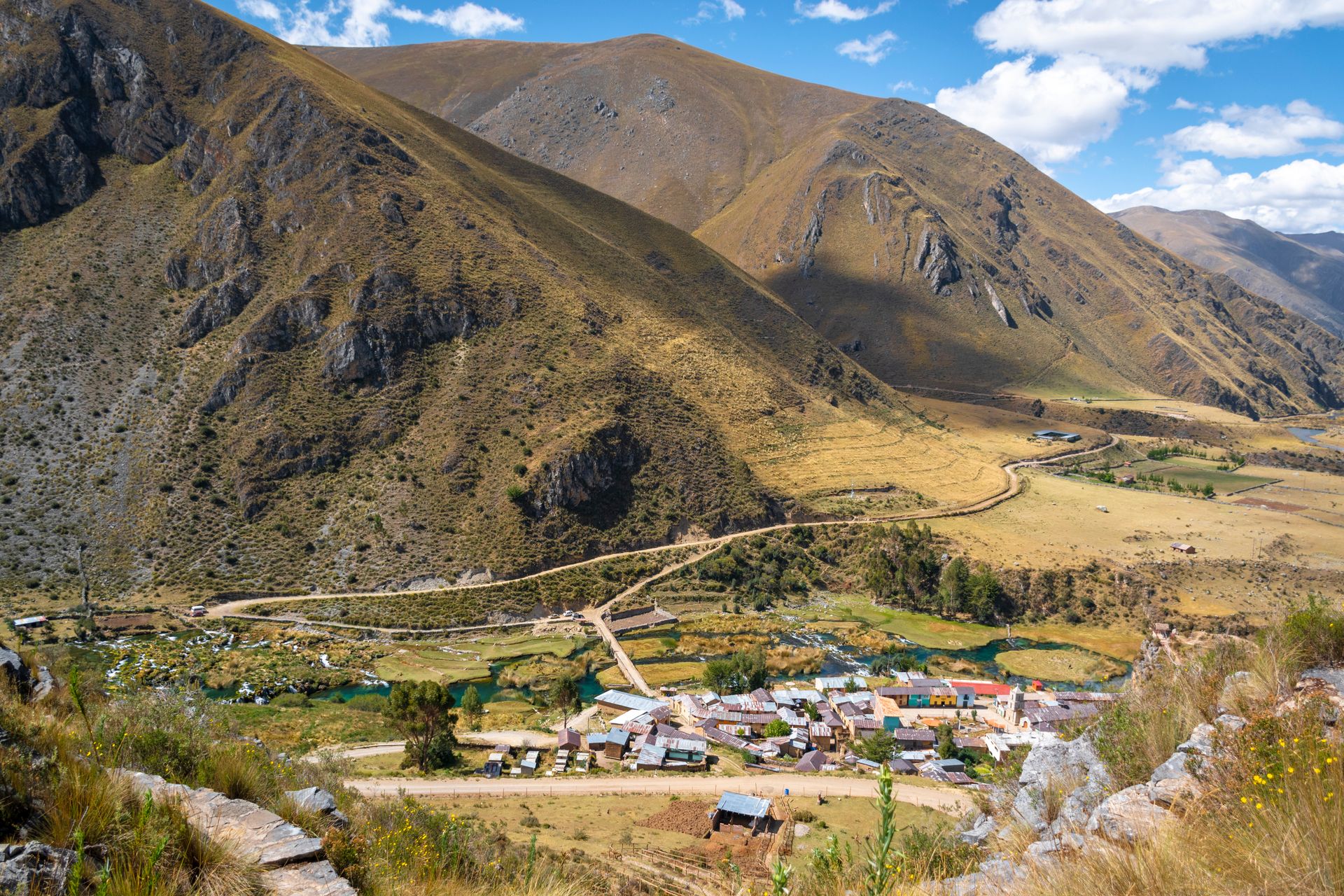
Chinchillas are native to the Andes Mountains in South America, specifically found in countries like Bolivia, Chile, Peru, and Argentina.
They live in rocky, mountainous regions where they've adapted to the cold, dry climate. Chinchillas are excellent jumpers, climbers, and burrowers, utilizing these skills to navigate their environment and evade predators.
In the wild, chinchillas can jump up to 1.8 m (6 ft) and have been observed eating plant leaves, fruits, seeds, and small insects.
Habitat and Behavior
Chinchillas live in rocky, mountainous regions of the Andes in South America, specifically in countries like Bolivia, Chile, Peru, and Argentina.
They inhabit areas with sparse cover of thorny shrubs, few herbs and forbs, scattered cactuses, and patches of succulent bromeliads near the coast.
Their diet consists of greens and seeds, and they have a selective preference for plants with high fiber and low lignin content.
Chinchillas are excellent jumpers, climbers, and burrowers, utilizing these skills to navigate their environment and evade predators.
They are crepuscular animals, meaning they are most active during dawn and dusk when the light is low, allowing them to forage for food and engage in social behaviors.
In their natural habitat, chinchillas have adapted to the cold, dry climate by developing exceptionally dense fur, which is an adaptation to the cold temperatures they are exposed to.
Their fur has 60 to 90 individual hairs emerging from each hair follicle, compared to humans who have one hair per follicle.
Consider reading: Chinchilla Dense Fur
Chinchillas are also agile due to their hairless fleshy footpads, which allow them to maintain their grip on rocky surfaces.
In the wild, they can jump up to 1.8 m (6 ft) and have been observed eating plant leaves, fruits, seeds, and small insects.
Their predators in the wild include birds of prey, skunks, felines, snakes, and canines, and they have many defensive movements, including spraying urine and releasing fur if bitten.
Chinchillas take dust baths to keep their fur clean, rolling and flipping in fine volcanic dust or specially made chinchilla dust to absorb excess oils and moisture.
In captivity, providing hiding spots and tunnels in their enclosure mimics their natural behavior of burrowing and gives them a sense of security.
Recommended read: What Do Chinchillas Eat in the Wild
Wild vs. Domestic
Wild chinchillas can reach nearly twenty inches in length and up to three pounds, making them significantly larger than their domestic counterparts.
Their diet is also vastly different, consisting of a mixture of vegetation and proteins like small insects and bird eggs, whereas domestic chinchillas eat a plain diet of hay and pellet chinchilla food.
Check this out: Chinchilla Domestic
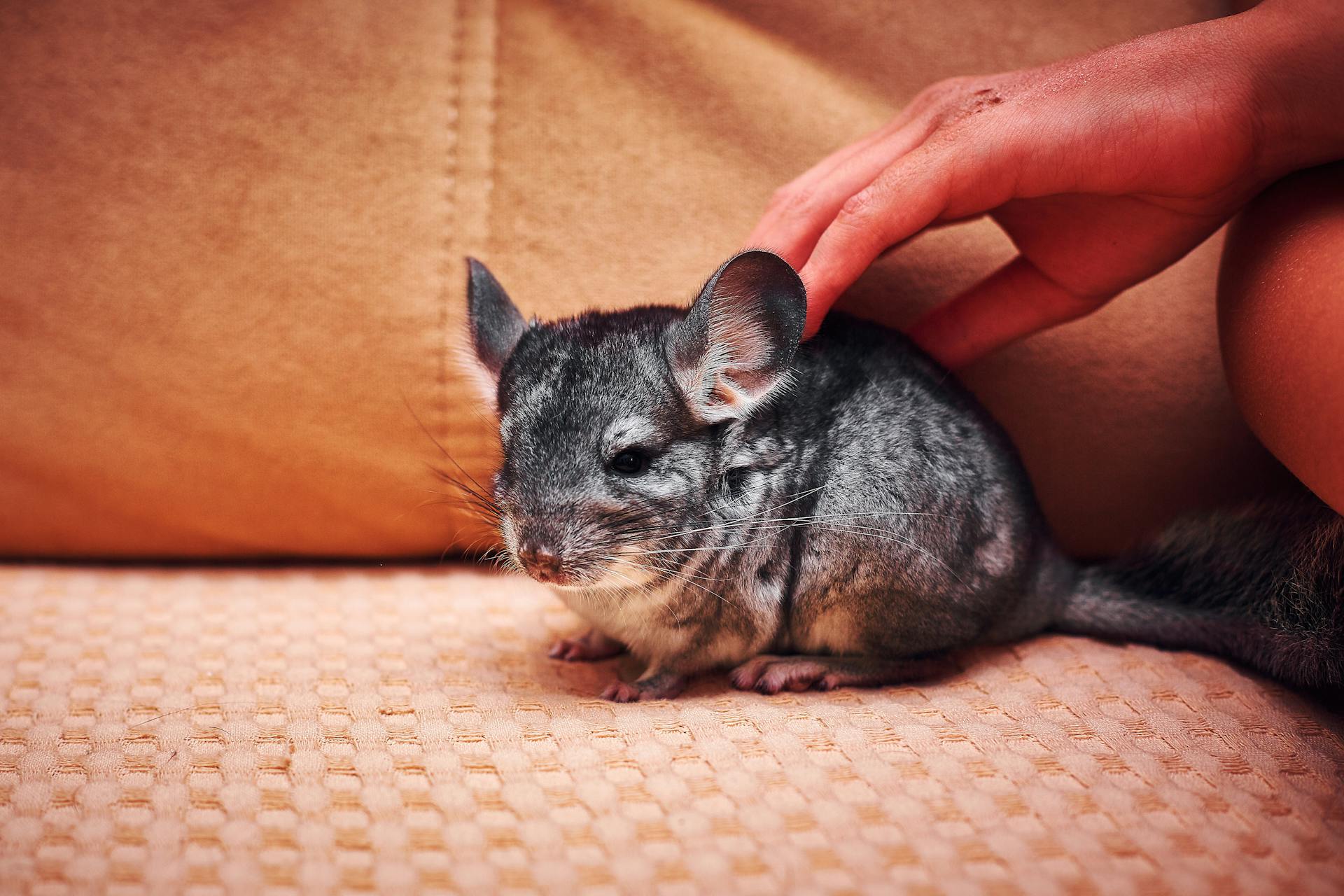
Wild chinchillas are social animals that thrive in herds, watching out for one another as they have many predators, a trait that is also observed in domestic chinchillas who bond with their cagemates.
Domestic chinchillas, on the other hand, have a much more limited size, with a weight limit of about a pound and a length limit of about ten inches.
Diet and Digestion
Chinchillas are selective folivores and granivores, which means they primarily eat plants and seeds. They choose plants with high fiber and low lignin content.
Their diet changes seasonally, but the perennial Chilean needlegrass is their most common food source. They also eat ferns, a succulent bromeliad, and cactus, which is likely their main source of water.
Chinchillas eat sitting upright, holding food in their forefeet.
Here's an interesting read: Chinchillas Eat Rabbit Food
Diet
Chinchillas are selective folivores and granivores, choosing plants with high fiber and low lignin content.
In their harsh environment, they eat a variety of plants that are adapted to the dry conditions, such as the perennial Chilean needlegrass.
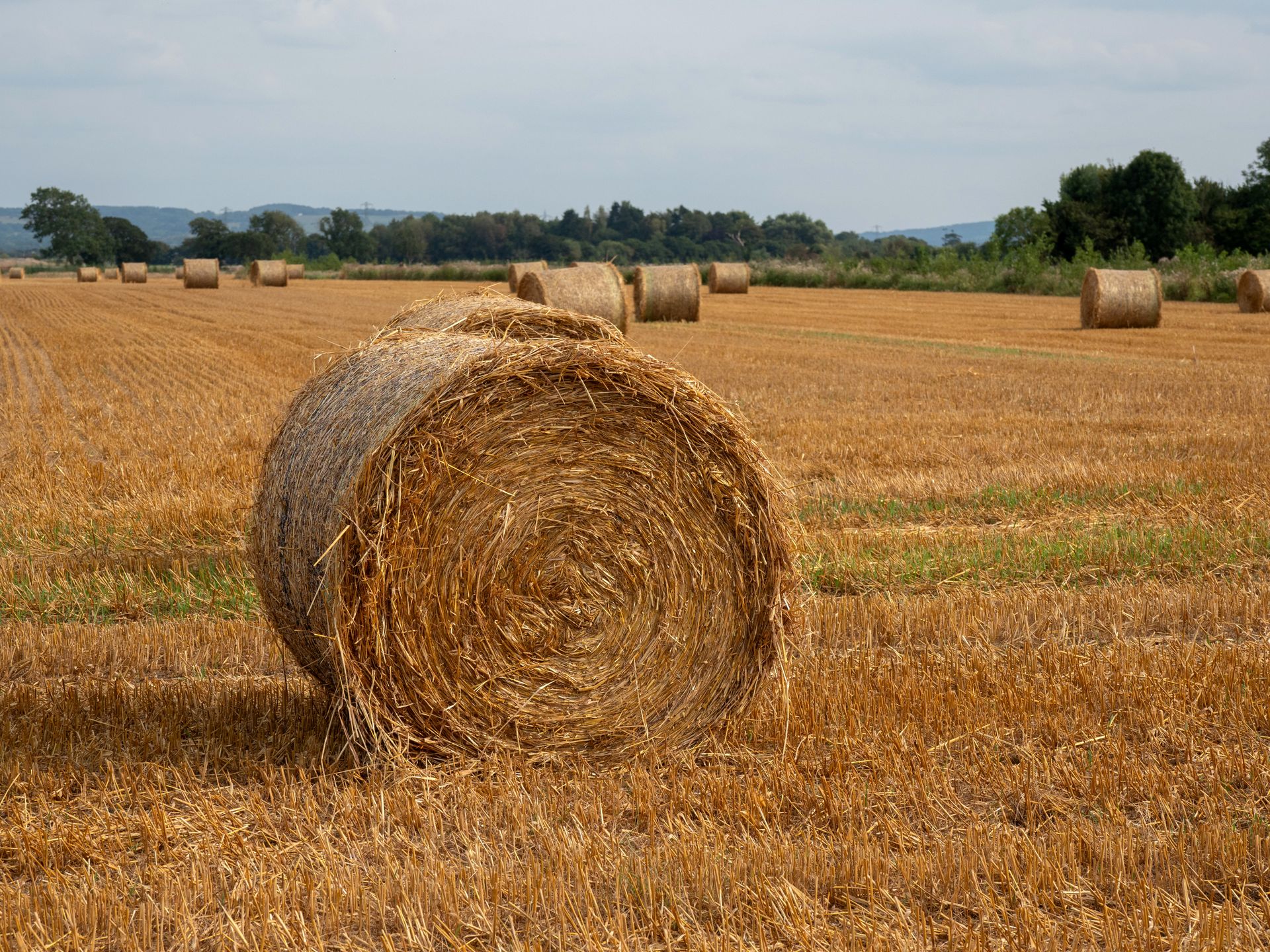
Their diet changes seasonally, but they consistently consume ferns, a succulent bromeliad, and cactus, which is likely their main source of water.
Chinchillas eat sitting upright, holding their food in their forefeet, a unique way of eating that allows them to select their food carefully.
Cactus is a crucial part of their diet, providing them with the water they need to survive in the arid Andes region.
Here's an interesting read: Why Can't Chinchillas Bathe in Water
Unusual Digestive System
Chinchillas have an unusual digestive system, one that's similar to rabbits and guinea pigs. They perform a digestive process called caecotrophy to extract as much goodness as possible from their food.
This process involves passing food through their gut and producing special droppings called caecotrophs. Chinchillas then eat these droppings, which allows them to absorb and digest them again.
As a result, chinchillas are able to get the most out of their food, which is especially important for their high energy needs. They need to eat a diet rich in fiber and nutrients to stay healthy.
Chinchillas eat their caecotrophs to get the nutrients they need, which is a unique and fascinating aspect of their digestive system.
Expand your knowledge: Chinchilla Eat Rabbit Food
Origins and History
Chinchillas have a rich and fascinating history that spans centuries. Native Chincha tribes in northern Chile first discovered chinchillas in their native habitat of the Andes around 900 CE.
The demand for chinchilla fur was so high in Europe that it led to overhunting and exportation, prompting the Chilean government to impose a ban on trapping and exporting chinchillas.
In 1914, Mathias F. Chapman obtained special permission to capture a small number of chinchillas and bring them to California, a move that many experts consider a significant conservation effort.
Explore further: Where Are Chinchillas Native to
Origin and History
Chinchillas have been around for centuries, with the Native Chincha tribes in northern Chile first discovering them in their native habitat of the Andes around 900 CE.
Chinchillas were highly prized for their fur, which was exported to Europe and used in extravagant furs for royalty.
The exporting of chinchillas became so widespread that the Chilean government had to impose a ban on trapping and exporting them.
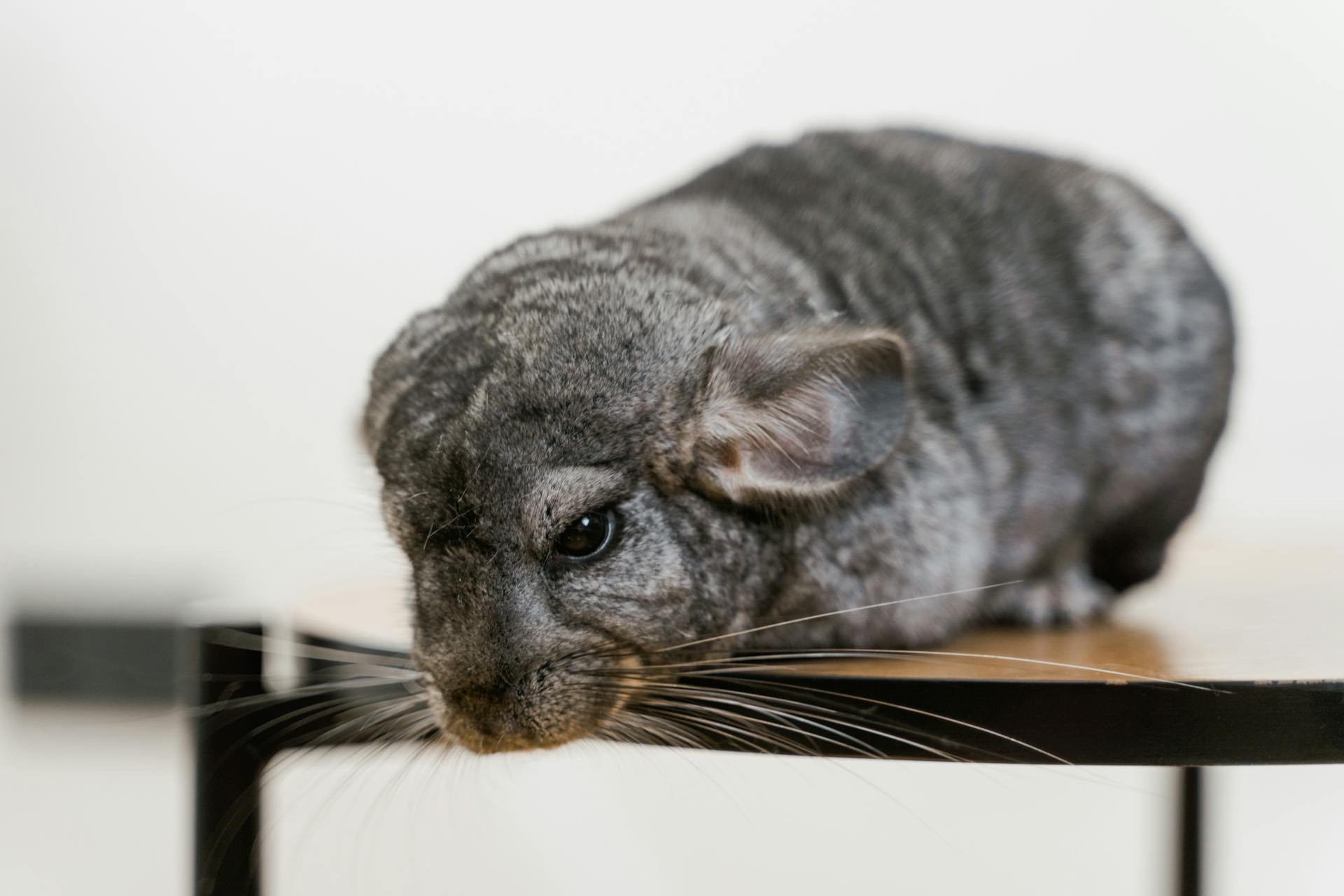
However, in 1914, Mathias F. Chapman acquired special permission from the Chilean government to capture a small number of chinchillas and bring them to California, which is considered one of the most impactful chinchilla conservation measures of modern times.
There are two main species of chinchillas: the long-tailed chinchilla (Chinchilla lanigera) and the short-tailed or lesser chinchilla (Chinchilla chinchilla), with the long-tailed chinchilla being the most commonly found in captivity.
Chinchillas are native to the Andes Mountains in South America, specifically found in countries like Bolivia, Chile, Peru, and Argentina.
How They Got Their Name
Chinchillas got their name from the Chincha people in the Andes Mountains, who first discovered them and had used chinchilla pelts for various purposes, especially for warmth in the harsh climate.
The Chincha people's discovery of chinchillas dates back to their time in the Andes Mountains.
Chinchillas are now considered endangered species due to hunting in South America, but the breeding of long-tailed chinchillas has helped lower the risk of their extinction.
Explore further: Chinchillas in the Andes Mountains
Chinchilla Species and Types
Chinchilla species are quite fascinating, and there are only two living species of chinchillas.
The two living species of chinchillas are Chinchilla chinchilla and Chinchilla lanigera. Chinchilla chinchilla has a distinct physical appearance, with a shorter tail, thicker neck and shoulders, and shorter ears compared to Chinchilla lanigera.
Chinchilla lanigera, on the other hand, can be found in the wild, although it's a rare species. Domesticated chinchillas are thought to be of the Chinchilla lanigera species.
Unfortunately, Chinchilla chinchilla is currently facing extinction, which is a concerning issue that needs attention.
If this caught your attention, see: Chinchilla Lanigera
Chinchilla as Pets
Chinchillas are popular pets, but they require a lot of exercise and dental care because their teeth continually grow throughout their life span.
They need a large space to move around and a temperature-controlled environment as they can't sweat and are prone to heat strokes.
Domestic chinchillas have thinner bodies, longer tails, and larger ears compared to their wild counterparts.
Their thick fur protects them from getting fleas and reduces loose dander, but it also means they don't need to bathe in water - instead, they take dust baths a few times a week using special dust made of pumice.
Curious to learn more? Check out: How Often Do Chinchillas Need a Dust Bath
As Pets
Chinchillas are popular pets, but they require a lot of exercise, so be prepared to provide a spacious area for them to run around.
Their teeth grow continuously throughout their lives, so regular dental care is essential to prevent problems.
Chinchillas can't sweat, so they need a temperature-controlled environment to prevent heat strokes.
They instinctively clean their fur by taking dust baths, rolling around in special dust made of pumice a few times a week.
Their thick fur protects them from fleas and reduces loose dander, making them a relatively low-maintenance pet in terms of grooming.
Chinchillas don't bathe in water, so don't bother setting up a water-based bathing system.
Their large ears and long tails are just a few of the physical characteristics that distinguish domestic chinchillas from their wild counterparts.
For your interest: Chinchilla Fur Density
Are They Friendly?
Chinchillas are very friendly with each other in their natural habitat and are considered herd animals.
They can be highly skittish at first due to their prey animal nature, but once they trust you, they can become extremely friendly.
Each chinchilla is different, and some might be less friendly than others.
It's essential to bond with your chinchilla through gentle interactions like sitting in a playpen with them or giving them chinchilla-safe treats.
Avoid cuddling with your pet chinchilla because their bones are very delicate.
Behavior and Social Life
Chinchillas are highly social animals, often living in colonies of over 100 individuals in the wild. They thrive in the company of others and should never be kept singly as pets.
In their natural habitat, chinchillas are primarily crepuscular, meaning they're most active during dawn and dusk. This unique activity pattern allows them to forage for food and engage in social behaviors.
Chinchillas have a fascinating way of keeping their fur clean - they take dust baths! This involves rolling and flipping in fine volcanic dust or specially made chinchilla dust, which helps absorb excess oils and moisture while maintaining their fur's insulating properties.
Chinchillas are incredibly agile jumpers and climbers, reflecting their natural habitat. They navigate rocky terrain with ease, leaping from one surface to another with impressive agility.
Chinchillas communicate with each other through a variety of soft high-pitched grunting noises, including hiccupping sounds, chirps, squeals, and barks. These social messages help them stay connected with their fellow chinchillas.
In the wild, chinchillas are excellent burrowers, creating tunnels and burrows in the ground for protection from predators and to regulate their body temperature. Providing hiding spots and tunnels in their enclosure can help mimic this behavior and give them a sense of security.
On a similar theme: Dust Bathing Chinchillas
Chinchilla Senses and Abilities
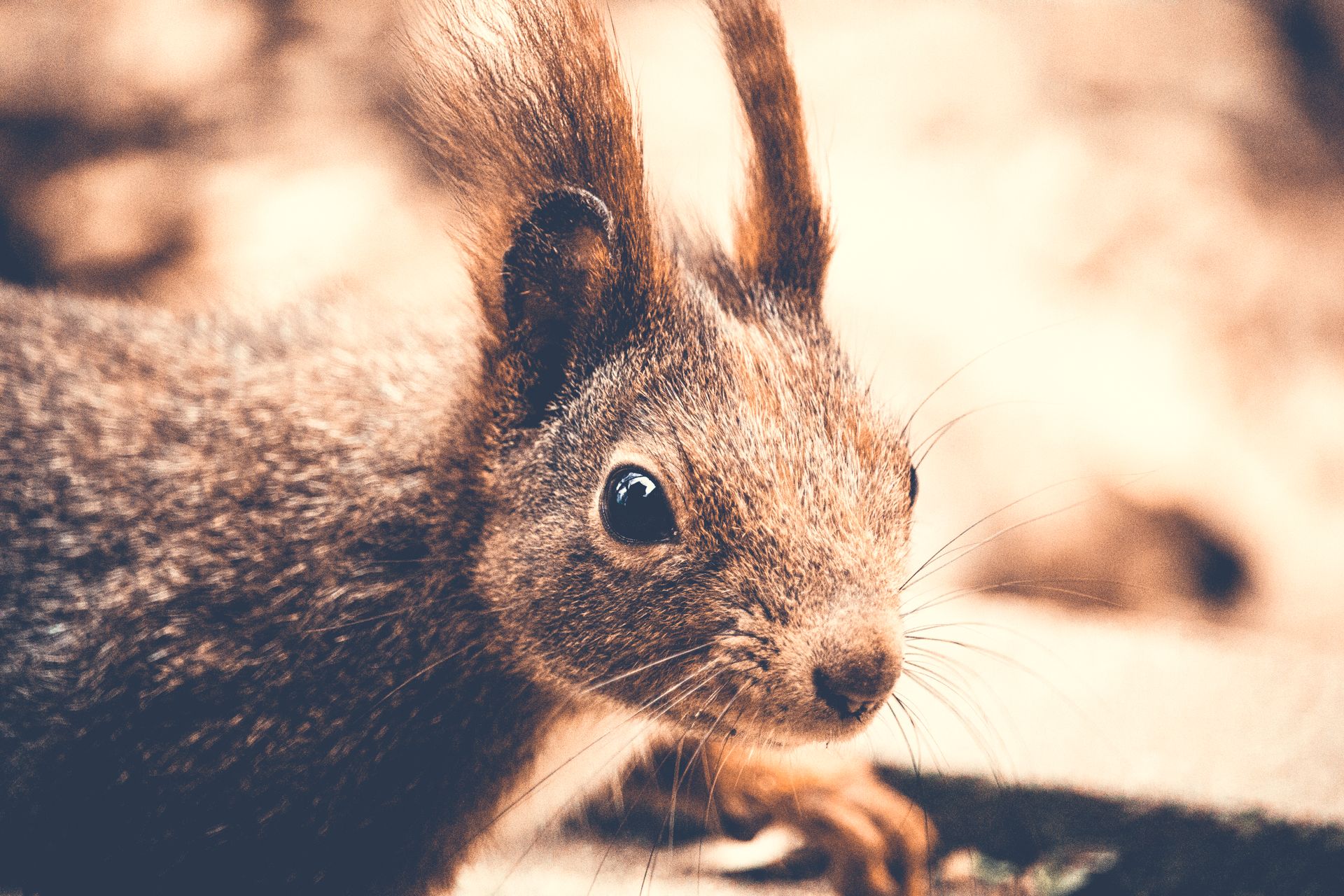
Chinchillas have large ears that help them detect sounds, and their hearing range is similar to that of humans.
Their sensitive hearing can be a bit of a challenge, as they're easily startled by sudden loud or unfamiliar sounds.
Chinchillas are also known for their agility and flexibility, allowing them to climb and jump with ease.
Their thick fur and compact bodies make them well-suited for navigating tight spaces.
Chinchillas are generally quiet animals, but they do communicate with each other through a variety of sounds, including high-pitched squeaks and grunts.
Their sensitive hearing is likely an adaptation to their high-altitude habitat, where loud noises can be a threat to their survival.
Curious to learn more? Check out: Are Chinchillas High Maintenance
Chinchilla Industry and Uses
The chinchilla industry has a long history, dating back to the 16th century when their fur was first traded internationally.
Chinchilla fur is highly prized for its soft feel, which makes it perfect for coats that require a lot of pelts - up to 150 are needed for a single full-length coat.
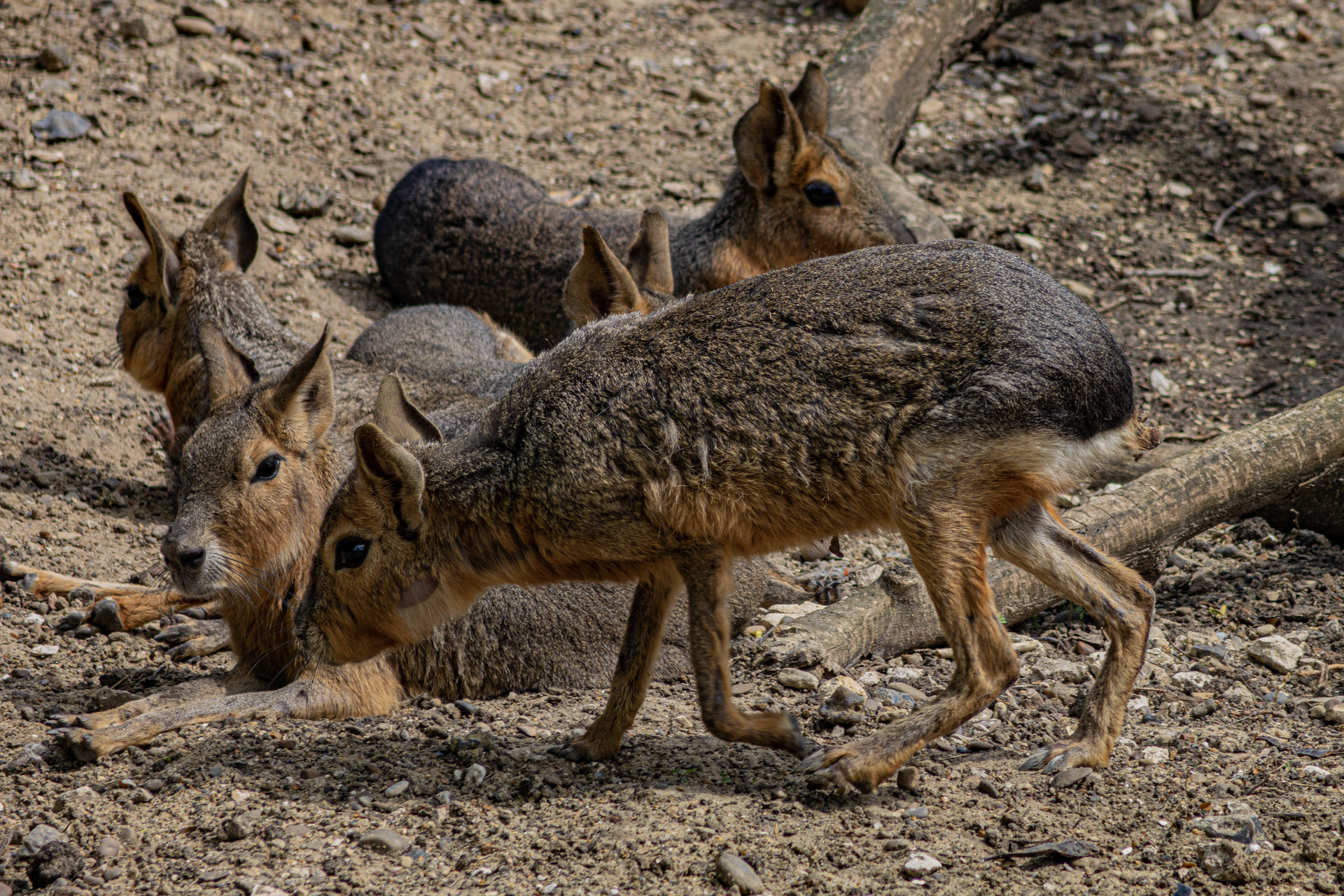
Unfortunately, the demand for their fur has led to the extinction of one species and put a lot of pressure on the other two, with continued poaching threatening their survival.
Domesticated chinchillas are still bred for their fur, but they're also kept as pets and sometimes used in scientific research due to the similarity of their ear anatomy to that of humans.
The Fur Industry
The fur industry has a long history, dating back to the 16th century when chinchillas were first hunted for their fur.
Chinchilla fur is highly prized for its soft feel, making it a popular choice for coats. A single, full-length coat can require up to 150 pelts from these small animals.
Their use in the fur industry has had devastating consequences, leading to the extinction of one species and putting significant pressure on the other two.
Despite it being illegal to hunt wild chinchillas, poaching continues, threatening their very existence.
Used For
Domesticated chinchillas are often kept as pets, but they're also bred for other purposes.
Chinchillas are sometimes bred for scientific research due to the similarity of their ear anatomy to that of humans' ears.
Frequently Asked Questions
Is a chinchilla a rat or rabbit?
Chinchillas are not rats or rabbits, but a unique animal more closely related to guinea pigs. They belong to their own distinct species, often confused with the chinchilla rat due to similarities.
What is the purpose of a chinchilla?
Chinchillas are primarily raised for the fur industry, but some are kept as pets for companionship.
What are 5 facts about a chinchilla?
Here are 5 key facts about chinchillas: Chinchillas are small, furry animals with unique characteristics, including kits as babies and a preference for dust baths. They also have distinctive coats, long lifespans, and can make great pets for many families.
What not to do with a chinchilla?
To avoid stressing or injuring your chinchilla, never hold it unless it feels safe and comfortable with you, as they may perceive strangers as threats. If your chinchilla panics in your arms, there's a high risk of bone fractures.
Featured Images: pexels.com