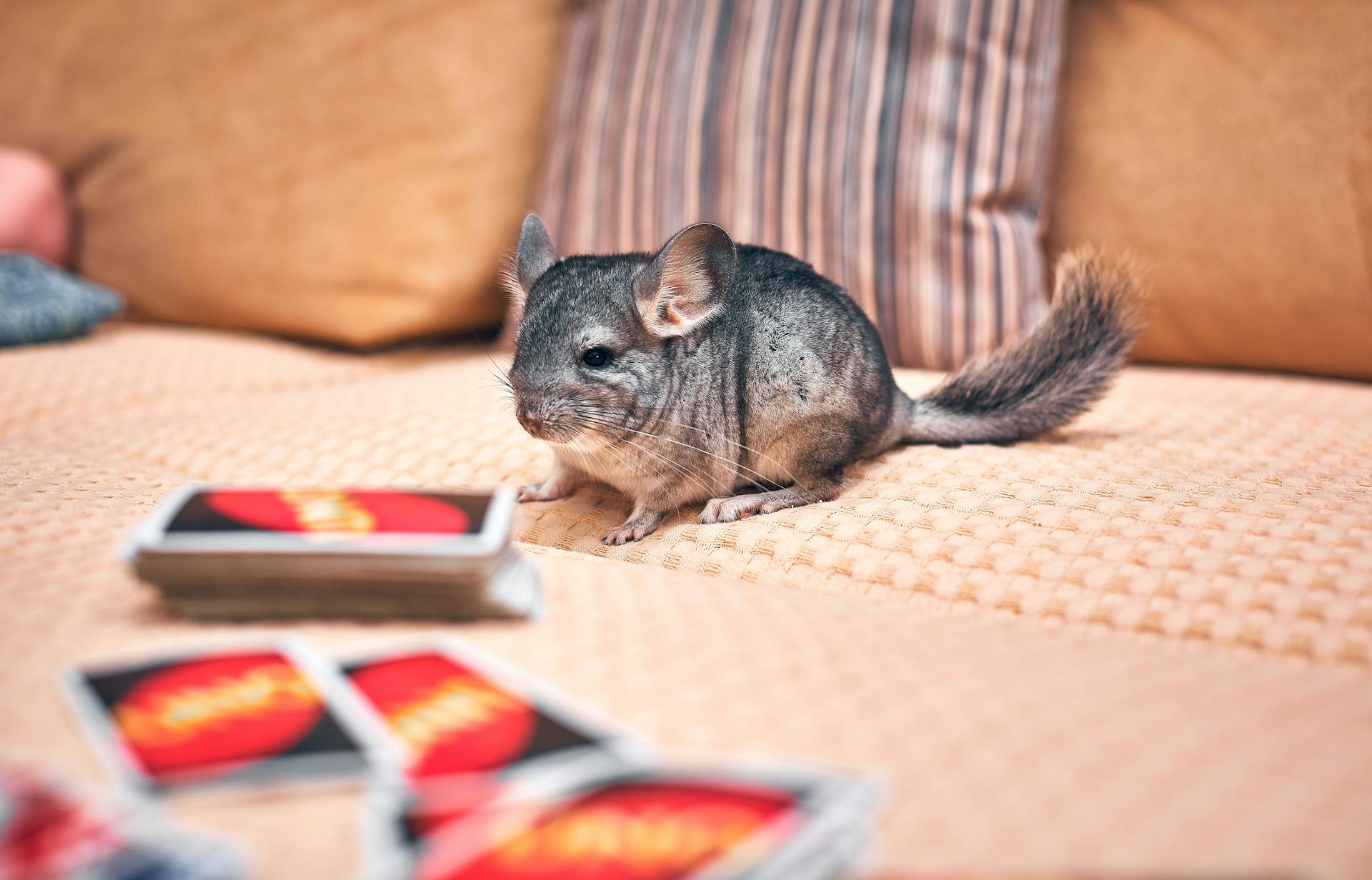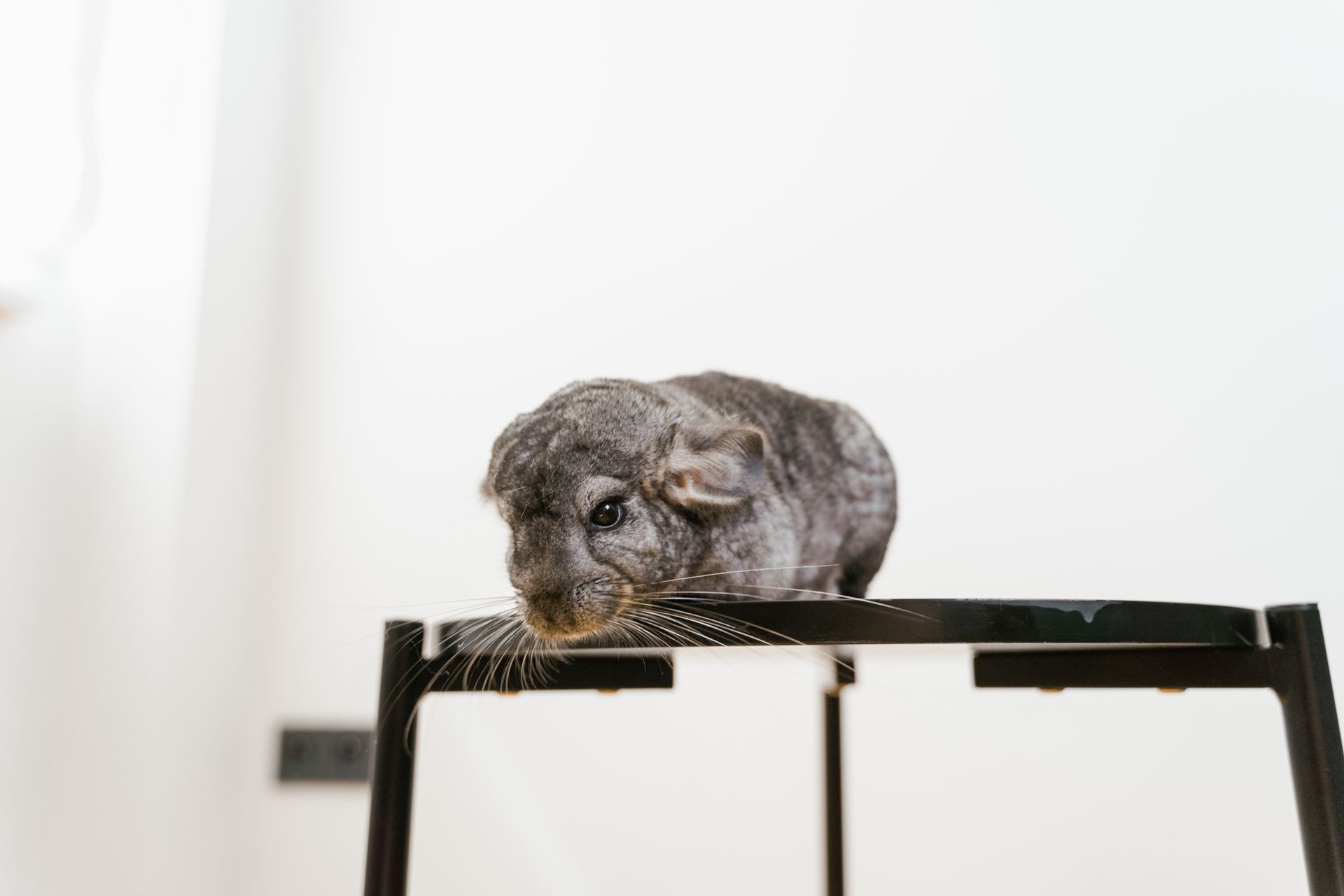
Chinchillas are incredibly resourceful animals that have adapted to thrive in their environments. They are native to the Andes mountains in South America, where they inhabit rocky outcroppings and scrubby vegetation.
To survive, chinchillas have developed a thick coat of fur that can grow up to 20 inches long, keeping them warm in freezing temperatures. This remarkable adaptation is essential for their survival in the harsh mountain climate.
Chinchillas are also skilled climbers, using their sharp claws and agile bodies to navigate rocky terrain with ease. They often retreat to higher elevations during the day to escape predators and extreme temperatures.
In their natural habitat, chinchillas eat a variety of plants, including grasses, leaves, and fruits. They have a specialized digestive system that allows them to extract nutrients from plant material that is difficult for other animals to digest.
For more insights, see: Animals That Look like Chinchillas
Chinchilla Behavior
Chinchillas have a natural instinct to protect their territory, which can sometimes manifest as cage aggression. They will defend their home against perceived threats, including being grabbed or pulled out of the cage.
In the wild, chinchillas are den animals, and this behavior carries over into their domestic lives. They often choose a favorite spot in their cage and will spend most of their time there, using it as a safe haven.
Some chinchillas may have large cages and still prefer to stay in their favorite spot, rather than exploring the rest of the cage. This is completely normal behavior and a sign that they feel secure in their environment.
Aggressive Animal Behaviors
Chinchillas can make several noises to alert you to their intentions, including a "bark" or "kakk" to stay away, or a warning call that sounds like a wheeze or hiccup to alert other chins to danger nearby.
Some chinchillas may also make soft squeaky noises to interact with each other or you, but failing to notice these warning signs can lead to biting or spraying urine if they're feeling threatened.
Chinchillas can bite hard and break the skin, and some may even lunge at you to scare you off, all in an effort to protect themselves or their home.
On a similar theme: What Noises Do Chinchillas Make
Never squeeze or grab at your chinchilla, as this can damage their internal organs, and instead, interact with them within their cage on their terms.
Chinchillas are prey animals with instincts to protect themselves, so it's essential to respect their boundaries and let them come to you on their own terms, especially if they're cage aggressive.
If your chinchilla has a favorite spot in their cage and doesn't run/jump around much, this is normal behavior, as they're den animals in the wild and will spend most of their time in their cozy spot.
Recommended read: Are Chinchillas Social
Cage Behavior
Chinchillas often prefer a specific spot in their cage, where they'll spend most of their time, just like they would in the wild. Some chinchillas may even ignore large cages and stick to their favorite spot.
Chinchillas can become cage aggressive, defending their territory from perceived threats. This is a natural instinct for prey animals like chinchillas.
If your chinchilla doesn't like to be grabbed and pulled out of the cage, let them come to you on their own terms. They're not like cats, dogs, or ferrets - they have a strong prey instinct.
Chinchillas need daily care and time out of their cage to run, play, and socialize. This can take around one to two hours per day.
Cage and Environment
Chinchillas often pick a favorite spot in their cage and spend most of their time there, which is a normal behavior for a den animal.
In the wild, chinchillas would typically spend most of their time in a den, so it's not uncommon for them to do the same in their cage. They may even ignore most of the cage, especially if it's large.
Chinchillas can become cage aggressive and protect their home fiercely. This is because they're prey animals with instincts to defend themselves.
If your chinchilla doesn't like to be grabbed and pulled out of the cage, let them come to you on their own terms. It's not like handling a cat, dog, or ferret – chinchillas need to feel safe and in control.
Chinchilla Exercise and Enrichment
Chinchillas need daily exercise in their enclosure and outside of it. This can be achieved with a 15-inch exercise wheel, which is a great way for them to get some physical activity.
Flat exercise wheels are a must, not wire or plastic runged wheels, as they can cause injuries to your chin's little feet. Chinchillas love to run and play, so make sure to provide them with plenty of opportunities to do so.
Chinchillas are active and need toys to play with and chew upon. You can try hanging wooden toys, chewable fling toys, or plastic keys to keep them entertained.
Out-of-cage time is also essential, with a minimum of 2-4 hours per day. This will allow your chinchilla to hop around, explore, and get some exercise.
Chinchillas need to be "chinchilla-proofed" to ensure their safety during out-of-cage time. This means removing any hazards or toxic materials from their environment.
A cardboard Cottontail Cottage is a great way to provide your chinchilla with a fun and stimulating environment during out-of-cage time. These two-level climbing cottages are perfect for chinchillas to run around and play.
Chinchillas require daily care and time out of their cage to run, play, and socialize. This can be as simple as providing a few hours of out-of-cage time per day.
Care and Handling
Chinchillas need daily care and time out of their cage to run, play, and socialize, which can take up to two hours a day.
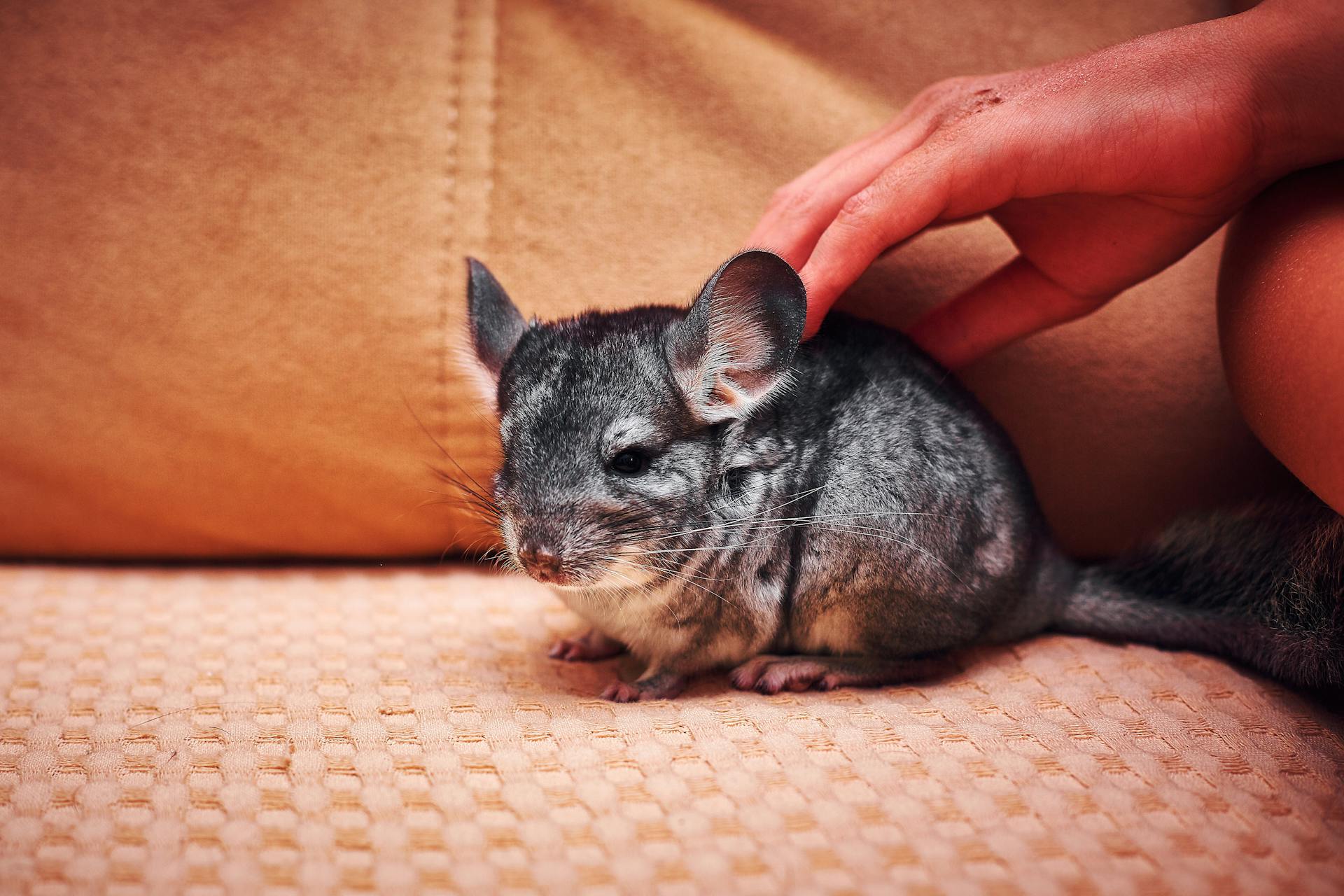
If a chinchilla trusts you, it will enjoy being brushed with a soft-bristled baby's hair brush, which is gentle enough to ease out small tangles in their soft and dense fur.
To build trust, simply spend time with your chinchilla, letting it get used to your presence and touch, and it will eventually learn to appreciate the gentle strokes of a brush.
Chinchilla Care Ease
Chinchillas do require daily care and time out of their cage to run, play, and socialize. A chinchilla will likely require one to two hours per day to have their needs met adequately.
Chinchillas need regular time out of their cage to exercise and stretch their legs. This can be as simple as letting them play in a safe room or setting up a playpen.
Do Chinchillas Like Brushing?
Chinchillas enjoy being brushed if they trust you, and it's a pleasant feeling for them.
A regular brush isn't fine enough to ease out small tangles in a chinchilla's fur, which is soft and dense.
The best choice for brushing a chinchilla's fur is a baby's hair brush, which has soft bristles close together.
If a chinchilla trusts you, it will enjoy being brushed in the same way that your pet likes being scratched.
For another approach, see: Chinchilla Fur Density
Interacting with Other
Chinchillas can live happily alone or with a friend, but it's essential to be aware of their behavior around each other.
Some chinchillas may get along, while others may not, so it's crucial to have an extra cage on hand in case they un-bond or start fighting.
Critter/Ferret Nation cages are a great option because they can be split into two cages by blocking off the middle section, allowing you to separate them easily if needed.
A bonded pair of chinchillas will interact with each other in various ways, including grooming each other's fur and sleeping together, which is a good sign of a strong bond.
Dominant chinchillas may exhibit behaviors like dominance humping, even in female pairs, as they determine who's more dominant, but this is a normal behavior as long as they're not chasing each other or fighting.
Barking or "kakk" sounds are also normal, but if they're accompanied by chasing or fighting, it's a sign that they need to be separated.
Some chinchillas may also exhibit behaviors like trimming their cage mate's whiskers by chewing them off or fur chewing, which can be alarming at first but isn't detrimental to their health.
Additional reading: Chinchilla Fur Slip
Frequently Asked Questions
What are 3 interesting facts about chinchillas?
Here are three fascinating facts about chinchillas: They can jump up to five feet in the air, have open-rooted teeth that grow continuously, and boast the softest fur in the world, 30 times softer than human hair.
Featured Images: pexels.com