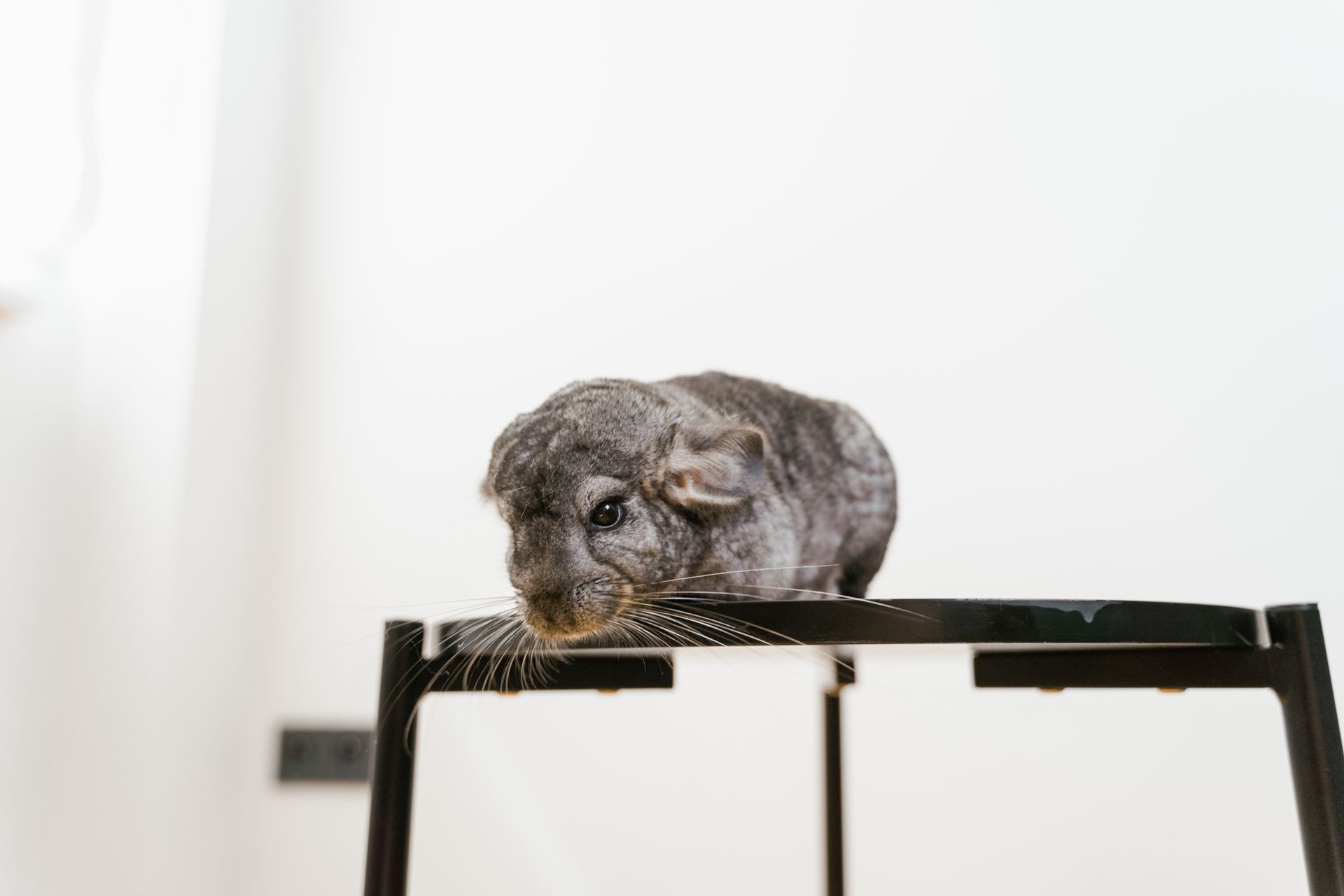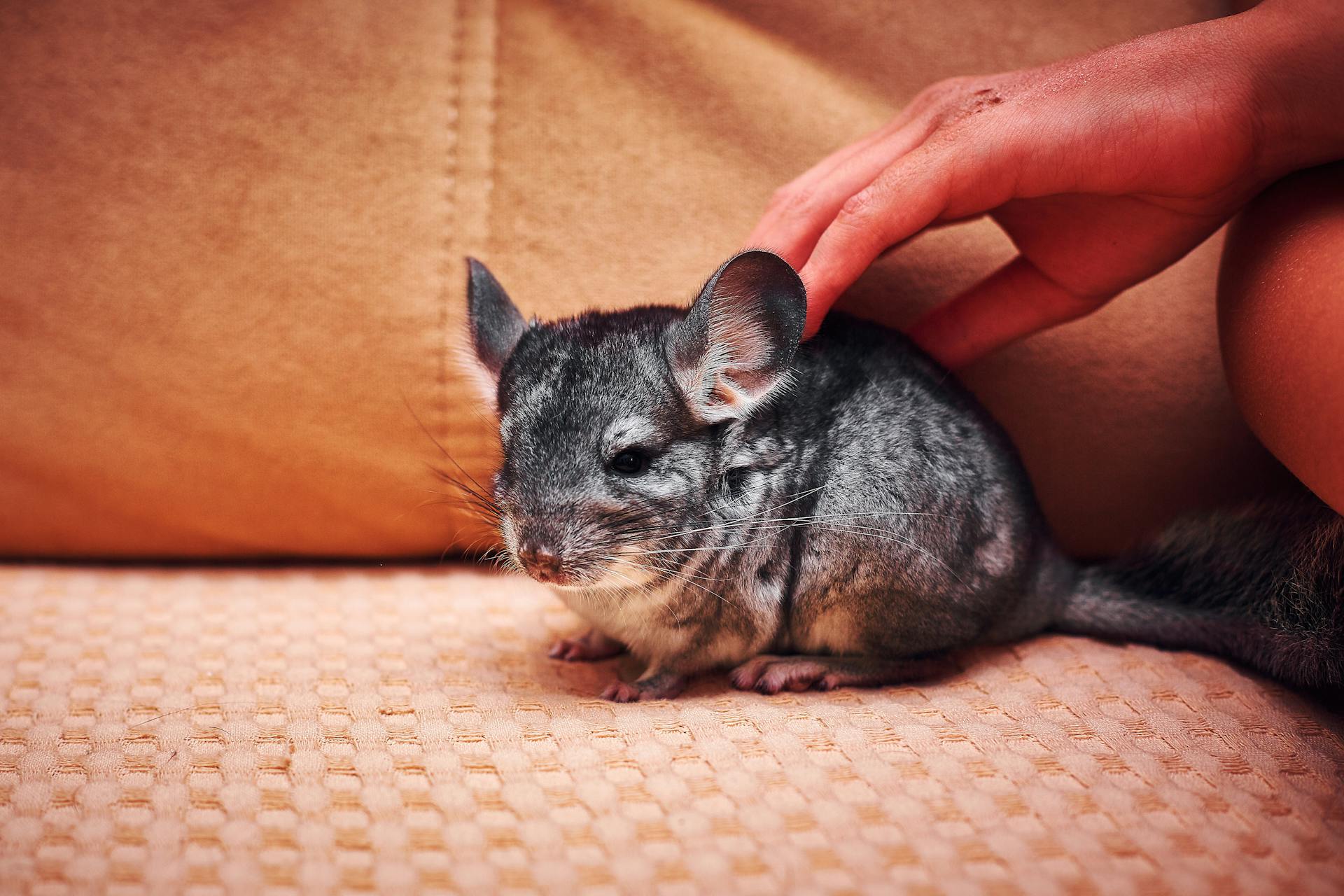
Chinchillas can be a bit skittish, which might make them seem intimidating, but they're generally not aggressive towards humans. They're social animals and can get used to handling with proper care and attention.
Chinchillas have a natural defense mechanism that involves hissing, growling, and even biting when they feel threatened or scared. This is usually a sign that they need some space or a change in environment.
Chinchillas are relatively low-maintenance pets, but they do require regular handling to become tame and trusting. With consistent interaction, they can become quite affectionate and enjoy being petted and cuddled.
Some people might find chinchillas a bit too fragile due to their delicate bones and sensitive respiratory system.
They Carry Risks
Chinchillas can carry risks, and one of the most significant is their ability to transmit diseases to humans. They can carry salmonella bacteria, which can cause serious health issues.
Their fur can also harbor bacteria like E. coli, which can lead to infections. This is especially concerning for people with weakened immune systems.
Chinchillas can bite or scratch if they feel threatened or scared. Their sharp teeth and claws can cause puncture wounds or lacerations.
Their fur can also cause allergies in some people, leading to symptoms like sneezing, congestion, and itchy eyes.
Aggression and Biting
Chinchillas are generally docile and skittish by nature, preferring to avoid confrontation. They will only seem aggressive when they feel like they need to defend themselves.
Chinchillas don't have sharp canines like other animals, but their long, sharp incisors are their primary weapons. These incisors are used for gnawing and breaking through plant roots.
Chinchillas will try to avoid biting by running away, hiding, making loud noises, standing on their hind legs, or spraying urine. It's highly unusual for a chinchilla to bite without trying these things first.
However, if a chinchilla feels threatened or mistreated, it may nip at you to tell you to go away. Chinchillas aren't aggressive by nature because they're prey animals.
Chinchilla bites can hurt, but they don't cause large bites overall. The only teeth they bite you with are their front four teeth, their incisors, which are thin and flat. This makes the edges of the bite wound rougher, longer, and more painful.
Broaden your view: Chinchillas as Pets
A chinchilla's teeth may not be wide from side to side, but they're long from top to bottom, making the bite wound deeper than you might expect. Deeper wounds are more painful, causing a duller, throbbing ache on top of the sharp pain.
Chinchilla bites aren't serious, but they can become serious if you don't treat them properly and stop them from getting infected. Infection occurs when bacteria enters a wound, and your chinchilla's mouth is full of bacteria.
To prevent infection, wash the wound with saline solution or another antiseptic solution safe for skin. Keep the wound dressed correctly with a band-aid or bandage, changing it each day and monitoring for signs of infection like swelling, redness, and pus.
On a similar theme: Chinchilla Eat Rabbit Food
Scratching and Infection
Chinchilla scratches are surprisingly painful, but not for the reason you might think. They're more like a baby's sharp nails, which can cut you like a paper cut.
Chinchillas don't scratch like cats do, and it's unlikely that a scratch will break the skin. They're just not designed for aggressive scratching.
However, if you do get scratched, it's essential to keep an eye out for signs of infection, such as swelling, redness, and pus. If you notice any of these signs, it's best to consult a doctor about antibiotics.
Related reading: Pit Bulls Are Not Dangerous
Do You Scratch?
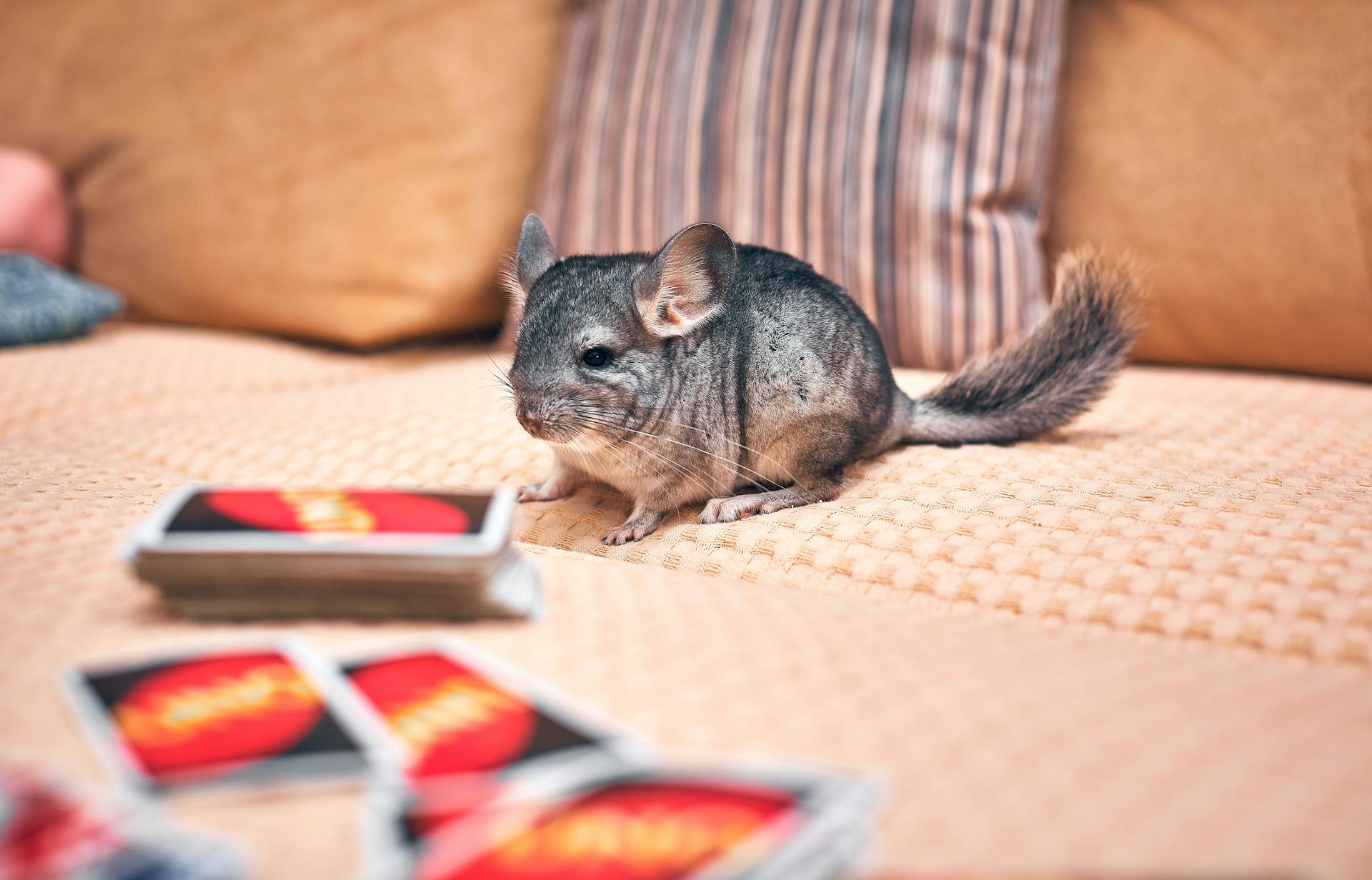
Chinchillas don't have claws to scratch you with, unlike predators.
They won't lash out with their paws like a cat will.
Do Scratches Hurt
Chinchilla scratches can be surprisingly painful, but not for the reason you might think. Unlike cat claws, chinchilla nails are short, square-looking and flat, and don't poke out past the toe.
A chinchilla's nails are more like a baby's nails, which can be surprisingly sharp. Babies have tiny little blades for nails that can cut you like a paper cut.
You won't see your chinchilla scratching you like a cat does, because chinchillas don't use their nails as a defense mechanism. They never learned to use them because they aren't any defense against a predator or a threat.
The most that will happen is that your chinchilla might accidentally dig its claws into your skin when you handle it.
For another approach, see: How Dangerous Is Cat Scratch Disease Numeral Statistics
Can Scratches Get Infected?
Scratches from chinchillas are unlikely to get infected because they're so small and won't typically break the skin.

Chinchilla claws are surprisingly sharp, similar to a baby's nails, but they're not long enough to cause deep cuts.
It's unlikely that a chinchilla scratch will get infected because it's unlikely to break the skin, and the claws aren't as dirty as its mouth.
If you do get scratched, you might not even notice it, as chinchillas are gentle and won't intentionally scratch you like a cat would.
Chinchilla scratches are more like paper cuts, and they can be painful, but they're not a serious concern.
The skin on your hands is relatively tough, so even if you do get scratched, it's unlikely to be a problem.
However, if the scratch does break the skin, you should clean it with saline solution or another antiseptic to prevent infection.
This is especially important if you notice any signs of infection, such as swelling, redness, or pus.
In general, it's a good idea to be gentle when handling your chinchilla and to wash your hands before and after handling them to prevent the risk of infection.
Harm to Humans
Chinchillas are not inherently aggressive towards humans, but they can still cause harm if not handled properly.
Children can easily misunderstand and accidentally mistreat chinchillas, making them a less-than-ideal pet for kids. Chinchillas don't like being cuddled closely unless they really trust you, and their delicate bodies can be easily broken.
Chinchillas take time to get used to their owners, and they can be defensive when picked up for the first few times. This means kids need to be patient and gentle when handling them.
If your child gets overexcited and starts moving the chinchilla around quickly, it can scare the chinchilla and make it defensive. This can lead to the chinchilla biting or scratching your child.
Here are some common mistakes kids make when handling chinchillas:
- Cuddling and hugging the chinchilla too tightly
- Picking the chinchilla up before it's ready
- Moving the chinchilla around quickly while holding it
To keep both your child and the chinchilla safe, it's essential to teach your child how to handle and care for the chinchilla correctly.
Infectious Diseases
You can catch gastrointestinal issues from your chinchilla, which can cause diarrhea in both you and your pet.
Chinchillas can also carry bacteria, viruses, and fungal infections that you can catch, but you can avoid this by following basic hygiene standards.
It's not just you who can catch something from your chinchilla, you can also pass diseases to your pet. Chinchillas can get conjunctivitis, also known as pinkeye, from you.
You should think twice before handling your chinchilla when you have a cold sore, as you can pass the herpes simplex virus to your pet.
Chinchillas can catch colds and flu from you, but some types of cold and flu only affect animals, not people.
Behavior and Health
Chinchillas are prone to dental problems due to their continuously growing teeth.
Their teeth can grow up to two to three inches per year, which can cause problems if they're not being filed down at a proper rate.
Symptoms of dental issues include drooling, cuts on their cheeks and tongue, difficulties eating, and weight loss.
These symptoms should be addressed with a vet immediately if they appear.
Chinchillas are also prone to respiratory conditions such as pneumonia, which can cause significant weight loss, wheezing and sneezing, fever, teeth chattering, and loss of appetite.
These conditions will often only clear up with the administration of antibiotics.
Gastrointestinal stasis is a serious condition where gas builds up in a chinchilla's stomach, resulting in extreme discomfort.
Symptoms include a swollen stomach, rolling from side to side, loss of appetite, teeth grinding, and little to no poop in the cage.
It's essential to find an exotic veterinary practice nearby that has experience with treating chinchillas for routine health checks and emergencies.
Visiting an exotic vet within 48 hours of adopting your chinchilla can help identify any underlying health issues.
Exotic vets have much more training in treating exotic animals like chinchillas, so it's crucial to find one if possible.
Children and Chinchillas
If you're considering getting a chinchilla as a pet, it's essential to think about how it will interact with your children. Chinchillas are social animals that can make great friends, but they may have difficulty coping with young children in the house.
Chinchillas need to be handled with great care, which can be hard to teach to young children. They can also be very skittish when faced with loud noises, which young children are known to make quite often.
Supervising your children's interactions with the chinchilla is crucial to ensure they're treating it with the care it requires. You can demonstrate how gently they should pick up the chinchilla by the base of its tail, and how never to pull on the end of its tail.
If your child has trouble remaining calm, it might not be a good idea to let them handle a chinchilla. Otherwise, the chinchilla could get defensive and bite or scratch them.
Some common mistakes children make when handling chinchillas include cuddling and hugging them too tightly, picking them up before they're ready, and moving them around quickly while they're held.
Here are some specific things to watch out for:
- Cuddling and hugging: Chinchillas don't like being cuddled closely unless they really trust you.
- Picking up: Chinchillas take time to get used to their owners and can be defensive when picked up for the first few times.
- Moving around: Kids can get overexcited and scare the chinchilla they're holding.
It's worth noting that chinchillas aren't aggressive and won't intentionally harm your child. However, if your child is well-behaved and you supervise their interactions, the risk of injury is extremely low.
Chinchilla Anger and Aggression
Chinchillas can get angry in certain situations, but it's not always easy to predict what will trigger their aggression. Feeling threatened or cornered is a common trigger for anger in chinchillas, as they are prey animals by nature and may display aggressive behavior as a means of self-defense.
Chinchillas can become defensive if they feel their territory is being invaded, whether it's by another animal or a human. They are known to be possessive of their belongings and living space.
Providing a safe and secure environment for your chinchilla can go a long way in preventing outbursts of aggression. Regular socialization and proper handling techniques can also help maintain their emotional well-being.
Each chinchilla has its own unique personality, so what may trigger anger in one may not affect another in the same way.
Frequently Asked Questions
Why can't you touch chinchillas?
Chinchillas are fragile due to their lightweight skeletal structure, making them prone to fractures and injuries from rough handling. Handle them gently and with care to avoid causing harm.
Featured Images: pexels.com