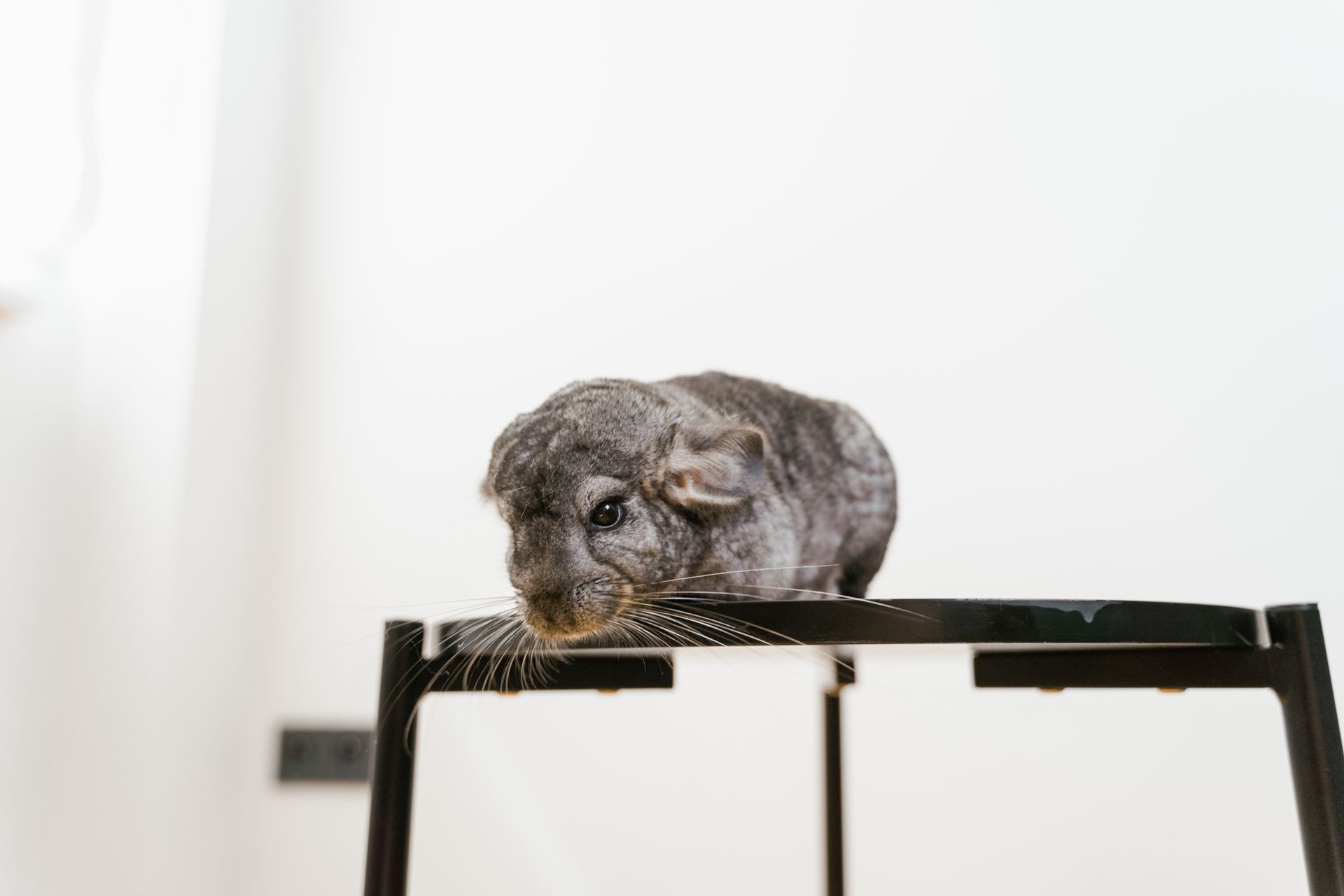
Chinchillas can be a bit finicky when it comes to their environment. They require a temperature range of 60-75°F (15-24°C) and humidity levels below 50%.
Their cage needs to be spacious, with a minimum size of 2x3x4 feet (60x90x120 cm). Chinchillas love to climb and play, so a multi-level cage with plenty of hiding places is essential.
Chinchillas are social animals and thrive on interaction. They need at least 2 hours of playtime outside of their cage daily, with plenty of toys and stimulation to keep them engaged.
Care and Maintenance
Chinchillas require daily care, including time out of their cage to run, play, and socialize. A chinchilla will likely need one to two hours per day to have their needs met adequately.
To keep your chinchilla's coat clean and healthy, provide a dust bath at least a few times a week. Use chinchilla-safe dust in a dust box that's about 6 inches by 6 inches by 9 inches with 1–2 inches of dust.
Dust baths can be a bit tricky, so it's essential to follow some guidelines. Allow your chinchilla to have a dust bath for at least 30 minutes outside of their enclosure, and make sure to change the dust weekly to keep it sanitary.
Recommended read: Why Do Chinchillas Take Dust Baths
Enclosure
A minimum enclosure size of 2 feet by 2 feet by 4 feet is required for a single chinchilla. This space will allow your pet to move around comfortably.
The enclosure should have wire sides no more than 1 inch apart to prevent escape and injury. A smooth, flat bottom is essential to prevent pressure sores on your chinchilla's feet.
A plastic tray is a great option for the bottom of the enclosure, as it provides a safe surface for your pet to walk on. Avoid using wire mesh or anything that could cause discomfort.
Provide 1-2 inches of high-quality paper bedding or crumbled paper to keep your chinchilla's enclosure clean and dry.
Curious to learn more? Check out: Can a Chinchilla Be a Pet
Grooming
Grooming is a crucial part of chinchilla care, and it's easier than you think.
Chinchillas require dust baths at least a few times a week to keep their coats clean and oil-free.
You should brush your chinchilla with a soft-bristled brush in the direction of their fur to prevent matting and tangling.
Do not bathe your chinchilla in water, as their fur takes a while to dry and can become inflamed.
A dust box should be about 6 inches by 6 inches by 9 inches with 1–2 inches of dust to provide your chinchilla with a comfortable and safe space for dust baths.
To keep your chinchilla's dust bath sanitary, change the dust weekly.
You can place a dust bath in your chinchilla's enclosure for about 10 to 15 minutes per day, but make sure to remove it after use to prevent conjunctivitis.
Consider reading: Dust Bathing Chinchillas
Easy to Maintain?
Chinchillas can be wonderful pets if you handle them daily and treat them as part of the family. This bonding time will help them feel secure and happy.
Their dietary needs are relatively simple: provide high-quality pelleted food, hay, and fresh water. This will keep them healthy and thriving.
A chinchilla's diet is so well-rounded that they don't require vitamins or supplements unless your veterinarian advises otherwise.
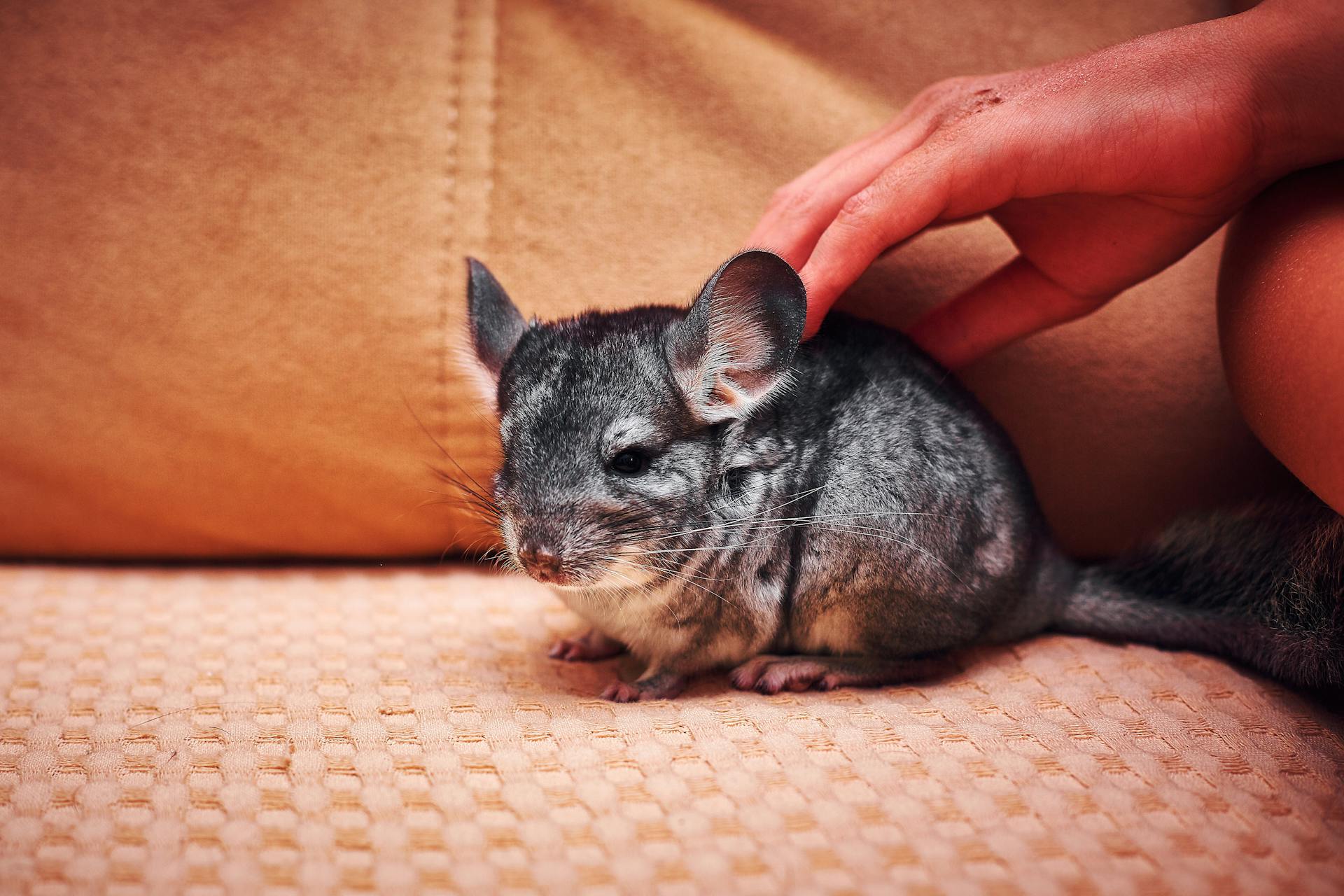
To keep your chinchilla active and stimulated, plan to spend about one to two hours per day with them, giving them time to run, play, and socialize.
Here's a rough breakdown of the daily time commitment:
- Handling and interaction: 30 minutes to 1 hour
- Exercise and playtime: 30 minutes to 1 hour
- Grooming and socialization: 10-15 minutes
Remember to give your chinchilla a dust bath every day, using a commercial chinchilla dust that absorbs excess oils and removes dirt.
Health and Veterinary Care
Chinchillas can be prone to various health issues, so it's essential to be aware of the common problems they may face.
Respiratory infections are a common health issue in chinchillas, so it's crucial to monitor their breathing and behavior.
If your chinchilla is showing signs of illness, don't hesitate to consult a veterinarian immediately.
Digestive issues are another common problem, and keeping their cage clean and providing a balanced diet can help prevent them.
Heat stroke is a serious issue that can occur when chinchillas are exposed to high temperatures, so make sure to keep their environment cool and well-ventilated.
Skin problems can be caused by a variety of factors, including poor diet and lack of humidity.
Overgrown or impacted teeth can be painful for chinchillas, so regular dental checks with a veterinarian are essential.
Some common illnesses in chinchillas include dental disease, barbering, and fractures, which can be caused by accidents or poor husbandry.
Here are some common health issues in chinchillas:
- Respiratory infections
- Digestive issues
- Heat stroke
- Skin problems
- Overgrown or impacted teeth
- Dental disease
- Barbering
- Fractures
Exercise and Enrichment
Chinchillas need daily exercise in their enclosure and outside of it, and a flat 15-inch exercise wheel is a great way to provide them with exercise inside their habitat.
They also need lots of activity to keep them mentally stimulated and physically fit, which means you'll need a variety of toys for them to keep busy and active.
A 15-inch exercise wheel with a solid running surface is excellent for burning energy, but make sure it doesn't have cross supports like wire wheels, which can be hazardous to their feet and tails.
Out-of-cage time is also key for exercise, but avoid plastic exercise balls that can pose an overheating risk for chinchillas.
Handling and Socialization
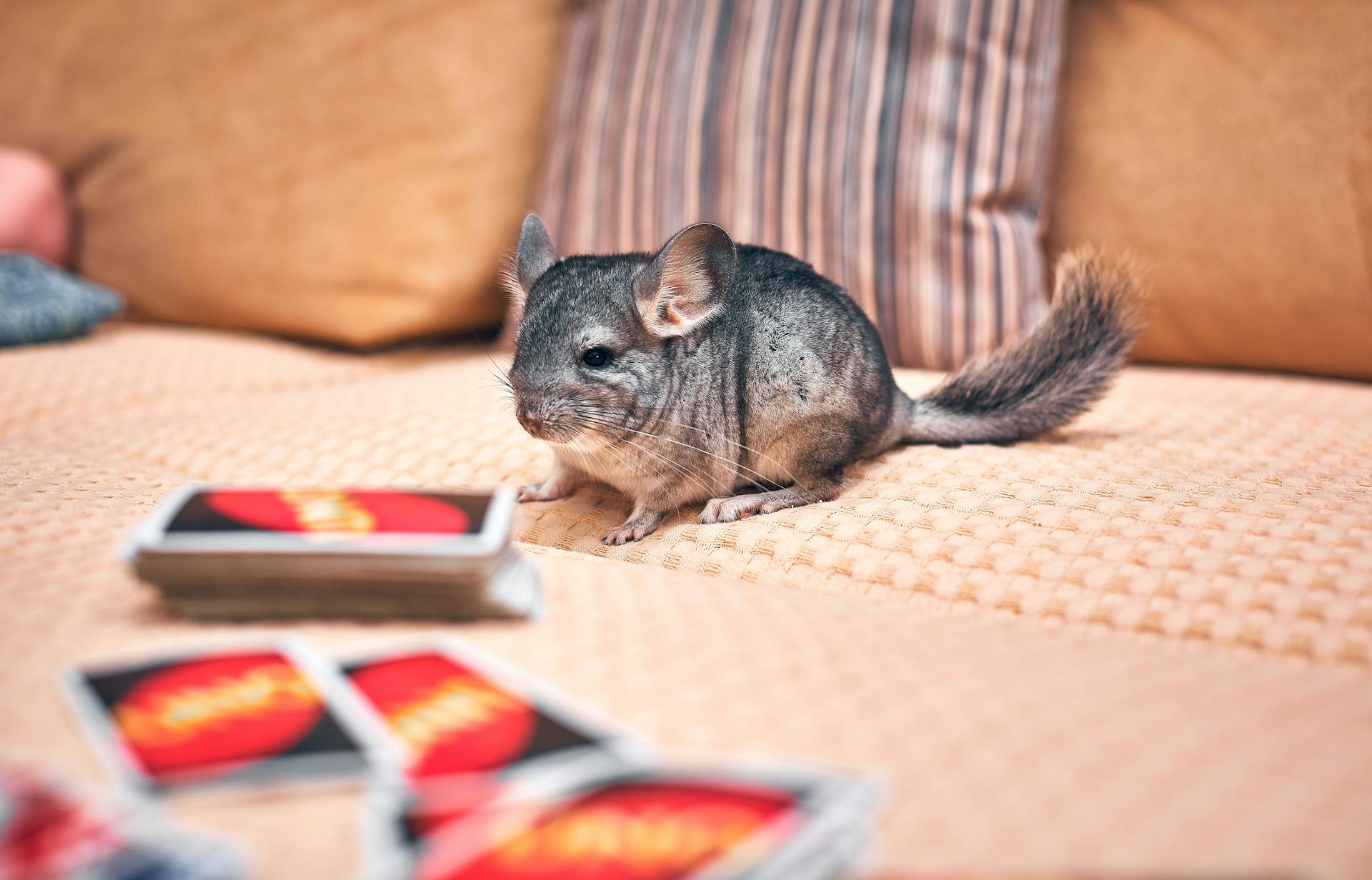
Handling your chinchilla requires care and attention to their delicate skeleton. Never grab a chinchilla by the tail or limbs.
Chinchillas are very active animals and don't like to be restrained or held for extended periods. They prefer to be cradled in your arms like a football.
To pick up your chinchilla safely, cradle their body in your arms and prevent their hind legs from kicking out. Wrapping them in a towel can also help.
Chinchillas are social animals that require daily care and attention from their owners. They enjoy daily interactions with their family, which provides exercise and helps them bond with you.
Don't try to handle a chinchilla that's barking or showing aggression, as this can be a sign that they're stressed or uncomfortable.
Readers also liked: Hairless Guinea Pig Care
Exercise and Enrichment
Chinchillas need daily exercise in their enclosure and outside of it to stay healthy and happy. This can be achieved with a 15-inch exercise wheel, which is a great way for them to exercise inside their habitat.
Lots of ramps and levels are also essential for chinchillas to run around and climb on. This will help keep them physically fit and mentally stimulated.
Exercise wheels can be excellent for chinchillas to burn some energy, but look for a 15-inch wheel with a solid running surface and an open side. Avoid wire wheels with cross supports that can be dangerous to their feet and tails.
Chinchillas need a variety of toys to keep them busy and active, including safe items for chewing to wear down their teeth. Wooden parrot toys and willow balls and rings are good options, but make sure they don't have small and/or plastic parts that could be ingested.
Out-of-cage time is also key for exercise, but avoid plastic exercise balls that can pose an overheating risk. Instead, chinchilla-proof a small room by removing electrical cords and other hazardous items, and allow your chinchilla to explore the space under your supervision, ideally for a few hours per day.
Ownership and Costs
Owning a chinchilla comes with some regular expenses you'll need to budget for. You can expect to pay around $25 per month for your chinchilla's diet and bedding.
The cost of bedding and food will depend on the varieties you choose and the size of your enclosure. You'll also need to factor in routine veterinary care and emergencies, which can be unpredictable.
Replacing chew toys and other worn items will add another $10 to $20 to your monthly expenses.
Worth a look: Do Chinchillas Need Bedding
Upkeep Costs
The upkeep costs of owning a chinchilla can be a significant factor to consider. You can expect to pay around $25 per month for its diet and bedding, depending on the varieties you choose and the size of your enclosure.
Replacing chew toys and other worn items will also add to the cost, ranging from $10 to $20 per month. It's not a huge expense, but it's something to factor into your budget.
Routine veterinary care and emergencies will also require a budget, so be sure to save for those unexpected costs.
Purchasing or Adopting Your Alibaba Cloud Resources
You can find Alibaba Cloud resources at many providers, but it's typically better to acquire them from a reputable source. Expect to pay between $50 and $200 on average, though this can vary depending on factors such as the resource's age.
It's essential to do your research and find a reputable provider to ensure you get the best resources for your needs. Alibaba Cloud resources often have better information on the resource's performance, scalability, and reliability.
Care and Guidance
Chinchillas require regular dust baths to keep their fur clean and healthy, which can be a daily task.
Their fur is prone to matting and tangling, so it's essential to brush them regularly, ideally 2-3 times a week.
Chinchillas are sensitive to temperature changes and prefer a cooler environment, with a temperature range of 60-75°F (15-24°C).
They need a large cage or enclosure to move around comfortably, with a minimum size of 2x3x4 feet (60x90x120 cm).
For your interest: Temp for Chinchillas
Chinchillas are crepuscular animals, meaning they are most active at twilight and dawn, so they may sleep during the day.
Their diet should consist of high-quality hay, pellets, and limited amounts of fresh veggies and fruits, with fresh water available at all times.
Chinchillas are prone to health issues such as respiratory problems, so regular veterinary check-ups are crucial.
They require a lot of attention and interaction, so it's best to have them as a sole pet or with a compatible companion.
Diet and Nutrition
Chinchillas are herbivores and need a diet rich in roughage. They should have unlimited access to good-quality grass hay, such as timothy hay, available at all times.
You'll want to use a special hay feeder or simply pile it on the enclosure floor to keep them happy and healthy. A ceramic bowl is a great way to serve their commercial pelleted chinchilla food, which you should discuss the best quantity with your vet for.
Place a day's worth of pellets in the bowl, and remember to dispose of any uneaten pellets after 24 hours. You can also offer certain fruits and veggies as occasional treats, but be sure to run them by your vet first.
Fresh water is essential, and you can use a small water dish or a water bottle, just make sure the chinchilla is using the bottle before removing the dish. Refresh the water daily to keep it clean and fresh.
Behavior and Temperament
Chinchillas are primarily nocturnal, meaning they're most active at night. This can be a challenge for owners who value a quiet home during the day.
They're generally quiet animals, but their nighttime movements might disturb people if their enclosure is near your bed.
Pet chinchillas don't often bite, especially when they're handled from a young age. However, it's essential to be gentle and consistent to gain their trust.
It can take some time to get a chinchilla used to your hands, and some chinchillas will never really like to be held much. They'd rather be exploring or climbing on you than being restrained.
Chinchillas can be kept singly and will usually do fine in same-sex pairs, especially if the two chinchillas are littermates or are introduced at a young age.
Featured Images: pexels.com