Hairless guinea pigs require a lot of attention to their skin, which can be prone to sunburn and skin cancer.
They need a special type of sunscreen applied daily to protect their skin from the sun.
These little guys are also more susceptible to heatstroke, so it's essential to keep them in a cool, well-ventilated area with plenty of shade.
Their skin also needs regular cleaning to prevent oil buildup and skin infections.
Explore further: Xoloitzcuintli Skin Care
Hairless Guinea Pig Care Basics
Hairless guinea pigs are just like hairy guinea pigs in many ways, but they require some extra knowledge from their owners. They need an indoor home that's comfortable and safe, with a temperature between 70–75 F to prevent heat stress.
Their diet is similar to that of hairy guinea pigs, with a focus on hay, fresh greens, veggies, pellets, and vitamin C supplements. They have a big appetite and will produce a lot of feces, so their cage needs regular cleaning at least once a week and spot-cleaning in between.
Skin care is a crucial aspect of hairless guinea pig care. They lack a fur coat, so their skin is more sensitive and prone to irritation. If their skin becomes excessively dry or flaky, a veterinarian can recommend topical treatments to help keep their skin hydrated.
To keep their nails healthy, regular trimming is essential. Long nails can scratch their sensitive skin and lead to infections. A good care routine will keep your furless friends happy and healthy.
Here's a quick rundown of the essential items you'll need to provide for your hairless guinea pig:
- A spacious, well-ventilated cage with a temperature-regulated area
- A balanced diet that includes hay, fresh greens, veggies, pellets, and vitamin C supplements
- Regular nail trimming to prevent overgrowth
- A comfortable, temperature-controlled environment between 70–75 F
- Regular cage cleaning and spot-cleaning to prevent skin infections
Special Considerations
Hairless guinea pigs require extra attention to hygiene and skin care, so it may cost a bit more to keep them healthy and happy. Be sure you have the time and finances available to properly care for a hairless guinea pig before you bring one home.
Choosing a Breed
If you're considering getting a hairless guinea pig, you'll want to choose between the skinny pigs and the Baldwin guinea pigs.
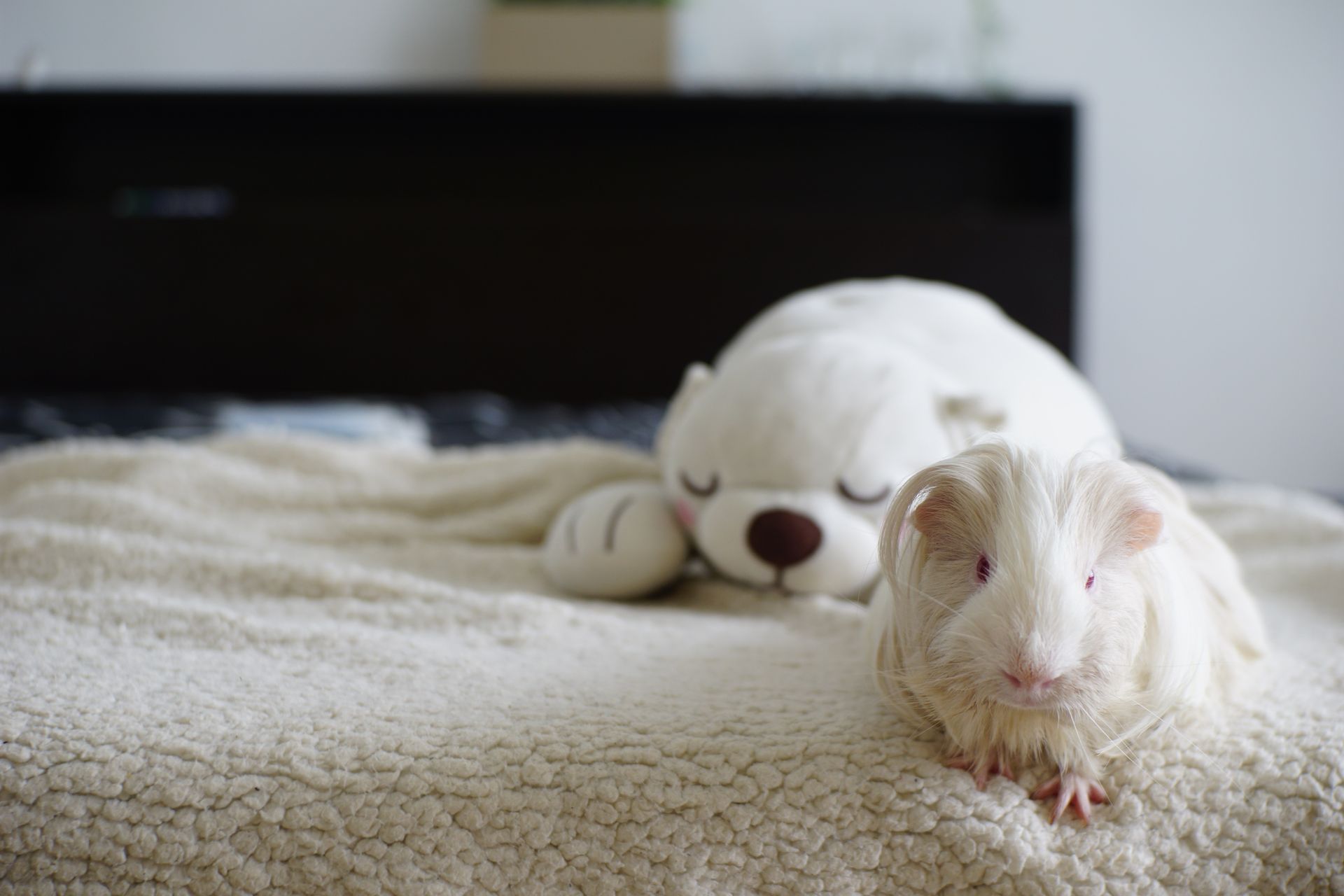
The skinny pigs are a breed of hairless guinea pig that's known for its sleek and slender appearance.
One key difference between the two breeds is their skin type: the skinny pigs have a more delicate skin that requires extra care and handling.
You'll also want to think about the level of grooming and maintenance you're willing to provide for your guinea pig.
Understanding the Differences
The key to navigating special considerations is recognizing the unique needs of each individual or situation.
Some special considerations require more frequent updates than others, such as those involving minors or individuals with disabilities.
The age of majority, typically 18, marks a significant milestone in a person's life, often requiring updated documentation and procedures.
Special considerations involving minors require a more nuanced approach, taking into account their developing physical and emotional needs.
In contrast, special considerations involving individuals with disabilities often require accommodations and modifications to ensure equal access and opportunities.
Pet Parent Considerations

When considering a pet, it's essential to think about your lifestyle and how well suited you are to meeting their needs. Hairless guinea pigs, for example, require extra attention to hygiene and skin care.
You'll need to consider the added costs of caring for a hairless guinea pig, which may be more expensive than caring for a furry one. Be sure you have the time and finances available to properly care for a hairless guinea pig before you bring one home.
Their skin isn't protected by a layer of fur, so hairless guinea pigs have some extra needs that you should be aware of.
Expand your knowledge: Caring for French Bulldogs
Care and Maintenance
Hairless guinea pigs require regular nail trimming to prevent scratching and infection. This should be done around once a month.
A good skinny pigs care routine includes regular health checks to catch any potential issues early. This can be done weekly, and is especially important for hairless guinea pigs.
To keep their skin healthy, apply coconut oil to their skin using a cotton round when it looks dry, greasy, or dirty. A little bit of coconut oil goes a long way, and feel free to wipe off any excess oil once you're done rubbing it in.
Here are some tips for keeping their enclosure clean:
- Set up a litter box with safe and soft litter.
- Use pee pads or bath mats in their favorite places.
- Spot clean more frequently, sweeping up poops and swapping out soiled pee pads twice daily.
- Avoid scented cleaners, as they can be hazardous to their sensitive respiratory tracts.
Cage and Enclosure
When choosing a cage for your skinny pig, it's essential to consider their unique needs. Skinny pigs are strict indoor pets and prefer a warm room temperature.
For a comfortable and clean living space, a C&C guinea pig cage is an excellent option. These cages are made up of cubes or grids and a coroplast base, making them easy to customize and clean.
To keep your skinny pig's enclosure clean, it's crucial to set up a litter box. This will help control where they go and prevent accidents.
Here are some tips for setting up a litter box:
- Use a safe and soft litter that's gentle on your skinny pig's skin.
- Place their hay inside the litter box to encourage them to use it.
Spot cleaning is also essential to keep your skinny pig's cage clean between full cleanings. Sweep up poops and swap out soiled pee pads twice daily to prevent the buildup of odors and bacteria.
A clean cage shouldn't smell – if it does, it's a sign that you need to clean it more frequently. Avoid using scented cleaners, as they can be harsh on your skinny pig's sensitive respiratory tract.
Related reading: How to Clean a Guinea Pig's Grease Gland?
Trimming Nails

Skinny pigs need their nails trimmed regularly to prevent scratching their skin, which can lead to infection and soreness.
If a skinny pig's nails grow too long, they can cause painful scratches on their skin, making it essential to keep their nails trimmed.
Trimming their nails regularly is a crucial part of skinny pigs care, as it helps prevent cuts and infections.
A good skinny pigs care routine should include regular nail trimming to keep your furry friends happy and healthy.
We recommend trimming their nails every few weeks to keep them from getting too long and causing problems.
Take a look at this: Guinea Pig Nails Clipped
Snacks and Diet
As it turns out, snacking can be beneficial for your dog's diet, but it's essential to choose the right snacks. Choose low-calorie treats like baby carrots and green beans.
Dogs need a balanced diet, and snacks should complement their meals, not replace them. A good rule of thumb is to limit snacks to 10% of their daily calorie intake.
Some snacks can even help support your dog's digestive health, like canned pumpkin, which is high in fiber.
Health and Well-being
Hairless guinea pigs need regular health checks to stay healthy. These checks should include monitoring their weight, nails, teeth, ears, eyes, and skin for any unusual signs.
A weekly wellbeing check is a great way to get to know your pet and catch any potential issues early. This is especially important for hairless guinea pigs, who are prone to skin and digestive issues.
You should also keep an eye on your guinea pig's appetite, energy level, and overall appearance. If you suspect something is wrong, call your veterinarian right away. Having a relationship with a vet who knows guinea pig care is crucial.
Here are some common health issues to watch out for in hairless guinea pigs:
Common Health Issues
Hairless guinea pigs are prone to developing skin issues, such as fungal infections and skin abrasions, due to their exposed skin.
They may also be more susceptible to cuts and scrapes, so it's essential to keep a close eye on their skin and monitor for any signs of injury.
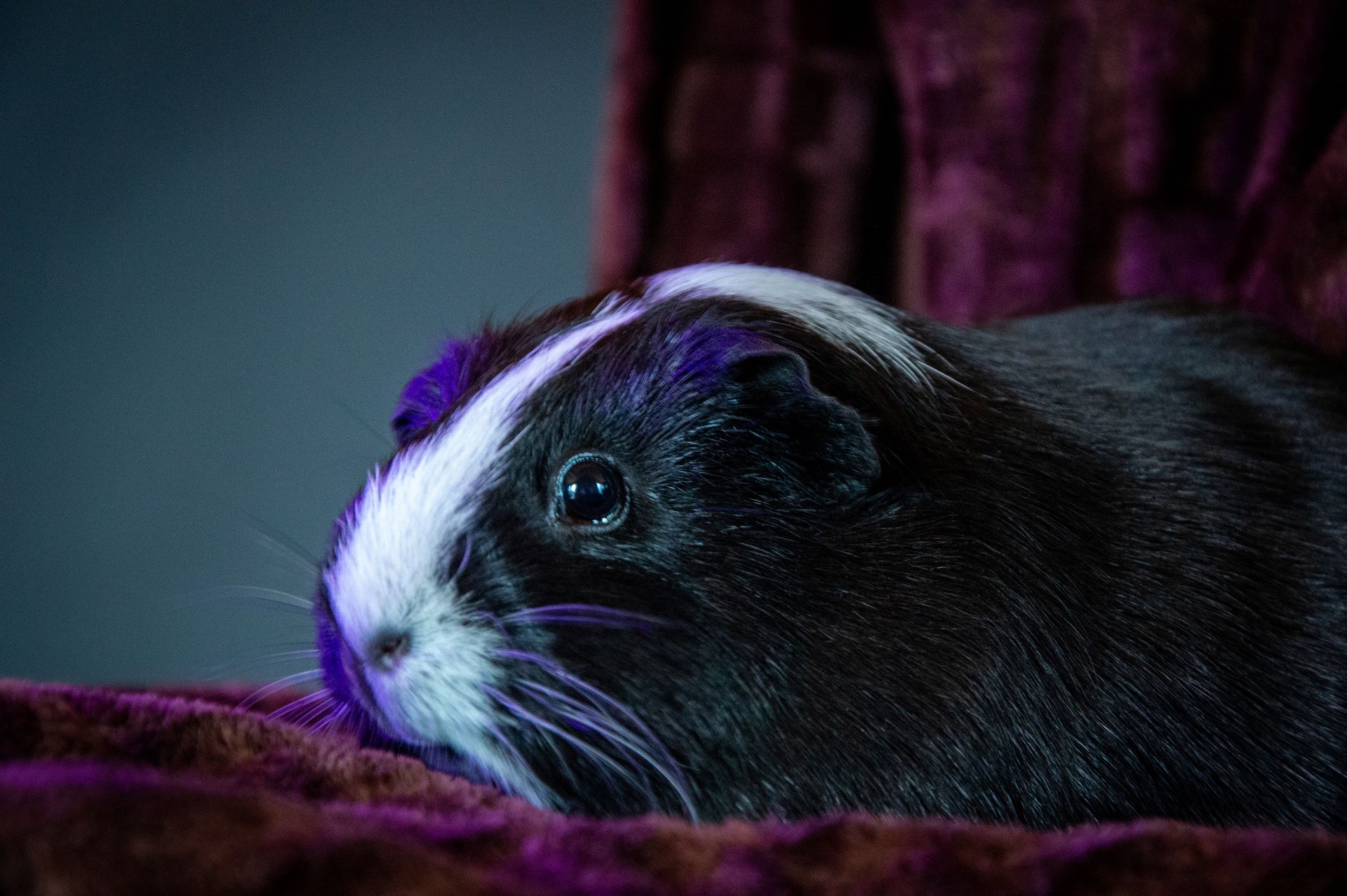
A big health concern for hairless guinea pigs is digestive issues, including GI stasis, bloat, and other problems. They need to eat constantly to stay healthy.
Just 6-8 hours without eating can be fatal, so it's crucial to monitor their food intake and catch dental issues early on.
Hairless guinea pigs are more sensitive to temperature extremes, sunburn, and moisture, which can lead to skin problems.
They're also more prone to feeling drafts and cold, so it's essential to provide them with a warm and draft-free environment.
To prevent skin issues, it's vital to keep their nails trimmed, check their bedding for sharp edges, and remove any toys that could cause injury.
Here are some common health issues to watch out for in hairless guinea pigs:
- Gastrointestinal issues
- Respiratory infections
- Dental issues
- Skin conditions
Regular veterinary check-ups and monitoring your guinea pig's appetite, energy level, and overall appearance can help prevent and catch these issues early on.
Respiratory Issues
Respiratory issues are a common concern for hairless guinea pigs, and it's essential to be aware of the signs and symptoms.
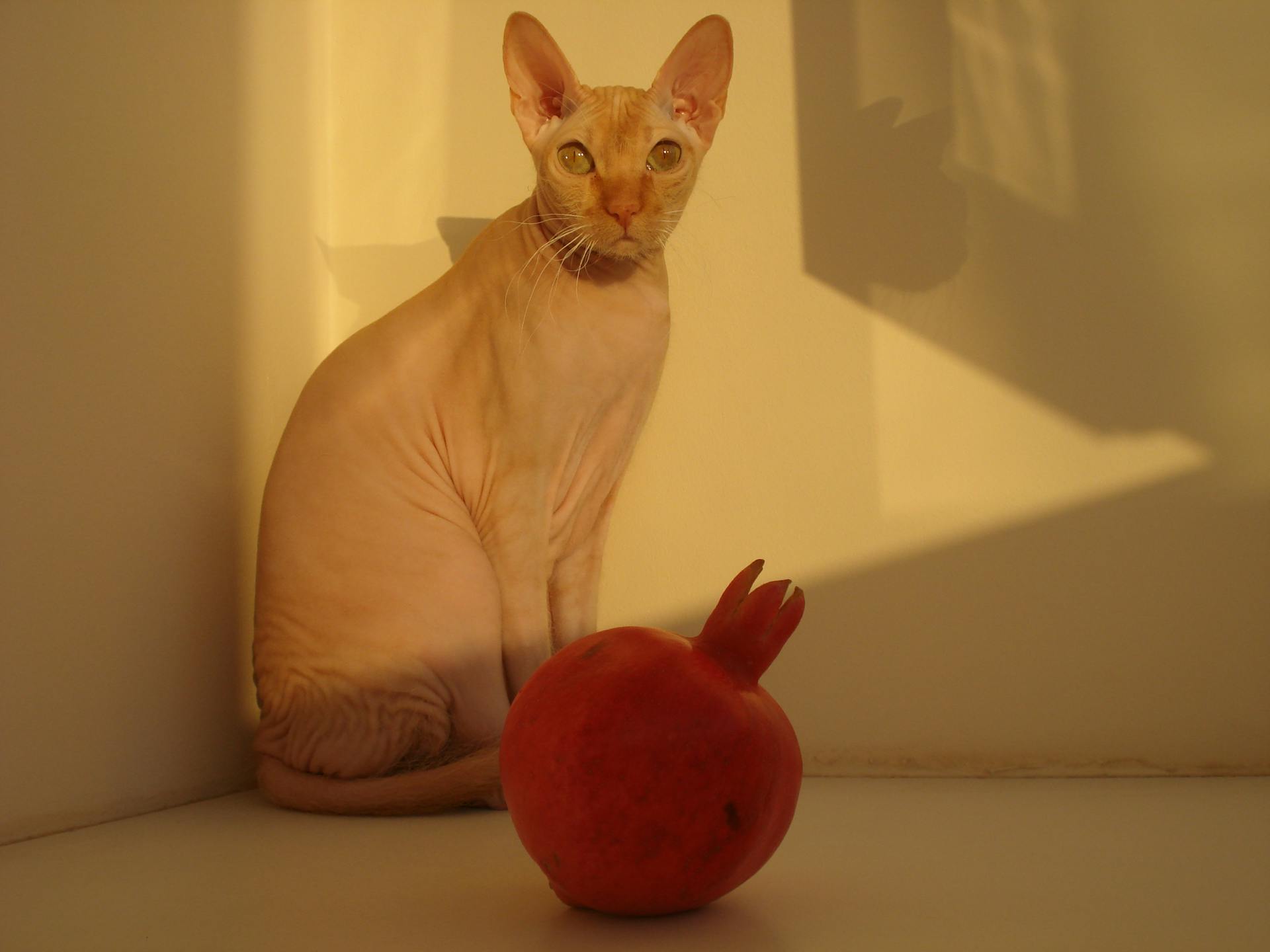
These adorable pets are prone to pneumonia, often caused by bacteria like Bordetella, Streptococcus, and Staphylococcus.
Very young guinea pigs, with their still-developing immune systems, are more susceptible to pneumonia.
Guinea pigs can carry these bacteria in their respiratory tracts without showing symptoms, but when they get sick or are exposed to ammonia from wet bedding, they may develop visible signs.
Affected hairless guinea pigs may be lethargic, cough, sneeze, have runny eyes and nose, and show a decreased appetite.
In severe cases, they may have trouble breathing.
To prevent respiratory issues, it's crucial to keep their cage clean, avoid overcrowding, and feed them a nutritious diet including fresh water, hay, pellets infused with vitamin C, and an additional daily vitamin C supplement.
A daily oral tablet or treat can provide the extra boost of vitamin C they need to stay healthy.
Ringworm
Ringworm is a fungal infection that can be seen in all types of guinea pigs, but hairless pigs may be more susceptible.
Without hair protecting their skin, hairless guinea pigs are more prone to developing ringworm because fungal spores can land directly on and infect their skin.
Skin lesions with ringworm typically appear gray to white and dry or crusted.
Ringworm can be contagious, both to other guinea pigs and humans, so it's essential to seek veterinary care right away if you suspect your guinea pig has it.
If you handle your pet or its bedding, blankets, toys, or other objects they've been in contact with, wash your hands thoroughly afterwards to prevent the spread of the infection.
Lifestyle and Environment
Living with a hairless guinea pig requires some adjustments to your lifestyle and environment. They need a temperature-controlled environment to prevent heat stress, and a temperature range of 72-80°F (22-27°C) is ideal.
Hairless guinea pigs are prone to skin problems, so it's essential to keep their living space clean and free of dust. Regular cleaning of their cage and accessories will help prevent the buildup of bacteria and other microorganisms.
In terms of exercise, hairless guinea pigs need plenty of opportunities to move around and get some exercise. A large cage with plenty of space to roam is a must-have, and you should also provide plenty of toys and accessories to keep them entertained.
Check this out: Guinea Pig Cage
Indoor Life
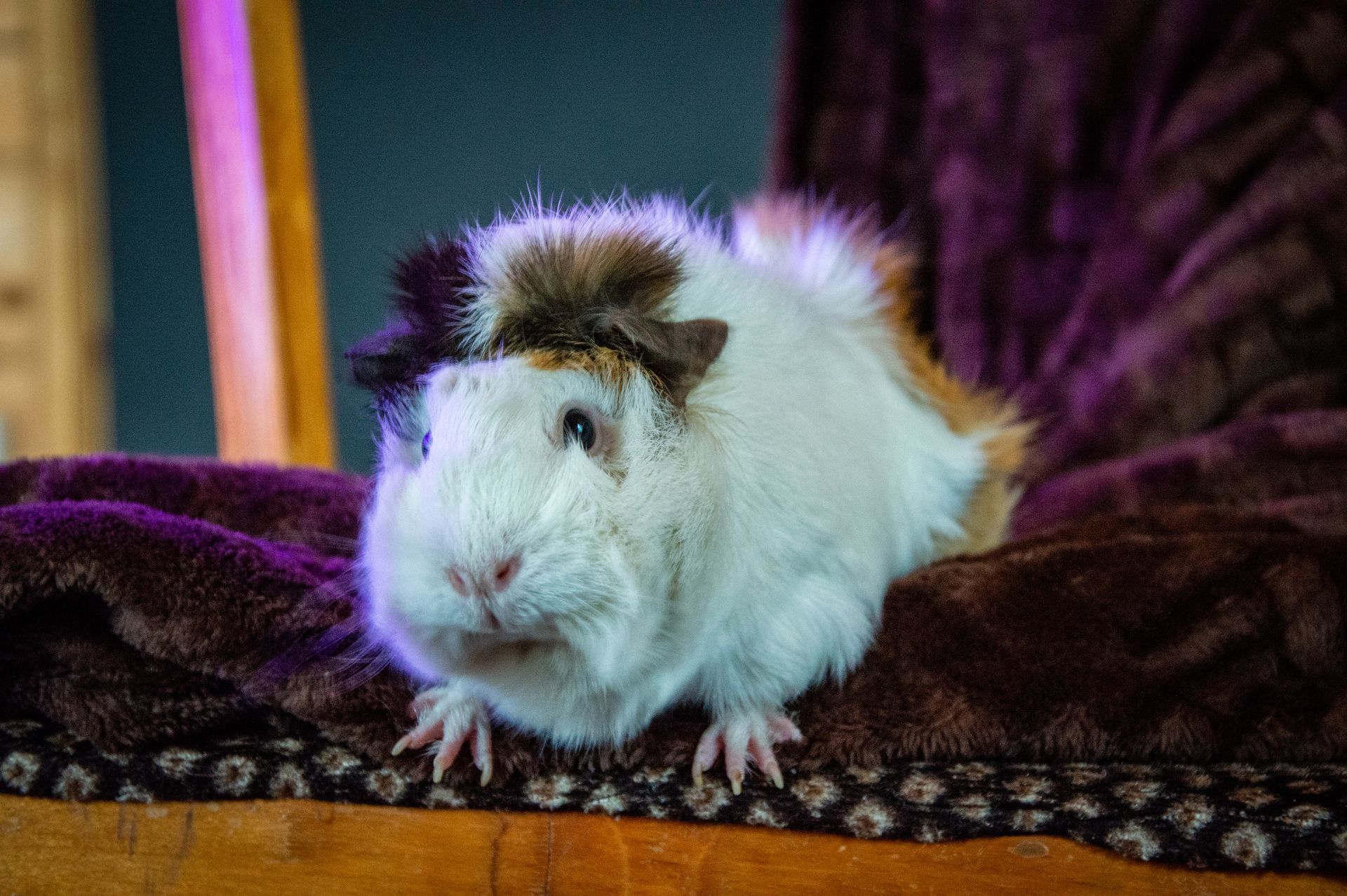
Hairless guinea pigs love the indoor life. They thrive in a temperature range of 72°F to 75°F (21°C to 24°C), which is perfect for a cozy home.
Skinny pigs are super sensitive to heat, cold, and drafts, so it's essential to keep them indoors where it's warm and snug. This sensitivity is due to their lack of fur for protection.
To keep your skinny guinea pigs comfortable, make sure they have a warm and draft-free space to relax. A room temperature of 72°F to 75°F (21°C to 24°C) is ideal for them.
You can still take your skinny pigs on trips to the garden, but be sure to prepare a safe outdoor setup. This includes providing shade, plenty of water, areas to keep cool, and hiding spots from the wind.
On a similar theme: Ideal Temperature
Temperament and Behavior
Guinea pigs are gentle and docile creatures, but they do need to be handled gently every day when they're young to socialize them and make them comfortable in their new homes.
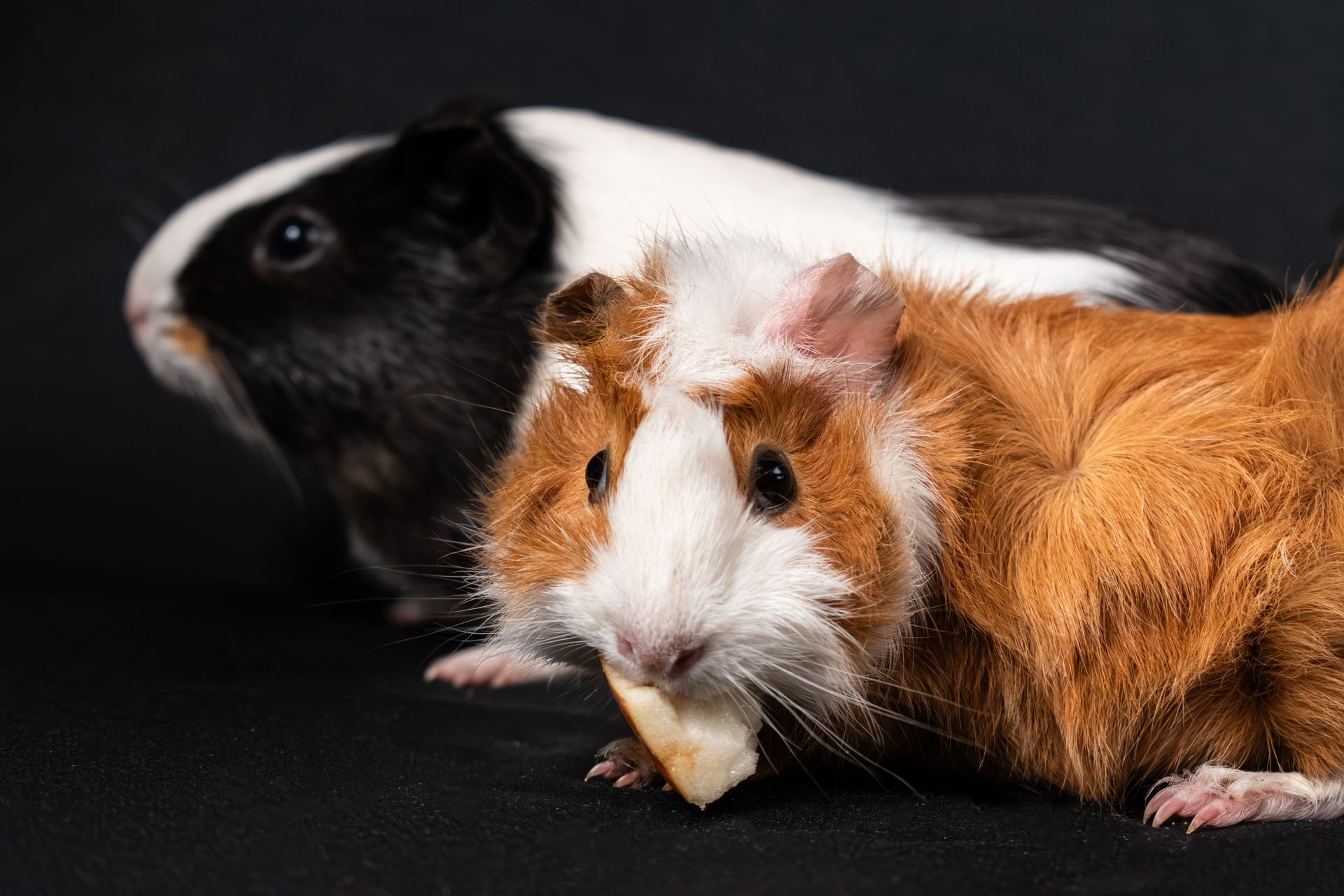
They're social creatures and thrive in pairs or groups, but remember that more pigs mean more space is needed. Ideally, females live with other females, and males with other males to prevent unintended breeding and pregnancy.
Males can be territorial and may fight, so provide them with adequate space. Introducing new guinea pigs to each other should be done gradually, initially in side-by-side cages first, before allowing them to contact each other.
Monitor their behavior with others, especially if they're new friends. Chasing, biting, and hiding are signs that your pig may be stressed, so keep a close eye out for these signs.
Providing more space, enrichment with separate feeding stations and toys, and short, frequent, staged introductions can help resolve any conflicts between your pigs.
Recommended read: Why Are Dogs so Careful with Eggs?
Frequently Asked Questions
Do hairless guinea pigs like to be held?
Hairless guinea pigs are gentle and docile, but they still need daily handling to socialize and feel comfortable in their environment. Handling them gently from a young age is essential for their well-being and trust in humans.
Featured Images: pexels.com