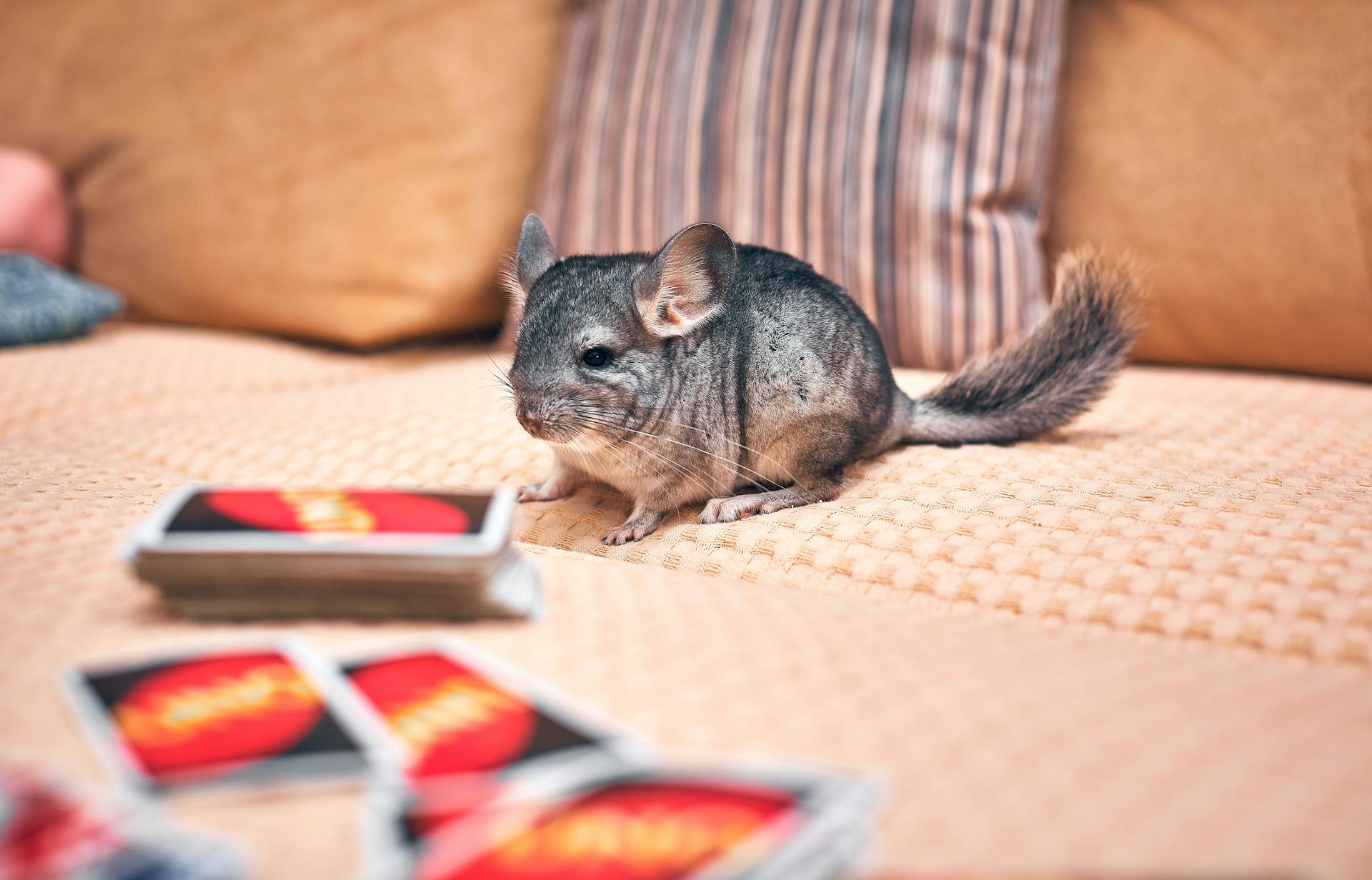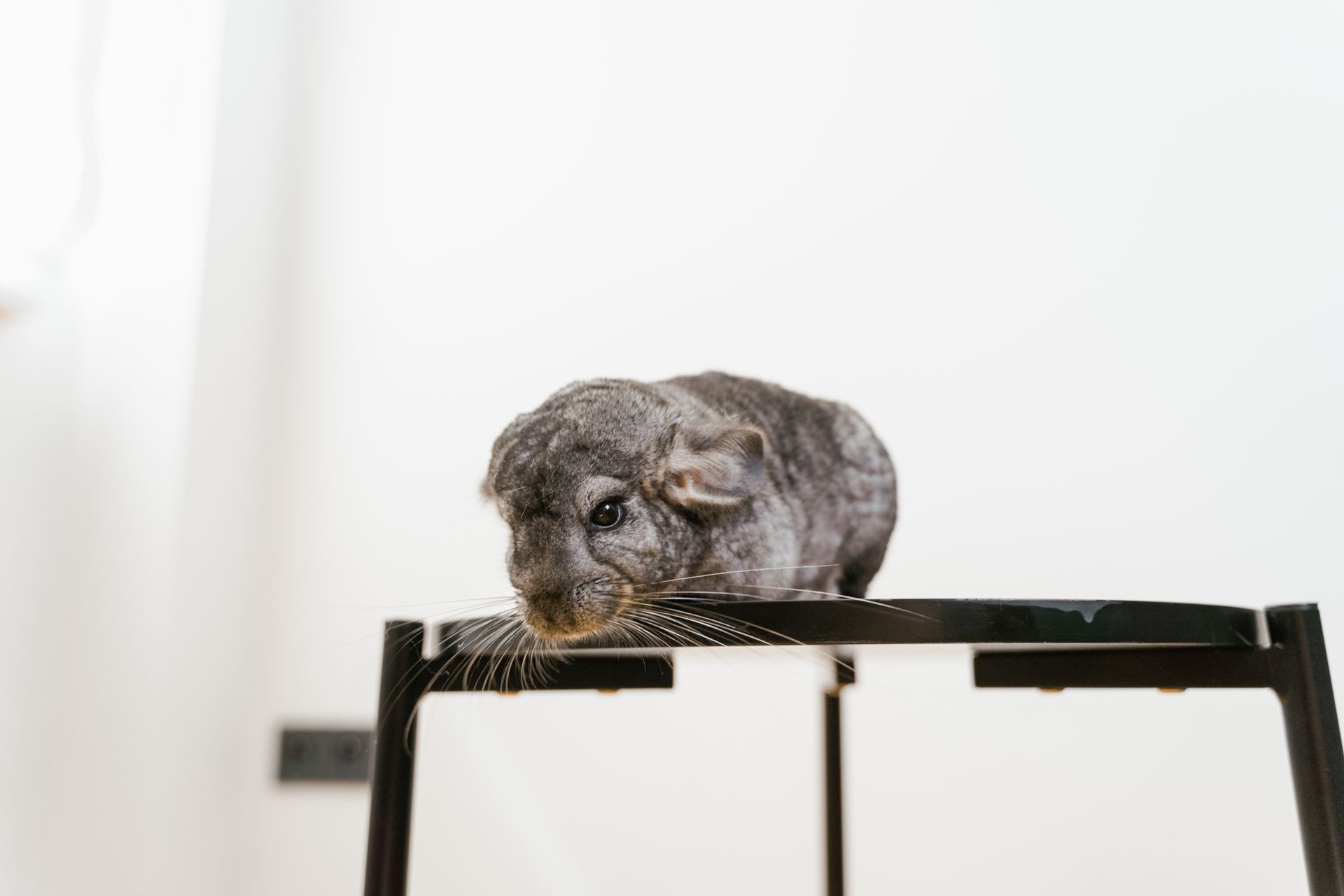
Chinchillas are sensitive to temperature and can easily overheat, so it's essential to keep their environment at a comfortable level. Their ideal temperature range is between 60°F and 75°F (15°C and 24°C).
To prevent overheating, chinchillas need a well-ventilated area with good airflow. This is because they can't sweat to cool down, unlike humans.
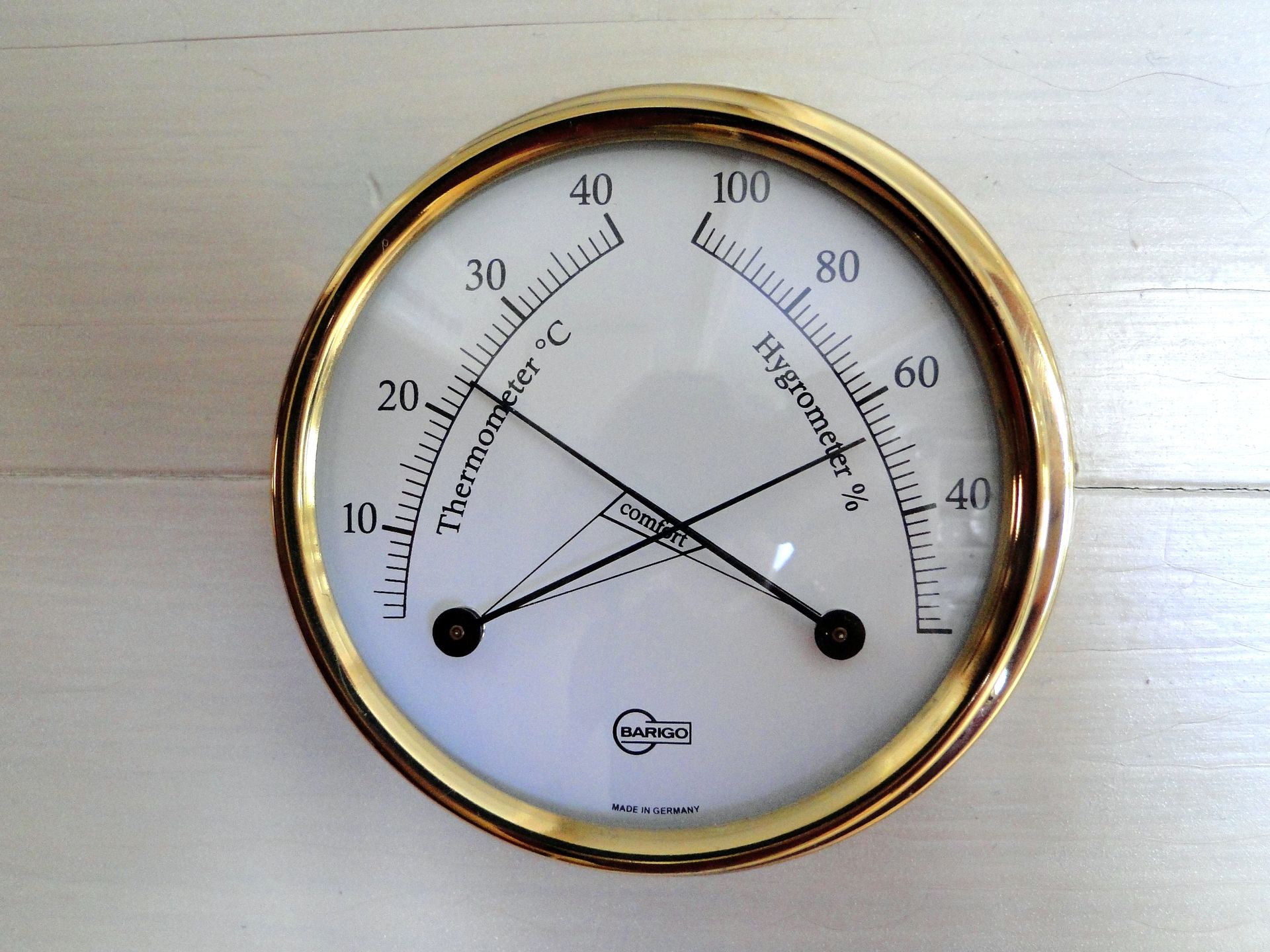
The temperature in a chinchilla's cage should be monitored closely, especially in warmer months. A thermometer can help ensure the temperature stays within the safe range.
Chinchillas can suffer from heat stress if their environment is too hot, which can be fatal.
Ideal Temperature for Chinchillas
Chinchillas need to be kept between 60° and 74° F (16° to 23° C) with humidity levels between 40 and 60%. Ideally, closer to 60 degrees F (16 degrees C) is best.
Using chinchilla cooling pads is a great way to give your chinchilla a few spots in the cage to sit and cool down if needed.
Try using a playpen for your chinchilla to limit the heat and excitement during playtime. This way, it can interact with you inside the pen.
A room in the home with temperatures between 50 degrees F and 70 degrees F is a good place to keep your chinchilla cool in hot weather.
Running de-humidifiers can help lower the overall humidity in the home or the room where your chinchilla is located.
Preventing Overheating
Chinchillas can be at risk of overheating, even in ideal temperatures, due to stimulation, fear, excitement, or too long interacting and playing, jumping, and running around.
Pay attention to your chinchilla's body language to spot signs of overheating.
Dark-furred chinchillas may require you to look at the inner ear to see if the veins are showing or more dilated.
You can also check if your chinchilla's breathing is rapid, as it may extend when inhaling and suck in when exhaling.
Limit playtime to 30 minutes to 45 minutes, and 1 hour is the maximum recommended time.
Diligently check on your chinchilla, even when it's in its cage, especially during the summertime.
If your chinchilla displays signs of overheating or exhaustion during playtime, it's time to end play and let it cool down.
Chinchilla Overheating Symptoms and Treatment
If your chinchilla is overheating, it can be tough to recognize, but looking at the insides of their ears can give you a clue. If they have dark fur, look for veins showing or more dilated.
Monitoring your chinchilla's breathing during playtime can also indicate if they're getting too hot. Their stomach extends when they inhale and sucks in when they exhale, so a rapid breathing pattern can be a sign to end playtime.
Pay attention to your chinchilla's body language, as they may display signs of overheating or other common illnesses. If you notice any unusual behavior, it's always better to err on the side of caution and consult a veterinarian.
Chinchilla Overheating Symptoms
Chinchillas can be at risk of overheating even in ideal temperatures.
Their veins may become dilated or visible, especially if they have dark fur, so it's essential to check the inner ear for signs of overheating.
You can also spot veins showing through the ears if your chinchilla has little to no fur on the exterior.
Rapid breathing is another indicator of overheating, so pay attention to your chinchilla's breathing during playtime.
If the stomach extends when inhaling and sucks in when exhaling, it's likely a sign of overheating.
If your chinchilla is very active and its breathing is rapid, it's time to end playtime and let it cool down.
Pay attention to your chinchilla's body language, as it may display signs of overheating or other common illnesses.
Overheating can be caused by stimulation, fear, excitement, or prolonged play and exercise.
See what others are reading: Chinchilla Dense Fur
If Your Chinchilla Is Too Hot
If your chinchilla is too hot, it can be tough to recognize, but there are some indicators to look out for.
Dark-furred chinchillas need you to look at the inner ear to see if the veins are showing or more dilated.
If your chinchilla has little to no fur on its ears, you can spot the veins showing without needing to look inside.
During playtime, monitor your chinchilla's breathing, which can become more rapid if it's getting too hot.
The stomach extends when it inhales and sucks in when it exhales, so you should notice if the breathing is becoming more rapid.
Pay attention to your chinchilla's body language, as it may display signs of overheating or other common illnesses.
Limit playtime to once a day, and keep it to 30 minutes to 45 minutes to avoid overheating.
Keep an eye on your chinchilla during playtime and check on it even when it's in its cage, especially during the summertime.
If your chinchilla is overheating, give it cold water baths or enemas to cool its body down slowly.
Regularly check its rectal temperature and modify the treatment accordingly until its body temperature is normal.
Do Get Too
Don't let your chinchilla get too hot, as temperatures above 75°F (24°C) can be deadly.
Make sure your chinchilla has access to a cool, well-ventilated area, especially during heatwaves.
Keep your chinchilla's cage away from direct sunlight, windows, and radiators to prevent overheating.
Temperature Safety and Limits
Chinchillas can survive in temperatures below 50 degrees F, but they do begin developing respiratory infections below that temperature, which can result in death if it progresses to chinchilla pneumonia or rapidly gets worse.
A chinchilla's natural adaptation to survive the winter months in the wild doesn't mean you should let your pet freeze. Keep the temperature comfortable for your chin year round.
Your home will likely never reach a temperature that's too cold for a chinchilla, so you don't have to worry about extreme cold.
Keep an eye on your chinchilla's playtime temperature, especially during the summertime when it's easy to forget. Even when your chinchilla is in its cage, check on it diligently to ensure it's not overheating.
Readers also liked: What Temperature Is Too Cold for Ferrets in Fahrenheit?
Chinchilla Care and Setup

Chinchillas like it cool, with temperatures ranging from 60 to 70 degrees F (16 to 23 C) being ideal.
Their dense fur keeps them warm, so as long as their water bottle isn't frosting or freezing, they'll be fine.
If you're looking to keep your chinchilla's space cool, a basement is a great option, as it remains cool and out of direct sunlight.
You can even run de-humidifiers on the loudest, highest setting to keep the air perfect for your chinchilla.
In fact, running multiple de-humidifiers is a great way to achieve the perfect temperature for your chinchilla.
Temperature Regulation and Heat Lamps
Chinchillas need a cool environment, so it's essential to keep their enclosure away from direct sunlight and heat sources.
Chinchillas are sensitive to heat and humidity, so a garage or outdoor exposure is not suitable for them.
Keep in mind that heat lamps can overheat your chinchilla, ultimately resulting in death.
How Animals Regulate Temperature
Chinchillas can't cool down like humans because they can't sweat.
Drinking fluids can help chinchillas regulate their temperature, but it's crucial to exercise caution to avoid overheating.
Chinchillas can enter the danger zone quickly if they overheat, so it's essential to maintain ideal temperatures for them.
Curious to learn more? Check out: Why Can't Chinchillas Get Wet
Do Chinchillas Need Heat Lamps?
Chinchillas don't need heat lamps, and it's actually not a good idea to use them.
Chinchillas prefer a cool environment, so a heat lamp would be counterproductive.
In fact, using heat lamps can even lead to overheating, which can be fatal for your chinchilla.
They should be kept in a well-ventilated area, away from elements that would require heat lamps to stay warm.
Keeping Chinchillas Cool in Hot Weather
Keeping your chinchilla cool in hot weather is crucial, so make sure to keep it in a room outside of direct sunlight. This will help prevent overheating.
A temperature range of 50 degrees F to 70 degrees F is ideal for keeping your chinchilla cool. This range ensures your pet stays comfortable.
Consider running de-humidifiers in the home or the room where your chinchilla is located to lower the overall humidity. This will help your chinchilla feel cooler and more relaxed.
Final Considerations
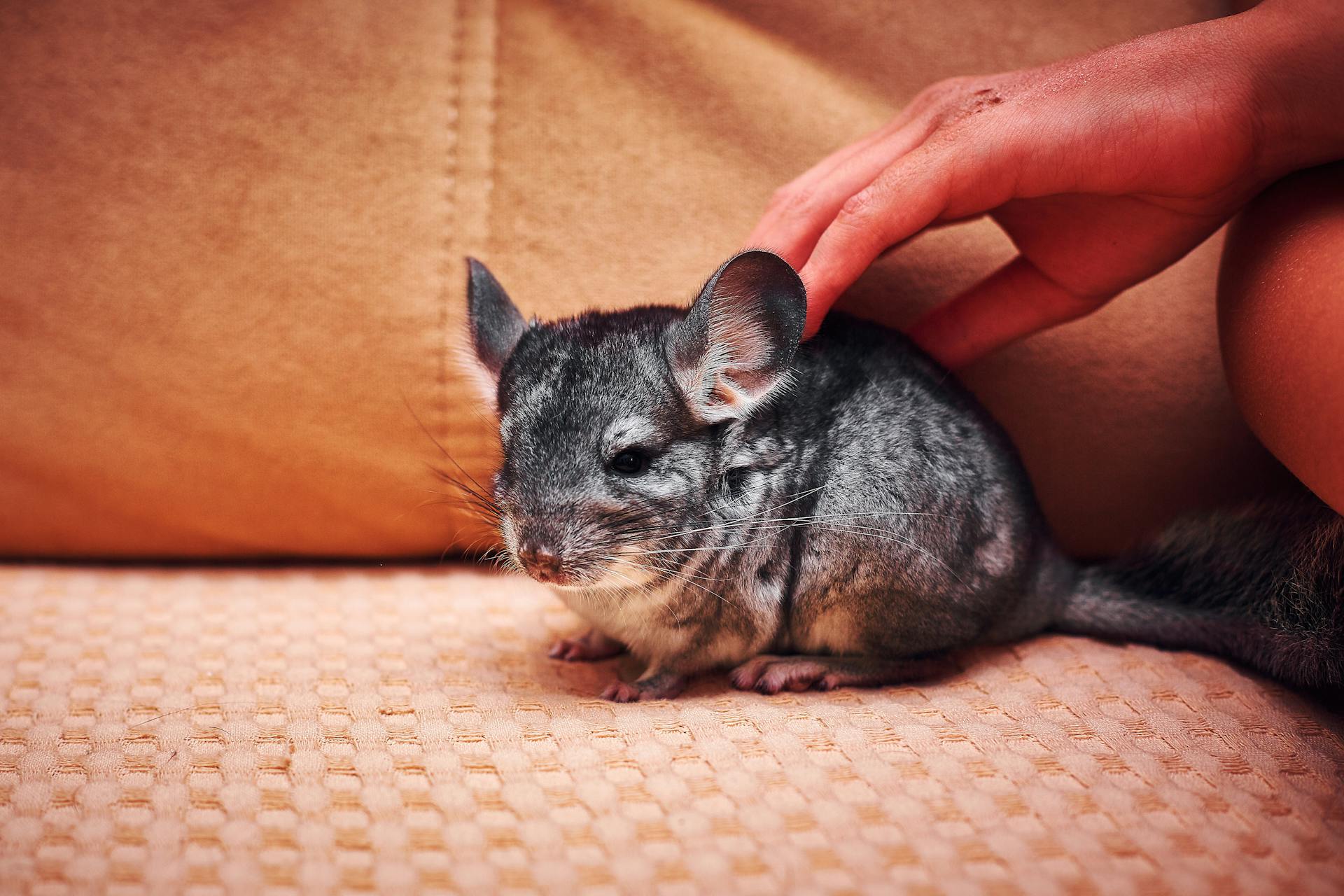
As you've learned about the ideal temperature range for your chinchilla, it's essential to remember that temperatures above 75°F (24°C) can cause heat stress, even if it's just for a short period.
Chinchillas are sensitive to humidity, so keeping their environment between 50-60% relative humidity is crucial to prevent respiratory issues.
A temperature drop of just 5-10°F (3-6°C) can cause your chinchilla to become stressed, so it's vital to maintain a consistent temperature.
The ideal temperature range for chinchillas is between 60-75°F (16-24°C), with a slight drop in temperature at night to simulate their natural environment.
Chinchillas are prone to heat stress, so it's crucial to keep their environment cool, especially during the summer months.
If this caught your attention, see: Ideal Temperature
Frequently Asked Questions
What temperature is too cold for chinchillas?
For chinchillas, temperatures below 55°F (12°C) can lead to health issues, as cold weather weakens their natural immunity to illness. Keep your chinchilla safe by maintaining a warm environment.
Featured Images: pexels.com