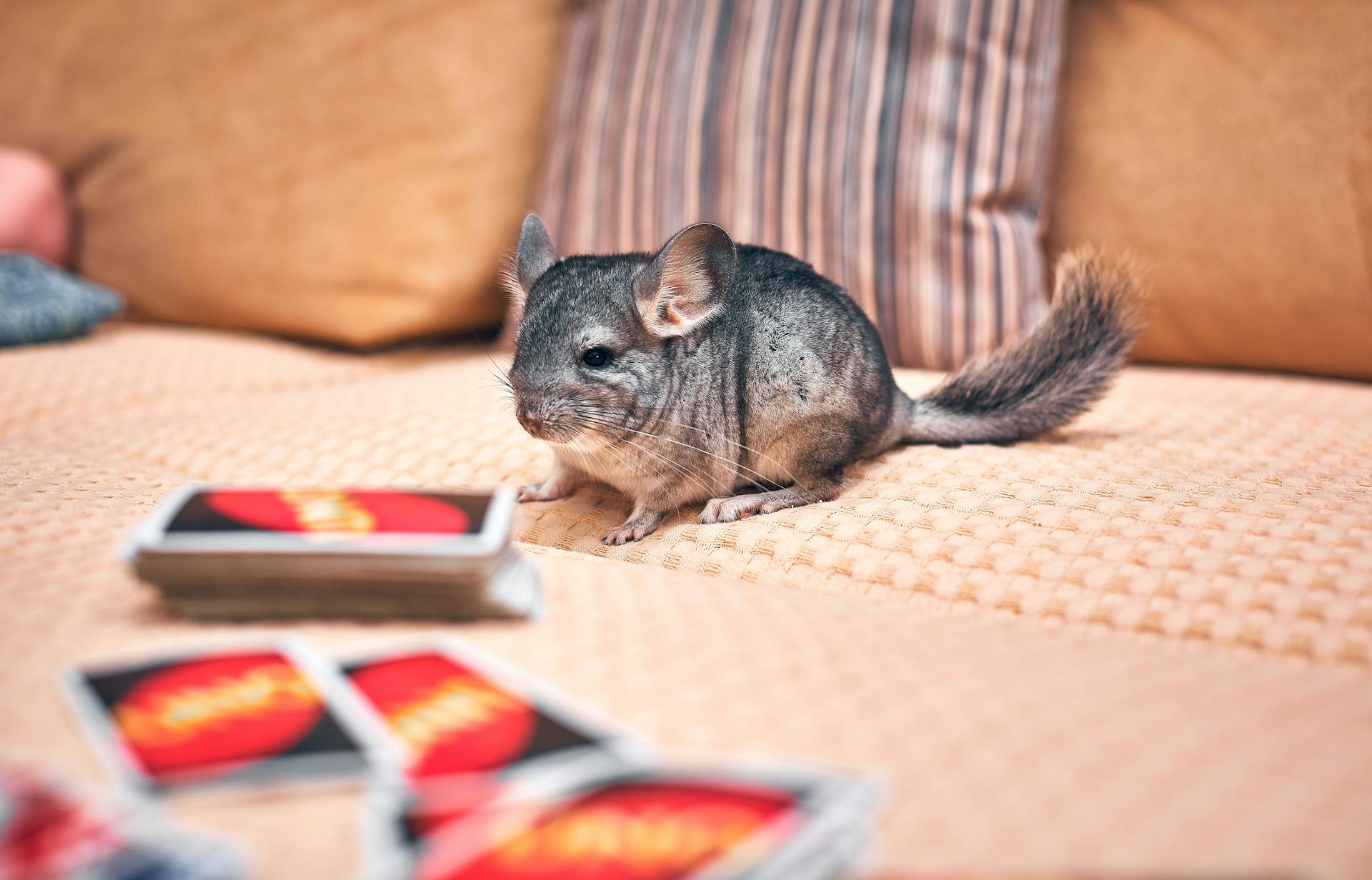
Dust bathing is a crucial part of a chinchilla's life, helping to keep their thick fur clean and healthy.
Chinchillas need to dust bathe at least once a week to remove dirt and oils from their fur.
Their thick fur can easily become matted and tangled, which can lead to skin problems and other health issues.
Chinchillas are native to the Andes mountains, where they would naturally dust bathe in the volcanic ash and dust of their natural habitat.
What Is Dust Bathing?
Dust bathing is a natural behavior for chinchillas, where they roll around in a deep layer of dust to clean their fur and skin.
Chinchillas need to dust bathe frequently to remove oils from their skin, which can weigh them down and make them feel dirty.
Chinchillas will often prefer to dust bathe in a shallow dish or tray filled with a specific type of dust, such as volcanic ash or play sand.
Dust bathing helps to prevent skin problems in chinchillas, such as oil buildup and skin infections.
For more insights, see: Bathing Dogs with Allergies
Benefits and Importance
Dust baths are a necessity for chinchillas, helping them remove dirt, loose fur, and moisture from their incredibly dense fur, which can be prone to skin ailments if wet.
These baths also preserve the velvety texture of their coats, keeping them in top condition. Chinchillas have about 60 hairs per follicle, making them particularly susceptible to skin problems.
Regular water baths are a no-go for chinchillas, as they can cause more harm than good. Instead, dust baths are a vital part of their grooming routine.
Here are the benefits of dust baths for chinchillas:
- Remove dirt
- Remove loose fur
- Remove moisture
- Preserve the velvety texture of their coats
Dust baths also provide mental enrichment for chinchillas, allowing them to engage in a natural and enjoyable activity. This is especially important for their overall health and well-being.
How to Provide a Dust Bath
To provide a dust bath for your chinchilla, it's essential to use store-bought chinchilla dust, which is specifically made for this purpose. This dust is designed to mimic the volcanic pumice that chinchillas would have access to in their native habitat.
For another approach, see: Chinchilla Pet
The dust should be at least a couple of inches deep in the container you use, so your chinchilla can effectively roll in it. This will allow the dust to penetrate their coat down to the skin and absorb oil and dirt from the fur.
Dust baths should be offered to chinchillas about two to three times per week to avoid excessive drying of their skin. You should change the dust in the bath at least once a week or when it starts clumping or looking dirty.
Considerations for Dust Bathing
Considerations for dust bathing your chinchilla are crucial to keep them healthy and happy. Always remove the dust bath container from your chinchilla's enclosure after 30 minutes to prevent eye irritation and skin dryness.
Storing the dust bath container outside of the enclosure also helps keep the dust clean and useable. You can purchase a commercial dust container or use a shallow pan or stainless-steel dog bowl from home.
A fresh viewpoint: How to Keep My Dog from Smelling in between Baths?
For young chinchillas under 1 year old, limit each dust bath to three or four minutes to prevent nasal inflammation and eye irritation. Extra-fine dust can cause these issues, so be sure to check the dust's texture regularly.
A dust container should be large enough for your chinchilla to move and roll around in comfortably, with an open top to prevent moisture buildup. Don't use sand or sand-like products that are not designed for chinchilla dust baths, as they can be too abrasive and cause skin, eye, or respiratory issues.
A different take: Sand Baths
Featured Images: pexels.com