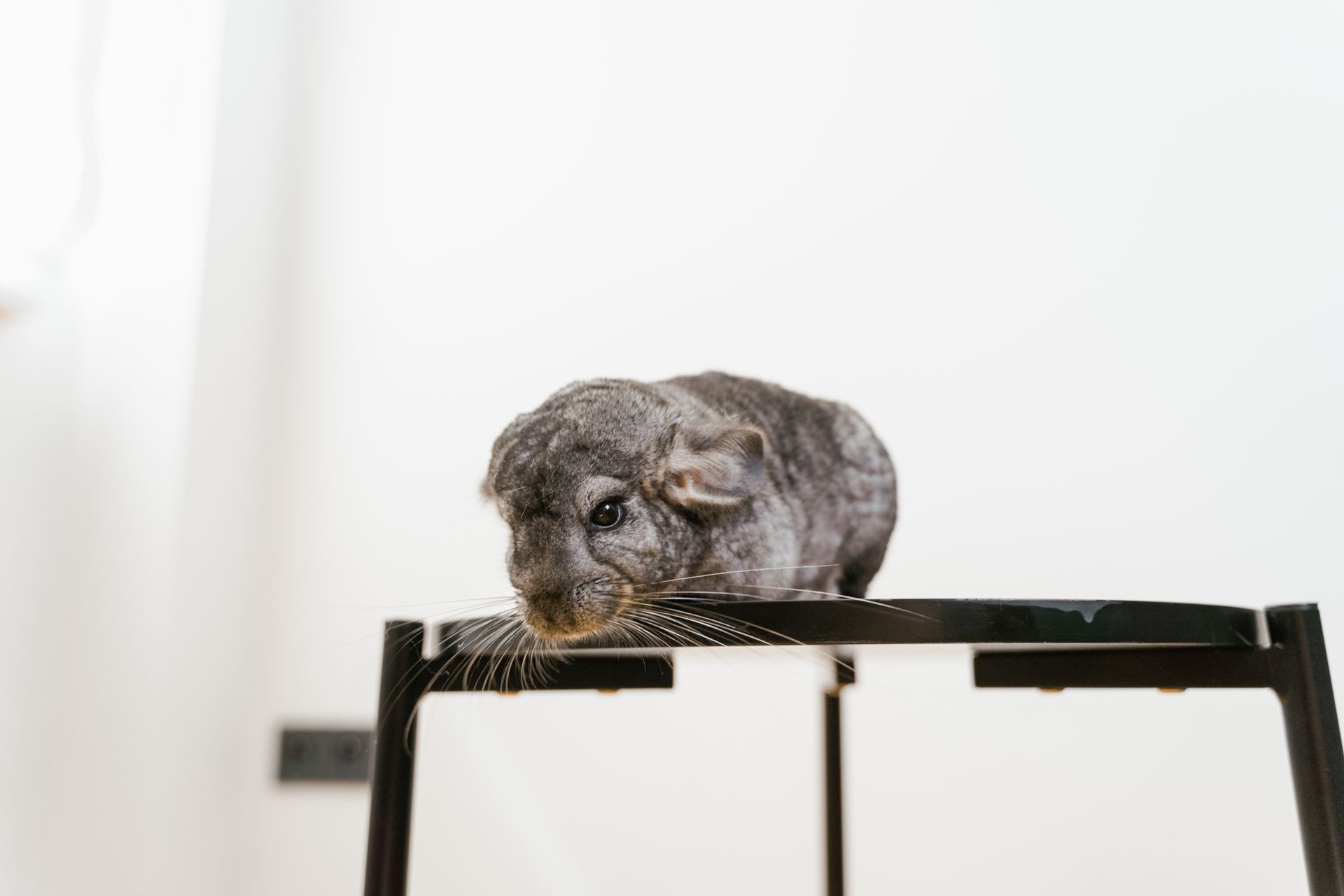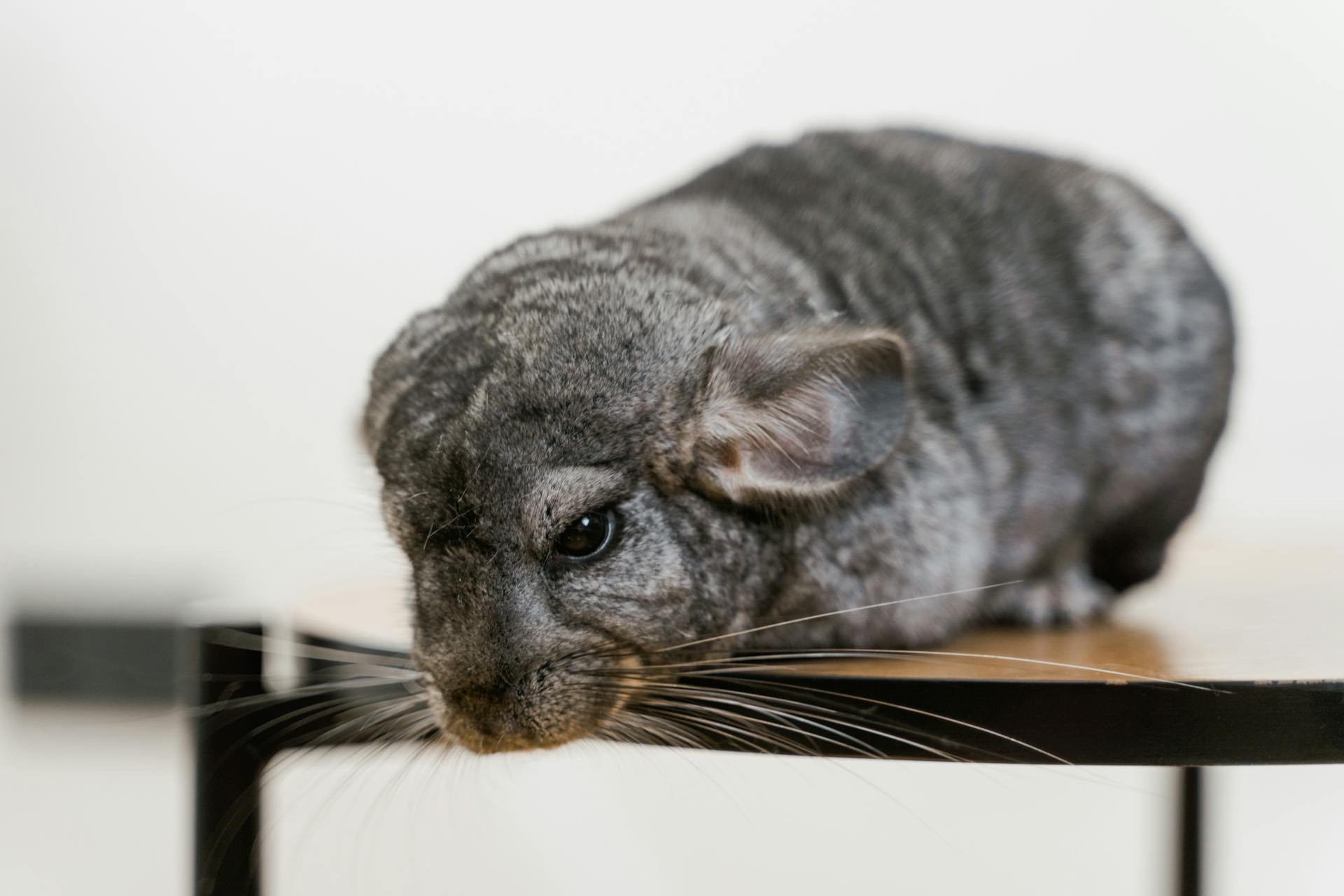
Chinchillas are herbivores, which means they primarily eat plants and plant-based foods. In the wild, they have a diverse diet that includes grasses, mosses, and lichens.
Chinchillas are found in the Andes mountains of South America, where they live in rocky areas with limited vegetation. They have adapted to this environment by eating whatever plants are available, including grasses that grow in the rocky crevices.
Some of their favorite foods in the wild include the leaves and stems of the grasses known as Puya and Ichu. These grasses are rich in fiber and nutrients, making them an ideal food source for chinchillas.
In the wild, chinchillas also eat the mosses and lichens that grow on rocks and trees. These foods are high in moisture and provide essential nutrients for the chinchillas' survival.
What Chinchillas Eat in the Wild
Chinchillas in the wild primarily eat grass, with some species consuming up to 40 different types of grasses and succulents. They also eat various other plants, including shrubs, trees, and wild berries.
One of the staples in a chinchilla's diet is grass, with species like Jarava ichu, Festuca orthophylla, and Stipa ichu being common in the Andean grasslands. These grasses are rich in fibers, providing chinchillas with the necessary bulk and roughage for healthy digestion.
In addition to grass, chinchillas also eat succulent plants like Astephanus geminiflorus, Cistanthe (Calandrinia) Grandiflora, and Pleurophora pusilla. They may also eat small insects and bugs in the absence of these foods.
Some of the specific plants that chinchillas eat in the wild include:
- Heliotropium stenophyllum
- Flourensia thurifera
- Cordia decandra
- Llagunoa glandulosa
- Stipa plumosa
These plants are likely to be part of a chinchilla's diet depending on what's available in their environment.
Short-Tailed
Short-tailed chinchillas primarily eat grass due to the lack of water at high and arid elevations. This has led to their exceptional ability to conserve water.
In the wild, short-tailed chinchillas rely on grass as their main source of food, which is likely due to the limited availability of other food sources in their habitat.
Check this out: Long Tailed vs Short Tailed Chinchilla
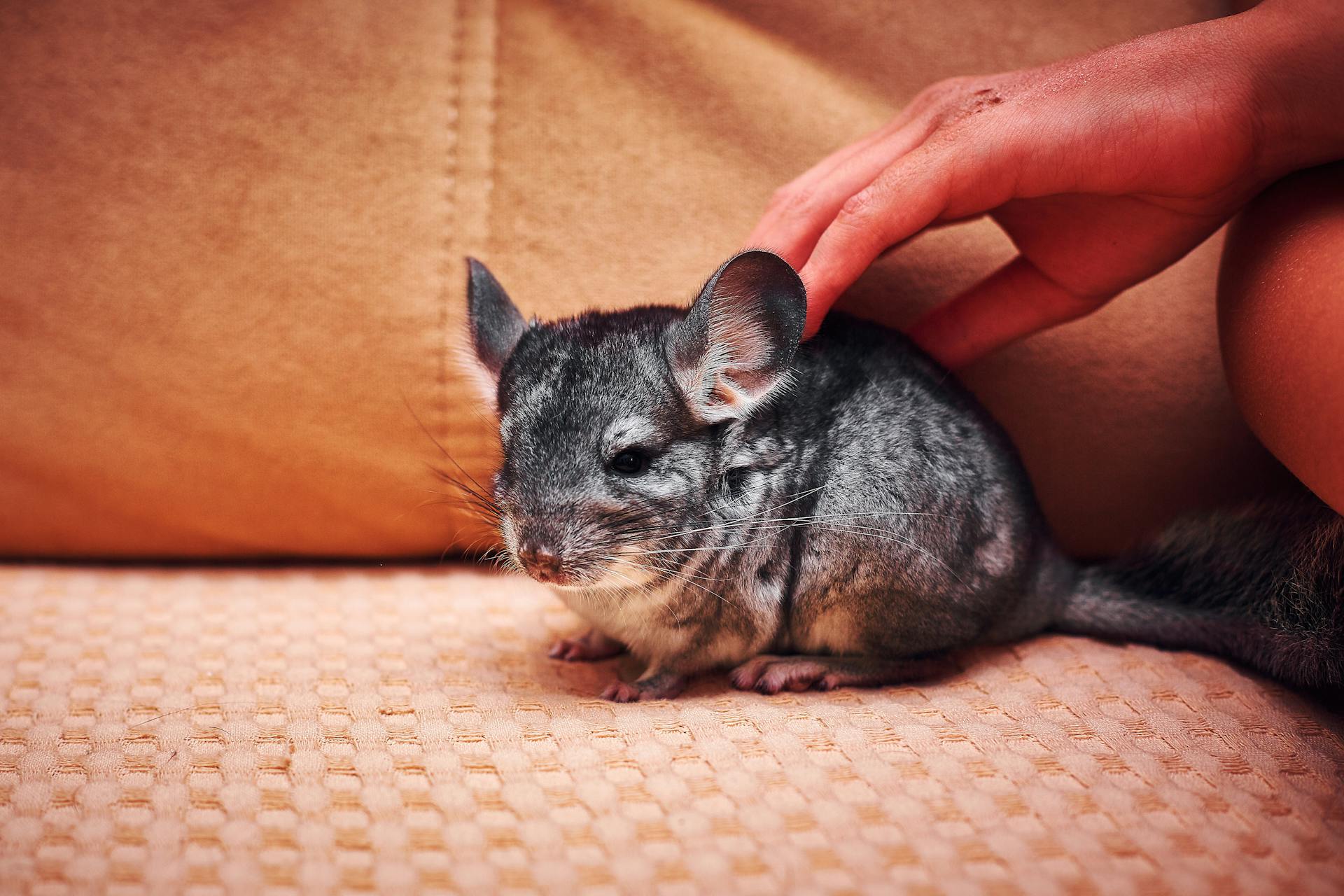
Chinchillas are also omnivores, which means they eat both plants and meat. However, short-tailed chinchillas seem to have a more limited diet compared to long-tailed chinchillas.
In the absence of grass, short-tailed chinchillas may not have the same variety of food options as long-tailed chinchillas, which eat a wider range of plants and insects.
Short-tailed chinchillas are skilled at conserving water, which is essential for their survival in arid environments.
Worth a look: Long Tailed Chinchilla
In the Wild
In the wild, chinchillas have a varied diet that consists of over 20 different species of plants, including grasses, succulents, and shrubs. They primarily rely on grasses as the foundation of their diet, with some species being rich in fibers that help with digestion and dental health.
Chinchillas have a unique feeding behavior, sitting on their hind legs and holding their food in their front paws, allowing for efficient consumption and natural grooming. They often nibble and groom their fur while eating.
In the wild, chinchillas eat succulent plants like Astephanus geminiflorus, Cistanthe (Calandrinia) Grandiflora, and Pleurophora pusilla, which are rich in water and nutrients. They also eat small seeds, which contain more protein and fat per weight than their normal diet.
Some examples of plants that wild chinchillas may eat include:
- Astephanus geminiflorus (a succulent)
- Glandularia sulphurea
- Pleurophora pusilla (another succulent)
- Apium laciniatum (a type of celery)
- Cistanthe (Calandrinia) grandiflora (a succulent)
- Moscharia pinnatifida (an herb)
- Colliguaja odorifera (a succulent which produces large fruits)
- Adiantum chilense
- Oxalis carnosa
- Rhodophiala phycelloides
- Adesmia microphylla
- Lycium chilense
- Echinopsis chiloensis
- Proustia baccharoides
- Oxalis gigantea
- Porlieria chilensis
- Ephedra andina
- Proustia cuneifolia
- Opuntia ovata
- Notholaena mollis/Cheilanthes mollis
- Leucocoryne purpurea
- Lobelia polyphylla
- Heliotropium stenophyllum
- Erodium cicutarium
- Ephedra chilensis
- Flourensia thurifera
- Dioscorea humifusa
- Berberis glomerata
Chinchillas make use of most of the plants available to them, eating around 55% of all 38 available plant species during the rainy season, which drops to 40.7% during the dry season.
Chinchilla Diet in the Wild Environment
Chinchillas in the wild are primarily herbivores, eating a variety of plants to stay healthy. They can eat up to 40 different species of plants, depending on what's available in their habitat.
In the Andes mountains, chinchillas mainly eat grasses, succulents, and wild berries. They also eat the hard bark of trees and mosses that grow on rocks.
A study found that during the rainy season, chinchillas eat around 55% of all 38 available plant species. This drops to 40.7% during the dry season, when they focus on foods with high water content.
Chinchillas in the Amazon region eat cacti, grasses, wild berries, and tree bark. In cold and arid regions of Chilean mountains, they primarily depend on grasses, mosses, and lichens.
Here are some examples of plants that wild chinchillas eat:
- Nasella chilensis (a type of grass)
- Heliotropium stenophyllum (a shrub with thin, dense leaves)
- Flourensia thurifera (a shrub with widely-distributed, flat leaves)
- Cordia decandra (a woody shrub with sparse, thin leaves)
- Llagunoa glandulosa (a shrub with leaves like a lemon tree)
- Stipa plumosa (a type of grass with a feathery head)
In addition to plants, chinchillas also eat small insects and bugs, as well as the occasional bird egg or small frog.
Wild Chinchillas' Food Sources
Wild chinchillas are primarily herbivores, but they also eat small insects and bugs to supplement their diet. They can eat up to 40 different species of plants, including grasses, succulents, and shrubs.
In the wild, chinchillas eat a variety of plants, including Heliotropium stenophyllum, a shrub with thin, dense leaves and white flowers, and Flourensia thurifera, a shrub with widely-distributed, flat leaves that look like holly. They also eat small seeds and insects.
Here are some common plants that wild chinchillas eat:
- Heliotropium stenophyllum
- Flourensia thurifera
- Cordia decandra
- Llagunoa glandulosa
- Stipa plumosa
- Astephanus geminiflorus (a succulent)
- Glandularia sulphurea
- Pleurophora pusilla (another succulent)
- Apium laciniatum (a type of celery)
- Cistanthe (Calandrinia) grandiflora (a succulent)
- Moscharia pinnatifida (an herb)
- Colliguaja odorifera (a succulent which produces large fruits)
- Adiantum chilense
- Oxalis carnosa
- Rhodophiala phycelloides
- Adesmia microphylla
- Lycium chilense
- Echinopsis chiloensis
- Proustia baccharoides
- Oxalis gigantea
- Porlieria chilensis
- Ephedra andina
- Proustia cuneifolia
- Opuntia ovata
- Notholaena mollis/Cheilanthes mollis
- Leucocoryne purpurea
- Lobelia polyphylla
- Erodium cicutarium
- Ephedra chilensis
- Flourensia thurifera
- Dioscorea humifusa
- Berberis glomerata
How Animals forage in the Wild
Wild chinchillas are folivore foragers, constantly searching for leaves and blades of grass to eat. This means they spend their days grazing for food, similar to many other animals.
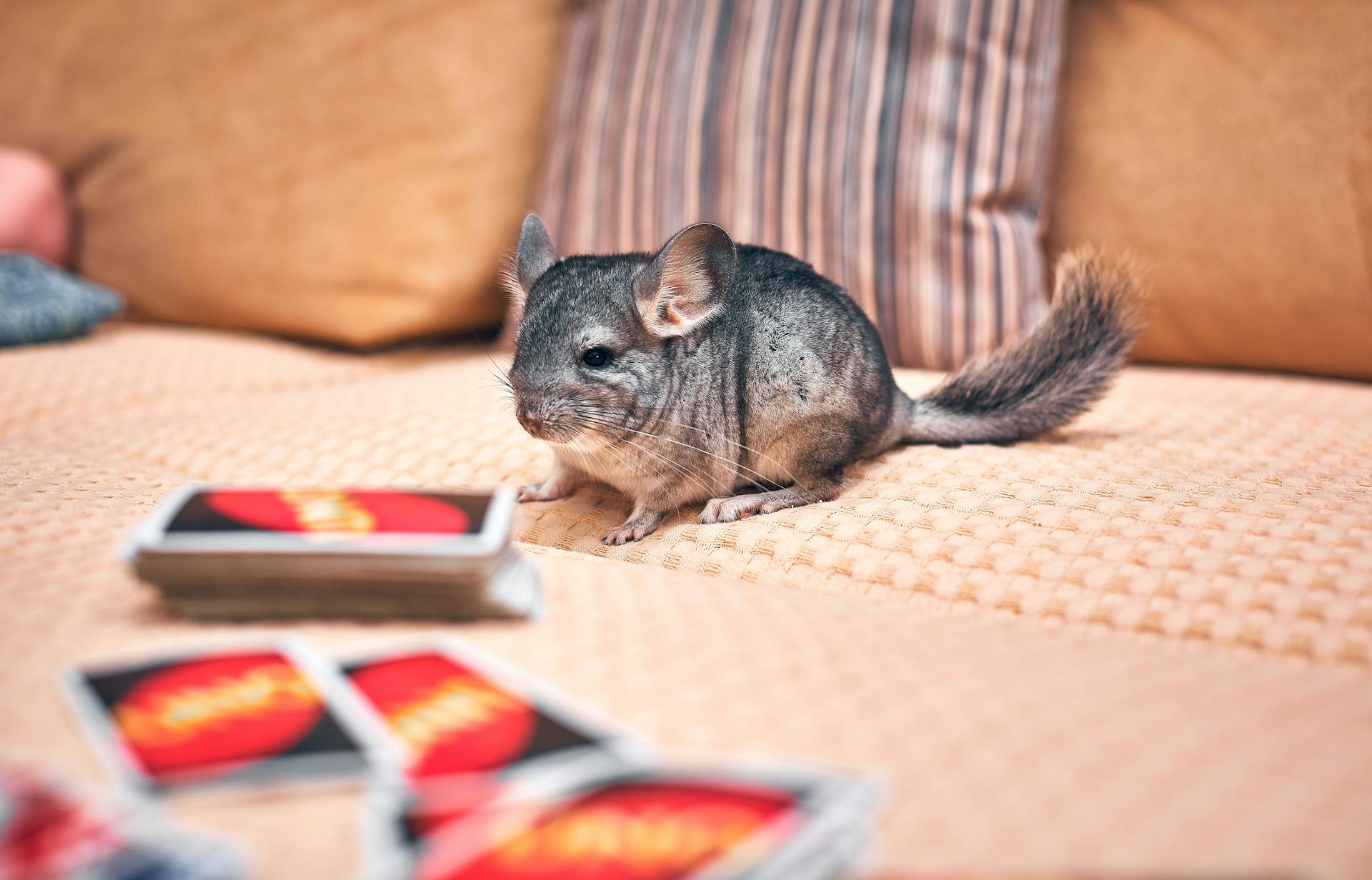
Chinchillas live in groups and forage together, making it easier for them to find food. They don't have to travel far to find something to eat, as common grasses like tussockgrass grow throughout their habitat.
In the wild, chinchillas primarily depend on grasses and succulents to fulfill their dietary requirements. They eat up to 40 different species of grasses and succulents.
During times of food scarcity, chinchillas will supplement their diet with mosses, lichens, and bark. These resources provide an additional source of nutrients and hydration.
Chinchillas in the Amazon region of South America eat cacti, grasses, wild berries, and the hard bark of trees available in the region. Their diet is varied and adaptable to their environment.
In cold and arid regions, chinchillas primarily depend on grasses, mosses, and lichens to fulfill their dietary needs. Their diet is limited by the availability of food in these harsh environments.
Chinchillas may occasionally eat bugs, insects, and bird eggs, but their primary food sources are grasses, hay, and other plant-based materials.
Insects and Animal Protein
Wild chinchillas are omnivores, and they need protein in their diet. They acquire 16 to 20% of protein daily from grass and small animal meat, mainly bugs.
Insects and bugs such as moths and grasshoppers provide chinchillas with omega fats, chitin, vitamin B12, iron, and folic acid. They also eat grasshoppers, moths, and other small bugs available locally in the warmer months.
Long-tailed chinchillas are known to feast upon insects, moths, and bird eggs. They come out in the evening or at night to search for food, and will even go to extraordinary lengths to reach bird nests.
Chinchillas use their sharp incisors to crack open bird eggs and lick the contents. This shows that they are resourceful creatures that adapt to their environment to find food.
Some vets recommend feeding captive chinchillas small amounts of animal protein, like fish meal and dried mealworm larvae. This is based on the knowledge that wild chinchillas eat animal-based food to survive.
Worth a look: Dogs Eating Moths
Nassella Chilensis
Nassella Chilensis is a type of needlegrass native to Chile, also known as Chilean tussockgrass. It's long, thin, and fibrous.
Wild chinchillas prefer the dried, dead blades/leaves of this plant, which are similar to the kind of hay you feed pet chinchillas.
This plant has been accidentally introduced to the United States, with the USDA's online database stating it's present in Oregon, although how widespread it is isn't clear.
A book on the subject suggests it was introduced through a ballast dump, where a boat dumps its ballast when it doesn't need it anymore.
It was first found in Oregon in 1917, but it's unclear if it's still present there today.
Nassella Chilensis is one of the main food sources for wild chinchillas, along with two other species that were found to be the most common in their diet.
Senecio Chilensis
Senecio Chilensis is a crucial food source for wild chinchillas. This plant grows from near sea level up to 2000m.
Its long, elegant stalks hold pretty yellow flowers, which chinchillas likely eat. The stalks and leaves of this plant are of particular interest to chinchillas.
Chinchillas typically live higher than 2000m, but before they were hunted to near extinction, they lived in areas where Senecio Chilensis grows.
Chinchillas' Nutrition in the Wild
Chinchillas in the wild are folivore foragers, constantly searching for leaves and blades of grass to eat. They live in groups and forage together, making their diet a communal effort.
Wild chinchillas eat between 20-40 different species of plants, depending on the season. During wet and humid seasons, they eat more diverse species, while in warmer, drier seasons, they focus on a smaller number of plants.
Some common plants in a wild chinchilla's diet include Heliotropium stenophyllum, a shrub with thin, dense leaves, and Flourensia thurifera, a shrub with widely-distributed, flat leaves.
Chinchillas also eat small seeds, which contain more protein and fat than their normal diet, and may "top up" their food with seeds or insects. Other plants they may eat include Astephanus geminiflorus, a succulent, and Pleurophora pusilla, another succulent.
During the rainy season, wild chinchillas make use of around 55% of all 38 available plant species, while during the dry season, they eat around 40.7% of the available plants.
Here is a list of some of the plants that wild chinchillas may eat:
- Heliotropium stenophyllum
- Flourensia thurifera
- Cordia decandra
- Llagunoa glandulosa
- Stipa plumosa
- Astephanus geminiflorus
- Pleurophora pusilla
- Apium laciniatum
- Cistanthe (Calandrinia) grandiflora
- Moscharia pinnatifida
- Colliguaja odorifera
- Adiantum chilense
- Oxalis carnosa
- Rhodophiala phycelloides
- Adesmia microphylla
- Lycium chilense
- Echinopsis chiloensis
- Proustia baccharoides
- Oxalis gigantea
- Porlieria chilensis
- Ephedra andina
- Proustia cuneifolia
- Opuntia ovata
- Notholaena mollis/Cheilanthes mollis
- Leucocoryne purpurea
- Lobelia polyphylla
- Erodium cicutarium
- Ephedra chilensis
- Flourensia thurifera
- Dioscorea humifusa
- Berberis glomerata
Chinchillas' Favorite Foods
Chinchillas love to munch on grass and hay, which are staples in their diet.
In the wild, chinchillas will eat just about anything they can find, including the bark of trees.
They also enjoy snacking on succulents, twigs, stems, roots, wild berries, nuts, seeds, and grasses.
Mosses and lichens are also fair game for these furry critters.
Occasionally, chinchillas will even eat bugs, insects, and bird eggs.
Featured Images: pexels.com