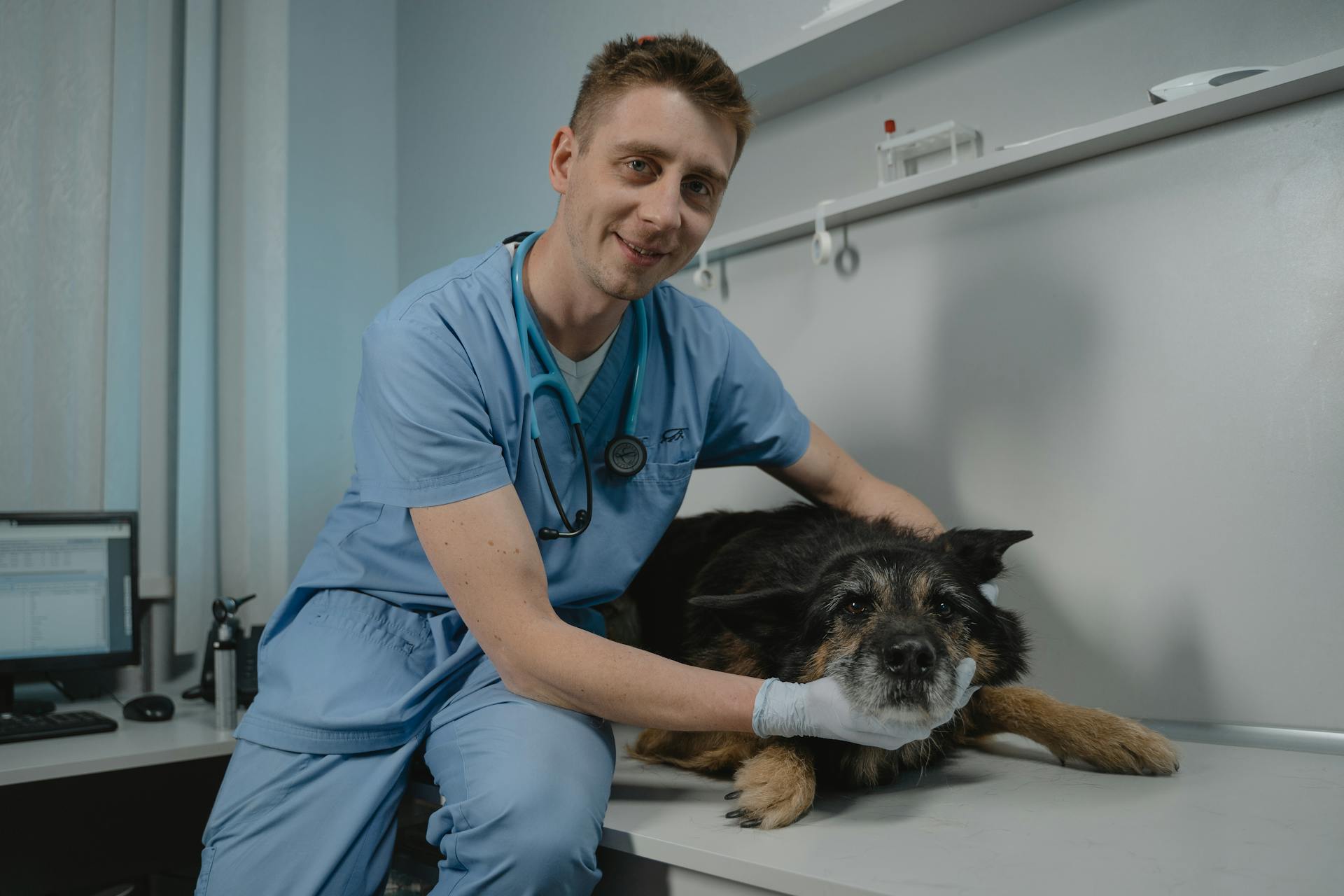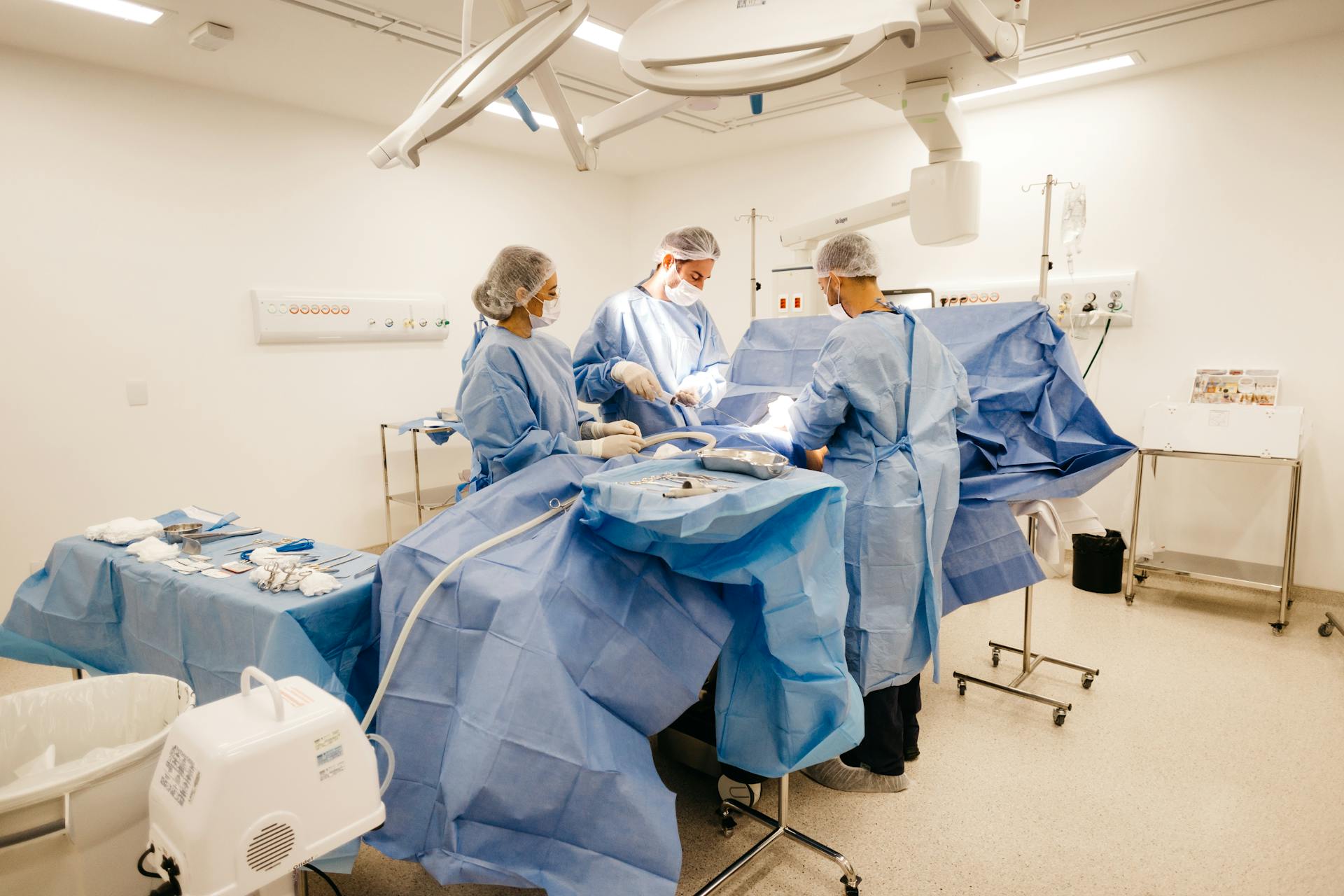
As a veterinary surgery technician, your primary responsibility will be to assist veterinarians and veterinary surgeons during surgical procedures. You'll work closely with the surgical team to prepare patients, equipment, and the operating room for surgery.
Veterinary surgery technicians typically work in animal hospitals, clinics, or research institutions. According to the Bureau of Labor Statistics, employment of veterinary technicians, including surgery technicians, is projected to grow 18% from 2020 to 2030, which is much faster than the average for all occupations.
In this role, you'll be responsible for preparing patients for surgery, including administering anesthesia and monitoring vital signs. You'll also assist with surgical procedures, such as suturing and closing incisions. Your attention to detail and ability to work under pressure will be essential in this fast-paced environment.
Discover more: Veterinary Technician Relief Work
What Is a Veterinary Surgery Technician?
A veterinary surgery technician is a skilled professional who assists veterinarians during surgical procedures on animals. They play a vital role in ensuring the safety and well-being of animals during surgeries.
They prepare the surgical environment, sterilize instruments, and provide support during procedures. This includes monitoring the animals' vital signs, administering anesthesia, and assisting with post-operative care.
Veterinary surgery technicians maintain surgical records and may educate pet owners about proper post-surgery care. This helps ensure that animals receive the necessary medical attention and care during surgical interventions.
Check this out: Pyometra Surgery Dog
Education and Training
To become a veterinary surgery technician, you'll typically need to earn an associate's degree in veterinary technology from an institution accredited by the American Veterinary Medical Association (AVMA). This degree usually takes two years to complete and includes both classroom instruction and hands-on training.
You'll learn a range of skills, including surgical techniques, anesthesia administration, and other vital skills for the operating room. Course curricula often include subjects like animal anatomy and physiology, veterinary pharmacology, and laboratory and diagnostic procedures.
To gain practical experience, you'll need to complete a veterinary technology program and obtain certification, such as the VTNE. After that, you'll work under the supervision of experienced professionals to hone your skills and become familiar with surgical settings.
For another approach, see: Veterinary Technician Skills
Here are the typical course curricula you can expect to find in a veterinary technology program:
- Animal anatomy and physiology
- Veterinary pharmacology
- Animal nursing and care
- Laboratory and diagnostic procedures
- Surgical Nursing and Techniques
- Anesthesia administration
- Radiology
- Veterinary ethics and law
By completing a rigorous educational program and gaining hands-on experience, you'll be well-prepared to work as a veterinary surgery technician and assist in veterinary surgeries.
Certification and Requirements
To become a veterinary surgery technician, you'll need to meet certain certification and educational requirements. Becoming a Certified Veterinary Technician (CVT) through the Veterinary Technician National Examination (VTNE) is a great way to enhance your career prospects.
To become a Surgical Vet Tech, you'll need to pass the VTS (Surgery) or Veterinary Technician Specialist in Surgery exam conducted by the Academy of Veterinary Surgical Technicians (AVST). You'll also need to meet any additional state requirements.
You'll need an Associate degree in veterinary technology to get started. Formal education or understanding of surgical equipment, surgical procedures, surgical preparation, and post-operative care is also required.
To become certified, you'll typically need to pass the VTNE and meet any additional state requirements. Many employers prefer certification for their veterinary surgical technologists.
Here's an interesting read: What Do You Need to Be a Veterinary Technician
To become a Surgical Vet Tech, you'll need to have completed a minimum of 10,000 hours (5 years) of employment as a credentialed technician. You'll also need to have 6,000 hours of general experience, plus 4,500 hours of surgical experience.
Here's a summary of the certification and requirements:
- CVT Certification: Pass the VTNE and meet state requirements
- VTS (Surgery) Certification: Pass the VTS (Surgery) or Veterinary Technician Specialist in Surgery exam
- Associate Degree: Complete an accredited associate degree program in veterinary technology
- Practical Experience: Gain 6,000 hours of general experience and 4,500 hours of surgical experience
The VTNE is a computer-based exam with 170 multiple-choice questions to be completed in three hours. It's administered by the AAVSB and costs $355. Most states require vet techs to pass the VTNE exam to qualify for employment.
You might like: Veterinary Assistant Exam
Career and Job Outlook
The career of a veterinary surgery technician is a rewarding one, with a projected 21% employment growth from 2022 to 2032. This means an average of 14,800 new job openings each year, according to the BLS.
To become a veterinary surgery technician, you'll need a high school diploma, and in most states, a college degree and passing an exam are required for licensure. In fact, 30 states require veterinary surgery technicians to have a license for their work.
Here are some key statistics about the job market for veterinary surgery technicians:
Salary and Job Outlook
The average annual salary for a Veterinary Surgical Tech is around $43,000, with the top 10% earning up to $59,310 and the lowest 10% earning around $30,000.
You can expect a 21% growth in employment for veterinary technologists and technicians, which translates to approximately 14,800 new job openings each year over the decade.
This growth is driven by a significant increase in the pet population and advancements in the veterinary field, making it an exciting and in-demand career.
To become a Veterinary Surgical Tech, you'll need to start by possessing a High School diploma certificate and then get VTNE certified.
The annual average salary of a Vet Surgical Tech can vary based on factors like geographical location, type of practice, and level of experience, but it's generally around $43,000.
According to BLS, the hourly rate for a Vet Surgical Tech is around $21, with some earning up to $59,310 and others around $30,000.
The average veterinary surgery technician salary in the US is $39,019 per year, with salaries ranging between $30,000 and $50,000.
Seek Employment
As a veterinary surgical technologist, you're now ready to enter the workforce. With your education, certification, and specialized training, you can apply for positions at veterinary clinics, animal hospitals, or research facilities.
Your unique combination of skills will make you a valuable asset to any employer. You've spent time in school, earning your education and certification, and you're now ready to put your knowledge into practice.
You can expect to find job opportunities in a variety of settings, including veterinary clinics, animal hospitals, and research facilities. Your passion for animal care will take you to places where you can make a real difference.
Your education and certification have prepared you for a successful career as a veterinary surgical technologist. You're now ready to take the next step and start applying for jobs.
You might like: How to Get a Veterinary Technician Certification
Diverse Career Settings
Surgical Vet Techs have the flexibility to work in various environments, including veterinary clinics, emergency hospitals, research facilities, and specialty practices. This diversity offers opportunities to explore different aspects of veterinary medicine and find a niche that aligns with their interests and career goals.

You can work in a veterinary clinic, where you'll be part of a team that provides routine care to animals. Or, you could work in an emergency hospital, where you'll be part of a high-stakes team that saves lives.
According to the article, 30 states require veterinary surgery technicians to have a license for their work. Here are the states that require a degree, a third-party exam, and a license to work as a veterinary surgery technician:
As a Surgical Vet Tech, you'll have the opportunity to work in a variety of settings and find a niche that aligns with your interests and career goals.
How to Become a Veterinary Surgery Technician
To become a veterinary surgery technician, you'll need to dedicate around 8 to 10 years to your education and training. This includes enrolling in an accredited associate degree program, which typically takes about 2 years to complete.
You'll also need to become certified as a Veterinary Technician, which requires gaining 5 years of experience in both general and surgical veterinary fields. This hands-on experience will give you a solid foundation in the skills and knowledge you'll need to succeed as a veterinary surgery technician.
Becoming a Surgical Veterinary Technician requires passing the rigorous VTS (Surgery) exam, which you'll be prepared for after gaining the necessary experience and education.
Broaden your view: How to Become a Veterinary Technician in California
How to Become a Cloud Developer

Becoming a cloud developer is not directly related to becoming a vet surgical tech, but it's a great skill to have in today's tech-driven world.
You can become a cloud developer by learning programming languages like Java, Python, and C++, and gaining experience with cloud platforms such as Amazon Web Services (AWS) and Microsoft Azure.
With a solid foundation in computer science and software development, you can start building a career as a cloud developer.
If you're interested in the medical field, however, becoming a vet surgical tech might be a better fit.
Step 4: Gain Practical Experience
Gaining practical experience is a crucial step in becoming a veterinary surgery technician. You'll typically need around 5 years of experience in both general and surgical veterinary fields to develop the skills and confidence you need.
To get hands-on experience, you'll need to complete your veterinary technology program and obtain certification. This will give you the foundation you need to work effectively in a surgical setting.
You'll have the opportunity to specialize in surgical techniques and develop your skills in areas like radiology, anesthesia, and animal nursing. Paying close attention to these areas during your education will serve you well in your future career.
The experience you gain will be invaluable, and it's essential to be familiar with surgical settings to succeed as a veterinary surgery technician.
Responsibilities and Skills
As a veterinary surgery technician, you'll be working closely with veterinarians to ensure the safety and well-being of animal patients. Your responsibilities will include assisting in the preparation of animals for surgery, monitoring vital signs during surgical procedures, and administering anesthesia and medications under the direction of a veterinarian.
To excel in this role, you'll need to possess a range of technical skills, including proficiency in using surgical instruments and equipment, as well as a strong understanding of anesthesia and pain management. You'll also need to be able to perform diagnostic imaging and lab work, and maintain a sterile environment to prevent infection.
Some of your key duties will include:
- Assisting in the preparation of animals for surgery
- Monitoring vital signs during surgical procedures
- Administering anesthesia and medications under the direction of a veterinarian
- Operating and maintaining surgical equipment
- Sterilizing surgical instruments and ensuring aseptic conditions
- Providing post-operative care and monitoring recovery
- Assisting in diagnostic procedures such as radiographs and ultrasounds
- Maintaining detailed medical records and surgical logs
- Educating pet owners on post-operative care and medications
- Supporting veterinary surgeons during complex procedures
- Conducting laboratory tests and analyses as required
- Ensuring compliance with veterinary regulations and protocols
- Handling and restraining animals safely during procedures
In addition to these duties, you'll also need to have strong communication and teamwork skills, as well as the ability to work in stressful and fast-paced environments. You'll need to be able to explain complex medical procedures and post-operative care to pet owners in a clear and compassionate manner, and provide reassurance and support throughout the surgical process.
Career Advantages and Disadvantages
As a veterinary surgery technician, you'll have the opportunity to work with animals and help them recover from surgery. This role plays a crucial part in veterinary care, assisting veterinarians during surgeries and ensuring the well-being of animal patients.
A Surgical Vet Tech career offers numerous rewards, including the chance to work with a variety of animals and make a real difference in their lives. You'll have the opportunity to work in a fast-paced and dynamic environment, where no two days are ever the same.
Intriguing read: How Is a Veterinary Technician Work Environment
According to the U.S. Bureau of Labor Statistics data, the majority of veterinary surgery technicians have a college degree, with 50.0% holding an Associate's degree and 29.5% holding a Bachelor's degree. This indicates that a strong educational background is essential for success in this field.
The most common skills required for this role include working with patients, using PET equipment, and handling catheters, with 28.43%, 20.91%, and 16.23% of veterinary surgery technicians possessing these skills, respectively.
Becoming a licensed veterinary surgery technician usually requires a college degree and passing an exam, with 30 states requiring licensure for this role. This ensures that veterinary surgery technicians have the necessary skills and knowledge to perform their duties safely and effectively.
To get started in this field, you'll need to gain competency in the skills and techniques required for the job, which can take anywhere from 1-3 months of on-the-job training. With strong educational background and licensure, you'll be well on your way to a successful career as a veterinary surgery technician.
Career Development and Growth
As a Surgical Vet Tech, you'll have the opportunity to acquire specialized skills in surgical techniques, anesthesia administration, and post-operative care through accredited education programs and certification exams like the Veterinary Technician National Examination (VTNE).
This expertise will make you a valuable asset in veterinary practices and open doors to career advancement opportunities.
To take your career to the next level, you can obtain the Veterinary Technician Specialist (VTS) certification in Surgery, demonstrating your expertise and commitment to the field.
For your interest: Is Veterinary Technician a Good Career
Specialized Expertise and Growth
As a Surgical Vet Tech, you'll have the opportunity to acquire specialized skills in surgical techniques, anesthesia administration, and post-operative care through accredited education programs.
These skills will make you a valuable asset in veterinary practices, and open doors to career advancement opportunities.
You can obtain the Veterinary Technician Specialist (VTS) certification in Surgery, which is a testament to your expertise and commitment to the field.
By pursuing this certification, you'll demonstrate your ability to provide high-quality care to animals undergoing surgery, and enhance your earning potential.
In accredited education programs, you'll learn from experienced instructors and gain hands-on experience in a clinical setting, preparing you for a successful career as a Surgical Vet Tech.
Curious to learn more? Check out: Veterinary Education
Career Paths
As a surgical vet tech, you'll have the opportunity to work in various environments, including veterinary clinics, emergency hospitals, research facilities, and specialty practices. This diversity offers a chance to explore different aspects of veterinary medicine and find a niche that aligns with your interests and career goals.
You can work as an associate, bachelor's degree holder, or even with a high school diploma, although the latter is less common. According to the data, 50% of veterinary surgery technicians hold an associate's degree, 29.5% hold a bachelor's degree, and 11.4% hold a high school diploma.
To gain competency as a veterinary surgery technician, you can expect to spend around 1-3 months on post-employment, on-the-job training. This is a standard period for new veterinary surgery technicians to learn the skills and techniques required for their job and employer.
Becoming a licensed veterinary surgery technician usually requires a college degree and passing an exam. Currently, 30 states require veterinary surgery technicians to have a license for their work. Here's a list of states with their specific requirements:
Once you've gained the necessary skills and experience, you can start building a strong resume to showcase your qualifications to potential employers.
Physical and Educational Demands
Becoming a veterinary surgery technician requires a significant investment of time, dedication, and financial resources. Completing an accredited associate degree program is a crucial step in this process.
The educational requirements demand a minimum of two years of study, which can be a substantial commitment. You'll need to pass certification exams such as the VTNE to demonstrate your knowledge and skills.
Gaining practical experience is also essential in this field, as it allows you to apply theoretical knowledge in real-world situations. This hands-on experience will help you develop the skills and confidence needed to succeed as a veterinary surgery technician.
The job of a veterinary surgery technician is physically demanding, requiring stamina to stand for long periods and lift and position animals. You'll also need to be prepared to work long hours, including during emergency surgeries or critical care situations.
The physical demands of this job can lead to fatigue and burnout if not managed effectively, so it's essential to prioritize self-care and take regular breaks.
Consider reading: Essential Calculations for Veterinary Nurses and Technicians
Frequently Asked Questions
What is the highest paid veterinary technician?
The highest paid veterinary technician is the Veterinary Surgery Technician, with a salary range of $40,000-$93,000 per year. This role offers a wide range of compensation, making it a lucrative career option in the veterinary field.
How long does it take to become a vet tech in KY?
In Kentucky, you can become a vet tech in approximately 2 years by completing a vet tech program. This program provides the necessary skills and knowledge to start a rewarding career in veterinary medicine.
Featured Images: pexels.com