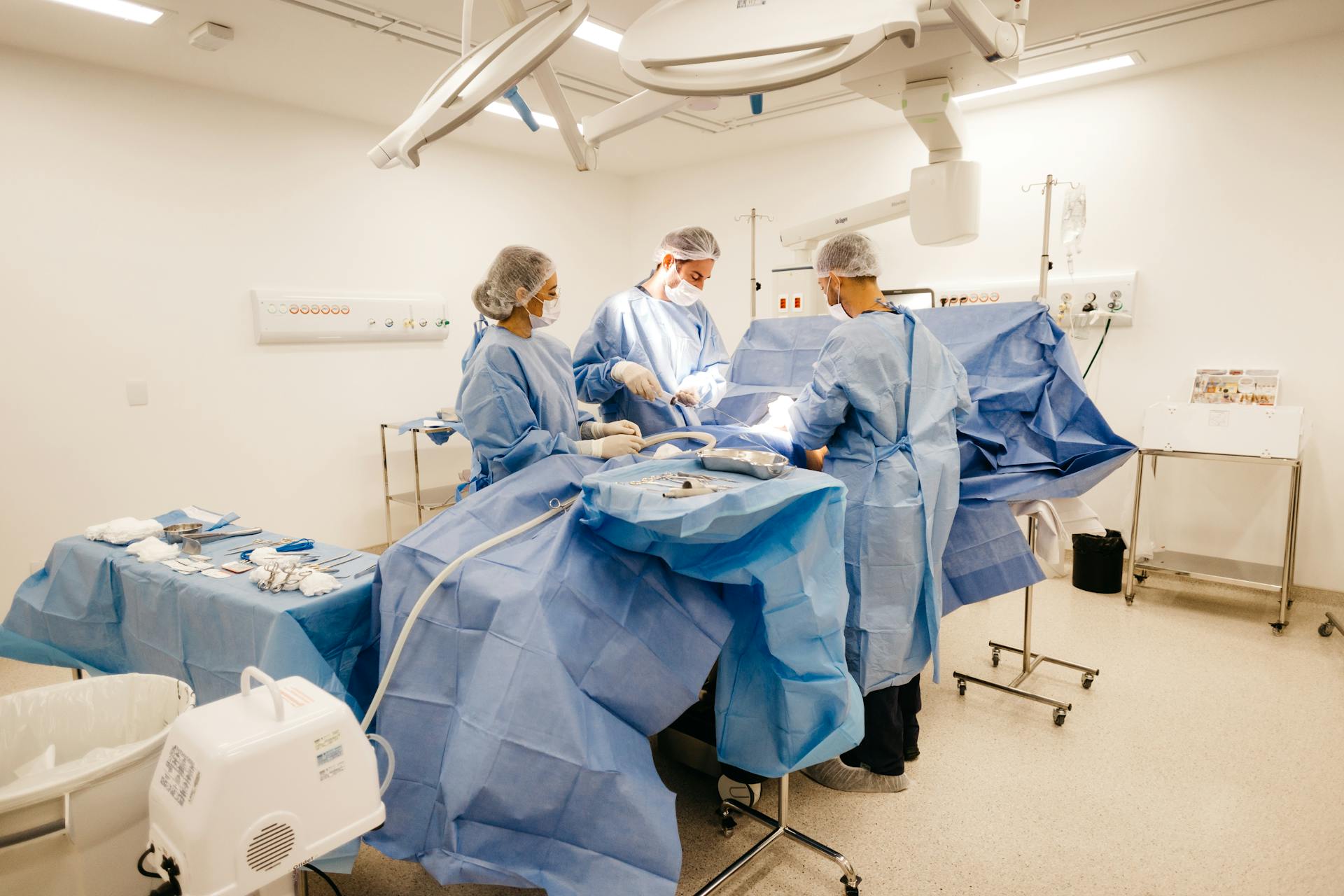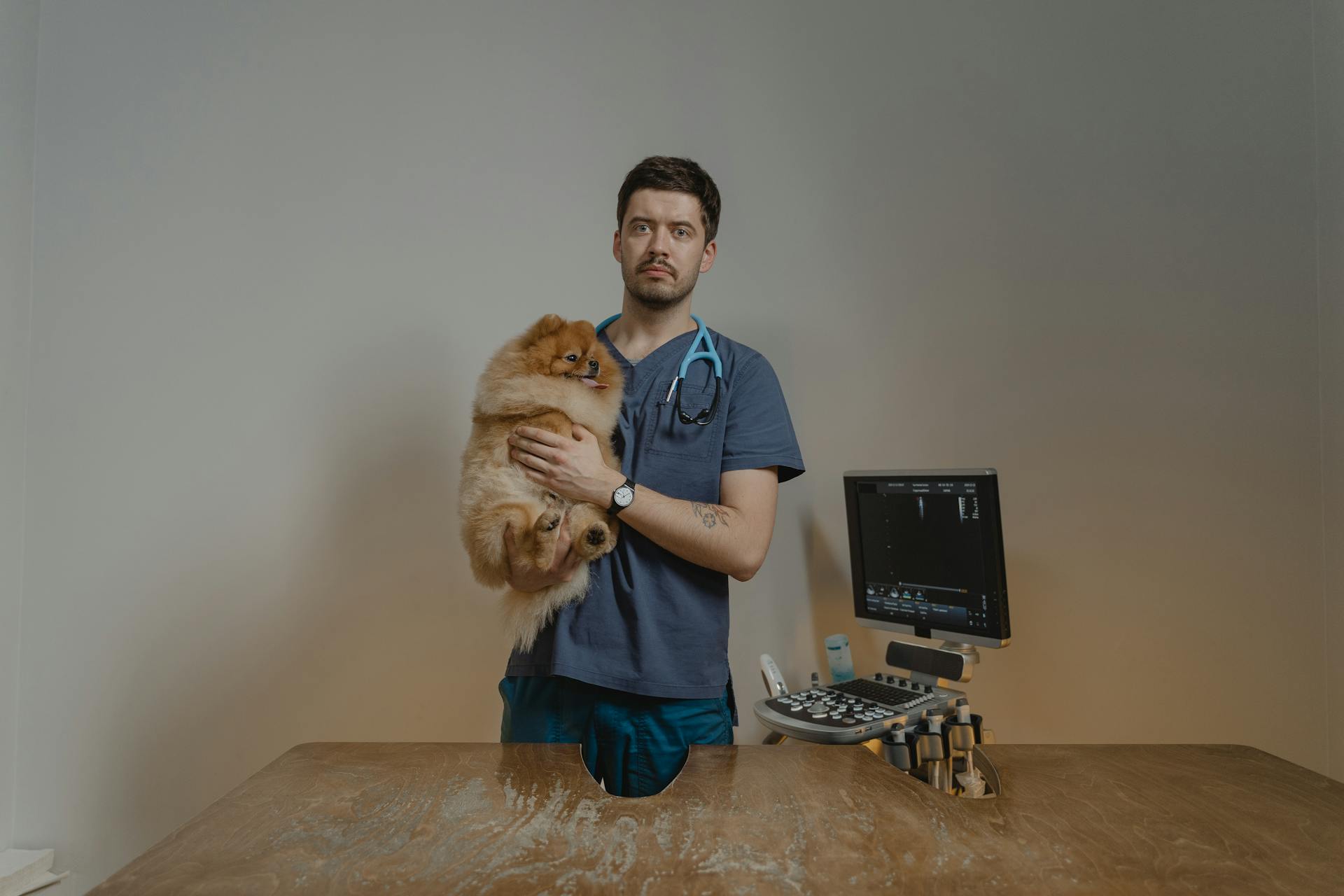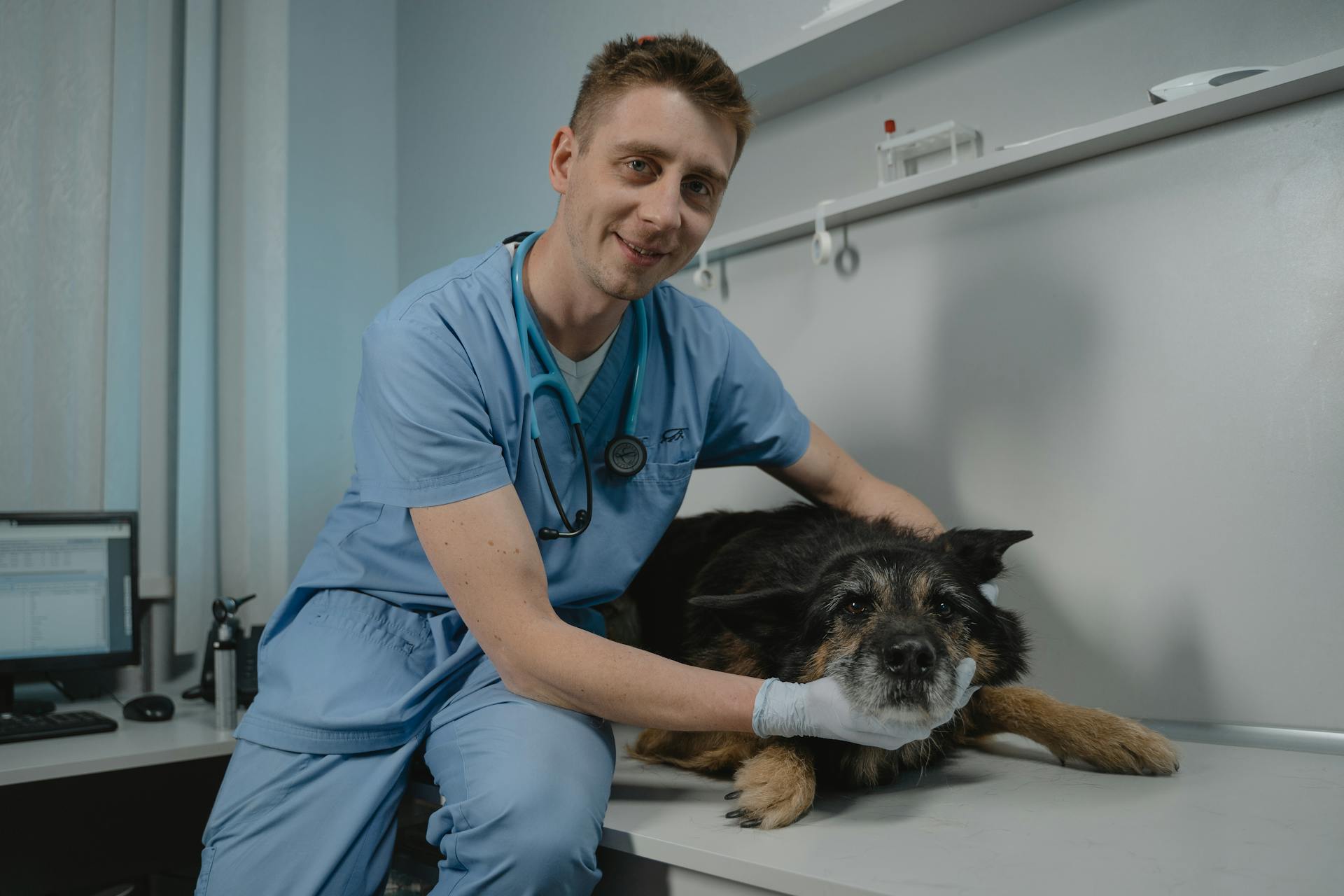
Veterinary surgeries are a crucial part of modern veterinary medicine, and there are many different types and procedures to be aware of.
Some common types of veterinary surgeries include orthopedic surgeries, which can help to repair or replace damaged bones and joints, and soft tissue surgeries, which can treat a range of conditions such as skin cancer and hernias.
One key aspect of veterinary surgery is anesthesia, which is used to ensure the animal remains comfortable and pain-free during the procedure.
Veterinarians use a variety of techniques to administer anesthesia, including injecting a medication into a vein or using a gas mask to deliver the anesthetic.
Veterinary Surgery Types
Surgical Categories have various types, but one thing is certain - our pets' happiness and well-being are of paramount importance.
Spaying or neutering is a common type of surgery, which can prevent certain health issues and reduce the risk of certain cancers.
Preparation for surgery is crucial to ensure our pets' happiness and well-being throughout the process.
Some surgeries, like orthopedic surgery, may be necessary to repair bones or joints.
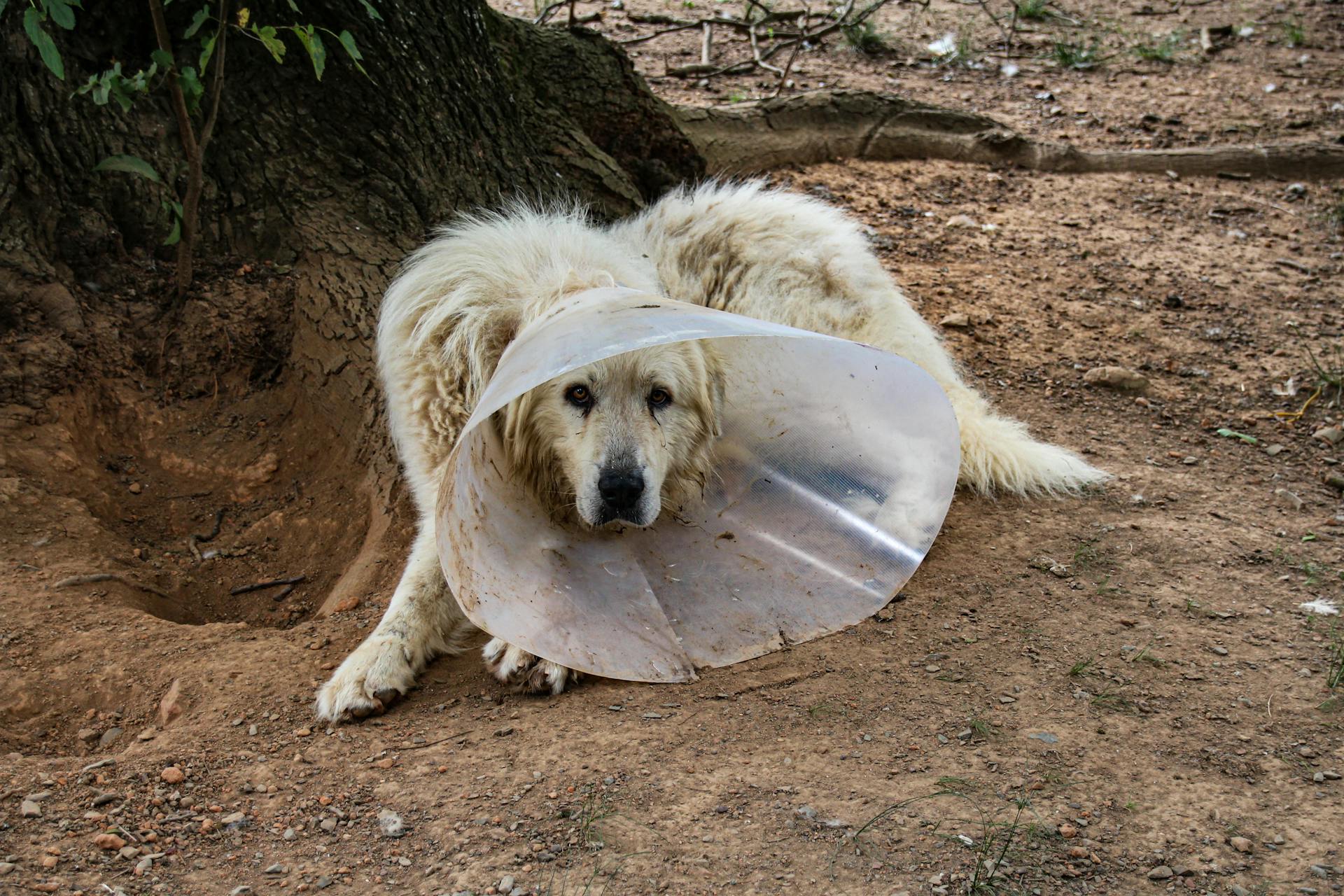
Proper post-operative care is essential to promote recovery and overall well-being.
Surgical Categories also include soft tissue surgery, which can involve repairing or removing damaged tissues.
Specific Surgeries
Specific surgeries are a crucial part of veterinary care, and understanding what's involved can help pet owners make informed decisions. Common orthopedic surgeries include ruptured cranial cruciate ligament repair, hip dysplasia correction, and bone fracture repair.
Some common soft tissue surgeries include abdominal surgery for conditions such as hernias, cardiovascular surgery for heart diseases, and gastrointestinal surgery for foreign body removal. These surgeries are often performed to correct life-threatening conditions.
Here are some common surgical procedures in animals:
- Ruptured cranial cruciate ligament repair
- Abdominal surgery for hernias
- Cardiovascular surgery for heart diseases
- Gastrointestinal surgery for foreign body removal
- Orthopedic surgery for bone fractures
- Soft tissue surgery for skin tumors
These are just a few examples of the many surgical procedures available to animals. Each surgery is unique and requires careful consideration and planning to ensure the best possible outcome.
Orthopedics
Orthopedics is a crucial aspect of veterinary surgery, focusing on procedures that address issues related to bones and joints. Surgical procedures in orthopedics can vary in complexity and scope.
A common orthopedic surgery is the repair of a ruptured cranial cruciate ligament, which is a serious injury that can cause significant discomfort and mobility issues in animals. This type of surgery is often performed to stabilize the stifle (knee) joint.
Take a look at this: Ethical Issues in Veterinary Practice
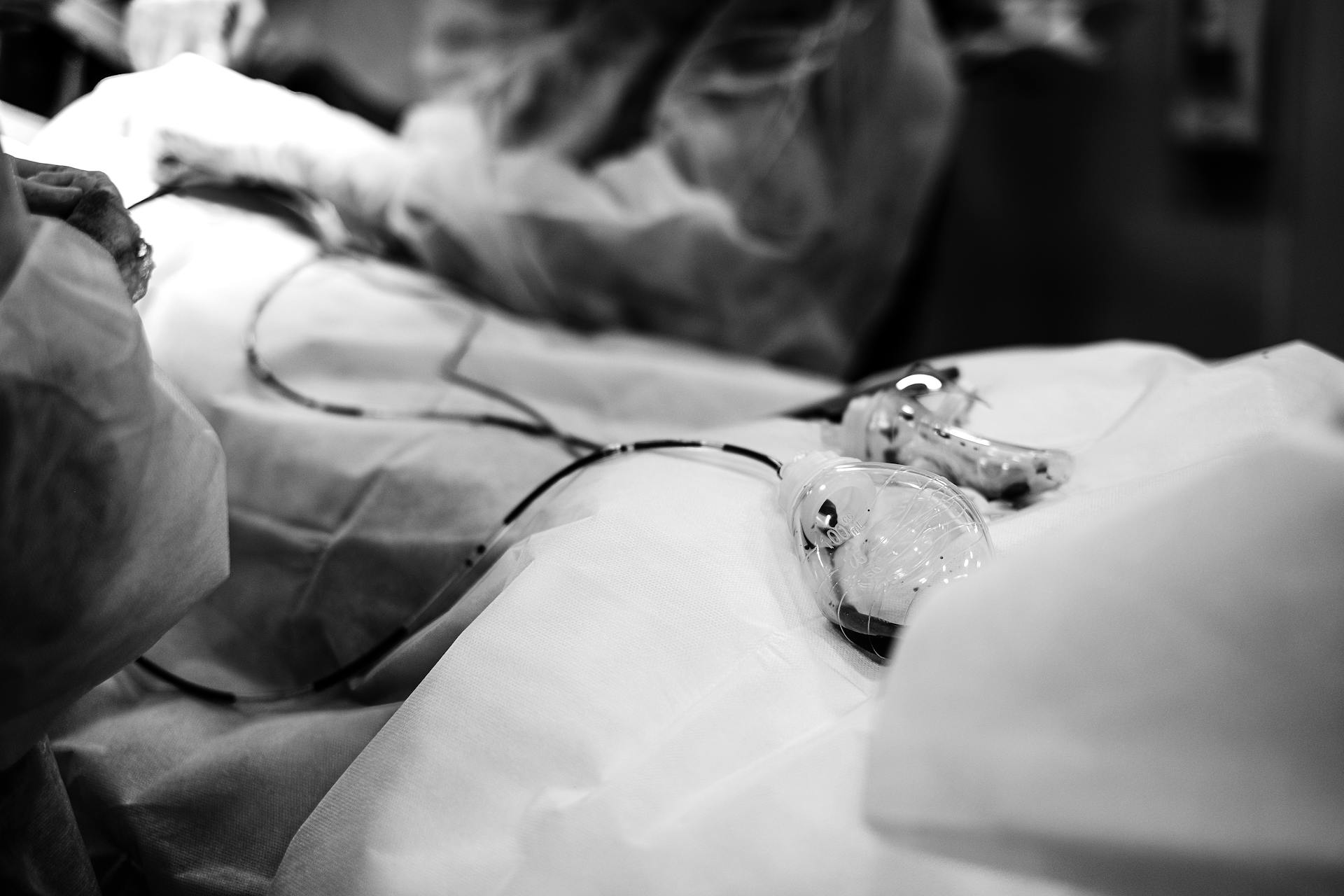
Some common orthopedic surgeries in animals include:
- Ruptured cranial cruciate ligament repair
- Leg amputation
- Bone fracture repair
- Arthroscopy
- MPL - medial patellar luxation
In some cases, orthopedic surgeons may use a technique called curved osteotomy to alter the joint angle and stabilize the joint using a plate and screws. This is often used to treat an ACL tear in the stifle joint.
Soft Tissue
Soft tissue surgery is a broad field that encompasses a wide range of procedures. Here are some examples of the types of surgeries that fall under this category.
Abdominal surgery can be used to treat conditions of the spleen, liver, pancreas, gastrointestinal tract, adrenals, and colorectal organs. This can include hernia repairs and surgeries for conditions like gastric dilatation-volvulus (GDV).
Cardiothoracic surgery is another area of expertise in soft tissue surgery. This can involve procedures for diseases of the heart, lungs, trachea, chest wall, diaphragm, and esophagus.
Some common examples of colorectal surgeries include procedures for diseases of the anal sacs and rectum, and perineal hernia repair. These surgeries can help alleviate symptoms and improve quality of life for affected animals.
Ear, nose, and throat (ENT) surgery is also a key area of focus in soft tissue surgery. This can include surgeries for brachycephalic syndrome, tracheal collapse, and laryngeal paralysis.
Brachycephalic breeds, in particular, may benefit from rhinoplasty to open up their nasal passages and alleviate breathing difficulties.
Here are some specific soft tissue surgeries that may be performed:
- Abdominal surgery for conditions of the spleen, liver, pancreas, gastrointestinal tract, adrenals, hernias of the abdominal wall, and colorectal organs
- Cardiothoracic surgery including procedures for diseases of the heart, lungs, trachea, chest wall, diaphragm, and esophagus
- Colorectal/perianal/perineal surgery including diseases of the anal sacs and rectum, and perineal hernia repair
- Ear, nose, and throat surgery including surgeries for brachycephalic syndrome, tracheal collapse, laryngeal paralysis, end-stage ear canal disease (otitis externa), and ear polyps
- Endocrine surgery for diseases of the adrenal, thyroid, and parathyroid glands
- Gastrointestinal surgery for conditions of the esophagus, stomach, intestines, and colon
- Hepatobiliary surgery for diseases of the liver and gallbladder
- Minimally invasive surgery employing laparoscopy, thoracoscopy, cystoscopy, and tracheoscopy
- Urogenital surgery for conditions of the kidney, ureters, bladder and urethra, and genital organs
Ophthalmic
Ophthalmic surgeries are quite common in animals, and they can be lifesaving for pets with eye problems. Enucleation of the eye is a procedure that's often used to treat glaucoma or eye proptosis.
Cataract surgery is another type of ophthalmic surgery that's used to remove cloudy lenses in an animal's eye. This surgery can help restore vision and improve a pet's quality of life.
Entropion surgery is a delicate procedure that involves correcting a condition where an animal's eyelid rolls inward, causing irritation and discomfort. It's a relatively common issue in some breeds.
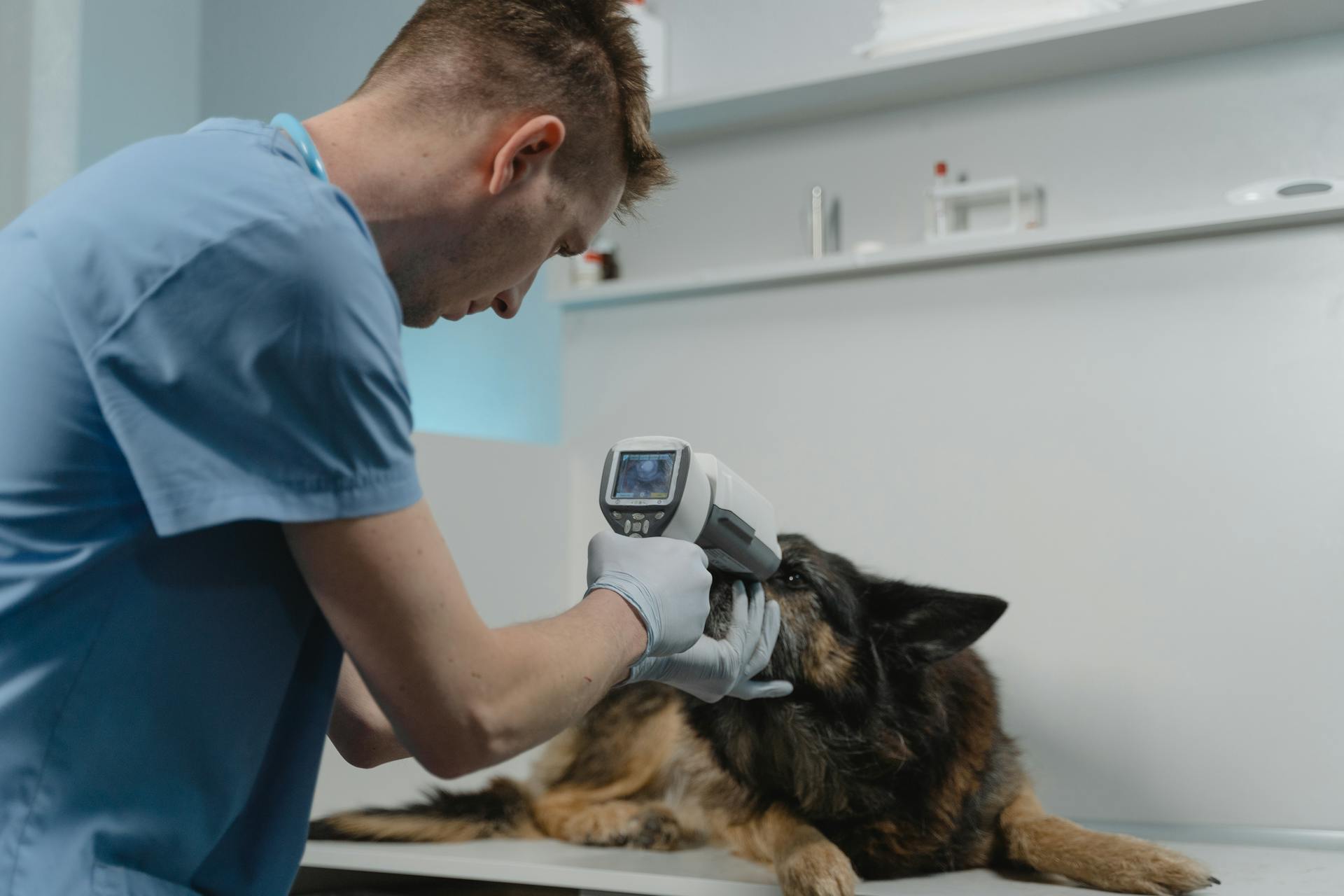
Eyelid tumor removal is a serious surgery that's used to remove cancerous growths from an animal's eyelid. This procedure requires a skilled veterinarian and a lot of care.
Cherry eye surgery is a common procedure that's used to correct a condition where an animal's third eyelid becomes inflamed and swollen. It's a relatively simple surgery, but it requires a lot of care and attention after the procedure.
Here are some common ophthalmic surgeries in animals:
- Enucleation of the eye
- Cataract surgery
- Entropion surgery
- Eyelid tumor removal
- Cherry eye surgery
- Exenteration (complete removal) of the orbit
FHO (Femoral Head Ostectomy)
FHO (Femoral Head Ostectomy) is a surgical procedure that involves the removal of the femoral head and neck, the ball of the hip joint.
This procedure is typically performed to address advanced hip arthritis, a condition that causes wear and tear on the joint, leading to pain and stiffness.
Dislocated hips are another issue that FHO can help resolve, by removing the affected area and allowing the surrounding muscles and tissues to adapt to a new joint structure.
Hip fractures, particularly those that are severe or have caused significant damage to the joint, may also be treated with FHO surgery.
The goal of FHO is to alleviate pain and restore mobility, although some patients may experience a temporary limp or altered gait following the procedure.
Angular Limb Deformity
Angular limb deformity is a common issue in dogs where their limbs grow or heal at an abnormal angle. This can cause discomfort and difficulties in mobility.
This type of deformity can be corrected through surgical intervention, which involves realigning the affected limb to its normal position. The goal is to restore proper movement and reduce pain.
Surgical correction of angular limb deformity is often performed to alleviate the discomfort and mobility issues that come with this condition.
Tail Amputation
Tail amputation is a surgical procedure that involves removing a cat's tail. This is typically done to treat conditions such as cancer.
Cancer is one of the main reasons for tail amputation, and it can be caused by various types of cancer, including skin cancer and sarcomas.
Gastric Dilation Volvulus
Gastric Dilation Volvulus is a life-threatening condition that requires immediate attention. It's a common issue in dogs where the stomach fills with gas and can become twisted, putting the dog's life at risk.
The stomach can become so twisted that it can lead to necrosis of the stomach wall and ultimately death. This is a serious situation that demands emergency surgery.
During surgery, the stomach is deflated and put back into its normal position. This is a crucial step to prevent further complications.
A gastropexy may be performed to prevent the condition from recurring. This involves attaching the stomach to the body wall.
Perineal Urethrostomy
A perineal urethrostomy is a surgical procedure that creates a new urinary opening in the perineal region to alleviate urination straining or obstruction. This is often performed in male cats.
The goal of this surgery is to improve the cat's quality of life by reducing the strain and discomfort associated with urination.
Inguinal Cryptorchid Castration
Inguinal cryptorchid castration is a surgical procedure used to remove retained testes from the flank fold region. This is typically necessary for male dogs with undescended testes.
The flank fold region is located on the side of the body, near the groin area. Removal of the retained testes is usually done to prevent potential health issues.
The procedure is usually performed under general anesthesia to ensure the dog remains comfortable and pain-free throughout the surgery.
TECA (Total Ear Canal Ablation)
TECA is a surgical procedure that involves the complete removal of the ear canal. This is often indicated for chronic infections that haven't responded to medical therapy.
The ear canal is removed to eliminate the source of chronic infections that refuse to go away with medical treatment. This is a serious condition that requires a drastic solution.
TECA may also be indicated to remove cancers that have developed in the ear canal. This is a life-threatening condition that requires immediate attention.
The goal of TECA is to prevent further complications and improve the patient's quality of life. This is a major surgery with significant implications.
In cases where TECA is performed, the patient's ear will be left with a significantly different appearance. This can be a challenging adjustment for some individuals.
The decision to undergo TECA should be made in consultation with a qualified medical professional. This is a serious surgery that requires careful consideration.
For your interest: Dog Ear Cropping Los Angeles
Anal Sacculectomy
Anal Sacculectomy is a surgical procedure that involves removing the anal sac.
The anal sac is often removed to address chronic inflammation and infections, which can be painful and debilitating for pets.
Anal sacculectomy is typically performed to alleviate symptoms such as anal gland obstruction and enlargement, which can be due to cancer.
Cystotomy
A cystotomy is a surgical opening of the urinary bladder. It's a procedure that's often performed in dogs and cats.
This surgery is commonly done to remove bladder stones or tumors. Removing bladder stones or tumors is a key goal of the procedure.
Cystotomy can be a lifesaving surgery for pets with bladder problems.
Portosystemic Shunt Ligation
Portosystemic Shunt Ligation is a surgical procedure that can help redirect blood flow through the liver.
A metal ring called an ameroid constrictor is placed around an abnormal blood vessel in the abdomen which is shunting (redirecting) blood around the liver instead of through it.
This procedure is typically performed to address a condition where the liver is not able to filter the blood properly due to a shunt.
The ameroid constrictor works by gradually constricting the blood vessel over time, helping to redirect blood flow through the liver.
Skin Flap/Skin Graft
A skin flap or skin graft is sometimes necessary after a cancerous mass is removed, especially if the wound is large and can't be closed with local tissues.
This is because the skin around the wound may not be enough to cover it, making a skin flap or graft a necessary step in the healing process.
A skin flap involves rotating nearby skin to cover the wound, while a skin graft involves moving skin from a different part of the body to cover the wound.
The goal of both procedures is to ensure the wound heals properly and reduces the risk of complications.
Sterilization
Sterilization is a common elective surgical procedure in animals that renders them incapable of reproducing. Neutering is the term used to describe spaying or castration.
To spay a female animal, the ovaries and often the uterus are completely removed. This is typically done through a ventral midline incision into the abdomen, although a flank incision is sometimes used in cats.
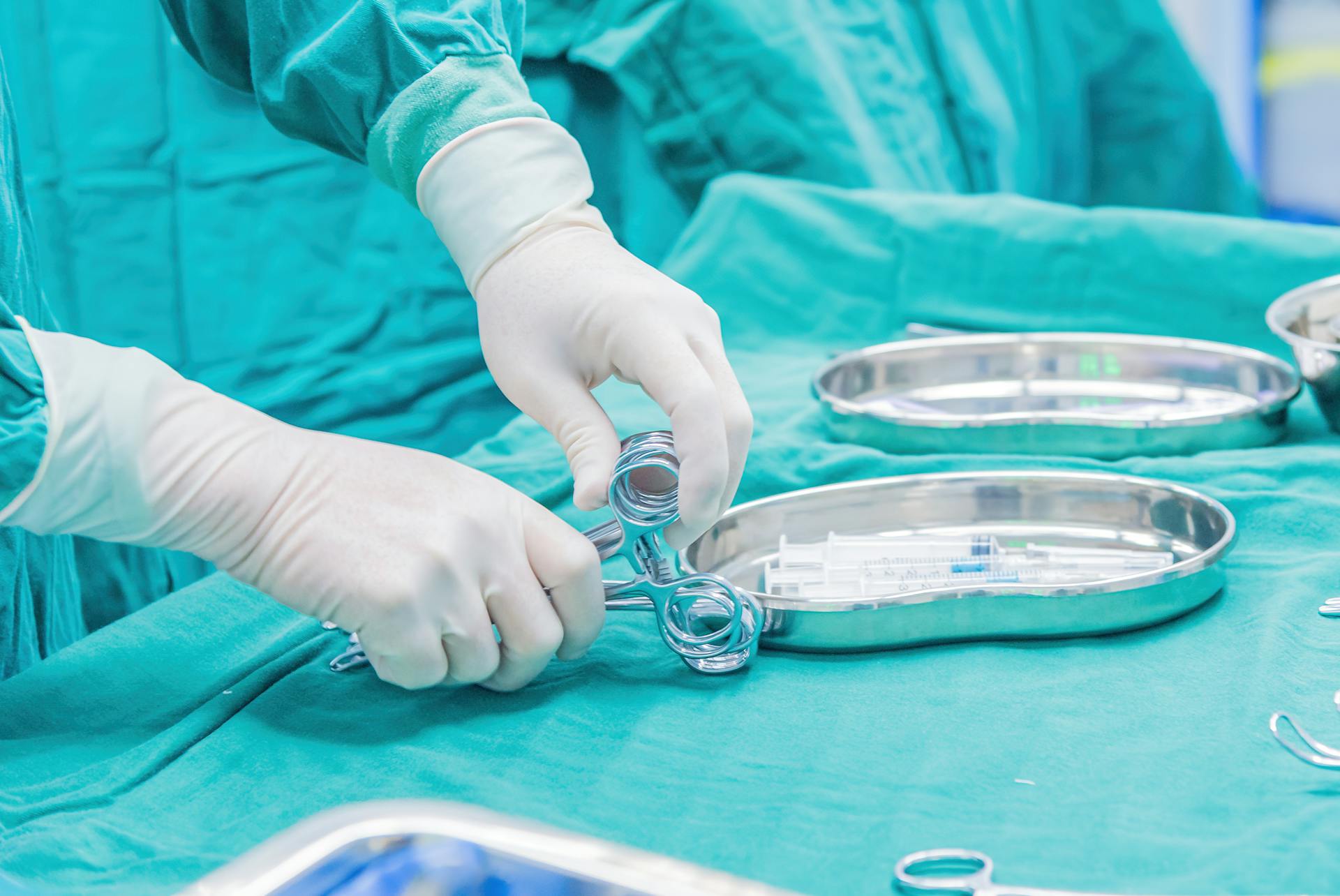
Neutering is usually performed to prevent breeding, unwanted behavior, or future medical problems. It can also be used to treat certain reproductive diseases, such as pyometra and testicular torsion.
Laser surgery offers several benefits, including reduced risk of infection and less post-operative pain and swelling. This is because it can provide better hemostasis and visibility of the surgical field.
The procedure for castrating a male animal involves removing the testicles. Different techniques are used depending on the type of animal, such as ligation of the spermatic cord or crushing the cord with a specialized instrument.
Neutering can also be performed as an emergency procedure to treat ovarian, uterine, and testicular cancer. It's also recommended in cases of cryptorchidism to prevent torsion and malignant transformation of the testicles.
Caesarean Section
Caesarean sections are commonly performed in dogs, cats, horses, sheep, and cattle.
Some animals are more prone to needing a Caesarean section, such as certain dog breeds like Bulldogs, due to the size of the puppy's head relative to the birth canal.
This surgery is usually done as an emergency procedure due to difficulties in the birthing process.
Bulldogs often require a Caesarean section because their puppies' heads are relatively large compared to the width of the mother's birth canal.
Dental
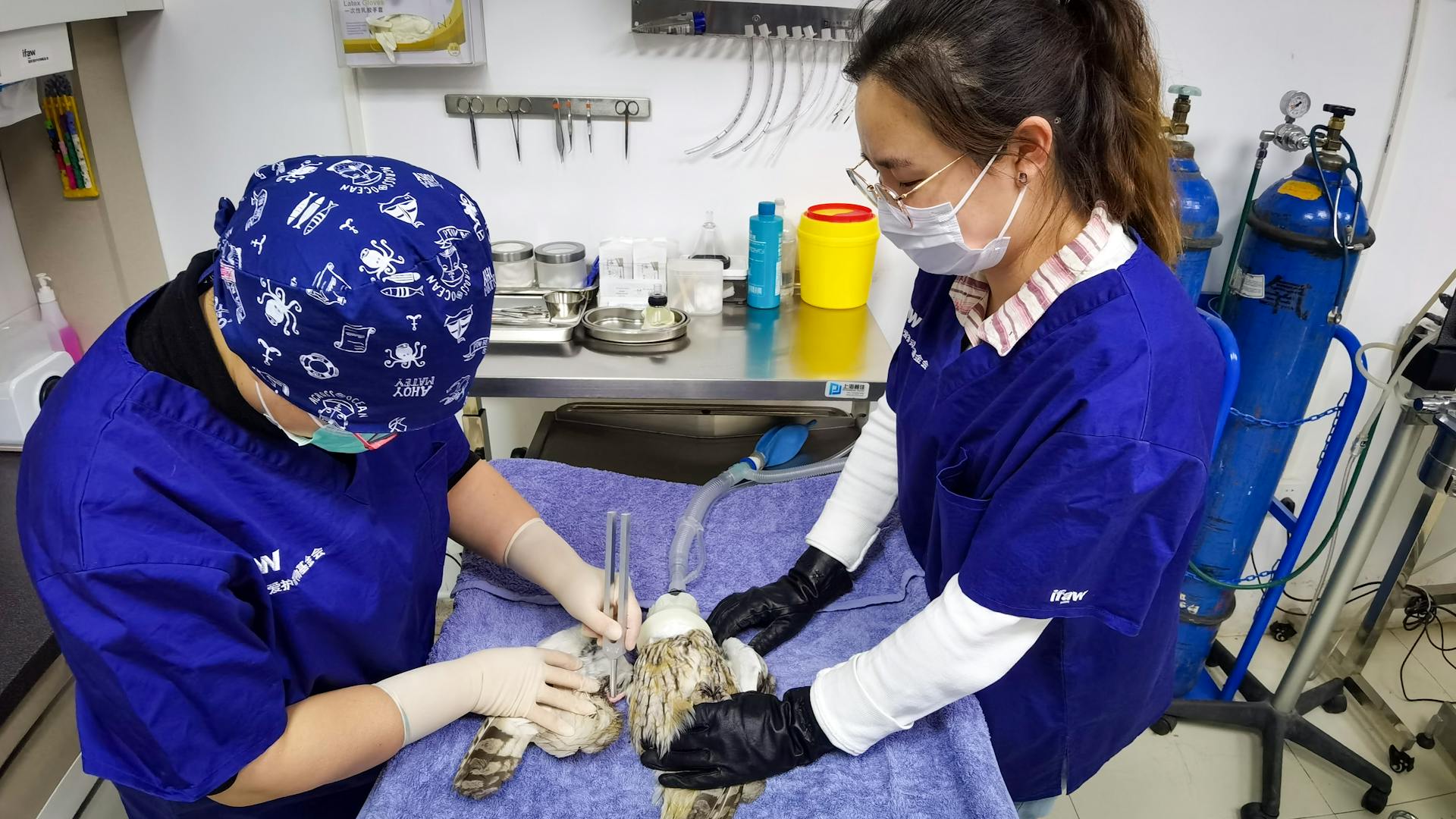
Dental surgeries are a crucial part of animal care, and they can vary depending on the type of pet. Horses, for example, often require floating, which involves grinding down uneven teeth edges and removing wolf teeth.
Dogs, on the other hand, need dental prophylaxis to remove tartar and treat periodontal disease, often performed under anesthesia. This procedure can also include extracting abscessed or broken teeth, deciduous teeth, or treating gingival hyperplasia and epulides.
Cats require dental prophylaxis as well, similar to dogs, but also need treatment and extraction of teeth with feline odontoclastic resorptive lesions (FORLs).
Pre-Surgical and Post-Surgical Care
Before undergoing a veterinary surgery, it's essential to consider the pet's medical history. This includes reviewing their previous health issues, allergies, and any medications they're currently taking. Your veterinarian will also evaluate the pros and cons of the specific surgical procedure.
To ensure the pet's safety and comfort, your veterinarian will perform a physical examination and run some blood tests. These include a complete blood test report to check platelet levels, a hematocrit test to determine if the pet is anemic, and a urine specific gravity test to evaluate kidney function.
Here are the necessary steps to consider for pre-surgical care:
- Evaluation of the pros and cons of the specific surgical procedure
- Review of the pet's medical history
- Physical examination of the pet patient
- Complete blood test report to check if the platelets are sufficient for clotting
- Hematocrit test to find out if the pet patient is anemic
- Urine Specific Gravity (USG) test evaluates the kidneys' proper functioning and urine concentration
- Blood Urea Test (BUT) to determine the kidney's health condition
- Determination of the appropriate amount and dosage of anesthesia for the pet patients
- Ensure proper sterilization of the room to prevent cross-infection and contamination
- Use hand gloves, sterile gowns, and masks before entering the operation theatre
- Use sterilized and well-packed surgical instruments before starting the veterinary procedure
After the surgery, it's crucial to provide proper post-surgical care to ensure a smooth recovery. This includes administering food, water, and medication as directed by your veterinarian, as well as carefully changing bandages and monitoring for signs of infection.
Pets Pre-Surgical Instructions
When you're preparing your pet for surgery, it's essential to follow some general guidelines to ensure their safety and comfort.
Follow the recommended drinking and feeding routine provided by your doctor.
To prepare your pet for surgery, it's crucial to establish a routine for feeding and drinking. For example, your doctor may advise you to feed your pet only until the morning of the surgery.
Don't feed your pet before the surgery day, as this can cause complications.
The recommended drinking routine is also crucial, and your pet should only be allowed to drink until the morning of the surgery.
Consider reading: Doctor of Veterinary Medicine Symbol
Try your best to arrive on time for the surgery, as any delay can be costly for both your pet and the doctor.
In case of any issues or concerns, don't hesitate to contact the hospital for guidance on pre-surgical care.
Be vigilant and follow all the instructions provided by the surgeon, and remember to call the hospital if you have any questions or concerns.
For your interest: Banfield Pet Hospital Drop off Form
Post-Surgical Follow-Up Procedures
As you're caring for your pet after surgery, it's essential to keep a close eye on their behavior and physical condition. You may need to pick them up on time if you have to leave urgently.
During routine checkups, pets can quickly return home after waking from anesthesia. This is usually a good sign, but it's still crucial to monitor their behavior closely.
Veterinarians might keep the pet patients under observation for 24 hours or even much longer in emergency procedures. This is a normal part of the recovery process.
See what others are reading: Veterinary Behavior Specialist
To ensure your pet's smooth recovery, you'll need to administer food, water, and medication properly. This will help them get the nutrients they need to heal quickly.
You should also be careful and regular in changing bandages, as this helps prevent infection. In fact, prevention of infection of stitches is a top priority during the recovery period.
Here are some key post-surgical care tips to keep in mind:
- Administer food, water, and medication properly.
- Change bandages carefully and regularly.
- Prevent infection of stitches.
- Bring your pet regularly to scheduled appointments.
- Provide a cozy and quiet place for your pet's healing.
- Avoid strenuous activities.
- Monitor your pet's behavior closely, especially in the first 24 hours.
- Closely monitor and maintain the stitches to avoid spreading any potential infection.
- Immediately consult your veterinarian in case of inflammation or swelling of the incision.
By following these tips and being attentive to your pet's needs, you'll be well on your way to supporting their recovery and helping them get back to their normal self.
Wound Repair
Wound repair can be a delicate process, especially when it comes to bite wounds from other animals, which can cause separation of the skin from the underlying tissue and avulsion of underlying muscles.
Bite wounds often require a more thorough approach, including exploration, lavage, and debridement under anesthesia.
Deep puncture wounds are particularly prone to infection, so it's essential to assess them carefully and take prompt action.
Primary wound closure is usually recommended if all remaining tissue is healthy and free of contamination.
Small puncture wounds may be left open, bandaged, and allowed to heal without surgery.
Wounds in sensitive areas, such as the udder and teats of cows, can be more challenging to repair due to difficult access and sensitivity.
Cows may not be able to receive deep anesthesia, making wound repair even more complicated.
Elective and Specialized Procedures
Veterinary surgeries have come a long way, and specialization in surgery is now recognized as one of 22 veterinary specialties in the United States, Canada, and Europe.
To become a board-certified veterinary surgeon, one must undergo a one-year clinical internship program followed by three years of intensive training in a residency program under direct supervision of board-certified veterinary surgeons.
These surgeons perform a large number of surgical procedures in various categories, including abdominal surgery, arthroscopic surgery, and urogenital surgery. They must also pass a rigorous certification examination to become members of the American College of Veterinary Surgeons or European College of Veterinary Surgeons.
For another approach, see: Royal Veterinary College
Some elective procedures, such as declawing in cats and tail docking in dogs, have been controversial among breeders, veterinary organizations, and animal welfare scientists.
In the United States, declawing is typically performed to prevent property damage in house cats, but may also be performed in purebred dogs to meet certain show requirements.
Some of the most common elective procedures are as follows:
- Dental extractions
- Spay surgery
- Neuter surgery
- Benign skin growths
Minimally Invasive
Minimally invasive procedures are a game-changer for patients who want to minimize recovery time and discomfort. These procedures inflict a minimal amount of pain and tissue trauma.
One of the biggest advantages of minimally invasive procedures is that they allow for faster recovery than traditional methods. This is especially important for patients who need to get back to their daily lives quickly.
For example, minimally-invasive procedures can be performed with a minimal amount of tissue trauma, which reduces the risk of complications and scarring.
On a similar theme: What to Expect after Pyometra Surgery in Dogs
Elective Procedures
Elective Procedures are not only common but also beneficial for our furry friends. They ensure a healthy lifestyle and prevent potential infections and diseases.
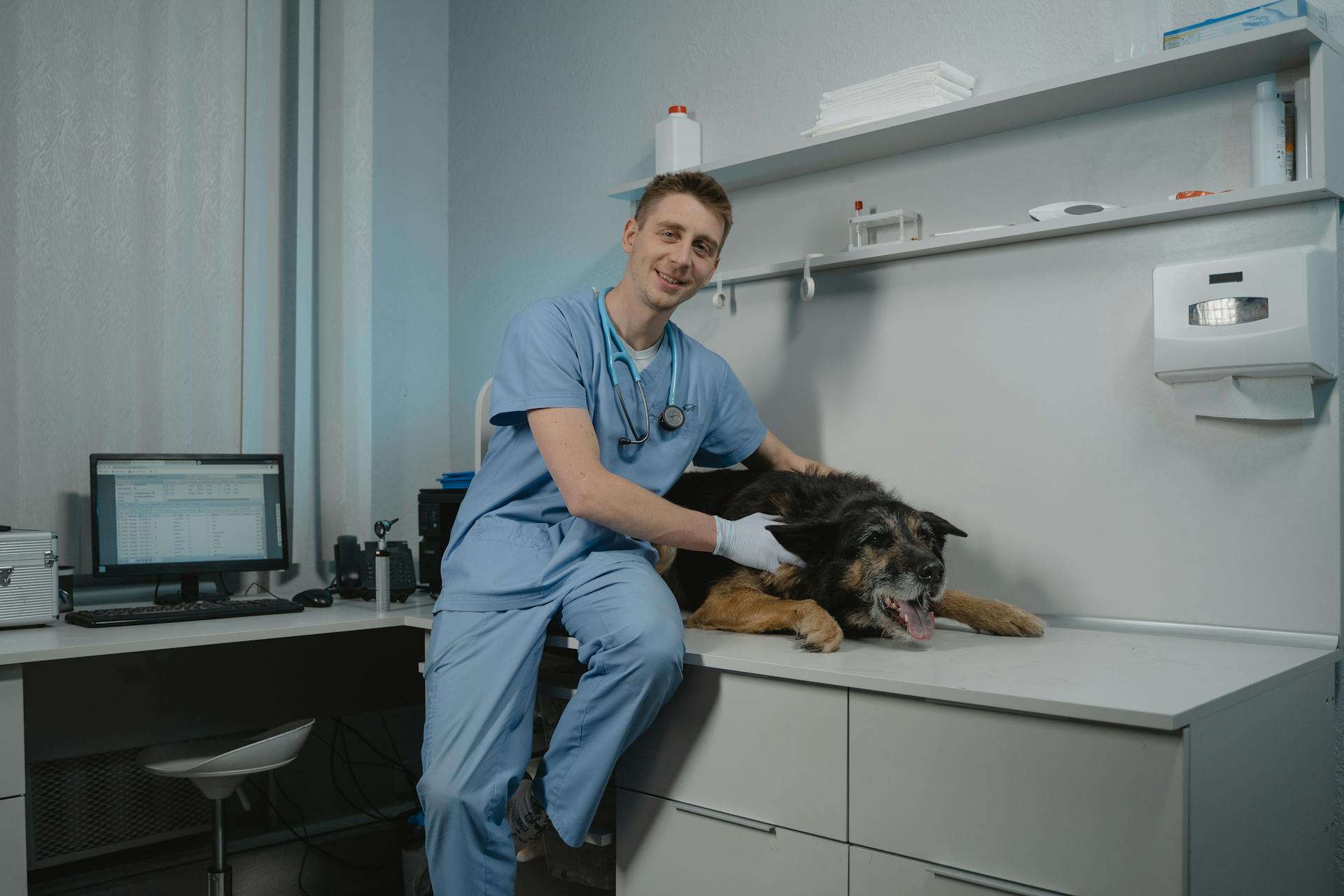
Some of the most common elective procedures include dental extractions, spay surgery, and neuter surgery. These procedures are often performed to prevent health issues and ensure our pets live happy and healthy lives.
Declawing in cats is another example of an elective procedure, typically performed to prevent property damage in house cats. However, this procedure has been controversial among breeders and animal welfare scientists due to differing opinions on techniques and methods.
Here are some common elective procedures:
- Dental extractions
- Spay surgery
- Neuter surgery
- Benign skin growths
It's essential to note that these procedures are not urgent but are beneficial for our pets' health and well-being. A thorough analysis by a veterinary surgeon is necessary to determine the best course of action.
Veterinary Care and Consultation
Before scheduling a veterinary surgery, it's essential to consider crucial information about your pet's health. This includes evaluating the pros and cons of the specific surgical procedure, reviewing your pet's medical history, and conducting a thorough physical examination.
To ensure your pet receives top-notch care, veterinarians will also review lab test results, such as complete blood tests and hematocrit tests, to check for platelet and anemia levels. Additionally, urine specific gravity and blood urea tests may be performed to assess kidney function.
Here are some key factors to consider when preparing for a veterinary surgery consultation:
- Fasting requirements for your pet, if necessary
- Listing of your pet's medications
- Previous laboratory tests and radiographs
- Discussion of treatment options and next-step recommendations
- Need for advanced testing, such as CT scans or ultrasounds
Cardiology
Cardiology is a vital part of veterinary care, and there are several common procedures used to treat heart problems in animals. Balloon valvuloplasty is a minimally invasive procedure that can alleviate pain symptoms from cardiac problems such as pulmonic, mitral, and tricuspid stenosis.
This procedure involves putting a balloon-like object inside the animal's heart, which inflates and deflates to reduce harmful effects from obstructed heart valves. The goal is to create a smoother blood flow throughout the body.
Complications can occur if the animal's body rejects the balloon, forming a life-threatening allergic reaction. It's essential for pet owners to discuss the risks and benefits of this procedure with their veterinarian.
Centesis is another procedure used to manage congestive heart failure in animals. It involves the removal of fluid from the body to prevent tumors from growing around the heart. Animals typically undergo this procedure without anesthesia, as it causes little pain.
Veterinarians use catheters and needles of various sizes to puncture into the thoracic cavity, and then use a syringe suction or vacuum to remove the fluid. Post-operatively, swelling might occur around the thoracic cavity or appear bruised, but this is normal and rarely discomforting to the animal.
Devive Embolization of Persistent Ductus Arteriosus (PDA) is a procedure used to treat PDA, a condition caused by abnormal blood flow from right to left inside the heart. This can lead to left-sided congestive heart failure in patients.
To treat PDA, coils are placed inside the ducts of the heart, which embolize into the pulmonary arteries. The ACDO device and the procedure itself are relatively inexpensive, making it an accessible option for pet owners.
Working with Your Veterinarian
Your veterinarian is an essential part of your pet's health, and we work closely with them to ensure your pet receives the best care possible. We will notify your veterinarian about your pet's visit to our surgical service and provide them with treatment and follow-up information to continue your pet's care.
Your veterinarian will need to know your pet's past health record, age, and gender to provide the best possible care. This information will also help us identify potential threats after surgery.
You should also expect to discuss potential complications associated with the surgical procedure with your veterinarian. It's essential to have an open and honest conversation about your pet's health and any concerns you may have.
Here are some key factors to consider when discussing your pet's surgery with your veterinarian:
• Past health record of the pet
• Age and gender of the animal
• Potential threats after the surgery
• Recovery possibilities after surgery
• Healing time and physical therapy duration
Your veterinarian will work with you to develop a treatment plan that's tailored to your pet's specific needs. By following their recommended guidelines, you can help ensure your pet has a smooth and successful recovery.
Related reading: Pet Care & Surgery Center
How to Provide Excellent Care for Pet-Patients?
Before making any surgical decisions for your furry friend, it's essential to consider crucial information. This includes evaluating the pros and cons of the specific surgical procedure, reviewing the pet's medical history, and conducting a thorough physical examination.
A complete blood test report is also necessary to check if the platelets are sufficient for clotting, and a hematocrit test to determine if the pet patient is anemic. Additionally, urine tests like Urine Specific Gravity (USG) and Blood Urea Test (BUT) can help evaluate the kidneys' proper functioning and health condition.
Here are the key tests and evaluations to consider before surgery:
- Evaluation of the pros and cons of the specific surgical procedure.
- Review the pet's medical history.
- Complete blood test report to check if the platelets are sufficient for clotting.
- Hematocrit test to find out if the pet patient is anemic.
- Urine Specific Gravity (USG) test evaluates the kidneys' proper functioning and urine concentration.
- Blood Urea Test (BUT) to determine the kidney's health condition.
To ensure the pet's safety and comfort during surgery, proper sterilization of the room is also crucial. This includes using hand gloves, sterile gowns, and masks before entering the operation theatre, and using sterilized and well-packed surgical instruments.
Remember, the pet owner's involvement is also vital in the post-surgical care process. They should be informed about the possible complications associated with the operational procedure and the recovery possibilities after surgery. This includes discussing the pet's past health record, age, and potential threats after the surgery.
Anesthesia and Surgery
Anesthesia in animals has many similarities to human anesthesia, but some differences as well. Local anesthesia is primarily used for wound closure and removal of small tumors.
Lidocaine, mepivacaine, and bupivacaine are the most commonly used local anesthetics used in veterinary medicine.
Sedation without general anesthesia is used for more involved procedures. Sedatives commonly used include acepromazine, hydromorphone, midazolam, diazepam, xylazine, and medetomidine.
α2agonists like xylazine and medetomidine are especially useful because they can be reversed. Xylazine by yohimbine and medetomidine by atipamezole.
General anesthesia is commonly used in animals for major surgery. Animals are often premedicated intravenously or intramuscularly with a sedative, analgesic, and anticholinergic agent.
Dogs and cats commonly receive thiopental (no longer allowed in the UK), ketamine with diazepam, tiletamine with zolazepam (usually just in cats), and/or propofol. Alfaxalone is a steroid anaesthetic used in many practices in the UK to induce anaesthesia in cats and sometimes dogs.
If your pet is given anesthesia, it's essential to consider their medical history, age, and gender when deciding the sedative dosage.
Here are some normal reactions your pet may experience after anesthesia:
- They may feel dizzy and numb for 2-3 hours after the anesthesia injection.
- They may sleep for more than 24 hours after receiving the anesthesia.
- They might not be fully active and respond after the anesthesia, which is normal.
- Your pet might need extra care and support in the initial hours right after the surgery to maintain balance.
Frequently Asked Questions
What is the highest paid veterinary surgeon?
The highest paid veterinary specialty is Ophthalmology, requiring additional 2-3 years of study and an intensive exam after vet school.
What are the common surgeries in cattle?
Common surgeries in cattle include DA correction, C-sections, laceration repairs, exploratory abdominal surgery, and Caslick's procedures. These operations help address various health issues and injuries in cattle.
What are the common operations on dogs?
Common operations on dogs include spaying/neutering, orthopedic surgeries, tumor removal, gastrointestinal procedures, and dental treatments. These procedures help maintain a dog's health and well-being, but it's essential to consult a veterinarian to determine the best course of action for your furry friend.
Featured Images: pexels.com