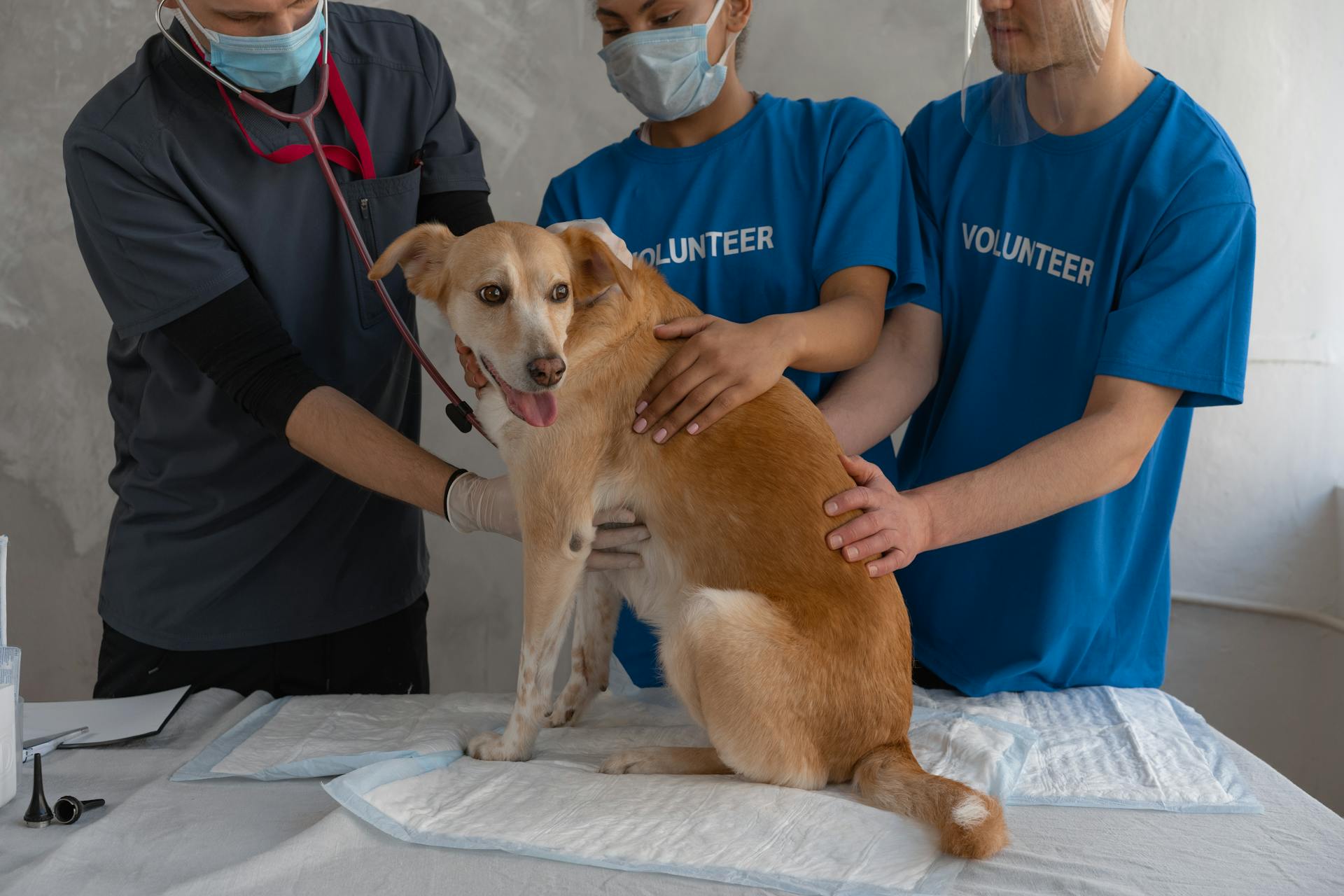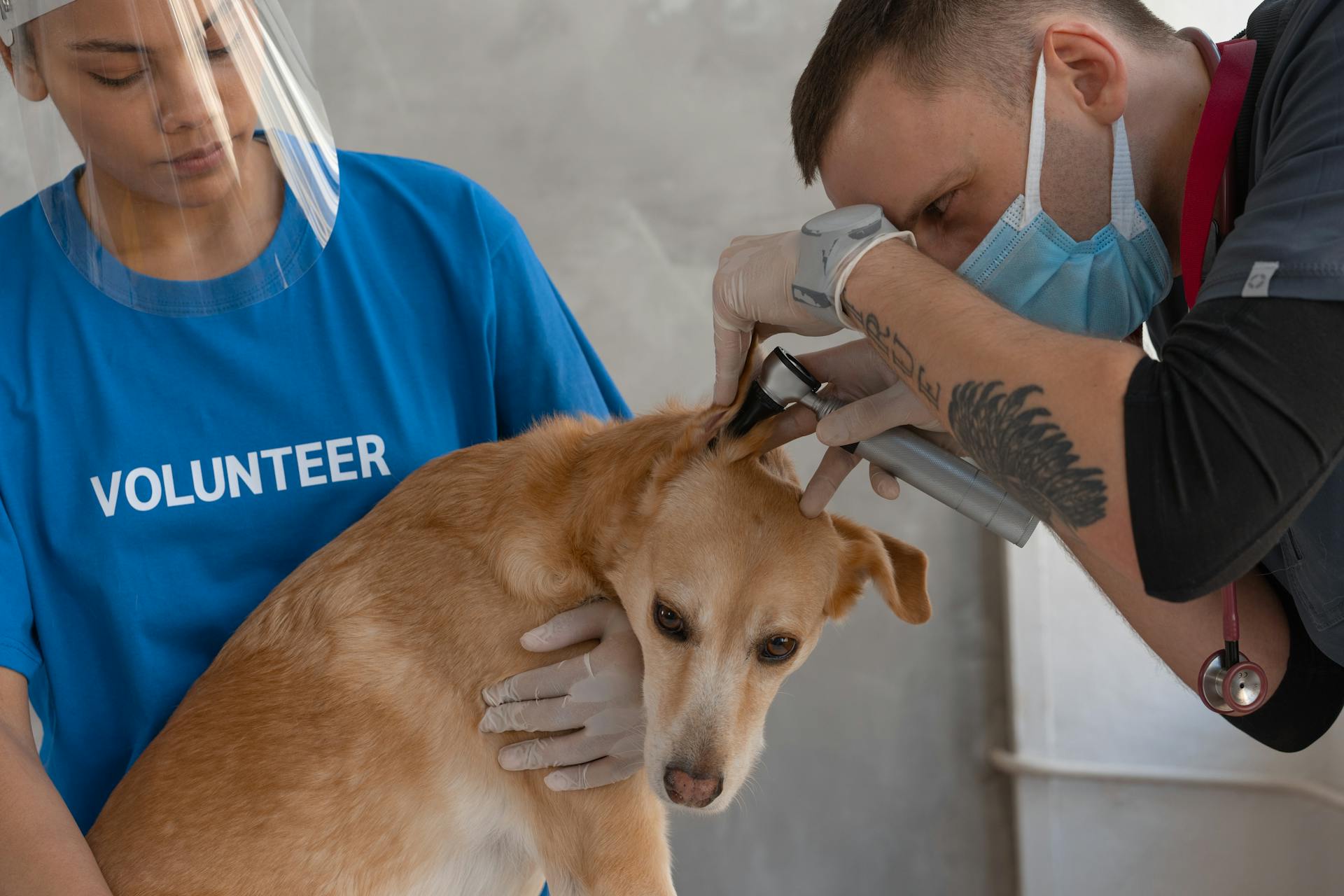
Veterinary technicians play a vital role in the healthcare of animals, working closely with veterinarians to diagnose and treat a wide range of medical conditions. They are trained professionals who can perform a variety of tasks, from taking x-rays and drawing blood to assisting with surgeries.
In fact, studies have shown that veterinary technicians can perform up to 75% of the tasks currently performed by veterinarians. This means that by utilizing veterinary technicians to their full potential, veterinary clinics can increase their efficiency and productivity.
By doing so, clinics can also reduce costs and improve patient care. For example, a study found that clinics that utilized veterinary technicians more effectively had a 25% lower rate of staff turnover. This is likely due to the fact that veterinary technicians are able to take on more responsibilities, reducing the workload of veterinarians and other staff members.
The Problem
Veterinary technicians are often underutilized in veterinary practices, with many relegated to administrative or maintenance tasks rather than medical procedures they're trained for. This means veterinarians are left to handle routine tasks like drawing blood or administering medication.
On average, only about 30 percent of vet techs are utilized to their fullest potential, according to Yagi, who conducted workshops in clinics and hospitals to assess the situation. This leaves a significant gap in the utilization of these skilled professionals.
Veterinarians are the ones who can diagnose, provide a prognosis, prescribe treatment, and perform surgery, but vet techs can do everything else, including assessing patients, contributing to treatment plans, administering anesthesia, and monitoring patients.
Causes and Factors
In Yagi's experience, there are several reasons for the underutilization of vet techs. One major cause is a lack of clear communication between veterinarians and veterinary technicians, leading to misunderstandings about roles and responsibilities.
Veterinary technicians often find themselves performing tasks that are not within their scope of practice, which can be frustrating and demotivating. Yagi's experience suggests that this can lead to underutilization of their skills and expertise.
Many veterinary clinics and hospitals struggle with inefficient workflows, which can result in vet techs being underutilized. This can be due to a lack of standardization in procedures or inadequate training for staff.
In Yagi's experience, the lack of clear expectations and goals can also contribute to underutilization of vet techs. Without a clear understanding of what is expected of them, vet techs may not feel confident in their abilities or know how to contribute to the team effectively.
Solutions and Strategies
Develop a team-based approach where veterinary technicians are trusted to perform routine diagnostics and treatments, allowing veterinarians to focus on complex treatment plans. This can significantly increase practice efficiency and improve job satisfaction for both doctors and technicians.
Veterinary technicians can perform tasks such as pre-surgical preparations, conducting follow-up exams, and triaging cases, freeing up veterinarians to focus on more critical tasks. By delegating these tasks, veterinarians can see more patients and increase practice profitability.
Good utilization of veterinary technicians leads to better patient care, job satisfaction, and fulfillment, as well as increased practice profitability. With better business efficiency, veterinarians can see more patients while the nursing team takes care of the treatment plan, resulting in a significant amount of potential revenue.
Consider reading: Selling Your Veterinary Practice
Optimize Workflow
Efficient workflow is key to a successful veterinary practice. AAHA's guidelines stress the importance of efficient technician/doctor workflows.
Veterinary technicians often handle time-consuming tasks that could be better delegated to allow veterinarians to focus on diagnostics and complex treatment plans. Effective delegation can significantly increase practice efficiency and improve job satisfaction for both doctors and technicians.
Additional reading: Veterinary Practice Brokers
Developing a team-based approach can help. This means trusting veterinary technicians to perform routine diagnostics and treatments while the doctor focuses on "doctor" duties. For example, veterinary technicians can perform detailed patient histories or initial wound cleaning, enabling the veterinarian to move directly into treatment.
Good utilization of veterinary technicians can have a positive impact on patient care, job satisfaction, and practice profitability. On average, a vet tech has a workspan of five to seven years, and people want a meaningful job where they can help animals and get really good at it.
By allowing vet techs to work to their full capacity, practices can see more patients and increase profitability. Doctors can see more patients while the nursing team takes care of the treatment plan, freeing up time for more complex procedures.
Involving veterinary technicians in decision-making processes can also boost morale and team cohesion. By inviting them to staff meetings and listening to their input, practices can empower them to contribute ideas and address challenges. This can lead to a more collaborative and innovative practice environment.
For your interest: Veterinary Technologist Job Description
Advanced Skills Training and Certification
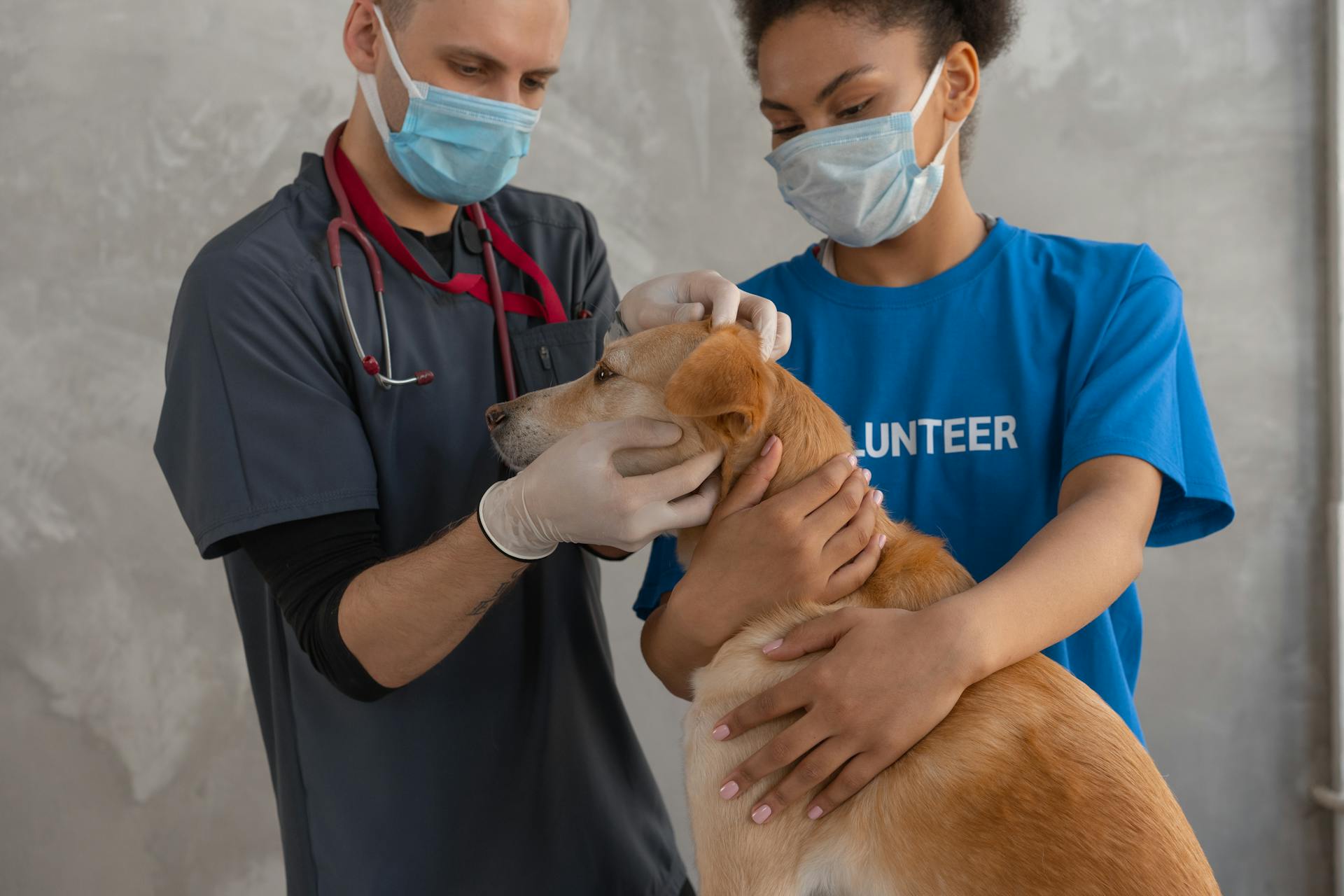
Encouraging veterinary technicians to obtain advanced skills training or certification can bring significant value to a practice. This requires investment in terms of time, money, and moral support from the practice.
Setting up a continuing education (CE) fund can be a great way to support veterinary technicians in their pursuit of advanced skills training. Allowing flexibility in schedules to attend certification programs or workshops is also a good idea.
Establishing in-house training sessions led by experienced veterinary technicians or veterinarians can be a fantastic way to enhance veterinary technicians' skills. These sessions can cover areas like anesthesia monitoring, laboratory techniques, or client communication.
By valuing veterinary technicians' professional growth, you increase their commitment to the practice. This shows that their skills and knowledge are important to the practice, which can lead to increased job satisfaction and reduced turnover rates.
Intriguing read: Certified Veterinary Technician Programs
Guidelines and Standards
The American Association of Bovine Practitioners (AABP) created the "AABP Guideline for Credentialed Veterinary Technicians in Bovine Practice" to provide guidance on delegating tasks to veterinary technicians in bovine practice. This guideline includes a task list with a supervision level section indicating the required level of supervision for each task.
Suggestion: Veterinary Practice Transitions
The AABP guideline ranges from "CVT indirect supervision" to "veterinarian only", allowing veterinarians to delegate tasks to veterinary technicians effectively. The AAEVT guidelines for equine veterinary technicians also provide a framework for utilizing veterinary technicians in equine practice.
The AAEVT guidelines are based on the 2023 American Animal Hospital Association's (AAHA) Technician Utilization Guidelines and were developed in collaboration with the American Association of Equine Practitioners (AAEP). The guidelines contain three proficiency levels with lists of procedures that can be performed by veterinary technicians at each level.
Here's a breakdown of the three proficiency levels in the AAEVT guidelines:
- Level 1: Basic procedures such as taking vital signs and administering medications.
- Level 2: Intermediate procedures like performing minor surgeries and conducting diagnostic tests.
- Level 3: Advanced procedures like performing complex surgeries and interpreting lab results.
Variation in Credentialing
Variation in credentialing requirements from state to state affects utilization. Some states have minimal or no requirements for veterinary technicians, which can lead to a lack of differentiation between credentialed and non-credentialed technicians.
In some states, technicians must have formal education and pass a board exam to become licensed, registered, or certified. This is not the case in other states, where the requirements are less stringent.
For more insights, see: Requirements to Be a Veterinary Technician
The lack of differentiation makes it difficult for educated and credentialed vet techs to work at the highest level. They are often regarded the same as someone with no education or training.
A veterinary technician can look very different depending on the state. In some states, there is a clear distinction between credentialed veterinary technicians and veterinary assistants in what they are allowed to do.
Client Education Protocols
Client education is a crucial aspect of veterinary care, and assigning responsibilities to veterinary technicians can significantly improve client understanding and compliance. According to AAHA, allowing veterinary technicians to lead client education can make a big difference.
Veterinary technicians often spend more time with clients than doctors, making them ideal candidates to explain diagnoses, treatment plans, and follow-up care in detail. This can help clients feel confident in their pet's care plan.
Create specific protocols that assign client education responsibilities to veterinary technicians in areas like preventive care, nutrition, and post-operative instructions. By doing so, you can reduce the time doctors spend answering routine questions.
Curious to learn more? Check out: Veterinary Technician Free Ce
Veterinary technicians can explain the importance of heartworm prevention or guide clients on how to administer medication at home. This role can also build stronger bonds between veterinary technicians and clients, fostering trust and loyalty.
By positioning veterinary technicians as client educators, you not only enhance the client experience but also give them a sense of ownership and responsibility.
You might like: Banfield Pet Hospital Client Service Coordinator
Aabp Guidelines for Cows
The AABP Guidelines for Cows provide a framework for bovine veterinarians to delegate tasks to credentialed veterinary technicians, also known as CrVTs. This delegation can speed up animal care and benefit everyone involved.
The guidelines contain a task list outlining common tasks and procedures in bovine medicine, such as different anesthesia administration methods and surgical procedures. These tasks are categorized by supervision level, ranging from "CVT indirect supervision" to "veterinarian only."
Recognizing veterinary technicians as veterinary professionals and providing them with tasks within their scope of practice can enhance retention and generate more revenue per doctor. This is because veterinarians can perform more profitable procedures during their newfound time, and CrVTs can receive a higher wage.
The AABP is also permitting veterinary technicians to join the association, which is a step towards recognizing their importance in the field.
Related reading: Laboratory Procedures for Veterinary Technicians
Leadership and Roles
Defining and elevating veterinary technician roles is a crucial step in utilizing their skills effectively. According to AAHA, many veterinary technicians report that their skills are underused, often limited to tasks they could have performed with minimal training.
Clear job descriptions that reflect the full scope of a technician's training and skills can help change this. These descriptions should cover advanced tasks like anesthesia monitoring, dental cleaning, and obtaining ultrasound images.
Evaluating and updating job descriptions can help veterinarians focus on diagnostic results and treatment planning. This allows them to work more efficiently and provide better care for patients.
Veterinary technicians can take on specialized tasks based on their interests or skills, which can enhance their commitment to the practice and improve care quality.
Leadership roles can be associated with veterinary technicians. AAHA's guidelines encourage practices to consider veterinary technicians for supervisory or training positions.
Veterinary technicians bring unique insights and experiences that can be highly beneficial in overseeing certain practice functions, such as managing inventory or coordinating shifts.
Take a look at this: Veterinary Assistant Skills
Creating positions that encourage veterinary technicians to climb toward success and continued professional growth can improve practice operations. These roles can oversee team coordination, act as liaisons between staff and management, and ensure that protocols are followed across the board.
By recognizing technicians as leaders, you can create clear career growth opportunities, which can increase technician retention.
Positive Aspects
Proper utilization of credentialed veterinary technicians brings better patient care to the practice. This is due to the fact that credentialed vet techs are trained to perform the veterinary nursing care role, allowing veterinarians to see more patients.
Veterinary technicians who utilize their skill sets and grow in their career enjoy better job satisfaction. Studies have shown that credentialed veterinary technicians are more likely to be retained in their positions, which can lead to a more stable and productive team.
The workload of veterinarians can be alleviated by credentialed veterinary technicians, allowing them to have a more manageable shift and work schedule. This leads to a better work-life balance for veterinarians, which can have a positive impact on their overall well-being.
Increased practice revenue has been demonstrated in studies where credentialed veterinary technicians are on staff and utilized. This highlights the significant contribution that veterinary technicians can make to the success of a veterinary practice.
You might like: How Is a Veterinary Technician Work Environment
Expert Insights
Veterinary technicians play a crucial role in the success of veterinary clinics, handling tasks such as administering medications and collecting lab samples.
According to the American Animal Hospital Association, veterinary technicians are responsible for performing over 75% of the tasks in a veterinary clinic, freeing up veterinarians to focus on more complex cases.
The increasing demand for veterinary care has led to a shortage of veterinary technicians, with a predicted shortage of over 15,000 by 2025.
Veterinary technicians are in high demand, with the Bureau of Labor Statistics predicting a 19% growth in employment opportunities between 2020 and 2030.
Veterinary clinics that utilize veterinary technicians effectively are more likely to have better client satisfaction, with 80% of clinics reporting improved client relationships.
The key to effective veterinary technician utilization lies in creating a well-structured workflow, with tasks delegated to the technician based on their skills and expertise.
Future Directions
Veterinary technology programs are taking steps to prepare students for careers in large animal care, such as bovine and equine medicine.
J. David Sessum, program manager for the Veterinary Science Certificate Program at Texas A&M University, notes that these new guidelines will show veterinary technology programs that large animal veterinarians value their students' skills in other species.
Educators can integrate the specific skills desired by bovine practitioners into their curriculum, enabling students to have a better pool of graduates or employees to choose from.
NAVTA is participating in the AVMA's Veterinary Technician Utilization Task Force to improve veterinary technician utilization in the profession.
Veterinary technicians are underutilized in the profession, but efforts are being made to address this issue and bring standardization to the scope of practice defined throughout the nation.
The Veterinary Nurse Initiative aims to bring standardization to the scope of practice, and NAVTA will continue to seek input from its members on important issues like this.
A fresh viewpoint: Skills of a Veterinary Technician
Trust and Overwhelm
Veterinary offices and hospitals are often understaffed and overwhelmed, leading to a chaotic work environment. Many people don't realize the difference between being busy and being utilized.
In this chaotic environment, tasks aren't delegated to the right people, resulting in inefficient workflow. This is because they're trying to get things done, rather than utilizing their staff to their skill level and training.
Trust is also a significant factor in underutilization. Veterinarians may be hesitant to trust technicians with certain tasks due to past bad experiences or concerns about liability.
Trust
Trust is a major hurdle in addressing underutilization, as Yaigi notes that even vets who understand the issue may struggle to decide who to trust with more responsibilities.
Past bad experiences can leave vets hesitant to delegate tasks to others, fearing they'll make another mistake.
Their supervisor's liability for risky procedures adds to the pressure, making it harder for vets to trust others with more work.
This human psychology factor is a significant obstacle to overcome in order to address underutilization effectively.
Overwhelm
Overwhelm is a common issue in veterinary offices and hospitals. They're understaffed and overwhelmed, leaving little time or space to think critically about business operations.
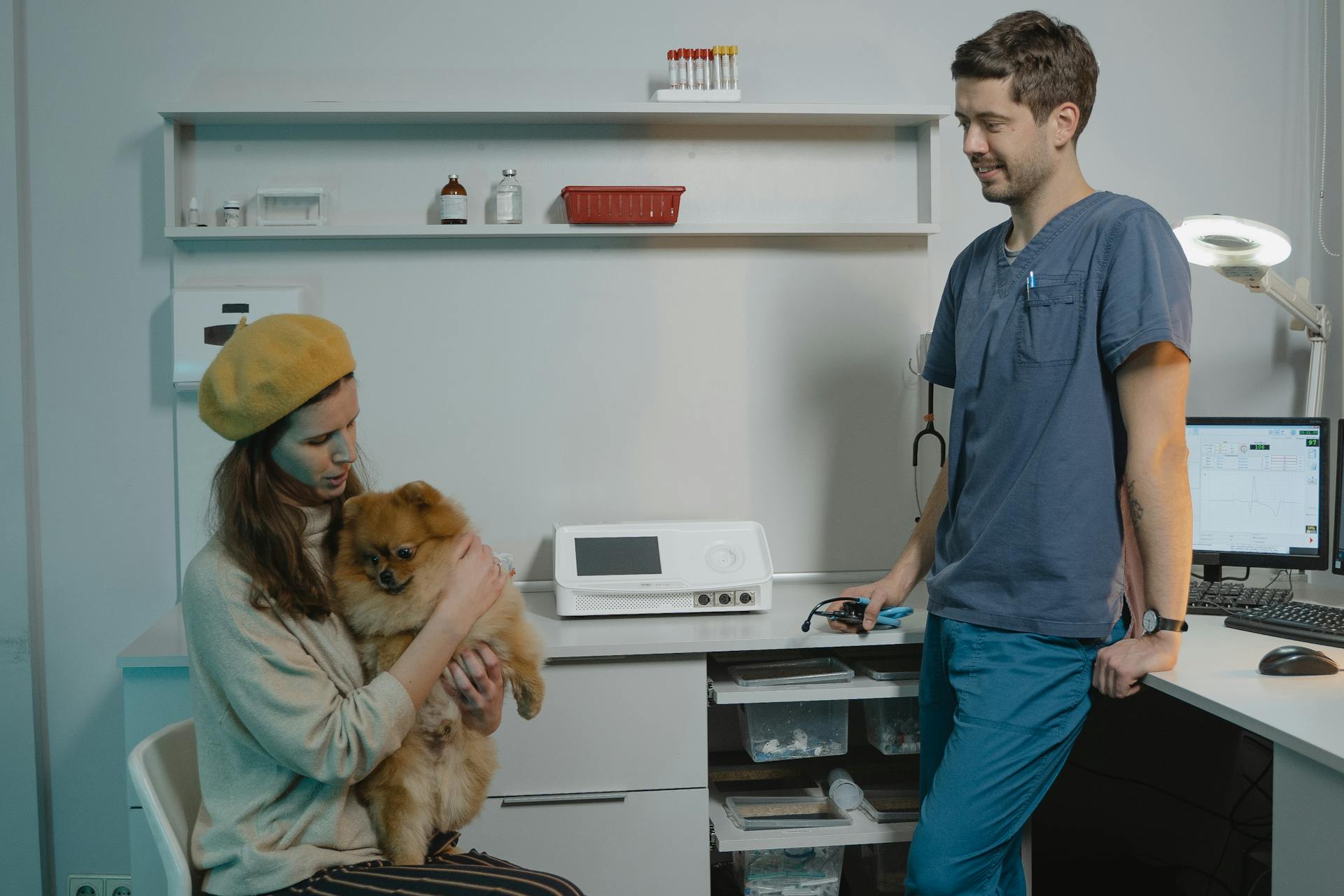
Many veterinary offices are running around crazy trying to get things done, but it's chaotic and not organized. They're doing things in a way that's not efficient.
The right tasks aren't being delegated to the right people, so they're just trying to get things done. This leads to a busy but not utilized workforce.
Veterinary offices and hospitals are often strained with the workload and demand, making it difficult to manage tasks effectively. They're busy, but not necessarily utilized.
If tasks are delegated to the right people, utilizing them to their skill level and training, workflow becomes more efficient. This can help reduce the feeling of overwhelm and improve overall productivity.
Featured Images: pexels.com