Reptile diseases can be a serious concern for reptile owners, but understanding the symptoms can help you catch problems early.
One of the most common reptile diseases is metabolic bone disease, which can cause softening of the bones and other skeletal issues.
Reptile owners should be aware of the signs of metabolic bone disease, including swollen joints, lethargy, and loss of appetite.
A reptile's diet plays a crucial role in preventing metabolic bone disease, and owners should ensure their pets are getting enough calcium and vitamin D3.
In addition to metabolic bone disease, reptiles can also contract respiratory infections, which can cause symptoms such as wheezing, coughing, and discharge from the eyes and nose.
These infections can be caused by bacteria, viruses, or fungi, and can be spread through contact with an infected reptile or contaminated environment.
Reptile owners can help prevent respiratory infections by keeping their pets' enclosures clean and providing a stress-free environment.
Additional reading: Reptiles as Pets
Protozoal and Bacterial Diseases
Protozoal diseases can be a serious threat to reptile health, with Entamoeba invadens being the most serious disease-causing protozoan of reptiles. This parasite can cause loss of appetite and weight, vomiting, mucus-containing or bloody diarrhea, and death in affected reptiles.
Reptiles that are susceptible to this disease include most boas, colubrids, elapids, crotalids, and other vipers. To prevent transmission among reptiles, it's essential to keep turtles and snakes separate and maintain strict sanitation and hygiene measures.
Cryptosporidiosis is another protozoal disease that can affect reptiles, causing regurgitation, marked weight loss, and long-term weakness. This disease is typically diagnosed through tests of the feces or regurgitated food, and treatment often involves intensive supportive care.
Bacterial infections are common in reptiles, particularly those with weakened immune systems. Signs of bacterial infections include swelling, inflammation, and the accumulation of pus in the mouth, which can be a sign of mouth rot.
Intriguing read: What Causes Bone Loss in Your Mouth
Protozoal Diseases
Protozoal Diseases can be devastating for reptiles, and it's essential to understand the risks involved. Entamoeba invadens is the most serious disease-causing protozoan of reptiles.
Plant-eating reptiles seem to be less susceptible to this disease than meat-eating ones. Most turtles are resistant, although giant tortoises are susceptible.
Several reptiles can serve as carriers of this disease, including garter snakes, northern black racers, and box turtles. These carriers can spread the disease quickly in large snake collections.
To prevent transmission among reptiles, it's crucial to keep turtles and snakes separate. This is especially important to avoid the potential for this disease to be passed on to humans.
Cryptosporidiosis is another protozoal disease that affects reptiles, caused by protozoa of various Cryptosporidium species. It can cause regurgitation, marked weight loss, and long-term weakness in snakes.
In snakes, Cryptosporidiosis affects the lining of the digestive tract, causing thickening of the stomach lining and loss of normal digestive motion.
Take a look at this: Digestive System of Reptiles
Bacterial Infections
Bacterial infections are a common issue in reptiles, especially those with weakened immune systems. Most infections occur due to poor nutrition, environmental deficiencies, and sanitation issues.
Recommended read: Types of Cat Eye Infections
Mouth rot is a bacterial infection often associated with malnutrition and a weakened condition, causing swelling, inflammation, and pus accumulation in the mouth, making eating difficult and increasing salivation.
Abscesses result from bacteria settling in the body, causing local swelling and pus formation, which can be thick and rubbery, making it hard to drain. Surgery may be necessary to remove abscesses, and multiple surgeries may be required until the infection is under control.
Reptiles are often treated with antibiotics by injection to combat bacterial infections, but giving these injections can be challenging for some owners due to squeamishness or fear. Fortunately, there is little risk of hurting the reptile when giving an injection.
Septicemic cutaneous ulcerative disease (SCUD) is a bacterial infection that causes pitted scutes, sloughing, and purulent discharge in aquatic turtles, often accompanied by anorexia, lethargy, and petechial hemorrhages. Good sanitation is crucial for prevention, and wound debridement and systemic antimicrobials are recommended for treatment.
Salmonella enterica is a common bacterium found in reptiles and should be considered part of their normal gut flora, but handling or treating reptiles requires awareness of the zoonotic nature of these organisms.
Aeromonas and Pseudomonas spp are frequently isolated in reptiles with septicemia, a common cause of death in reptiles, often preceded by trauma, localized infection, parasitism, or environmental stressors. Sanitation and husbandry are essential in decreasing outbreaks.
Worth a look: Dog Upper Respiratory Infection vs Kennel Cough
Viral Diseases
Viral diseases are a significant concern for reptile owners. Inclusion Body Disease, caused by a retrovirus or arenavirus, is a serious condition that affects boas and pythons, leading to loss of appetite, weight loss, and neurologic signs.
The virus can be spread through body fluids, and breeding, fight wounds, and fecal-oral contact are common ways of transmission.
Pythons are more severely affected than boas, with a more extreme course of disease and neurologic signs. Inclusion Body Disease is not curable, and many pet owners choose to euthanize affected snakes.
Some common viral diseases in reptiles include Inclusion Body Disease, West Nile Virus, Adenoviruses, Herpesviruses, Ferlavirus and Nidovirus, and Iridoviruses. These viruses can cause a range of symptoms, from loss of appetite and weight loss to respiratory and neurological signs.
Here's a list of some common viral diseases in reptiles and their symptoms:
- Inclusion Body Disease: loss of appetite, weight loss, neurologic signs
- West Nile Virus: multiorgan necrosis, heterophilic granulomas, heterophilic perivasculitis, and lymphoplasmacytic meningoencephalitis
- Adenoviruses: lethargy, weakness, weight loss, diarrhea, and sudden death
- Herpesviruses: necrosis of oral mucosa, anorexia, regurgitation, and oral and ocular discharge
- Ferlavirus and Nidovirus: respiratory signs, nasal discharge, open-mouth breathing, caseated pus in the oral cavity, and labored breathing
- Iridoviruses: stomatitis, rhinitis, conjunctivitis, tracheitis, edema, and cutaneous abscessation
It's essential to note that some of these viruses can be transmitted through contact with infected animals or contaminated environments, so it's crucial to take proper precautions to prevent the spread of disease.
Viral Diseases

Viral diseases are a significant concern for reptile owners, and it's essential to understand the different types of viruses that can affect these animals. Adenoviruses have been implicated in fatal diseases in numerous reptiles, including snakes, lizards, and crocodilians.
Bearded dragons are particularly susceptible to adenovirus, which can cause lethargy, weakness, weight loss, diarrhea, and sudden death. Fecal/oral contamination is the primary route of transmission, and diagnosis can be challenging due to the vague clinical signs.
Clinical signs of adenovirus infection in bearded dragons are similar to those caused by coccidia and nutritional disorders, making diagnostic confirmation crucial. Intranuclear inclusion bodies are found in several internal organs, primarily the liver, and a liver biopsy can aid in antemortem diagnosis.
Recovered lizards should be quarantined for at least 3 months, and owners should be discouraged from selling or trading previously infected animals due to the unknown duration of viral shedding.
Ferlavirus, a highly contagious virus, causes predominantly respiratory signs in snakes and lizards, with transmission occurring through respiratory secretions. Secondary bacterial infections are common due to the severe inflammation initiated by the virus.
Explore further: Liver Colored Brittany Spaniel
Respiratory signs can include nasal discharge, open-mouth breathing, caseated pus in the oral cavity, and labored breathing. Neurological involvement, including tremors and opisthotonos, is occasionally noted.
Endoscopic biopsies and postmortem samples of lung can be submitted to detect viral particles by histology and electron microscopy. A hemagglutination inhibition test is available to measure antibodies against ophidian paramyxovirus, which can be used as a screening tool to help eliminate infected animals and prevent carriers from entering noninfected collections.
A nidovirus has been reported as a cause of pneumonia and stomatitis in pythons and boas, with detection possible by PCR assay of oral swabs and tracheal washes.
Inclusion body disease, caused by a retrovirus or arenavirus, affects boa constrictors and several species of pythons, with boas being the typical host. The disease is named for the characteristic inclusion bodies found within cells in infected animals.
Signs of inclusion body disease can be related to any factor affecting the immune system, including loss of appetite or weight, secondary bacterial infections, poor wound healing, and regurgitation. Neurological signs, such as facial tics, abnormal tongue flicking, stargazing, twisting of the body, and seizures, can also occur.
You might enjoy: Familial Renal Disease in Animals

The infection is spread through body fluids, with breeding, fight wounds, and fecal-oral contamination being common ways of transferring the virus.
West Nile virus has resulted in epizootic outbreaks in farmed alligators, causing multiorgan necrosis, heterophilic granulomas, heterophilic perivasculitis, and lymphoplasmacytic meningoencephalitis. Very high viremia titers have been reported in various reptiles, suggesting that reptiles may play a role as an amplification host.
Here is a list of viral diseases that can affect reptiles, along with their primary hosts and symptoms:
Herpesviruses
Herpesviruses are a common cause of disease in reptiles, particularly turtles and tortoises. Herpesvirus infections can be associated with hepatic necrosis in freshwater turtles.
Herpesvirus in tortoises can cause necrosis of oral mucosa, accompanied by symptoms like anorexia, regurgitation, and oral and ocular discharge. Treatment for tortoises includes isolation, supportive care, and application of 5% acyclovir to oral lesions.
Herpesviral disease is diagnosed by PCR assay, cytological/histological intranuclear inclusion bodies, and histological demonstration of a host pathological reaction. Herpesvirus infections of farmed green sea turtles have been associated with gray patch disease and lung-eye-trachea disease.
Fibropapillomatosis, caused by chelonid alphaherpesvirus 5, has been reported from free-ranging sea turtles, especially around Hawaii. The route of transmission is not known, but leeches have been implicated as mechanical vectors.
The light gray to black masses caused by fibropapillomatosis can range in size up to 20 cm (8 inches) in diameter. Internal masses also occur, primarily in the lungs, liver, kidneys, and GI tract.
Treatment for fibropapillomatosis consists of surgical removal, with wide margins to help decrease recurrence. Some turtles recover spontaneously, whereas those with internal or ocular lesions usually perish.
Iridoviruses
Iridoviruses are a type of virus that can affect reptiles, including snakes, lizards, and turtles. They can cause a range of symptoms, from none at all to more severe issues like stomatitis, rhinitis, conjunctivitis, and tracheitis.
In some cases, iridoviruses have been linked to progressive anemia in Australian geckos. This is a serious condition that can be life-threatening if left untreated.
Iridoviruses have also been found in chelonians, such as Hermann's tortoises, which can die without showing any prior clinical signs of disease. This highlights the importance of monitoring the health of reptiles, even if they appear to be healthy.
In some cases, the recovered iridoviruses have been closely related to amphibian ranaviruses. This suggests that there may be a connection between the viruses that affect different species of animals.
If you suspect that your reptile has contracted an iridovirus, it's essential to seek veterinary care as soon as possible. Early treatment can help prevent the spread of the virus and reduce the risk of serious complications.
Parasitic Diseases
Internal parasites can cause serious diseases in reptiles. Tapeworms are found in all orders of reptiles but are rare in crocodilians.
Reptiles can also be infected with roundworms, which can inhabit the intestinal tract, respiratory tract, or body wall. These parasites can sometimes be found in the feces and may lead to more serious diseases like pneumonia.
Good sanitation practices can help reduce parasite burdens in captive reptiles. Veterinarians can prescribe anti-parasitic drugs to treat flatworm, tapeworm, and roundworm infections.
Consider reading: Ear Parasites in Cats
Internal Parasites
Internal parasites are a common issue in reptiles, and can cause a range of problems from mild to severe.
Disease-causing flatworms, also known as trematodes, infect the arteries and veins of turtles and the mouth, respiratory system, and urinary system of snakes.
Tapeworms, on the other hand, are found in all orders of reptiles, but are rare in crocodilians. They can be identified by the presence of segments in the cloaca or eggs in the feces.
Roundworms, or nematodes, are also widespread in reptiles, and can inhabit the intestinal tract, respiratory tract, or body wall. They can sometimes be found in the feces.
Some roundworm larvae can penetrate the skin, highlighting the importance of good sanitation practices to remove parasites from the environment.
In severe cases, roundworm infections can lead to pneumonia, and even death. Regular veterinary check-ups can help identify and treat these infections early on.
Veterinarians can prescribe anti-parasitic drugs to treat flatworm, tapeworm, and roundworm infections, making it essential to have a good relationship with a reptile-savvy vet.
Discover more: Can Indoor Cats Get Parasites
Skin Parasites
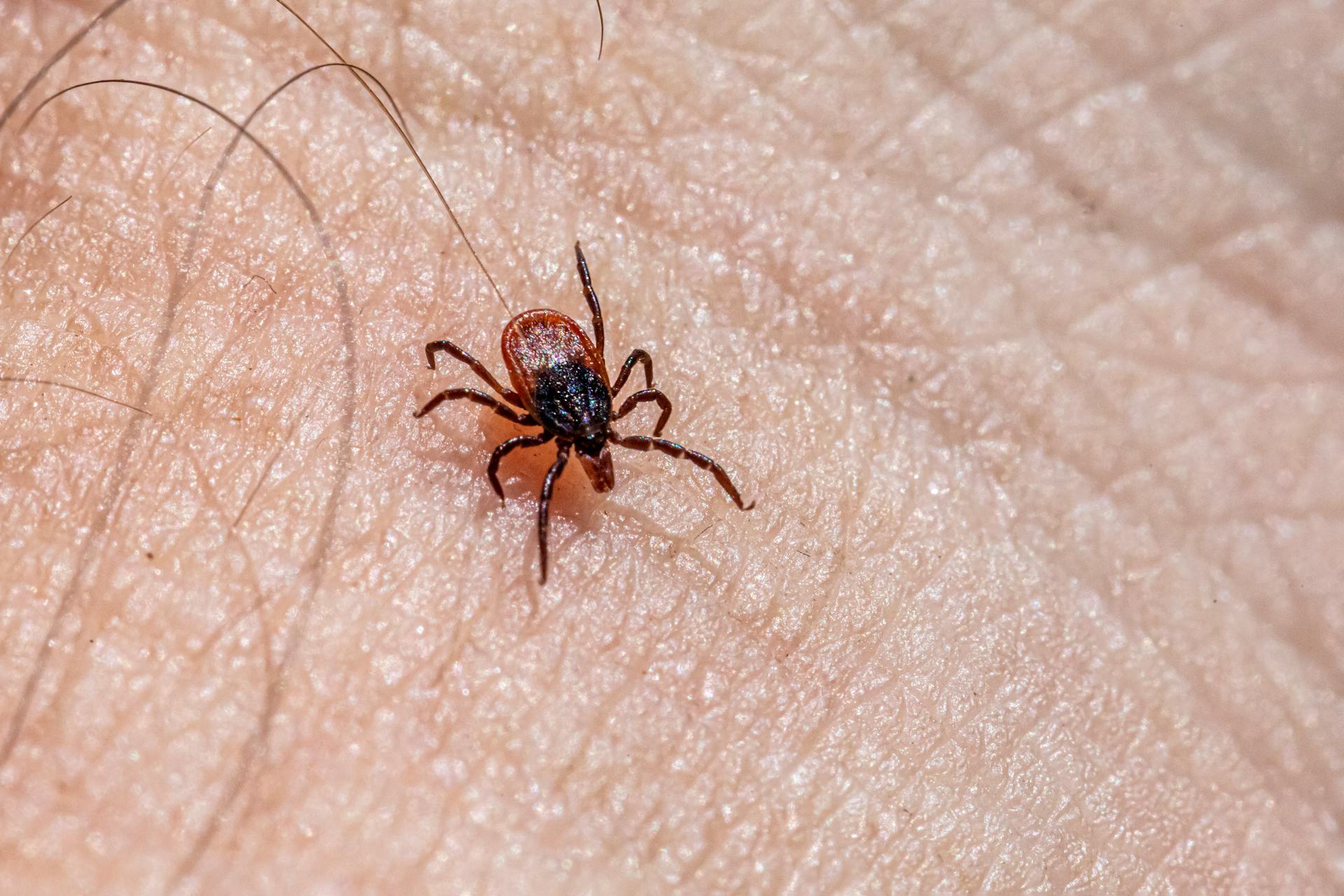
Skin parasites can be found on reptiles, often causing infections and infestations.
Mites are a type of external parasite that can affect reptiles, and they can be found through skin examinations.
Good sanitation practices, such as regularly cleaning the enclosure and providing fresh water, can help prevent skin parasite infestations.
Reptiles suffering from skin parasites may require treatment with specific drugs, which can be determined through examinations and tests.
Fecal examinations can also help identify parasites that may be affecting a reptile's skin or overall health.
A different take: How Do Horses Help Humans Mentally
Cloacitis
Cloacitis is a serious condition that requires aggressive therapy. This can include surgical debridement to clear out infected tissue, as well as local wound treatment to promote healing.
Systemic antimicrobials are also crucial in treating Cloacitis, as they help to combat the underlying infection. Fecal examination should be performed to identify potential parasitic causes.
Radiography may be necessary to identify causes of tenesmus, a symptom of Cloacitis that can be uncomfortable and even life-threatening if left untreated.
Nutritional and Metabolic Diseases
Metabolic Bone Diseases are a common issue in pet reptiles, often caused by a poor diet with the wrong ratio of calcium to phosphorus and a lack of vitamin D3 or poor husbandry.
Rapidly growing plant- and insect-eating lizards, turtles, or tortoises are generally affected, and signs include poor appetite, weakness, and swollen or distorted jaw or leg bones.
Affected reptiles may also experience fractures of the spine or legs, cloacal prolapse, and muscle spasms.
Diagnosis requires x-rays to document generalized loss of bone from the skeleton and blood tests that show low levels of vitamin D and an imbalance of calcium and phosphorus.
Treatment of critical cases requires fluid therapy, nutritional support, and calcium injections if blood levels are too low.
Correction of the diet and husbandry, including provision of UV light to ensure adequate vitamin D is being made in the skin, are the most important parts of successful treatment.
Recommended read: Hemorrhagic Gastroenteritis Home Treatment
Nutritional disorders can be caused by dietary imbalance in various nutrients, including protein, vitamins, and minerals, or by disorders that prevent proper metabolism of nutrients.
Some reptiles may appear well-fed and chubby, but are actually suffering from malnutrition due to a poor diet.
Reptiles with poor appetites may require assisted feeding, which should be directed by a veterinarian to avoid additional health problems.
Initial feedings should replace fluids and electrolytes, and signs of dehydration include loose skin or sunken eyes.
A dehydrated reptile can sometimes be encouraged to drink by allowing it to bathe in shallow water within an enclosure kept within the preferred temperature range for that species.
Abnormal beak growth occurs in turtles and tortoises, often associated with poor nutrition, a deficiency of calcium, or both.
Calcium or vitamin D3 deficiency may cause the skull to become distorted as it develops, interfering with normal positioning of the upper and lower beaks when the jaw is closed.
Excessive levels of protein in the diet may contribute to this condition, and treatment consists of trimming or grinding the beak into a more normal shape.
Long-term, repeated beak trimming is typically required, and providing abrasive foods that allow for some natural beak shaping during feeding can help.
A fresh viewpoint: Skin Disorders Dachshunds
Dermatological Diseases
Ulcerative dermatitis, also known as scale rot, is a serious condition that can occur in snakes and lizards due to unhygienic conditions and excessive humidity.
Exposure to fecal degradation products and skin damage from inappropriate floor heating can predispose reptiles to small cutaneous erosions.
Aeromonas spp, Pseudomonas spp, and other bacteria can cause secondary infection, leading to septicemia and death if left untreated.
Good hygiene and husbandry are essential for treating ulcerative dermatitis, which includes debridement and treatment with systemic antimicrobials and topical antimicrobial ointment.
Blister disease is actually an early stage of ulcerative (necrotic) dermatitis, characterized by pustules or blisters that may resolve without developing into open and ulcerated lesions if treated early.
Turtles and tortoises can develop fungal infections of the skin or nails, known as dermatophytosis, which often enter through skin injuries.
Fungal infections can be treated by removing dead or infected tissue, applying an antiseptic solution, and using oral antifungal drugs or topical antifungal creams.
Exposure to ultraviolet light may also be beneficial in treating fungal infections.
Regular cleaning of the enclosure, providing fresh water, and removing uneaten food can help prevent skin diseases and disorders in reptiles.
Explore further: Signs of Ivdd in Dachshunds
Respiratory and Digestive Diseases
Respiratory and digestive diseases are common health issues in reptiles. They can be caused by viral, bacterial, protozoal, and parasitic infections.
Reptiles with respiratory infections often exhibit open-mouth breathing, nasal or glottal discharge, and difficulty breathing. In severe cases, septicemia may develop in the bloodstream.
Improving environmental factors such as cleanliness and temperature can help treat respiratory infections in reptiles. A veterinarian can advise on the proper antibiotic treatment.
Additional reading: Horse Respiratory Diseases
Lung and Airway
Lung and Airway Disorders in Reptiles can be caused by parasites, unsanitary conditions, and vitamin A deficiency. Respiratory infections are common in reptiles and can be caused by a variety of factors.
Open-mouth breathing, discharge from the nose, and difficulty breathing are frequent signs of respiratory infections in reptiles. These symptoms can indicate a serious underlying condition that requires veterinary attention.
Respiratory infections can be caused by bacteria such as Aeromonas and Pseudomonas spp, as well as mixed infections. In severe cases, septicemia may develop, which can be life-threatening.
You might enjoy: American Bully Breathing Problems
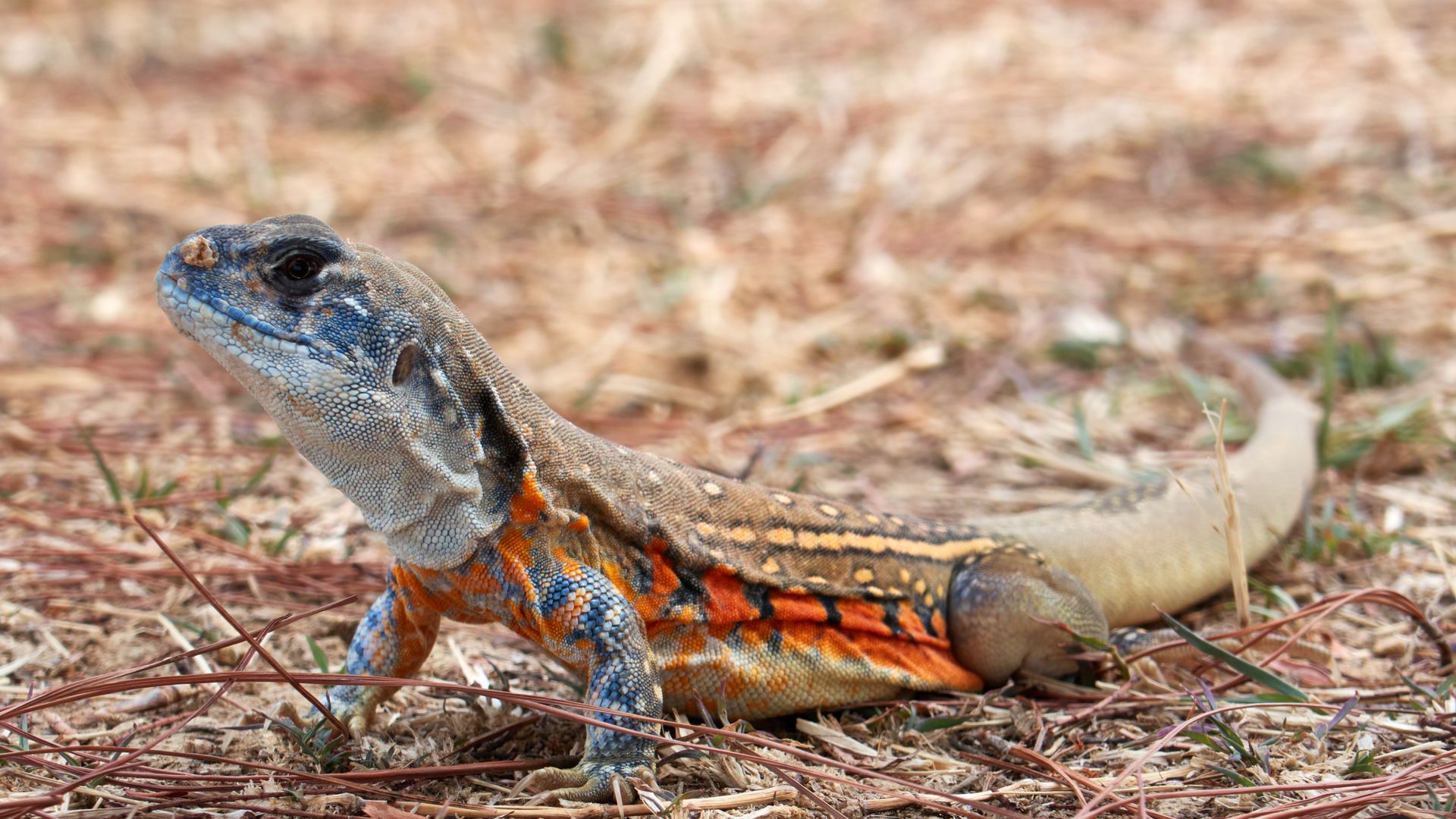
To treat respiratory infections, reptiles should be kept at the middle to upper end of their preferred temperature range. This helps stimulate the immune system and thin out respiratory tract secretions, making it easier for reptiles to expel them.
Increased temperatures can also help mobilize respiratory secretions and ensure proper drug metabolism for effective treatment. Turtles and lizards with respiratory infections often require dietary correction, particularly supplementation with vitamin A.
Broaden your view: Respiratory System Reptiles
Digestive
Digestive diseases can be just as debilitating as respiratory ones, and reptiles are no exception. They can be affected by viral, bacterial, protozoal, and parasitic infections.
Reptiles' digestive systems are particularly vulnerable to these types of infections. Some reptiles may experience symptoms such as diarrhea, vomiting, or weight loss due to these infections.
Here's an interesting read: Digestive System for a Dog
Infectious Stomatitis
Infectious stomatitis, also known as mouth rot, is a serious condition that affects reptiles, including snakes, lizards, and turtles.
It's characterized by petechiae in the oral cavity, which are small blood spots that appear in the mouth. Caseous material develops along the dental arcades as the condition worsens.
Curious to learn more? Check out: Black Mouth Cur Health Problems
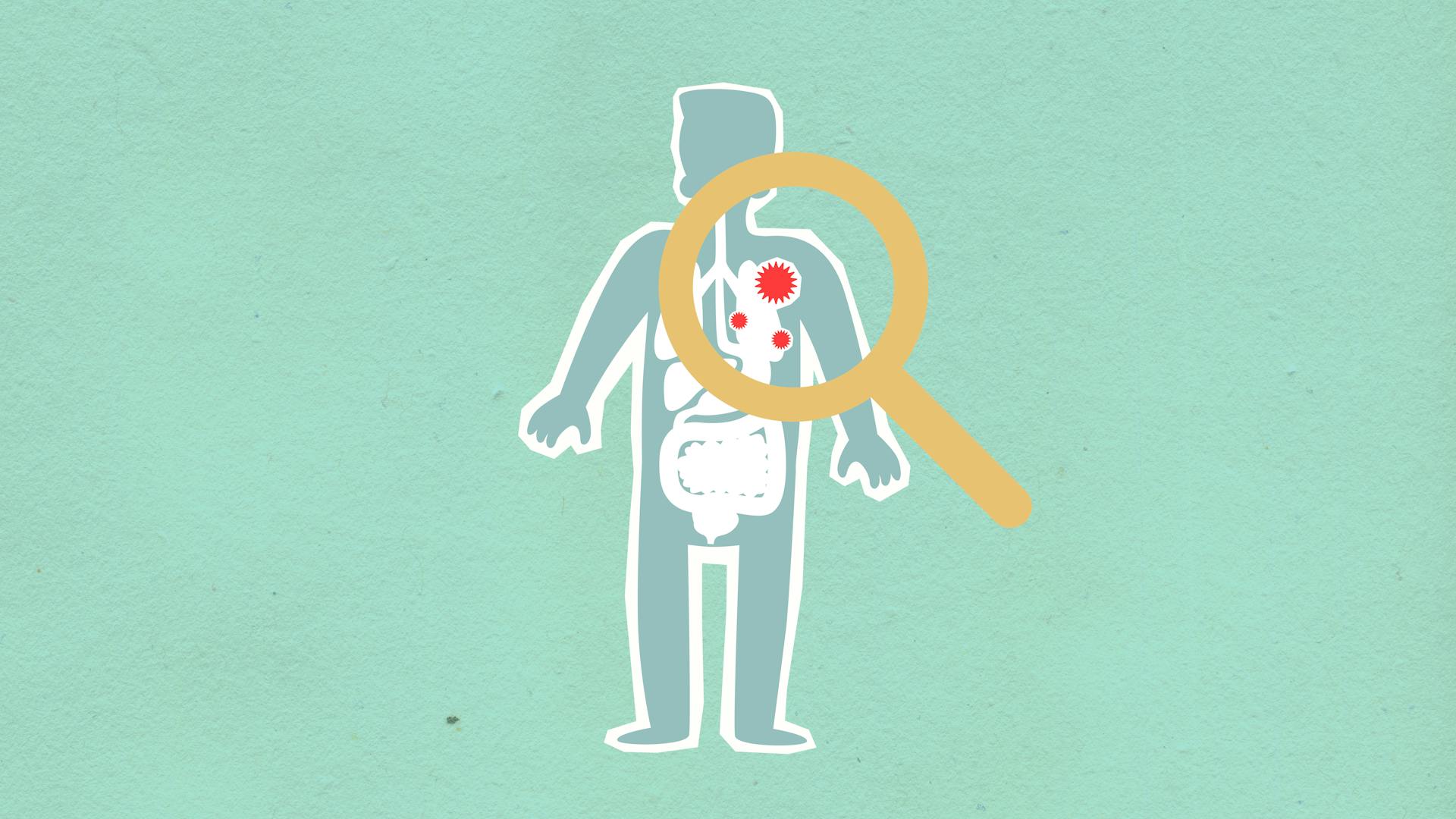
Aeromonas and Pseudomonas spp are the most common bacteria isolated in infectious stomatitis cases, often accompanied by other gram-negative and gram-positive bacteria.
Poorly managed cases can lead to respiratory or intestinal infection, making it essential to provide proper care and treatment.
Surgical debridement, repeated irrigation with antiseptics, and systemic antimicrobials are often necessary to treat infectious stomatitis. Supportive therapy is also crucial to help the reptile recover.
In severe cases with ulceration or granuloma formation, aggressive surgery may be required to prevent further complications.
Discover more: Infectious Diseases in Cats
Musculoskeletal and Nervous System Diseases
Stargazing is a sign of nervous system disorders in snakes and other reptiles, characterized by a twisting of the neck that makes the animal appear to look upward.
These disorders can be caused by viral infections, such as inclusion body disease, which is always fatal in boa constrictors and pythons. Exposure to excessive heat, head injuries, toxins, and bacterial infections can also cause stargazing.
Metabolic bone disease, on the other hand, is a common musculoskeletal disorder caused by gross malnutrition, often resulting from improper nutritional advice and lack of calcium and Vitamin D3.
Symptoms of metabolic bone disease include listlessness, swollen lower jaw, soft/rubbery lower jaw and face, difficulty eating, and markedly firm, swollen limbs.
Vitamin B1 deficiency can also cause paralysis of the rear legs and tail of lizards and turtles, while metabolic bone disease may cause similar symptoms due to low dietary calcium.
Spinal osteopathy/osteomyelitis, a chronic bacterial infection of the spine, is a common musculoskeletal disorder in snakes, characterized by repeated episodes of osteoclastic bone resorption and deposition.
Suggestion: Service Dogs for Bipolar Disorder
Bone and Muscle
Metabolic bone disease is a common issue in pet reptiles, often caused by a poor diet with the wrong ratio of calcium to phosphorus and a lack of vitamin D3 or poor husbandry. This can lead to a range of symptoms, including poor appetite, weakness, and an inability to walk normally.
Secondary nutritional hyperparathyroidism is the most common bone disease seen in pet reptiles, and it's often linked to a diet that's lacking in essential nutrients. Affected reptiles are generally rapidly growing plant- and insect-eating lizards, turtles, or tortoises.
One of the telltale signs of metabolic bone disease is swollen or distorted jaw or leg bones, which can be accompanied by fractures of the spine or legs. Cloacal prolapse, where the lining of the cloaca protrudes through the vent opening, can also occur.
Rapid weight loss, listlessness, and difficulty eating are all common symptoms of metabolic bone disease, which can be caused by a diet that's too high in phosphorus and too low in calcium. Some reptiles may also exhibit swollen limbs, known as "Popeye legs."
Treatment of critical cases requires fluid therapy, nutritional support, and calcium injections if blood levels are too low. Correction of the diet and husbandry, including provision of UV light to ensure adequate vitamin D is being made in the skin, are the most important parts of successful treatment.
A different take: Dog Metabolic Diseases
Central Nervous System
Stargazing is a sign of some nervous system disorders in snakes and other reptiles, characterized by a twisting of the neck that makes the animal appear to look upward.
Inclusion body disease, caused by a viral infection, is one of the most common causes of stargazing in boa constrictors and pythons, and unfortunately, there is no treatment for this disease, which is always fatal.
Exposure to excessive heat, head injuries, toxins, and infections caused by bacteria or other organisms can also cause stargazing.
Viral diseases are typically treated with supportive care, while bacterial infections require antibiotics.
A vitamin B1 deficiency can cause paralysis of the rear legs and tail of lizards and turtles.
Treatment for vitamin B1 deficiency involves injection of the necessary vitamin and a change to a proper diet.
Chronic bacterial infections, such as those involving Salmonella spp., can lead to a condition characterized by repeated episodes of osteoclastic bone resorption and deposition, resulting in dense, brittle bones in snakes.
Diagnosis of this condition is by biopsy or blood culture, and long-term antimicrobial therapy may be helpful, but the prognosis is typically guarded to poor.
Take a look at this: Tracheal Collapse Natural Treatment
Eye and Ear Diseases
Eye and ear disorders can affect reptiles in various ways. Infections of the eyes are possible in all reptiles.
Ear infections are a common issue, especially in turtles. They can be caused by bacteria such as Proteus spp, Pseudomonas spp, and Citrobacter spp. In fact, ear infections occur frequently in turtles, especially box turtles and aquatic turtles.
Marked swelling can occur at the tympanic membrane, and caseous material may be present. This is often due to an aural abscess, which requires surgical treatment to remove all infection and inspissated material.
Surgical treatment is usually curative if all infection is removed and the eustachian tube is patent. The open area should be flushed with diluted povidone-iodine until it heals by second intention.
In some cases, ear infections may be secondary to hypovitaminosis A or ascending infection from the oral cavity. Many chelonians with aural abscesses require oral vitamin A supplementation to prevent further complications.
Additional reading: How Much Does It Cost to Treat Kennel Cough
Thermal and Traumatic Injuries
Thermal injuries, such as burns, can be a serious issue for reptiles. These often result from contact with improper heat sources within the enclosure, like exposed light bulbs or hot rocks. Hot rocks can cause burns when their internal heat control fails and the rock's temperature rises dramatically.
Exposed light bulbs and hot rocks should be placed above the enclosure and out of reach of the reptile. Never place an incapacitated or ill reptile on a heat source such as a heating pad or hot rock, as this can lead to severe burns.
Traumatic injuries, like abscesses, can also be a problem for reptiles. These focal infections are often caused by traumatic injuries or bite wounds and can be made more likely by poor management.
Here's an interesting read: Great Pyrenees Hot Spots
Abscesses
Abscesses can be a serious issue for reptiles, often caused by traumatic injuries or bite wounds, and made worse by poor management.
Traumatic injuries or bite wounds can lead to focal infections in reptiles, which are present in all orders of reptiles.
Consider reading: Dog Bite Diseases

Subcutaneous abscesses appear as nodules or swellings, and differential diagnoses include parasitic nodules, tumors, and hematomas.
Anaerobic bacteria, such as Peptostreptococcus, are common in these lesions, often in combination with aerobes like Pseudomonas.
Small, localized abscesses should be completely excised to avoid recurrence.
Larger abscesses should be marsupialized, followed by aggressive local wound treatment, including daily antiseptic lavage.
The lining of the abscess must be thoroughly scraped to remove as much material as possible.
Systemic antimicrobials are seldom necessary after complete excision.
Isolates of various bacteria, including Aeromonas, Serratia, Salmonella, and Staphylococcus, have been recovered from reptilian abscesses.
Thermal Injuries (Burns)
Burns are a serious concern for reptile owners, often caused by improper heat sources within the enclosure. Exposed light bulbs and hot rocks are common culprits.
Hot rocks are notorious for causing burns when their internal heat control fails and the rock's temperature rises dramatically. This can happen without warning, making it essential to monitor them closely.
Blackened skin, red skin, and peeling scales over moist ulcers are common symptoms of burns in reptiles. These symptoms can be a sign of a more serious issue, so it's crucial to seek veterinary attention if you notice any of these signs.
Additional reading: Clean Rocks
Miscellaneous Diseases
Some reptile diseases are caused by parasites, such as mites and ticks. Mites can cause anemia, weight loss, and lethargy in affected reptiles.
Fungal infections can also be a problem, particularly in reptiles with weakened immune systems. They can cause a range of symptoms, including skin lesions and respiratory problems.
Reptile diseases can be spread through contact with infected feces, which is why it's essential to keep enclosures clean and hygienic.
Frequently Asked Questions
What is the most common disease in reptiles?
The most common disease in reptiles is secondary nutritional hyperparathyroidism, caused by a poor diet and inadequate husbandry. This condition can be prevented with a balanced diet and proper care, including UVB light and temperature control.
Can reptiles pass disease to humans?
Yes, reptiles can pass disease to humans, specifically Salmonella bacteria, which can cause serious illness. Handling reptiles and amphibians safely is crucial to prevent the risk of infection.
Featured Images: pexels.com