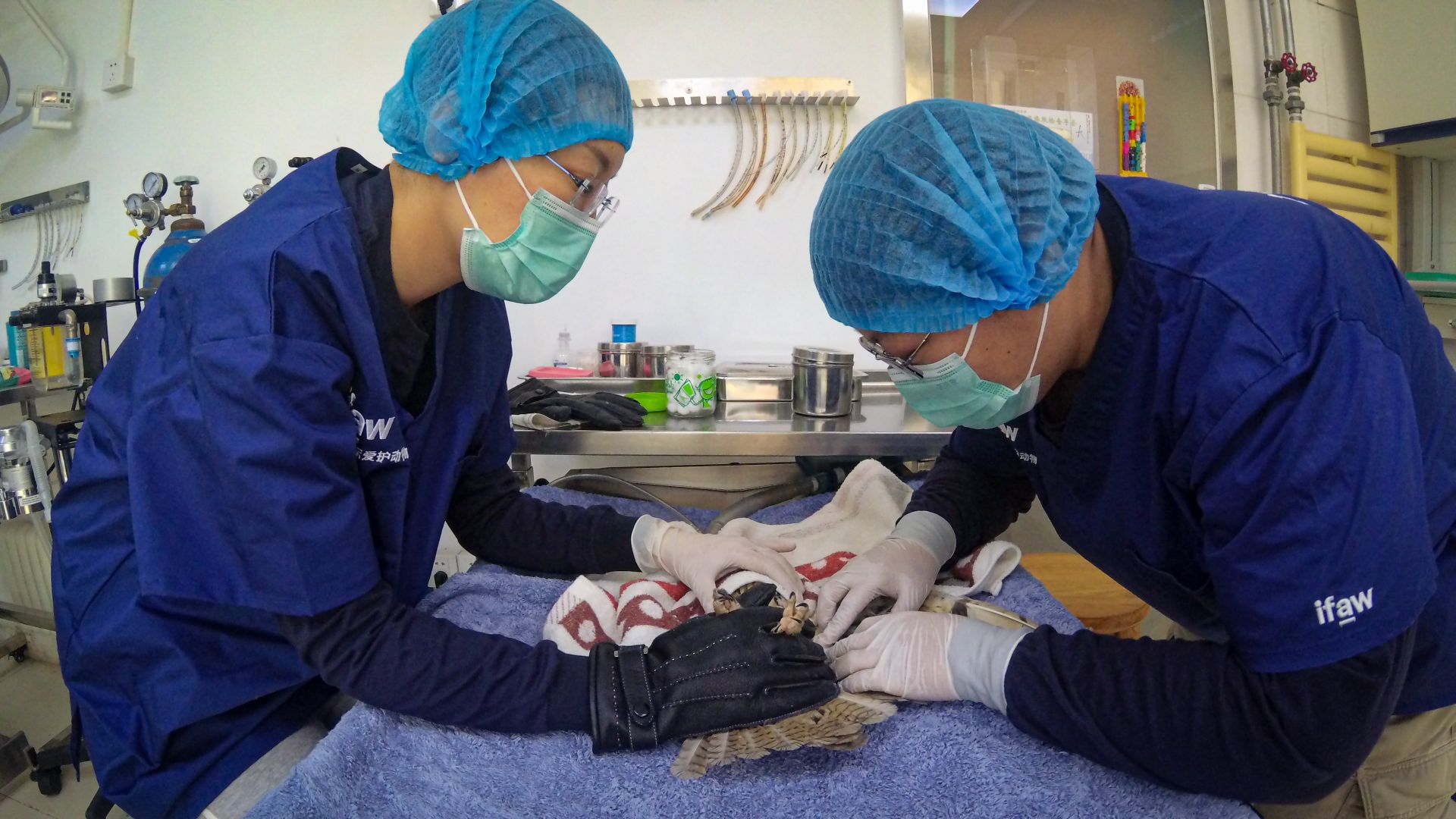
Rodents can carry diseases that are transmitted to humans through their urine, feces, and saliva.
Hantavirus is a serious disease that can be transmitted through contact with rodent urine, feces, or saliva.
To prevent hantavirus, it's essential to avoid areas where rodents are present, especially in rural areas where the disease is more common.
Rodents can also carry Leptospirosis, a bacterial disease that can cause kidney or liver failure.
Properly cleaning and disinfecting areas where rodents are present can help prevent the spread of Leptospirosis.
Check this out: Diseases from Dog Feces and Urine
What You Need to Know
Rodents can carry many diseases that can spread directly or indirectly to people. These diseases can be serious and even life-threatening.
Rodents can carry diseases like hantavirus, which can cause severe illnesses such as hantavirus pulmonary syndrome (HPS) and hemorrhagic fever with renal syndrome (HFRS). Hantavirus is spread mainly by rodents, and it's not spread from person-to-person.
You should regularly check your home for rodent droppings and gnaw marks as these are both signs of a rodent's presence. This is especially important if you live in an area where rodents are common.
Check this out: Do Bird Feathers Have Diseases
Rodents can also carry ticks, mites, or fleas that can spread diseases. These diseases can be spread through contact with rodent droppings, urine, or saliva, or even through bites or scratches.
Here are some common ways rodents can spread diseases:
- Handling of rodents
- Contact with rodent droppings (poop), urine, or saliva
- Rodent bites
By removing food sources, water, and items that provide shelter for rodents, you can help prevent a rodent infestation and reduce the risk of disease transmission. This is the best way to prevent a rodent infestation and contact with rodents.
Causes and Types
Rodent diseases are often caused by bacteria, viruses, and parasites that are transmitted through the bites of infected rodents.
Hantavirus is a type of virus that can cause hantavirus pulmonary syndrome (HPS) in humans.
Lymphocytic choriomeningitis (LCM) is a viral disease caused by the lymphocytic choriomeningitis virus, which is transmitted through contact with infected rodents.
Leptospirosis is a bacterial disease that can be transmitted through the urine of infected rodents.
Plague is a bacterial disease that can be transmitted through the bites of infected fleas that live on rodents.
Rodents can also carry parasites like tapeworms and fleas that can cause diseases in humans.
The types of diseases caused by rodents can vary greatly, depending on the type of rodent and the region it inhabits.
How Rodents Spread Diseases
Rodents can spread diseases to people in two main ways: directly and indirectly.
Direct contact with infected rodents can lead to disease transmission. This can happen when you breathe in contaminated air, touch contaminated materials and then touch your eyes, nose, or mouth, or get bitten or scratched by an infected rodent.
Eating food contaminated by an infected rodent is another way diseases can be spread through direct contact.
Some diseases that can be spread through direct contact include diseases that can be transmitted by being bitten or scratched by an infected rodent, or eating food contaminated by an infected rodent.
Indirect contact with rodents can also lead to disease transmission. This can happen when you're bitten by ticks, mites, fleas, and mosquitoes that have fed on infected rodents.
Here are some diseases that can be spread indirectly by rodents:
- Anaplasmosis
- Borreliosis
- Flea-borne (Murine) Typhus
- Lyme disease
- Plague
- Rickettsialpox
- Scrub typhus
- Tick-borne Relapsing Fever
- Tularemia
Specific Diseases
Rodent diseases can be quite serious, and it's essential to know what to look out for. Hantavirus Pulmonary Syndrome is a viral disease that can be contracted through direct contact with infected rodent urine, saliva, or droppings, with symptoms including fever, muscle aches, and difficulty breathing.
Some of the most common rodent-borne diseases include Hantavirus Pulmonary Syndrome, Leptospirosis, and Rat Bite Fever. These diseases can be contracted through contact with contaminated water, food, or through bites from infected rodents.
Hantavirus Pulmonary Syndrome has a relatively short incubation period, lasting between 1 to 5 weeks, while Leptospirosis can take up to 19 days to develop. Rat Bite Fever, on the other hand, has a shorter incubation period, ranging from 1 to 3 weeks for Spirillary Fever and 3 to 10 days for Streptobacillary Fever.
Symptoms of these diseases can vary, but often include fever, headache, and muscle pain. In severe cases, they can lead to more serious complications, such as kidney failure or meningitis.
You might enjoy: Bird Diseases and Symptoms
Here are some of the most common symptoms of these diseases:
- Hantavirus Pulmonary Syndrome: fever, muscle aches, difficulty breathing
- Leptospirosis: fever, headache, chills, severe malaise, vomiting
- Rat Bite Fever: fever, chills, headache, muscle pain, rash, joint pain
If you suspect you've contracted one of these diseases, it's essential to seek medical attention immediately. While some of these diseases can be treated with antibiotics, others may require supportive care and management of symptoms.
In the case of Hantavirus Pulmonary Syndrome, treatment is largely supportive, with a focus on managing symptoms and preventing further complications. For Leptospirosis, antibiotics are typically prescribed to treat the infection. Rat Bite Fever can be treated with antibiotics as well, although in severe cases, hospitalization may be necessary.
To minimize the risk of contracting these diseases, it's essential to practice good hygiene and avoid contact with rodents and their droppings. If you do encounter rodents, be sure to wear protective clothing and wash your hands thoroughly afterward.
Related reading: Dog Diseases and Symptoms
Prevention and Treatment
To prevent rodent diseases, it's essential to keep your home clean and free of clutter, as rodents often carry diseases in their urine, feces, and saliva.
Regularly vacuum and mop floors, especially in areas where food is prepared or consumed, to reduce the risk of disease transmission.
Rodents can also carry diseases through bites and scratches, so it's crucial to avoid touching or handling them.
If you suspect you have a rodent infestation, contact a pest control professional to safely and humanely remove the rodents.
In some cases, rodent diseases can be treated with antibiotics, but it's essential to seek medical attention immediately if you experience symptoms such as fever, vomiting, or diarrhea.
Direct Contact
Direct contact with infected rodents can be a serious health risk. Certain diseases can spread from rodents to people through direct contact with infected rodents.
You can breathe in contaminated air, which can be a problem if you're in a room where rodents have been nesting or living.
Touching contaminated materials and then touching your eyes, nose, or mouth can also spread diseases. This is why it's so important to wash your hands frequently.
Being bitten or scratched by an infected rodent is another way diseases can spread. If you're bitten or scratched, you should clean the wound immediately and seek medical attention.
Eating food contaminated by an infected rodent can also spread diseases. This can happen if you store food in a place where rodents can access it.
Reducing Risk
Reducing Risk is crucial in preventing hantavirus infections. To minimize your risk of exposure, eliminate or minimize contact with rodents in your home, workplace, or campsite.
Sealing holes and gaps in your home or garage is a simple yet effective way to keep rodents out. This can be done by using steel wool or caulk to block entry points.
Place traps in and around your home to decrease rodent infestation. This will help reduce the number of rodents that can potentially carry hantaviruses.
Public Health
If you suspect a hantavirus disease, it's crucial to see a physician immediately and mention any potential rodent exposure.
State laboratories and the CDC can confirm a diagnosis through testing, so don't hesitate to reach out to them if you have any questions or concerns.
To report a case of hantavirus disease, you'll need to follow the case definition and reporting guidelines provided by your state or local health department.
Contact your state or local health department or the CDC's Emergency Operations Center at 770-488-7100 for more information on submitting a specimen or addressing any public health emergency.
Featured Images: pexels.com