Bird diseases can be a real concern for bird owners, and it's essential to recognize the symptoms early on to provide the best care for your feathered friends.
Birds can be susceptible to various diseases, including respiratory infections, which can cause symptoms like wheezing, coughing, and labored breathing.
Some bird diseases can be transmitted through contact with infected birds, such as psittacosis, which is caused by the bacterium Chlamydophila psittaci.
Common symptoms of psittacosis include fever, headache, and pneumonia in humans who come into contact with infected birds.
Many bird diseases can be prevented with proper hygiene, such as washing hands before and after handling birds or their cages, and disinfecting surfaces regularly.
Regular veterinary check-ups can also help identify diseases early on, allowing for prompt treatment and reducing the risk of complications.
A different take: Signs of Ivdd in Dachshunds
Bird Diseases
Bird diseases can be caused by viruses, bacteria, and fungi, which can sometimes go unnoticed if there's no significant change in your bird's behavior. As a bird owner, it's essential to be vigilant regarding even slight changes in your bird's behavior and take necessary action.
Infections by these microorganisms can lead to various diseases, including Avian Flu, which is a disease that occurs naturally among wild aquatic birds and can infect poultry and other bird species. Avian Flu can also infect humans, although it's rare.
If you suspect your bird has a disease, it's crucial to monitor its behavior and seek veterinary care immediately. Some common symptoms of bird diseases include changes in behavior, lethargy, loss of appetite, and visible signs of illness.
Here are some common symptoms of Avian Flu in humans:
- Conjunctivitis
- Sneezing or coughing
- Runny nose
- Low fever
- Muscle aches
Avian Tuberculosis
Avian Tuberculosis is a serious disease that can affect a wide range of birds and even humans. It's caused by the bacteria Mycobacterium avium, which is often spread when the bacteria is inhaled.
This disease can survive for up to 4 years in droppings, infected soil, or other organic materials, making it a risk factor for anyone who comes into contact with infected feces. The bacteria can also spread to humans through contact with infected birds or their droppings.
Symptoms of Avian Tuberculosis in birds are often minor and can include mild fever, diarrhea, vomiting, dehydration, and headaches. These symptoms can take months to appear after the initial infection.
Treatment for Avian Tuberculosis involves taking antimicrobial medications, and it's usually effective in just a few weeks.
Suggestion: Can Dogs Catch Strep from Humans
House Finch Disease
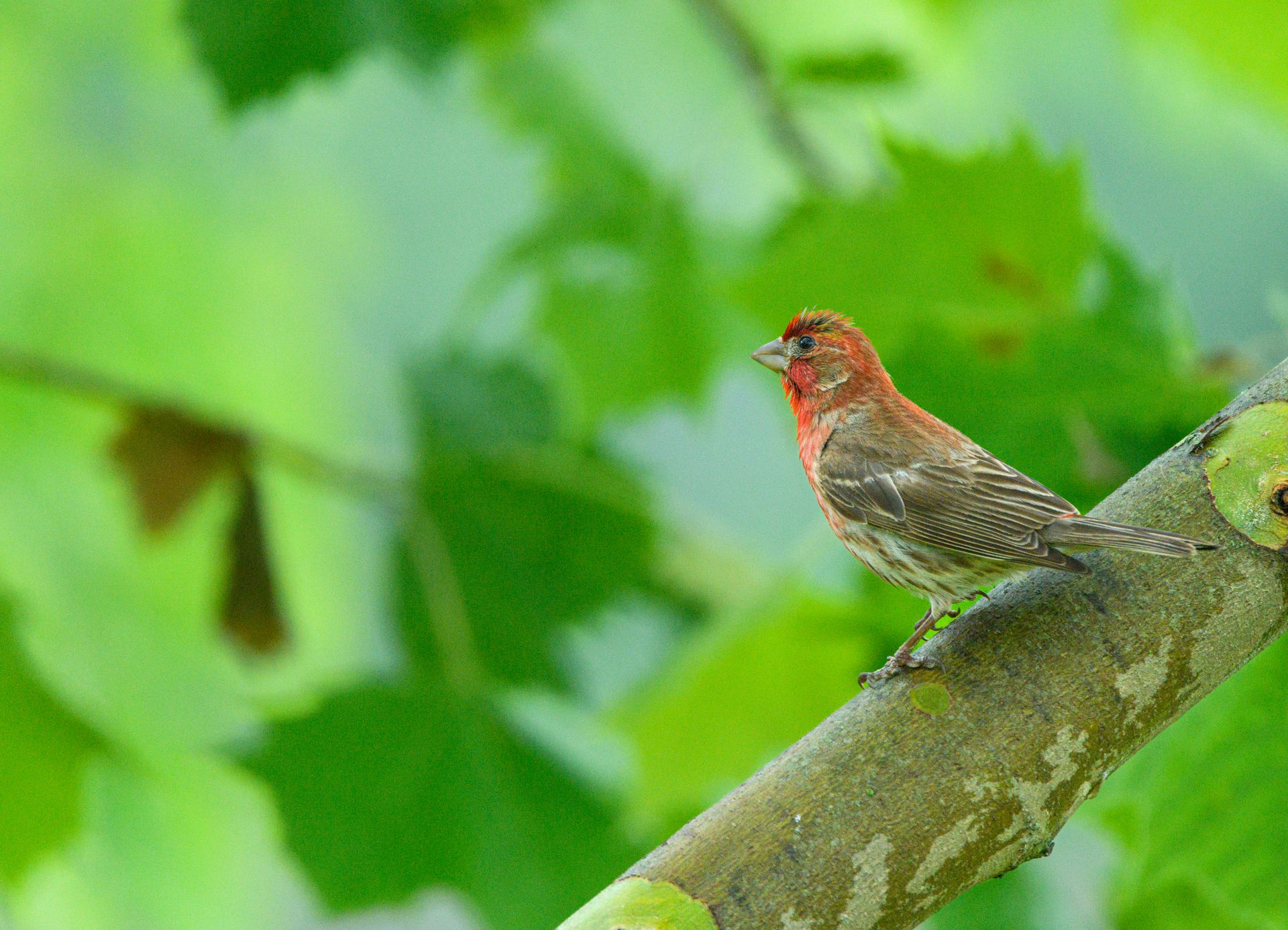
House Finch Disease is a serious condition that affects House Finches and other bird species. Infected birds show crusty, swollen, or runny eyes, which can be so severe that their eyes are swollen shut.
Some birds may recover from the disease, but many die from exposure, starvation, or predation. This is a stark reminder of the importance of providing a safe and healthy environment for our feathered friends.
Large numbers of blood-sucking mites can cause anemia and death in young birds. This is a critical issue that can have devastating consequences for vulnerable bird populations.
Birds with severe infestations may abandon their eggs or young due to the discomfort and stress caused by the mites. This can lead to a decline in bird populations and a disruption of the ecosystem.
Related reading: Pug Dog Eyes Pop Out
Parrot Diseases
Parrot fever, also known as psittacosis, is a highly contagious bacterial disease that affects many bird species. It's essential to be aware of the symptoms, which include breathing problems, eye infection, loose droppings, lack of appetite, and being more tired than usual.
Parrot fever can affect not only parrots but also smaller birds like parakeets or doves. If you notice any of these symptoms in your bird, it's crucial to call your vet right away for an avian exam.
This disease is highly contagious and can be spread through contact with bird droppings and dust. To prevent the spread of parrot fever, make sure to keep your bird's environment clean and disinfected.
Some other diseases that can affect parrots include Psittacine Beak and Feather Disease, also known as "bird AIDS." This incurable disease is characterized by abnormal feather growth, bald spots, and growths or sores on the beak.
Here are some common symptoms of parrot diseases:
- Abnormal feather growth
- Bald spots
- Growth or sores on the beak
- Loose droppings
- Lack of appetite
- Being more tired than usual
- Vomiting
- Weight loss
- Abnormal droppings
- Swollen crop
- Fever and chills
- Muscle ache
- Cough
- Headache
- Tiredness and fatigue
Common Ailments
Bird diseases can be a real concern, especially if you're a bird enthusiast or have a backyard feeder. Tuberculosis, for example, is a bacterial disease that affects songbirds year-round, making them highly susceptible.
The signs of tuberculosis can be quite subtle, with birds appearing emaciated, weak, and lethargic, or even showing no signs or lesions at all. To control the spread of the disease, it's essential to clean and disinfect feeding and watering areas regularly.
For your interest: Signs of Old Age in Staffordshire Bull Terrier
Salmonellosis, on the other hand, is a frequent issue in songbirds, particularly during winter and spring at feeders, or year-round near water. This bacterial disease can cause rapid death, weakness, drowsiness, depression, and diarrhea, as well as vent and eye discharge, and convulsions.
To prevent the spread of salmonellosis, remove waste grains, clean and disinfect feeders, and consider suspending feeding for a few weeks if there's a die-off.
Avian pox is another viral disease that affects songbirds, usually during fall and winter. It causes wart-like growths on featherless areas, such as the feet, legs, base of the beak, and eye margins, and may also lead to difficulty breathing.
To control avian pox, remove waste grain, clean and disinfect feeders frequently, and ensure that infected birds receive proper nutrition to aid in their recovery.
Here's a list of common bird diseases and their control measures:
It's essential to note that some diseases, like botulism, are more common in certain seasons, such as July through September.
Symptoms
If you notice any unusual behavior in your bird, it's essential to be aware of the symptoms of common bird diseases. A lack of appetite is a common sign that something is wrong.
Difficulty breathing is another symptom that can be a sign of a serious issue. Discharge from the eyes and nose can be a sign of a bacterial infection.
Depression in birds can manifest as a change in behavior, such as lethargy or loss of interest in activities. Watery, green droppings can be a sign of a gastrointestinal infection.
Parrot fever, for example, requires antibiotic treatment under the proper care of your avian vet.
For more insights, see: Dog Upper Respiratory Infection vs Kennel Cough
Pest and Parasites
Chicken mites are a real nuisance, especially for backyard flock owners. They can infest poultry and even bite humans, causing skin irritation.
Some signs of a chicken mite infestation include feather loss, scabs near the base of feathers, and dirty feathers where they leave droppings.
For another approach, see: Are Goldendoodles Allergic to Chicken
If you notice any of these symptoms, it's essential to act quickly to prevent the infestation from spreading.
Here are some tips for prevention:
- Add diatomaceous earth or wood ash to the dust baths to suffocate and kill any mites that may have found their way onto your chickens.
- Clean your coop and ensure an overall clean environment for your chickens.
Bird lice are another type of parasite that can infest birds and even spread diseases to humans. They're usually spread between individuals or through contact with infected animals, nests, or surfaces.
Lice can also spread through vents, openings, and on clothing, making it crucial to keep your coop clean and free of clutter.
Additional reading: Can I Spread Kennel Cough on My Clothes
Avian Pox
Avian Pox is a viral skin infection that causes warty growths on infected birds' heads, legs, wings, or other body parts.
The virus is relatively resistant and can survive for a long time on contaminated surfaces, making it essential to maintain optimal hygiene in areas where an avian pox virus outbreak exists.
Clean out birdbaths daily, and refill them with fresh water to prevent the spread of the virus.
Affected birds may show a range of symptoms, including grey, pinkish, red, or yellow color growths, smaller brown or gray lesions, and blisters on unfeathered parts of the skin.
Consider reading: Growths on Boxer Dogs
Weakness, difficulty in swallowing and breathing, vision problems, and soiled facial feathers are also common symptoms.
Conjunctivitis, or eye infections, can also occur in affected birds, requiring ophthalmic ointments as part of their treatment.
Supportive care, fluids, parenteral vitamins, and antimicrobials to prevent secondary infections are common treatments for avian pox.
Recommended read: Types of Cat Eye Infections
Salmonella
Salmonella is a bacterial infection that can be deadly for birds.
Infected birds will often show general sickness signs, such as looking listless and lethargic.
They tend to stay close to feeders, fail to respond to danger, and become weak and emaciated.
Infected birds may also exhibit symptoms like fluffed feathers, little to no appetite, vomiting, and a distended crop full of mucus.
Symptomatic birds usually die within three days, making prompt treatment crucial.
Salmonellosis is found in low numbers in wild bird populations, but outbreaks have been observed during the winter months.
Chicken Mites
Chicken mites are a type of bird mite that can infest poultry and occasionally bite humans, causing skin irritation.
They cause extreme discomfort amongst poultry farms, leading to signs such as feather loss, scabs near the base of feathers, and eggs on chicken feathers.
If left unchecked, chicken mites can spread throughout a poultry farm or backyard flock and be difficult to eliminate.
Some breeds, like Silkies and Polish chickens, are especially prone to developing this pest infestation.
To prevent chicken mites, add diatomaceous earth or wood ash to your chickens' dust baths, as this can suffocate and kill any mites that may have found their way onto your chickens.
Cleaning your coop and ensuring an overall clean environment for your chickens is the best way to avoid dealing with this obnoxious pest.
Here are some signs of a chicken mite infestation:
- Feather loss
- Scabs near the base of feathers
- Eggs on chicken feathers
- Dirty feathers where mites leave droppings
- Anemia in the birds
- Death
Lice
Lice are parasites that live primarily on the bodies of birds, spreading between individuals in close quarters or through contact with infected animals, nests, or surfaces.
Birds that remain near buildings or populated areas can spread lice to humans through vents, openings, and on clothing.
It's not uncommon to find lice in areas where birds frequent, such as tree branches or buildings with bird infestations.
Lice can be a significant problem for birds, causing discomfort and stress, but they can also spread diseases to humans.
Take a look at this: How Do Horses Help Humans Mentally
Disease Prevention
Disease Prevention is crucial to keep your feathered friends healthy. Cleaning your bird feeders regularly is a must. Every two weeks in the winter and weekly in the summer, give your feeders a good scrub. This will help prevent the spread of disease.
Cleaning up any dropped shells or food under the feeder is also essential. It's amazing how quickly debris can accumulate. Take a few minutes to sweep up any mess and keep your feeder area tidy.
If you find dead birds, it's time to take action. Remove your feeders for at least two weeks and thoroughly clean them, as well as the areas under the feeders. This will help prevent the spread of disease and keep your birds safe.
Related reading: How to Prevent Twisted Stomach in Dogs
Viral Diseases
Birds can be susceptible to various viral diseases, including Avian Pox and Polyomavirus. These diseases can be life-threatening and require prompt attention.
Avian Pox is a viral skin infection that causes warty growths on infected birds' heads, legs, wings, or other body parts. The virus can survive for a long time on contaminated surfaces, making it essential to maintain optimal hygiene in areas where an outbreak exists.
A different take: Can Dogs Catch Avian Flu
Symptoms of Avian Pox include grey, pinkish, red, or yellow color growths, smaller brown or gray lesions, blisters on unfeathered parts of the skin, weakness, difficulty in swallowing and breathing, vision problems, and soiled facial feathers.
Polyomavirus is another infectious disease found in birds, particularly affecting younger birds. The infection spreads through the dander of birds, their droppings, and contact with the birds.
Avian Flu
Avian Flu is a disease that occurs naturally among wild aquatic birds and can also infect poultry and other bird species. It's not typically transmitted between humans, but it's worth being aware of when in environments where wild birds frequently inhabit.
Birds and people can contract the virus by coming into contact with infected bird droppings, saliva, or mucus. This can happen through direct or close contact with contaminated poultry.
Symptoms of Avian Flu in humans include conjunctivitis, sneezing or coughing, runny nose, low fever, and muscle aches. In more serious cases, tiredness, weakness, and confusion can also occur.
If you experience any of these symptoms, it's essential to seek medical attention immediately. Delaying treatment can lead to more severe consequences.
The most effective way to avoid infection is to prevent contact with infected birds.
Expand your knowledge: World Health Organization Bird Flu
Polyomavirus in Birds
Polyomavirus in Birds is a very deadly virus that often affects younger birds, and some studies have indicated that adult birds may develop immunity. It's a serious condition that requires attention and care.
The infection spreads through the dander of birds, their droppings, and contact with the birds. This means that even seemingly minor interactions with an infected bird can be a risk.
As a bird owner, it's essential to be vigilant for even slight changes in your bird's behavior, as the symptoms of polyomavirus infection may take some time to develop. These symptoms include a swollen abdomen, loss of appetite, vomiting or diarrhea, weight loss, and dehydration.
Vaccination against polyomavirus is available and should be performed early, as an infected bird has no known treatment.
You might like: What Causes Bone Loss in Your Mouth
West Nile Virus
West Nile Virus is a disease that affects birds and is spread to humans through mosquito bites. Birds contract the virus when they're bitten by an infected mosquito, which gets the virus from eating an animal carrying it.
Most people who get West Nile Virus don't experience any symptoms or have mild ones like fever, headaches, and body aches. They usually recover on their own within a week.
However, for every 150 people who contract the virus, one person develops severe symptoms. These can include encephalitis, meningitis, high fevers, disorientation, coma, tremors, convulsions, vision loss, and paralysis.
Birds, on the other hand, are often fatal cases. Since 1999, over 300 species of dead birds have been found to contain West Nile virus, with crows and jaybirds being some of the most affected species.
Curious to learn more? Check out: West Highland Scottish Terrier
Featured Images: pexels.com