Cats can develop various types of eye infections, each with its own unique causes and cures. Conjunctivitis, for example, is a common eye infection in cats that causes redness and discharge in the eyes.
Some eye infections in cats can be caused by bacteria, such as Staphylococcus and E. coli, which can be spread through contact with an infected cat's discharge or contaminated food and water.
A cat's eye infection can also be caused by a viral infection, such as feline viral rhinotracheitis or feline calicivirus. These viruses can be highly contagious and spread quickly among cat populations.
Proper cleaning and disinfection of a cat's eye area is crucial in preventing the spread of eye infections.
Check this out: Types of Dog Ear Infections with Pictures
Feline Eye Infections
Feline eye infections can be caused by a variety of factors, including Feline Herpesvirus, Chlamydia, and other viral or bacterial agents. These infections can cause symptoms such as redness, discharge, and squinting in the affected eye.
Suggestion: Dog Ear Infection Types
In some cases, feline eye infections can be triggered by stress, which can activate the Feline Herpesvirus. Stress can come from various sources, including changes in the environment, new family members, or even hospital/boarding stays. Managing stress and providing a comfortable environment can help minimize flare-ups.
Symptoms of feline eye infections can vary, but may include redness in the white of the eye, eye discharge, squinting, and excessive blinking. If left untreated, these infections can lead to more serious complications, such as cataracts, glaucoma, and blindness.
Suggestion: Types of Dog Eye Infections
Feline Herpesvirus/Rhinotracheitis Virus
Feline Herpesvirus/Rhinotracheitis Virus is a common cause of eye infections in cats. This virus can cause serious damage to the eye, especially in young kittens.
The virus can affect the eyeball, commonly causing ulcers. In severe cases, it can even make a kitten look like it was born without an eye. Scarring often occurs, making the eye unsightly and limiting vision.
Symptoms of Feline Herpesvirus/Rhinotracheitis Virus include conjunctivitis, upper respiratory symptoms like sneezing and coughing, and corneal ulcerations. If left untreated, these ulcers can cause permanent damage to the eye.
Explore further: Lhasa Apso Old Age Symptoms
Diagnosing Feline Herpesvirus/Rhinotracheitis Virus can be challenging, as many cats will test positive for the virus even if they don't have the disease. Your veterinarian may perform blood and urine samples, as well as a fluorescein eye stain to determine the presence of an ulcer or injury.
Treatment for Feline Herpesvirus/Rhinotracheitis Virus focuses on managing the current flare-up and reducing the chance of recurrence. Unfortunately, there is no cure for this virus, but with proper care, your cat can still lead a comfortable life.
Here are some common signs of Feline Herpesvirus/Rhinotracheitis Virus:
- Conjunctivitis
- Upper respiratory symptoms like sneezing and coughing
- Corneal ulcerations
- Redness and swelling of the eye
- Discharge or tearing
- Squinting or excessive blinking
Anterior Uveitis
Anterior uveitis is a serious condition that affects the front of the eye, causing symptoms like squinting, cloudiness, tearing, and redness. If left untreated, it can lead to cataracts, glaucoma, and even blindness.
The most common causes of anterior uveitis in cats are serious diseases such as Feline Leukemia Virus (FeLV), Feline Infectious Peritonitis (FIP), and Feline Immunodeficiency Virus (FIV). These diseases can be life-threatening, but with proper treatment, most cats can recover.
Diagnosing the underlying cause of anterior uveitis can be challenging, but it's essential to determine the cause to provide effective treatment. Blood tests, including FeLV/FIV tests and Toxo titers, are usually the first line of investigation.
Symptomatic therapy is always recommended, regardless of the cause of the illness, to reduce pain and inflammation. This can include topical treatments and medications taken by mouth, similar to treating a human headache with aspirin. Some cats may require long-term therapy to prevent recurrence of the uveitis.
In severe cases, surgery may be necessary to address secondary complications like glaucoma or tumors. The type of surgery will depend on the specific problem.
Intriguing read: My Dog Died after Pyometra Surgery
Keratoconjunctivitis Sicca
Keratoconjunctivitis Sicca, also known as dry eyes, is a common issue in cats that can be quite uncomfortable for them. It's essential to take your pet to the vet as soon as possible if you notice any symptoms.
Dry eyes can be caused by a secondary bacterial infection of FVH-1, allergies, or other medical problems like Conjunctivitis. Sometimes it's even genetic. The antibacterial properties of tears protect the eyes by flushing out irritants and providing lubrication.
A unique perspective: Cat Eye Types
Some common symptoms of dry eyes in cats include swollen eyes, inflammation of the eyelids, excessive blinking, light sensitivity, reluctance to open their eyes, and a dry coating over the cornea or outside the eyes.
To diagnose dry eyes, your vet will likely perform an eye examination, a Schirmer tear test to determine the percentage of moisture in the eyes, and a fluorescein stain test to rule out any ulcers or erosion of the cornea.
Treatment for dry eyes may include eye drops to stimulate tear production, and if necessary, antibiotics to clear up any infections.
Check this out: British Shorthair Cat with Green Eyes
Treating Eye Infections
Terramycin ophthalmic ointment is often effective in treating eye infections in cats, including chlamydia.
Fluid therapy and nutrition are vital to fighting infection in sick cats, and providing feline electrolytes, such as Breeder’s Edge Kitten Lyte, in their water is essential.
Cats that are not accepting eye medications can be treated with doxycycline, which has good levels in the tears and can help treat the infection.
In some cases, a prescription anti-viral eye medication may be needed from your veterinarian.
A high fat, high protein diet is best for cats with eye infections, and hand feeding is recommended.
Cats don't eat what they can't smell, so if their nose is stuffed up, it's essential to flush it with a saline/lincomycin nose flush.
Your veterinarian may prescribe medicated eye drops or ointment, which may contain antibiotics, steroids, or other anti-inflammatory drugs.
Oral medications may also be necessary, depending on the main cause of the infection and the severity of symptoms.
Your vet will provide home-care instructions and follow-up recommendations, and in many cases, your cat will need to wear a cone, or e-collar, to prevent scratching and rubbing at the eye.
Curious to learn more? Check out: Liver Nose Rhodesian Ridgeback
Common Eye Problems
Excessive tearing, also known as epiphora, is a common sign of eye problems in cats.
Squinting is another indication that your cat may be experiencing eye issues.
Redness to the eye is a clear sign that something is amiss.
Discharge from the eye, whether green, yellow, or cloudy, is a warning sign that your cat needs veterinary attention.
Swelling or prominent "pink" conjunctival tissue can be a sign of eye problems.
Keeping the eyes closed is a behavior that may indicate eye pain or discomfort.
Uneven or inappropriately dilated pupils can be a sign of eye issues.
Some cats may exhibit black spots on the eye, which can be a sign of a problem.
A haziness or lack of "sharpness" to the iris can be a sign of eye disease.
Eye pain or discomfort can cause your cat to exhibit abnormal behavior.
Pawing at the eye can be a sign that your cat is in distress.
Discoloration of the sclera, such as bruising or bleeding, can be a sign of a serious issue.
Lumps or masses on the eyelids can be a sign of eye problems.
Sensitivity to light can be a sign that your cat is experiencing eye issues.
Sunken eyes can be a sign of dehydration or other underlying health issues.
Bulging or protruding of the eye, called exophthalmos, can be a sign of a serious eye problem.
Vision loss or blindness is a serious sign that your cat needs immediate veterinary attention.
If this caught your attention, see: Pug Dog Eyes Pop Out
Bacterial and Ulcerative Keratitis
Bacterial keratitis is an inflammation of the surface of the eye due to infection with bacteria, often caused by trauma to the cornea, such as scratches.
Ulcerative keratitis is a more severe form of keratitis that causes damage to the surface of the cornea. It's essential to catch these conditions early to prevent long-term damage to your cat's vision.
If left untreated, bacterial keratitis and ulcerative keratitis can lead to vision loss and blindness in cats.
For your interest: Pigmentary Keratitis Shih Tzu
Calicivirus
Calicivirus can cause eye inflammation and discharge in cats, as well as oral ulcers and upper respiratory infections.
Feline calicivirus is a common culprit behind these symptoms, making it a key consideration for cat owners who notice any of these issues in their pets.
Eye inflammation and discharge are often accompanied by other symptoms like sneezing, runny nose, and loss of appetite.
If you suspect your cat has calicivirus, it's essential to take them to the vet for proper diagnosis and treatment.
Oral ulcers and upper respiratory infections can be uncomfortable and even painful for cats, so prompt medical attention is crucial to prevent complications.
On a similar theme: Canine Brain Cancer Symptoms
Bacterial or Ulcerative Keratitis: Core Meaning
Bacterial keratitis is an inflammation of the cornea caused by infection with a bacteria, often resulting from scratches or trauma to the eye surface.
The cornea is the dome-shaped surface that covers the front of a cat's eyes, making it a vulnerable area prone to damage.
Ulcerative keratitis is a type of inflammation that causes damage to the surface of the eye, resulting in pain and discomfort for the cat.
The exact cause of bacterial keratitis is often linked to scratches or trauma, which can introduce bacteria into the eye.
Cats with bacterial keratitis may exhibit symptoms such as redness, swelling, and discharge in the eye.
To diagnose bacterial keratitis, a veterinarian may perform an eye examination and conduct tests such as a fluorescein stain test to rule out ulcers or erosion of the cornea.
Here are some common symptoms of bacterial or ulcerative keratitis:
- Redness and swelling in the eye
- Discharge or pus in the eye
- Excessive blinking or rubbing of the eye
- Pain or sensitivity to light
- Cloudiness or ulcers on the cornea
What Causes?
Cats can develop bacterial and ulcerative keratitis due to various causes, including upper respiratory infections that spread from cat to cat.
Feline Herpes Virus, also known as FVR, is a common cause of eye infections in cats. It's a virus that's not transmissible to people, but once a cat gets it, they have the virus for life.
Calicivirus is another highly contagious virus that can cause upper respiratory infection and oral disease in cats, often leading to eye infections. This virus is commonly seen in shelter and cattery environments.
Feline Immunodeficiency Virus (FIV) affects a cat's ability to fight infection, making them more susceptible to eye infections. Cats with FIV often contract eye infections due to their weakened immune system.
Feline Leukemia is a highly contagious viral disease that causes several problems in the body, including upper respiratory and eye infections.
Recommended read: Cat Scratch Disease Eye
Protecting Your Pet
Check your cat's eyes regularly to catch any potential problems early. If you notice any signs of infection, such as masses, discoloration, redness, swelling, cloudiness, excessive tearing, or discharge, take your cat to the vet right away.
Set up routine vet visits to prevent eye problems from getting serious. This can help identify underlying medical issues, like chronic kidney disease, diabetes mellitus, and hyperthyroidism.
Quarantine new cats in the household for 1-2 weeks to prevent the transmission of Upper Respiratory Infections (URIs) to other cats. This simple step can save your cat's eyes from potential harm.
Trim your cat's nails regularly to prevent accidental scratches to their eyes or those of other pets in the house. This is especially important if you have multiple cats living together.
Keep your cat indoors to protect them from eye problems caused by traumatic events, irritants, or interactions with toxic chemicals. This is a crucial step in preventing eye infections.
Here are some additional tips to keep your cat's eyes safe:
- Monitor your cat's interactions with other pets in the household to prevent injuries.
- Keep your cat's litter box, beds, and other commonly used areas clean to prevent bacterial overgrowth.
Styes in Cats
A stye in your cat can be a real pain - literally. It's a red, painful lump that forms on the edge or inner part of the eyelid, often looking like a boil or pimple.
If you notice a stye, you'll likely see your cat scratching their eye, which can irritate the affected area even more. A stye can also cause the eye to swell, discharge pus, and become sensitive to light.
Styes are a type of infection that can often go away on its own, but if left untreated, it can get worse and cause the whole eye to become infected. This can lead to vision loss or even blindness in the infected eye.
Spotting a Stye
A stye can look like a small bump on the edge or inner part of the eyelid, similar to a pimple or boil.
If your cat's eye is swollen or discharging pus, it's worth taking a closer look at the eyelid to see if a stye is present.
A stye can cause discomfort when blinking and may make your cat feel itchy around the eye.
You might notice your cat scratching their eyes or pawing at the affected area, which can be a sign of a stye.
If you suspect your cat has a stye, look for a small, red, painful lump on the eyelid, which is often filled with pus.
A unique perspective: Small Cat Types
Consequences of Untreated Stye
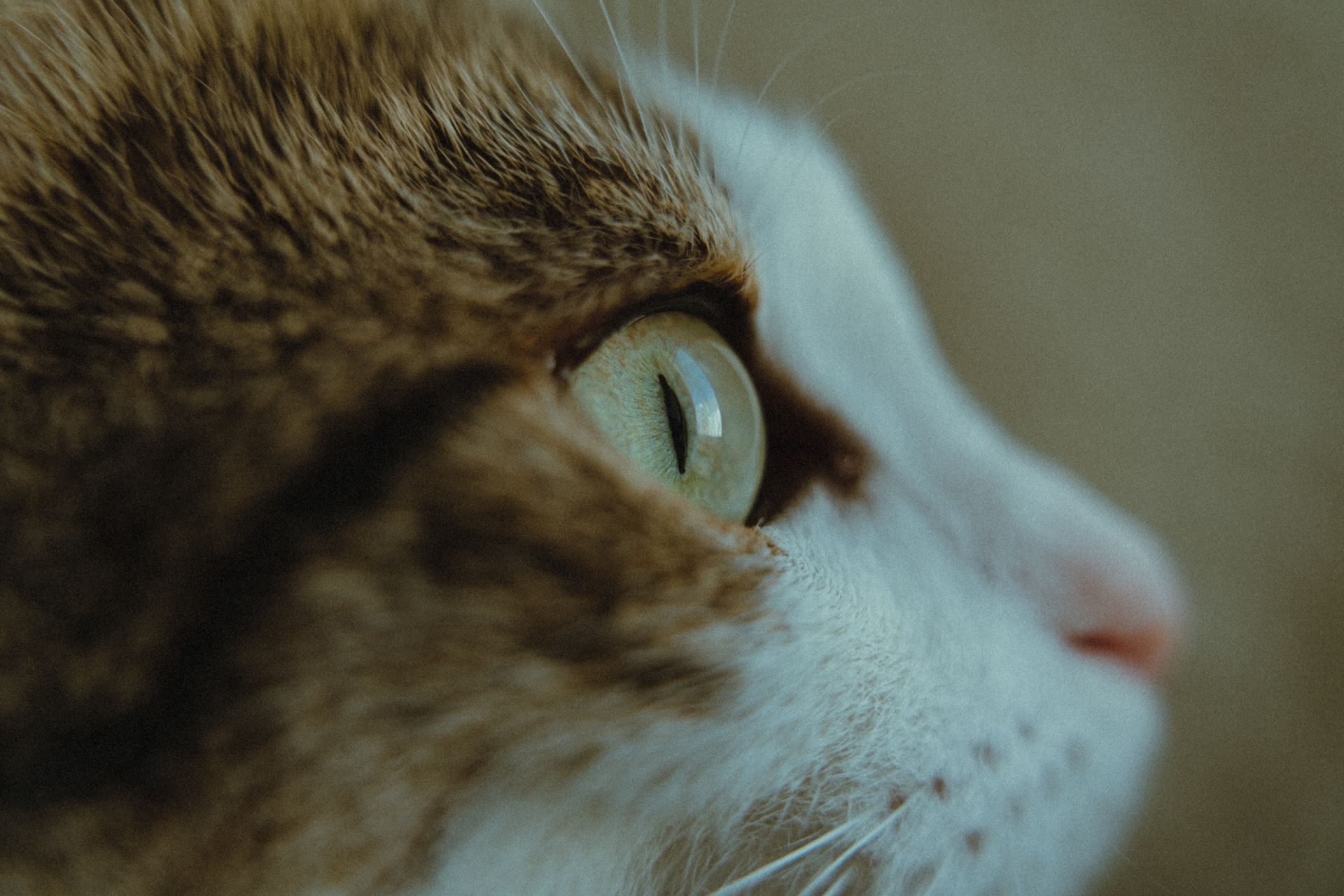
If a stye remains untreated, it can get worse and cause the whole eye to become infected. This is because your cat will likely continue to irritate the affected area by scratching their eye.
An untreated stye can lead to serious consequences, including your cat losing some vision or even becoming completely blind in the infected eye.
Feline Eye Conditions
Feline Herpesvirus can cause serious damage to a young kitten's eye, making it look like it was born without one.
Herpes can cause ulcers on the eyeball, specifically the cornea, and scarring often occurs, making it unsightly and limiting vision.
Diagnosis and Prognosis
To diagnose eye infections in cats, your veterinarian will perform a physical examination and specific eye tests, such as the Schirmer tear test or strip meniscometry to assess tear production.
During the examination, your vet will also check for abnormalities with an ophthalmoscope and perform a fluorescein staining to check for corneal ulcers or scratches. This is important because it determines whether your vet will prescribe eye drops with a steroid or without one.
Here's an interesting read: Will a Hearing Aid Battery Kill a Dog
Your vet will check for ulcers or scratches because eye drops with a steroid can delay healing and make a corneal ulcer worse. They will always stain the eyes before prescribing certain eye drops.
Most cat eye infections heal with treatment, but some take longer than others. The key to your cat's recovery is communication with your veterinarian. Call your vet if the prescribed treatments are not working or making the problem worse.
On a similar theme: Bernese Mountain Dog at Vet
How Vets Diagnose
Vets use a combination of physical examination and specific eye tests to diagnose eye infections in cats. They'll examine the eyes with an ophthalmoscope to check for abnormalities.
During the physical examination, your veterinarian may perform a Schirmer tear test or strip meniscometry to assess tear production. This helps determine if the cat's tear ducts are functioning properly.
Intra-ocular pressure is also checked to rule out glaucoma. This is an important test because glaucoma can be a serious condition that requires prompt treatment.
Explore further: Dog Gut Health Test
Fluorescein staining is used to check for corneal ulcers or scratches. This is a crucial step in determining the best course of treatment, as it will determine if your vet will prescribe eye drops with a steroid or without one.
The results of these tests can help identify any underlying eye conditions that may be causing the problem. This information is essential in determining the best treatment plan for your cat.
Curious to learn more? Check out: How Much Does It Cost to Treat Kennel Cough
Prognosis
Most cat eye infections can be treated and healed with the right care. This is great news for cat owners who want to help their feline friends feel better.
The key to your cat's recovery is communication with your veterinarian. Call your vet if the prescribed treatments are not working or making the problem worse.
Rechecks with your vet are crucial, and you should see them within the recommended timeframe. This will help prevent eye problems from turning serious if left unchecked.
For more insights, see: How Do Horses Help Humans Mentally
Frequently Asked Questions
What is the most common eye infection in cats?
Conjunctivitis is the most common eye disorder in cats, caused by inflammation of the thin membrane lining the eyelids and eyeball. It's a common condition that many cats will experience at least once in their lives.
Featured Images: pexels.com