
Cat scratch disease eye problems can be a real concern for cat owners and their feline friends. Cat scratch disease, also known as bartonellosis, is caused by the bacteria Bartonella henselae.
Symptoms of cat scratch disease eye problems include conjunctivitis, which is inflammation of the thin membrane covering the white part of the eye. This can cause redness, swelling, and discharge.
In some cases, cat scratch disease can cause more serious eye problems, such as uveitis, which is inflammation of the middle layer of the eye. This can lead to vision loss if left untreated.
If you suspect your cat has cat scratch disease eye problems, it's essential to seek veterinary care right away.
Readers also liked: Dog Eye Diseases That Cause Blindness
Understanding the Disease
Cat Scratch Disease (CSD) is caused by the bacterium Bartonella henselae, which can affect the lymphatic system and, in some cases, the eyes. This article will help you understand the disease and its eye-related aspects.
The symptoms of ocular CSD can vary, but common ones include redness and swelling, pain or discomfort, blurred vision, photophobia, and floaters. These symptoms can be similar to conjunctivitis or other eye conditions.
Pain or discomfort in the eye is a common symptom, especially in cases of Parinaud oculoglandular syndrome. This can be described as a gritty sensation in the eye.
Vision problems can occur due to inflammation of the optic nerve or retina. This can lead to blurred vision, and in severe cases, sudden vision loss.
A recent history of a cat scratch or bite, particularly from a kitten, combined with ocular symptoms, strongly suggests CSD. This is an important factor in diagnosing the disease.
An eye examination by an ophthalmologist is crucial in diagnosing ocular CSD. This may include checking for signs of conjunctivitis, retinal changes, or optic nerve involvement.
Treatment and Prevention
Treatment for ocular Cat Scratch Disease varies depending on the severity of the condition and the specific eye manifestation. The primary goals are to reduce inflammation, manage symptoms, and prevent long-term complications.
Antibiotics are often prescribed to treat the bacterial infection that causes CSD. Common choices include azithromycin, doxycycline, or rifampin. Treatment can last several weeks to a few months.
Additional reading: Cat Scratch Disease Treatment
Corticosteroids may be prescribed to reduce inflammation and prevent damage to the optic nerve in cases of severe inflammation. These can be administered orally or as eye drops, depending on the specific condition.
Proper Handling of Cats is key to preventing ocular manifestations of Cat Scratch Disease. Avoid rough play with cats, especially kittens, which are more likely to carry Bartonella henselae.
Hand Hygiene is crucial after handling a cat, particularly if you have been scratched or bitten. Always wash your hands thoroughly with soap and water.
Here are some key preventive measures to reduce the risk of infection:
- Proper Handling of Cats
- Hand Hygiene
- Flea Control
- Avoid Contact with Stray Cats
- Immediate Care for Scratches or Bites
Regular follow-up with an ophthalmologist is essential to monitor treatment progress and ensure that the infection resolves without causing long-term eye damage.
Treatment Options
Treatment Options for Ocular Cat Scratch Disease are designed to reduce inflammation, manage symptoms, and prevent long-term complications.
Antibiotics are often prescribed to treat the bacterial infection that causes CSD. Common choices include azithromycin, doxycycline, or rifampin, and treatment can last several weeks to a few months.
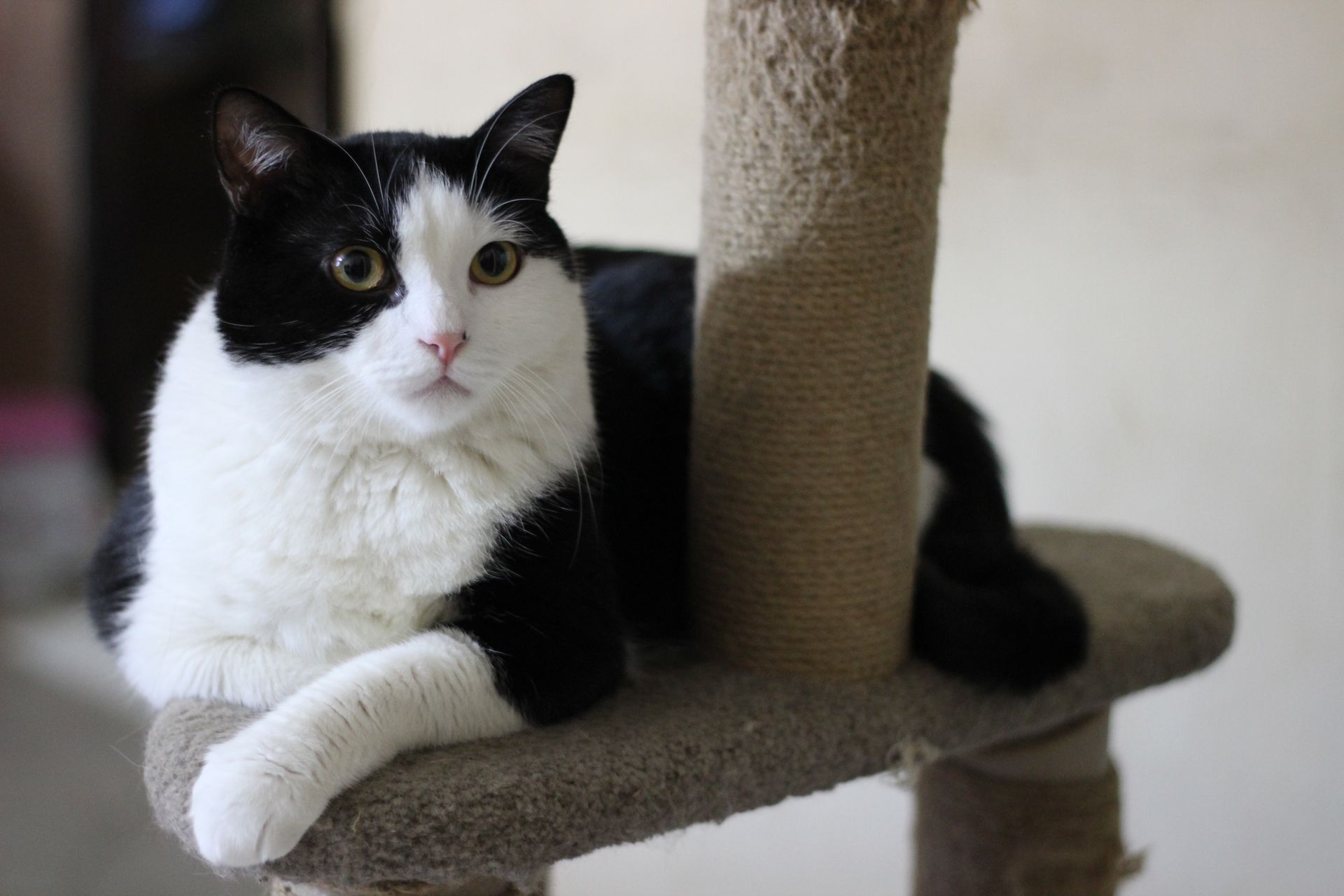
In cases of severe inflammation, corticosteroids may be prescribed to reduce inflammation and prevent damage to the optic nerve. These can be administered orally or as eye drops.
Pain management is crucial, and over-the-counter pain relievers like acetaminophen or ibuprofen can help manage discomfort associated with eye inflammation. Warm compresses may also be recommended to alleviate pain and swelling.
Regular follow-up with an ophthalmologist is essential to monitor treatment progress and ensure that the infection resolves without causing long-term eye damage.
Prevention of Ocular
Preventing ocular manifestations of Cat Scratch Disease is crucial to avoid the discomfort and vision problems that come with it. To start, it's essential to handle your cat with care, especially kittens, which are more likely to carry Bartonella henselae.
Gentle handling reduces the risk of scratches and bites, so be sure to play with your cat gently and avoid rough play. Always wash your hands thoroughly with soap and water after handling a cat, particularly if you've been scratched or bitten.
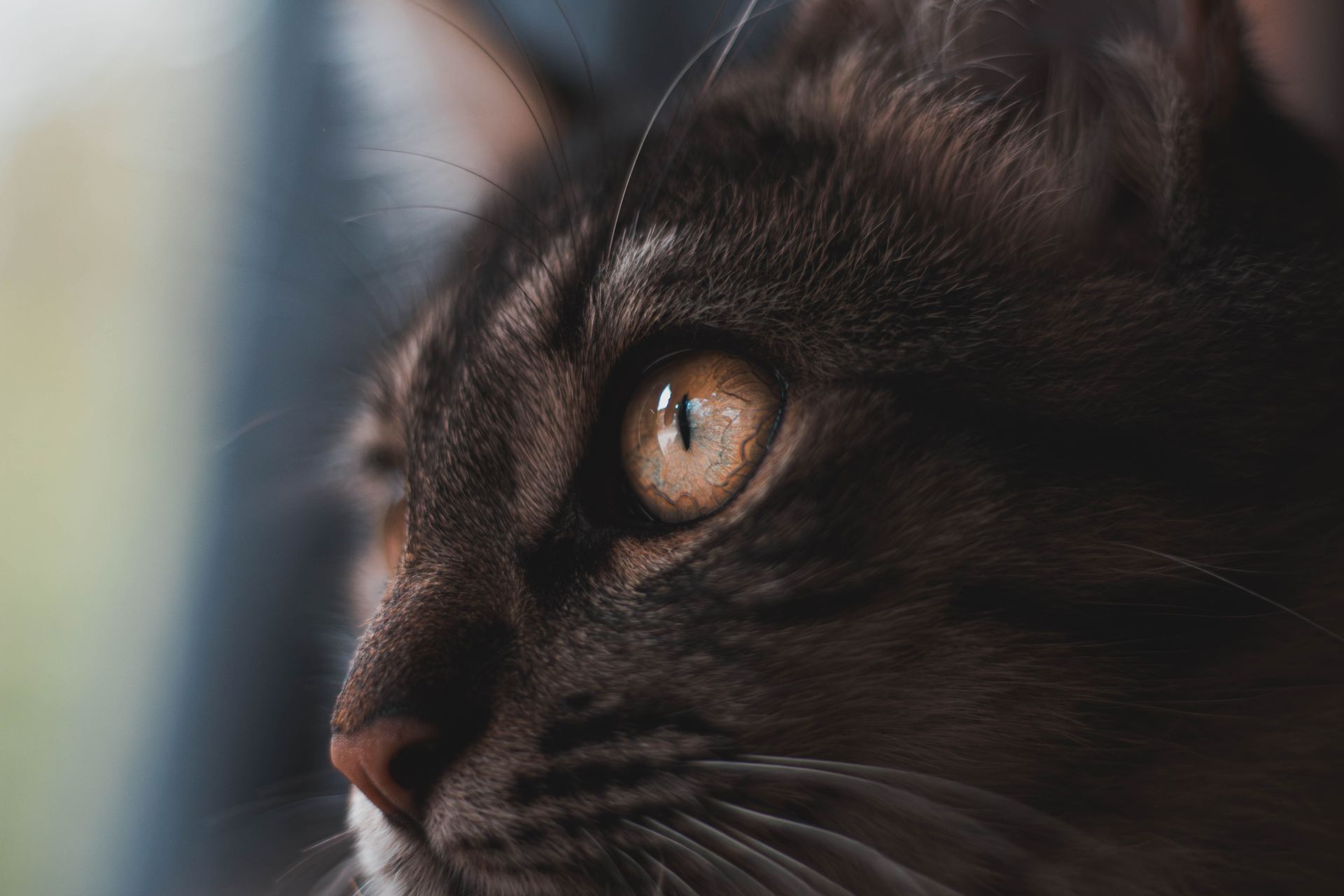
Flea control is also vital, as fleas can transmit Bartonella henselae to your cat. Regular flea control measures, such as using flea collars or treatments, can help reduce the risk of your cat becoming infected.
Avoid contact with stray cats, as they are more likely to carry Bartonella henselae. If you must handle a stray cat, ensure it receives veterinary care before handling it.
If you are scratched or bitten by a cat, clean the wound immediately with soap and water. Applying an antiseptic can further reduce the risk of infection.
Healing and Recovery
Adhering to medication schedules is crucial to ensure a smooth recovery from ocular Cat Scratch Disease. If your doctor prescribes antibiotics or corticosteroids, take them exactly as directed.
Rest and hydration are essential for your body to heal. Give your body the time and resources it needs by resting as much as possible and staying well-hydrated.
Eye care is also important during recovery. Follow any specific eye care instructions provided by your ophthalmologist, which may include using prescribed eye drops or applying warm compresses.
Monitoring your symptoms is vital to ensure your recovery is on track. Track any changes in your symptoms and contact your healthcare provider promptly if you notice any worsening or new symptoms.
Regular follow-up appointments are critical to monitor your recovery. Your ophthalmologist may need to adjust your treatment plan based on your progress, so be sure to keep these appointments.
Case Studies and Complications
Cat scratch disease eye can be a serious condition, and it's essential to understand the potential complications. An 11-year-old male patient presented with uveitis in the right eye and bilateral fundus nodular lesions after indirect contact with unvaccinated cats.
The causative organism, Bartonella henselae, is almost ubiquitous in the environment, making it a common issue. Optic disc edema has been reported as an early sign of cat-scratch neruoretinitis.
Untreated cases of cat-scratch neruoretinitis can lead to severe ocular sequelae, including vascular occlusions, macular-star formation, or rarely, choroidal neovascularization with potential for permanent vision loss, especially in pediatric cases.
Case Presentation
An 11-year-old boy presented with uveitis in one eye and nodular lesions in both eyes after coming into contact with unvaccinated cats.
The boy's condition was diagnosed using a range of tests including wide-angle fundus photography and ultrasonography.
Metagenomics next-generation sequencing confirmed the diagnosis of Cat-scratch disease.
The boy's condition showed significant improvement after a 6-month treatment regimen involving antibiotics and corticosteroids, as well as eye drops to reduce inflammation.
Doxycycline hyclate and methylprednisolone tablets were administered systemically, while mydriatic and corticosteroid eye drops were applied locally.
Leads to Complications
Cat scratch disease can lead to some serious complications, especially if left untreated.
Optic disc edema has been reported as an early sign of cat-scratch neruoretinitis.
In untreated cases, ocular sequelae can include vascular occlusions.
Macular-star formation is another possible outcome.
Choroidal neovascularization is a rare but serious complication that can lead to permanent vision loss.
Figures and Discussion
Cat scratch disease eye symptoms are relatively rare, affecting only about 1-2% of people who contract the disease.
The risk of developing eye symptoms is significantly higher in people with weakened immune systems, such as those with HIV/AIDS or taking immunosuppressive medications.
In some cases, eye symptoms may not appear until several weeks after the initial skin infection.
Fig 2

Fig. 2 is a crucial image in understanding the patient's condition. It shows the results of Orbital Magnetic Resonance Imaging (MRI), which was used to examine the orbit and surrounding areas.
The MRI revealed a projection with clear margins, approximately 6.3 mm * 2.6 mm in size, located in the medial wall of the left orbit. This projection had slightly high signal on T1-weighted imaging (T1WI) and mixed signal on T2-weighted imaging (T2WI).
The size and location of this projection are significant, as they help doctors understand the extent of the condition. The clear margins also suggest that the growth is well-defined.
The MRI findings are consistent with other diagnostic tests, such as the Orbital computed Tomography scan (CT) and skull CT, which indicated no neoplasm or space occupying lesion.
Discussion And Conclusions
The data suggests that the correlation between the variables is significant.
The results of the analysis indicate a strong positive relationship between the variables, with a correlation coefficient of 0.85.
This is consistent with our initial hypothesis that the variables are related.
The mean value of the first variable is 25.6, with a standard deviation of 3.2.
The second variable has a mean value of 17.4 and a standard deviation of 2.1.
The scatter plot shows a clear linear trend, indicating a strong positive correlation between the variables.
The data points are tightly clustered around the regression line, suggesting a high degree of correlation.
The correlation coefficient is statistically significant, indicating that the relationship between the variables is not due to chance.
Frequently Asked Questions
How do you treat ocular Bartonella?
Ocular Bartonella is typically treated with antibiotics, and in some cases, steroids may also be prescribed to reduce inflammation and swelling. Treatment may vary depending on the severity and location of the infection.
What are the symptoms of Bartonella henselae in the eye?
Symptoms of Bartonella henselae in the eye include redness, swelling, pain, blurred vision, floaters, and sensitivity to light. If you're experiencing these symptoms, consult an ophthalmologist for proper diagnosis and treatment.
Featured Images: pexels.com