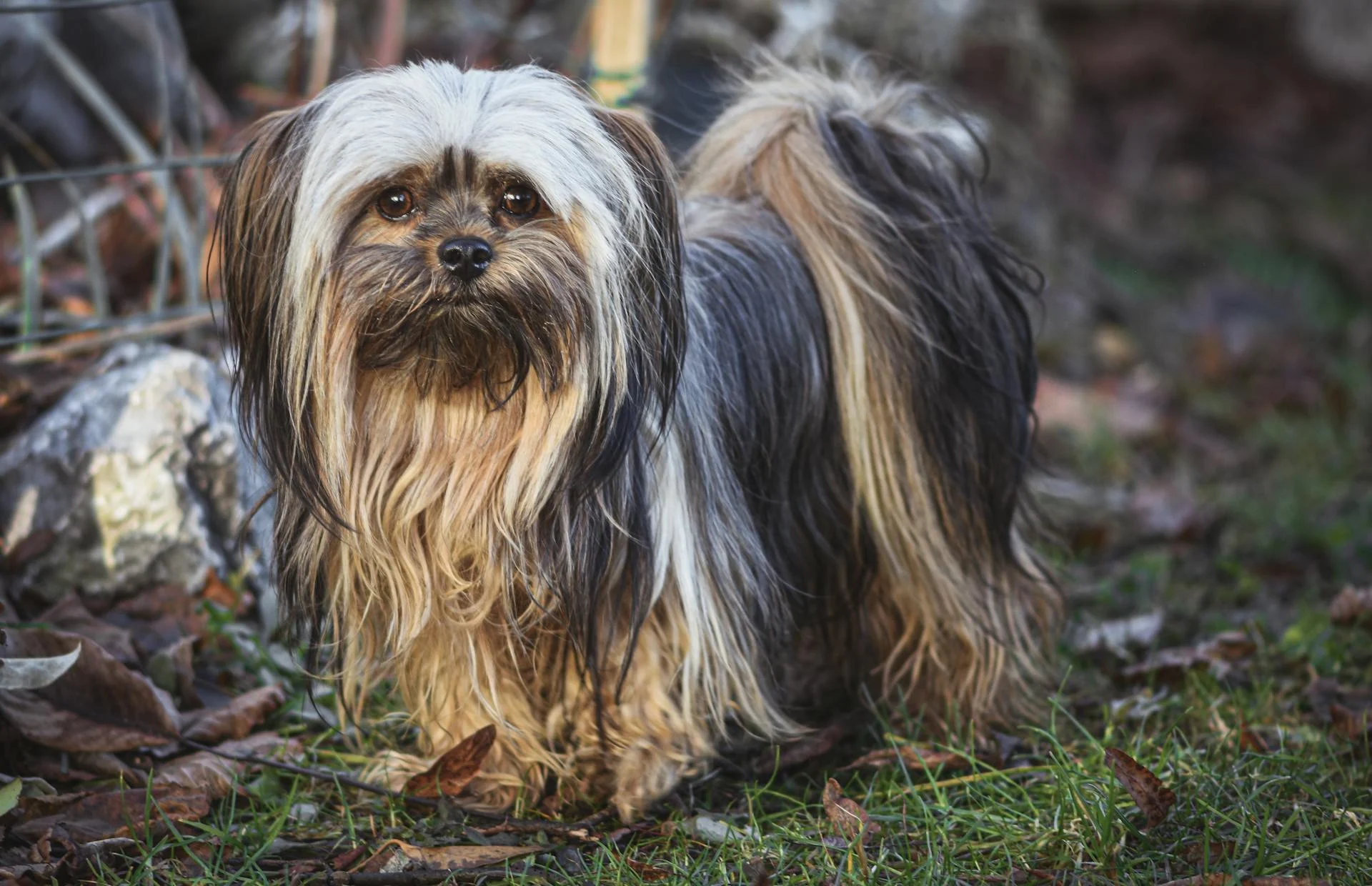
As your Lhasa Apso ages, you may start to notice some changes in their behavior and physical health.
Joint pain and stiffness can become more pronounced, making it harder for them to get up from a lying down position or climb stairs.
Regular exercise is still essential, but it's crucial to adjust the intensity and duration to avoid putting excessive strain on their joints.
A gentle 10-15 minute walk twice a day can help maintain their mobility and prevent muscle atrophy.
Physical Signs of Aging in Dogs
As your Lhasa Apso ages, you may start to notice some physical changes that can be concerning. Cloudy eyes or difficulty seeing are common in senior dogs and can be a sign of canine cataracts or other eye diseases. Your dog may start bumping into things or having trouble locating familiar objects on the floor.
Horrible breath in older dogs can be a sign of gum disease, tooth decay, or oral infection. This is because the immune system weakens with age, making it harder for dogs to fight off infections. If your Lhasa Apso's breath suddenly becomes awful, it's a good idea to take them to the vet for a dental cleaning and some blood work to rule out infection.
You might like: Difference between Kennel Cough and Upper Respiratory Infection
Here are some common physical signs of aging in dogs that you should be aware of:
- Cloudy eyes or difficulty seeing
- Horrible breath
- Slowing down or difficulty getting around
- New lumps and bumps
- Change in weight
- Incontinence or difficulty peeing or pooping
These signs can be normal as your Lhasa Apso ages, but it's always a good idea to check with your vet to rule out any underlying conditions or illnesses.
Weight Loss
Weight loss in older dogs can be a sign of several underlying issues. It's common for less active dogs to gain weight, but if your senior dog loses weight, it's essential to investigate the cause.
Reduced muscle mass is a common occurrence in older dogs, which can lead to weight loss. However, weight loss can also be caused by reduced appetite, poor nutrient absorption, or a digestive illness.
If your dog loses more than 10% of their body weight in a few months, or even in a year, consult your vet. This is a significant indicator that something is amiss.
Here are some possible causes of weight loss in older dogs:
- Reduced muscle mass: As dogs age, their muscle mass decreases, leading to weight loss.
- Reduced appetite: Older dogs may experience a decrease in appetite, leading to weight loss.
- Poor nutrient absorption: As dogs age, their digestive system may not be able to absorb nutrients as efficiently, leading to weight loss.
- Digestive illness: Older dogs may be more prone to digestive illnesses, such as gastrointestinal disease, which can lead to weight loss.
Hair Loss
Hair loss in dogs is a common sign of aging, and it's often accompanied by a thinning of the coat.
As dogs age, their hair growth cycle slows down, leading to a decrease in the production of new hair follicles.
By 5-7 years of age, many dogs start to show signs of hair loss due to the natural aging process.
Some breeds are more prone to hair loss than others, such as the Sphynx and the Chinese Crested, which can be almost completely bald.
In addition to breed, genetics also play a role in hair loss in dogs, with some dogs inheriting a predisposition to thinning or balding from their parents.
Regular grooming can help to manage hair loss in dogs, but it won't stop it entirely.
As dogs age, their skin also becomes thinner and more sensitive, making it more prone to irritation and dryness.
In some cases, hair loss can be a sign of an underlying health issue, such as hypothyroidism or Cushing's disease, so it's essential to have your dog checked by a veterinarian if you notice any sudden changes in their coat.
For your interest: Are Goldendoodles Prone to Cancer
Graying
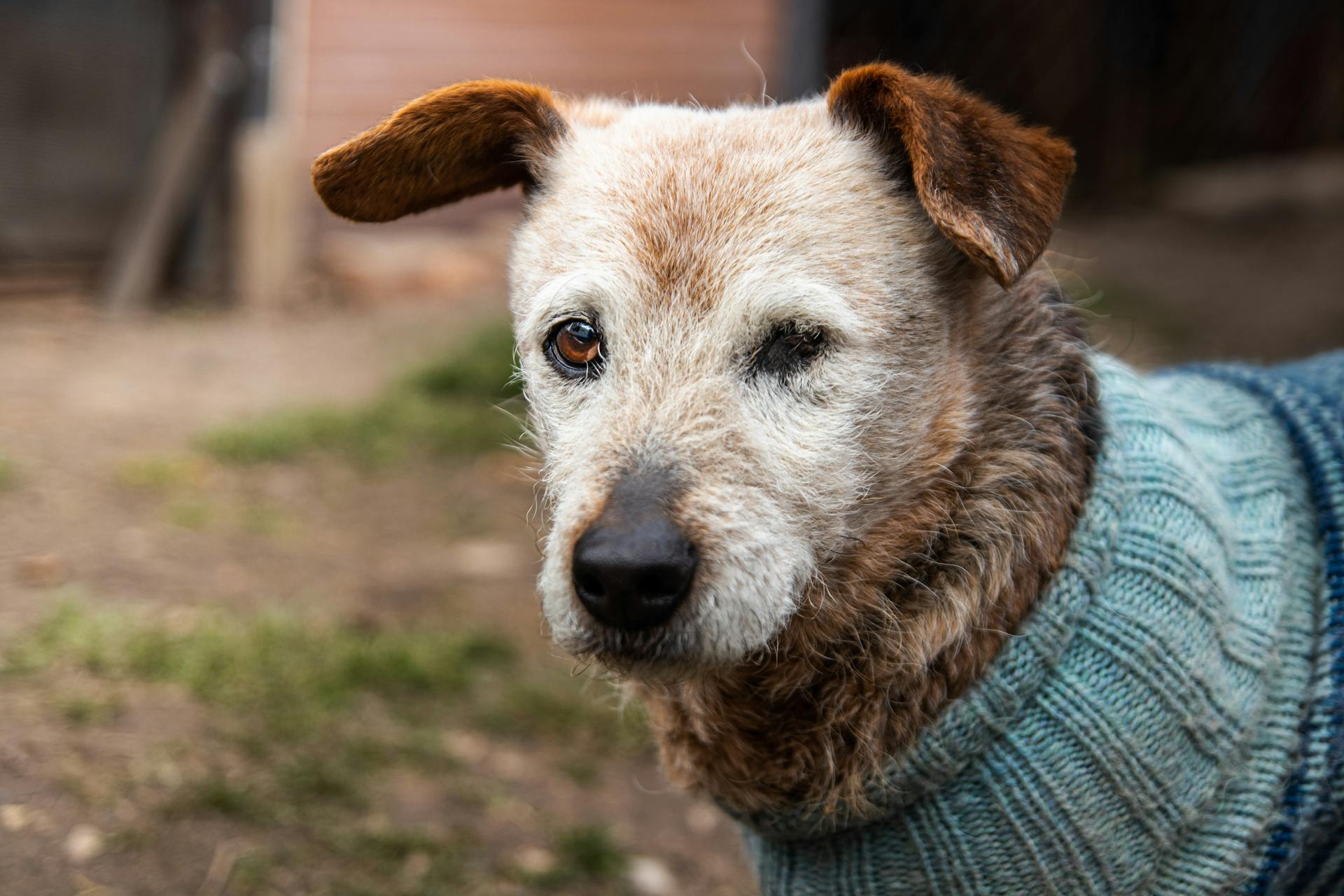
As dogs age, you may notice a graying of their coat. This is a common physical sign of aging in dogs.
The graying process typically starts around the muzzle and face, but can spread to the rest of the coat over time.
Many breeds are more prone to graying, especially those with white or light-colored coats, such as the Maltese and the Samoyed.
Aging dogs may also experience a decrease in the production of melanin, the pigment responsible for their coat color, which can contribute to graying.
It's not uncommon for older dogs to have a mix of gray and their original coat color, giving them a unique and distinguished look.
A unique perspective: Liver Colored Brittany Spaniel
Decreased Mobility
As your dog ages, you might notice they're moving a bit slower than usual. This could be due to canine arthritis or another degenerative disease. It's not uncommon for older dogs to have trouble with stairs, jumping into the car, or getting up after a nap.
You might notice weakness in their back legs, which could be a sign of arthritis. If your vet recommends pain or arthritis medication or doggy dietary supplements, be sure to follow their advice and adjust your dog's exercise regimen to slower and shorter walks or a new exercise routine.
Swimming with your dog is a great low-impact exercise option that's gentle on their body. Many dogs love it, and it can help maintain their mobility.
Here are some signs of decreased mobility in older dogs:
- Difficulty getting up after a nap
- Weakness in back legs
- Trouble with stairs or jumping into the car
If you notice any of these signs, consult with your vet to rule out any underlying conditions or illnesses. They may be able to prescribe medications to help keep your pet more comfortable and mobile.
Changes in Sleep Patterns
As our dogs age, one of the most noticeable changes is in their sleep patterns. They tend to sleep more soundly and for longer periods, often up to 18-20 hours a day.
Curious to learn more? Check out: How Much Do Puppys Sleep
Their sleep patterns become more fragmented, with shorter periods of light sleep and more frequent awakenings. This can be due to age-related changes in their brain chemistry and physical health.
Older dogs often have a harder time adjusting to changes in their environment, which can disrupt their sleep patterns. For example, a change in your work schedule or a new pet in the house can cause them to wake up more frequently.
Some dogs may also experience age-related sleep disorders, such as sleep apnea or insomnia. These conditions can be caused by a variety of factors, including obesity, arthritis, and other health issues.
Aging dogs may also become more prone to sleeping in unusual places, such as on the couch or in your bed. This can be due to a combination of factors, including joint pain, reduced mobility, and a desire for comfort and security.
Intriguing read: Do Goldendoodles Sleep a Lot
Behavioral and Mental Signs of Aging in Dogs
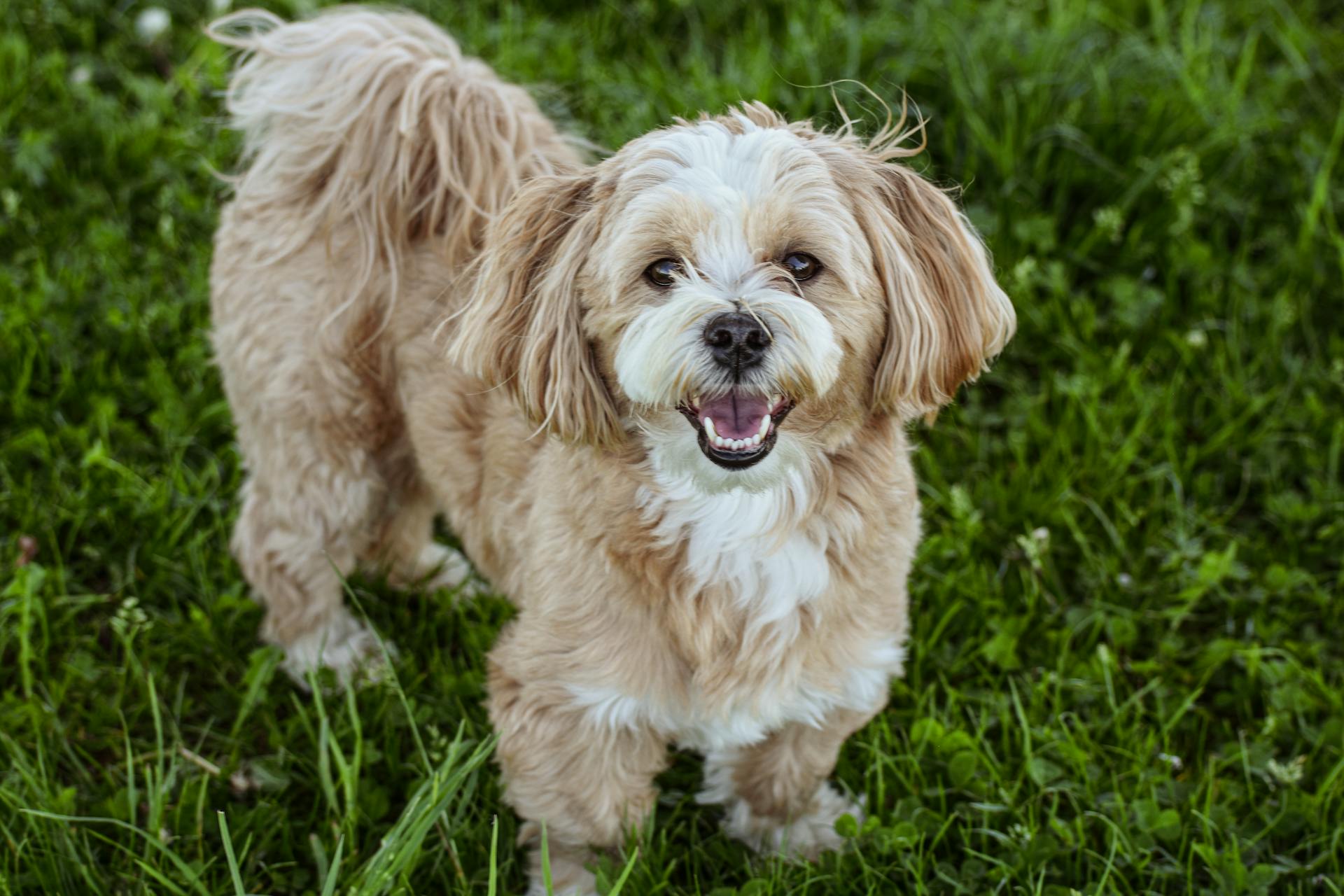
As your Lhasa Apso ages, you may start to notice changes in their behavior that can be quite concerning. Sudden grumpiness in your once sweet dog can be a sign of underlying physical discomfort, such as arthritis.
Older dogs need more sleep, so it's not uncommon for them to sleep for hours a day. However, if your dog is sleeping excessively or has trouble waking up, it could be a sign of a medical issue.
Changes in behavior can also be a sign of canine cognitive dysfunction syndrome (CCDS), a condition similar to Alzheimer's in humans. According to one study, CCDS affects 14% to 35% of dogs over 8 years old.
Here are some common signs of CCDS:
- Fear of familiar people or objects
- Changes in the sleeping-waking cycle, including restlessness or pacing at night
- Increased barking and vocalization
- Repetitive or compulsive behaviors
- Forgetting commands and cues that your dog once knew
- Peeing or pooping in the house
- Increased anxiety
- Confusion and disorientation
- Marked change in your dog's activity level
If you notice any of these signs, it's essential to consult with your veterinarian, who will ask you a number of questions during the appointment. While there is no cure for CCDS, there are some new medications and therapeutic options your vet can discuss with you.
In the meantime, try to reduce stress in your dog's life by keeping changes to a minimum. This can help alleviate some of the symptoms associated with CCDS.
Care and Support for Aging Dogs
As your Lhasa Apso ages, you may notice some physical changes that can be concerning. Cloudy eyes or difficulty seeing can be a sign of vision loss, so keep an eye out for your dog bumping into things or having trouble locating familiar objects.
Aging dogs can also experience horrible breath due to gum disease, tooth decay, or oral infection. Regular dental cleanings and check-ups with your vet can help prevent these issues. If your dog's breath suddenly becomes awful, it's a good idea to get them checked out.
Slowing down or difficulty getting around is a common sign of aging in dogs. This can be caused by canine arthritis or other degenerative diseases, so it's essential to adjust your dog's exercise regimen to slower and shorter walks or a new exercise routine. Swimming with your dog is a great low-impact activity that many dogs love.
Here are some common signs of aging in dogs, including physical and behavioral changes:
Keep in mind that some of these changes can be caused by underlying medical issues, so it's always best to consult with your vet if you notice any unusual signs in your aging Lhasa Apso.
Veterinary Care
As your dog ages, it's essential to prioritize their veterinary care. Regular check-ups with your vet can help identify potential health issues early on.
Your vet may want to do blood work to rule out infections that can be more common in senior dogs. This can be especially true if your dog has bad breath or is showing signs of gum disease.
Adjusting your dog's exercise routine is crucial for maintaining their mobility. If your dog is having trouble with stairs or jumping into the car, it may be due to canine arthritis or another degenerative disease.
New lumps and bumps on your dog's skin should be checked by your vet to rule out a malignant tumor. Some dogs are prone to harmless fatty lipomas, but it's always better to be safe than sorry.
If your dog loses more than 10% of their body weight in a few months, or even in a year, consult your vet. This weight loss could be the result of reduced muscle mass, a reduced appetite, poor absorption of nutrients, or a digestive illness.
Curious to learn more? Check out: Fish Swim Bladder Disease
Here are some signs that may indicate your dog needs a veterinary visit:
- Cloudy eyes or difficulty seeing
- Horrible breath
- Slowing down or difficulty getting around
- New lumps and bumps
- Change in weight
- Incontinence or difficulty peeing or pooping
Keep an eye out for these signs and schedule a vet visit if you notice any of them. Early detection and treatment can make a big difference in your dog's quality of life.
Exercise and Stimulation
Exercise is crucial for aging dogs, and it's essential to tailor activities to their physical limitations. As dogs age, their joints can become stiffer and more prone to injury, so high-impact activities like running are best avoided.
A 30-minute walk a day can help maintain their physical health. Regular exercise also stimulates their mind and reduces the risk of cognitive decline.
Short, frequent play sessions can be just as effective as longer, more intense ones. This is especially important for dogs with arthritis or other mobility issues.
Providing mental stimulation through puzzle toys and scent work can help keep their minds active and engaged. This can be a great way to challenge them and prevent boredom.
Older dogs may need more time to warm up and cool down, so it's essential to factor this into their exercise routine.
You might like: How Much Exercise Do Pit Bulls Need
Frequently Asked Questions
What is the main cause of death of Lhasa Apsos?
Lhasa Apsos are prone to heart failure, which is a leading cause of death in their older age. Regular veterinary check-ups and a healthy lifestyle can help prevent or manage this condition.
What illnesses are Lhasa Apso prone to?
Lhasa Apsos are prone to various health issues, including eye problems like Progressive Retinal Atrophy, Cataracts, and Glaucoma, as well as conditions like Patellar Luxation, Dental Disease, and Renal Dysplasia
What is the average age of a Lhasa Apso dog?
The average lifespan of a Lhasa Apso is 12-15 years, with some living into their late teens and even beyond 20.
Featured Images: pexels.com