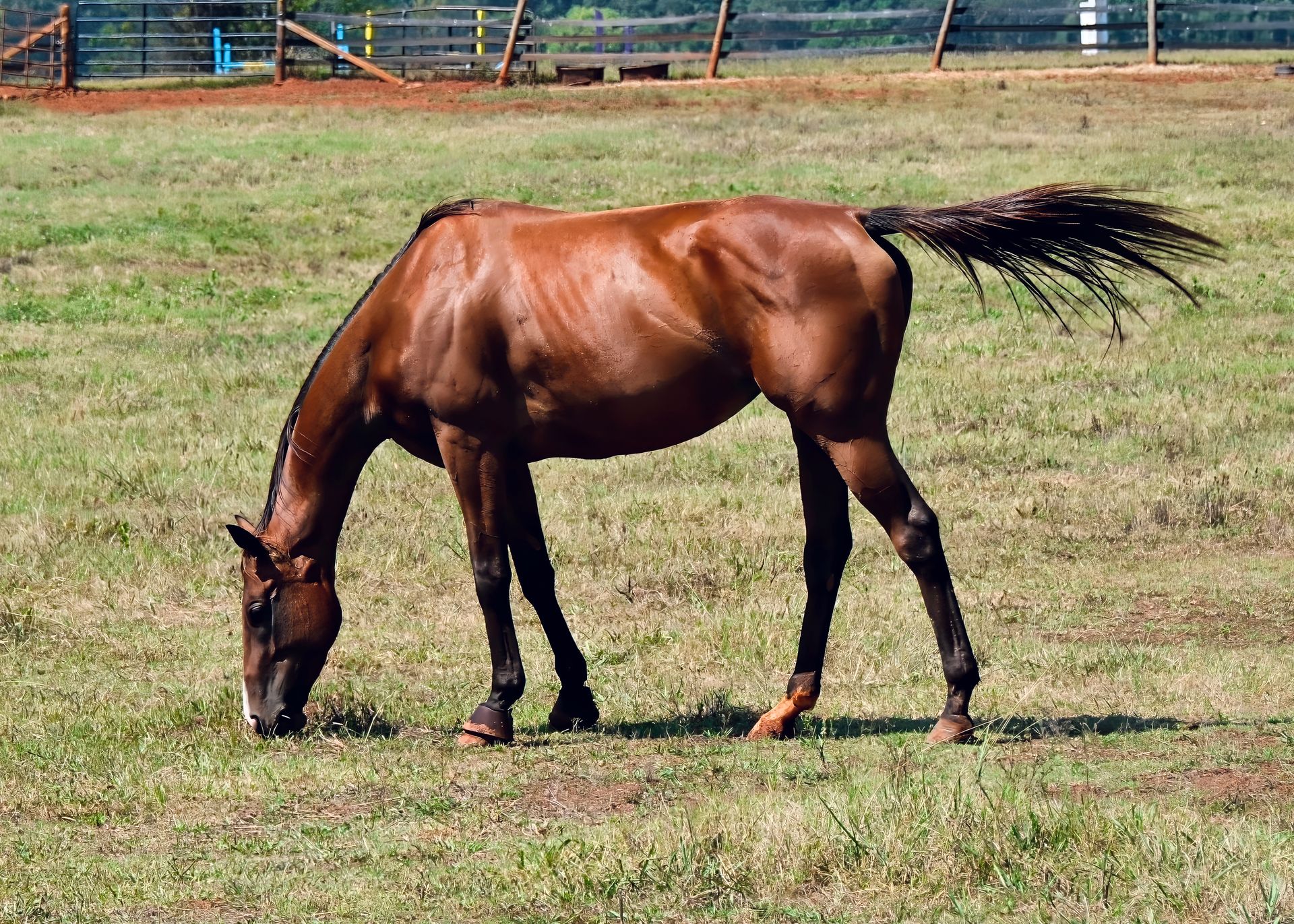
Horse diseases can be a major concern for horse owners, but understanding what they are and how to prevent them can make a big difference.
Equine Infectious Anemia (EIA) is one of the most serious horse diseases, caused by a virus that attacks the horse's immune system.
Preventing EIA involves avoiding contact with infected horses and using protective measures like vaccination and testing.
Regular veterinary check-ups can also help detect any potential issues early on, reducing the risk of the disease taking hold.
Diarrhea
Diarrhea can be a real issue for horses, and it's often caused by a variety of conditions, including infectious diseases, tumors, parasitic infections, dental disease, and disruption of the gut microbiome.
Up to 50% of diarrhea cases in horses have no identifiable cause, which can make it tough to diagnose and treat.
Diarrhea can lead to dehydration in horses, which is a serious concern because they can't replenish the large quantities of water and electrolytes lost during diarrhea without medical intervention.
Nasogastric intubation, which involves passing a tube through a nostril into the stomach, is a diagnostic tool that should only be performed by a veterinarian.
Horses experiencing diarrhea may require supportive care, such as oral fluids provided through a nasogastric tube, intravenous fluids, antidiarrhea medications, probiotics, or fecal microbial transplantation.
The prognosis of diarrhea cases depends on the underlying cause, but most horses make a full recovery with appropriate management.
Here are some common causes of diarrhea in horses:
- Infectious diseases
- Tumors
- Parasitic infections
- Dental disease
- Disruption of the gut microbiome
Parasitic and Infectious Diseases
Parasitic diseases are common in horses, with most carrying at least one type of parasite in their gastrointestinal tract. These parasites can cause a range of symptoms, including diarrhea, colic, weight loss, and swelling of the lower abdomen.
Internal parasites like small and large strongyles, tapeworms, and ascarids can be particularly problematic, especially in young horses that haven't developed immunity yet. Symptoms of parasitic disease can include failure to shed the foal coat and stunted growth.
Here are some common internal parasites found in horses:
- Small and large strongyles
- Tapeworms
- Ascarids
- Threadworms
- Pinworms
- Stomach bots
Infectious diseases like Equine Infectious Anemia (EIA) can also affect horses. EIA is caused by a virus and can be transmitted through close contact with infected animals or biting insects. Symptoms of EIA include intermittent fever, depression, weakness, edema, anemia, and icterus.
Other diseases like Potomac Horse Fever (PHF) and Trypanosomiasis (Dourine, Mal du coit) can also be transmitted through contaminated water or contact with infected animals. PHF is caused by an infection of Neorickettsia risticii bacteria, while Trypanosomiasis is caused by the flagellated protozoan Trypanosoma equiperdum.
Internal Parasites
Internal parasites are a common issue in horses, with most carrying at least one type of parasite in their gastrointestinal tract.
Horses typically acquire parasitic infections by ingesting parasite eggs from the environment.
Common internal parasites in horses include small and large strongyles, tapeworms, ascarids, threadworms, pinworms, and stomach bots.
These parasites don't usually cause significant disease in healthy adult horses, unless they're present in large numbers or damaging tissues.
However, parasites can be more dangerous in foals, as they haven't developed any natural immunity.
Symptoms of parasitic disease can include diarrhea, colic, weight loss, swelling of the lower abdomen, failure to shed the foal coat, and stunted growth.
A fecal egg count is used to diagnose internal parasites, which analyzes the number of parasite eggs present in the horse's feces.
Veterinarians recommend these tests annually to monitor parasitic infections and ensure horses with high parasite burdens are treated.
Treatment typically involves an antiparasitic medication such as ivermectin or praziquantel.
Here are the common internal parasites found in horses:
- Small and large strongyles
- Tapeworms
- Ascarids
- Threadworms
- Pinworms
- Stomach bots
Potomac Fever
Potomac Fever is a serious condition that affects horses, caused by an infection of Neorickettsia risticii bacteria. This bacteria has a complex lifecycle that involves snails, flatworms, and aquatic insects like mayflies.
Drinking contaminated water or grazing on moist grass hosting aquatic insects are the most common routes of exposure for horses. I've seen horses grazing in wet meadows, and it's essential to be aware of the risks.
Symptoms of Potomac Fever include fever, reduced appetite, lethargy, colic, diarrhea, and laminitis. These symptoms can progress quickly, so it's crucial to recognize them early.
Here are the symptoms of Potomac Fever:
- Fever
- Reduced appetite
- Lethargy
- Colic
- Diarrhea
- Laminitis
Treatment for Potomac Fever involves a specific antibiotic called oxytetracycline, along with anti-inflammatory medications and intravenous fluids. Most horses with mild symptoms make a full recovery within 3-5 days of treatment.
African Sickness
African Horse Sickness is a highly fatal insect-borne febrile viral disease of equidae. It's characterized by edema of the subcutaneous tissue and lungs, hemorrhage, and serous fluid in the body cavities.
The virus is persistent for a few months in urine, dried blood, feces, and serum, and is resistant to boiling up to 15 minutes, as well as common disinfectants. However, it is destroyed by sunlight.
Transmission occurs through various Culicoides spp. and several species of mosquitoes. Mechanical transmission by biting flies is also possible. Dogs can get infected by eating infected horse meat.
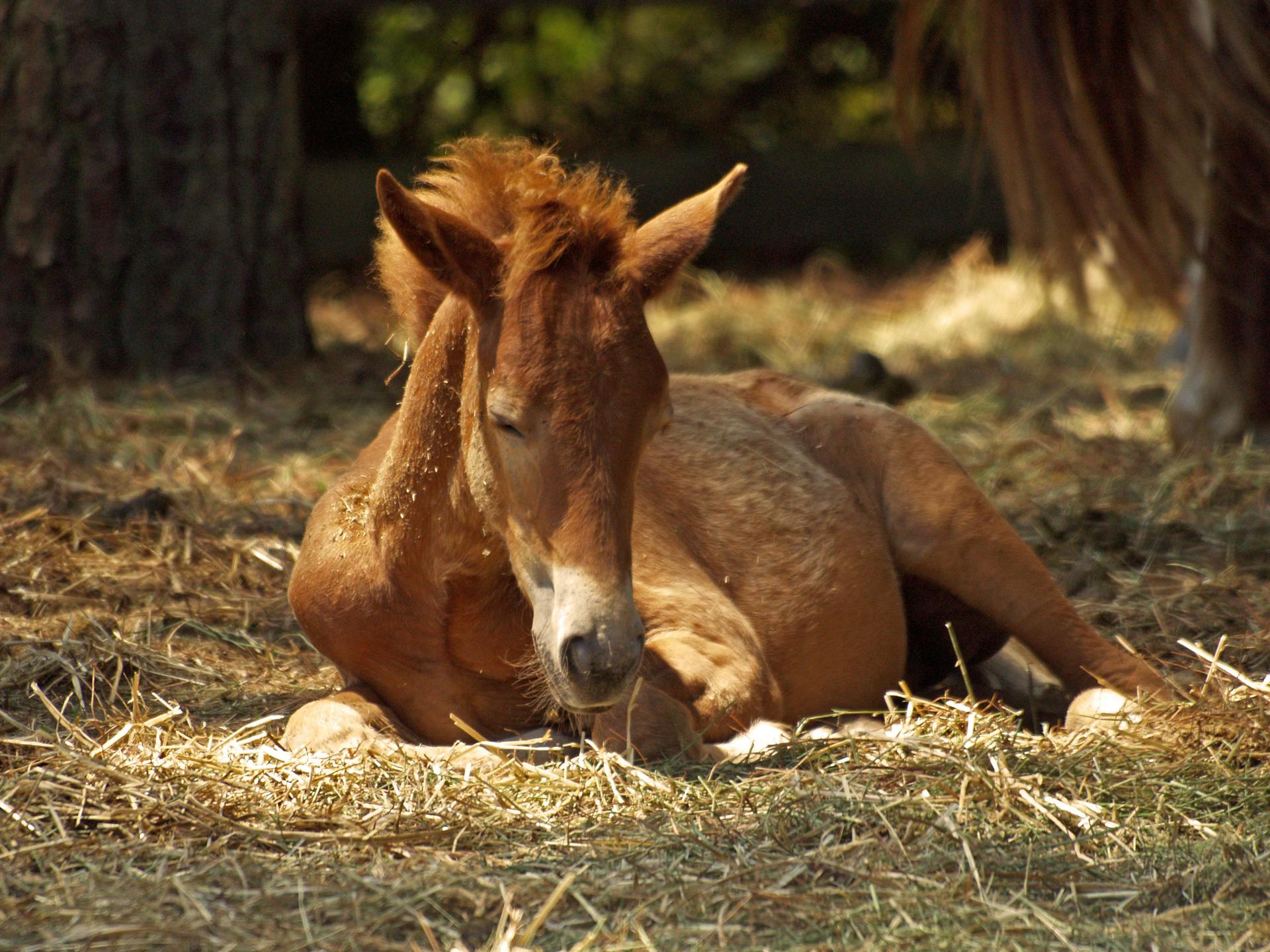
Mortality rates for African Horse Sickness can be as high as 90% in severe cases. The disease is marked by sudden onset and increased temperature, respiratory distress, and frothy exudate from the nares.
Symptoms include fever, conjunctivitis, non-pitting edema in the supraorbital fossa, and subcutaneous edema of the head, neck, brisket, thorax, and ventral abdomen.
A mild form of the disease, known as "horse sickness fever", presents with fever, slightly labored breathing, and loss of appetite.
On a similar theme: What Is Cat Scratch Disease
Infectious Anemia (EIA)
Infectious Anemia (EIA) is a serious disease affecting horses. It's caused by a virus that can be transmitted through close contact with infected animals or biting insects like mosquitoes and flies.
The symptoms of EIA can be quite varied and may include fever, depression, weakness, edema, anaemia, and icterus. A horse may also experience sudden onset of disease, rapid dehydration, and even death.
One of the most common symptoms of EIA is fever, which can reach up to 41°C and may rise and fall rapidly. Other symptoms include sudden onset of disease lasting from 3 days to 3 weeks, depression and weakness, jaundice, edema of the ventral abdomen, legs, and prepuce, and serosanguineous nasal discharge.
See what others are reading: Vestibular Disease
If a horse is suspected to have EIA, it will be tested and if found positive, the disease control measures will be implemented. In Canada, horse owners voluntarily pay to have their horses tested when proof of negative status is needed for movement to shows and other horse events.
Here are some of the possible outcomes of EIA infection:
- Acute onset of disease and subsequent recovery
- Swollen icteric conjunctivae
- Exertion may cause an increase in temperature and pulse, sweating and incoordination
- Death caused by exhaustion
- Anaemia, weakness
- Icteric conjunctivae and mucous membranes
- Diarrhoea
- Recurrence of disease in a one to three month period
- Subcutaneous edema
- Jaundice
- Subserosal haemorrhage
- Emaciation and anaemia
- Hydrothorax and ascites
- Enlarged spleen and liver with swelling of the edges
- Superficial haemorrhages in the organs
- Enlarged, edematous and haemorrhagic lymph nodes
- Replacement of bone marrow fat with dark red hemopoietic tissue
It's worth noting that not all horses with EIA will show symptoms, and some may only show mild symptoms. However, if left untreated, the disease can progress and lead to severe symptoms and even death.
A unique perspective: Horses Show
Contagious Metritis (CEM)
Contagious Equine Metritis (CEM) is a contagious, acute venereal disease of horses and other equidae caused by Haemophilus equigenitalis. It's primarily spread through direct contact with an infected stallion.
CEM can cause inflammation of the vagina, cervix, and uterus, as well as a mucopurulent vaginal discharge. Infected mares may also experience inflammation of the hind legs due to soiled exudate.
The disease has a short incubation period of 2-10 days after breeding, and morbidity can reach up to 100% from direct contact with an infected stallion. Mortality is none, but if acute inflammation of the vagina and uterus is associated with septicemia, the carcass is condemned.
Here's a list of the key symptoms of CEM:
- Inflammation of the vagina, cervix, and uterus
- Congestive inflammation of the cervix
- Mucopurulent exudate in the uterus and vagina
In Ontario, a large outbreak of CEM was identified in 2008, affecting 16 mares and one stallion. The Canadian Food Inspection Agency (CFIA) quarantined the animals and implemented new import requirements for live horses and horse germplasm.
Strangles (Distemper)
Strangles (Distemper) is a contagious disease of equines that affects the upper respiratory tract and causes purulent lesions in the regional lymph nodes. It's a serious condition that occurs in stressed young horses between 1-5 years old.
The source of infection is nasal discharge from infected animals, contaminated food and water, and parasites. Infection can spread through ingestion or the respiratory route by inhalation of droplets.
Symptoms of strangles include a soft, moist, and constant cough, severe pharyngitis and laryngitis, and painful abscesses in the submaxillary, pharyngeal, and parotid lymph nodes and lymph vessels. These abscesses can rupture and cause necrosis of the skin, eruption of abscesses, and edema of the lower limbs.
Horses can also develop empyema of the guttural pouch, complications that can lead to acute pneumonia, purulent inflammation of the brain, and terminal paralysis. Pericarditis and lameness can also occur.
There are different forms of strangles, including an atypical form that manifests as subclinical infection and mild disease. This form can cause abscesses in the internal organs, including the liver, spleen, lungs, and pleura.
Here are the key symptoms of strangles:
- Fever
- Temperature 39.5°C – 40.5°C
- A soft, moist and constant cough
- Severe pharyngitis and laryngitis
- Painful abscesses in the submaxillary, pharyngeal, and parotid lymph nodes and lymph vessels
- Necrosis of skin and eruption of abscesses
- Edema of lower limbs
- Empyema of the guttural pouch complications
- Spread of lesions to lungs causing acute pneumonia
- Purulent inflammation of the brain followed by excitement, neck rigidity and terminal paralysis
- Pericarditis
- Lameness and difficult breathing
It's essential to note that the spread of infection can occur for at least 4 weeks after the initial attack due to the organism developing resistance to diverse environmental conditions.
Respiratory and Musculoskeletal Conditions
Horses have impressive lungs, capable of holding up to 55 litres of air, which is roughly nine times the capacity of human lungs. This large lung volume is essential for providing adequate oxygen during exercise.
Respiratory conditions can significantly impact a horse's performance and future potential. Look out for signs like coughing, nasal discharge, increased abdominal effort when breathing, and a "heave line" on the horse's abdomen. These symptoms can be indicative of conditions like equine asthma.
To diagnose equine asthma, veterinarians often use a combination of endoscopy and bronchoalveolar lavage, a test that evaluates the types of cells found in the lungs. Treatment typically involves bronchodilators to open airways and corticosteroids to reduce inflammation.
Here are some management changes that can help reduce a horse's exposure to allergens:
- Increasing turnout to get fresh air and exercise
- Soaking or wetting hay and bucket meals to reduce dust
- Using hay alternatives like forage cubes or lower-dust bedding like shavings or paper pellets
- Optimizing ventilation, even in winter
- Removing horses from the barn when sweeping or cleaning
Influenza
Influenza is a common respiratory virus that affects horses, especially those exposed to large groups of unfamiliar horses. Young horses are particularly susceptible to the virus.
Horses that contract influenza may exhibit a range of symptoms, including fever, lethargy, reduced appetite, coughing, nasal discharge, and eye discharge.
A diagnosis of influenza is often made based on the symptoms presented and a history of exposure to other horses. Nasal swab tests can be used to confirm the diagnosis by identifying the virus' genetic code or the virus itself.
Most horses recover from influenza within 1-3 weeks with supportive care and stall rest. However, some horses may take up to three months to return to full athletic performance.
To prevent the spread of the disease, affected horses that are actively shedding the virus should be quarantined away from other horses. A vaccine is also available as a preventative measure for horses frequently exposed to larger groups of horses.
Rhinopneumonitis Virus
Rhinopneumonitis virus is a common issue in equine populations, and carrier horses can shed the virus in their nasal secretions during periods of stress.
This virus circulates in all equine populations, making it a widespread concern for horse owners and veterinarians alike.
Carrier horses harbor the virus within their respiratory tract and shed the virus in their nasal secretions during periods of stress.
Veterinarians typically diagnose rhinopneumonitis based on the horse’s symptoms alone, which can include cough, nasal discharge, and fever.
To confirm a diagnosis, nasal swabs or blood tests that look for the virus’ genetic code are necessary.
There is no definitive treatment for herpesvirus, meaning horses must recover from the infection on their own.
Affected horses should have 2 – 4 weeks off exercise (other than turnout) and training to allow their airways to recover fully.
Quarantine of these horses is also prudent as they can continue to shed the virus for up to 2 weeks after symptoms resolve.
Vaccines that reduce the risk of developing symptoms from herpesvirus infection are available, and most veterinarians recommend vaccinating horses who are frequently exposed to large horse groups every 3 – 6 months.
Shipping Fever
Shipping fever, also known as pleuropneumonia, is a respiratory infection that can affect horses during long periods of transport.
Horses are at risk of developing shipping fever because their heads are often tied up, preventing them from clearing contaminants from their airways. This increases the likelihood of inhaled bacteria colonizing the lungs and causing an infection.
The symptoms of shipping fever include fever, rapid breathing, nasal discharge, coughing, and exercise intolerance.
Here are some common symptoms of shipping fever:
- Fever
- Rapid breathing
- Nasal discharge
- Coughing
- Exercise intolerance
Veterinarians can diagnose shipping fever on ultrasound, which shows fluid within the chest and surrounding the lungs.
Respiratory Conditions
Horse lungs have a remarkable capacity of up to 55 litres, which is approximately nine times that of human lungs. This large lung volume is necessary to provide adequate oxygen during exercise.
Conditions affecting the lungs can significantly compromise a horse's performance capacity and future potential. Coughing, nasal discharge, and increased abdominal effort when breathing are all signs of respiratory distress in horses.
A "heave line" or increased prominence of the abdominal muscles is another indicator of respiratory issues. Horses may also exhibit an increased respiratory rate or poor performance.
Here are some common respiratory conditions that can affect horses:
- Coughing
- Nasal discharge
- Increased abdominal effort when breathing
- A “heave line”; increased prominence of the abdominal muscles
- Increased respiratory rate
- Poor performance
- Exercise intolerance
Veterinarians primarily diagnose equine asthma through a combination of endoscopy and bronchoalveolar lavage. Treatment involves a combination of bronchodilators and corticosteroids, as well as management changes to reduce the horse's exposure to molds and dust.
Management changes may include increasing turnout, soaking or wetting hay and bucket meals, and using hay alternatives such as forage cubes.
Musculoskeletal Conditions
Musculoskeletal conditions are a common issue in horses, and can greatly impact their performance in equestrian sports. Regular evaluation by a veterinarian can help identify conditions like arthritis or back pain early on.
Horses with musculoskeletal conditions may experience discomfort or pain that affects their ability to move and perform.
Hoof and Skin Conditions
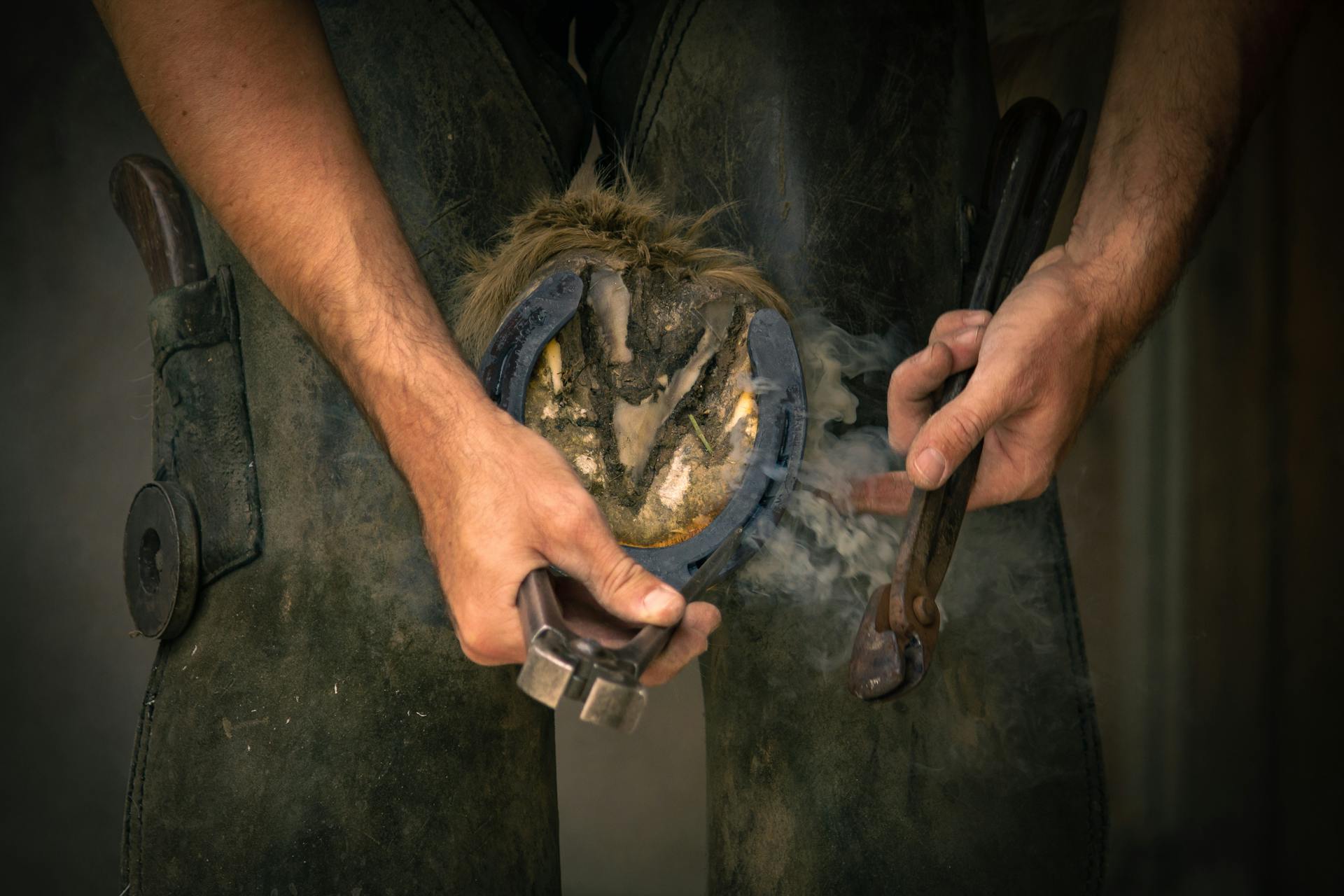
Hoof and skin conditions can be a real pain for horses. Hoof conditions are a common cause of lameness, and may result in poor performance, lost performance days, and even early retirement.
There are several hoof conditions that can affect horses, including laminitis and abscesses. Laminitis is an inflammation and separation of the lamellae, fine interdigitating tissues that support the coffin bone within the hoof. It can be caused by endocrine disease, sepsis, excessive weight bearing, or toxins such as black walnut.
Horses with laminitis may exhibit symptoms such as severe lameness, increased temperature in the hooves, and a "sawhorse stance" where they place their front limbs forwards and rock backward onto their hindquarters.
Abscesses, on the other hand, are an accumulation of pus within the hoof capsule due to a bacterial infection. They usually form after bacteria enters a crack or fissure in the hoof wall and begin proliferating.
Here are some common signs of hoof abscesses and scratches:
- Sudden onset severe lameness (hoof abscess)
- Crusty, scabby skin (scratches)
- Increased digital pulse (laminitis)
- Increased temperature in the hooves (laminitis)
Abscesses
Abscesses are a common issue that can cause a lot of pain and discomfort for horses. They occur when bacteria enter a crack or fissure in the hoof wall and begin to proliferate, producing a pocket of pus.
The most common sign of a hoof abscess is sudden onset severe lameness, which can be a real challenge to diagnose since many serious conditions can cause similar symptoms. Evaluation by a veterinarian is always necessary to determine the root cause of the lameness.
A veterinarian can diagnose a hoof abscess by using hoof testers to identify the location of the abscess. X-rays can also be used to identify the location of a hoof abscess by showing a tract of air within the hoof.
Treatment for a hoof abscess focuses on draining the abscess to relieve pain. This can be done by a veterinarian or a qualified farrier who can pare away the hoof wall to expose the abscess. For abscesses deep within the foot, specialized poultices and soaking the foot can encourage the abscess to move closer to the surface where it is accessible for drainage.
Once the abscess drains, a bandage or hoof boot with an antiseptic product can help prevent re-infection by keeping the drainage site clean. The lameness associated with a hoof abscess typically resolves within 12-24 hours after drainage begins, and the drainage site heals over several weeks as the hoof regrows.
Hoof Conditions
Hoof conditions are a common cause of lameness in horses, and may result in poor performance, lost performance days, and even early retirement. Hoof conditions can be a major weight-bearing structure issue.
The phrase "no hoof, no horse" reflects the significance of the hoof in a horse's overall health. Hoof conditions are often a common cause of lameness in horses.
Laminitis is a specific type of hoof condition that can be extremely painful for horses. It's characterized by inflammation and separation of the lamellae, fine interdigitating tissues that support the coffin bone within the hoof.
Here are some common causes of laminitis:
- Endocrine disease, such as pituitary pars intermedia dysfunction or metabolic syndrome
- Sepsis, a bacterial infection of the bloodstream
- Supporting limb laminitis, caused by excessive weight bearing due to lameness on an opposing limb
- Toxins such as black walnut
Symptoms of laminitis can include severe lameness, increased temperature in the hooves, and a "sawhorse stance" where the horse places their front limbs forwards and rocks backward onto their hindquarters.
Scratches
Scratches is a common condition that affects horses, causing inflammation and irritation of the skin on their pasterns. The affected area becomes crusty and scabby, and may be itchy or painful.
The most common location for scratches is the back of the pastern, particularly on legs with white markings. I've seen this firsthand on horses that spend a lot of time in the sun.
Scratches can be caused by a variety of factors, and treatment depends on the underlying cause. Routine cleaning of the area, antibiotics, steroids, or lifestyle changes may be necessary to resolve the condition.
Scratches can be a recurring issue, requiring ongoing treatment and management by horse owners. Many horses experience frequent relapses, which can be challenging to manage.
Here are some common locations where scratches can occur:
- Around the lips
- Around the eyes and on the eyelids
- Legs
- Under the tail
Rain Rot
Rain rot is a skin infection caused by the bacterium Dermatophilus congolensis that can occur in horses with compromised immune responses.
The infection typically develops after damage to the skin's protective layer from injuries, biting insects, or excessive moisture.
Rain rot causes distinctive "paintbrush lesions", which are scabs containing a tuft of hair similar to a paintbrush.
These lesions are most commonly found over the rump, back, and neck of affected horses.
Diagnosing rain rot involves examining one of the hair tufts under a microscope, where the bacteria will show a characteristic "railroad track" appearance.
Most cases of rain rot can be resolved within four weeks by keeping the horse dry, which may involve stabling or blanketing to prevent moisture from contacting the skin.
Neurological and Endocrine Conditions
Horses can be affected by various neurological and endocrine conditions, some of which can be serious and even life-threatening.
Equine metabolic syndrome (EMS) is an endocrine disorder that results in insulin resistance, causing horses to become obese and prone to chronic laminitis.
EMS is common in certain breeds, including Morgans, Paso Finos, Arabians, Saddlebreds, and Ponies, which are often referred to as "easy keepers".
Here are the breeds most susceptible to EMS:
- Morgans
- Paso Finos and other gaited breeds
- Arabians
- Saddlebreds
- Ponies
Neurological diseases, on the other hand, can be caused by viruses such as Eastern equine encephalitis (EEE) and West Nile virus (WNv), which can be identified by IgM positive, IHC and/or PCR tests.
Neurological Diseases
Neurological diseases can be a significant concern for horse owners. Viral encephalomyelitis of horses is a disease characterized by disturbed consciousness, motor irritation, and high mortality.
The disease is mostly spread from birds through insects to horses and humans. Mosquitoes of the Culex, Aedes, and Mansonia genera are vectors of this disease.
Equine Protozoal Myeloencephalitis (EPM) is a parasitic infection caused by the protozoan Sarcocystis neurona. Horses ingest the infectious agent in water or feed contaminated by opossum feces.
Symptoms of EPM include widespread inflammation in the brain and spinal cord, and can be difficult to diagnose. Submitting a sample of cerebrospinal fluid is the gold standard for diagnosis of EPM.
Here's a summary of neurological cases in Ontario from 2000-2008:
Equine Herpesvirus Type 1, Neurologic Form (nEHV-1) is a newly emerging mutant of the virus, and has been reported in outbreaks across North America. The development of a PCR test now allows for the identification of the nEHV-1 strain.
Endocrine Conditions
Endocrine conditions in horses can be a real challenge to manage.
Two main endocrine conditions in horses are equine metabolic syndrome (EMS) and pituitary pars intermedia dysfunction (PPID).
Horses with EMS often have high insulin levels, which can lead to chronic laminitis and obesity.
Breed predispositions for EMS include Morgans, Paso Finos, Arabians, Saddlebreds, and Ponies.
These horses are often referred to as "easy keepers" due to their tendency to gain weight easily.
A diet high in sugar and starch can trigger flare-ups of chronic laminitis in EMS horses.
Diagnosis of EMS involves blood testing for insulin levels and evaluating the horse's response to sugar in their diet.
Treatment of EMS involves diet and lifestyle changes, including a diet with no more than 10% hydrolyzable carbohydrate.
Pasture is usually avoided due to varying levels of hydrolyzable carbohydrate throughout the day.
Increased exercise is also recommended for weight loss in obese EMS horses.
Some horses may require high doses of thyroid hormone to encourage weight loss as part of their treatment plan.
Medications like metformin or canagliflozin may be prescribed for horses with refractory high insulin.
However, horses with significant damage to their hoof structure due to chronic laminitis may have a poorer prognosis.
Moon Blindness
Moon Blindness is an autoimmune disorder that causes destruction of tissues within the eye, making it the most common cause of blindness in horses.
Research has identified several risk factors that may contribute to the development of Moon Blindness, including bacterial infections, such as Leptospira, and viral infections like equine herpesvirus.
Age is also a risk factor, and some breeds, particularly leopard spotted breeds, may be more prone to the condition due to genetic predisposition.
Symptoms of Moon Blindness can be quite distressing, and may include squinting, ocular discharge, and a cloudy appearance to the eye.
In addition to these symptoms, horses with Moon Blindness may also experience swelling around the eye and eyelids, a constricted pupil, and excessive tearing.
To diagnose Moon Blindness, a thorough ocular examination is necessary, which may involve using an ophthalmoscope, applying fluorescein dye, measuring ocular pressure, and performing an ultrasound of the eyeball.
Unfortunately, Moon Blindness is a lifelong disorder with no known cure, so treatment focuses on preventing flare-ups and managing symptoms if they do occur.
See what others are reading: Eye Boogers
Viral Arteritis (EVA)
Viral Arteritis (EVA) is occasionally diagnosed in Ontario.
In 1999, an EVA-like syndrome was reported in horses at an Ontario racetrack and in two training facilities. The affected horses showed symptoms such as skin rash, urticaria-like reaction, nasal and ocular discharge, fever, petechiae, and oral lesions.
All of the standardbred horses that were clinically sick had titres greater than 1:4. Only 26% of the comparison group had an antibody titre greater than 1:4.
Vaccinations and Reporting
Routine vaccinations are a crucial part of horse care, protecting against life-threatening diseases like Eastern and Western Equine Encephalomyelitis, Rabies, Tetanus, and West Nile Virus. These diseases can cause uncoordinated movement, weakness, fever, and even death.
Veterinarians recommend five core vaccinations for all horses in North America, which are based on the severity of the infection, risk to human health, and the ease of spread between affected horses. Core vaccines include Eastern and Western Equine Encephalomyelitis, Rabies, Tetanus, and West Nile Virus.
Some diseases, like African Horse Sickness and Borna Disease, require immediate notification in Victoria, Australia, and other regions. Horse owners should be aware of these diseases and report them promptly to their local authorities.
Here are some annually notifiable diseases that occur in many jurisdictions worldwide:
- Botulism
- Equine coital exanthema (genital horse pox or equid herpesvirus type 3 (EHV-3))
- Horse mange (Psoroptes equi)
- Equine viral arteritis virus
- Strangles (Strep. equi)
Routine Vaccinations
Routine vaccinations are crucial for protecting horses against life-threatening diseases. According to veterinarians, five core vaccinations are recommended for all horses in North America.

These core vaccines are chosen based on the severity of the infection, risk to human health, and the ease of spread between affected horses. The core vaccines include Eastern and Western Equine Encephalomyelitis, Rabies, Tetanus, and West Nile Virus.
These diseases can cause a range of symptoms, including uncoordinated movement, weakness, fever, head pressing, seizures, severe lethargy, and death. Thanks to vaccination programs, these diseases are now uncommon in North American horses.
Here are the core vaccines recommended for all horses in North America:
- Eastern and Western Equine Encephalomyelitis
- Rabies
- Tetanus
- West Nile Virus
Horse owners should work with their veterinarian to establish a suitable vaccination program for their herd.
Veterinarians and Laboratories Reporting Disease
If a horse has only been attended to by a veterinary practitioner, that practitioner must report the suspicion or presence of disease.
Veterinarians play a crucial role in reporting diseases, and it's essential to have a clear understanding of who's responsible for reporting.
In Victoria, if specimens are submitted to a registered veterinary diagnostic laboratory, the laboratory is responsible for reporting the disease.
This arrangement helps to overcome multiple reporting and recording of disease incidents.
Here's a list of diseases that require immediate notification in Victoria:
- African Horse Sickness
- Borna Disease
- Contagious equine metritis
- Epizootic lymphangitis
- Equine babesiosis
- Equine encephalosis
- Equine influenza
- Glanders
- Hendra virus
- Japanese encephalitis
- Louping ill
- Rabies
- Screw worm fly
- Surra (Trypanosoma evansi)
- Trichinellosis
- Venezuelan equine encephalomyelitis
- Vesicular stomatitis
- Warble fly infestation
- West Nile virus clinical infection
- Western equine encephalomyelitis
Additionally, veterinarians must report diseases such as anthrax, cattle tick, and equine herpes-virus 1 (abortigenic and neurological strains).
It's also worth noting that certain diseases like equine infectious anaemia, equine piroplasmosis, and equine viral arteritis require reporting, as do leptospirosis, listeriosis, salmonellosis, strangles, and verocytotoxigenic E. coli.
Zoonoses and Notifiable Diseases
Zoonoses are diseases that can be transmitted from animals to humans. One such example is Hendra virus, which can be transmitted from horses to humans.
Rabies is another zoonosis that can be transmitted from horses to humans. It's a serious disease that requires immediate notification in Victoria.
Some diseases that require immediate notification in Victoria include African Horse Sickness, Borna Disease, and Contagious equine metritis.
Here's a list of zoonoses and notifiable diseases in Victoria:
- Hendra virus
- Rabies
- Anthrax
- Leptospirosis
- Listeriosis
These diseases can have serious consequences for both horses and humans. It's essential to be aware of the risks and take necessary precautions to prevent transmission.
Equine herpes-virus 1 (abortigenic and neurological strains) is another notifiable disease in Victoria. It can cause significant illness in horses and requires immediate notification.
Frequently Asked Questions
What disease kills the most horses?
Colic is the leading cause of death in horses, characterized by symptoms ranging from mild sluggishness to severe pain and inability to stand.
What are the contagious diseases of horses?
Horses can contract a range of contagious diseases, including rabies, anthrax, and glanders, which can be life-threatening if left untreated. Identifying the symptoms early is crucial to prevent the spread of these diseases and ensure the horse's health and safety.
What is the rarest disease in horses?
Hendra virus is a rare and deadly disease primarily affecting horses, with a few reported cases in people who had close contact with infected horses. It's a highly contagious and incurable virus with no specific treatment or human vaccine available.
Featured Images: pexels.com