Reptiles have evolved unique respiratory systems to thrive in their environments.
Their lungs are relatively small compared to mammals and birds, with some species having lungs that are less than 1% of their body weight.
Respiratory organs in reptiles can be divided into two main types: lungs and air sacs.
Air sacs are used for buoyancy and gas exchange in aquatic reptiles.
Reptilian Respiratory Structure
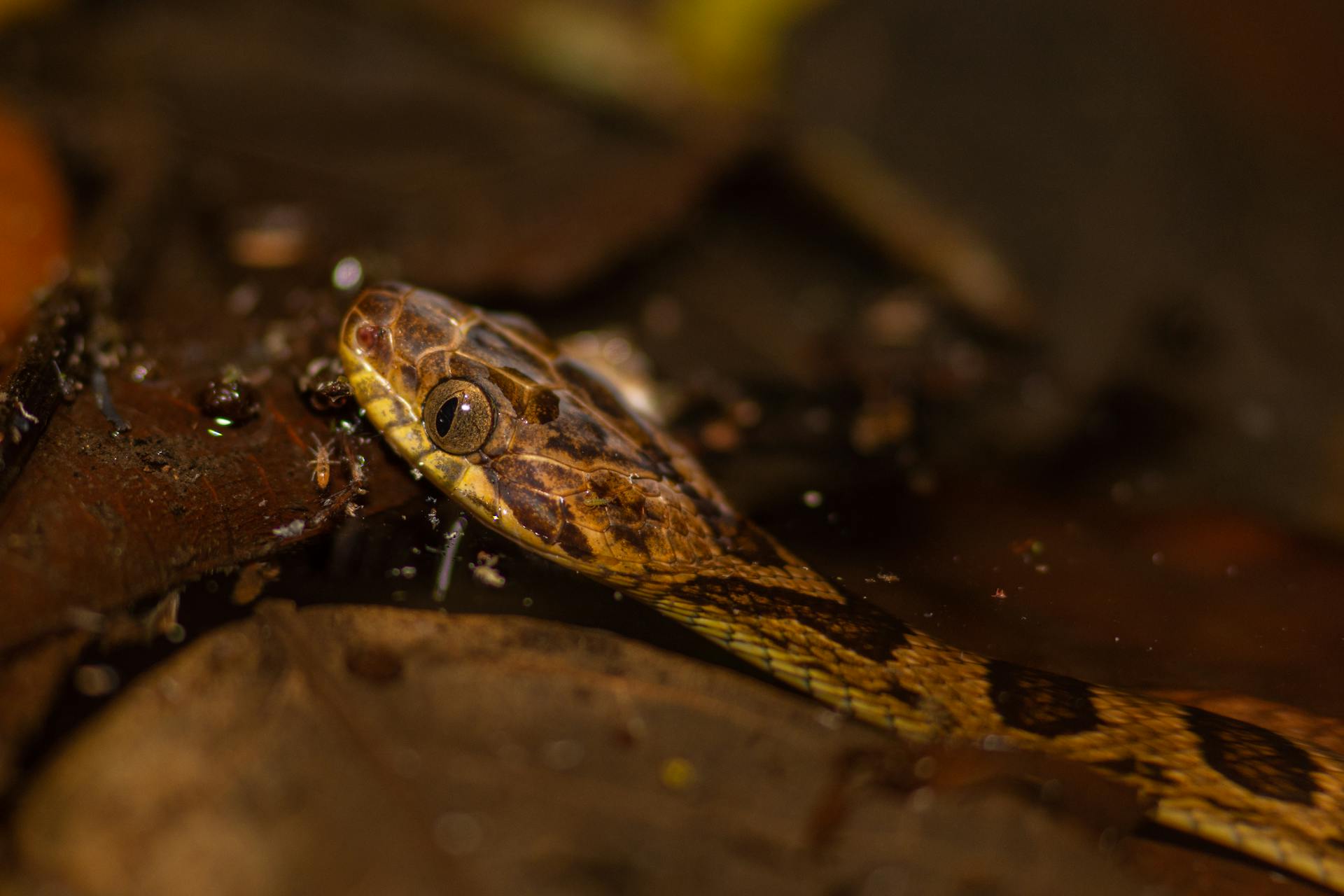
Snakes have a unique respiratory system that relies on a small opening called the glottis to control airflow. This opening is located just behind the tongue and opens into the trachea, or windpipe.
Their trachea is a long, strawlike structure supported by cartilaginous rings, which are incomplete, giving a C shape. A thin membrane completes the open part of the C.
Snakes breathe primarily by contracting muscles between their ribs, unlike mammals, which have a diaphragm. This active process of contraction allows them to expand their lungs and take in air.
Reptilian lungs are incredibly efficient, thanks to their intricate structure featuring numerous pockets in the lung epithelium. This unique design greatly increases the surface area available for gas exchange.
The pockets in the lung epithelium, similar to alveoli, vastly increase the surface area for gas exchange. This specialized design enables reptiles to maximize oxygen intake and carbon dioxide expulsion with each breath.
In most snakes, the short left bronchus terminates in a vestigial, or rudimentary, left lung, while the right bronchus terminates in the functional right lung. The size and functional capacity of the left lung vary depending on the species.
Snakes' lung structure is adapted to support their active lifestyles and diverse habitats, such as swallowing large prey. Their ability to extend their glottis out the side of their mouth while eating allows for respiration while consuming large prey items.
Reptiles' lung structure is adapted to support both aerial and aquatic respiration, which complements their three-chambered heart. This unique respiratory system allows them to thrive in various environments.
Reptiles use a combination of buccal pumping and costal aspiration to breathe, and their lungs have a complex structure with specialized mechanisms that facilitate efficient gas exchange. This efficient gas exchange allows them to thrive in terrestrial environments.
The portion of a snake's lung nearest its head has a respiratory function, where oxygen exchange occurs. The lung portion nearest the tail is more of an air sac, with no exchange of respiratory gases.
Ventilation Mechanisms
Reptiles have developed remarkable ventilation mechanisms to maximize respiratory efficiency. These mechanisms include buccal pumping and costal aspiration.
Buccal pumping, inherited from amphibians, involves the rhythmic movement of the throat to draw air into the lungs. However, reptiles have largely shifted to costal aspiration, which uses rib movements to expand the pleura-peritoneal cavity, drawing air away from the external environment and into the lungs.
Snakes have adapted their single lung to accommodate the swallowing of large prey, a process that demands a specialized breathing mechanism. This adaptation is crucial for their survival.
Reptiles have increased surface area for oxygen absorption in their lungs, achieved through pockets in the lung epithelium. This feature greatly enhances their respiratory efficiency.
The rib movements play a critical role in reptilian respiration, helping to compensate for the limitations posed by their three-chambered hearts. This adaptation is essential for their survival in diverse environments.
The interplay of these breathing strategies underscores the remarkable flexibility of reptilian respiratory systems.
Respiratory Mechanisms in Specific Reptiles
Snakes have a unique respiratory system that allows them to extend their glottis out the side of their mouth while eating, which enables respiration while consuming large prey items. This is a crucial adaptation for snakes, as it allows them to eat prey that is larger than their own head.
In contrast, turtles have rigid shells that are not capable of expansion, but some species have developed ways to breathe despite this limitation. For example, Indian flapshell turtles have a muscular sheet around their lungs that can expand and contract to allow for respiration.
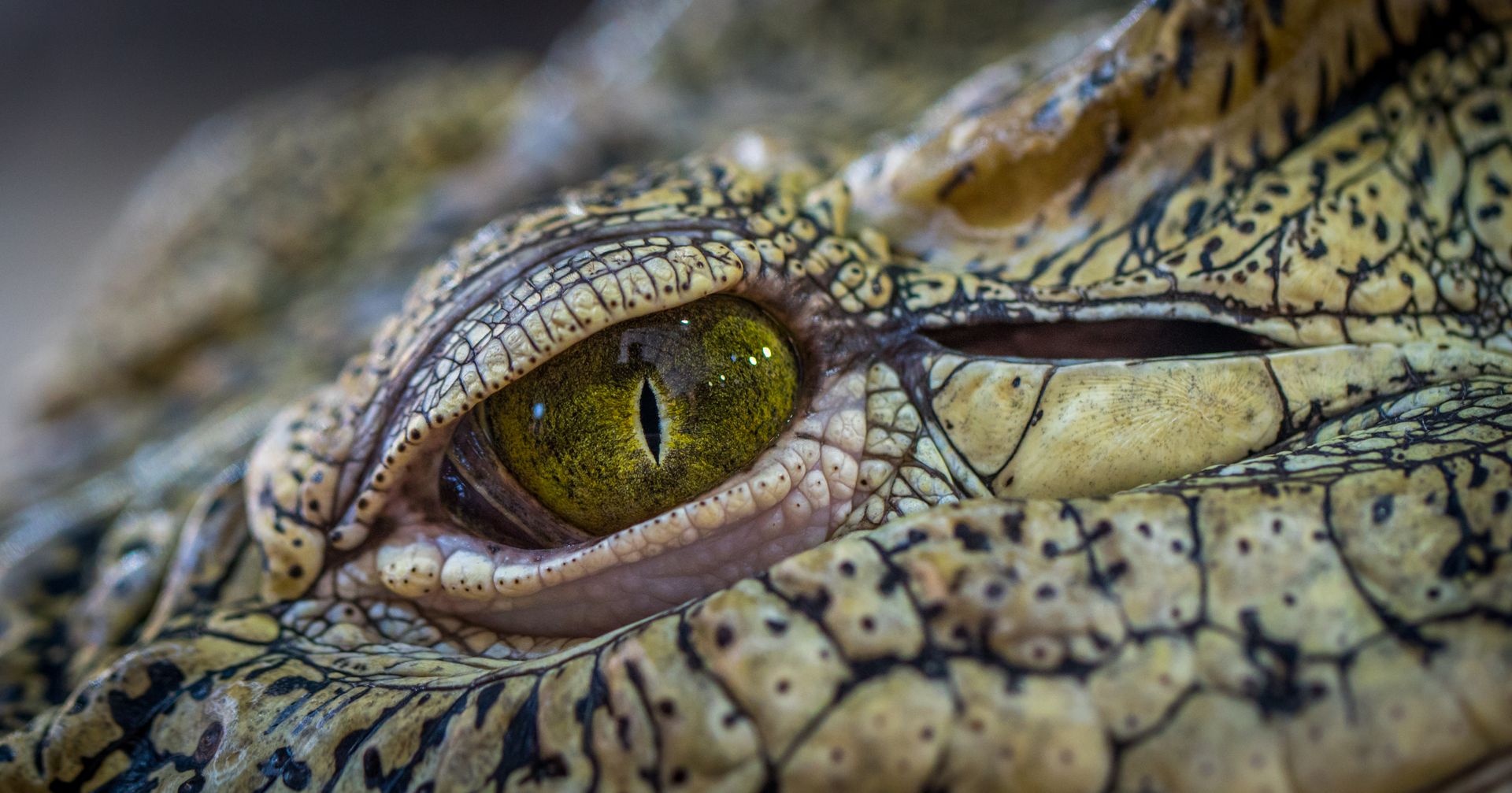
Crocodilians, on the other hand, have a highly specialized respiratory system that features a liver-like piston mechanism, controlled by the diaphragm muscle, which allows for more efficient air exchange and better lung ventilation. This adaptation enables them to breathe more effectively and hold their breath for extended periods.
Expand your knowledge: How Big Can Leatherback Sea Turtles Get
Snake
Snakes have a unique respiratory system that allows them to breathe efficiently, even when swallowing large prey. They have a small opening behind their tongue called the glottis, which opens into the trachea, or windpipe.
The glottis is always closed, forming a vertical slit, unless the snake takes a breath. A small piece of cartilage inside the glottis vibrates when the snake forcefully expels air from its lungs, producing the characteristic hiss.
Snakes extend their glottis out the side of their mouth while eating, allowing for respiration while consuming large prey items. This is made possible by the incomplete cartilaginous rings in the trachea, which are shaped like a C rather than a complete circle.
The trachea terminates just in front of the heart and splits into the two primary bronchi, directing air into either the left or right lung. In most snakes, the short left bronchus terminates in a vestigial left lung, which is used for hydrostatic purposes in some water snakes.
Snakes breathe by contracting muscles between their ribs, unlike mammals which have a diaphragm. Inspiration is an active process, whereas expiration is passive.
The lung portion nearest a snake's head has a respiratory function, where oxygen exchange occurs. The lung portion nearest the tail is more of an air sac, with no exchange of respiratory gases.
Crocodilian Respiration
Crocodilians have a remarkable respiratory system that sets them apart from other reptiles. Their unique liver-like piston mechanism, controlled by the diaphragm muscle, allows for more efficient air exchange and better lung ventilation.
This adaptation enables them to breathe more effectively, giving them a significant advantage in their environment. Their respiratory system is complex, featuring a trachea, bronchi, and lungs with a greater surface area for gas exchange than other reptiles.
Crocodilians' ability to hold their breath for extended periods is crucial during activities like diving or aggressive displays, where conserving oxygen is vital. They can maximize oxygen intake and sustain themselves during these prolonged periods.
Their liver-like piston mechanism allows the lungs to expand more, giving them more room to breathe. This efficient system supports their higher metabolic rate and activity levels, which are essential for their survival in various habitats.
Testudine Respiration
Reptiles in the Testudine group, which includes turtles, tortoises, and terrapins, have developed unique respiration methods to adapt to their environments.
Their rigid shells are not capable of expansion, which presents a challenge for breathing. Some turtles, however, have evolved to compensate for this limitation.
The Indian flapshell turtle has a muscular sheet around its lungs that can expand and contract to facilitate respiration. This adaptation allows it to breathe more efficiently.
Snakes and some turtles, like the green sea turtle, must hold their breath while moving. This is a necessary adaptation for their aquatic lifestyle.
American box turtles, on the other hand, can breathe and walk at the same time. This is a remarkable feat, especially considering their rigid shells.
Red-eared slider turtles take smaller breaths while moving, which helps them conserve energy. This is essential for their active lifestyle.
Take a look at this: Box Turtles of North America
Scaled Reptile Respiration
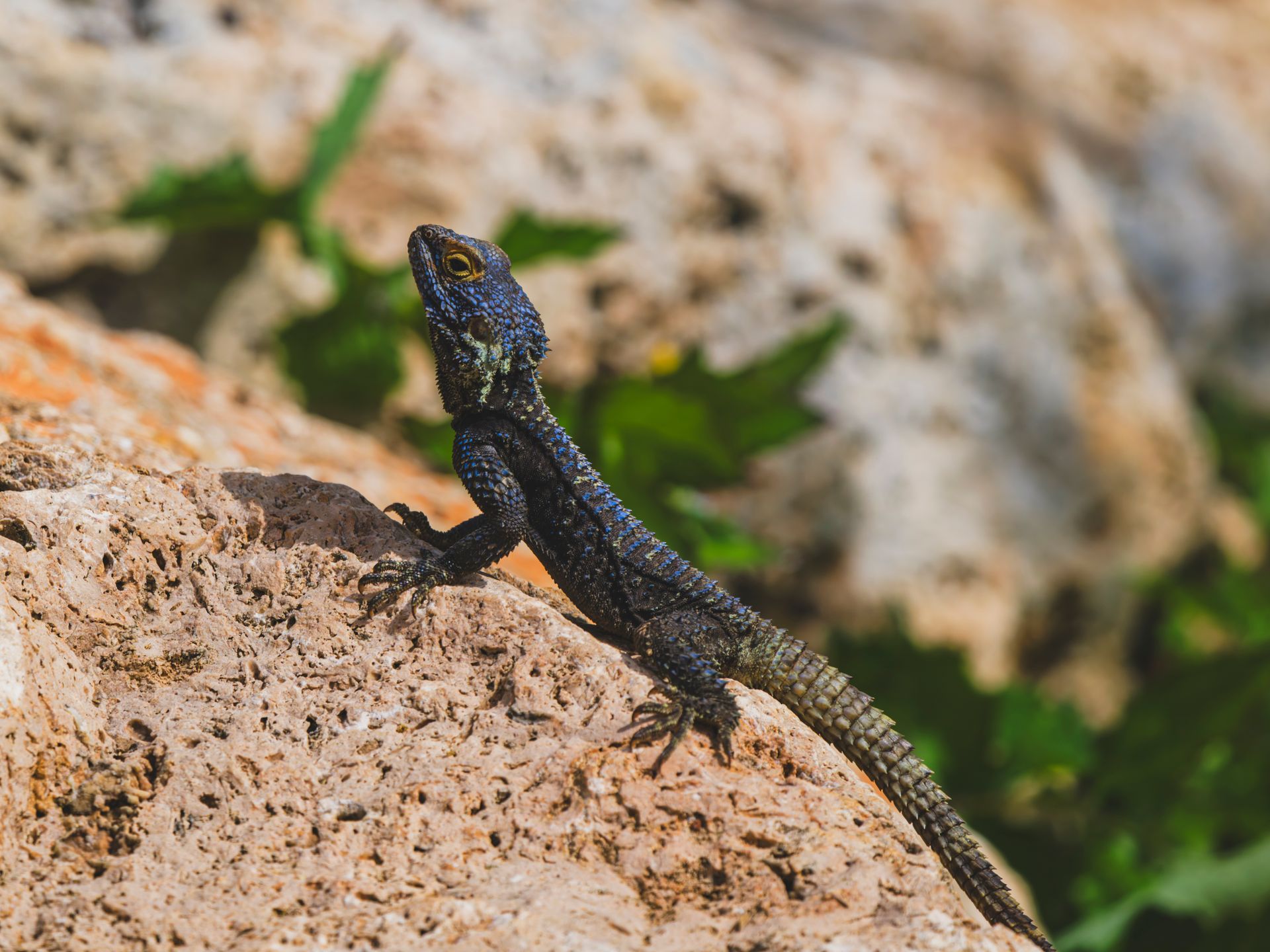
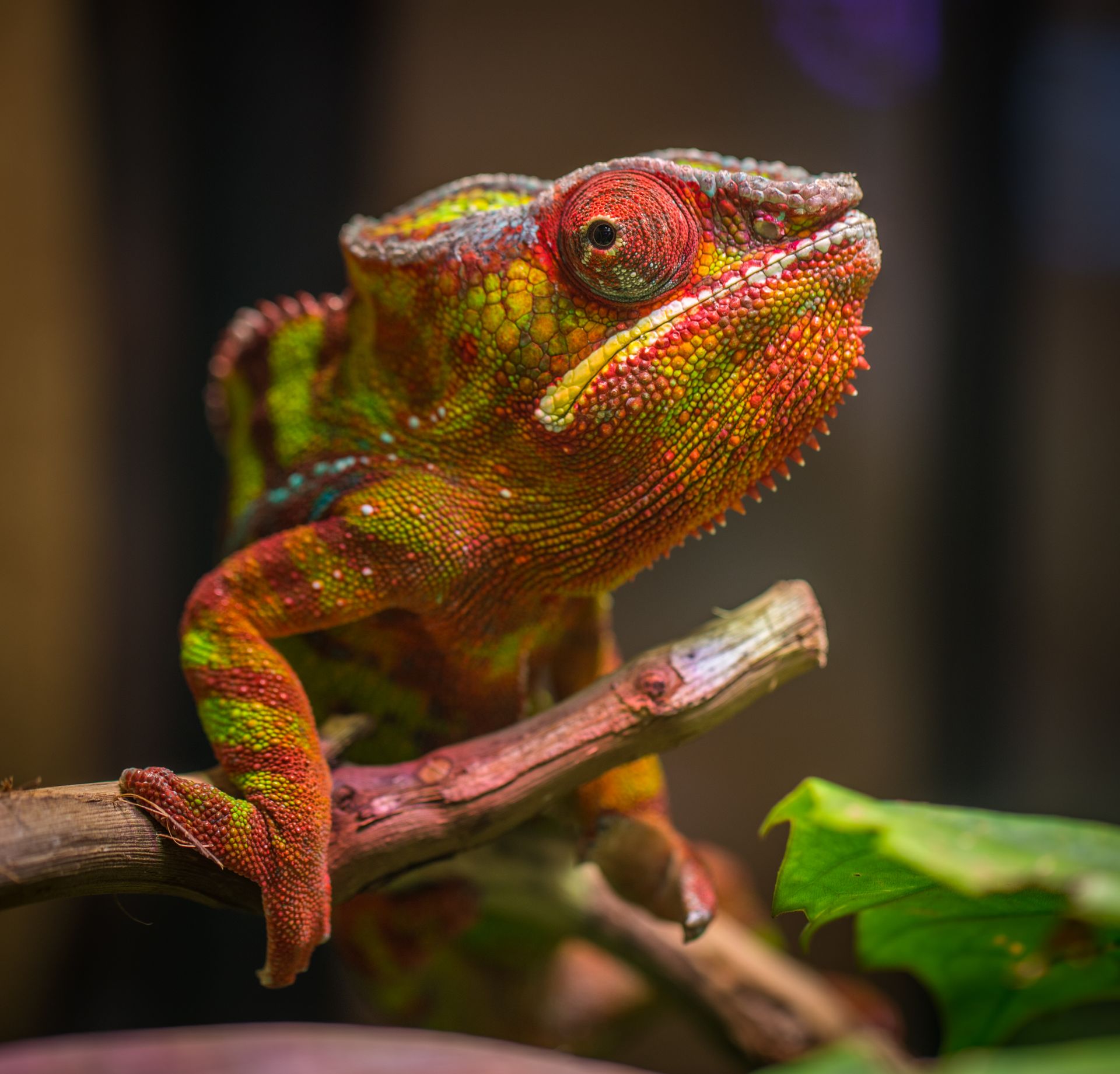
The scaled reptiles, including snakes and lizards, have a unique respiratory system that's adapted to their active lifestyles.
Their muscle that controls their lungs also controls their movement, which means many reptiles must hold their breath during rapid periods of movement, such as running after prey or away from a predator.
Some reptiles, like the Tegu lizard, have developed ways around this problem by having a proto-diaphragm that allows them to inflate their lungs more fully.
Monitor lizards can use their throat muscles to handle respiration during movement, making them more efficient breathers.
The diversity of respiratory mechanisms in scaled reptiles is a testament to their remarkable adaptability.
Respiratory Physiology
Snakes have a unique respiratory system that allows them to breathe efficiently, even when eating large prey. They have a small opening called the glottis behind their tongue that opens into the trachea, or windpipe.
The trachea is a long, strawlike structure supported by cartilaginous rings, which are incomplete in snakes, forming a C shape. This configuration is also seen in lizards.
In most snakes, the left bronchus terminates in a vestigial, or rudimentary, left lung, while the right bronchus terminates in the functional right lung. The size and functional capacity of the left lung vary depending on the species.
Snakes breathe by contracting muscles between their ribs, unlike mammals, which have a diaphragm. Inspiration is an active process, whereas expiration is passive.
Reptiles have adapted to breathe in different environments, with some having lungs with complex structures to maximize oxygen absorption. This is evident in species that thrive in terrestrial and aquatic environments.
Here's a comparison of respiratory mechanisms in different reptilian groups:
Reptiles have developed remarkable respiratory systems to thrive in diverse habitats. Each group exhibits unique adaptations, illustrating the evolutionary diversity among reptiles.
Key Concepts and Basics
Reptiles have a unique respiratory system that relies on lungs for gas exchange. Their lungs work like suction pumps, expanding to create lower pressure inside the lungs, allowing air to fill them.
Most reptiles use buccal pumping and costal aspiration to breathe. These mechanisms help them ventilate effectively, especially in aquatic environments.
Reptile lungs have numerous epithelium pockets, increasing the surface area for efficient gas exchange. This adaptation enables reptiles to thrive in diverse environments.
Some reptiles, like sea snakes, can take in nearly half of the air they need through their skin. This is an interesting example of how reptiles can adapt to their environments.
Reptiles have a three-chambered heart that complements their lung structure, supporting both aerial and aquatic respiration. This unique combination allows them to breathe efficiently in different environments.
Reptile lungs have a complex structure with specialized mechanisms that facilitate efficient gas exchange. This is crucial for their survival, especially when swallowing large prey.
Featured Images: pexels.com