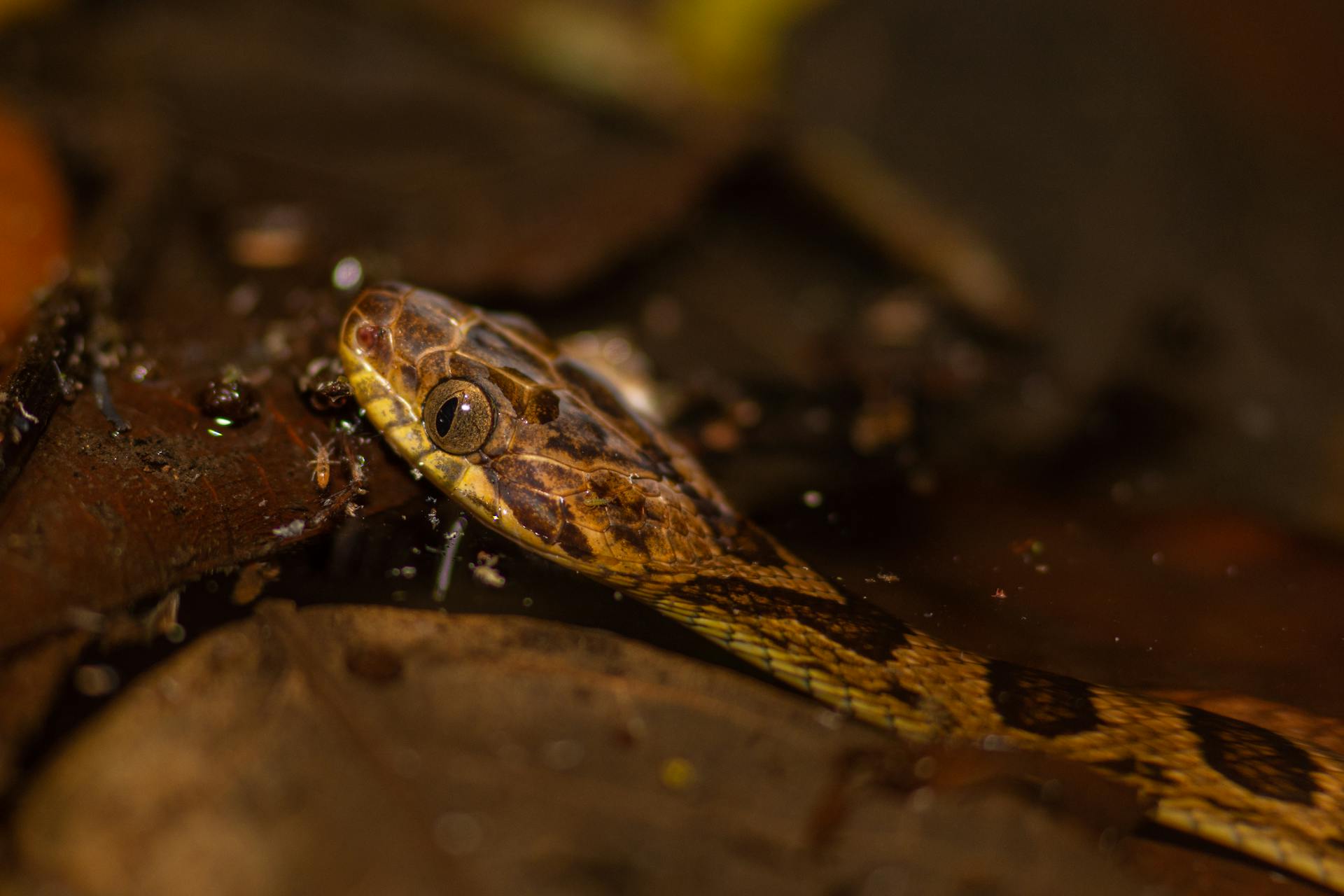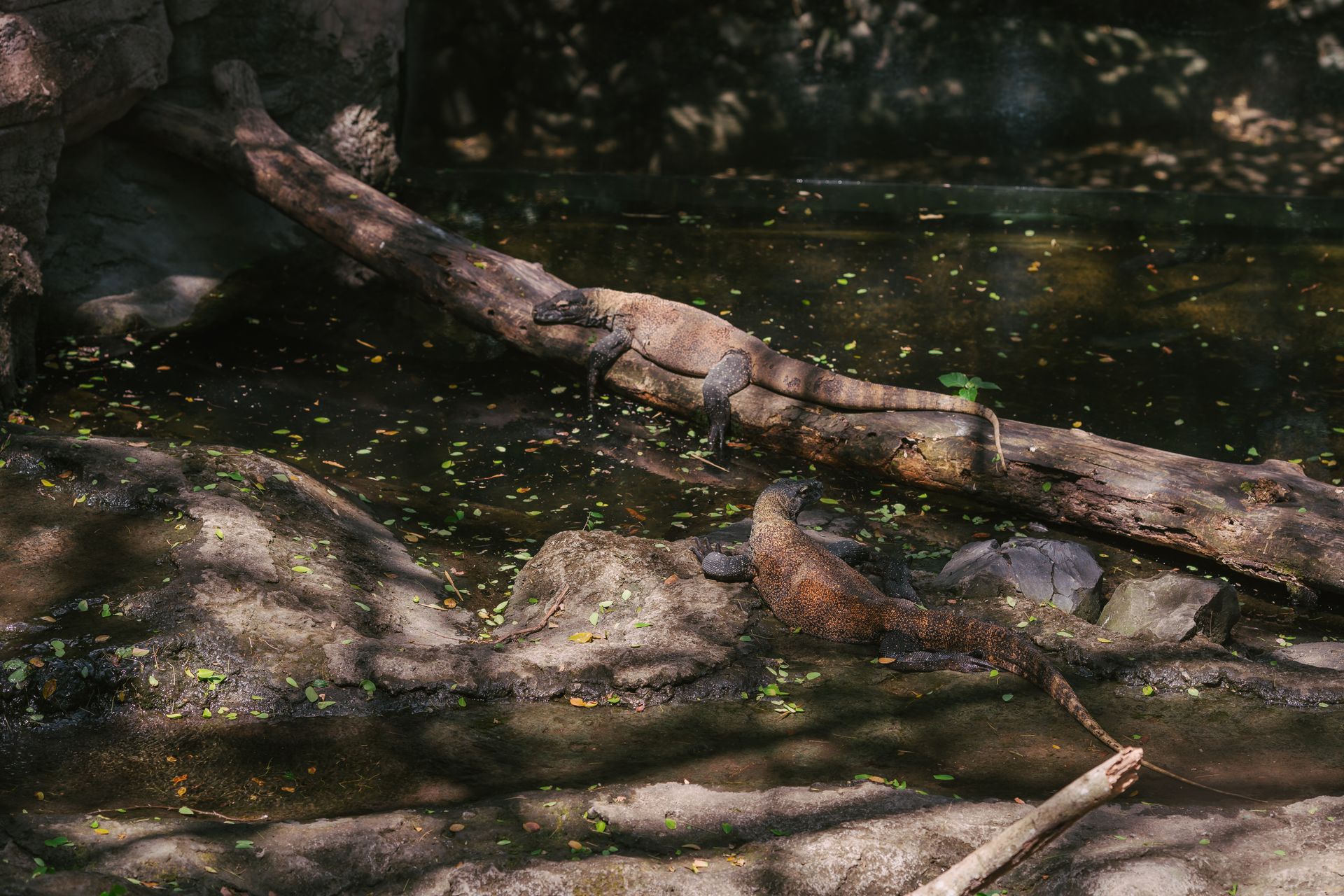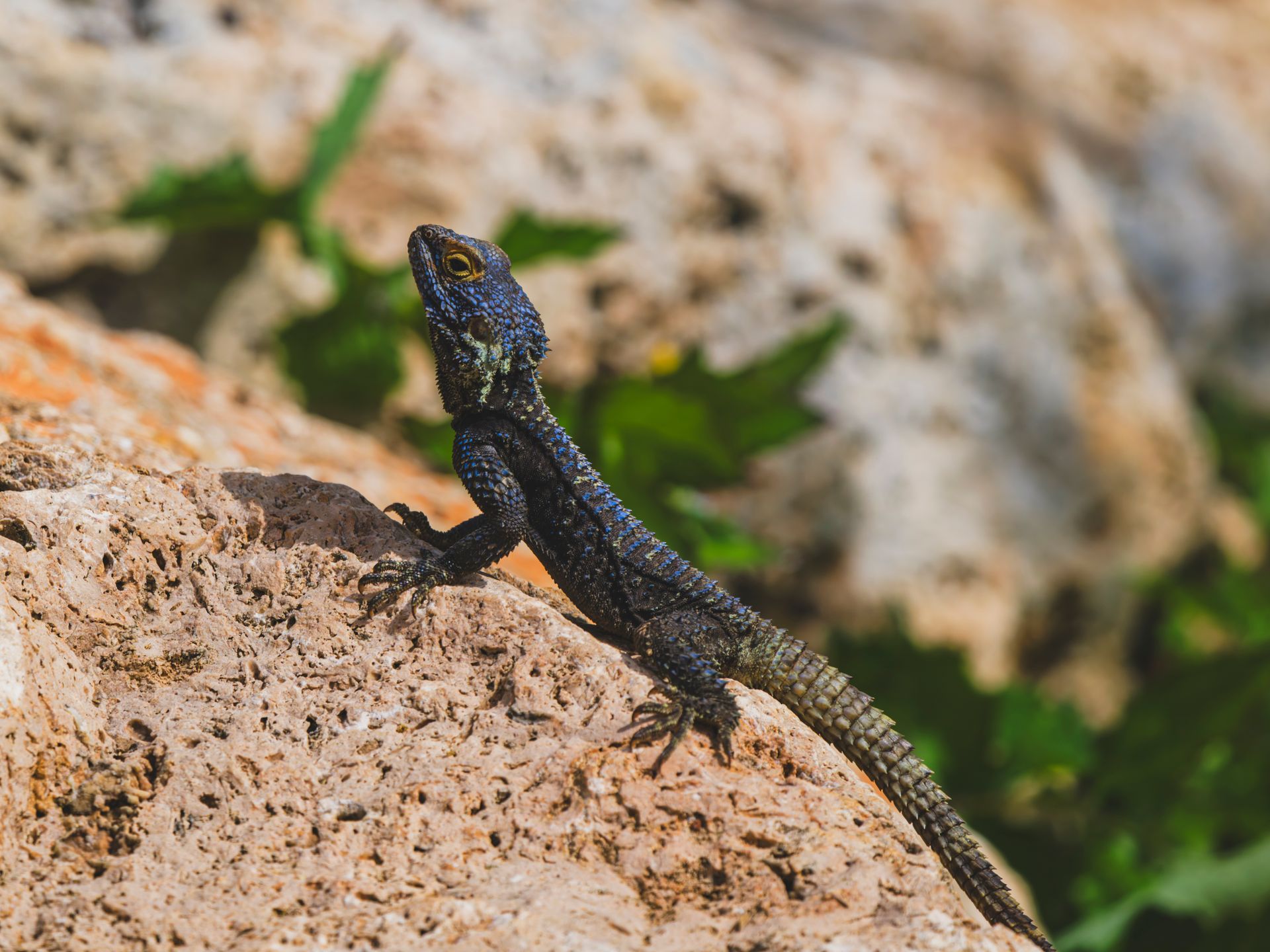
Uganda is home to a diverse range of reptiles, with over 200 species documented in the country. This includes snakes, lizards, turtles, and crocodiles.
The Nile crocodile, found in Uganda's lakes and rivers, is one of the largest reptiles in the country, reaching lengths of up to 7 meters.
Reptiles in Uganda
The Nile crocodiles are exceptionally fascinating reptiles Uganda boasts about, and they can be spotted on a boat cruise, especially around the Nile at Murchison falls national park, Kazinga channel shores at Queen Elizabeth National Park, and Lake Mburo.
They are water dwellers and feed on fish as well as some mammal species. The Nile crocodiles are the biggest reptile you will see on a Uganda safari trip.
You'll have a chance to catch a glimpse at these incredible creatures while on safari in Uganda, especially on a boat cruise. The most common reptiles seen by tourists are the enormous Nile Crocodiles and Nile Monitor Lizards.
Additional reading: Nile Monitor Lizard
The Rock Python is the largest snake in Africa, usually over 5 meters in length, and has gold on black mottled like skin. It's not venomous but will kill its prey by strangulation, wrapping its body around it and then swallowing it whole.
The Puff Adder is the most spotted snake in Uganda's savanna national parks, and it mainly feeds on rodents. They do strike especially when they are threatened. The Black Mambas are very poisonous snakes that have reportedly killed many people.
They move really fast, much faster than humans, and usually only strike out when they are attacked. They are not black, as their name would suggest, but the interior of their mouth is black. They are mostly found in the eastern part of Uganda.
You can spot out the savanna monitors and also the aquatic ones while on a game drive or launch cruise. The aquatic monitor lizards mostly thrive around Kazinga channel and Murchison Falls is ideal for savanna and water monitor lizards on the Nile.
Uganda has varied types of snakes, including the Green Mambas, which are not as aggressive as the Black Mambas but are also poisonous. They are usually found in trees, shrubs, bushes, sometimes even the roofs of people's homes.
Suggestion: Black Snakes in North America
The Boom Slang is a tree snake which is non-venomous, and not aggressive, and yet is very toxic. There are no reports of fatalities in Uganda from this snake.
If you want to see more reptiles, you can arrange for a safari where you will do just that. The proper boots and clothing on any walking, hiking, or trekking safari will make the difference in keeping you safe.
You can also spot out the house gecko, tortoise, terrapins, and other reptiles while on Uganda safari.
Snake Types in Uganda
The Nile crocodile is the biggest reptile you will see on a Uganda safari trip. These can be seen on a boating trip along the Nile in Murchison falls national park, or along Kazinga channel and on Lake Mburo.
The Puff Adder is one of the most common snakes in Uganda, although not often seen by visitors to the country. It is usually found in the savannah parks, and mostly feeds on rodents but will strike at a human if it feels threatened.
You might like: Nile Monitor Lizard Florida
The Rock Python is the largest snake in Africa, usually over 5 meters in length, with gold on black mottled kind of skin. They are not venomous but will kill their prey by strangulation.
Black Mambas are very poisonous snakes that have reportedly killed many people. They move really fast, much faster than humans and usually only strike out when they are attacked.
Green Mambas are not as aggressive as the Black Mambas but are also poisonous. They are usually found in trees, shrubs, bushes sometimes even the roofs of people’s homes.
Boom Slang is a tree snake which is non-fangs, and not aggressive and yet is very toxic. There are no reports of fatalities in Uganda from this snake.
The Mole Snake measures up to 2 meters in length and is found in the savannah parks and feeds on moles as the name suggests and other rodents.
You might like: Which of the following Is Not a Reptile?
Reptiles
Uganda is home to a wide variety of reptiles, including Nile Crocodiles and Monitor Lizards, which are commonly seen by tourists on safari.
Nile Crocodiles are enormous creatures that can be spotted on a boat cruise, especially around the Nile at Murchison Falls National Park and Kazinga Channel shores at Queen Elizabeth National Park.
The Nile Crocodiles are water dwellers that feed on fish and some mammal species.
Monitor Lizards can be spotted on a game drive or launch cruise, and there are both savanna and aquatic monitor lizards in Uganda.
The savanna monitor lizards can stretch up to 2 meters in length.
Snakes are also common in Uganda, but they are rarely seen on a safari, and preventative measures can be taken by wearing boots, thick socks, and long trousers.
House Geckos, Tortoises, and Terrapins are often seen by visitors, and the leopard tortoise is the most common species, with a leopard-like shell pattern and weighing up to 30 kilos.
Egg Eating Snakes are a type of snake that feeds on bird eggs, swallowing them whole and regurgitating the shell later.
Chameleons are also found in Uganda, including the three-horned chameleon, which can be spotted while walking in the foothills of Rwenzori Mountain ranges.
The flap-necked chameleon can be seen in savanna grassland and wooded areas, and the giant chameleon is bulky and dark green in color with yellow stripes.
Broaden your view: Common Leopard Gecko
Featured Images: pexels.com