Cats can get a range of infectious diseases, from common colds to life-threatening conditions.
Some of the most common infectious diseases in cats include feline upper respiratory tract disease, which is caused by viruses such as feline calicivirus and feline herpesvirus.
Preventing infectious diseases in cats is crucial to keeping them healthy and happy. Regular vaccinations can help protect against many of these diseases.
Readers also liked: Atypical Canine Infectious Respiratory Disease Complex
Types of Infectious Diseases
There are several types of infectious diseases that can affect cats, including viral, bacterial, fungal, and parasitic infections.
Viral infections are caused by viruses such as feline leukemia virus and feline immunodeficiency virus, which can be spread through contact with infected saliva, urine, or blood.
Bacterial infections are often caused by bacteria like Pasteurella multocida, which can be spread through bites or scratches.
Fungal infections, like ringworm, can be spread through contact with an infected cat's skin, fur, or dander.
Parasitic infections, such as fleas and ticks, can also transmit diseases like typhus and ehrlichiosis to cats.
Upper Respiratory and Gastrointestinal Issues
Upper Respiratory and Gastrointestinal Issues are common in cats, and can be caused by various factors. Viruses, such as Feline Herpesvirus and Feline Calicivirus, are the most common causes of upper respiratory infections in cats.
These viruses can be transmitted from cat to cat through sneezing, coughing, or while grooming or sharing food and water bowls. Feline Calicivirus, for example, is highly contagious and can cause a range of symptoms, from sneezing and eye and nasal discharge to sores on the gums and inflammation of the liver and pancreas.
Cats who live in multi-cat households or shelters are most susceptible to upper respiratory infections, and stress plays a significant role in causing outbreaks of URI. Chlamydophila felis, the bacteria that causes feline chlamydia, is also prevalent in households with multiple cats.
Here are some common symptoms of upper respiratory infections in cats:
- Sneezing
- Congestion
- Runny nose
- Cough
- Clear to colored nasal discharge
- Gagging, drooling
- Fever
- Loss of or decreased appetite
- Rapid breathing
- Nasal and oral ulcers
- Squinting or rubbing eyes
- Open-mouth breathing
- Depression
Ringworm
Ringworm is a fungal infection that can cause a distinctive ring-shaped rash on the skin, but it's not actually a worm at all.

It's highly contagious and can be spread through direct contact with an infected person or animal, or by touching contaminated objects or surfaces.
Ringworm can appear anywhere on the body, but it's most commonly found on the scalp, face, and arms.
The rash typically starts as a small, itchy bump that gradually grows into a ring-shaped lesion with clear skin in the center.
Ringworm can be treated with antifungal medications, such as creams, ointments, or oral pills, and it's essential to complete the full treatment course to ensure the infection clears up completely.
In some cases, ringworm can cause hair loss, especially if it's left untreated or if the infection is severe.
Recommended read: Ringworm on Chinchillas
Upper Respiratory
Upper Respiratory Issues are a common problem in cats, and understanding what causes them can help you take steps to prevent them. Viruses are the most common causes of upper respiratory infections (URIs) in cats, with Feline Calicivirus and Feline Herpesvirus accounting for 80 to 90% of all contagious upper respiratory problems.
Cats can become infected with these viruses through sneezing, coughing, or while grooming or sharing food and water bowls. Once infected, cats can become carriers for life, and though they may not show clinical signs, they can still transmit the viruses to others. Feline Calicivirus is highly contagious and can cause a range of symptoms, from sneezing and eye and nasal discharge to sores on the gums and inflammation of the liver and pancreas.
Feline Herpesvirus is another common cause of upper respiratory infections in cats, and can cause symptoms such as sneezing, fever, eye and nasal discharge, and lethargy. Kittens are highly susceptible to this viral disease, and it can be deadly for kittens and cats with compromised immune systems. Stress plays a role in causing outbreaks of URI, and cats in shelters, catteries, or boarding facilities are generally experiencing high levels of stress.
To prevent upper respiratory infections, keep your cat indoors, properly isolate infected cats, and minimize stress. Keep your cat up to date on vaccines as recommended by your vet, and practice good hygiene by washing your hands thoroughly when handling multiple cats. Regular veterinary exams and preventative care can help catch and treat problems early, and a cat's best defense against upper respiratory infection is a healthy immune system.
Here are some common symptoms of upper respiratory infections in cats:
- Sneezing
- Congestion
- Runny nose
- Cough
- Clear to colored nasal discharge
- Gagging, drooling
- Fever
- Loss of or decreased appetite
- Rapid breathing
- Nasal and oral ulcers
- Squinting or rubbing eyes
- Open-mouth breathing
- Depression
It's essential to bring your cat to a veterinarian if you think she may be suffering from an upper respiratory infection, as a brief exam by a veterinarian will help determine if your cat requires medication, has a fever, or is dehydrated.
Giardia

Giardia is an intestinal infection that can affect cats, dogs, and humans. Foul-smelling diarrhea is a common sign of giardia in cats.
Cats can catch giardia by ingesting the parasite in stagnant water or inhaling it in contaminated areas outdoors. This is because the parasite can survive in the environment for a long time.
They can also catch it from another infected pet in the home, and the infection is fairly common in dogs.
If this caught your attention, see: Dog Upper Respiratory Infection vs Kennel Cough
Peritonitis
Peritonitis is a serious condition that can be caused by a mutated feline coronavirus, which is often fatal. Feline infectious peritonitis, or FIP, is a viral disease that's usually non-contagious in its mutated form.
The symptoms of FIP are often vague and nonspecific, including lethargy, diarrhea, and reduced appetite. These symptoms can be subtle at first.
FIP can progress to a "wet form" that involves fluid in the abdomen or chest and difficulty breathing, or a "dry form", which presents as loss of coordination and seizures.
Diseases That Can Be Vaccinated For
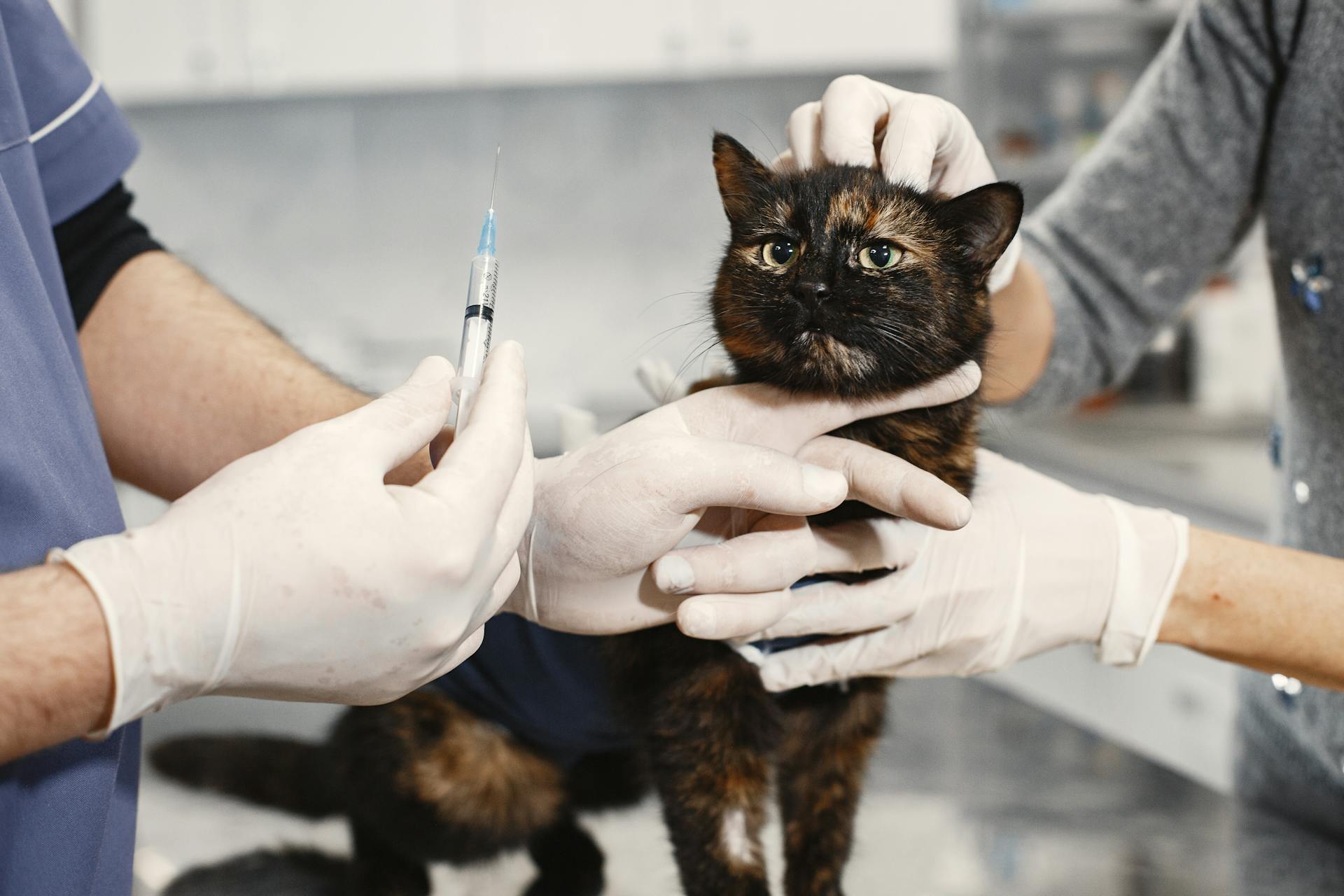
Cats can be vaccinated for a range of infectious diseases, including those that are highly contagious and often lethal.
There are two core feline vaccines that all cats should stay up to date on: the FVRCP combination vaccine and the rabies vaccine. The FVRCP vaccine protects against panleukopenia, feline herpesvirus, and feline calicivirus.
Rabies is a severe disease that is spread through bites from infected animals and has a nearly 100% fatality rate. It's a good thing that vaccination rates are high in many countries, as this has helped to keep cases of rabies uncommon in cat populations.
Leukemia
Leukemia is a serious disease that affects cats, caused by the feline leukemia virus, or FeLV. This virus is highly contagious and can be spread through direct contact with an infected cat.
The feline leukemia virus is spread through bodily fluids and the milk of infected cats. Casual contact, even a touch, can be enough to transmit the disease.
Clinical signs of leukemia in cats include anemia, immune suppression, and cancer. These symptoms can be severe and often lead to a high chance of death in the first three years after contracting FeLV.
Related reading: Can I Spread Kennel Cough on My Clothes
Core Vaccines
Core vaccines are a must for every cat, regardless of their lifestyle. All cats should stay up to date on these essential vaccinations to protect themselves from deadly and highly contagious diseases.
There are two core feline vaccines that all cats, regardless of their lifestyle or location, should stay up to date on throughout their lives: the FVRCP combination vaccine and the rabies vaccine. The FVRCP three-in-one vaccine components include panleukopenia, feline herpesvirus, and feline calicivirus.
These core vaccines are crucial in preventing diseases such as panleukopenia, which is a highly contagious and deadly viral disease in cats that causes vomiting, diarrhea, fever, and loss of appetite. Some cats that contract the virus die suddenly, and kittens are highly susceptible to the disease.
Here are the core vaccines that all cats should receive:
- FVRCP combination vaccine
- Rabies vaccine
These vaccines are safe and effective in preventing deadly diseases, and it's essential to stay on top of booster shots to ensure your cat's continued protection.
Non-Vaccinated Diseases
Cats can catch several contagious diseases that don't have vaccines. Some of these diseases include tick-borne illnesses, which are spread through the bites of infected ticks.
Feline immunodeficiency virus (FIV) also has some strains that are not preventable by vaccines. Ringworm, or dermatophytosis, is another contagious disease that can't be prevented with a vaccine. Internal parasites are also a type of disease that can't be vaccinated against.
Here are some examples of non-vaccinated diseases in cats:
- Tick-borne illnesses
- Some strains of Feline immunodeficiency virus (FIV)
- Ringworm (dermatophytosis)
- Internal parasites
Heartworm
Heartworm is a serious and potentially fatal disease caused by a parasite that infects dogs. It's spread through mosquito bites, which can be a major concern for pet owners in areas with high mosquito populations.
Dogs can be infected with heartworms at any age, but puppies are more susceptible due to their immature immune systems. In fact, according to the American Heartworm Society, puppies can be infected with heartworms as early as 6-8 weeks old.
Symptoms of heartworm disease can be subtle at first, but may include coughing, difficulty breathing, and fatigue. If left untreated, heartworm disease can lead to heart failure and death.
Prevention is key when it comes to heartworm disease, and there are several effective treatments available. In fact, the article highlights that the most common treatment for heartworm disease is a combination of medications that kill the adult worms and prevent new infections.
Worms
Worms are a type of parasite that can infect humans and animals, causing a range of health problems.
In some parts of the world, worm infections are still common due to poor sanitation and hygiene.
Worms can be transmitted through contaminated food and water, as well as through contact with infected animals.
In areas where worm infections are prevalent, it's not uncommon to see children with severe malnutrition and stunted growth.
Worms can lay thousands of eggs per day, which can then be ingested by humans or animals, perpetuating the cycle of infection.
Some types of worms, like hookworms, can even travel through the bloodstream and cause anemia in infected individuals.
Discover more: Cat Worms Types
Diseases Without Vaccines
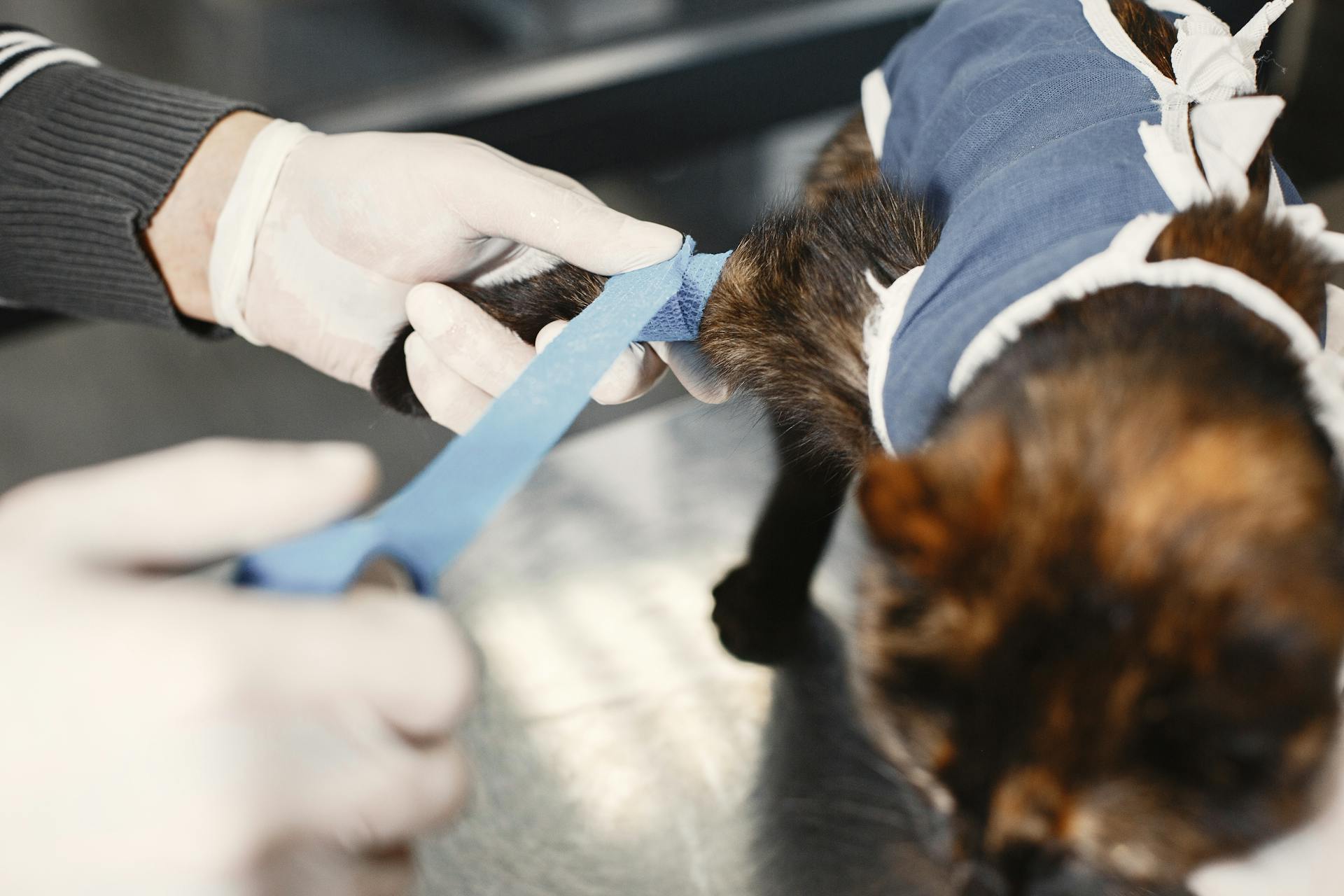
Some contagious feline diseases don't have vaccines, which can be concerning for cat owners.
Tick-borne illnesses are one example of a disease without a vaccine. They're transmitted through tick bites and can be difficult to diagnose.
Ringworm, also known as dermatophytosis, is another disease that can't be prevented by vaccines. It's highly contagious and can be spread through direct contact with an infected cat.
Internal parasites, such as worms or protozoa, are also not vaccine-preventable. They can be spread through contaminated food or water, or even through contact with an infected cat's feces.
Some strains of Feline immunodeficiency virus (FIV) don't have vaccines either. This virus attacks a cat's immune system and can make them more susceptible to other infections.
Here's a list of some contagious feline diseases that don't have vaccines:
- Tick-borne illnesses
- Some strains of Feline immunodeficiency virus (FIV)
- Ringworm (dermatophytosis)
- Internal parasites
Vaccination and Prevention
Cats can be vaccinated as early as six weeks of age, and cats older than sixteen weeks can receive any vaccine labeled safe for healthy adult cats.
Your veterinarian will determine the best vaccine schedule for your cat or kitten based on their individual lifestyle and history. Any cat receiving a vaccine needs to be healthy and will typically receive a full physical exam from a veterinarian before receiving the vaccination.
All cats, including indoor-only cats, should stay up to date on all core feline vaccines, which prevent deadly and highly contagious diseases.
Here are the core vaccines that all cats should receive:
- FVRCP combination vaccine (protects against panleukopenia, feline herpesvirus, and feline calicivirus)
- Rabies vaccine
Vaccines are safe for the vast majority of cats, but negative reactions can occur, including hives, high fever, abscess at the injection site, facial swelling, and anaphylaxis.
Immunodeficiency
Immunodeficiency is a serious issue in cats, and it's essential to understand the facts. Feline Immunodeficiency Virus (FIV) suppresses the immune system of infected cats, making them more susceptible to infections.
Cats with FIV can appear normal for several years before experiencing severe infections from normally harmless disease-causing organisms. FIV is very common and is primarily transmitted through bite wounds.
There is no cure for FIV, but cats with the virus can live a long life as long as they're not also infected with FeLV.
Here's an interesting read: Types of Cat Eye Infections
Standard of Care in Management and Prevention
Infectious diseases are a significant concern for cats, especially in shelters where they can spread quickly. Careful observation and examination are essential to detect diseases at an early stage.
New arrivals to shelters should be thoroughly examined to assess their health status. Testing procedures are also crucial to detect infectious diseases.
A particular focus on disease signs and diagnosis is required when new or emerging infectious diseases are circulating, such as SARS-CoV-2, which has a wide host spectrum and cats are highly susceptible to infection.
Influenza virus infections can also be a concern, with potential for cross-species transmissions. Natural outbreaks of Influenza in cats with high mortality rates have been reported in shelters.
Care workers should be instructed on the risk of zoonotic infections, signs that could indicate a zoonotic risk, and how to handle potentially infected cats.
To ensure hygiene and prevent the spread of diseases, care workers should follow strict hygiene recommendations.
Here is a list of common infectious diseases found in shelters:
- Feline herpesvirus (FHV)
- Feline calicivirus (FCV)
- Microsporum canis infection
- Influenza virus infections
- Feline infectious peritonitis (FIP)
- Rabies
Isolation and Management
Isolation facilities for sick cats are crucial to prevent the spread of infectious diseases. These facilities must be strictly separate from the quarantine area and other residents, preferably in a separate building.
Cats showing signs of infectious disease or testing positive for e.g., FeLV or FIV must be isolated immediately. This includes cats with symptoms such as runny eyes, sneezing, or lethargy.
Careful observation and examination of new arrivals and regular testing procedures are essential to detect infectious diseases at an early stage. This helps prevent rapid and efficient spread of pathogens in the shelter environment.
On a similar theme: Infectious Tracheobronchitis in Dogs
Quarantine Area
In state-of-the-art shelters, cats are usually housed individually or in small groups from the same household.
Quarantine is essential for incoming cats, especially if they may have been exposed to a retroviral infection.
The quarantine period can be at least 6 weeks if there's a risk of feline immunodeficiency virus (FIV) or feline leukemia virus (FeLV) infections.
Incoming cats should be kept in quarantine for a minimum of 3 weeks to prevent the spread of diseases like feline parvo/panleukopenia virus (FPV) or feline calicivirus (FCV).
Cats showing signs of infectious disease should be moved to isolation facilities immediately.
Isolation Facilities for Sick
Isolation Facilities for Sick Cats are crucial for preventing the spread of disease. Cats showing signs of infectious disease or testing positive for e.g., FeLV or FIV must be isolated.
Isolation areas must be strictly separate from the quarantine area and other residents, preferably in a separate building. This is to prevent cross-contamination and ensure the health and safety of all animals.
Cats in isolation require regular monitoring and care, including providing separate food, water, and litter boxes.
Cleaning
Cleaning is crucial to prevent the spread of diseases in isolation facilities. Pens and cages should be thoroughly cleaned with detergent to remove organic matter.
It's essential to use an efficacy-tested disinfectant to ensure the removal of pathogens. Non-enveloped viruses like FPV and FCV are a concern, so only use disinfectants that have been tested against these viruses.
Aldehydes, peracetic acid, monopersulphate, and sodium hypochlorite are effective against non-enveloped viruses. Avoid using quaternary ammonium compounds, as they don't inactivate parvoviruses.
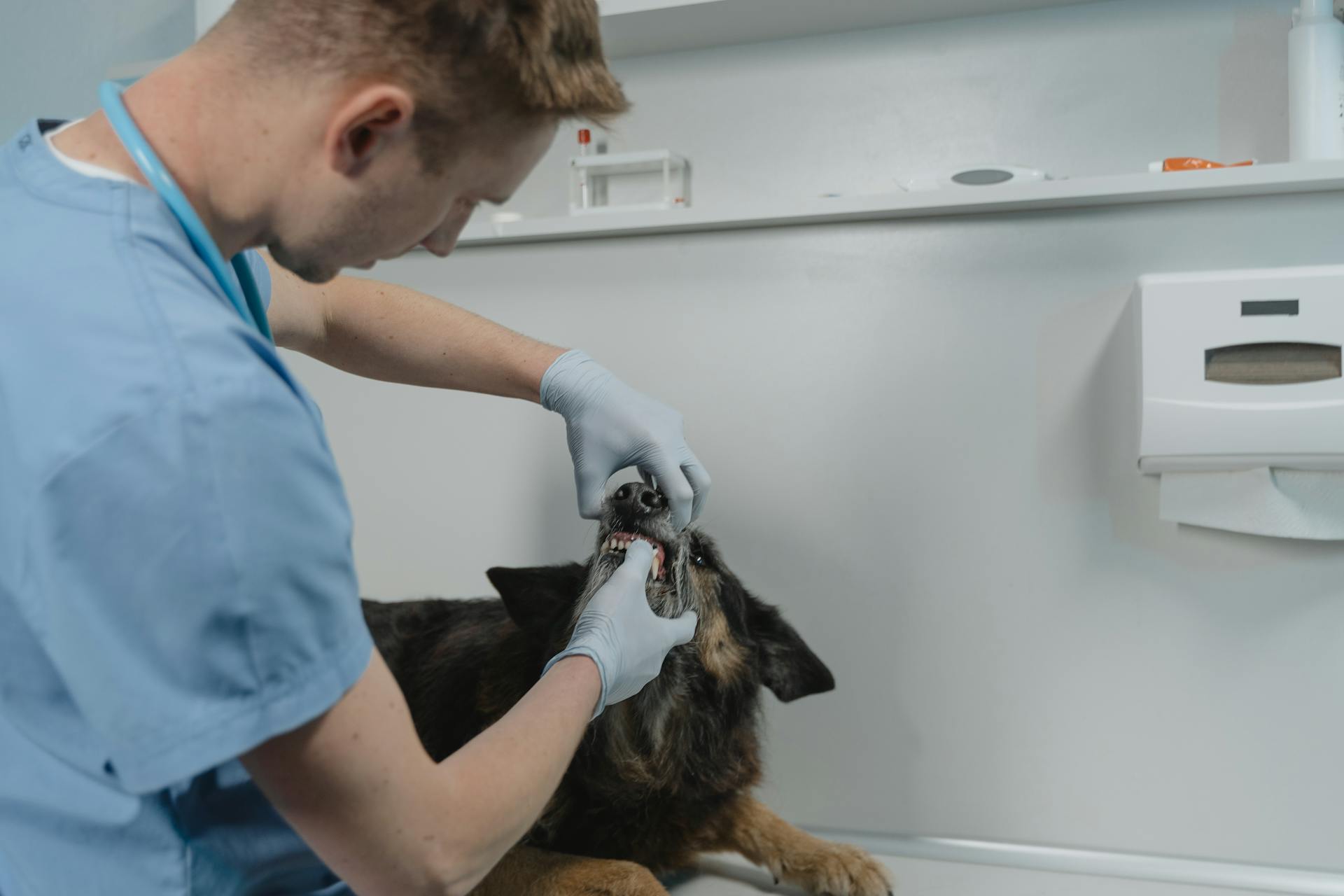
Disinfectants should be used according to the recommended dilution and contact time. Regular steam cleaning can help prevent coccidial infections, and specific disinfectants should be used in addition to regular disinfectants.
Food and water bowls, as well as litter trays, must be cleaned daily. They should be soaked in disinfectant for the recommended time, rinsed carefully, and dried before being returned to the cats.
Litter trays and dishes should not be cleaned at the same time in the same sink. Non-tracking cat litter is a good option to reduce the spread of diseases like FPV and FCoVs.
Spot cleaning can be considered in pens with runs and cages for healthy cats, as long as the housing is used by the same cat.
On a similar theme: Changing Cat Litter Brand Make Cat Sick
Testing and Diagnosis
Fever is a common symptom of many infectious diseases in cats, including FIV and FeLV, which can cause a range of symptoms including loss of appetite and lethargy.
A complete blood count can help diagnose diseases such as anemia and leukemia, which can be caused by FIV and FeLV.
Your veterinarian may also perform a urinalysis to diagnose kidney infections, which can be caused by bacteria such as E. coli.
Testing for Retro

Testing for retrograde amnesia can be challenging, but it's often done through a combination of medical history, neurological examination, and cognitive testing.
Memory tests can help identify gaps in memory, such as difficulty recalling recent events or learning new information.
A neurological examination may include tests like the Mini-Mental State Examination to assess cognitive function.
The MMSE can take up to 15 minutes to administer and involves a series of questions and tasks to evaluate memory, language, and problem-solving skills.
Testing Other Agents
Testing for other infectious agents is not always necessary, but it's recommended in certain situations. The ABCD does not suggest testing incoming cats for other infectious agents like feline coronavirus infection, FCV, FHV, or feline panleukopenia virus unless there are specific clinical signs.
Individual pens should be used in quarantine and isolation areas to prevent the spread of infection.
If a cat is showing signs consistent with infection, testing for protozoal intestinal parasites like Giardiasis could be included in the testing process.
Endectocide treatment of all incoming cats is required, but testing for other agents is not necessary unless there are specific clinical signs.
For your interest: Signs of Old Age in Staffordshire Bull Terrier
Transmission and Prevention
Transmission of infectious diseases in cats can occur through various means, including direct contact, sneezed droplets, and indirect transmission. In shelters, rapid and efficient spread can occur as soon as the first week after introduction of incoming cats.
To prevent the spread of infectious diseases, vaccination is essential for some viruses, such as FCV and FHV. Excellent hygiene, including sneeze barriers, is also crucial in preventing the transmission of FCV.
According to Table 1 – Virus transmission and shedding, the survival time of various viruses outside the host varies greatly, from minutes to up to 1 year. Understanding the survival time and shedding patterns of different viruses can help in implementing effective prevention measures.
Here is a summary of the viruses listed in Table 1, including their survival time outside the host, shedding patterns, modes of transmission, and prevention methods:
Animal Density
Animal density is a critical factor to consider when it comes to the health and well-being of animals in rescue shelters.
High animal density increases the risk of infectious diseases, as the prevalence of pathogenic micro-organisms is correlated with population density and size.
Keeping cats individually or only with cats from the same original household is a good practice to minimize the risk of disease transmission.
Groups should be kept stable, as far as possible, with the turnover and adoption of cats by new owners.
Kittens should be kept in a special quarantine facility with only their litter mates and without contact with adult cats, except their queens.
High animal density can also produce stressful situations, which can further compromise the health of the animals.
Coronavirus infections occur at significantly higher rates in multicat situations compared to single cat households.
In catteries and shelters with more than six cats, coronavirus infection is virtually always present.
Check this out: High Fiber Dog Treats Recipe
Table 1 - Transmission
Transmission is a crucial aspect of viral infections in cats. Direct contact is a primary mode of transmission for many viruses, including FHV, FeLV, and FIV. These viruses can be spread through sneezed droplets, bites, and even transplacental transmission.
Some viruses, like FCV, can survive outside a host for up to a month, allowing for indirect transmission through contaminated surfaces. In contrast, FHV and FIV have shorter survival times outside a host, lasting around 12-18 hours and minutes, respectively.
Vaccination is a key prevention method for several viruses, including FPV and Rabies. However, it's essential to note that vaccination may not eliminate the risk of infection entirely, as seen with FHV.
The mode of transmission can vary depending on the virus. For example, FCV is primarily spread through direct contact and sneezed droplets, while FCoV is mainly transmitted through the faecal-oral route.
Here's a breakdown of the viruses mentioned and their transmission modes:
By understanding these transmission modes, we can take steps to prevent the spread of these viruses and keep our feline friends safe and healthy.
Table 2 – Transmission of Nonviral Agents
Feline coronavirus infection (FCoV) is typically not tested for in incoming cats unless specific clinical signs are present.
Endectocide treatment of all incoming cats is required, but testing for protozoal intestinal parasites can be included, especially in cats showing signs consistent with infection.
In quarantine and isolation areas, individual pens should be used to prevent the spread of disease.
Testing for lungworm is not recommended unless clinical signs are present.
A unique perspective: Early Signs of Ivdd in Dachshunds
Frequently Asked Questions
What is the most common infectious disease in cats?
Feline calicivirus and feline herpesvirus are the leading causes of contagious upper respiratory problems in cats, accounting for 80-90% of cases. These highly contagious viruses can spread quickly through social interactions and shared environments.
What are the first signs of panleukopenia in cats?
The first signs of panleukopenia in cats include diarrhea, vomiting, fever, and loss of appetite, often accompanied by depression and painful belly. If you suspect your cat is showing these symptoms, seek veterinary attention immediately to prevent complications.
Featured Images: pexels.com