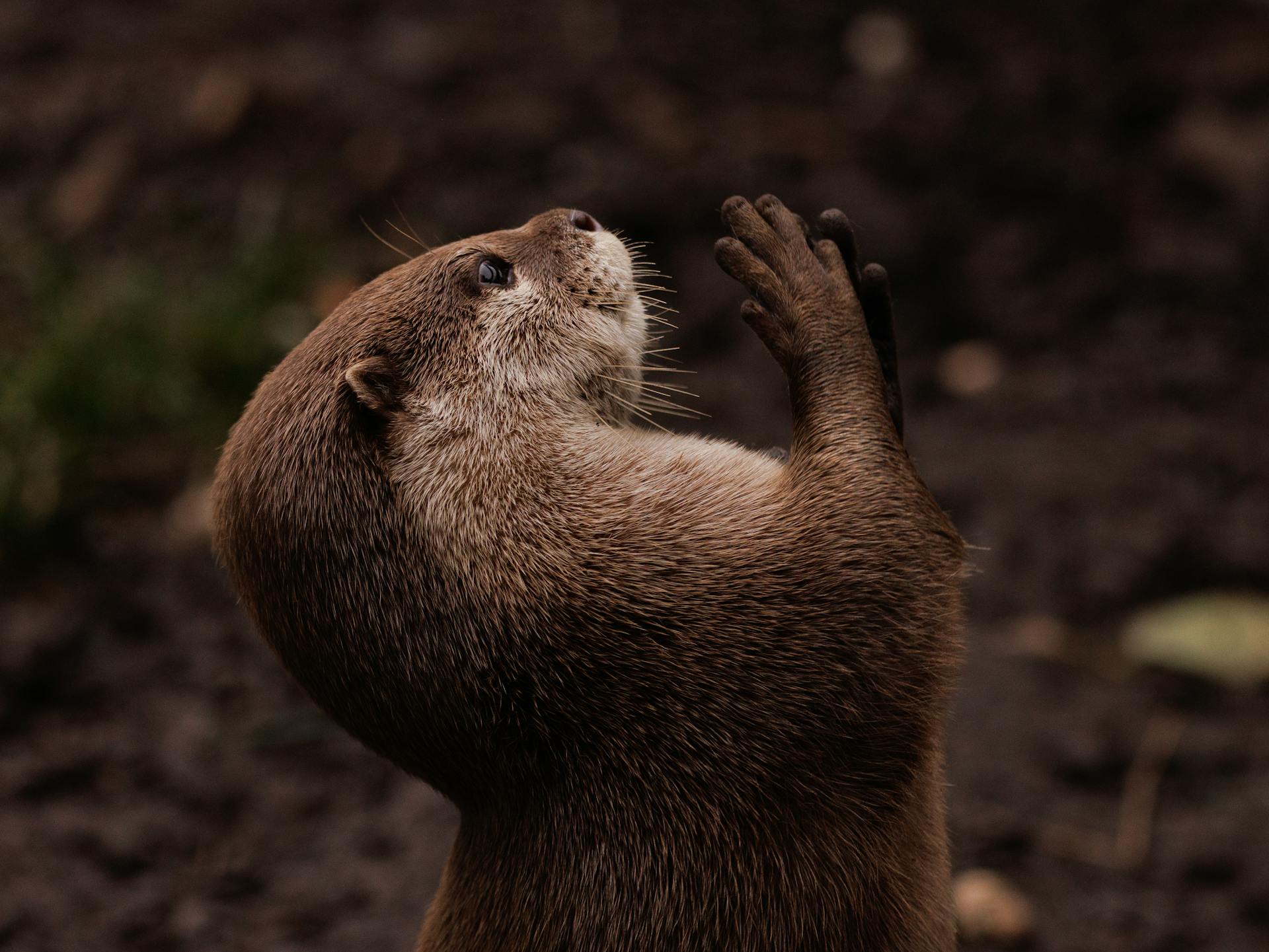
The northern river otter is a fascinating creature that thrives in freshwater habitats. They are found in rivers, streams, and coastal areas of North America.
Northern river otters are carnivores and feed on a variety of prey, including fish, crustaceans, and small mammals. Their diet consists mainly of fish, which they catch using their powerful tails and sharp teeth.
In the summer months, northern river otters are most active during the day, while at night they rest in their dens or under vegetation.
See what others are reading: Fish and Wildlife Western Pond Turtle
Physical Characteristics
The northern river otter is a remarkable creature, and its physical characteristics are just as impressive. They have long, streamlined bodies, perfect for gliding through the water.
One of the most notable features of the northern river otter is its fur. It's dark brown to almost black on top and a lighter color on the belly, with a golden brown throat and cheeks. This unique coloring helps them blend in with their surroundings.
Their fur is also incredibly dense and soft, providing excellent insulation in the water. It's a vital adaptation for these semi-aquatic mammals, allowing them to stay warm in cold water.
The northern river otter's body is surprisingly small, ranging from 889 to 1300 mm in length, with a weight of 5 to 14 kg. Males tend to be larger than females in all measurements.
Here are some key physical characteristics of the northern river otter:
- Body length: 889 to 1300 mm (35.00 to 51.18 in)
- Weight: 5 to 14 kg (11.01 to 30.84 lb)
- Body symmetry: Bilateral symmetry
- Thermoregulation: Endothermic and homoiothermic
Geography and Habitat
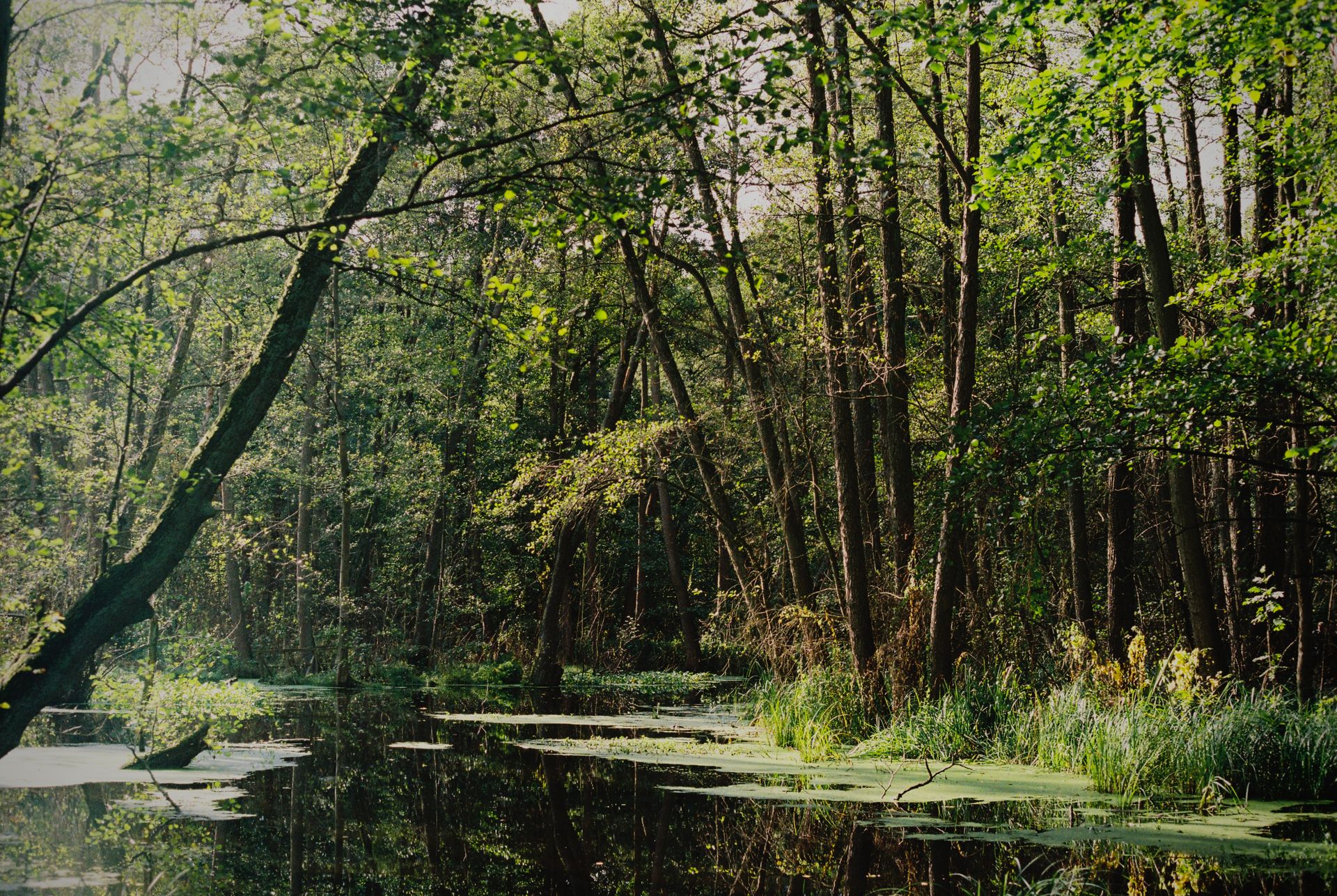
Northern river otters are found in a variety of habitats, including freshwater and coastal marine areas, such as rivers, lakes, marshes, swamps, and estuaries.
They can thrive in environments with cold and warmer latitudes, as well as high elevations.
River otters seem to be sensitive to pollution and will often disappear from areas with polluted waters.
Their dens are built in the burrows of other mammals, in natural hollows, or in river banks, and have underwater entrances and a tunnel leading to a nest chamber lined with leaves, grass, moss, bark, and hair.
River otters have large home ranges, typically between 2-78km of waterway, and are constantly on the move within this range.
Home range sizes vary depending on the richness of food resources and habitat quality.
Males generally have larger home ranges than females, who tend to have smaller, more localized territories.
River otters can be found in a variety of aquatic biomes, including lakes and ponds, rivers and streams, and coastal areas.
Their habitats also include wetlands, such as marshes, swamps, and bogs.
Other habitat features that support river otter populations include riparian and estuarine areas.
It's worth noting that river otters are not highly territorial, and will often practice mutual avoidance to avoid conflicts with other otters.
For another approach, see: Red Shafted Northern Flicker Range
Behavior and Social Structure
Northern river otters are known to be playful animals, and their behavior is a fascinating aspect of their nature. They exhibit behaviors such as mud/snow sliding, burrowing through the snow, and waterplay, which may seem like simple fun, but actually serve a purpose.
A fresh viewpoint: Bird Tracks in Snow Identification
Some of these "play" activities are used to strengthen social bonds, practice hunting techniques, and scent mark. Their high metabolism gives them boundless energy, requiring them to eat a great deal during the day.
They are excellent swimmers and divers, able to stay underwater for up to 8 minutes. They are also fast on land, capable of running at up to 29 km/hr.
Here are some key behaviors of northern river otters:
- natatorial
- motile
- sedentary
- solitary
- territorial
- social
Northern river otters are primarily solitary animals, but they can also be found in family groups, typically consisting of females and their young. They are excellent communicators, using a variety of methods to convey information, including vocalizations, scent marking, and touch.
Reproduction and Lifespan
Northern river otters have a unique mating system, where males often breed with several females whose home ranges overlap with their own. This polygynous system is a key aspect of their reproductive behavior.
Females typically give birth to 1 to 6 young per litter, with an average of 2 to 3, and gestation lasts around 2 months. However, due to delayed implantation, the young may be born up to a year after mating.
In the wild, northern river otters normally live about 8 to 9 years, whereas in captivity, they can live up to 21 years. This highlights the importance of conservation efforts to protect these amazing creatures.
Here is a summary of their reproductive features:
- Key Reproductive Features:
- iteroparous
- seasonal breeding
- gonochoric/gonochoristic/dioecious (sexes separate)
- sexual
- fertilization
- viviparous
- delayed implantation
Their young are born helpless but develop quickly, opening their eyes at one month old and being weaned at around 3 months. They begin to leave their mother's side at 6 months old and reach sexual maturity at 2 to 3 years old.
Consider reading: Extinct Old English Terrier
Reproduction
Reproduction in these otters is a fascinating process. Males and females only come together during the mating season, which occurs in late winter or early spring.
Females give birth to 1 to 6 young per litter, with an average of 2 to 3. This is a relatively small litter size compared to some other mammals.
The gestation period is quite short, lasting only two months. However, the young may be born up to a year after mating due to delayed implantation of the fertilized egg.
Here's a breakdown of the reproductive cycle:
The young are born with fur but are otherwise helpless. They open their eyes at one month of age and are weaned at about 3 months old.
Lifespan/Longevity
North American river otters can live up to 21 years in captivity. They are known to thrive in controlled environments where they receive proper care and nutrition.
In the wild, their lifespan is significantly shorter, ranging from 8 to 9 years on average. This is likely due to the challenges they face in their natural habitat, such as finding food and avoiding predators.
Here's a breakdown of their lifespan in different environments:
- Range lifespan: 21 years in captivity
- Typical lifespan: 8 to 9 years in the wild
- Average lifespan: 8-9 years in the wild
Predation and Ecosystem
Northern river otters have a few predators they need to watch out for, including bobcats, coyotes, birds of prey, alligators, and other large predators.
These predators are a threat to northern river otters, but they have a few tricks up their sleeves to avoid being caught. They're very agile in the water and on land, which helps them escape predators.
Discover more: Cats Predators to Pets
In fact, northern river otters are so good at defending themselves that they can fiercely protect themselves and their young from predators.
Here are some of the known predators of northern river otters:
- Bobcats
- Coyotes
- Birds of prey
- Alligators
- Other large predators
As a top predator in their ecosystem, northern river otters play a crucial role in keeping the balance of their environment. They prey on fish and aquatic invertebrates, helping to keep their populations under control.
In fact, northern river otters are so important to their ecosystem that they're considered a key part of healthy, aquatic ecosystems.
Conservation Status
The northern river otter's conservation status is a bit of a mixed bag. They're listed in Appendix II of CITES, which means they're not considered to be in immediate danger of extinction, but trade and commerce in them is regulated.
Historically, northern river otter populations were once extirpated through many parts of their range, especially around heavily populated areas in the midwestern and eastern United States. This was a major concern for conservationists.
However, thanks to reintroduction and conservation efforts, population trends have stabilized in recent years. This is a positive development for the species.
Here's a breakdown of the northern river otter's conservation status:
- IUCN Red List: Least Concern
- US Federal List: No special status
- CITES: Appendix II
- State of Michigan List: No special status
It's worth noting that while the northern river otter is listed as Least Concern on the IUCN Red List, they are still considered vulnerable or imperiled throughout much of their range in the midwestern United States and the Appalachian mountains.
Frequently Asked Questions
Are river otters harmless?
River otters can be unpredictable and may attack humans, especially females with young, so it's best to exercise caution when interacting with them. While they may not notice you if you stay still, it's not recommended to instigate a close encounter.
Featured Images: pexels.com