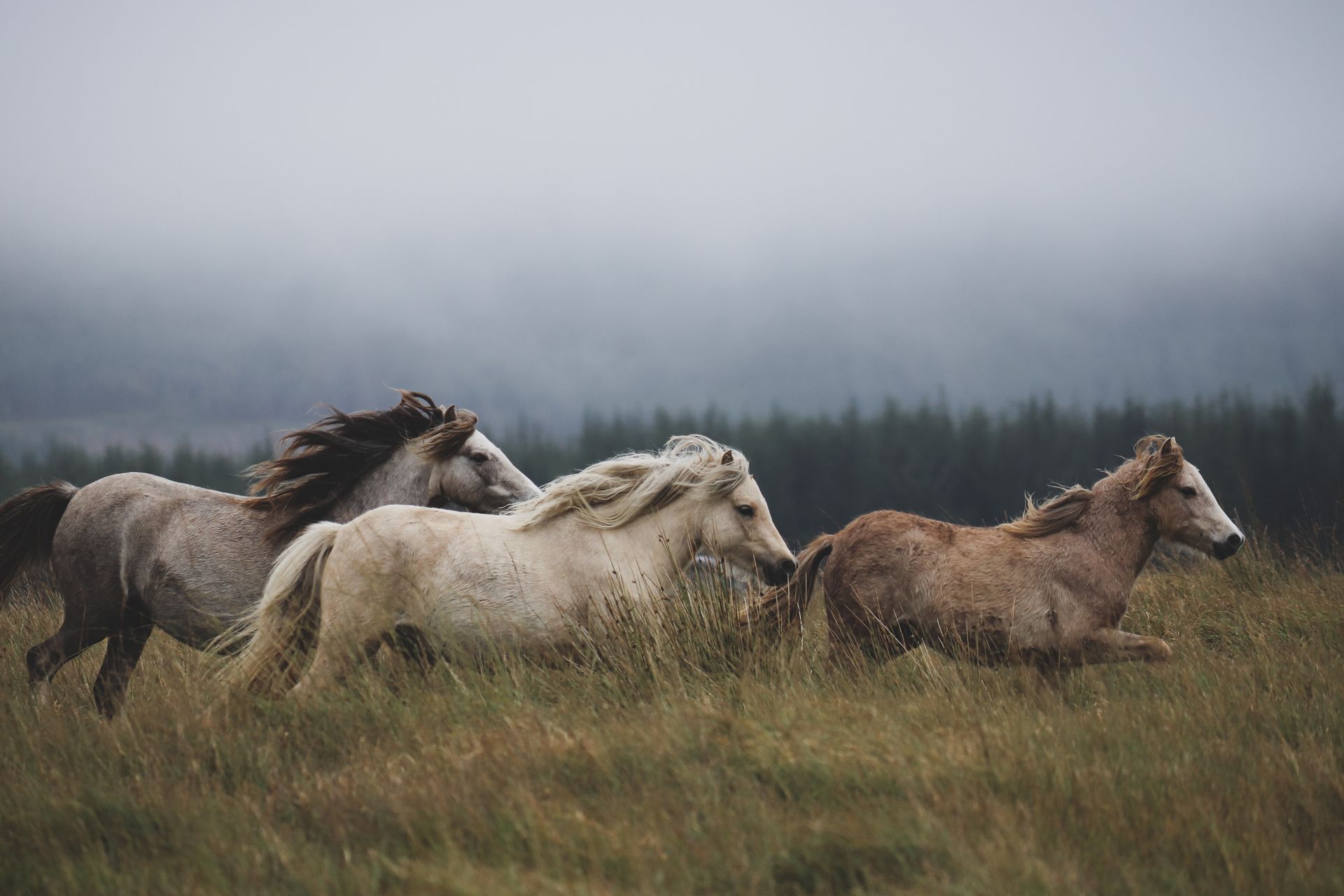
Feral horses in North America are a complex conservation issue, with multiple stakeholders and competing interests. They are not native to the continent, but have been present for centuries, primarily in the western United States and Canada.
The exact origin of these feral horses is unclear, but it's believed they descended from domesticated horses brought by Spanish conquistadors in the 16th century. Their numbers have been estimated to be around 70,000.
Feral horses are found in several western states, including Wyoming, Montana, and Nevada, as well as in Alberta and British Columbia, Canada. They inhabit a variety of habitats, including grasslands, deserts, and mountainous regions.
A unique perspective: Horses in the United States
A Brief History of Wild Horses
Wild horses have been present in North America for thousands of years, with evidence of their presence dating back to 8,000 years ago.
Horses evolved in North America, moving back and forth across the Bering Land Bridge into Siberia during glacial periods, and later migrated through Asia, Europe, and Africa.
Archeological sites such as Wolf Spider Cave in Colorado, Horsethief Cave and Little Box Elder Cave in Wyoming, and Pratt Cave in Texas have provided horse bones radiocarbon dated to show horses lived in the western United States during the period between 8,000 years ago and 1481 AD.
Native American tribes have oral histories that tell the story of horses and Native American cultures co-mingling prior to European arrival.
The first modern horses were brought to the Americas with the conquistadors, beginning with Columbus, who imported horses from Spain to the West Indies on his second voyage in 1493.
Horse breeding in sufficient numbers to establish a self-sustaining population developed in what today is the southwestern United States starting in 1598 when Juan de Oñate founded Santa Fe de Nuevo México.
The Spanish also brought horses to Florida in the 16th century, but the Choctaw and Chickasaw horses of what is now the southeastern United States are believed to be descended from western mustangs that moved east.
Estimates of the peak population of mustangs vary widely, but some sources suggest it was between two and five million in the late 1700s or early 1800s, while others estimate it was around one million in the 1840s.
A different take: Are There Still Wild Horses in the United States
By 1920, the original mustangs were disappearing, and efforts were made to preserve them, ultimately establishing the Spanish Mustang Registry.
By 1934, the vast majority of free-roaming horses were found west of the Continental Divide, with an estimated population between 50,000 and 150,000, and by the 1950s, the mustang population dropped to an estimated 25,000 horses.
Characteristics and Origins
Mustangs are typically 14 to 15 hands tall, which is equivalent to 56 to 60 inches or 140 to 150 centimeters. They usually weigh around 800 pounds or 360 kilograms.
Most mustang horses are bay, a reddish-brown color, or sorrel, a chestnut color. Their coats can also display a variety of patches, spots, and stripes.
Mustangs are known for their speed, with most able to run at 25 to 30 mph, although one was recorded reaching 55 mph over a short distance.
Etymology and Usage
The term "mustang" has a rich history, and its meaning has evolved over time. The word "mustang" was likely borrowed from two Spanish words, mestengo and mostrenco.
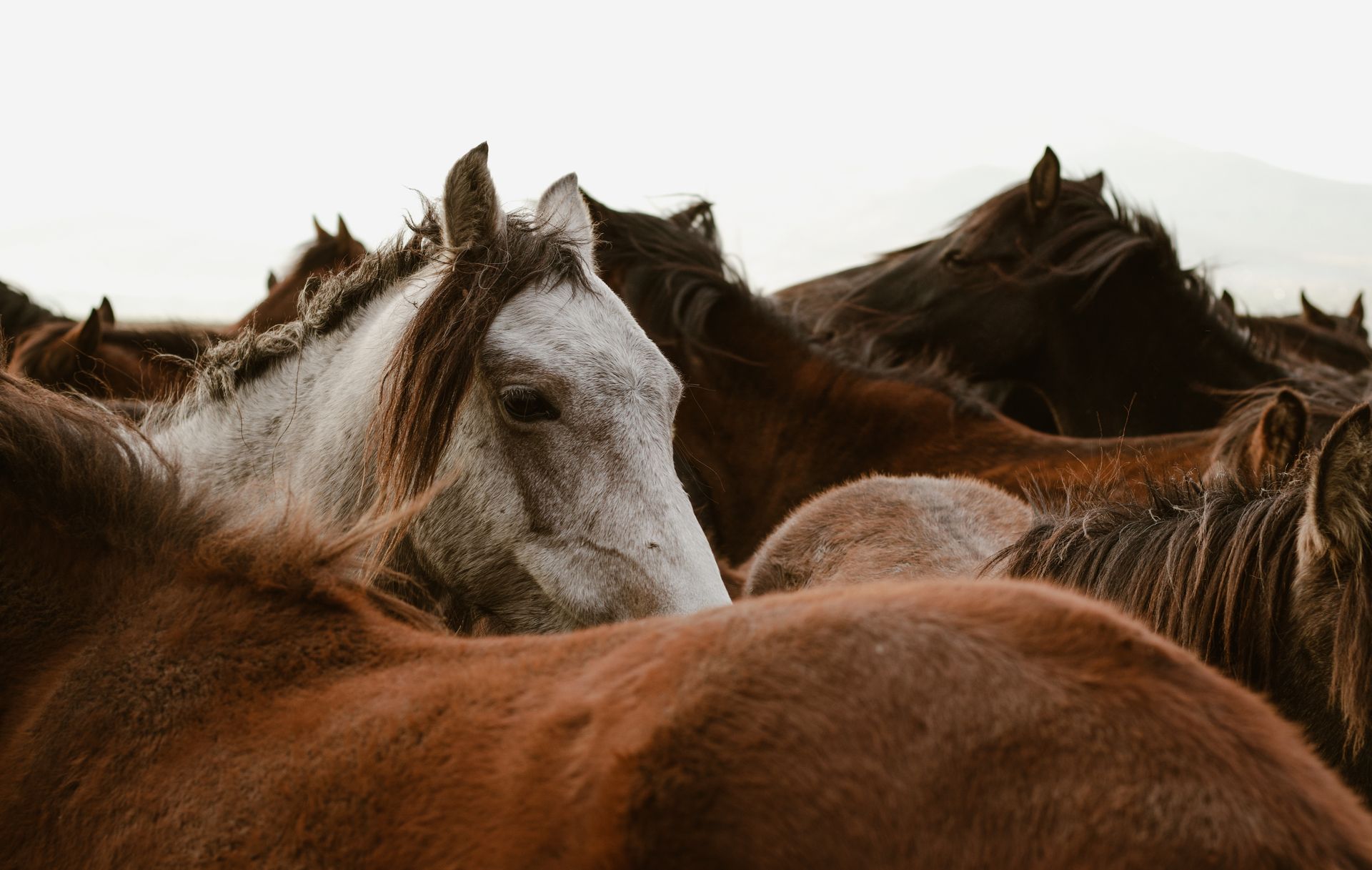
In Mexican Spanish, both mestengo and mostrenco were used to describe untamed, wild, and ownerless horses, mules, and cattle that roamed free in the countryside. This definition was adopted by Americans.
Mestengo originally referred to any stray livestock animal of uncertain ownership in medieval Spain, specifically those that ended up under the ownership of the powerful transhumant merino sheep ranchers' guild, the Mesta.
Characteristics and Ancestry
Mustangs are typically 14 to 15 hands tall, which equals 56 inches to 60 inches (140 to 150 centimeters) in height. They usually weigh around 800 pounds (360 kilograms).
Their coats show the entire range of colors found in all horses, with bay and sorrel being the most common colors. Mustangs can also have patches, spots, and stripes.
These horses are known for their speed, with most mustangs able to run at speeds of 25 to 30 mph (40 to 48 km/h). One mustang was recorded reaching an impressive 55 mph (88 km/h) over a short distance.
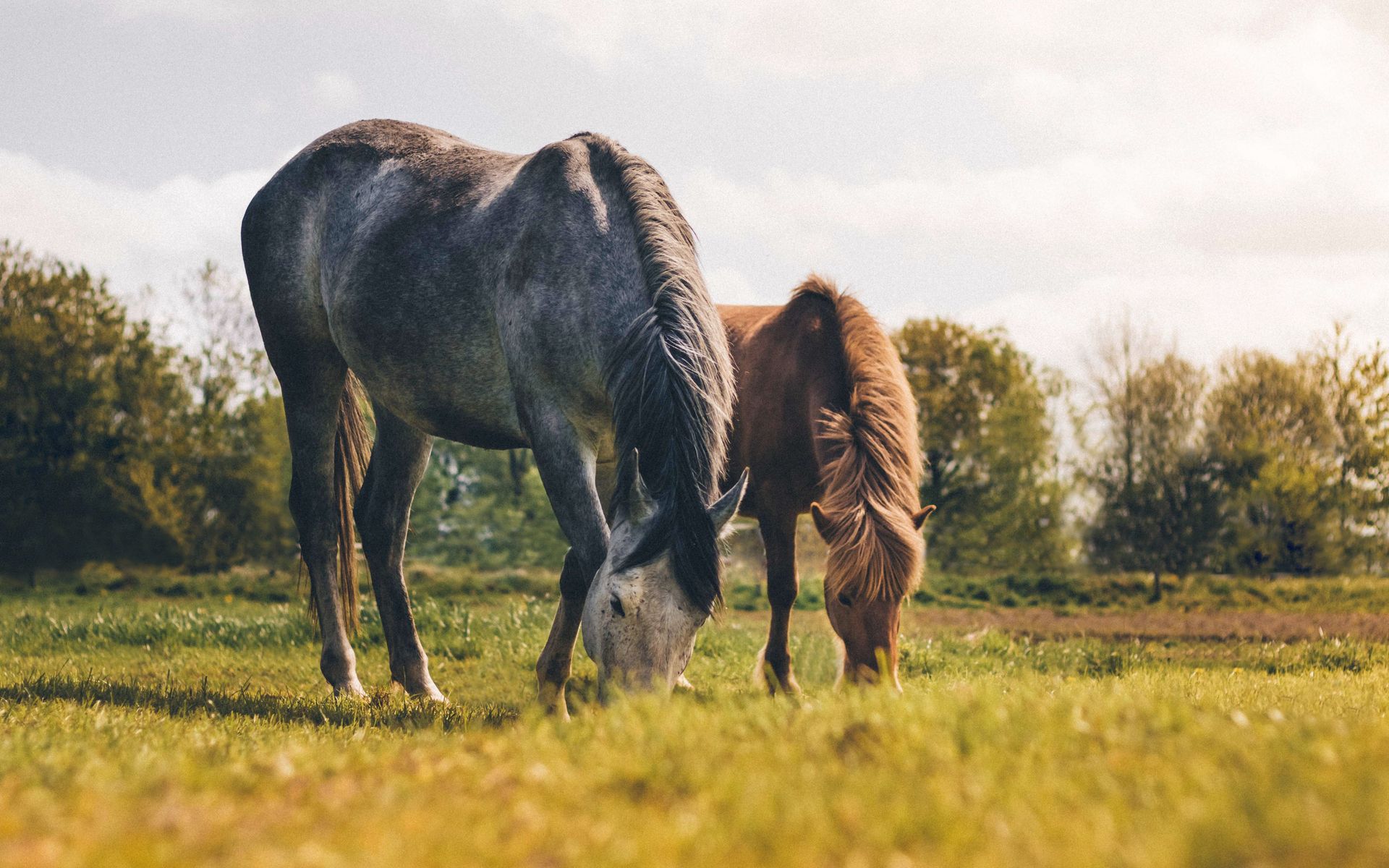
Mustangs are a mixture of several different breeds, including draft and Thoroughbreds. This interbreeding has resulted in varying degrees of Spanish horse ancestry among different populations.
Some mustang populations, like the Kiger mustangs in Oregon, have a more direct connection to their Spanish horse ancestors due to their isolated herds and limited interbreeding.
Explore further: Spanish Colonial Horse
Management and Conservation
The U.S. Bureau of Land Management controls mustang and burro numbers on public lands by capturing, holding and offering them for adoption.
This process is a result of the Wild Free-Roaming Horses and Burros Act, which allowed for the management and control of these animals.
There are currently more than 70,000 free-ranging mustangs in the U.S., according to the America's Mustang program.
The Wildlife Society considers feral horses and burros to be invasive species - non-native species that cause harm to native wildlife or local economies.
Without human intervention, the mustang horse population can increase rapidly because there aren't many predators, such as wolves, to naturally control them.
You might like: Horse Management
The Wild Free-Roaming Horses and Burros Act declared mustangs and burros "living symbols of the historic and pioneer spirit of the West."
Cattle ranchers complain about having to share land with feral horses, according to the America's Mustang program.
The U.S. Bureau of Land Management's management methods are controversial, with some groups arguing that mustangs and burros should be left on the public lands and that officials should use contraceptive treatments to control their numbers instead.
Wild Horse Status and Debate
Wild horses have been a part of North America for millions of years, with the family Equidae evolving on the continent 55 million years ago.
Dr. Ross MacPhee, a curator of the American Museum of Natural History, has studied horse evolution extensively and debunks the claim that horses did not biologically evolve on North America, saying it's "as American as anything you could possibly imagine."
Some horses may have gone extinct in North America around 12,000 years ago, but recent scientific research and archeological digs have found evidence that some remnant horses survived and continued to thrive up to the time of European colonization.
Archeological sites such as Wolf Spider Cave in Colorado, Horsethief Cave and Little Box Elder Cave in Wyoming, and Pratt Cave in Texas have provided horse bones radiocarbon dated to show horses lived in the western United States between 8,000 years ago and 1481 AD.
Native American oral histories and cave drawings also tell the story of horses and Native American cultures co-mingling before European arrival, highlighting the long-standing connection between humans and wild horses in North America.
Dr. MacPhee believes that recognizing wild horses as native species would grant them rights they currently lack, such as protection from inhumane treatment and slaughter.
However, the Bureau of Land Management (BLM) has been criticized for its unscientific definition of wild horses, which allows for inhumane practices such as running foals to death from helicopters and surgically sterilizing mares.
Modern Issues and Help
Feral horses in North America face a range of modern issues, including habitat loss and fragmentation due to human development.
Many feral horses are forced to compete with domestic livestock for limited resources, leading to conflicts with local ranchers and farmers.
Habitat loss and fragmentation can also make it difficult for feral horses to find suitable grazing areas and adequate shelter.
Modern Issues
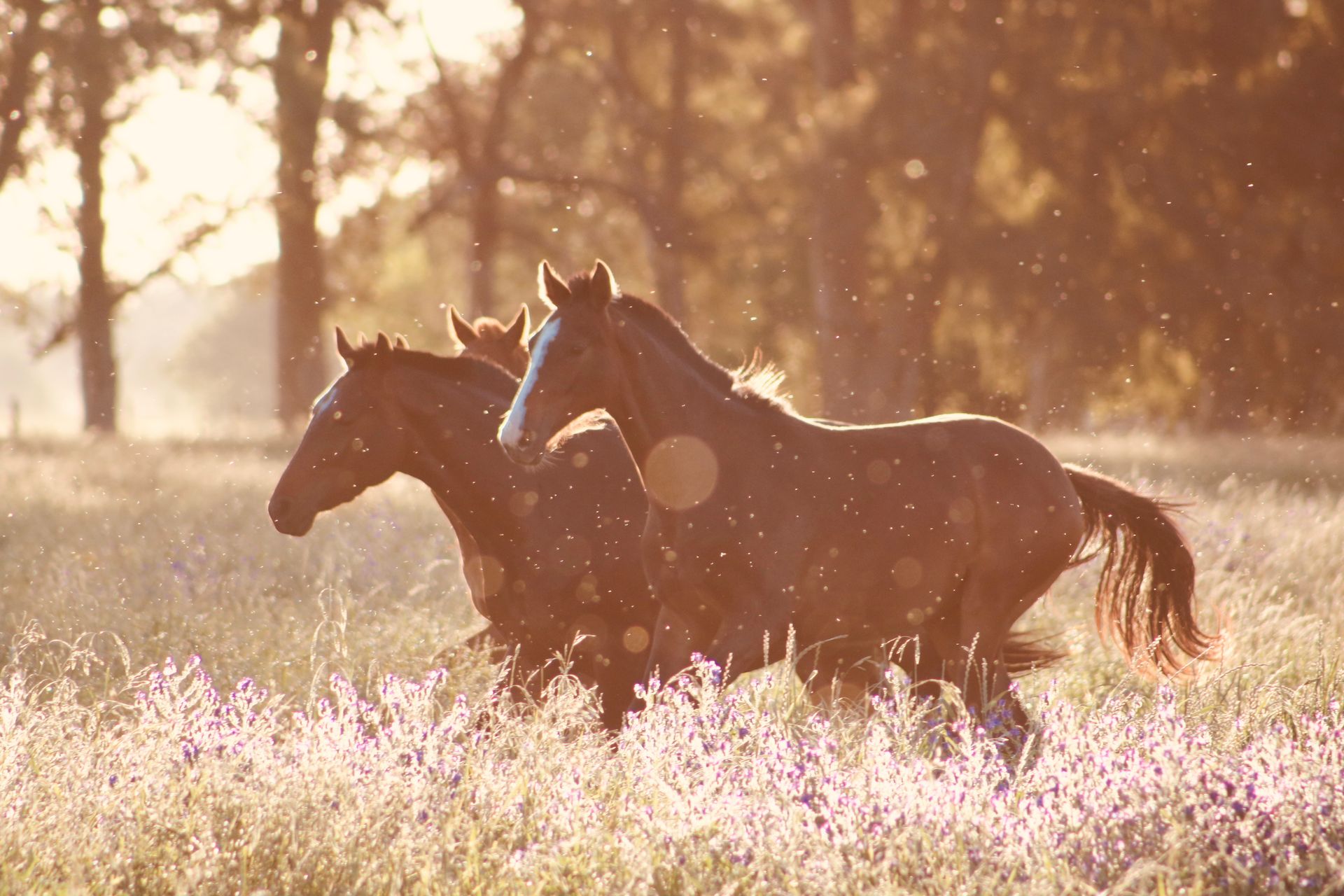
The BLM has a significant challenge on its hands when it comes to managing the free-roaming mustang population. The on-range mustang population in August 2017 was estimated to have grown to over 72,000 horses.
More than half of all free-roaming mustangs in North America are found in Nevada. Nevada even features the horses on its State Quarter!
The BLM has established an Appropriate Management Level (AML) for each Herd Management Area, totaling 26,690 bureau-wide. However, this goal is far from being met.
There are over 88,000 horses roaming free in North America. This is a staggering number, especially considering the BLM's goal of maintaining a much lower population.
In addition to the free-roaming mustangs, there are also 45,000 horses in holding facilities. This highlights the complexity of the issue and the need for effective management strategies.
How You Can Help
If you're passionate about helping wild horses, there are several ways to make a difference.
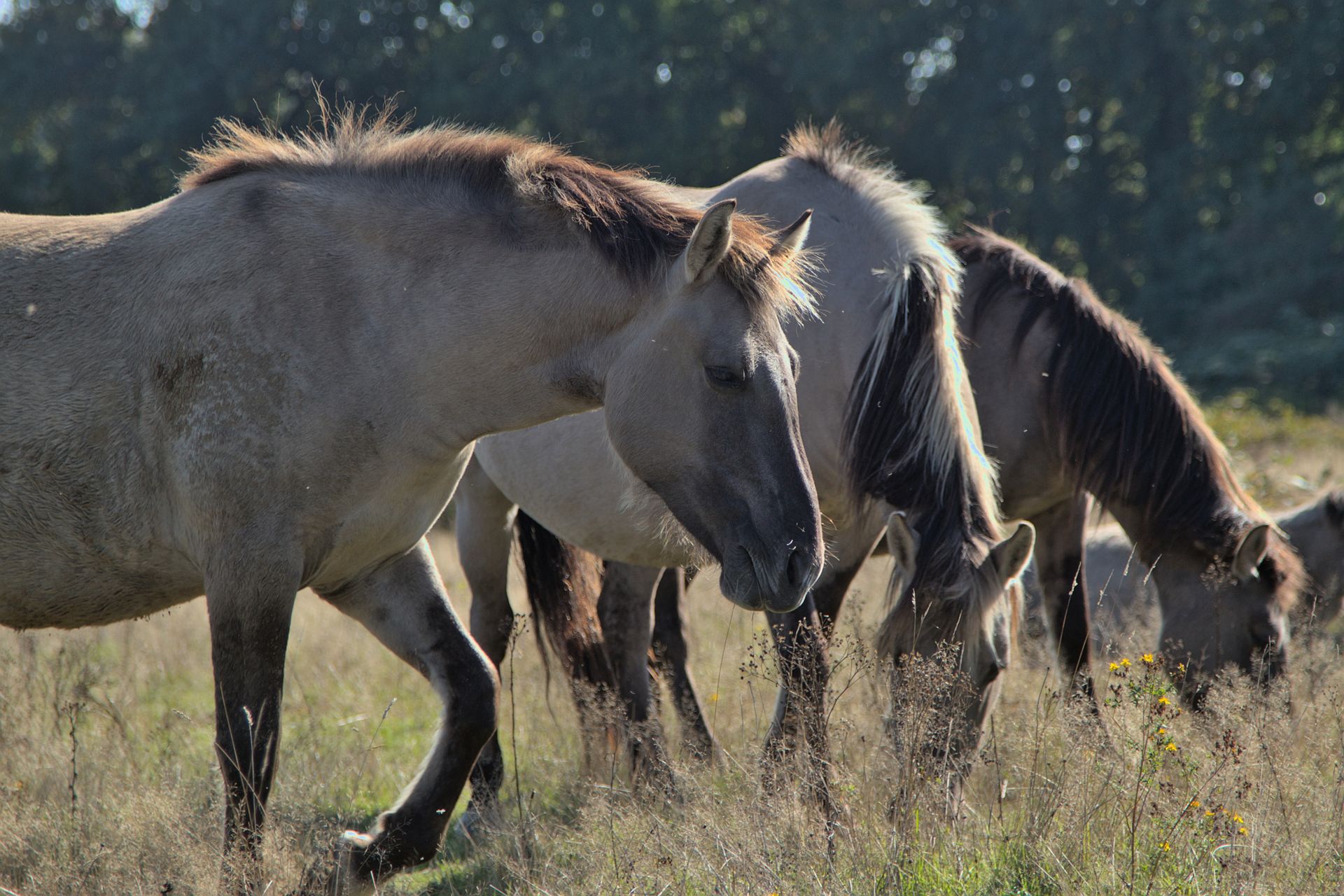
You can become a wild horse defender by signing up for an In Defense of Animals membership.
Taking action for horses is as simple as signing one of their active alerts. This will keep you informed about ongoing campaigns and allow you to contribute to their efforts.
Educating yourself about wild horses in North America is crucial to understanding their plight. You can start by visiting their Wild Horse action center.
Here are some specific actions you can take to help:
- Become a wild horse defender by signing up for an In Defense of Animals membership
- Take action for horses by signing one of their active alerts
- Educate yourself about wild horses in North America by visiting their Wild Horse action center
Taming and Adoption
Mustang horses can be tamed and ridden, but the process takes longer if they're taken directly from the wild.
Horses like mustangs are known for their wild nature, but they can be domesticated.
In the Wild West, cowboys called "mustang runners" used to catch and tame mustangs from the 1850s to 1900.
These cowboys would sell the tamed mustangs.
It's worth noting that mustangs are a specific species, classified as Equus Caballus.
Notes
Przewalski's horse, a true wild horse, may have been briefly domesticated in the past. Recent studies suggest this is a possibility.
Przewalski's horse is found in places like the Herd Management Areas in California and Idaho. These areas are specifically designed to manage wild horse populations.
Some wild horses in the Pryor range are smaller than average, coming in at under 14 hands. In contrast, horses in areas like Devils Garden Wild Horse Territory, California, and Challis HMA, Idaho, can reach up to 16 hands.
The term "Apache" originally referred to a Pueblo word meaning "enemy". This term was often used to describe hostile tribes, regardless of their actual affiliation.
Horses didn't arrive in the Great Basin until the 1850s. Prior to this, the Western Shoshone and other Native American groups did not have access to horses.
The Great Basin and southern Great Plains were ideal habitats for Spanish horses, which originated in arid regions of Spain, Africa, and Arabia.
Discover more: Sea Lion California
Here are some notable sources cited in the article:
- Mississ. III 273 for Pike
- "Journal, 5 Sept." in Texas State Historical Association Quarterly (1904) VII. 300, for Austin
- Tom L. McKnight (c. 1929–2004)
- Ed de Steiguer (PhD, professor at the University of Arizona)
A few hundred free-roaming horses still exist in Alberta and British Columbia.
Frequently Asked Questions
What state has the most feral horses?
Nevada is home to the majority of America's wild horses, boasting the most wild horse and burro history in the country. Learn more about the state's rich wild horse heritage and its unique history.
Featured Images: pexels.com