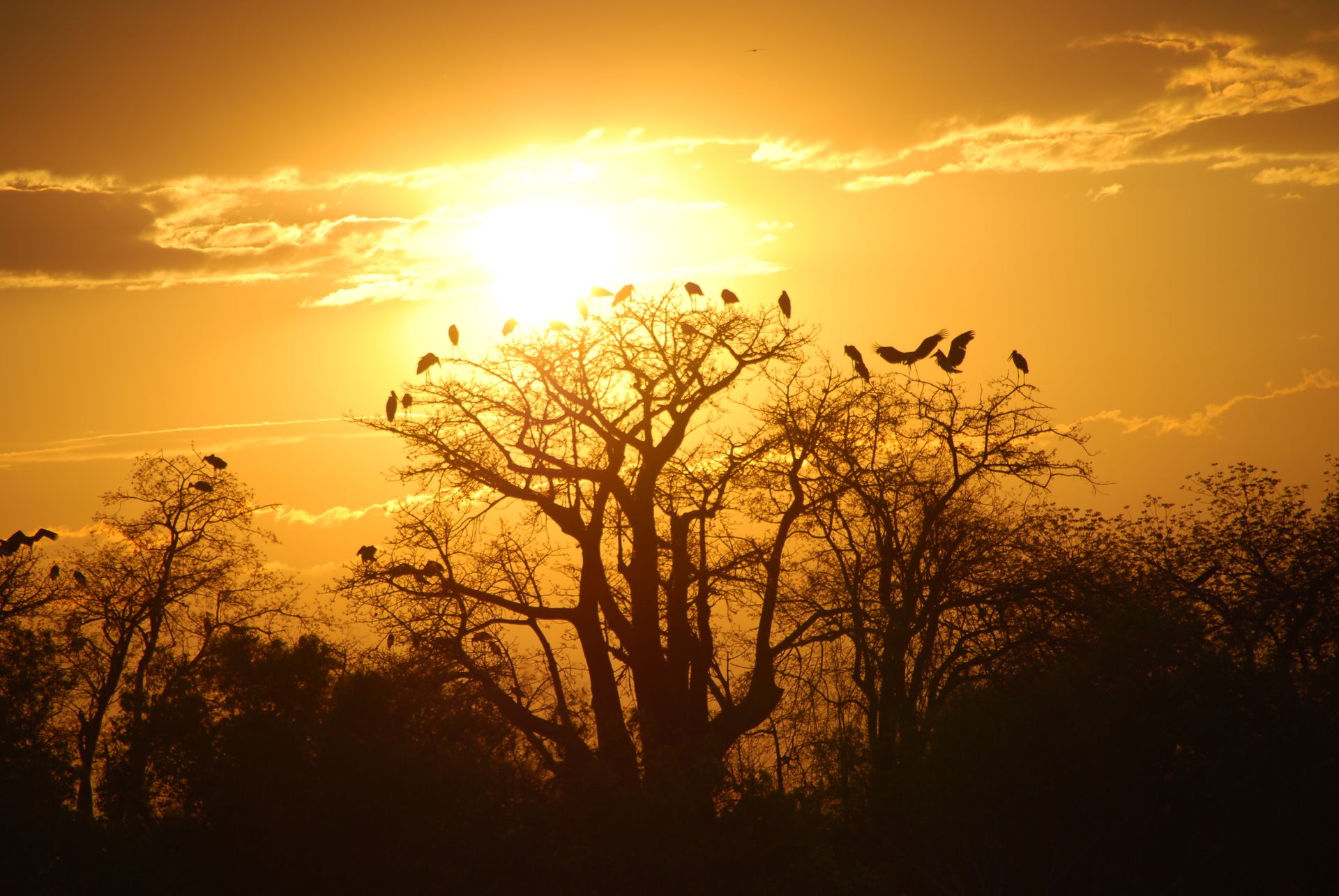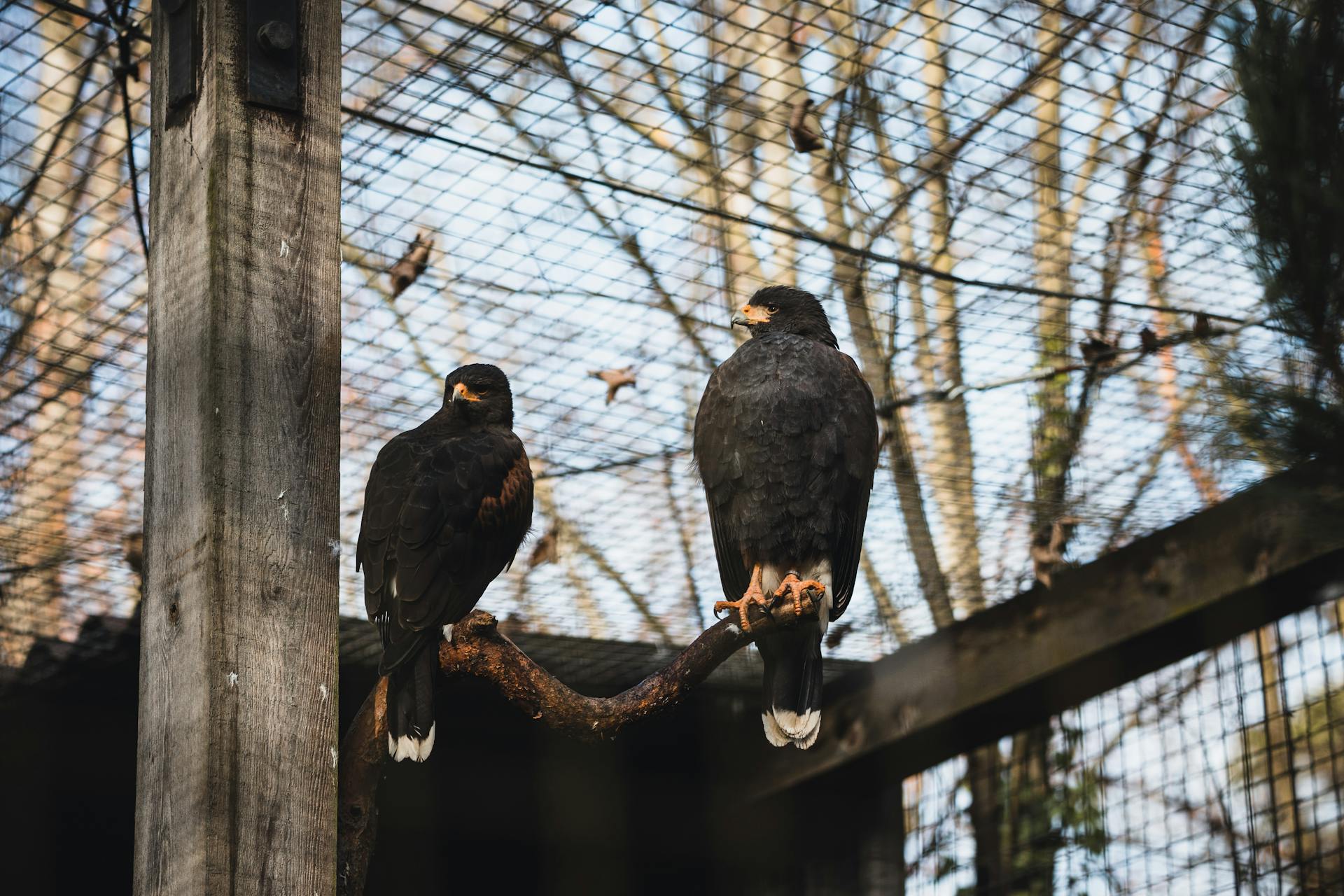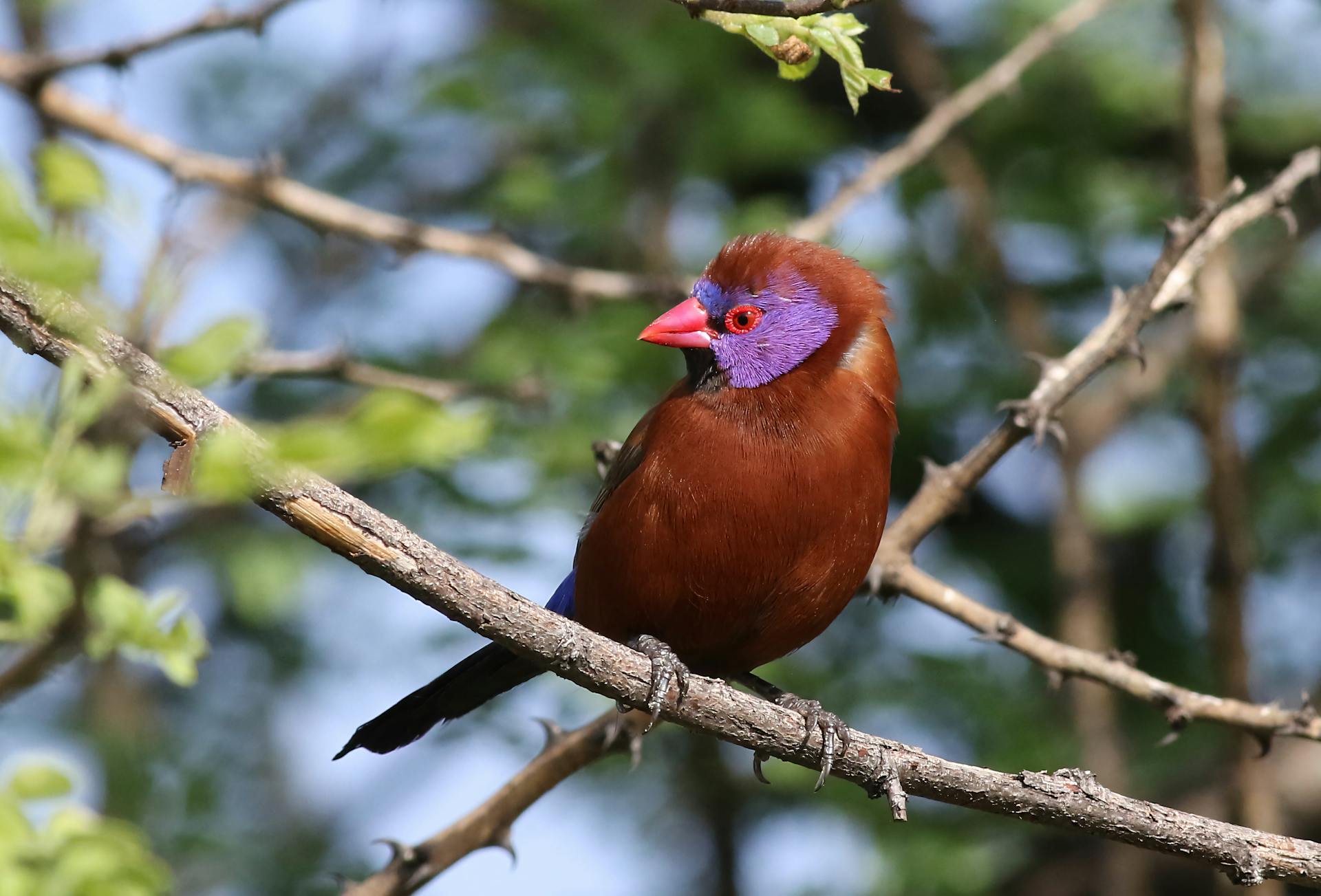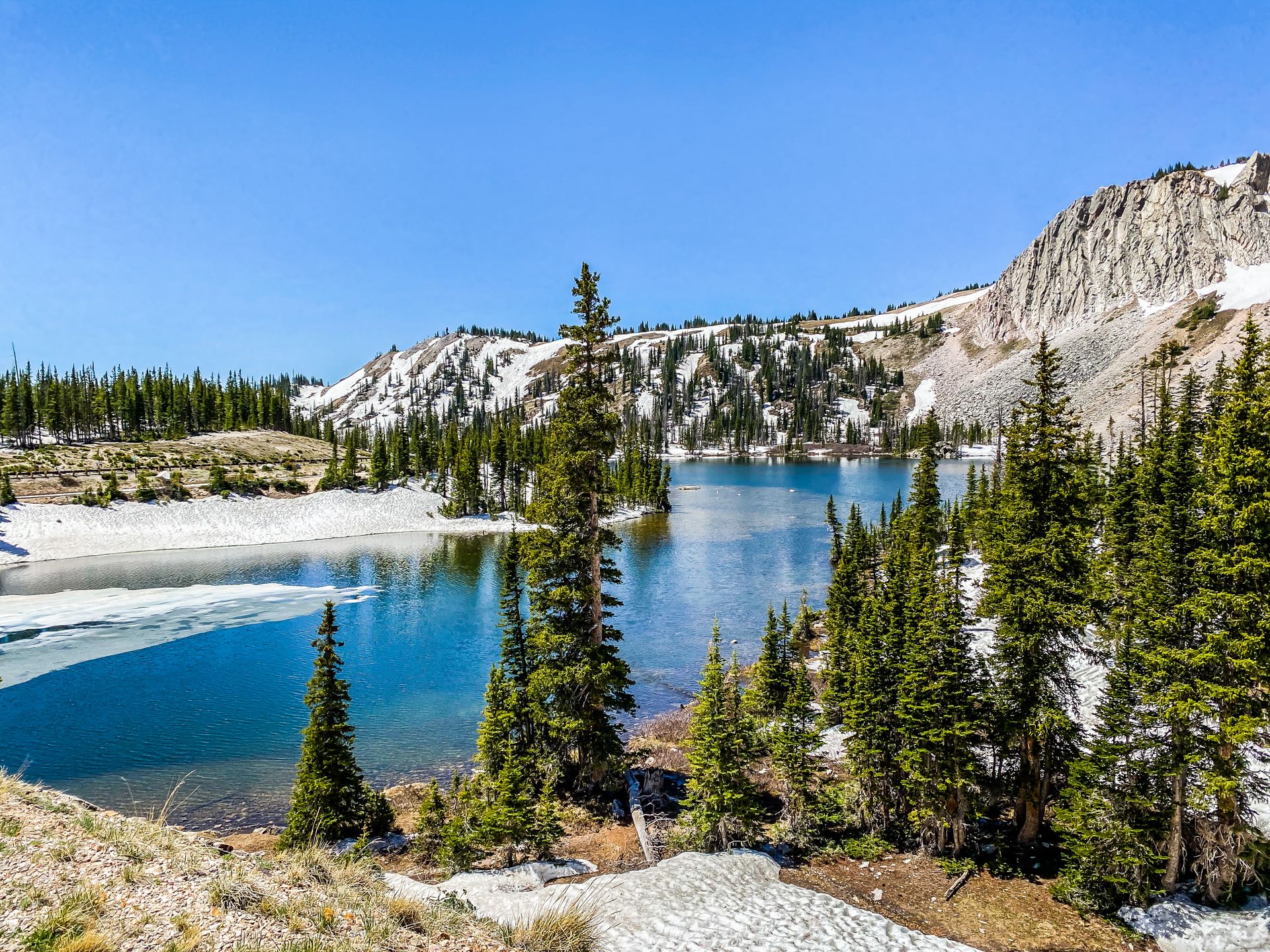
Wyoming is a birdwatcher's paradise, with its vast open spaces and diverse landscapes providing a haven for over 400 species of birds. The state's unique geography, which includes mountains, forests, and grasslands, supports a wide range of avifauna.
The western meadowlark is a common sight in Wyoming, known for its distinctive song and vibrant yellow chest. It's a year-round resident in the state, often seen perched on fence posts or in open fields.
Wyoming's mountains are home to a variety of bird species, including the peregrine falcon, which can be spotted nesting on cliff faces or soaring overhead. These birds of prey are a thrilling sight to behold, with their incredible speed and agility.
The greater sage-grouse is a signature bird of Wyoming, known for its elaborate courtship displays and distinctive "lekking" behavior. These birds can be seen in the state's sagebrush steppe regions, particularly during the spring breeding season.
Check this out: State Bird
Wyoming Bird Identification
Wyoming is a haven for birdwatchers, with over 33 species of birds visiting backyard feeders in the state. The most frequently reported birds include the Cassin's Finch, House Finch, and White-crowned Sparrow.
These birds are year-round residents, but migratory species like the Gray-crowned Rosy-Finch and the Common Redpoll can be seen visiting feeders for a few months or weeks before disappearing. The reproductive stages of birds also influence their visitation rates, with parents feeding young in the nest switching to protein-rich foods like insects.
According to data from the FeederWatch Project of the Cornell Laboratory of Ornithology, most birds in Wyoming use platform feeders (92.5%), followed by large hopper feeders (64.8%). Many birds are comfortable feeding on the ground, with 32 species reported to do so.
Some of the largest and smallest North American birds can be found in Wyoming, including the trumpeter swan, the largest waterfowl in North America, and the calliope hummingbird, the smallest North American bird. The trumpeter swan can be seen at Oxbow Bend, Swan Lake, and Flat Creek in the National Elk Refuge, while the calliope hummingbird can be found around blooming scarlet gilia and near willow shrubs.
If this caught your attention, see: Calliope Hummingbird
Here's a list of the 33 most frequently reported backyard feeder birds in Wyoming:
Finches and Sparrows
Finches and Sparrows are common visitors to backyards in Wyoming, and with the right food and habitat, you can attract these beautiful birds to your yard.
The Cassin's Finch, for example, is a year-round resident in the eastern half of Wyoming and can be expected at feeders all year round. They prefer a mix of open spaces, shrubs, and trees, as well as a source of water.
House Finches are also common in Wyoming and can be expected year-round in most of the state. They are adaptable birds that thrive in various environments and can be attracted to your yard with black oil sunflower seeds, hulled sunflower seeds, safflower, and nyjer.
Here's a comparison of the finches and sparrows that can be expected in Wyoming:
These birds are not only beautiful to watch, but they also play an important role in the ecosystem, helping to control insect populations and dispersing seeds. By providing the right food and habitat, you can attract these birds to your yard and enjoy their company all year round.
House Finch
The House Finch is a common sight across Wyoming, with its distinctive red crown making it a favorite among bird enthusiasts.
These adaptable birds have a diverse diet that ranges from seeds and fruits to insects, allowing them to thrive in various environments.
House Finches are known to lay about 2-6 eggs per clutch, and the female lays bluish-white eggs dotted with brown.
The breeding season for House Finches typically runs from late March through early August, with the incubation period lasting around 13 days.
House Finches are surprisingly submissive to even smaller birds, generally interacting well with other birds at feeders.
They favor large tube feeders, small and large hopper feeders, and platform feeders, making them a welcome sight at many backyard bird feeders.
In the wild, House Finches build an open cup surrounded by twigs in trees, cactus, and rock ledges, as well as in human-created habitats like suburban settings.
House Finches can live at least 11 years and 7 months, making them a long-term addition to any backyard bird community.
Here are some key statistics about House Finches:
- Length: 5.1-5.5 in (13-14 cm)
- Weight: 0.6-0.9 oz (16-27 g)
- Wingspan: 7.9-9.8 in (20-25 cm)
White-Crowned Sparrow
The White-Crowned Sparrow is a large and relatively long-tailed sparrow with black and white stripes on its crown, gray head and breast areas, and a bill color that varies from yellow-orange to pink.
They can be expected at feeders in Wyoming all year-round, and their favorite foods include black oil and hulled sunflower seeds, cracked corn, millet, and milo.
White-Crowned Sparrows feed mainly on the ground but will take platform feeders, and they interact peacefully with other ground feeders.
However, they can be pushed aside from platform feeders by more aggressive birds, so it's best to place platform feeders in a safe location.
If you want to attract White-Crowned Sparrows to your backyard, consider creating a habitat that resembles overgrown fields and brushy areas, particularly during migration.
They build cup-shaped nests in shrubs or bushes at various heights from the ground, and the female lays 3-7 bluish to greenish eggs spotted with brown.
It takes about 22 days from egg-laying until fledging, and White-Crowned Sparrows live at least 13 years and 4 months.
A fresh viewpoint: American White Ibis Bird
American Tree Sparrow
The American Tree Sparrow is a year-round resident in Wyoming and can be expected in your bird feeder at any time of the year.
These birds are not aggressive to other birds on the ground or at feeders, but they may be submissive to other, even smaller birds.
Attract American Tree Sparrows with hulled sunflower seeds, cracked corn, peanut hearts, millet, and milo.
They usually feed on the ground, but they can also use large hoppers and platform feeders.
American Tree Sparrows favor overgrown fields and brushy areas, so yards that resemble this habitat are likely to attract them.
They build an open cup nest that they tuck in grass or shrubs on the ground.
American Tree Sparrows have a rather narrow breeding season starting in late mid-June through early August.
Their breeding period is about 23 days, with 15 days of incubation and 8 days of nestling care.
Each clutch typically consists of 4-6 eggs, which are white with brown spots.
American Tree Sparrows can live for at least 10 years and 9 months.
Gray-Crowned Rosy-Finch
The Gray-Crowned Rosy-Finch is a bird that's sure to catch your eye with its chestnut-brown plumage and pink highlights on its wings, tail, and belly.
These birds are found in high elevations, but they migrate to lower elevations in winter, making them a great winter visitor to your backyard bird feeder. They favor shrubs in open and semi-open habitats, so if you have a yard with some shrubs, you're more likely to attract them.
Gray-Crowned Rosy-Finches are ground feeders, so they'll be happy to eat seeds spilled below your elevated feeder. They also use platform feeders and hopper feeders, but they're not as common visitors to these types of feeders.
If you want to attract Gray-Crowned Rosy-Finches to your yard, try offering them black oil sunflower seeds, hulled sunflower seeds, safflower, cracked corn, peanut hearts, millet, and milo. They'll especially love the black oil sunflower seeds and hulled sunflower seeds.
In the wild, these birds build their nests in rock crevices or cavities in cliffs, using materials like grasses, twigs, and moss to construct a cup-shaped nest. They line the nest with finer materials and lay 2-6 white or brown-speckled eggs with reddish spots.
A unique perspective: California Brown Pelican
6 White-Crowned Sparrows
The White-Crowned Sparrow is a common bird species found in Wyoming, particularly during the spring and summer months. It's a small bird with a distinctive gray crown and white stripes on its head.
One of the most notable features of the White-Crowned Sparrow is its diet, which consists of seeds, insects, and spiders. They can often be found visiting suet and black-oil sunflower seed feeders, making them a welcome guest in many backyards.
In terms of nesting habits, the White-Crowned Sparrow typically builds its nest in dense shrubs or small trees near the ground. The female constructs the nest using grass and other plant material, lining it with hair or fine grasses.
Here's a quick summary of the White-Crowned Sparrow's characteristics:
- Length: 4.7-5.9 inches
- Weight: Not specified
- Wingspan: Not specified
- Lifespan: Not specified
The White-Crowned Sparrow's lifespan is not explicitly mentioned in the provided article sections, but we can infer that it's similar to other sparrow species, which can live for around 2-5 years in the wild.
For your interest: Sparrow Bird Identification
Other Sparrows and Finches
The White-Crowned Sparrow's bold black and white stripe on its crown is a distinctive feature, and its pale pink or yellow to orange bill is another identifying characteristic.
The White-Crowned Sparrow's diet mainly consists of weeds and grasses, but they will also eat insects and caterpillars during the summer.
These birds are social and will often be seen in flocks, especially during migration and the non-breeding season in Wyoming.
The pair stays together for the breeding season, but will winter separately. About 2/3 will find each other again the following season to breed.
The female White-Crowned Sparrow builds the nest out of twigs, grasses, hair, and leaves, and it takes between 5 to 9 days to do this.
Here's a comparison of some key characteristics of White-Crowned Sparrows and House Sparrows:
The Purple Finch's enchanting songs are often heard echoing through Wyoming's woodlands, and their distinctive coloring comes from their consumption of insects and berries rich in carotenoids.
The Purple Finch's diet consists of seeds, fruits, and insects, and they typically lay 2-5 eggs per clutch.
The Purple Finch's lifespan is up to 14 years, and they are known for their sweet and melodious songs that fill the air throughout the year.
The Cassin's Finch is a common sight in Wyoming, and its distinctive red-brown head, rosy throat and breast, and bright raspberry red cap make it easy to identify.
The Cassin's Finch's diet consists primarily of seeds, and they can be attracted to backyard feeders with a variety of seeds, such as black oil sunflower seeds and nyjer.
The Cassin's Finch's lifespan is at least 7 years, and they are known for their peaceful behavior at feeders.
The House Finch's melodious songs and charming demeanor make it a favorite among bird enthusiasts, and its diverse diet consists of seeds, fruits, and insects.
The House Finch's lifespan is 11 years and 7 months, and they are known for their adaptable nature, thriving in various environments.
The American Tree Sparrow's rusty back streaked with black and its rusty cap bordered by gray make it easy to identify, and its diet consists of seeds, fruits, and insects.
The American Tree Sparrow's lifespan is at least 10 years and 9 months, and they are known for their peaceful behavior at feeders.
Worth a look: Black Birds
Blackbirds and Starlings
Blackbirds and Starlings are two birds you might spot in Wyoming, but they have some distinct differences. The European starling, an introduced bird, is common in North America and resembles cedar waxwings and purple martins in flight.
Starlings are often not welcome at bird feeders as they come in flocks and bully other birds. If you're trying to attract a variety of birds, be prepared for some competition from these social birds.
Starlings
Starlings are often not welcome at bird feeders as they often come in flocks and bully other birds. They are an introduced bird now common and well-established in North America.
Their general appearance in flight resembles that of cedar waxwings and purple martins. Starlings are usually found with other birds like Red-winged Blackbirds, Common Grackles, and Brown-headed Cowbirds.
They are known to visit bird feeders, but they can be a nuisance to other birds. It's best to be aware of their presence and take steps to protect other birds if needed.
Starlings are often seen in large flocks, so it's a good idea to keep an eye out for them when you're birdwatching.
See what others are reading: Common Yellowthroat
9 Black-Billed Magpie
The black-billed magpie is an unmistakable bird with its black and white feathers and long tail. It's a familiar sight in Wyoming, where it's a year-round resident.
Black-billed magpies are food generalists and can be attracted to your yard with hulled sunflower seeds, peanuts, or fruit. They're particularly fond of platform and hopper feeders, but they'll also forage on the ground.
At feeders, black-billed magpies can be quite aggressive, but they're submissive only to larger birds like crows and ravens. This means they'll fiercely defend their food sources from smaller birds.
Black-billed magpies build large and bulky nests with a central cup, often with a rim of mud. They place these nests in trees at heights of 10-25 feet above the ground.
The breeding season for black-billed magpies typically runs from late March to mid-June. During this time, they lay 2-8 brownish eggs with brown spots.
It takes about 45 days from egg-laying for black-billed magpies to fledge, with an incubation period of 18 days and a nestling period of 27 days. This means that by the time the young birds leave the nest, they're already quite developed.
According to mark and recapture records, black-billed magpies live at least 9 years, although they're likely to live much longer. This is impressive for a bird of their size.
A unique perspective: Black Bird Identification
Woodpeckers and Chickadees
Woodpeckers are regular visitors to backyard bird feeders in Wyoming, feeding on insects, arthropods, fruit, nectar, and seeds. Some woodpeckers even cache seeds elsewhere for later consumption.
Mountain Chickadees are a year-round resident in Wyoming's mountainous regions, often descending to lower elevations. They're non-aggressive at feeders and usually take one seed at a time, leaving to eat or store it before returning.
To attract Mountain Chickadees, use hulled sunflower seeds, black oil sunflower seed, nyjer, suet, peanuts, peanut hearts, and mealworms. They also prefer Large and small tube feeders, suet cages, large hoppers, and platform feeders.
Woodpeckers
Woodpeckers are regular visitors to backyard bird feeders in Wyoming, where they feed on insects, other arthropods, fruit, nectar, and seeds.
Some woodpeckers take seeds from feeders to cache elsewhere for later consumption.
Woodpeckers are fascinating birds that can be attracted to your yard with the right food sources.
They're particularly fond of fruit, nectar, and seeds, which can be offered through bird feeders or by planting fruit-bearing trees and flowers.
By providing woodpeckers with their preferred foods, you can encourage them to visit your yard and enjoy their unique characteristics.
30. Mountain Chickadee
The Mountain Chickadee is a small passerine bird found in the mountainous regions of western North America, typically measuring 4 to 5 inches in length. They are gray with a black cap and throat, white cheeks, and white eyebrows.
Mountain Chickadees breed in the late spring and early summer, building cup-shaped nests in tree cavities or nest boxes, typically using moss, lichen, and bark strips. They often build nests in areas with existing cavities, such as those excavated by woodpeckers.
The female Mountain Chickadee lays 5 to 8 eggs, which are incubated for about 12 to 13 days by both parents. After hatching, the chicks are fed by both parents and fledge from the nest after about 18 to 21 days.
Mountain Chickadees primarily feed on insects, including spiders, caterpillars, and beetles, as well as seeds and berries, particularly in the winter months. They can be attracted to backyard feeders with hulled sunflower seeds, black oil sunflower seed, nyjer, suet, peanuts, peanut hearts, and mealworms.
Here's an interesting read: American Bald Eagles Nest
Mountain Chickadees prefer coniferous forests at higher elevations, typically between 5,000 to 12,500 feet. They are also found in subalpine and alpine habitats, where they often move in mixed-species flocks with other small birds.
You can find Mountain Chickadees year-round in Wyoming, particularly in the western and southwestern regions of the state. They are known for their distinctive vocalizations, including a high-pitched, whistled song and a “chick-a-dee-dee” call.
Doves and Crows
If you're setting up a bird feeder in Wyoming, you might attract some larger birds, like the American crow. American crows are all black, large, and social, often moving about in flocks.
American crows are aggressive and dominant over most other feeder birds, so they can take over feeders when present. They favor platform feeders and the ground, and can be expected at feeders any time of the year.
To attract American crows, try offering oil sunflower seeds, hulled sunflower seeds, safflower, nyjer, cracked corn, peanut hearts, fruit, millet, oats, and milo. They also favor open country, agricultural fields, and similar open habitats, and can be present in some urban areas but not in others.
Mourning Dove
The Mourning Dove is a medium-sized bird with a rusty brown color and a few black spots above the wings.
They can reach up to 12 inches in body length while their wingspan can be up to 18 inches.
Mourning Doves are monogamous and they usually mate for life.
They use old nests of other birds or build their own nest on top of a post, tree branch, or even on the ground.
Mourning Doves lay two white eggs and incubate them for 13 days. The male also feeds her during this time.
The young will leave the nest after 15-16 days.
Mourning Doves eat seeds and grains that are found in the backyard, as well as insects like crickets, grasshoppers, and beetles.
They are frequent in most parts of the United States.
To attract Mourning Doves to your backyard, offer them hulled sunflower seeds, safflower, cracked corn, peanut hearts, millet, oats, and milo.
Intriguing read: Mud Bird Nest Identification
Eurasian Collared Doves
The Eurasian Collared Dove is a common sight in urban and suburban areas, and it's easy to attract them to your yard. They love seeds and grains, so fill up your birdfeeders with millet, wheat, corn, and sunflowers.
These birds are bigger and heavier than mourning doves, with plump bodies and long tails that are squared off at the tip. They're about the size of a robin or a crow.
In warmer climates, Eurasian Collared Doves will nest year-round, often building their nests about 10 feet off the ground. They'll use the same nest for multiple broods during the breeding season.
Each brood typically has 1 to 2 white eggs, which will incubate for 14 to 19 days. The female does most of the building, while the male gathers materials.
These birds are adaptable and can be found in a variety of environments, including Wyoming, where they can be seen year-round.
You might like: Small Bird Nest Identification
American Crow
The American Crow is a large and social bird that's all black, with a glossy appearance that's hard to miss. It's found in Wyoming year-round, and it's not picky about where it roosts - it'll hang out in open country, agricultural fields, and even urban areas.
American Crows are aggressive and dominant at feeders, so if you're trying to attract other birds, they might not be the best choice. However, if you do want to attract them, they love oil sunflower seeds, hulled sunflower seeds, and safflower.
You'll often see American Crows at platform feeders and on the ground, where they can easily forage for food. They're also quite skilled at taking over feeders when other birds are present, so be prepared for some competition.
American Crows build simple nests in trees or tall shrubs, usually between 10 and 70 feet above the ground. They breed in mid-March through late July, and the female lays 3-9 greenish-olive eggs with brown spots.
It takes about 47 days from egg-laying for American Crow chicks to fledge, and the parents take turns incubating the eggs and feeding the young. American Crows can live for at least 17 years and five months, which is impressive for a bird of its size.
Black Billed Magpie
The black-billed magpie is a tame and familiar bird, unmistakable in its black and white plumage with a black bill and long tail. It's a common sight in Wyoming, where it's a year-round resident.
Black-billed magpies are food generalists, and they can be attracted to your yard with hulled sunflower seeds, peanuts, milo, suet, black oil sunflower seed, or fruit. They'll even eat on the ground if you don't have a feeder.
These birds favor platform and hopper feeders, but they can be aggressive at feeders, especially to smaller birds. They're submissive only to larger birds like crows and ravens.
Black-billed magpies build large and bulky nests with a central cup that may have a rim of mud, typically placed in trees at heights of 10-25 feet above the ground. They breed in late March through mid-June, laying 2-8 brownish eggs with brown spots.
It takes about 45 days from egg-laying for the young magpies to fledge, with an incubation period of 18 days and a nestling period of 27 days. According to mark and recapture records, black-billed magpies live at least 9 years, and are likely to live much longer.
Other Birds
The Western Tanager is one of the most colorful birds in the Tetons, frequenting the forests. The male is red, orange, yellow and black reflecting its winter range in the tropics.
The calliope hummingbird, the smallest North American bird, weighs less than a tenth of an ounce. It can be found around blooming scarlet gilia and near willow shrubs.
Osprey and bald eagles hunt and nest near water. The sight of these birds catching a fish is a special treat.
Trumpeter swans are often found in pairs that mate for life. They can be found at Oxbow Bend, Swan Lake and Flat Creek in the National Elk Refuge.
Birds like the Western Tanager and the calliope hummingbird are best viewed from a distance, especially while nesting. Binoculars are a great tool for this.
Here are some key bird species to look out for in the Tetons:
- Western Tanager: one of the most colorful birds in the Tetons
- Calliope Hummingbird: the smallest North American bird
- Osprey: often mistaken for bald eagles
- Trumpeter Swan: the largest waterfowl in North America
Warblers and Tanagers
Warblers and Tanagers are two bird species you can spot in Wyoming during the breeding season. Western Tanagers, in particular, are a sight to behold with their bright red, orange, yellow, and black plumage.
The Western Tanager breeds in coniferous or mixed forests in western North America, typically from May to August. This means you can catch a glimpse of them in Wyoming during this time. They're often found in Wyoming's forests, so keep an eye out for them while birdwatching.
Some other bird species to look out for in Wyoming include the Calliope Hummingbird, which weighs less than a tenth of an ounce and can be spotted around blooming scarlet gilia and near willow shrubs.
On a similar theme: Western Screech Owl Call
Bird of the Week: Yellow Warbler
The Yellow Warbler is a delightful sight to behold, especially around Cheyenne's lakes during spring migration. Its all-yellow plumage is a treat for the eyes, and its loud, distinctive song, "sweet, sweet, I'm so sweet", is music to the ears.
These birds are known to busy themselves gleaning insects from leaves, and they prefer to nest near willows. However, they can't withstand heavy cattle grazing on these trees.
A fresh viewpoint: Yellow Bird Identification
The Yellow Warbler is a small bird, weighing less than a tenth of an ounce, making it a great find for bird enthusiasts. They're also known to migrate back to Mexico and Central America in mid-August.
Here are some key facts about the Yellow Warbler:
The Rufous Hummingbird, another colorful bird, is famous for its vibrant orange-red plumage and remarkable aerial acrobatics. However, the Yellow Warbler's all-yellow plumage makes it a standout in its own right.
32. Western Tanager
The Western Tanager is a bird species that nests in trees during the breeding season, typically from May to August. They can be found in Wyoming during this time.
Western Tanagers are only found in western North America during the breeding season. They breed in coniferous or mixed forests in the western United States and Canada.
If you're planning to spot a Western Tanager, know that they migrate to Mexico and Central America for the winter. This means they're a seasonal visitor to your area.
Here are some fun facts about the Western Tanager:
The male Western Tanager is quite the sight, with its bright red, orange, yellow, and black plumage reflecting its winter range in the tropics.
Backyard Birds
Backyard birds can bring so much joy to our lives, and Wyoming is a great place to spot a variety of species. The state is home to 33 frequently reported backyard feeder birds, with the House Finch and Cassin's Finch being the most common visitors.
If you're looking to attract these birds to your yard, it's essential to choose the right food and feeder type. According to the FeederWatch Project, most birds (92.5%) use platform feeders, followed by large hopper feeders (64.8%). Many birds are also comfortable feeding on the ground.
Here's a breakdown of the most frequently used bird feeder types in Wyoming:
By understanding which birds visit your yard and what they like to eat, you can create a welcoming environment and enjoy the benefits of backyard birding, including contributing to scientific research and conservation efforts.
Backyard Bird Visitors
Backyard bird visitors can bring so much joy to our lives. In Wyoming, 33 bird species visit backyard feeders regularly.
Many birds are attracted to platform feeders, with 92.5% of species using them. Large hopper feeders are also popular, with 64.8% of species visiting them. Some birds even prefer to feed on the ground, with 32% of species comfortable doing so.
The American tree sparrow is a common visitor to backyard feeders in Wyoming, favoring hulled sunflower seeds, cracked corn, and peanut hearts. These birds are not aggressive and can be found year-round, making them a great addition to any backyard bird community.
If you're looking to attract American robins, try using platform feeders and offering hulled sunflower seeds, suet, and fruit. These birds are non-aggressive and can be found in open habitats and yards with feeders in open spaces.
Here's a list of the top 5 bird feeder types used by backyard birds in Wyoming:
By understanding the preferences of these bird species, we can create a welcoming environment for them in our backyards.
Habitat
Western Meadowlarks are often found in open grasslands, meadows, and pastures, and can also be spotted in cultivated fields and rural areas.
Regions with shorter or medium-length grasses are more likely to host these birds than areas with taller grasses.
Bullock's Orioles, on the other hand, prefer open woodland habitats, including riparian areas, oak woodlands, and pine forests.
They're often seen in trees and shrubs near water sources like streams, rivers, and ponds.
If you're lucky, you might catch a glimpse of a Western Meadowlark in Wyoming during the summer, or a Bullock's Oriole in the same state during their breeding season from May to August.
Field Guides and Tips
The Western Meadowlark is a robin-sized bird with a distinctive appearance, featuring a flat head, long bill, and round-shouldered posture.
Mountain Bluebirds are a great bird to spot in Wyoming, particularly during the breeding season, as they are relatively common throughout the state.
To identify a Western Meadowlark, look for its yellow underparts and intricately patterned brown, black, and buff upper parts, with a black "V" crossing the bright yellow breast.
Mountain Bluebirds have vibrant blue plumage and distinctive rust-colored markings, with males having bright blue upper parts and pale blue to white underparts.
When searching for a Mountain Bluebird's nest, consider looking for a cup-shaped structure made of small twigs, grasses, and other plant materials, often located in open habitats with suitable nesting sites.
The female Mountain Bluebird constructs the nest, while the male defends the territory, and they typically raise 1 to 2 broods per nesting season.
To attract Mountain Bluebirds to your yard, consider installing a nest box or providing open habitats with suitable nesting sites, such as tree cavities or nest boxes.
Western Tanagers build their nests in the outer branches of trees, usually between 10 and 50 feet off the ground, and prefer coniferous or mixed forests.
The Western Tanager's diet consists of a variety of insects, including beetles, caterpillars, ants, bees, and wasps, which they often catch while in flight or by gleaning them from the foliage.
When identifying a Western Tanager, look for its bright red head, yellow body, and black wings with two white bars, or its yellow-green plumage with darker wings and back in females.
Worth a look: Blue Bird Identification
Birdwatching and Identification
Birdwatching is a great way to enjoy the outdoors and connect with nature. Recognizing the species of birds visiting your backyard is not only rewarding but also contributes to their study and conservation by submitting your sightings to databases for scientific research.
Knowing which birds come to your bird feeder can help you improve your feeding strategy. If you pay attention to the birds that visit your feeders and those that don't, you can choose the right food and feeder type to attract and keep the desired birds coming back for more.
House finches like hulled sunflower seeds, while American goldfinches prefer nyjer or thistle seed. This knowledge can make a big difference in attracting the birds you want to your backyard.
Some species to look out for in Wyoming include the Rufous Hummingbird, which is famous for its vibrant orange-red plumage and remarkable aerial acrobatics, and the Western Tanager, one of the most colorful birds in the Tetons, with a male that is red, orange, yellow, and black.
Here are some tips for bird identification:
- Pay attention to the birds' markings.
- Use binoculars to view birds from a distance, especially while nesting.
- Don't harass or disturb the birds.
Nesting
The Western Meadowlark is a fascinating bird to observe during its nesting period. It builds its nest in a small depression in the ground, nestled in a clump of grass or other plants.
The female Western Meadowlark is the primary builder of the nest, weaving it together from dry grass to form a bowl shape and lining it with hair. This intricate structure provides a safe haven for her eggs and chicks.
Incubation typically lasts for 13 to 14 days, starting with the laying of the last egg. This prolonged incubation period allows the eggs to develop fully before hatching.
After fledging, the young Western Meadowlarks remain dependent on their parents for food for up to 2 weeks. Providing food and care during this vulnerable period is crucial for their survival.
By understanding the nesting habits of the Western Meadowlark, bird enthusiasts can better appreciate these beautiful birds and create a welcoming environment in their backyards.
Bird Identification
Bird Identification can be a thrilling experience, and with a few tips, you'll be well on your way to becoming a skilled birdwatcher. The western meadowlark is a great bird to start with, as it has a distinctive flute-like warbled song that's easy to recognize.
To identify birds, start by observing their size and shape. The calliope hummingbird, the smallest North American bird, weighs less than a tenth of an ounce and can be found around blooming scarlet gilia and near willow shrubs. Its tiny size is a great reminder to always carry binoculars when birdwatching.
Pay attention to a bird's plumage, as it can be a great indicator of its species. The male Western Tanager, for example, is a stunning sight to behold, with its bright red, orange, yellow, and black feathers reflecting its winter range in the tropics. Its vibrant colors are sure to catch your eye.
Some birds are easier to identify than others, and the trumpeter swan is a great example. As the largest waterfowl in North America, it's hard to miss its massive size and distinctive call. You can often find trumpeter swans in pairs that mate for life at Oxbow Bend, Swan Lake, and Flat Creek in the National Elk Refuge.
Take a look at this: North American Bird Identification
To help you identify birds, here's a quick guide to some of the birds you might see in Grand Teton National Park:
By paying attention to these distinctive features, you'll be well on your way to becoming a skilled birdwatcher and identifying the amazing birds that call Grand Teton National Park home.
Best Time for Birdwatching
The best time for birdwatching in Wyoming is during the spring and fall seasons, as many species migrate through or stopover in the state during these times.
Spring offers lush landscapes that create picturesque settings for observing colorful feathered travelers.
Fall brings vibrant foliage that adds to the beauty of the birdwatching experience.
In Wyoming, the prime birdwatching seasons are often considered to be spring and fall.
Featured Images: pexels.com