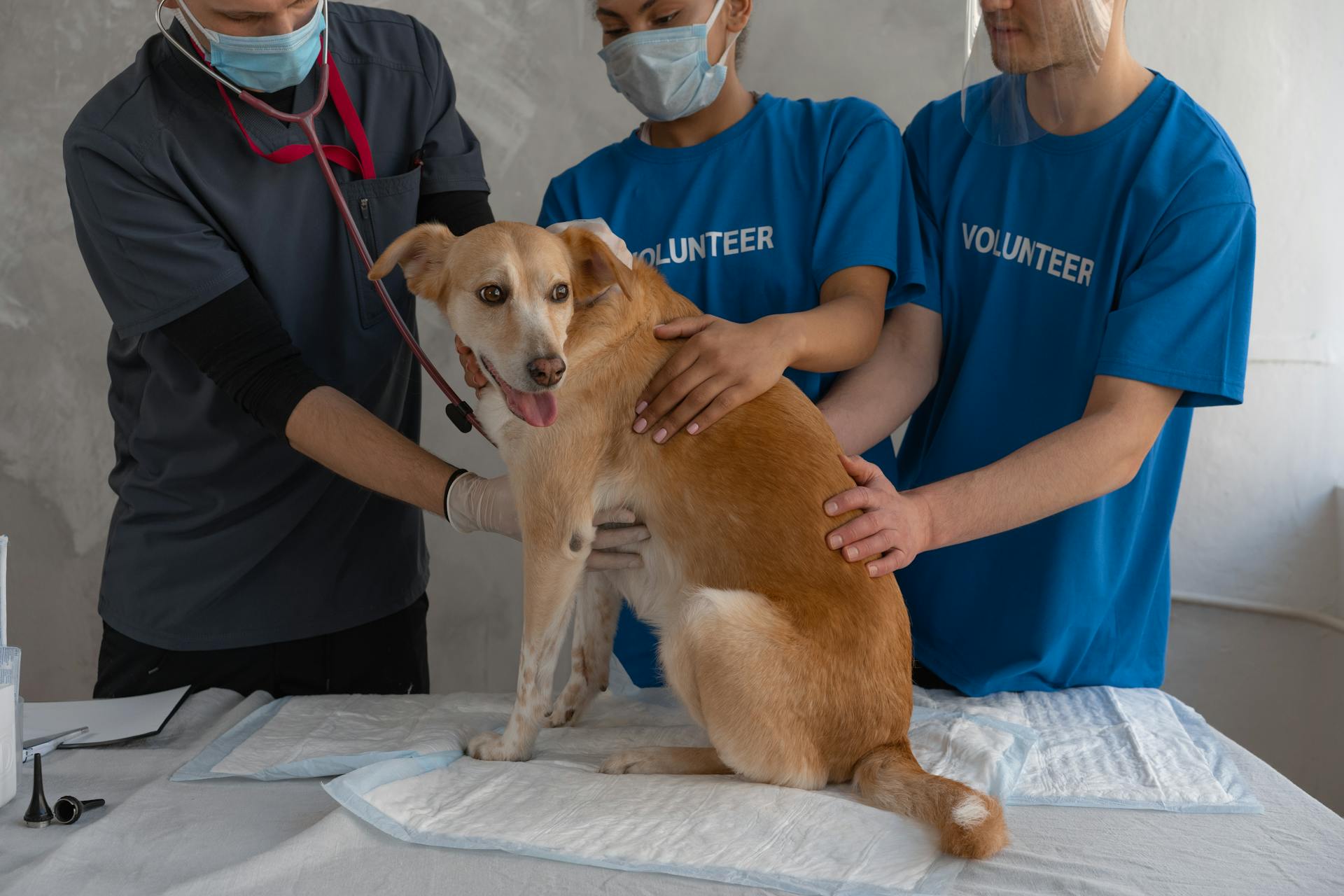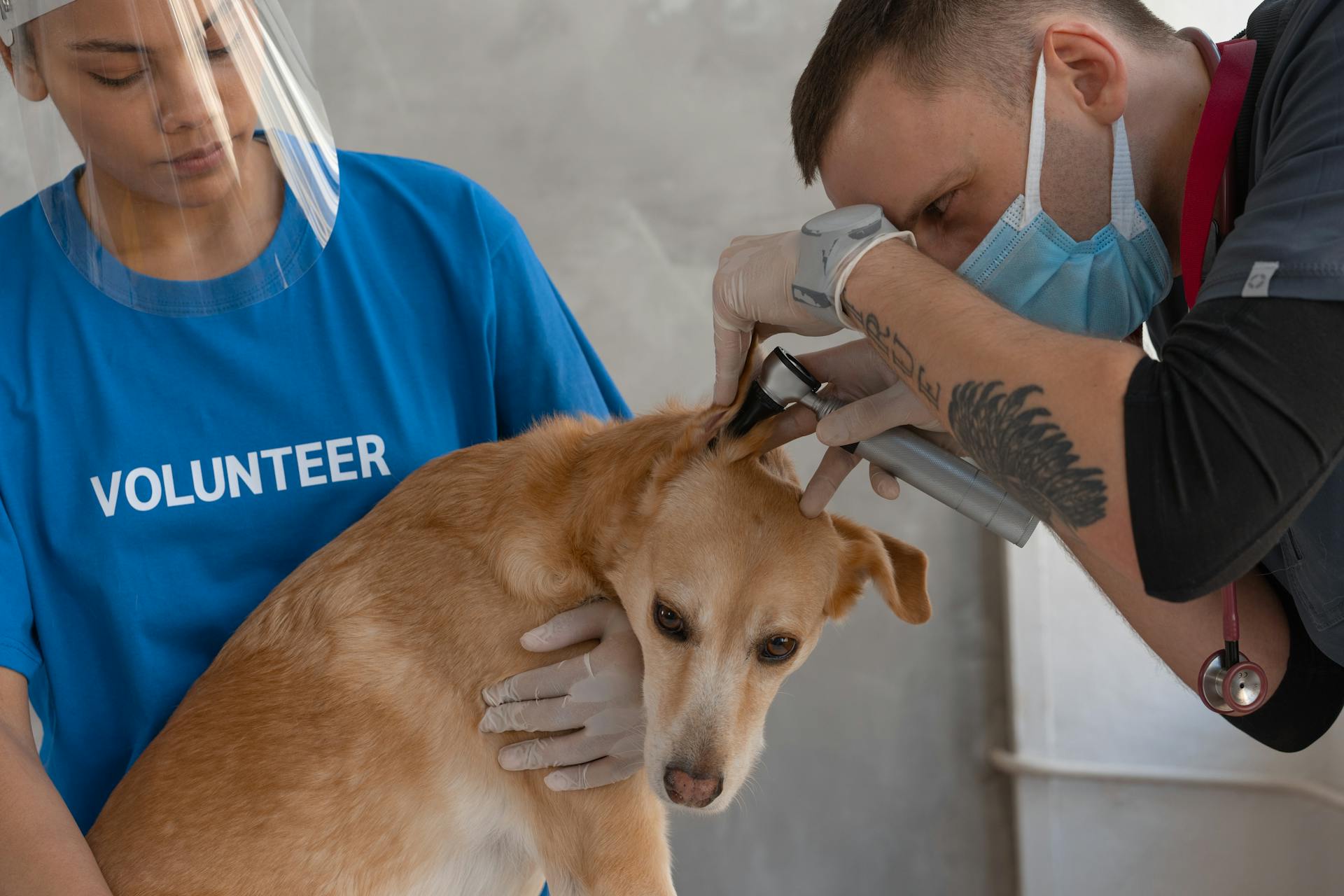
As a veterinary technician, your daily tasks are varied and exciting. They can include taking and developing x-rays to help diagnose medical conditions in animals.
Veterinary technicians often assist veterinarians during surgeries, which can be a high-pressure situation. They're responsible for preparing the operating room, ensuring the necessary equipment is available, and maintaining a sterile environment.
In addition to these tasks, veterinary technicians also perform lab tests, such as blood counts and urinalyses, to help diagnose and monitor animal health. These tests can provide valuable insights into an animal's overall health and help veterinarians develop effective treatment plans.
Veterinary Technician Responsibilities
As a veterinary technician, your daily tasks can vary depending on the workplace, but there are some standard responsibilities that you can expect to perform. You'll be responsible for keeping accurate and up-to-date records of the patients in your care.
These records include medical history, medication dosages and administration, and other important information regarding the animal's health and treatment. You'll also be assisting veterinarians during exams and surgeries, which may involve restraining an animal during an exam or assisting in surgery.
Here are some of the key tasks you'll perform on a daily basis:
- Assisting veterinarians during exams and surgeries
- Collecting, preparing, and analyzing lab samples
- Medicating, vaccinating, and treating outpatient and inpatient pets
- Presenting estimates and discussing costs
- Maintaining patient health records
Veterinary Technician Roles
As a veterinary technician, your role is multifaceted and requires a unique blend of technical skills, compassion, and attention to detail. You'll work closely with veterinarians and other staff to provide quality animal care, assisting with examinations and procedures, administering medications and treatments, and monitoring animals before, during, and after surgery.
Veterinary techs play a crucial role in maintaining inventory, explaining animal care and treatment to owners, and performing diagnostic tests. Their work is varied and complex, but their challenges can make a real difference in the lives of animals and their owners.
Some of the main tasks performed by veterinary technicians include keeping accurate and up-to-date records of patients in their care, recording medical history, medication dosages and administration, and other important information regarding the animal's health and treatment.
Veterinary technicians are responsible for assisting veterinarians during exams and surgeries, collecting, preparing, and analyzing lab samples, taking diagnostic radiographs or other advanced imaging, medicating, vaccinating, and treating outpatient and inpatient pets, and educating clients about preventive care, common conditions, and treatment plans.
Discover more: Veterinary Technician Relief Work
Here are some of the standard vet tech roles and responsibilities:
- Assisting veterinarians during exams and surgeries
- Collecting, preparing, and analyzing lab samples
- Taking diagnostic radiographs or other advanced imaging
- Medicating, vaccinating, and treating outpatient and inpatient pets
- Educating clients about preventive care, common conditions, and treatment plans
- Refilling and dispensing medications
- Presenting estimates and discussing costs
- Maintaining patient health records
- Communicating test results and making follow-up checks on patients
- Inducing and maintaining anesthesia in pets and monitoring recovery
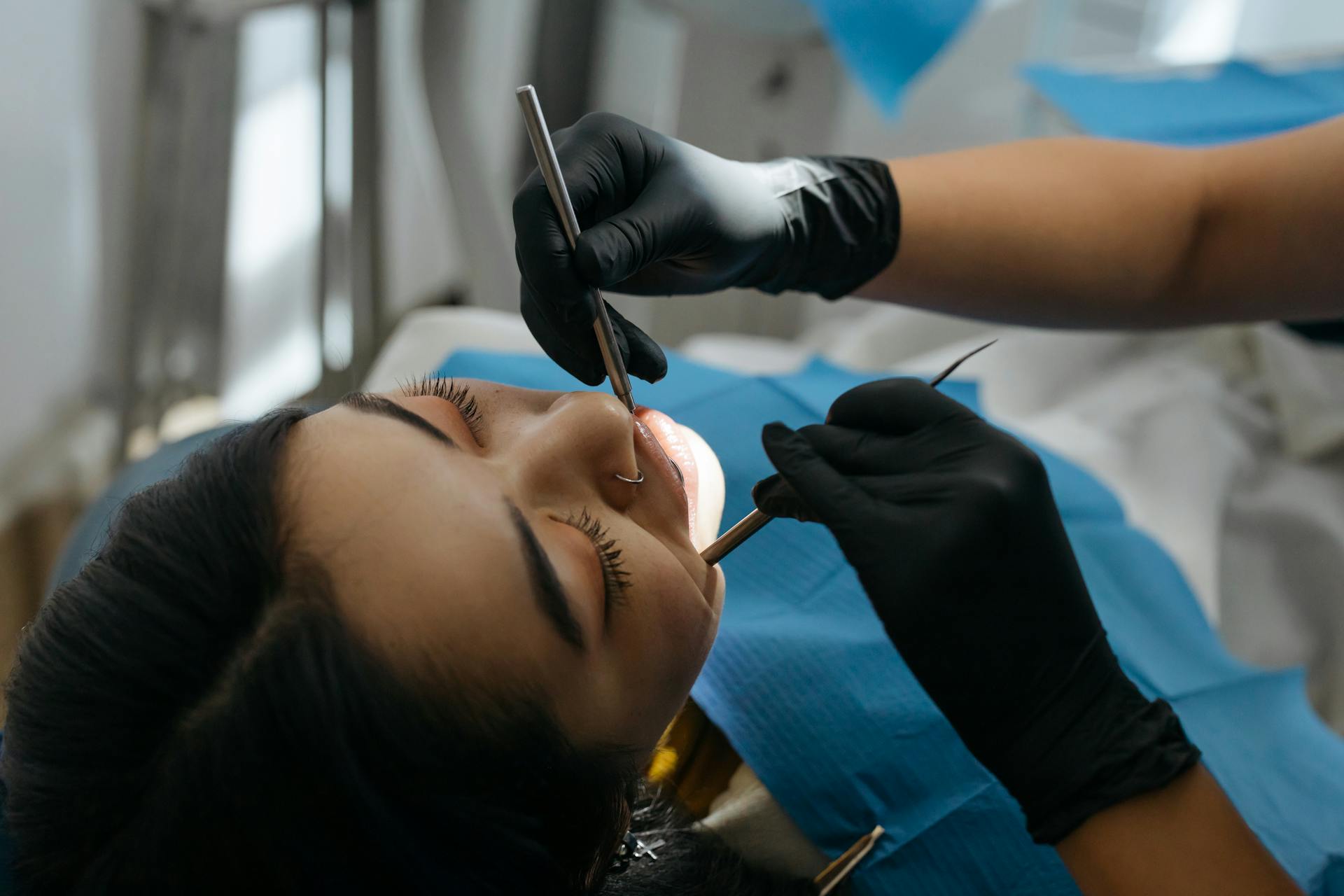
- Performing dental prophylaxis
In addition to these tasks, veterinary technicians also oversee the recovery of patients, administering medications, monitoring vital signs, and providing comfort to animals post-surgery. They are responsible for managing medications, ensuring proper dosage and monitoring for any adverse reactions.
Conducting Laboratory Tests
Conducting laboratory tests is a crucial part of a veterinary technician's job. They collect blood samples, conduct hematological analyses, and interpret results to aid in diagnosing various medical conditions.
Veterinary technicians also perform diagnostic imaging, such as X-rays, to identify internal issues in animals. This is a vital part of patient care, and technicians must be able to interpret the results to provide accurate diagnoses.
Blood work, in particular, is a key component of laboratory testing. Veterinary technicians collect blood samples from patients and conduct hematological analyses to identify any abnormalities. This can help diagnose conditions such as anemia, infection, or organ disease.
A unique perspective: Laboratory Procedures for Veterinary Technicians
Here are some key laboratory tests that veterinary technicians perform:
- Blood Work: collecting blood samples, conducting hematological analyses, and interpreting results
- Diagnostic Imaging: performing and interpreting diagnostic imaging, such as X-rays
By performing these laboratory tests, veterinary technicians play a critical role in helping veterinarians diagnose and treat medical conditions in animals.
Communication and Education
Communication and education are key components of a veterinary technician's daily work. They must be able to clearly explain medical procedures and treatment plans to animal owners and other team members.
Effective communication skills are essential in veterinary medicine, allowing vet techs to provide crucial information to pet owners. They must also be good listeners, available to answer questions and provide advice. This includes explaining post-treatment care, such as medication administration and wound care, to ensure animals receive the best possible care.
Vet techs educate pet owners on preventive health measures, nutrition, and routine care, empowering them to maintain their animals' well-being. They provide information about diseases and treatments, enabling owners to make informed decisions about their animals' health.
Communication Skills
Effective communication is essential in veterinary medicine. Veterinary assistants must be able to clearly explain medical procedures and treatment plans to animal owners and other team members.
Good communication skills are crucial for building trust with pet owners and ensuring they understand their pet's needs. A successful veterinary tech is someone who combines expertise with personal qualities.
These qualities can make for an excellent veterinary tech, and strong communication skills are a key part of that.
Recommended read: Skills of a Veterinary Technician
Educating Pet Owners
As a veterinary tech, educating pet owners is a crucial part of the job. Effective communication is essential in veterinary medicine, and veterinary assistants must be able to clearly explain medical procedures and treatment plans to animal owners and other team members.
Veterinary techs educate pet owners on post-treatment care, including medication administration, wound care, and signs of potential complications. This is crucial to ensure the pet receives the best possible care at home.
Vet techs also offer guidance on preventive health measures, nutrition, and routine care, empowering pet owners to maintain the well-being of their animals. This can include advice on proper nutrition, exercise, and preventive medicine.
Here are some specific areas where vet techs educate pet owners:
- Post-Treatment Care: medication administration, wound care, and signs of potential complications
- Preventive Health Measures: nutrition, exercise, and routine care
By educating pet owners, veterinary techs can help them make informed decisions about their animals' health and provide them with the knowledge they need to maintain their pets' well-being.
Work Environment and Organization
Veterinary technicians play a crucial role in maintaining a clean and orderly work environment. This includes cleaning and disinfecting exam rooms, operating rooms, and other areas to prevent the spreading of disease and infection.
Cleaning and disinfecting is a top priority in veterinary medicine, as it helps prevent the spread of disease and keeps both patients and staff safe.
Veterinary technicians are essential in keeping the workplace clean, including disinfecting examination rooms and operating rooms to prevent the spreading of disease and infection.
Maintaining a Work Environment

Maintaining a work environment is crucial in any profession, but especially in veterinary medicine. Veterinary techs and assistants are responsible for cleaning and disinfecting exam rooms and operating rooms to prevent the spreading of disease and infection.
Exam rooms and operating rooms require regular cleaning to prevent the spread of disease. This includes disinfecting all surfaces, equipment, and furniture.
Veterinary techs and assistants play a vital role in maintaining a clean and orderly work environment. This includes cleaning and disinfecting areas to prevent the spreading of disease and infection.
A clean and organized workplace is essential for the well-being of both staff and patients.
See what others are reading: Veterinary Technician Practice Test
Medical Record Keeping
In a veterinary clinic, medical record keeping is a top priority. Veterinary assistants are responsible for ensuring that patient records are accurate and up-to-date.
This includes recording medical history, which is essential for providing the best possible care for each animal. Veterinary assistants must also record medication dosages and administration, as well as other vital information regarding the animal's health and treatment.
Here's an interesting read: Pima Medical Institute Veterinary Technician
The Work Setting
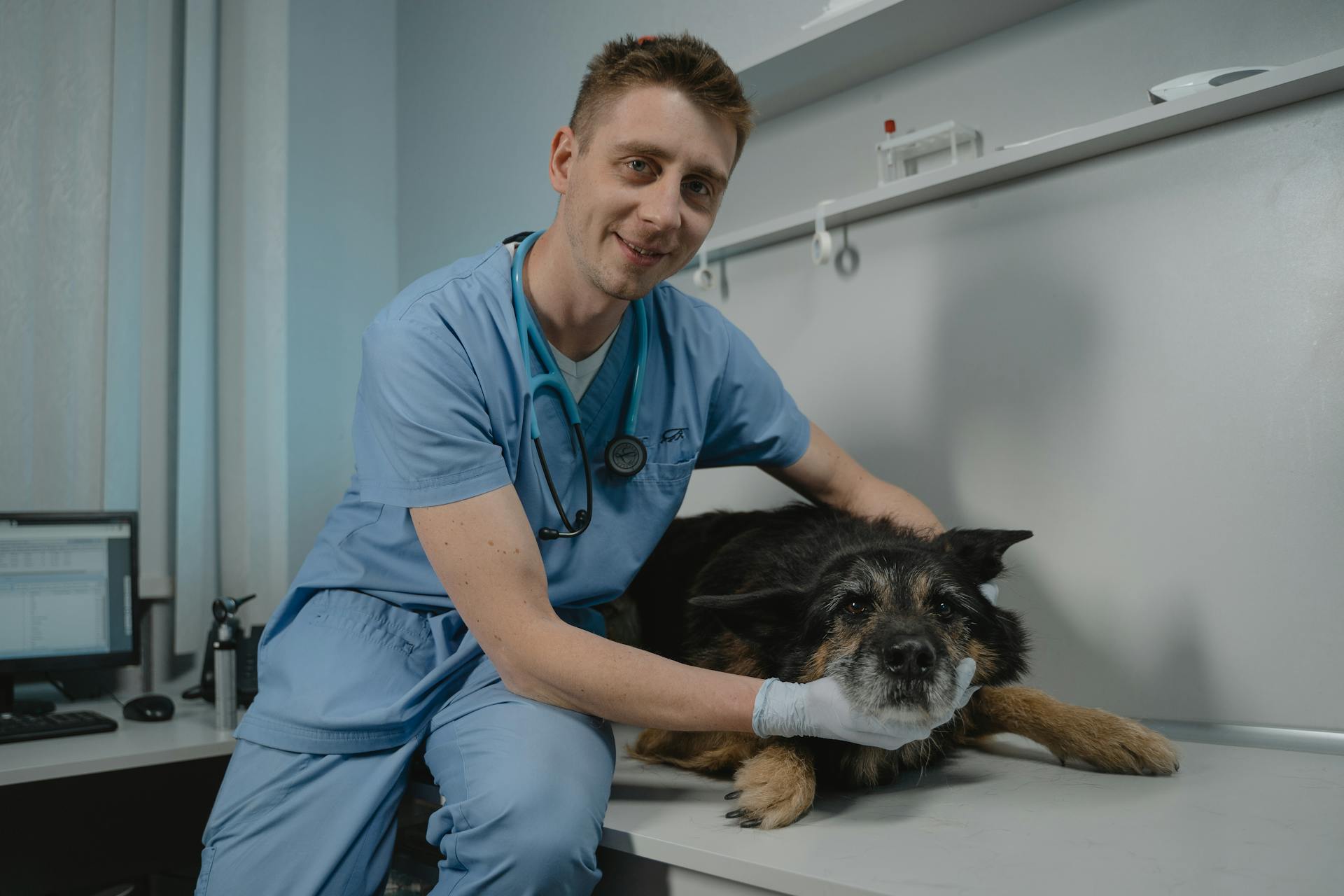
Working in a veterinary setting can be very hands-on, especially if you're helping family pets at a small private practice. You'll likely spend most of your time assisting the veterinarian and working with pet owners.
In a research laboratory, your duties may involve collecting samples for testing. You'll be working alongside scientists and veterinarians to compile test results.
Your work environment can vary greatly depending on the setting, but it's essential to be prepared for a dynamic and fast-paced atmosphere.
Problem-Solving and Attention to Detail
As a veterinary technician, you'll be faced with unexpected problems and situations that require quick thinking and adaptation. Successful veterinary assistants are resourceful problem solvers and are able to calmly and creatively handle issues that arise, such as sick animals or equipment breakdowns.
A simple error in administering medication or measuring vital signs can seriously affect the animal's health. Therefore, veterinary assistants must pay close attention and strive to perform each task precisely. This attention to detail is crucial in a veterinary setting, where the health and well-being of animals is at stake.
Here are some examples of tasks that require attention to detail and problem-solving skills:
- Administering medications and treatments
- Preparing the surgical suite for surgeries
- Monitoring anesthesia
- Collecting blood or other biological specimens
These tasks require a combination of attention to detail and problem-solving skills to ensure the health and well-being of the animals in your care.
Problem-Solving Skills
As a veterinary assistant, you'll often face unexpected problems and situations that require quick thinking and adaptation. Veterinary assistants are resourceful problem solvers and are able to calmly and creatively handle issues that arise, such as sick animals or equipment breakdowns.
A simple error in administering medication or measuring vital signs can seriously affect the animal's health, emphasizing the importance of problem-solving skills in veterinary care. This highlights the need for veterinary assistants to think on their feet and make sound decisions in high-pressure situations.
Dealing with frightened, aggressive, or uncooperative animals can be very difficult, requiring patience, discretion, and a thorough knowledge of animal behavior. This knowledge helps veterinary assistants to assess animal behavior and protect themselves and their patients.
Veterinary assistants must know how to assess animal behavior to protect themselves and their patients, which is a critical problem-solving skill in this field. This requires a combination of knowledge, experience, and quick thinking to ensure the best possible outcome for the animal.
Broaden your view: Veterinary Behavior Specialist
Unique Skill Set
As a veterinary technician, you'll have a unique skill set that's hard to find in other careers. You'll be cleaning teeth, helping new pet owners care for their puppies, and taking blood samples all in the same shift.
One of the most impressive aspects of this job is the variety of tasks you'll perform. You might be preparing the surgical suite for surgeries one minute, and counseling pet owners on nutrition and behavior the next.
Veterinary technicians are responsible for administering vaccinations, drawing blood or collecting biological specimens, and obtaining radiographs (X-rays). They also perform dental cleanings, provide nursing care for sick pets, and administer medications and treatments.
Here's a breakdown of some of the key tasks you'll perform:
- Prepare the surgical suite for surgeries
- Administer vaccinations
- Draw blood or collect other biological specimens
- Obtain radiographs (X-rays)
- Perform dental cleanings
- Administer medications and treatments
These tasks require a high level of attention to detail and problem-solving skills, as you'll need to navigate unexpected situations and prioritize tasks on the fly.
Daily Tasks and Routine
A veterinary technician's day is filled with a variety of tasks that require a unique blend of technical skills, compassion, and communication. They're the unsung heroes of the veterinary world, working behind the scenes to ensure the health and well-being of animals.
Morning rounds are a crucial part of a vet tech's day, where they review cases, transfer patients to the next shift, and prepare for the day's procedures and appointments. This sets the tone for a busy day of supporting veterinarians, caring for patients, and educating clients.
As a vet tech, you'll be responsible for assisting veterinarians during exams and surgeries, collecting and preparing lab samples, and taking diagnostic radiographs. You might also be tasked with medicating, vaccinating, and treating outpatient and inpatient pets, as well as educating clients about preventive care and treatment plans.
Some of the key tasks vet techs perform on a daily basis include:
- Assisting veterinarians during exams and surgeries
- Collecting, preparing, and analyzing lab samples
- Taking diagnostic radiographs or other advanced imaging
- Medicating, vaccinating, and treating outpatient and inpatient pets
- Educating clients about preventive care, common conditions, and treatment plans
- Refilling and dispensing medications
- Maintaining patient health records
- Communicating test results and making follow-up checks on patients
- Inducing and maintaining anesthesia in pets and monitoring recovery
- Performing dental prophylaxis
In addition to these tasks, vet techs also contribute to administrative duties, such as handling inventory, fielding phone calls, and maintaining medical records. They work closely with veterinarians, office staff, and pet owners to ensure seamless communication and care for the animals in their charge.
Unique Aspects of the Job
As a veterinary technician, you'll be doing a little bit of everything. One day you might be preparing the surgical suite for surgeries, and the next you're administering vaccinations. You'll get to see a variety of animals and help them in different ways.
You'll be responsible for drawing blood or collecting other biological specimens, which can be a delicate task. Obtaining radiographs (X-rays) is another important duty, and you'll need to make sure you're using the right equipment and following safety protocols.
One of the most rewarding parts of the job is counseling pet owners on topics like nutrition, behavior, or preventive care. You'll get to help new pet owners understand how to care for their puppy, which can be a big responsibility. You might also need to help with end-of-life care, which can be an emotional but important part of the job.
Here are some of the unique aspects of the job:
- Cleaning teeth
- Providing nursing care for sick pets or those recovering from anesthesia
- Performing diagnostic tests as ordered by the veterinarian
- Administering medications and treatments
- Assisting during emergencies
- Relaying test results and findings to pet owners
You'll never have a dull moment as a veterinary technician, that's for sure. You'll be constantly learning and adapting to new situations, and you'll have the satisfaction of knowing you're making a difference in the lives of animals and their owners.
Frequently Asked Questions
What is the hardest part of being a vet tech?
Being a vet tech can be emotionally challenging due to frequent exposure to distressed animals and difficult conversations with pet owners. The work environment and handling of sensitive cases like animal abuse and euthanasia can also take a toll on mental health.
Featured Images: pexels.com