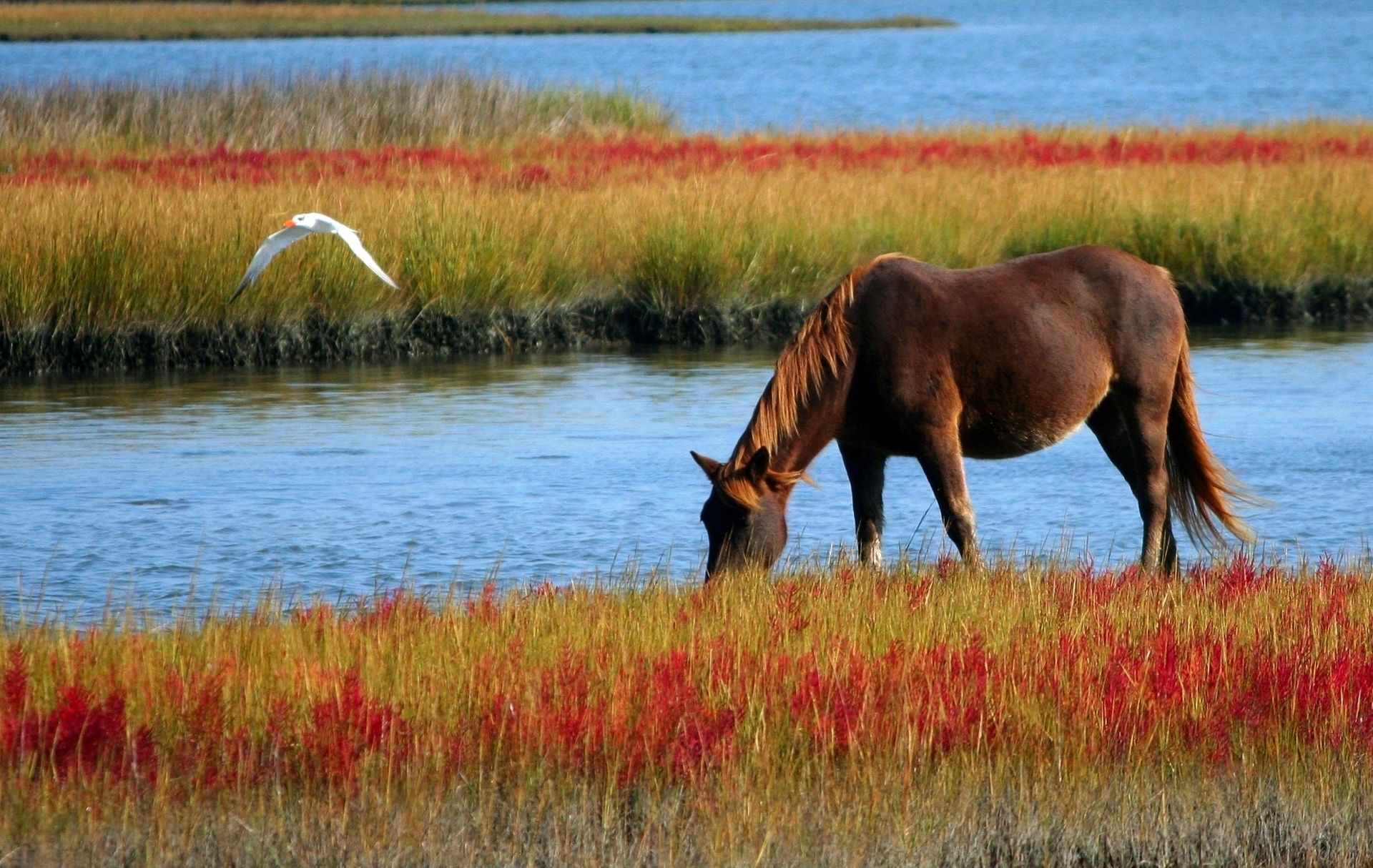
Horses are social animals that thrive on interaction and communication with their herd members. They have a strong sense of hierarchy and often establish a clear leader.
Horses are able to read body language and vocal cues from each other, and they use these cues to navigate their social relationships. They can even recognize individual faces and remember past interactions.
In the wild, horses live in groups called herds, typically led by a dominant mare. This social structure helps them stay safe and find food.
Explore further: Are Chinchillas Social
Horse Behavior and Psychology
Horses are highly social animals that thrive in the company of others. They have a natural instinct to live in groups and form close relationships with other horses and even humans.
In fact, horses that live alone can develop stable vices, such as wood chewing and stall walking, due to a lack of environmental stimulation and companionship. These behaviors are often linked to psychological factors and can be a sign of stress or boredom.
Horses that are separated from their herd can become anxious or stressed, leading to behaviors like pacing and whinnying. This is known as being "herd-bound" or "barn sour."
For another approach, see: How Long Does a Flea Live on a Dog
Communication
Horses are highly social animals, and they communicate mainly through body language. They've developed subtle and not so subtle signals to convey their thoughts and feelings to each other.
A happy horse will have a relaxed posture, with their ears up, alert, and facing forward. Their tail will be loose and free, their mouth will be closed, and their nostrils will be relaxed.
A horse that's resting will have a lowered head, but they're still calm and happy. You'll need to approach them quietly and calmly to avoid startling them.
Horses that live in herds take turns being alert and resting, sharing responsibility among herd members. This helps them conserve energy and reduces the likelihood of being caught by a predator.
A horse that's kept alone will be stressed due to not receiving the benefits of companionship. They may act out or show learned helplessness, a response to long-term poor welfare, if their basic needs aren't met.
Horses use their senses frequently when living in a herd, including smelling each other when greeting and selecting which plants to graze. They also use their visual and hearing senses to look out for and listen for danger.
Psychological Disorders
Horses can develop stable vices when confined with insufficient companionship, exercise, or stimulation.
These vices are compulsive stereotypies, considered bad habits, that include behaviors like wood chewing, stall walking, and wall kicking.
Research suggests that a lack of environmental stimulation is a possible causal factor for these behaviors.
Early weaning practices have also been linked to the development of these vices.
Horses may engage in these behaviors as a way to cope with stress or boredom.
Stall walking, in particular, can be a sign of stress or anxiety in horses.
These behaviors can be a concern for horse owners and caregivers, as they can indicate underlying psychological issues.
Cribbing and Windsucking
Cribbing and windsucking are two common behaviors in horses that can be detrimental to their health. These behaviors can lead to changes in a horse's digestive system, including increased stomach acidity, decreased saliva production, slower digestive passage, and an increased risk of stomach ulcers.
Cribbing is a repetitive behavior where a horse places its upper teeth against a flat surface, arches its neck, and pulls backward with its body while grunting. Windsucking is similar, but the horse doesn't grasp an object with its teeth.
Contrary to popular belief, cribbing horses don't swallow air. Owners often worry that one horse may learn to crib from watching another, but this idea lacks support.
Cribbing may occur in several horses under similar care, and its causes are still being researched. A horse's diet strongly relates to cribbing and windsucking, and keeping them away from flies and out of the sun can help reduce the occurrence of these behaviors.
To reduce cribbing, you can try the following:
- Increase the amount of long-stemmed forage (hay or pasture) available.
- Reduce the amount of grain in the diet.
- Offer multiple types of forage (such as adding hay cubes).
- Feed more, small meals per day.
Commercially available crib collars may reduce the occurrence of cribbing, but often won't solve the cause of cribbing. They may even increase stress hormones compared to actively cribbing horses.
Are Social Animals
Horses are highly social animals, and they need other horses to keep them company. In fact, horses are social creatures that prefer to live in a group.
Horses are able to form companionship attachments not only to their own species, but with other animals as well. Many domesticated horses will become anxious, flighty, and hard to manage if they are isolated.
You might like: Pack Hunting Animals
A horse that is kept alone will be stressed due to not receiving the benefits of companionship. This is because horses have a rich and varied social life that includes activities such as play behavior and mutual grooming behavior.
Horses have developed subtle and not so subtle signals in order to communicate with one another, mainly using body language. Living as part of a herd has many advantages, such as 'safety in numbers'.
Horses that live in a herd can take it in turns to be alert and to rest, and therefore responsibility is shared among herd members. This is much more efficient than a horse living alone in the wild, which would expend too much nervous energy by having to stay in a permanently alert state.
Herd-Bound Behavior
Herd-bound behavior is a common issue in horses, especially those that are social animals. Horses are naturally herd animals and prefer to live in groups for safety and companionship.
A horse that is herd-bound will show signs of distress, such as refusing to do as you ask while riding or training and attempting to rush back to their barn or paddock. They may also pace up and down whinnying when left alone in a field.
Horses that are isolated can become anxious, flighty, and hard to manage, which is why it's essential to provide them with companionship and social interaction. In fact, many domesticated horses will become anxious if they are isolated for too long.
To help prevent herd-bound behavior, you can try desensitization techniques, such as taking your horse away from the herd for short periods and rewarding them for calm behavior. This will help them learn to associate being alone with positive experiences.
Here are some tips to help you recognize and address herd-bound behavior in your horse:
- Keep an eye out for signs of distress, such as pacing, whinnying, or refusal to do as asked.
- Provide your horse with plenty of social interaction and companionship.
- Use desensitization techniques to help your horse become comfortable being alone.
- Get to know your horse's subtle nuances in behavior, including their body language.
By understanding and addressing herd-bound behavior, you can help your horse feel more secure and comfortable in your care.
Dominance
In the wild, horses live in small "bands" led by a dominant mare, who is often referred to as the "lead mare" or "boss mare".
Feral horse bands can range in size from two to 25 individuals, but the stability of the band is not affected by size. In fact, bands tend to be more stable when there are subordinate stallions attached to the harem.
In domesticated herds, dominance is often a matter of age and temperament, with older animals usually holding the top spot.
Young horses may also inherit or imprint dominance behavior from their dam, seeking to obtain the same rank in a later herd.
A strong female presence in the herd is beneficial for the horses, leading to a more relaxed and less anxious group.
However, some horses may turn to aggression to assert their dominance, not just within the herd but also with their owners.
To correct this behavior, it's essential to reassert your role and train your horse to respect you, using techniques like lunging exercises.
By keeping your horse moving in circles and rewarding them for stopping on command, you can establish your dominance and help them understand your space and boundaries.
Remember, a calm and assertive approach is key to establishing a strong bond with your horse and preventing dominance issues.
Domesticated Horses
A happy horse will have a very relaxed posture, with their ears up, alert, and facing forward.
Their tail will be loose and free, and their mouth will be closed, with relaxed nostrils.
The Stallion
The stallion plays a vital role in the domesticated horse's social structure. He's usually the largest and most dominant male in the herd.
Stallions tend to stay on the periphery of the herd, where they can keep an eye out for potential threats. They're like the sentries of the herd, always on the lookout.
During the mating season, stallions become more aggressive in order to keep the mares within the herd. This is a natural behavior for them, and it's essential for the survival of the herd.
Stallions are also responsible for guarding the herd, which they do by scent-marking manure piles and urination spots. This is their way of communicating their dominance and keeping other males at bay.
By doing this, stallions help to maintain the social hierarchy of the herd and keep the mares and younger males in line. It's a crucial job, and one that stallions take very seriously.
Stallions are generally relaxed and calm, spending much of their time "guarding" the herd. They're not always as active as you might think, but they're always on the job.
Domesticated Behavior
Domesticated horses often have a strong female presence in their herd, and groupings of all geldings can be more anxious and less relaxed. This is because mares tend to be more calm and collected, which benefits the whole herd.
Older horses typically hold higher ranks in a domestic herd, but age is not the only factor - temperament also plays a role. A foal may even "inherit" dominance behavior from its dam and seek to obtain the same rank in a later herd.
A happy horse has a relaxed posture, with ears up, alert, and facing forward, and a loose and free tail. If their head is lowered, they're likely resting and should be approached quietly to avoid startling them.
Horses are highly social herd animals that prefer to live in a group, and free-ranging wild horses communicate mainly through positive reinforcement. In domestic settings, a strong female presence can be beneficial, and geldings may become dominant if the mares are young or of low status.
A horse that's isolated from its herd may become anxious or stressed, and may require a stable companion to reduce stress. This is known as being "herd-bound" or "barn sour".
A unique perspective: When Do Cane Corsos Become Protective
Mare Behavior
Mare behavior is a fascinating topic, and understanding it can help you build a stronger bond with your horse. Mares are particularly likely to display behavioral changes due to hormone fluctuations triggered by light, which is why mareish behavior is common in the spring and summer months.
A mare's cycle typically lasts around 21 days, with heat lasting for a week or so. During this time, your mare may be more grumpy or aggressive, anxious, or irritable. She may also display other behaviors such as lethargy, sensitivity to touch, lack of focus, tail raising, frequent urination, or herd-bound behavior.
If your mare is in heat, it's essential to be patient and not push her to do strenuous work or activities that make her uncomfortable. Instead, give her light tasks that require her to focus, such as groundwork. This can help reduce any negative behaviors common during heat.
Older mares tend to be dominant in a domestic herd, and their dominance is often a matter of age and temperament. In fact, studies suggest that a foal may "inherit" or imprint dominance behavior from its dam and seek to obtain the same rank in a later herd.
A strong female presence in a herd is beneficial for the horses, and groupings of all geldings or herds where a gelding is dominant may be more anxious as a group. In contrast, herds with a dominant mare tend to be more relaxed.
Here are some common signs of mareish behavior:
- Anxiety
- Aggression
- Irritability
- Lethargy
- Sensitivity to touch
- Lack of focus
- Tail raising
- Frequent urination
- Herd-bound behavior
It's essential to remember that mareish behavior is caused by hormonal changes, so avoid punishing your horse for it. Instead, try to make this time comfortable for her and seek advice from your vet if the behavior becomes a major problem.
Feeding
Feeding your horse can be a challenging task, especially if they're prone to aggression. Horses may act aggressively at certain times, like when they're being fed, due to being protective of their space or trying to assert dominance.
A high-forage diet is essential for horses, as it can prevent behaviors like wood chewing, windsucking, or cribbing. Feed your horse based on its age, body weight, and activity level.
Limiting changes to your herd can help reduce stress, but if your horse must be kept outside a herd, introducing them to another animal like a goat, donkey, or sheep can be beneficial. Always check with your veterinarian to see if you need to adjust your horse's vaccination or health plan.
Feeding your horse three to four small meals per day, rather than fewer larger meals, can be more similar to grazing and help prevent colic. This practice increases the time your horse spends eating.
Avoid feeding your horse until they're calm, as this can help prevent food aggression. If your horse shows signs of aggression, back away with the feed and try again later.
A different take: Blue Heeler Aggression
Horse Behavior in the Wild
In the wild, horses live in a complex social structure that's fascinating to observe.
Feral and wild horse "herds" are usually made up of several small "bands" which share a territory, ranging from two to 25 individuals.
Each band is led by a dominant mare, sometimes called the "lead mare" or the "boss mare", who plays a crucial role in guiding the herd to food and water, controlling the daily routine, and ensuring the general wellbeing of the herd.
The composition of bands changes as young animals are driven out of their natal band and join other bands, or as stallions challenge each other for dominance.
A single "herd" or "lead" stallion usually leads the band, though occasionally a few less-dominant males may remain on the fringes of the group.
The reproductive success of the lead stallion is determined in part by his ability to prevent other males from mating with the mares of his harem.
A different take: Wild Packs of Chihuahuas
Stallions also exercise protective behavior, patrolling around the band, and taking the initiative when the band encounters a potential threat.
In modern reintroduced populations of Przewalski's horse, family groups are formed by one adult stallion, one to three mares, and their common offspring that stay in the family group until they are no longer dependent.
Horses are highly social herd animals that prefer to live in a group, and they have a rich and varied social life that includes activities such as play behavior and mutual grooming behavior.
Horses communicate with one another mainly by using body language, which involves subtle and not-so-subtle signals.
In the wild, horses use their senses frequently, such as smelling each other when greeting and using their visual and hearing senses to look out for and listen for danger.
Horses that live in a herd can take it in turns to be alert and to rest, sharing responsibility among herd members.
A horse that is kept alone will be stressed due to not receiving the benefits of companionship, highlighting the importance of social interaction for horses.
Health and Welfare
As horse owners, we want our equine friends to be happy and healthy. Keeping them safe from pain, suffering, injury, and disease is crucial for their well-being.
Horses are susceptible to various health issues, including laminitis, which can be caused by overeating or obesity. Regular veterinary check-ups can help detect these issues early on.
Providing a safe and comfortable living environment is also essential for horse health and welfare.
Broaden your view: Horse Health
Sleep Patterns
Horses can sleep both standing up and lying down, an adaptation from life as a prey animal in the wild.
They can sleep while standing, thanks to a "stay apparatus" in their legs that allows them to relax their muscles and doze without collapsing.
Horses obtain needed sleep by many short periods of rest, ranging from four to fifteen hours a day in standing rest, and from a few minutes to several hours lying down.
Not all this time is the horse asleep, and total sleep time in a day may range from several minutes to two hours.
If this caught your attention, see: Dogs Hair Standing up and Tail Wagging
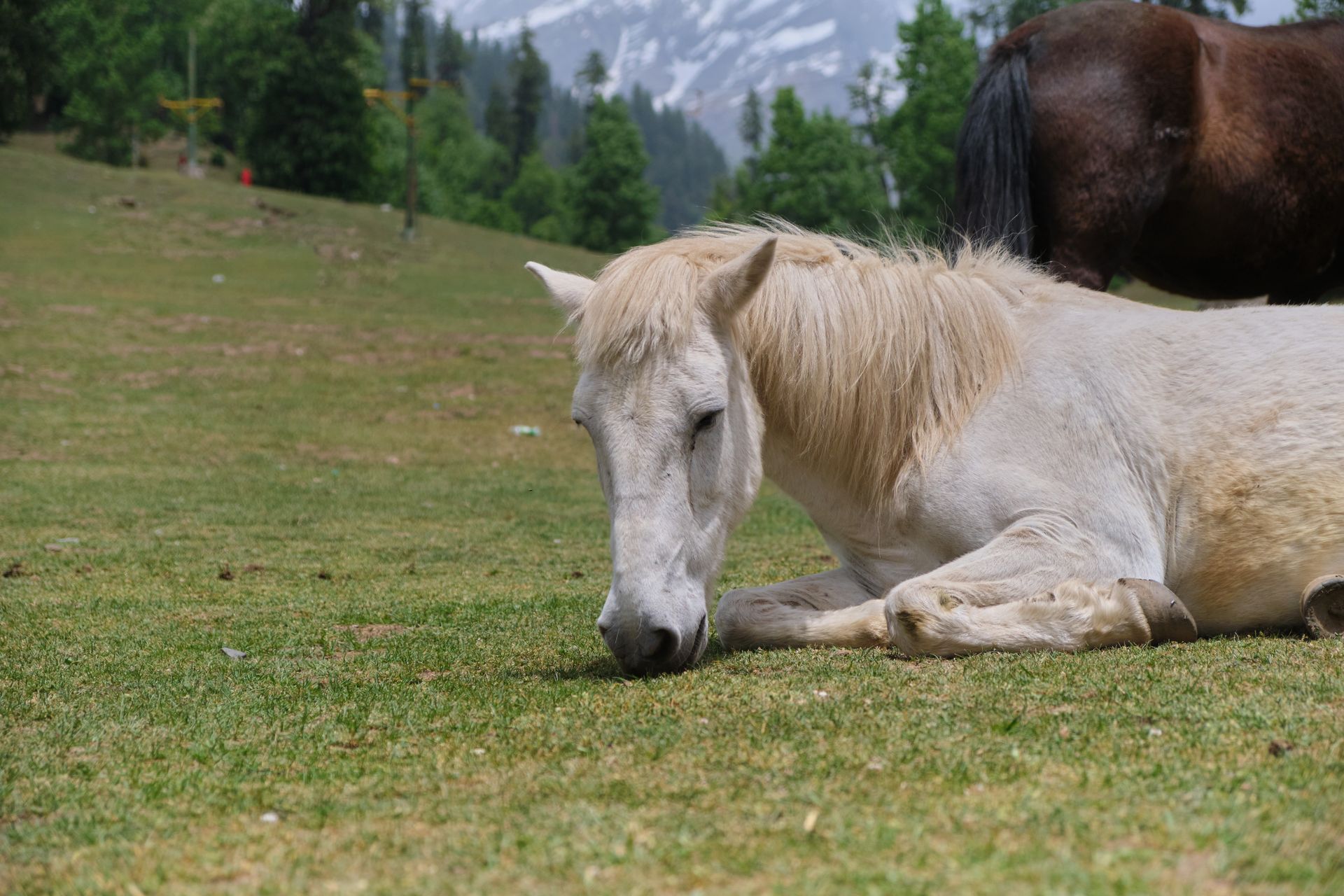
Horses require approximately two and a half hours of sleep, on average, in a 24-hour period, broken down into many short intervals of about 15 minutes each.
These short periods of sleep consist of five minutes of slow-wave sleep, followed by five minutes of rapid eye movement sleep (REM) and then another five minutes of slow-wave sleep.
Horses must lie down to reach REM sleep, and they only have to lie down for an hour or two every few days to meet their minimum REM sleep requirements.
If a horse is never allowed to lie down, after several days it will become sleep-deprived, and in rare cases may suddenly collapse as it involuntarily slips into REM sleep while still standing.
Here's an interesting read: Dogs Wag Tail in Sleep
Health and Welfare
Keeping your horse safe from pain, suffering, injury, and disease is crucial for their overall health and welfare.
As you care for your horse, make sure they have regular veterinary check-ups to monitor their health and catch any potential issues early on.
A happy and healthy horse is one that's free from pain and suffering, which means providing them with a comfortable living space and plenty of opportunities for exercise and socialization.
Horses need regular dental care to prevent problems with their teeth and overall health.
Headshaking
Headshaking is a common issue in horses that can be caused by various factors. Nerve pain is one likely cause, which can be quite painful for the horse.
Ear mites are another potential cause, and they can be treated with medication.
Dental problems, such as a tooth abscess, can also lead to headshaking.
Allergies can also cause headshaking in horses.
Disease, such as Lyme disease, can also be a contributing factor.
Here are some possible causes of headshaking in horses:
- Nerve pain
- Ear mites
- Dental problems
- Allergies
- Disease
Treatment of Unwanted
Treating unwanted behaviors in horses can be challenging, and it's essential to understand that the environment plays a significant role in their behavior.
The longer a horse participates in an unwanted behavior, the harder it is to treat, as the behavior becomes a coping mechanism for the horse.
Improving the environment can actually make the unwanted behavior worse, as the tension release may support the behavior and cause it to occur again.

Horses are 'trickle feeders' and are meant to eat for 12 to 16 hours a day, which can help reduce stress and unwanted behaviors.
A high-fiber, low-energy diet is essential for horses, and feeding them large amounts of high-energy feeds can lead to serious problems like obesity and laminitis.
If you're experiencing unwanted behaviors in your horse, it's crucial to address the underlying causes, such as changes in the herd or diet, and work with a veterinarian to develop a plan.
By providing a suitable environment and diet, you can help prevent unwanted behaviors and promote a healthy and happy horse.
You might enjoy: Do American Bulldogs Have a High Prey Drive
Pain-Related
Pain-related issues are a common concern for horse owners. Identifying the signs of pain in your horse is crucial to ensuring their health and welfare.
Horses may exhibit subtle body language when they're in pain, such as restlessness and tension. Lowered ears and wrinkled eyes are also common indicators.
Intense staring, open mouth, and tongue out are other signs to look out for. Exposed teeth, teeth grinding, and wrinkled nostrils can also indicate discomfort.
Head tossing and altered posture or stride are other signs of pain in horses. Constantly shifting weight and being over-bent can also be indicative of back pain.
If your horse is biting painful areas or hesitating to move, it may be a sign of pain. Regular checks with a qualified saddle fitter can help determine if your tack is the cause of the issue.
Some common causes of headshaking in horses include nerve pain, ear mites, dental problems, allergies, and disease.
Managing Horse Behavior
Managing horse behavior requires understanding what your horse needs to be happy and healthy. A happy horse will have a relaxed posture, with their ears up, alert, and facing forward, a loose and free tail, a closed mouth, and relaxed nostrils.
To prevent unwanted behaviors, it's essential to provide your horse with a high-forage diet, meeting their nutritional needs based on age, body weight, and activity level. This can help reduce behaviors like wood chewing, windsucking, or cribbing.
A consistent routine is also crucial, with a schedule for feeding, grooming, and turning out, allowing your horse to know what to expect from their day. This can help prevent stress and anxiety, which can lead to behavioral issues.
Managing Horse Behavior
Horses are social animals and thrive in the company of others, which is why introducing your horse to other horses is crucial. Horses need to be kept in a herd size of four to ten same-sex horses, except for stallions.
Changes in the herd can be stressful for horses, so it's essential to limit changes to your herd. If your horse must be kept outside a herd, try introducing it to another animal, such as a goat, donkey, or sheep.
A horse's diet plays a significant role in managing behavior. Keep your horse on a high-forage diet while meeting their nutritional needs. Feed your horse based on its age, body weight, and activity level.
If your horse doesn't receive enough long-stemmed forage, it can develop behaviors such as wood chewing, windsucking, or cribbing. Little forage or a lot of grain can also increase the risk of colic.
Here are some tips to reduce cribbing:
- Increase the amount of long-stemmed forage available
- Reduce the amount of grain in the diet
- Offer multiple types of forage (such as adding hay cubes)
- Feed more, small meals per day
Commercially available crib collars may reduce the occurrence of cribbing, but often won't solve the cause of cribbing. Crib collars may increase stress hormones compared to actively cribbing horses.
It's essential to recognize the signs of stress or anxiety in horses, such as still walking, cribbing, or wind sucking. These are called stereotypical behaviors and can be caused by boredom or other factors.
If your mare is displaying mareish behavior, such as grumpiness or aggression, it's essential to be patient and not push her to do any strenuous work. Instead, give her light tasks that require her to focus, such as groundwork.
Here are some common signs of an aggressive horse:
- Flattened ears that are pinned back
- Clamped or swishing tail
- Wrinkled nostrils
- Foot stomping
- Showing the whites of their eyes
- Pulling their lips back and baring their teeth
- Squealing
- Biting
- Kicking
- Rearing
If you have a horse that bucks, make sure that it is not from physical discomfort before assuming it is a behavioral issue. Work with a well-known saddle fitter to help rule out poor saddle fit and a veterinarian to rule out injury.
To ease your horse into a stressful situation, such as loading into a trailer, you can expose them to the situation gradually. This may take some time, so be patient to avoid making the situation even more stressful for your horse.
Bucking
Bucking is a normal behavior for horses in a herd, helping to establish a pecking order.
It's essential to rule out physical discomfort before assuming bucking is a behavioral issue. Horses may buck because of a poor saddle fit, which can cause discomfort in their back.
Make sure to work with a well-known saddle fitter to rule out a poor saddle fit. This can be a common cause of bucking, especially if the saddle doesn't fit the horse properly.
An unbalanced rider can also cause a horse to buck, as it can put pressure on the horse's back and cause discomfort.
If you suspect your horse is bucking due to a physical issue, consult with a veterinarian to rule out any underlying injuries.
Expand your knowledge: Dogs Ears Back Tail Wagging
Routine
Horses are creatures of habit and thrive on routine, so it's essential to establish a schedule for feeding, grooming, and turning out. A consistent routine ensures they get plenty of exercise and socialization.
Keeping your horse's routine consistent also means they'll know what to expect from their day. This predictability is reassuring for horses and helps prevent stress.
If you need to change your horse's routine, it's crucial to do so gradually to give them time to acclimatize. This helps prevent any disruption to their daily routine.
For more insights, see: How to Slow down a Horse's Canter?
Situational Anxiety
Situational anxiety is a common issue in horses, and it can be triggered by a variety of situations, such as loading into a trailer. This type of anxiety can be challenging to manage, but it's not impossible.
If your horse becomes stressed or nervous in response to a situation that you can't avoid, you can ease them into it and build their confidence by exposing them to the situation gradually. This may take some time, so it's essential to be patient to avoid making the situation even more stressful for your horse.
You can start by exposing your horse to the situation in small, manageable steps. For example, if your horse is anxious about loading into a trailer, you can begin by simply standing near the trailer, then gradually increase the exposure by having them walk closer, then finally get into the trailer.
It's also crucial to give your horse plenty of positive reinforcement when they do something right, or when they cope with the stressful situation calmly, so they can start to associate the event with something good.
Broaden your view: Why Was the Horse so Happy?
Energy Levels
Horses are highly reactive and will instinctively run at the first sign of danger.
This is why good training is essential to overcome this behaviour and make horse and rider/handler safer.
A horse's diet plays a significant role in their energy levels.
Higher levels of carbohydrates in a horse's diet can increase their energy levels, making them more active and willing to work.
However, this can also make them more nervous, spooky, or excitable, which can be challenging to control.
Horses are meant to eat for between 12 and 16 hours throughout the day and night, and their diet should be low in energy and high in fibre.
This helps keep the gut functioning properly and reduces the risk of colic and gastric ulcers.
Recommended read: How to Sweat a Horse's Neck?
Stress and Anxiety
Stress and anxiety can be a major issue for horses, and it's essential to recognize the signs and take steps to alleviate it. Horses can get stressed when separated from other horses, causing anxiety that may lead to neighing, screaming, and difficulty handling.
A nervous or stressed horse may exhibit a range of behaviors, including pinned-back ears, wide or wrinkled eyes, shaking or trembling, and even weight loss. These signs can be a result of various situations, such as being in a stable for an extended period, being away from other horses, or receiving mixed signals while riding.
To calm a stressed or anxious horse, it's crucial to identify the root cause of the behavior and minimize the stressful situation as much as possible. Gradual exposure to the situation can also help build the horse's confidence, especially when dealing with unavoidable situations like loading into a trailer.
Here's a list of common signs of a stressed horse:
- Ears pinned back or pointing in different directions
- Wide or wrinkled eyes
- Shaking or trembling
- Diarrhea
- Increased heart rate
- Heavy breathing
- Sweating
- Tooth grinding
- Yawning
- Weight loss
- Biting
- Pawing at the ground
- Aggression
The Fight-Or-Flight Response
The fight-or-flight response is a natural instinct in horses that dates back to their wild ancestors. This response is triggered by a perceived threat, causing the horse to either flee or defend itself.
Horses are prey animals, and their instincts are still intact, even in domestication. They have an innate fear of predators, which can manifest in modern situations as stress or anxiety.
The fight-or-flight response involves nervous impulses that result in hormone secretions into the bloodstream. This reaction begins in the amygdala and triggers a neural response in the hypothalamus, leading to the release of hormones like epinephrine and norepinephrine.
These hormones prepare the horse for violent muscular action, causing a rapid rise in blood pressure and an increased supply of oxygen and glucose to the brain and skeletal muscles. This is at the expense of "non-essential" organs, such as the skin and abdominal organs.
The parasympathetic nervous system helps to reverse the effects of noradrenaline once the horse has removed itself from immediate danger. This results in a decrease in metabolic rate, blood pressure, and heart rate, and a return to a more normal state.
Here are some common signs of a horse in a fight-or-flight response:
- Raised head and ears held back or pointing in different directions
- Open eyes with tense muscles above the eye making an upside-down V-shape
- Tense muzzle with square nostrils
- Tense cheek muscles
- Sweating
These signs can indicate that the horse is anxious or in pain, and it's essential to address the underlying issue to prevent further stress and anxiety.
How Are You Feeling?
Recognising the signs of stress and anxiety in yourself is crucial.
Pay attention to your body language, just like you would with your horse - if your horse is showing signs of stress, you'd know to calm them down, right?
Your posture is a good indicator of how you're feeling. If you're slouching or hunched over, it could be a sign that you're feeling anxious.
Learning to tune into your emotions and recognise the physical sensations in your body is key.
If you're feeling overwhelmed, try taking a few deep breaths and noticing how your body relaxes.
How to Calm Stress and Anxiety
Horses can become stressed or nervous in various situations, such as being in their stable for a prolonged period or being away from other horses. This can cause anxiety-inducing behaviour, like pinning back their ears or wide, wrinkled eyes.
Mixed signals while riding can also cause stress in horses, as can changes in their routine, such as a new feeding schedule or even a change in the weather. If you notice any of these signs, it's essential to call the vet to rule out any health issues or pain that may manifest as stress.
If the vet gives your horse a clean bill of health, you can try to determine what situational factors could be the root cause of your horse's behaviour. Minimising the stressful situation as much as possible can help calm a stressed or anxious horse.
If you can't avoid a stressful situation, like loading into a trailer, you can ease your horse into it by exposing them to the situation gradually. This may take some time, so be patient to avoid making the situation even more stressful for your horse.
Some common signs of a stressed horse include:
- Ears pinned back or pointing in different directions
- Wide or wrinkled eyes
- Shaking or trembling
- Diarrhoea
- Increased heart rate
- Heavy breathing
- Sweating
- Tooth grinding
- Yawning
- Weight loss
- Biting
- Pawing at the ground
- Aggression
Recognising and understanding your horse's body language is crucial to addressing their stress and anxiety. If you notice any changes in their behaviour, it could mean they are distressed, bored, ill, or injured.
In some cases, stress and anxiety can be caused by separation from other horses, leading to anxiety. Gradually separating the horse from the herd can help alleviate this issue. If you notice weight loss in the horse, it's essential to call your veterinarian.
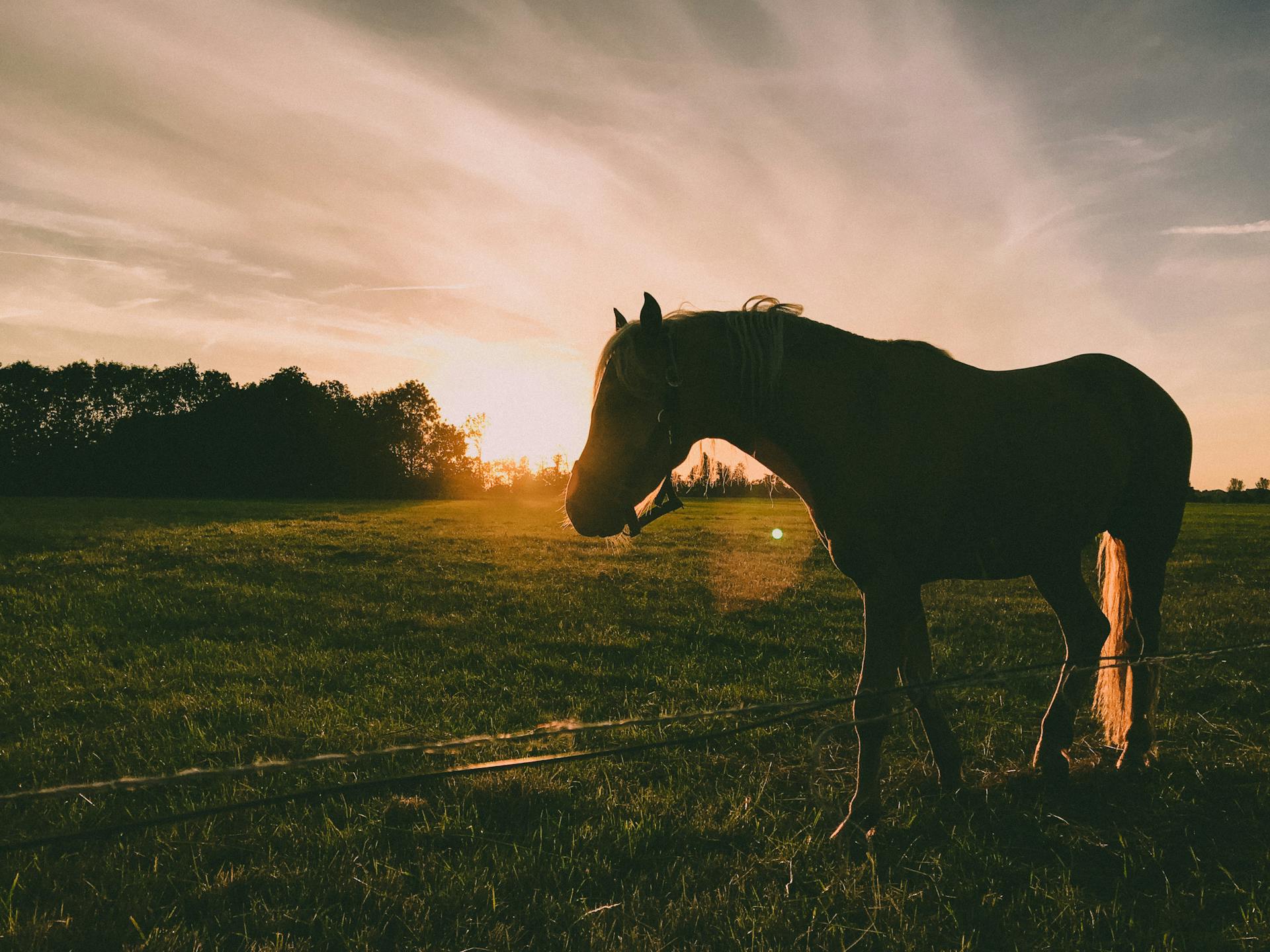
Horses can also display stereotypical behaviours, such as pacing back and forth or in circles, cribbing, or wind sucking, which are common signs of stress or anxiety. These behaviours can be caused by boredom, but they can also be a result of genetic predisposition or neurological factors.
If you're concerned about your horse's behaviour, it's always best to consult with a veterinarian or an equine behavioural specialist for professional advice.
Seasonal and Environmental Factors
As the seasons change, you may notice your horse's behavior shifting too. Certain situations can affect how your horse acts, but seasonal changes often play a bigger role in their behavior.
Routine and weather changes are key factors in this seasonal shift. Your horse's behavior can change with the seasons, largely due to these changes.
For example, your horse may become more skittish or nervous during certain times of the year, such as during thunderstorms or when the weather is particularly hot or cold.
Seasonal
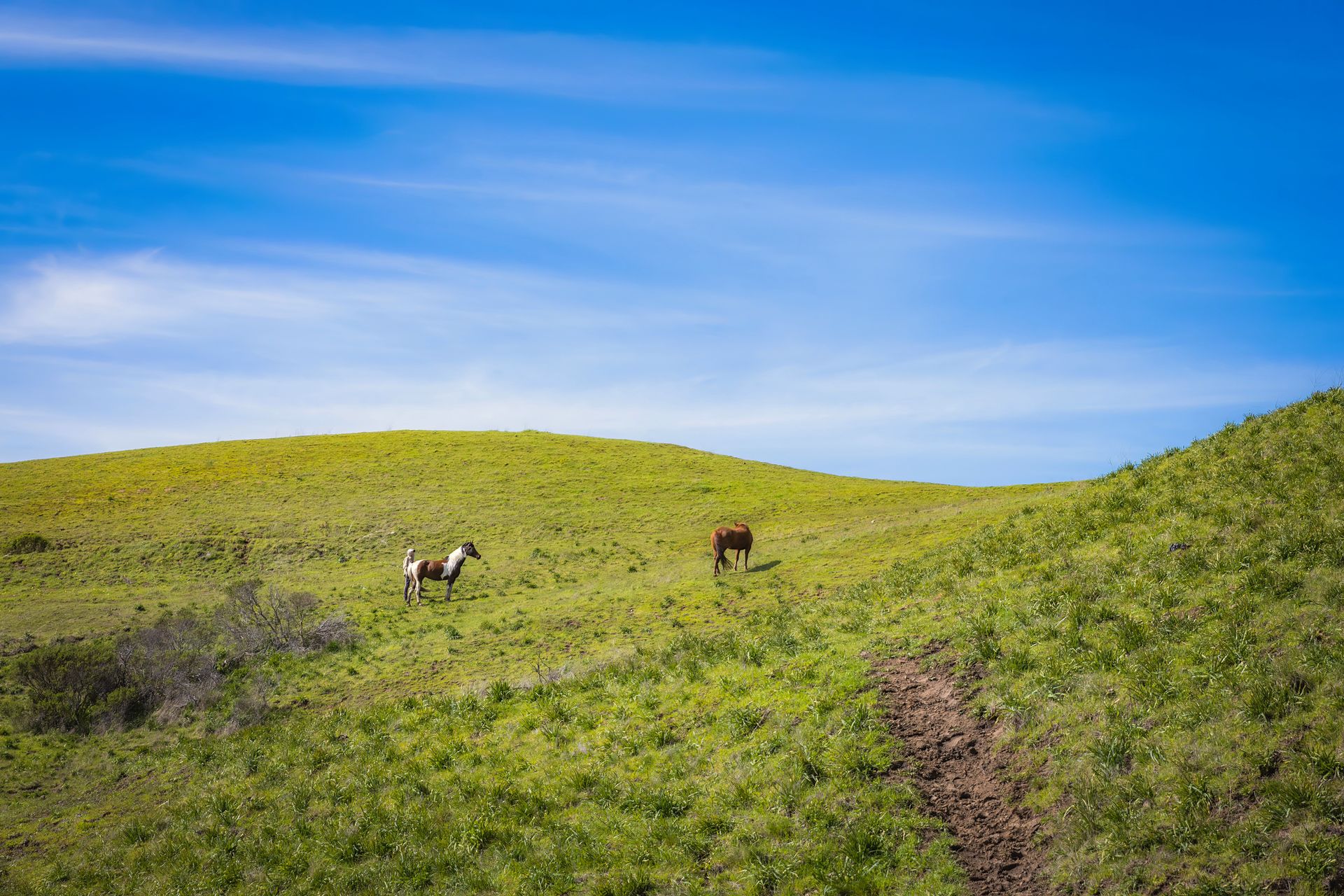
Seasonal changes can affect your horse's behavior, largely due to routine and weather changes.
As the seasons shift, you may notice your horse is more energetic in the spring and summer months. This is because the warm weather and long days make them love spending time out on rides or grazing in the sun.
New spring grass has higher levels of carbohydrates, sugars, and protein, and lower fibre and magnesium content than grasses that grow later in the year. This can cause health and behavioral changes in horses.
Eating large amounts of lush spring grass can lead to problems like colic, so it's essential to manage your horse's grazing time. Try to ease them into spring grass by strip grazing or using a grazing muzzle for a few hours a day.
Restricting grazing times to early morning and later in the evening can help control the amount your horse is eating, as concentrations of carbohydrates are higher in grasses later in the day.
Autumn and Winter
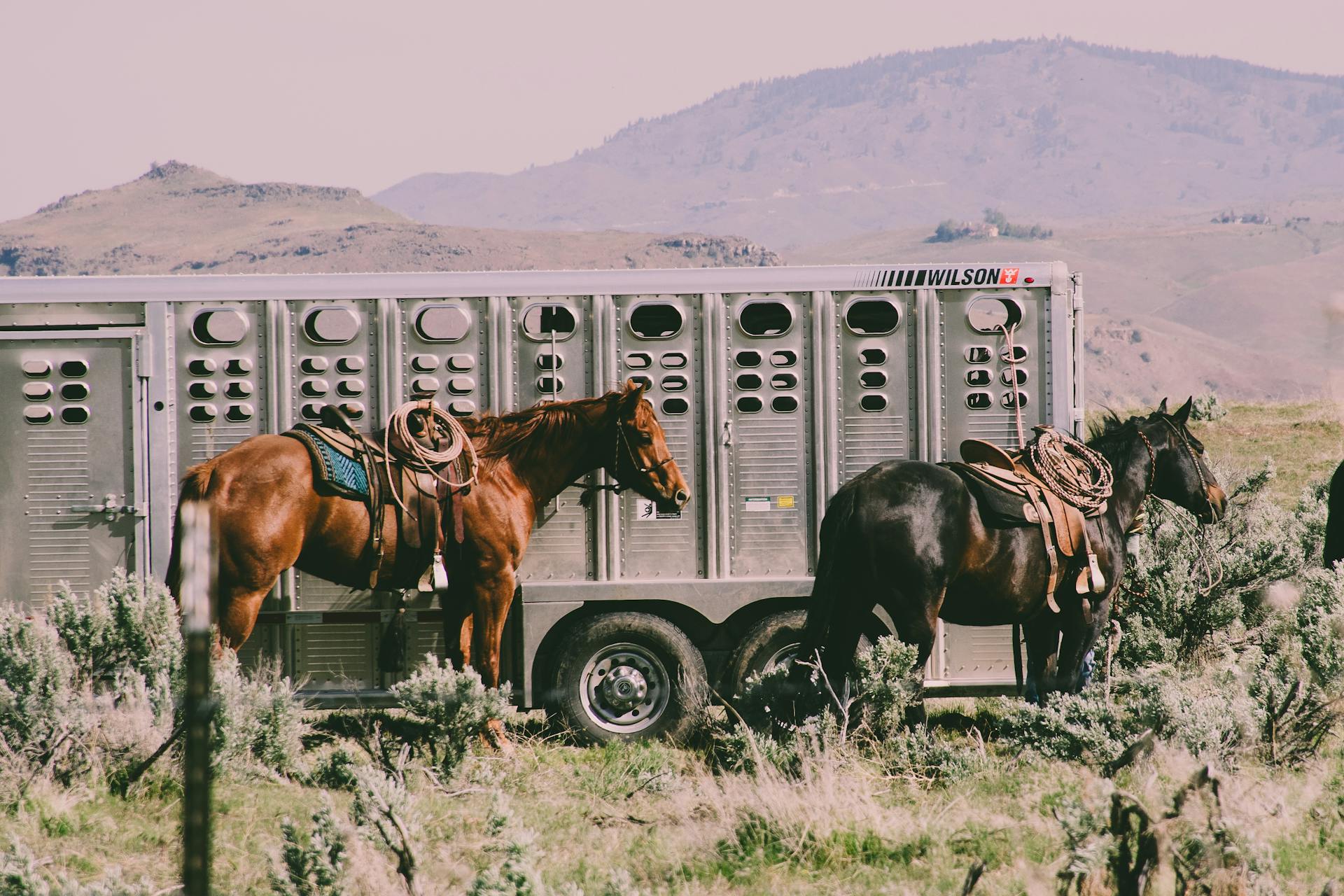
As autumn and winter arrive, you may notice changes in your horse's behavior. They may become a little more lethargic, stubborn, and less willing to exercise.
Horses can become anxious or stressed when their usual routine changes, which is common during this time of year. This is especially true when you start stabling them indoors for longer periods.
The change in diet can also cause stress for your horse, as they'll be grazing much less. Sudden alterations in their diet can lead to colic, which can contribute to behavioral issues.
Gradual adjustments over a couple of weeks can help reduce stress and behavioral changes. This allows your horse to adjust to the new routine and diet.
Harsh weather like rain and wind can also frighten horses, especially those that are particularly spooky. The wind can cause objects to move, which your horse may perceive as a threat.
Horses are very perceptive to sound, and their range of hearing is much larger than ours. The wind and rain can mask or create new sounds, such as rustling leaves, that can startle your horse.
You might like: Eastern American Toad Diet
Training and Handling
Training your horse to be calm and confident requires patience, consistency, and positive reinforcement. Working with an expert trainer can help you desensitize your horse to frightening objects, but it's also essential to build their trust in you.
Desensitization is a key technique to help your horse feel more secure in various situations. For example, if your horse spooks in the wind, try doing groundwork with them on windy days in a safe and secure area. This will help them become more comfortable with the noise and movement.
To avoid exacerbating the problem, it's crucial to stay relaxed yourself when training your horse. If you become nervous, your horse may pick up on your tension and become stressed. This is especially true when dealing with herd-bound behaviour, where your horse may feel anxious about being separated from their herd.
If your horse is herd-bound, take them away from the herd for short periods, rewarding them with treats for calm behaviour. This will help them associate being alone with positive experiences. You can start by taking them around the corner from the paddock and gradually increase the distance.
Worth a look: Canine Behavior Consultant
Here's a summary of the steps to help your horse feel more secure and confident:
- Take your horse away from the herd for short periods.
- Reward them with treats for calm behaviour.
- Gradually increase the distance you take them away from the herd.
- Make the time spent alone with your horse a positive experience through activities like grooming or treats.
By following these steps and staying calm, you can help your horse feel more secure and confident in various situations.
Calm and Happy Horses
A happy horse will have a very relaxed posture, with their ears up, alert, and facing forward. Their tail will be loose and free, their mouth will be closed, and their nostrils will be relaxed.
If your horse is relaxed but their head is lowered, it's likely that they're resting. This still means they're calm and happy, but you'll need to approach them quietly and calmly to avoid startling them.
A happy horse gets enough socialisation, exercise, and forage. When these basic needs aren't met, they may 'act out' and show signs of unhappiness.
Happy, Relaxed Animal
A happy, relaxed horse is a beautiful thing to see. They have a very relaxed posture, with their ears up, alert, and facing forward.
Their tail is loose and free, their mouth is closed, and their nostrils are relaxed. They may also have one leg cocked, resting their weight on their other hind leg.
A happy horse is one who gets enough socialisation, exercise, and forage. They're not acting out or showing signs of stress.
A horse that's relaxed but has their head lowered is likely just resting. Approach them quietly and calmly to avoid startling them.
Horses are highly social herd animals, and living in a herd has many advantages. They get to exercise their senses frequently and communicate with each other mainly through body language.
A horse that's kept alone will be stressed due to not receiving the benefits of companionship. They need to be part of a herd to feel truly happy and relaxed.
Angry or Unhappy Animal
If you notice a horse is giving you space or showing signs of anger or irritation, it's best to give them space. This is because they can be dangerous.
A horse may give a series of warnings if they're angry and want you to stay away or go away. For example, they may have wrinkled, elongated nostrils and their ears held slightly back.
You should avoid approaching a horse from behind, as they may warn you if they're angry and want you to stay away or go away. If you ignore this, they may kick.
A horse that's angry or unhappy may have a raised head, with the whites of their eyes showing. They may also lunge at you, with their mouth open showing their teeth.
If you're not sure why your horse is acting out, it's a good idea to call a professional behaviourist or trainer to work with you and your horse. They can help you determine the root cause of the behaviour.
Featured Images: pexels.com