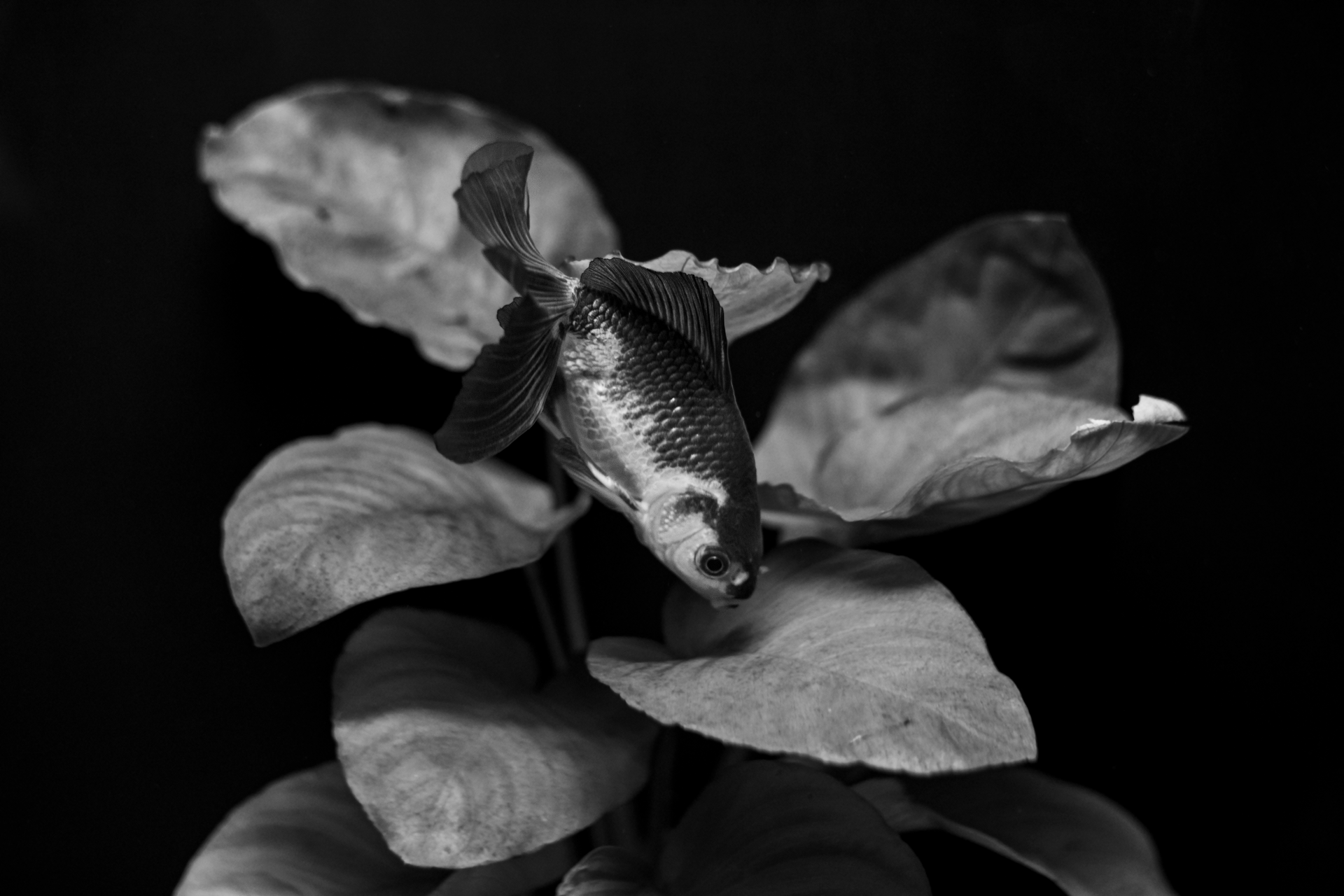
Goldfish are fascinating creatures that can reveal a lot about their behavior and well-being. They are social animals and thrive in the company of others, but they can also be solitary at times.
Goldfish have a natural instinct to swim in schools, which is why they often do well in groups. In the wild, they would normally be found in large schools, and in captivity, they benefit from the companionship of other goldfish.
By observing your goldfish's behavior, you can tell if they're feeling stressed or anxious. For example, if they're swimming erratically or hiding behind plants, it may be a sign that they need more space or a change in their environment.
Understanding Goldfish Behavior
Goldfish are social creatures that generally enjoy the company of other goldfish, often swimming together, chasing each other, or engaging in synchronized movements.
Their social behavior indicates that they are comfortable and stress-free in their habitat.
Goldfish also exhibit foraging behavior, constantly scavenging the bottom of the tank for food, a sign of healthy goldfish behavior.
To mimic this natural action, it's essential to provide a sandy or gravel substrate where they can dig and search for food particles.
Hovering at the surface can have multiple meanings, sometimes indicating that they are seeking food, but it can also be a sign of oxygen deficiencies in the water.
Proper aeration and filtration systems are crucial to maintaining high water quality and thereby supporting healthy goldfish behavior.
Chasing is another common behavior seen in goldfish tanks, often a normal part of their social structure and mating rituals.
However, if the chasing appears relentless and aggressive, it could be a sign of stress or inadequate space, thus requiring immediate attention.
Recognizing and reacting promptly to changes in behavior can make all the difference in maintaining a thriving goldfish community.
Goldfish can exhibit various behaviors based on their physical characteristics, such as fancy goldfish behaving differently compared to common goldfish due to their unique body shapes and fin structures.
Intriguing read: Fish Food for Pond Goldfish
These characteristics can affect their swimming patterns and social interactions with other tank inhabitants.
Understanding goldfish behavior is crucial for providing the best care for your aquatic pets, allowing you to ensure a healthy, vibrant life for your goldfish.
Monitoring your goldfish's behavior closely helps in identifying signs of illness or stress early on, which can prevent serious health issues and ensure the longevity of your pet.
Socialization and Taming
Socialization and taming is a crucial part of goldfish behavior, and it's amazing how quickly they can learn to recognize their owners.
Goldfish are social animals, and they thrive in environments where they can interact positively. They're even known to come to the top of the tank when someone approaches or follow the progress of a hand moving on the other side of the glass.
Creating an environment where they can swim freely and reduce stress is vital for their well-being. A minimum of 20 gallons is recommended for a single goldfish, with an additional 10 gallons per extra fish.
Introduce plants and decorations to your aquarium to create hiding spots and simulate a natural habitat. Live plants not only enhance the aesthetic appeal of your tank but also contribute to better water quality by absorbing nitrates.
Feeding your goldfish a varied diet can also aid in taming. Offering a mix of high-quality flakes, pellets, and occasional treats like brine shrimp can keep your fish engaged and encourage interaction.
Spending time near the tank and moving slowly can help your goldfish acclimate to your presence. Observing their behavior and offering food from your hand can gradually build trust.
Common Behaviors
Goldfish are highly social creatures and enjoy the company of other goldfish. They often swim together, chase each other, and even engage in synchronized movements, which indicates they are comfortable and stress-free in their habitat.
Goldfish also exhibit foraging behavior, constantly scavenging the bottom of the tank for food. This is completely normal and a sign of healthy goldfish behavior.
Hovering at the surface is another common goldfish behavior that can have multiple meanings. Sometimes, it indicates that they are seeking food, but it can also be a sign of oxygen deficiencies in the water.
Chasing is another common behavior seen in goldfish tanks. While it can initially seem like aggressive behavior, it is often a normal part of their social structure and mating rituals.
Goldfish tend to use the full depth of their tanks from top to bottom, but they will congregate near the top of the tank if they are expecting food or if the oxygen levels in the tank are low. If your fish are gulping air at the surface of the tank or are regularly breaking the surface of the water, check your water quality and aeration for any problems.
Male goldfish often chase females around the tank as part of their courtship ritual, but if the chasing becomes aggressive or constant, it could indicate problems such as territorial disputes or insufficient tank space. Monitoring your goldfish's chasing behavior helps identify when it's normal and when it might signal trouble.
On a similar theme: Aggressive Behavior in Puppies Training
Abnormal Behaviors
If you notice your goldfish holding its fins close to its body, it's usually a sign of stress or illness. This behavior can be caused by poor water quality, parasites, or an underlying disease.
A goldfish gasping at the surface of the water is often a symptom of insufficient oxygen levels in the aquarium. High levels of ammonia or nitrite can also cause this behavior.
Erratic swimming or swimming in circles can indicate stress or neurological issues in your goldfish. This type of behavior can be triggered by toxins, sudden changes in the environment, or infections.
Hiding behavior is another key indicator of health problems in goldfish. Healthy goldfish are typically active and curious, but may hide when they feel unwell.
A loss of appetite is a significant warning sign in goldfish, often pointing to illness. Common causes include internal parasites, constipation, or poor water conditions.
Environmental Factors
Goldfish love to have some company in their tank, and enriching the environment can really stimulate their behavior. Introduce some aquatic plants, like water lilies or java moss, to provide hiding spots and mimic their natural habitats.
A few decorations, such as rocks or caves, can also offer similar benefits and keep your goldfish engaged. Just make sure to choose decorations without sharp edges that could harm them.
Goldfish are sensitive to temperature fluctuations, so it's essential to maintain a stable temperature between 65 to 75 degrees Fahrenheit. This will encourage consistent and healthy activity levels in your goldfish.
Curious to learn more? Check out: Fancy Goldfish Water Temp
Aquarium Sizing
A significant factor influencing goldfish behavior is the size of their habitat.
Goldfish need ample space to swim and display their natural behaviors, which can be observed in an adequately sized aquarium.
A general guideline is to provide at least 20 gallons of water per goldfish.
This helps reduce stress and promotes healthier, more active behavior.
Monitor and Control Water Temperature
Monitoring water temperature is crucial for your goldfish's well-being.
Goldfish thrive in water temperatures between 65 to 75 degrees Fahrenheit.
Temperature fluctuations can stress goldfish, leading to abnormal behaviors.
Using a reliable aquarium heater can help maintain a stable temperature.
A thermometer is also essential to monitor the temperature and make adjustments as needed.
For your interest: Malamute Temperature
Enrichment
Goldfish have been given a bad rap for having poor memory, but the truth is they have substantial cognitive abilities and can get bored if their environment stays identical. This is why providing new objects and hiding spots is crucial for their enrichment.
Introducing aquatic plants, rocks, and caves can offer hiding spots and mimic natural habitats, stimulating healthy goldfish behavior. Live or silk plants, driftwood, rock caves, and terracotta pots can provide visual barriers and add complexity to break up predictable aquarium sightlines.
Goldfish enjoy investigating novel items like rocks, logs, and ceramic amphoras, which act like terrestrial playgrounds, giving them a stimulating mental workout. Hiding spots can aid healthier development by promoting natural behaviors.
Here are some hide types and their key benefits:
Terracotta pots tipped on their sides make superb hiding spots in a goldfish aquarium, allowing fish to easily swim in and out. Just make sure to plug the drainage holes first so little fins don’t get caught.
Monitoring and Maintenance
Monitoring and Maintenance is crucial for a happy and healthy goldfish. Goldfish thrive in water temperatures between 65 to 75 degrees Fahrenheit.
To maintain a stable temperature, use a reliable aquarium heater and thermometer. This will help prevent temperature fluctuations that can stress goldfish and lead to abnormal behaviors.
Regular water changes are also essential to keep your goldfish environment clean and healthy. Aim to change 25% of the water weekly to maintain optimal water quality.
Featured Images: pexels.com