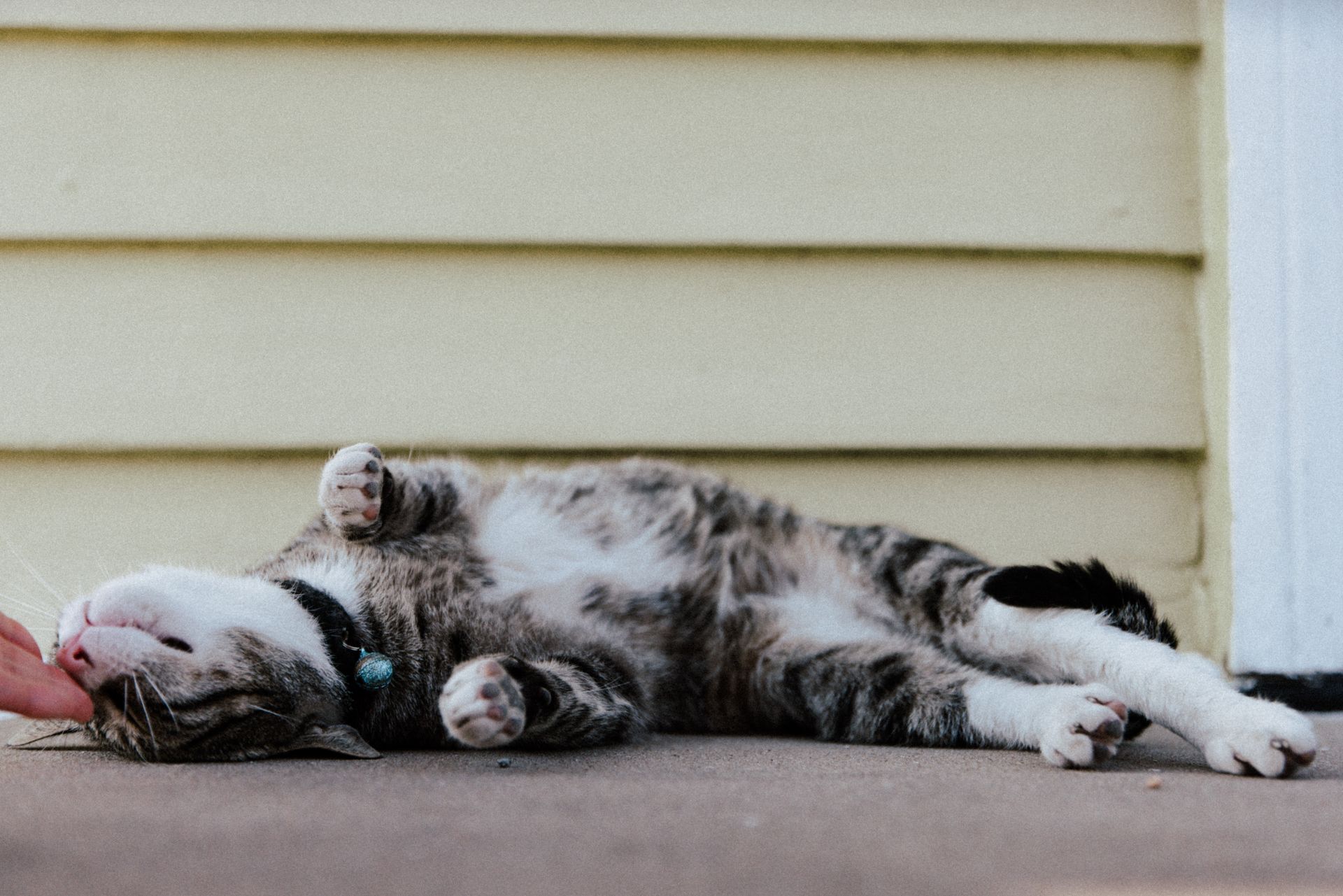
Understanding your feline companion can be a fascinating and rewarding experience. Cats are known for their independence, but they also crave attention and affection from their owners.
Cats are natural predators and have a strong instinct to hunt and stalk prey, which is why they often exhibit behaviors like stalking invisible bugs or pouncing on toys.
Their unique communication style can be puzzling at times, but it's essential to recognize the different vocalizations and body language cues they use to express themselves.
Physical Behaviors
Cats are known for their unique physical behaviors, which can be a great way to understand their mood and intentions. One of the most common behaviors is napping, which they do to conserve energy and regulate their body temperature.
Their natural instinct to nap is influenced by their genetic makeup, which still drives them to seek out warm areas for slumber. You'll often find them basking in the sun or curling up on warm surfaces.
Cats also engage in scratching behavior, which helps them maintain the health of their claws and stretch their muscles. They leave visual and scent marks through the glands in their paws, marking their territory and warning other cats to stay away.
Scratching posts or boards can be a great way to redirect this behavior, as long as they're sturdy and covered in a material that mimics the texture of tree bark or sisal rope. Regular nail trims can also help manage their scratching habits.
Here's a quick guide to understanding your cat's tail language:
- Held high, may have a slight curl forward – a sign of friendliness.
- Held low and tucked under – a sign of fear or unease.
- Flicking, twitching – a sign of agitation.
- "Fluffed" or "Halloween-cat tail" – a warning sign to back off.
Keep in mind that a twitchy tail can be a sign of excitement or focus, especially when your cat is "hunting prey" around the house.
Napping
Cats are notorious nappers, and it's not just because they're lazy. They have a genetic makeup that influences their behavior, driving them to conserve energy through frequent napping.
One reason cats love to nap is because their basal temperature is slightly higher than humans, making them naturally drawn to warm areas for their slumber. This is why you'll often find them basking in the sun or curling up on warm surfaces.

Cats sleep a lot – more than half of them sleep between 12 and 18 hours a day, sometimes even more. As they age, most cats sleep even more.
Their love for napping is an evolutionary advantage that's still present in domestic cats, even though they no longer need to hunt for survival. This means they're still inclined to conserve energy for... well, nothing, really.
If this caught your attention, see: Dog Wag Tail in Sleep
Eating Grass
Cats commonly nibble on grass, and it's not just because they're bored or looking for trouble. For some cats, eating grass can help with digestion by acting as a natural laxative and aiding in the elimination of hairballs.
Grass also contains essential nutrients that may be lacking in their diet, making it a valuable source of vitamins and minerals. It's essential to ensure that the grass your cat has access to is free from pesticides or harmful chemicals as these can be toxic to felines.
Some cats may eat grass simply because it's a snack or a way to fulfill their natural instinct to chew. Others might be seeking relief from gastrointestinal upset, which eating grass can help soothe.
You might enjoy: Dogs Eating Cat
Scratching
Scratching is a natural behavior for cats, and it's essential to understand why they do it. Cats engage in scratching behavior to maintain the health of their claws by removing the outer sheath and keeping them sharp.
Scratching also allows cats to stretch their muscles and maintain their flexibility. This is especially important for cats, as they need to be agile and nimble to catch prey.
Cats have scent glands on their paws, and they use these glands to mark their territory by leaving visual and scent marks on surfaces they scratch. This is a way for them to claim ownership and establish a sense of security.
To redirect your cat's scratching behavior away from furniture, provide them with sturdy scratching posts or boards that mimic the texture of tree bark or sisal rope. Placing the scratching post near the furniture they tend to scratch can be an effective way to encourage them to use it instead.
Regular nail trims can also help manage your cat's scratching habits by reducing the damage caused by scratching. By keeping their nails trimmed, you can minimize the risk of furniture damage.
Curious to learn more? Check out: Cats Maintain Homeostasis
Rolling Around
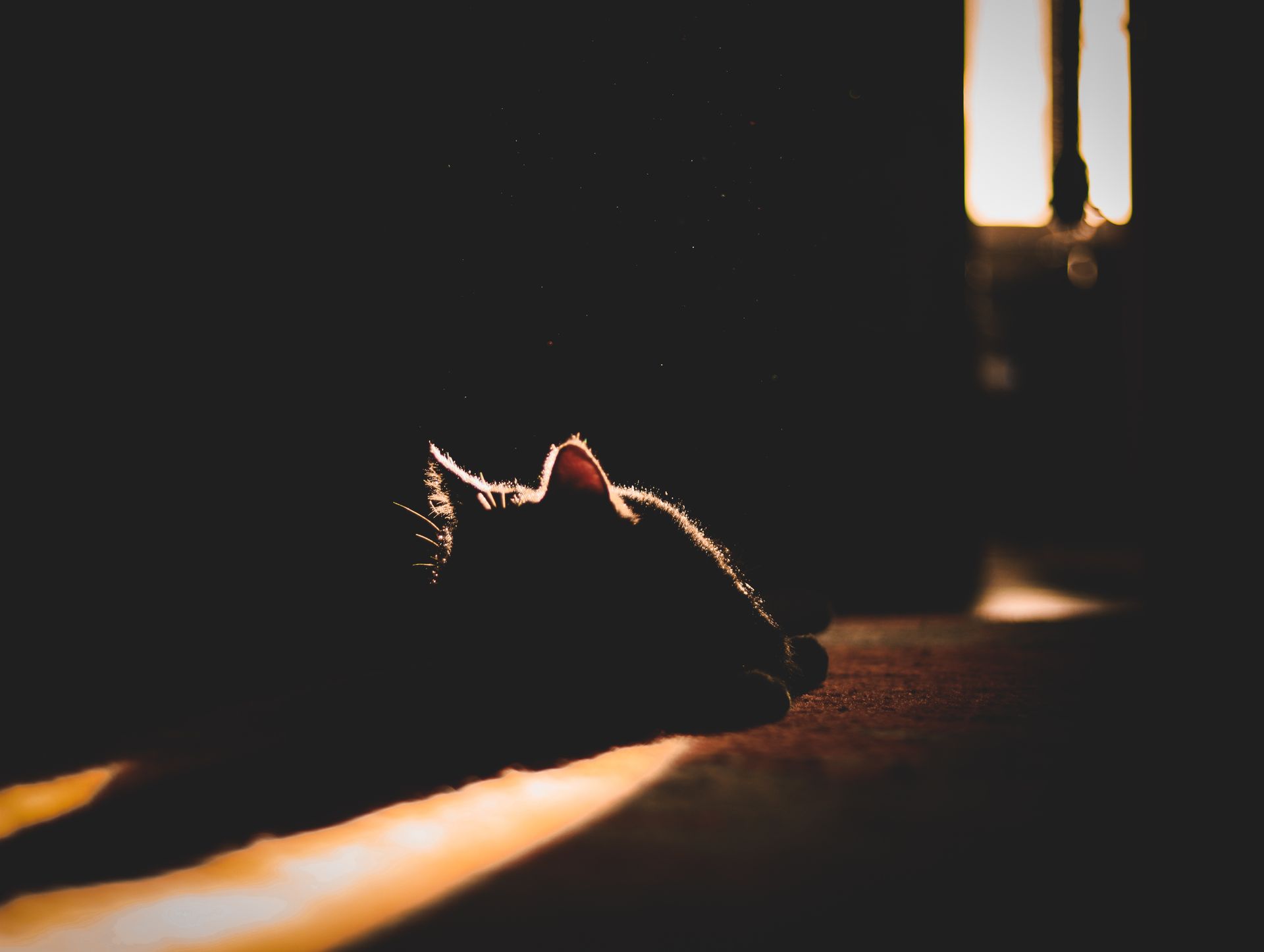
Rolling around on their back is a vulnerable position for cats, so if your cat is doing this in front of you, consider it a compliment. They feel safe around you and have earned your trust.
A roll on the floor is a clear signal that your cat is trying to engage you in playtime.
Purring
Purring is a common feline behavior, but it's often misunderstood. Cats purr for a variety of reasons, including relaxation.
Cats may also purr to self-soothe if they're feeling stressed or injured. I've noticed that my own cat tends to purr more when she's feeling anxious.
Purring can also be a social behavior, helping cats communicate with each other and their owners. A purring cat may be trying to tell you something, like "feed me now" or "pet me, please".
Interestingly, mama cats purr to guide their kittens to the nipple to nurse, creating a vibration that helps the kittens find their way. This behavior is essential for the kittens' survival.
Cats will purr to communicate with their owners, but it's not always a straightforward signal. Pay attention to the context and your cat's body language to decipher the meaning behind the purr.
Twitchy Tails
A twitchy tail can be a sign that your cat is excited or focused, often when they're "hunting prey" around the house. This is a completely normal behavior and is usually accompanied by a calm-down period once the excitement has passed.
If you notice a twitch happening around the tip of your cat's tail, it's likely due to excitement or focus. This can be a sign that your cat is in the midst of a natural hunting behavior, whether it's chasing a toy or a real mouse.
A twitchy tail can be a subtle sign that your cat is ready to pounce, so be prepared for some energetic playtime. This behavior is usually short-lived and will subside once your cat has calmed down.
Here are some possible reasons behind a twitchy tail:
- Excitement or focus (Example 4)
- Preparation to pounce (Example 3)
Elimination and Hygiene
Cats are naturally inclined to use litter boxes and cover their waste, so if they're going outside the box, it's a sign that something's off. They might not like the litter box's location or type of litter, or they may prefer it to be cleaner.
Readers also liked: Changing Cat Litter Brand Make Cat Sick
A clean litter box is just as important to cats as a clean bathroom is to us. Cats are fastidious about hygiene, and a dirty litter box can be a major turn-off.
Medical issues like urinary tract infections (UTIs) can also cause cats to go outside the litter box. Your veterinarian can take a urine sample to determine if there's an underlying issue that needs attention.
Related reading: Cat Clean
Urinating Outside Litter Box
Urinating outside the litter box can be a frustrating behavior for pet owners. Cats may engage in this behavior due to stress or a dislike for their litter box.
Ensure your cat has a clean litter box and provide them with multiple litter boxes in different locations to address any stressors. This can help alleviate the issue.
Medical issues can cause difficulty for your cat to urinate appropriately. MedVet often treats cats for urethral obstruction, a life-threatening blockage of the lower portion of the urinary tract.
If your cat has increased vocalization, is frequenting the litter box more often, strains while urinating, or licks their hind end more than usual, consult your veterinarian to rule out any underlying medical issues.
Cats are wired from kittenhood to "cover" their pee and poop, so when they do go outside the litter box, it's a sign that something isn't quite right.
Eating Non-Food Items
Cats often chew on non-edible items like wools, cloth, or inedible plants. This behavior is sometimes a sign of a rare condition in cats called pica.
Some proposed reasons for pica include mineral deficiencies, anemia, or hyperthyroidism. Genetics, boredom, and stress may also play a role.
If you notice your cat engaging in pica, it's essential to have a full examination by a veterinarian to rule out any underlying problems. This can help determine the cause and develop a plan for treatment.
Treatment may include dietary adjustments, placing bitterants on the chewed objects, or providing multiple small meals throughout the day. Providing stimulation through games, social interaction, and alternative chews can also help.
Aggression and Fear
Aggression in cats can stem from various factors, including anxiety or fear, territorial instincts, or feeling threatened.
Cats can become anxious or fearful due to changes in their environment, such as a new pet or person in the home.
Providing a safe and enriched environment can help reduce aggressive tendencies in cats.
Knocking Things Over
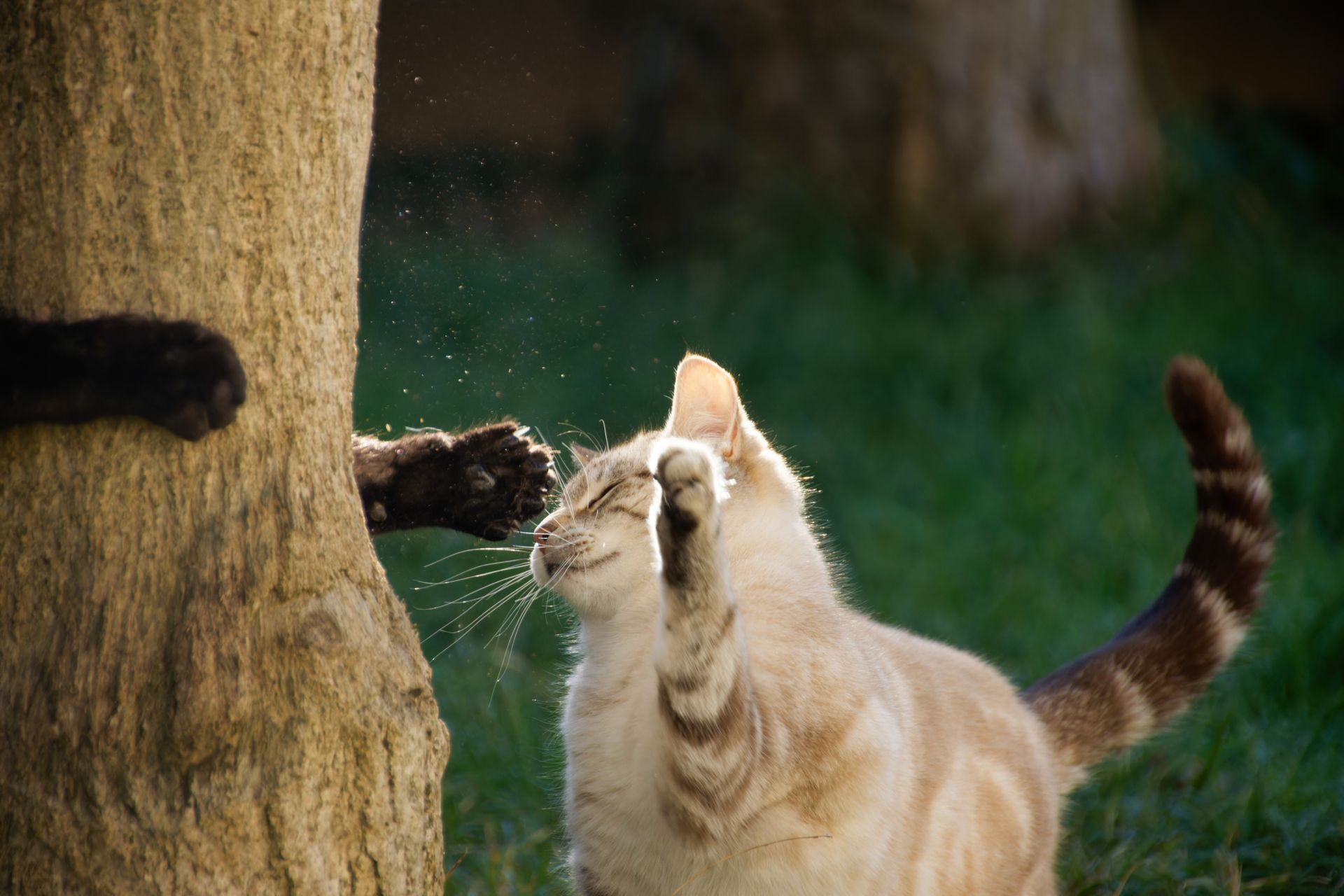
Knocking things over is a common behavior in cats, often triggered by their natural curiosity and exploratory nature. They use their paws to touch and interact with objects, which can lead to them perceiving items as prey trying to escape.
Cats are more likely to explore their environment by touching and pushing objects with their paws, rather than using their mouths like dogs do. This behavior is a result of their natural instincts.
You may have seen your cat bat at something on a table until it falls off, and it's perfectly normal cat behavior. This can be due to boredom, attention-seeking, or simply being playful.
Cats respond to the outcomes of their actions, which is why they may chase something that rolls away. This behavior is a result of their natural hunting instincts.
If you suddenly stop what you're doing to run to your cat, it can create a reward that can be tested over and over again. This is because cats are highly responsive to attention and interaction.
Aggressive Behavior
Aggressive behavior in cats can stem from anxiety or fear, territorial instincts, or feeling threatened. Providing a safe environment can help reduce aggressive tendencies.
Cats that feel threatened may lash out, so it's essential to create a secure space for them. This can be as simple as blocking off a room or providing a high perch for them to retreat to.
Aggression in cats can be a sign of underlying issues, such as anxiety or fear. Identifying and addressing these root causes is crucial to resolving the behavior.
Expand your knowledge: Bengal Cats Aggressive
A cat's territorial instincts can also lead to aggression, especially if they feel their space or resources are being threatened. This is why providing multiple resources, such as food and water stations, can help reduce competition and aggression.
Positive reinforcement training can be an effective way to reduce aggressive tendencies in cats. By rewarding calm behavior, you can encourage your cat to associate calmness with positive outcomes.
Night Squalling
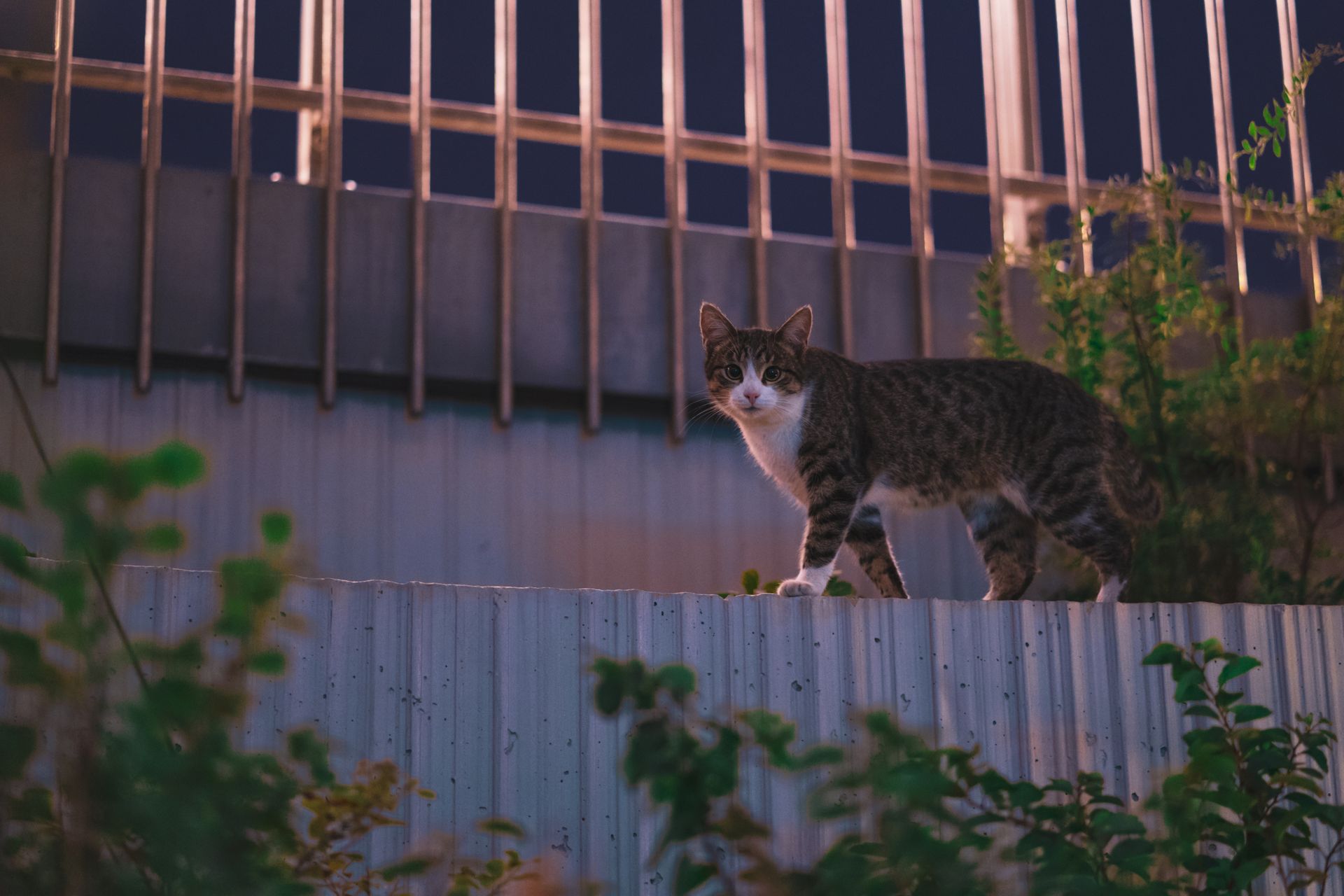
Night squalling is a common issue many cat owners face, and it's not just about attention-seeking behavior. Cats may squall at night because they've learned that vocalizing gets them what they want, like snacks or pets.
To minimize night squalling, keep your cat indoors to reduce their exposure to potential mating partners. This simple step can help break the habit of squalling for attention.
Older cats with decreased vision or hearing may seek reassurance from their owners during the night, which can lead to squalling. This is a normal part of aging, but it's still worth addressing.
A fresh viewpoint: Why Do Cats Get the Zoomies at Night
Cats with health issues like hyperthyroidism, hypertension, or hypokalemia may also vocalize at night due to discomfort or pain. If you suspect a medical issue, it's essential to consult with your family veterinarian for guidance.
Creating a restful bedroom environment with a nightlight and calming scents like lavender can help promote a more restful sleep for both you and your cat.
Communication and Socialization
Cats communicate with each other and with humans through various vocalizations, including meowing, hissing, growling, purring, and chirping.
Meowing is often a form of communication with humans, while hissing and growling indicate fear or aggression. Purring is generally a sign of contentment, but it can also indicate pain or stress.
Understanding these vocal cues can help you better respond to your cat's needs. For example, if your cat is meowing, it may be trying to initiate interaction or ask for food. If your cat is hissing, it's best to give it space and let it calm down.
Additional reading: Can People Get Parasites from Cats
Cats also use body language to communicate, such as ear position, tail posture, and direct eye contact. A dominant cat will often present a specific body posture, with its ears straight up, the base of its tail arched, and it looking directly at the subordinate cat.
Observational learning plays a significant role in a cat's socialization, especially during kittenhood. Kittens learn to hunt and interact with their mothers by observing their behavior, and this learning can continue into adulthood.
In multi-cat households, dominance can be seen among cats, with subordinate cats submitting to the dominant cat. Dominant cats may present a specific body posture, and if a subordinate cat blocks food, the dominant cat may become aggressive.
For your interest: Why Does My Dog Have a Horrible Odor
Vocal Behaviors
Cats use vocal sounds to communicate their needs and emotions. Meowing is often a form of communication with humans, while hissing and growling indicate fear or aggression.
Purring is generally a sign of contentment, but it can also indicate pain or stress. Understanding these vocal cues can help you better respond to your cat's needs.
Chattering is a fast and intense teeth chattering that cats often exhibit when they spot a bird, and it's completely normal for your feline. This behavior may be your cat's natural instinct that allows their muscles to prepare for the act of killing prey.
For your interest: Why Is My Cat's Ear Twitching?
Socialization
Socialization is a continuous learning process that allows an individual to learn the necessary skills and behaviors required for a particular social position. Cats, despite being thought of as solitary animals, participate in social behaviors like colony organization, social learning, and socialization with humans.
Cats are observational learners, which means they learn by watching others. Kittens learn to hunt from their mothers by observing their techniques, and the mother ensures her kittens learn by first bringing dead prey and then live prey to the litter.
Kittens show observational learning when socializing with humans too. They're more likely to initiate socialization when their mothers exhibit non-aggressive and non-defensive behaviors. Even male cats play a role in breaking up fights among littermates.
Dominance is a factor in how cats interact with each other. In multi-cat households, one cat may be dominant over others, and this can be seen in behaviors like walking around, waiting for the dominant cat to walk past, and retreating when approached.
Some cats are very affectionate and will monopolize their owners' attention, while others are standoffish and don't want to be touched. This variation in sociability is more common in cats than in dogs, according to experts.
Related reading: When to Euthanize a Cat with Seizures?
Study on Recognizing Names
Cats don't quite understand their names in the same way dogs do. It's not that they don't recognize the sound of their name, but rather they associate it with what usually happens next.
Cats have a different way of communicating with each other, and with us. They use body language, like posture, to convey messages.
Smell plays a big role in cat communication, too. Pheromones are important, and cats leave visual signs, like scratches, to leave messages for others.
Some cats, like Serpell's, respond to their names, but it's not the same as dogs' impressive vocabularies.
Grooming and Self-Care
Cats spend about 8% of their resting time grooming themselves, which is essential for cleanliness and ectoparasite control.
They use their tongue to remove fleas and other parasites from their fur, and scratching can also help dislodge them from the head and neck.
Cats are self-cleaning creatures, so you don't need to worry about routine baths for them unless it's absolutely necessary. In most cases, a bath is only needed in rare situations.
Self Care Behaviors
Cats spend about 8% of their resting time grooming themselves, which is essential for cleanliness and ectoparasite control.
Grooming helps remove fleas, and some studies suggest it's an effective way to get rid of them.
Cats use their tongue and paws to groom, and scratching can aid in dislodging fleas from the head and neck.
Licking themselves is a common behavior in cats, as they're self-cleaning creatures with essential grooming tools like a rough, barbed tongue and saliva.
You might like: Dog Grooming Bathing System
Reviving Inanimate Objects
Cats have a unique way of showing affection by reviving inanimate objects, which can be quite puzzling to their humans.
Your cat may bring you a dead bug or bird as a gift, presenting it to you as a way of saying you're part of their pack and they want to ensure you're well fed.
Cats may also bring you dead prey items, such as toys or mice, to imitate what their mama cats did for them or to return the favor for keeping their kibble bowls full.
They might even give you their catch so you can store it for later, which is a thoughtful gesture from your feline friend.
Body Language and Posture
Body language is a crucial aspect of cat behavior, and it's essential to understand what your cat is trying to communicate. Cats rely heavily on their body language to convey emotions and intentions, and it's not just about the way they move - it's also about the way they hold themselves.
A cat's tail is a great indicator of their mood, and it's not just about wagging or swishing. A relaxed, gently swaying tail indicates contentment and relaxation, while an upright, puffed-up tail signifies aggression or fear. A flicking or twitching tail may indicate excitement or anticipation.
Here are some common tail positions and what they mean:
- Held high, may have a slight curl forward – a sign of friendliness.
- Held low and tucked under – a sign of fear or unease.
- Flicking, twitching – a sign of agitation.
- "Fluffed" or "Halloween-cat tail" – a warning sign to back off.
Your cat's ears are also a great indicator of their mood, and they can provide valuable insights into their emotions. Pointed forward ears usually indicate attentiveness and curiosity, while flattened or backward ears can be a sign of fear, aggression, or discomfort.
Here's an interesting read: Dogs Ears Back Tail Wagging
Scratching Furniture
Scratching furniture is a common issue many cat owners face, but it's essential to understand that cats engage in scratching behavior for a reason. Scratching helps them maintain the health of their claws by removing the outer sheath and keeping them sharp.

Cats also scratch to stretch their muscles and maintain their flexibility, which is why you might see them stretching after a good scratch. Scratching is a deeply ingrained behavior in cats, and it's not just about causing damage.
To redirect your cat's scratching behavior, provide them with sturdy scratching posts or boards that mimic the texture of tree bark or sisal rope. Cats prefer to scratch on vertical surfaces, so make sure the post is tall enough for them to fully stretch.
Regular nail trims can also be beneficial in managing your cat's scratching habits, as it reduces the damage caused by scratching. By keeping their nails trimmed, you can minimize the damage to your furniture.
Rubbing catnip on a scratching pad or cat tower can encourage your cat to use it instead of your furniture. This is a great way to redirect their behavior and save your belongings.
Suggestion: Cats Scratch
Body Postures
A cat's body posture can reveal a lot about their mood and intentions. A cat may hold its tail high, which is a sign of friendliness and happiness.

Cats often display their emotions through their tail positions. A tail held low and tucked under can indicate fear or unease, while a flicking or twitching tail may suggest agitation.
Observing a cat's ear position can also provide valuable insights into their mood. Pointed forward ears usually indicate attentiveness and curiosity, while flattened or backward ears may be a sign of fear, aggression, or discomfort.
A cat's back posture can also convey a sense of confidence or vulnerability. A cat with a relaxed, gently swaying tail and a straight back is likely feeling content and relaxed.
Here's a quick guide to understanding some common body postures in cats:
By paying attention to these body postures, you can better understand your cat's emotions and needs.
Abnormal Behaviors
Aggression in cats can stem from various factors, including anxiety or fear, territorial instincts, or feeling threatened.
Providing a safe and enriched environment is key to reducing aggressive tendencies in cats. This means making sure your cat has plenty of hiding spots, vertical space, and toys to keep them engaged.
Cats may exhibit aggression due to anxiety or fear, so it's essential to identify and address the root cause. This could be something as simple as a change in your work schedule or a new pet in the home.
A safe and enriched environment can help reduce aggressive tendencies in cats.
Cognition and Learning
Cats are observational learners, meaning they learn by watching and imitating others. This type of learning is essential for young kittens, who learn to hunt from their mothers by observing their techniques.
Observational learning for cats can be described in terms of the drive to complete the behavior, the cue that initiates the behavior, the response to the cue, and the reward for completing the behavior. For example, kittens learn to catch prey by observing their mothers bring live prey to the litter.
Kittens also show observational learning when they are socializing with humans. They are more likely to initiate socialization with humans when their mothers are exhibiting non-aggressive and non-defensive behaviors.
A different take: What Does It Mean When Cats Wag Their Tail
Observational learning is not limited to kittens. Adult cats can also learn by observing others, such as when they see another cat performing a task, like pressing a lever after a visual cue.
Understanding cat cognition can be helpful in creating a better environment for them. If we know how they learn and think, we can make sure to provide them with the best possible care.
Cats may not have the same level of vocabulary as dogs, but they can still associate sounds with events, like their name. However, this association is different from what we see in dogs, which can recognize and respond to thousands of words.
Myths and Debunking
Cats don't make great low-maintenance pets like some people think. They require attention and stimulation, just like any other animal.
Some people assume cats are always happy to be touched, but the truth is, they value their personal space. You might find that your cat is fine with cuddling, but others may not be as affectionate.
To provide your cat with the right amount of stimulation, try giving them a chance to hunt for their food. Instead of just putting it in a bowl, use a toy or a puzzle feeder to make mealtime more engaging.
Some cats are naturally playful and can entertain themselves for hours with a simple toy like a stick-and-feather toy.
Using That?
My cat loves to lay on my laptop at the exact time that I'm using it. They know it's a great way to get some attention, and I often find myself giving in to their cute little faces.
Cats have a strong instinct to claim their territory by leaving their scent on their surroundings. This is why you might find them rubbing their faces on your clothes or furniture.
It's not just about getting attention or claiming territory, though - cats also have a knack for timing their naps to coincide with our busy schedules. My cat always seems to find the perfect moment to snooze on my keyboard.
Leaving their scent on our belongings is a way for cats to mark us as their own, and it's a sign of their affection and loyalty. It's a sweet gesture, even if it can be a bit annoying at times!
Correcting Misguided Impressions About Animals
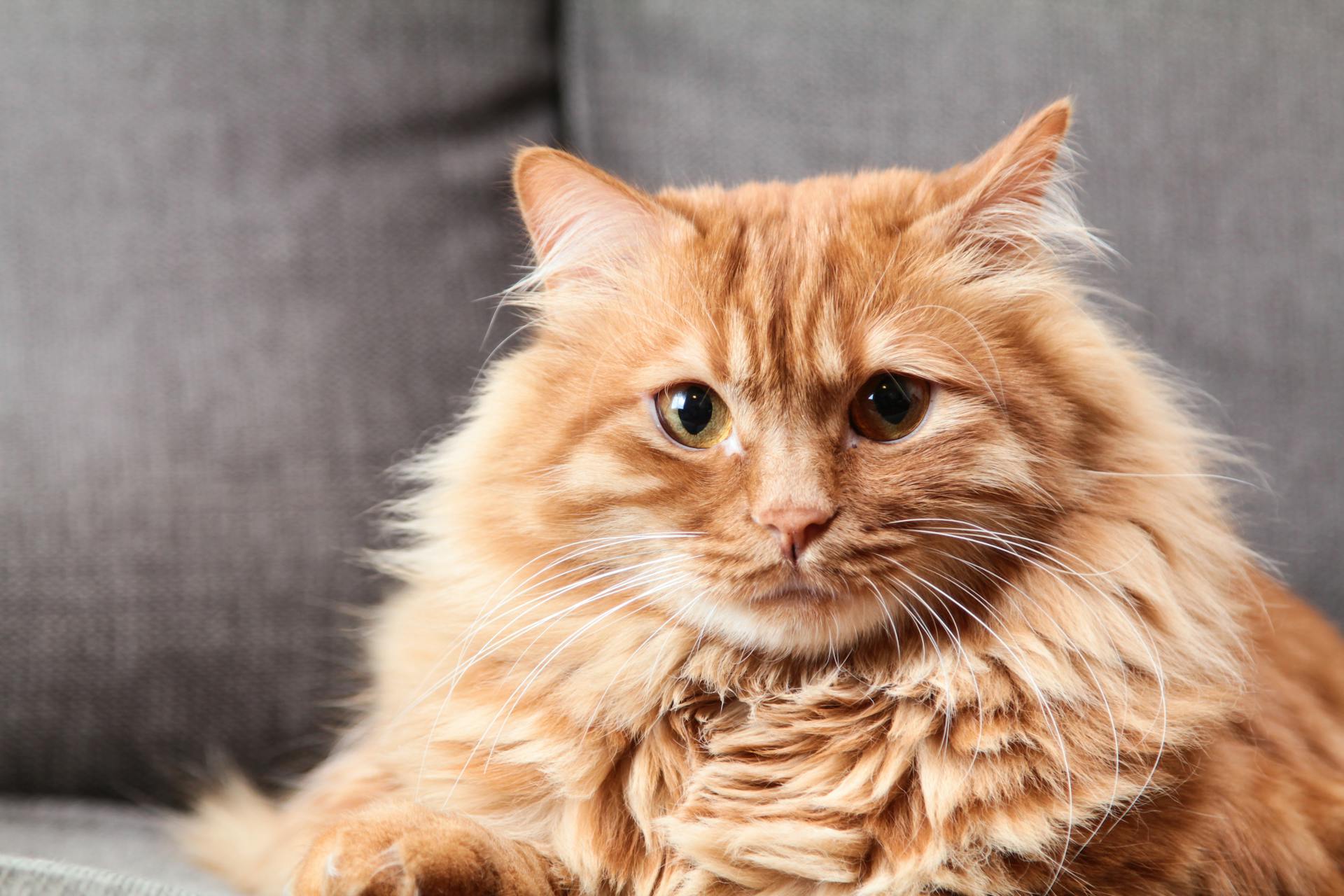
Many people want a cat to be a low-maintenance dog, but it's not possible.
Cats don't necessarily like to be touched a lot, and some may even prefer to keep their distance. Some cats are happy to be on top of their owners, but others are more independent.
To provide cats with enough stimulation, try giving them opportunities to show their natural feeding behavior, such as stalking and pouncing on their food.
Some cats will play for hours with a piece of string, while others may not be interested at all.
To correct clients' misguided impressions about cats, behavior appointments can be very long to set realistic expectations and provide alternative strategies.
If you want a nice interaction with your cat, use something cats like, such as a stick-and-feather toy or teaching them to do a trick for a treat.
Cats can be attached to their owners, but some people may not realize it because of the myth that cats are only there to get fed.
You might like: When Do Cats Want Pets
Featured Images: pexels.com