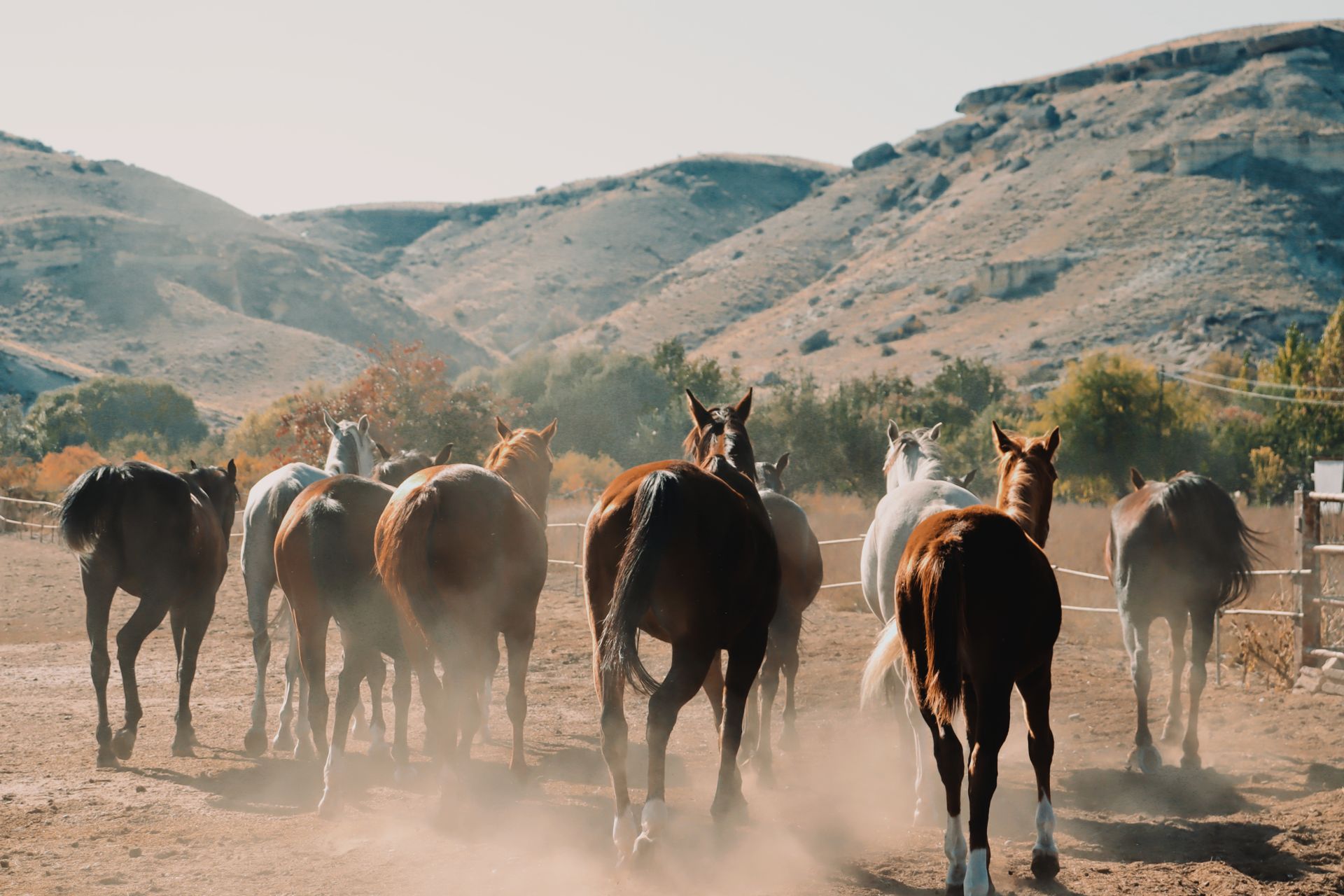
As a horse owner, you want to ensure your equine friend is happy and healthy. Regular veterinary check-ups are crucial for identifying any potential health issues early on, just like the annual vaccinations recommended for horses to protect against diseases like tetanus and rabies.
Good nutrition is also vital for horse health. A balanced diet that includes high-quality hay, grains, and vitamins can help prevent digestive issues and keep your horse's coat looking its best.
Horses need regular exercise to stay healthy, whether it's a leisurely walk or a more intense workout. Aim for at least 30 minutes of exercise per day, and consider incorporating activities like swimming or agility training to keep your horse physically and mentally stimulated.
By prioritizing your horse's health and well-being, you can help prevent common issues like laminitis and colic, which can be painful and even life-threatening if left unchecked.
For another approach, see: Prevent Enteroliths
Recognizing Health Issues
Regular check-ups are crucial for your horse's health. Check your horse daily for signs of illness, especially during feeding and grooming.
Some common signs of illness include not eating, diarrhea, dry manure, or decreased quantity of manure. Coughing or sneezing can also be a sign of a health issue.
If you notice any of these signs for more than a day or two, it's a good idea to schedule a veterinary examination. Keep an eye out for discharge from the eyes or nose, loss of hair, or itchy skin, as these can also indicate a health problem.
Some specific signs to watch out for include limping or not wanting to move. If you notice any of these signs, it's essential to act quickly to ensure your horse receives the care they need.
Is My Pet Sick?
As a pet owner, it's essential to recognize the signs of illness in your furry friend. Not eating is a common sign of illness in pets.
If your pet is not eating, it could be a sign of a serious health issue. Discharge from the eyes or nose can also indicate a problem.
For more insights, see: Horse Eating Dirt
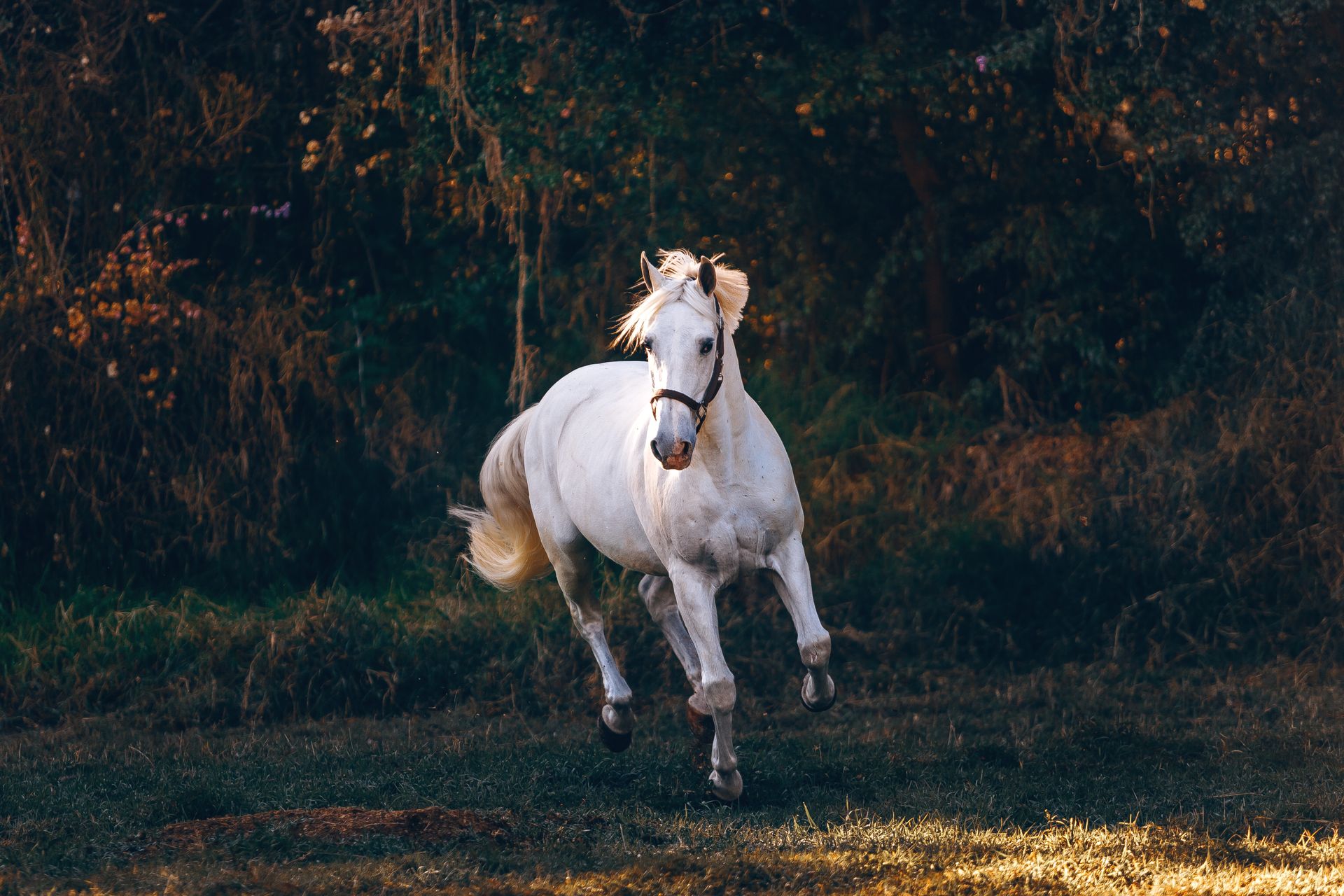
Coughing or sneezing can be a sign of respiratory issues, so if your pet is consistently coughing or sneezing, it's worth investigating further.
A decrease in appetite, diarrhea, dry manure, or a decrease in the quantity of manure can all be signs of illness in your pet.
Here are some common signs of illness in pets:
- Not eating
- Diarrhea, dry manure, or decreased quantity of manure
- Coughing or sneezing
- Discharge from the eyes or nose
- Loss of hair or itchy skin
- Limping or not wanting to move
If your pet shows any of these signs for more than a day or two, it's a good idea to schedule a veterinary examination.
Pulse Rate
A normal resting pulse for an adult horse is 28–44 beats per minute.
To check a horse's pulse, place your fingers on the facial artery under the jaw, or use a stethoscope on the left side of the chest behind the elbow.
An elevated pulse could indicate pain, stress, or illness.
Veterinary Care
Adult horses should visit the vet for a full checkup at least once a year, and those over 20 years old should see the vet twice a year or more often due to their increased susceptibility to illness. Your vet may recommend a health program that includes routine blood tests.
Horses need regular dental exams, with some requiring annual dental floating to prevent dental pain. Schedule yearly dental exams for your horse to catch any issues early.
Here are some essential veterinary care tips to keep your horse healthy:
- Vaccinate your horse annually to protect against diseases.
- Deworm your horse regularly to prevent parasite infestations.
- Keep your horse's living environment clean and free of disease-carrying organisms.
When to See a Veterinarian
As a horse owner, it's essential to know when to take your horse to the vet. Adult horses should visit the vet for a full checkup at least once a year.
Horses over 20 years old are more prone to illness and should see the vet twice a year or more often. Your vet might suggest a health program for your horse that includes routine blood tests.
If your horse is showing signs of illness or injury, don't hesitate to schedule a vet visit.
Here's a rough guide to help you determine when to see a vet:
Remember, it's always better to err on the side of caution when it comes to your horse's health. If you're unsure about your horse's health or have concerns, consult with your vet for advice.
Intriguing read: How to Cut a Horse's Mane?
Administering Medication
Administering medication to your horse requires some finesse, but with the right approach, it can be a breeze. Staying calm and following safety rules is key.
To mix powder with your horse's feed, simply add it to their regular meals. This is one of the easiest ways to get your horse to take their medication.
Tablets, on the other hand, can be a bit trickier. You can either soak them in water or crush them up and mix them with something tasty like applesauce or molasses. Then, you can either add the mixture to their feed or give it directly to them with a syringe.
Some medications come in paste form, which can be squirted into the horse's mouth at the corner of their lips using a syringe. This is another way to ensure your horse takes their medication without a fuss.
For more insights, see: How to Get a Horse's Attention?
Horse Health Topics
Checking your horse's skin and coat is a great way to get a sense of their overall health. Run your hands over their body to feel for lumps, bumps, or areas of sensitivity.
A dry, dull coat can be a sign of nutritional deficiencies or health problems. I've seen horses with poor coat condition, and it's usually a sign of something underlying.
Excessive shedding can also be a concern, as it may indicate a skin issue or a nutritional problem. Keep an eye out for any changes in your horse's shedding patterns.
Skin issues, such as lumps or bumps, can be a sign of a health problem. It's always a good idea to consult with a veterinarian if you notice anything unusual.
By regularly checking your horse's skin and coat, you can catch any potential issues early on and take steps to address them.
Breeding and Foaling
Breeding and foaling are exciting and crucial stages in a horse's life, and as a horse owner, it's essential to be prepared and knowledgeable about the process. Your mare needs to be in top condition for breeding, so make sure she's ready.
Is your mare ready to breed? Consider factors like her age, health, and reproductive history. You want to ensure she's physically and emotionally ready for the process.
Pregnancy exams are crucial during this time, and regular check-ups with your veterinarian will help monitor the mare's health and the developing foal. Proper nutrition and exercise are also vital to support the mare's health and the growing foal.
Planning to breed with cooled semen can be a convenient option, allowing you to access stallions nationwide and internationally. However, consider factors like the stallion's temperament, the mare's receptiveness, and the overall compatibility of the breeding pair.
Preparation for foaling is just as important as the breeding process. Keep an eye out for signs of impending foaling, such as the mare's behavior and physical changes. Knowing when to call for help is crucial in case of complications during foaling.
Worth a look: Horse Breed
Hoof and Joint Care
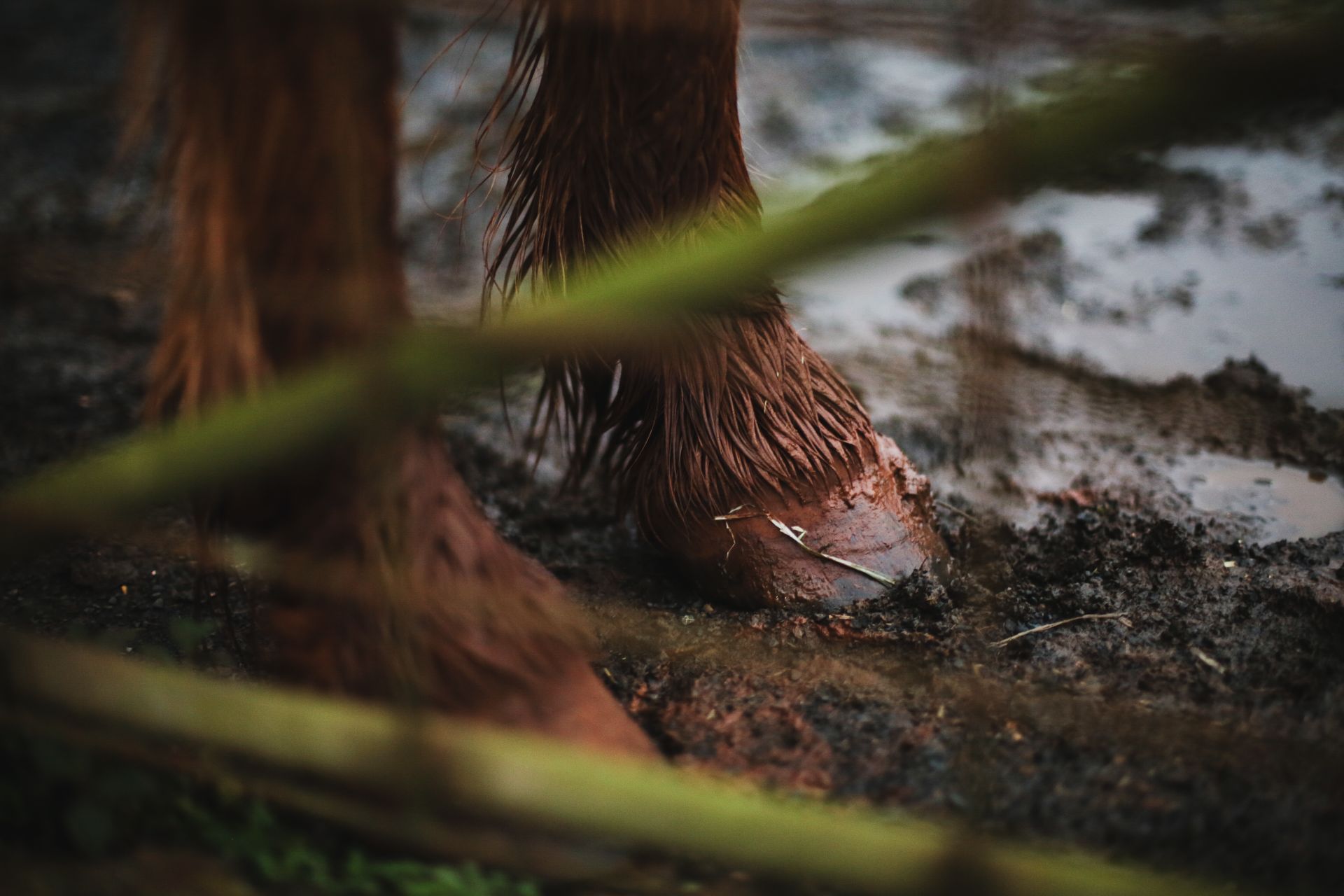
Taking care of your horse's hooves and joints is crucial for their overall health and well-being. Regular inspections can help prevent issues like cracks, bruises, and thrush. Look for any abnormalities, heat, or sensitivity in your horse's hooves daily.
Healthy hooves are essential for your horse's comfort and mobility. To keep your horse's hooves in top condition, schedule routine dental and physical exams with your veterinarian to detect problems early. This will also help you stay on top of vaccinations and deworming.
A good way to prevent hoof problems is to keep your horse's area clean and practice routine hoof care. This can help prevent abscesses, which are painful collections of pus and inflamed tissue that can cause sudden lameness.
Here are some signs of potential hoof issues to watch out for:
- Cracks
- Bruises
- Thrush
If you notice any of these signs, consult with your veterinarian for proper diagnosis and treatment.
Hoof Condition
Healthy hooves are crucial for your horse's overall well-being. A daily inspection can help prevent problems.
To check your horse's hooves, clean and inspect them daily. Look for any cracks, bruises, or signs of thrush. Cracks in the hooves can be a sign of a larger issue.
Any abnormalities, heat, or sensitivity in the hooves should be evaluated by a farrier or veterinarian. I've seen horses with sensitive hooves that needed extra attention.
Here are some common signs of a healthy hoof:
- Crack-free hooves
- No signs of thrush or other infections
- Hooves that feel cool to the touch
Joints and Legs
Joint infections in horses can be life-threatening and should be aggressively treated early for the best outcome.
Injecting the coffin joint with triamcinolone acetonide (TA) is a good way to deliver TA to the navicular bursa for horses with navicular syndrome.
About 46 percent of Arabians in Minnesota have a gap in the back of their knee joint, which makes them more prone to arthritis after a knee injury.
Crippling arthritis in Arabian horses requires more aggressive treatment for knee injuries.
Joint supplements aim to provide building blocks for cartilage and synovial fluid, reduce inflammation and cartilage break down, and should be consulted with your veterinarian.
Bowed tendon refers to tendon swelling that appears as a bow in the leg, often caused by chronic stress or an injury.
Splints are inflamed or fractured splint bones from long-term stress or injury, while bucked shins refers to tiny stress fractures in the front of the cannon bones.
A fresh viewpoint: Horses Knee
To reduce the risk of reinjury when returning to turnout after stall rest, limit your horse's activity and make sure they're not overexerting themselves.
Here are some common joint and leg problems in horses and their potential outcomes:
Certificates and Inspections
A health certificate for your horse is a crucial document that ensures your horse is healthy enough to travel. This certificate is written and signed by a USDA-accredited veterinarian.
To get a health certificate, your veterinarian will perform a physical examination, focusing on your horse's gums and teeth, temperature, mental status, heart, and lungs. These tests may be performed on the same day, but the certificate of veterinary inspection cannot be written until the Coggins test comes back negative.
Your veterinarian will generally sign the health certificate within 10 days of the physical exam, although there can be exceptions depending on their accreditation status and state legislation. If your horse shows any symptoms of being ill, your veterinarian may recommend a further workup or will not verify your horse is fit to travel.
To help expedite the process, it's helpful to have all your travel information gathered for your veterinarian before the appointment. This includes owner information, address of origin, address and phone number for the final destination, negative Coggins test information, date of travel, and hauler information if applicable.
Some states may require a negative test for piroplasmosis, a blood-borne disease caused by parasites, or have other requirements to allow horses into a specific state. If your horse's health certificate requires a brand inspection, make sure your horse's brand is clearly visible.
A Certificate of Veterinary Inspection (CVI) is a legal document stating that your horse has been examined by a veterinarian within the last 30 days and has no obvious signs of clinical disease. This certificate includes information such as the current status of the horse's residence, inspection date and veterinarian signature, accreditation of the veterinarian performing the exam, description of the horse's physical appearance, and results of the exam.
Here are the specific requirements for a horse health certificate:
- Owner information
- Address of origin, if not owner’s property
- Address and phone number for final destination
- Negative Coggins test information
- Date of travel, if known
- Hauler information (including name, phone number, and address)
- Method of travel, such as truck or trailer
If you're planning on traveling far and have to stop overnight, you may need an additional stop added to the health certificate based on the state.
Health Checks
Regular health checks are essential for maintaining your horse's overall well-being. A well-cared-for horse can live into its mid-20s, but neglecting their health can lead to early decline.
A dental check is a crucial aspect of horse health, as poor dental health can cause colic, weight loss, and behavioral issues. Regular dental checks can help prevent these problems.
Horses should have their hooves trimmed every 4-6 weeks to prevent laminitis and other hoof-related issues. Proper hoof care is essential for maintaining your horse's mobility and comfort.
Temperature Check
A horse's normal temperature ranges from 99°F to 101°F (37.2°C to 38.3°C).
You can check a horse's temperature by using a digital thermometer rectally. Lubricate it and insert gently at a slight angle.
Any temperature above 101°F may indicate illness. If you notice an elevated temperature, contact your veterinarian right away.
Respiration Rate
A horse's normal respiration rate at rest is 8-16 breaths per minute. You can check this by watching your horse's ribcage or nostrils for one minute, counting each breath.
Rapid breathing might indicate pain, fever, or respiratory issues.
Body Condition Score
Assessing your horse's body condition is a crucial part of their overall health and nutrition status.
Use the Henneke Body Condition Scoring System to rate your horse on a scale of 1 (emaciated) to 9 (obese).
Aim for a score between 4 and 6 for most horses, as this indicates optimal health and nutrition.
Significant changes in your horse's body condition warrant a veterinary check-up.
Diseases and Information
To keep your horse healthy, it's essential to know the common diseases they can contract. Equine herpesvirus 1 is a contagious virus that can cause neurological disease, respiratory disease, newborn death, and abortion in horses.
Practicing biosecurity, such as isolating new horses and regularly cleaning equipment, can help limit the spread of these diseases. Vaccination is also crucial in preventing the spread of equine herpesvirus 1.
Here are some common equine diseases to look out for:
- Strangles: a highly contagious infection that causes fever, nasal discharge, and abscesses near swollen lymph nodes.
- Purpura hemorrhagica: a condition where blood vessels swell due to an improper immune response, often related to prior bouts of strangles.
- Salmonella: a common disease that causes fever, diarrhea, and lethargy in horses, and can be transmitted between animals and humans.
- Equine protozoal myeloencephalitis (EPM): a neurologic disease that horses get from eating infected opossum feces, causing incoordination, muscle atrophy, and loss of feeling around the body.
Diseases
Diseases can be a real challenge for horse owners, but being aware of the common conditions and taking preventative measures can make a big difference. Equine herpesvirus 1 is a contagious virus that can cause neurological disease, respiratory disease, newborn death, and abortion in horses.
Practicing biosecurity and vaccination can help limit the spread of these diseases. EPM, or equine protozoal myeloencephalitis, is a neurologic disease that horses get from eating infected opossum feces.
Signs of illness include incoordination, muscle atrophy, and loss of feeling around the body. Pneumonia in adult horses is generally not contagious to other horses, but signs of pneumonia include nasal discharge, fever, and depression.
Practicing biosecurity, vaccinating against respiratory infections, and managing chronic illnesses can help prevent pneumonia in your horse. Purpura hemorrhagica, or PH, is when blood vessels swell due to an improper immune response, usually related to prior bouts of strangles.
Unlike strangles, PH can’t spread to other horses. Salmonella in horses can move between animals and humans, and common signs include fever, diarrhea, and lethargy.
Strangles is a highly contagious infection that causes fever, nasal discharge, and abscesses near swollen lymph nodes. Horses that struggle to breathe may need antibiotics or hospital care.
Here's a quick rundown of some common diseases and their symptoms:
By being aware of these common diseases and taking preventative measures, you can help keep your horse healthy and happy.
Genetic Conditions
Genetic conditions can be a challenge for horse owners to navigate. HERDA is a genetic disease that affects horses, causing stretchy skin, severe skin wounds, and scarring along the back and withers.
Breeders should be aware that HYPP is a genetic disease that can cause mild to severe episodes of muscle spasms and trembling. This means that any HYPP horses should be refrained from breeding.
JEB is a fatal genetic skin disease in horses, causing fragile skin that results in severe lesions and proneness to infection. This is a serious condition that requires careful management.
Here are some genetic conditions to be aware of:
- HERDA: Hereditary equine regional dermal asthenia
- HYPP: Hyperkalemic periodic paralysis
- JEB: Junctional epidermolysis bullosa
- OLWS: Overo lethal white syndrome
- PSSM: Polysaccharide storage myopathy
It's essential to research and understand the genetic conditions that can affect your horse, as some can be fatal or cause significant suffering.
Information
Horses need a healthy, balanced diet to stay healthy, just like us. This means understanding their basic feeding requirements.
Maintaining your horse at a healthy weight is a balancing act between diet, exercise, health care, and management. It's a real challenge.
Horses thrive off a regular and consistent routine, so any changes to their routine need to be made gradually to ensure their health isn't compromised.
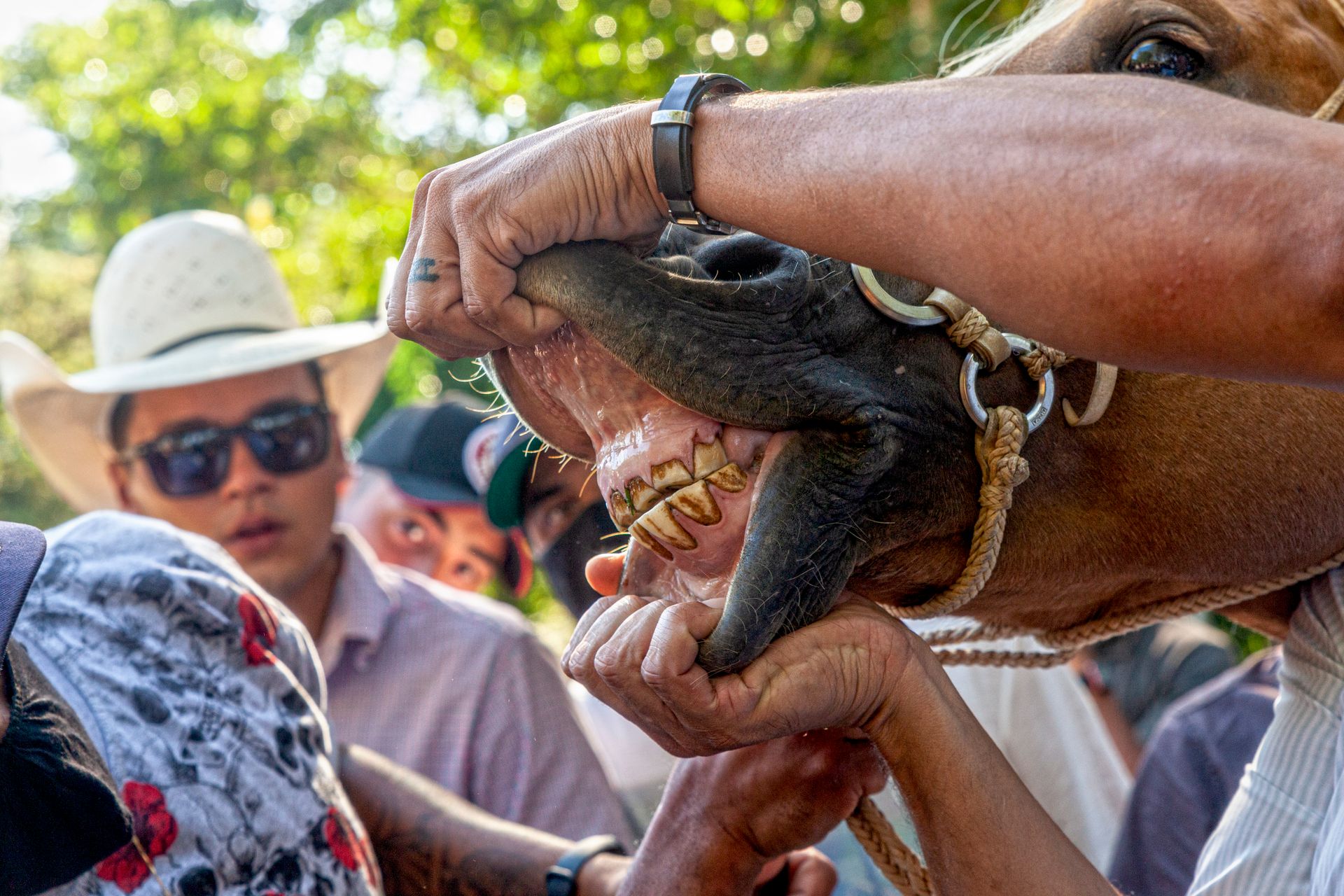
Undiagnosed dental problems can seriously deteriorate a horse's health, so regular dental checks are crucial.
Horses have evolved as slow grazing feeders, and their digestive system can't cope with large amounts of food passing through it at once. This means feeding them in moderation is essential.
Additional reading: Why Was the Horse so Happy?
Featured Images: pexels.com