Pack hunting animals are found in various parts of the world, both on land and in the ocean. These animals have evolved to work together to hunt and survive.
In the ocean, orcas are known to hunt in groups, using complex communication and coordination to catch their prey. They have been observed working together to herd and kill fish, as well as other marine mammals.
On land, African wild dogs are a prime example of pack hunting animals, with their highly social and coordinated behavior allowing them to take down prey much larger than themselves.
See what others are reading: Doberman Prey Drive
Pack Hunting Animals
Pack hunting animals are incredibly skilled and coordinated.
Orcas, or killer whales, are at the top of the oceanic food chain, utilizing strategies like wave-washing to unbalance seals on ice floes.
These animals demonstrate incredible coordination and communication skills, making them formidable predators.
The World's Greatest
Giant otters are truly the world's greatest pack hunters, capable of taking down fish and small aquatic animals with remarkable precision and teamwork.
Their ability to work together in family groups is a testament to the effectiveness of cooperative hunting in different aquatic environments.
In fact, giant otters are so efficient that they've become known for their coordination, making them a force to be reckoned with in the water.
Predator and Prey
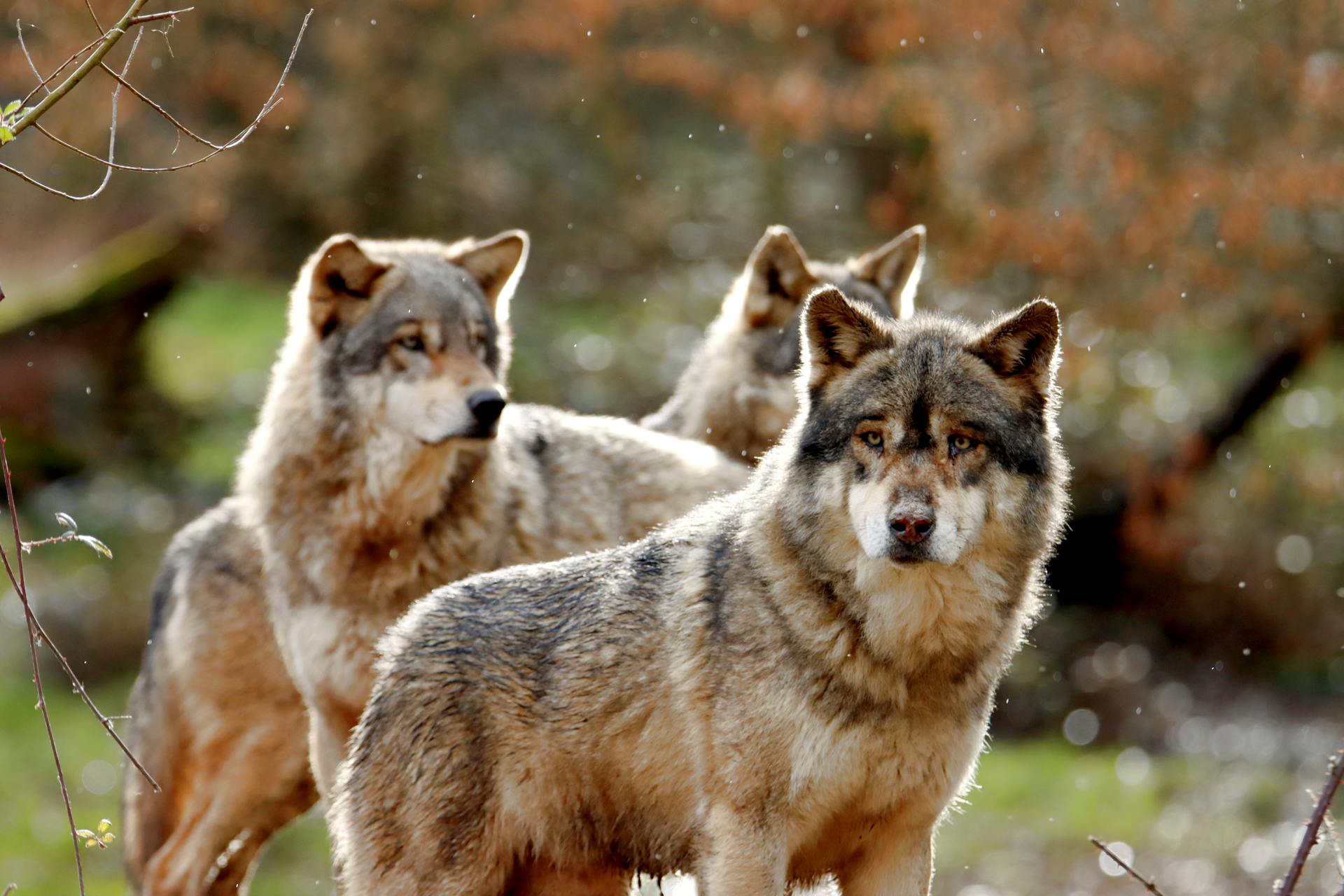
Wolves are opportunistic hunters that test their prey for weaknesses or vulnerabilities through visual cues, hearing, and scent.
They're not ambush predators, but rather endurance predators that chase their prey over longer distances, sometimes up to a few miles, to find the right opportunity.
Individual wolves have been known to subdue large prey animals, but their advantage lies in collaborating with their pack.
Wolves will eat small prey like hares, but their preferred targets are ungulates, large hoofed animals like deer and elk.
Packs often specialize in hunting specific prey species, such as elk, caribou, or deer, and will even target bison, muskoxen, or dall sheep.
It's not uncommon for wolves to get injured or killed during the hunt, often due to being kicked by a hoof or gored by an antler.
Wolves tend to select prey that's weaker or more vulnerable, such as injured, sick, or old animals, which helps to limit the spread of diseases within the herd.
Intriguing read: Do American Bulldogs Have a High Prey Drive
Examples of Pack Hunters
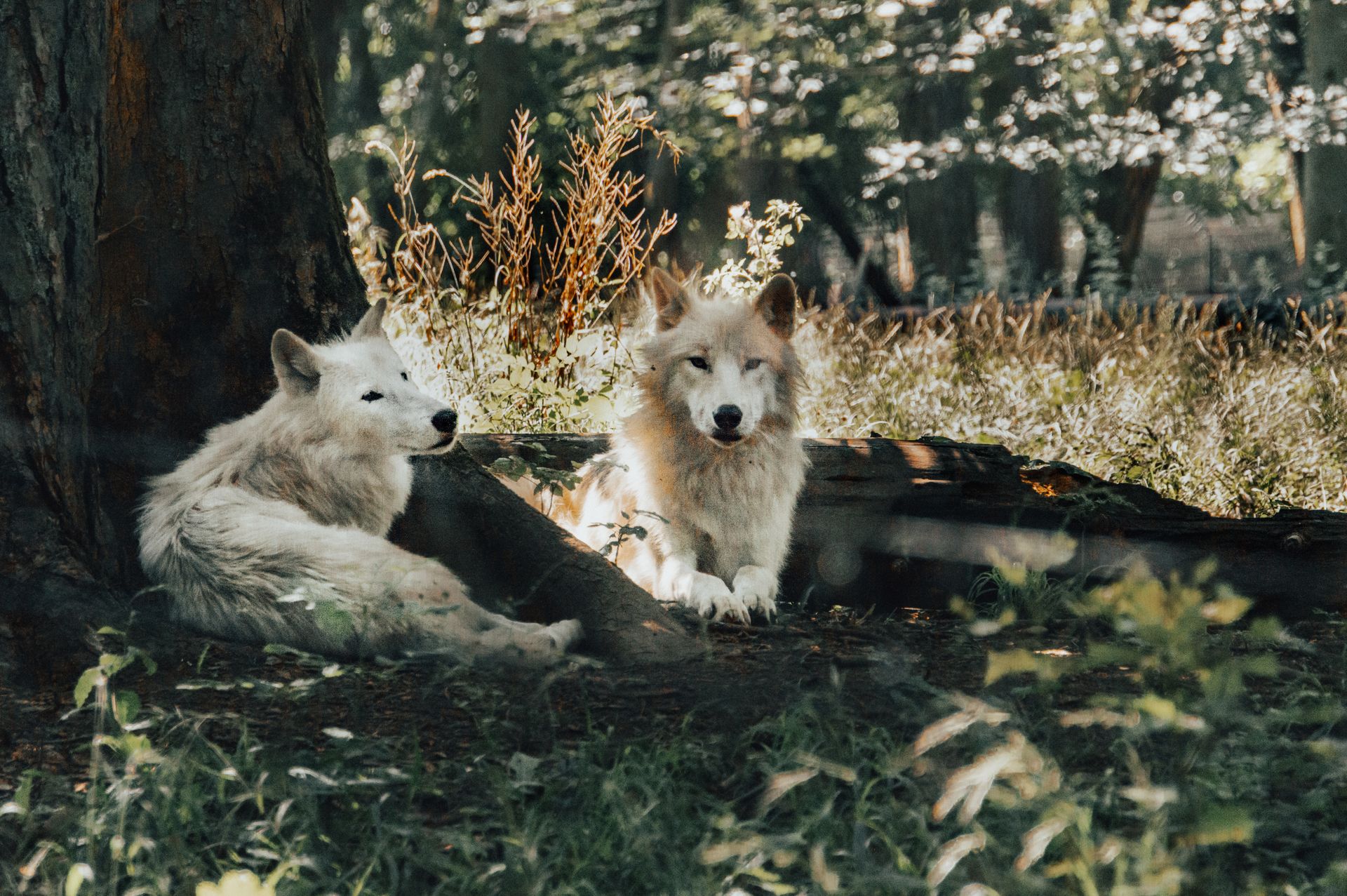
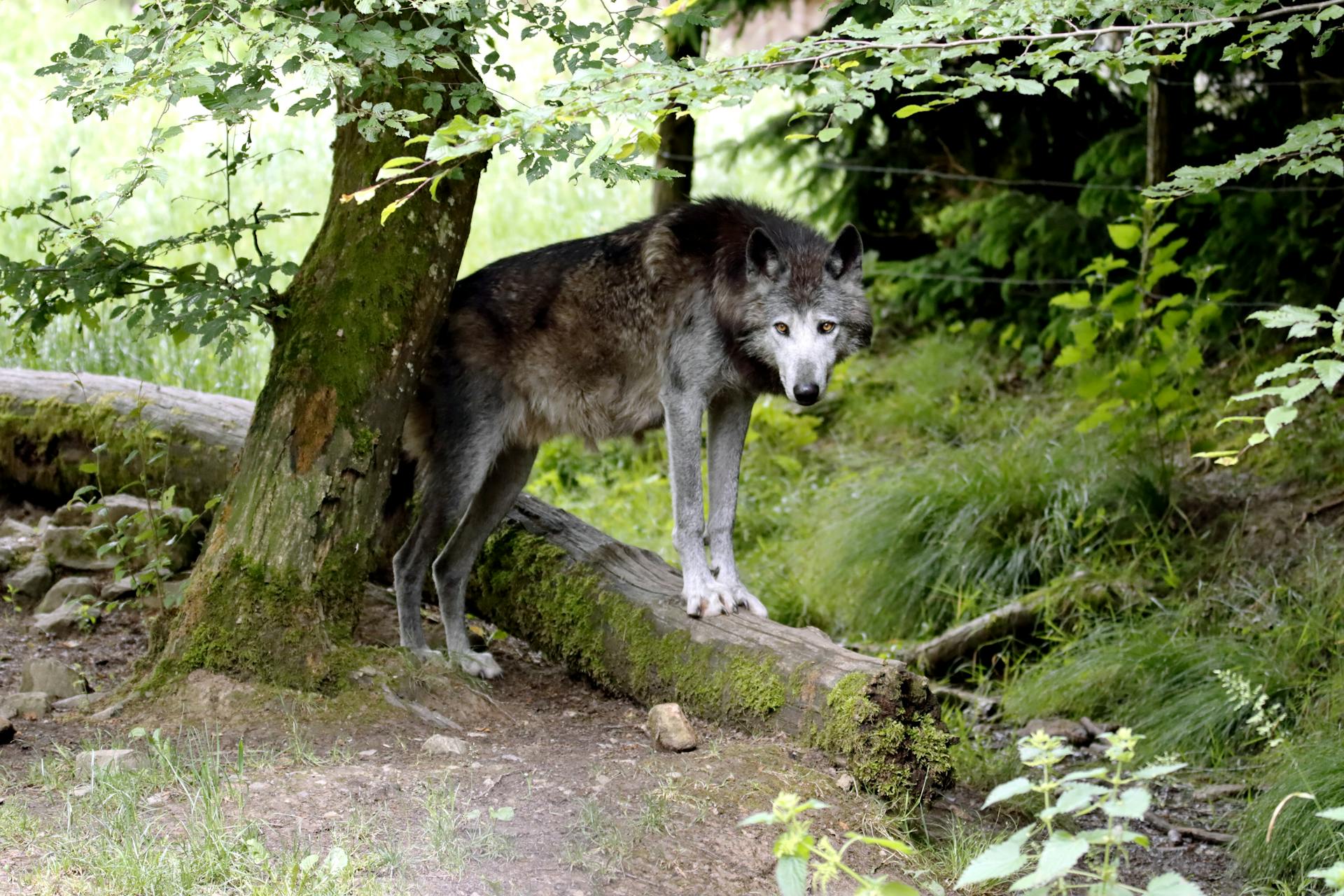
Pack hunting is a fascinating behavior that can be observed in many different species. Wolves are one of the most well-known pack hunters, with their highly social and cooperative nature allowing them to take down prey much larger than themselves.
Lions are another example of pack hunters, and they're known for their powerful roars that can be heard from miles away. They use these roars to communicate with each other and coordinate their attacks on unsuspecting prey.
Cheetahs are also skilled pack hunters, and they use their incredible speed to chase down their prey. In fact, cheetahs can reach speeds of up to 70 miles per hour, making them some of the fastest land animals on Earth.
Leopards are also solitary hunters, but they've been known to hunt in pairs when they're targeting larger prey. This is because they're able to use their agility and stealth to get the drop on their prey, and then work together to take it down.
Pack hunting is a highly effective way for predators to catch their prey, and it's a behavior that's been observed in many different species.
Other Marine Pack Hunters
Giant otters are efficient pack hunters, working in family groups to hunt fish and small aquatic animals with remarkable precision and teamwork.
Their coordination is a testament to the effectiveness of cooperative hunting in different aquatic environments.
Dolphins team up with human fishermen in some cultures, enhancing the efficiency and success of their hunts.
This collaboration showcases their adaptability and problem-solving skills.
Humboldt squid congregate in large groups, using their keen sensory organs to locate prey and communicate using rapid changes in skin coloration.
Their swarm-hunting behavior is a remarkable display of coordination and precision.
Weddell seals share knowledge about ice hole locations, enabling them to efficiently hunt fish beneath the ice.
Their teamwork is crucial for survival in the icy waters of Antarctica.
Sea lions are proficient pack hunters, often working together to herd fish into tight bait balls.
Their agile movements in the water and ability to communicate effectively make them successful predators.
Barracudas surround their prey in schools, launching simultaneous attacks to increase their hunting success.
This behavior showcases their impressive adaptability as marine hunters.
Terrestrial Pack Hunters
Terrestrial Pack Hunters are a force to be reckoned with. They're highly social animals that work together to take down their prey.
One of the most well-known terrestrial pack hunters is the African wild dog. These dogs can reach speeds of up to 60 km/h when chasing their prey.
Their social structure is incredibly complex, with multiple females and their pups forming the core of the pack.
Each pack member has a unique role and contributes to the hunt in their own way, making them a formidable team.
The African wild dog's hunting strategy involves chasing their prey over long distances, often up to 15 km, before making the final kill.
Their incredible speed and agility make them well-suited to this type of hunting, and they're extremely successful at taking down their prey.
The spotted hyena is another example of a terrestrial pack hunter. They're known for their powerful jaws and strong social bonds.
Take a look at this: Wild Animals Wales
In the wild, spotted hyenas have been observed working together to take down prey much larger than themselves, such as giraffes and wildebeests.
Their hunting strategy often involves ambushing their prey, using their speed and agility to catch their quarry off guard.
By working together and using their unique skills, terrestrial pack hunters are able to thrive in their environments and take down prey that would be impossible for a single animal to tackle.
Conclusion and Highlights
Pack hunting animals are incredibly intelligent and resourceful, as we've seen in the marine world where animals like dolphins and orcas work together to catch their prey. These collaborative efforts are truly remarkable, showcasing the complexity and adaptability of marine life.
In fact, a species of snake, the Cuban boa, has been observed hunting in groups, a first for reptiles. They position themselves in a way that maximizes their chances of catching prey, often blocking the flight path of their targets.
By working together, these snakes are able to increase their hunting efficiency, making them more successful in the wild. This clever strategy is a testament to the cleverness and resourcefulness of these animals.
Conclusion
As we've seen throughout this article, the marine world is filled with fascinating examples of pack hunting, demonstrating the complexity and intelligence of marine animals as they navigate their diverse habitats.
These collaborative efforts showcase the importance of cooperation and communication in the marine ecosystem, allowing animals to ensure their survival and thrive in their environments.
From orcas working together to catch prey, to dolphins using coordinated strategies to hunt fish, we've witnessed the remarkable adaptability of marine animals in the face of diverse habitats and prey sources.
The marine world is full of incredible sights, and pack hunting is just one of the many wonders that make it so fascinating.
Story Highlights
The Cuban boa is a species of snake that has been observed hunting in groups, a behavior known as "coordinated hunting". This is a first in the reptile world, where individuals take into account the location of others to maximize their hunting successes.
The snakes position themselves across a cave mouth at dawn and dusk, forming a "fence" that blocks the flight path of their prey, significantly increasing hunting efficiency.
A scientist from the University of Tennessee, Knoxville, observed this behavior in Cuba, where the snakes target fruit bats. The snakes were more likely to position themselves near other snakes, increasing the chances of a successful hunt.
The study's author, Vladimir Dinets, noted that snakes arriving at the hunting area would often position themselves near other snakes, forming a effective barrier to catch their prey.
Featured Images: pexels.com