Belgian Draft Horses are one of the largest horse breeds in the world, with stallions reaching heights of up to 19 hands.
They originated in the Flanders region of Belgium in the 16th century, where they were used for heavy labor and transportation.
Their impressive size and strength make them well-suited for tasks such as plowing fields and hauling heavy loads.
Belgian Draft Horses have a distinctive appearance, with a compact, muscular body and a feathered foot.
History and Origin
The Belgian Draft horse breed has a rich history that dates back to medieval times. These massive horses were originally bred to carry knights into battle and later became essential for farm work and hauling heavy loads.
The breed descended from Flemish horses, also known as "Great Horses", which were highly respected for their strength and bravery. They were used in various physical jobs that required pulling power.
Historical evidence suggests that the "Great Horse" dominated battlefields in the Middle Ages. This breed was later refined through selective breeding without crossbreeding with other horses.
Recommended read: Smartest Breed
The Belgian Draft breed was formally established in the 17th century, with the first studbook beginning in 1886. This marked the beginning of a systematic approach to breeding the horses.
Belgian breeders organized exhibits to showcase their stallions, including the Great National Show in Brussels. Inspection committees evaluated the stallions, leading to a rapid improvement and establishment of a fixed breed type.
The breed's popularity grew in the 19th century, with the first Belgian Drafts imported to North America arriving in the 19th century. The breed gained recognition as a powerful working horse, particularly well-suited for pulling heavy plows.
The Belgian government encouraged the development of the breed by organizing horse shows and providing prize money for the best specimens. This led to a significant improvement in the breed's quality and consistency.
Interest in the Belgian Draft horse grew in America, with breed enthusiasts founding the Belgian Draft Horse Corporation of America in 1887.
For more insights, see: Horse Breed
Breed Characteristics
The Belgian Draft horse is instantly recognizable due to its massive build and kind personality, developed over centuries of selective breeding.
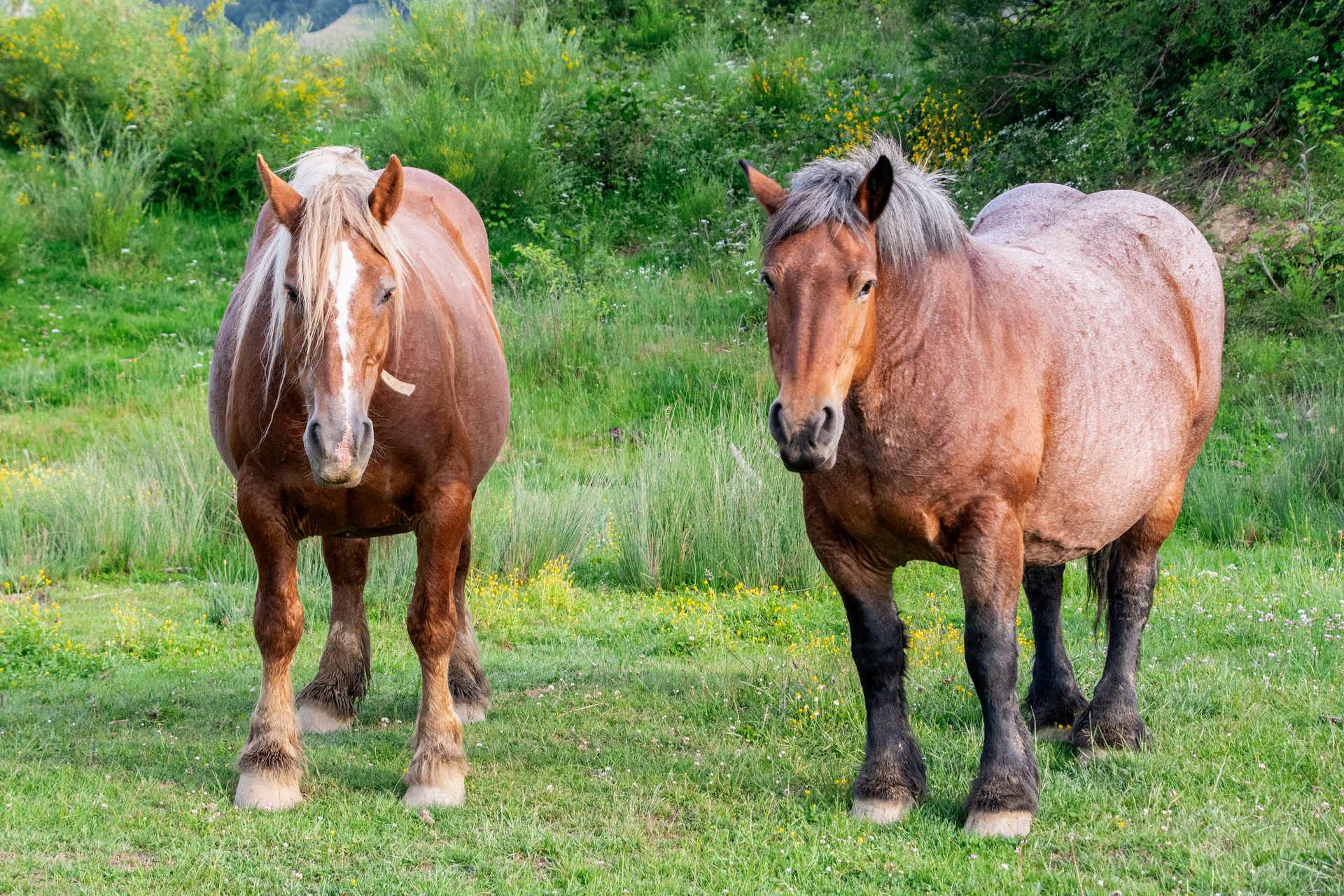
These horses are typically gentle giants, weighing between 1800 to 2400 pounds, with most standing between 16.2 and 17 hands high. They have compact bodies with short, wide backs, and powerful loins that connect to massive hindquarters, adding to their pulling power.
Their muscular shoulders and short, strong legs with limited feathering make them well-suited for heavy draft work. They also have relatively short necks and proportional heads, with tails sometimes docked but not necessary.
The ideal Belgian Draft horse has a red sorrel coat, a white mane and tail, a white-striped face, and white socks on each leg. The most popular Belgian color in America is sorrel, although other colors like bay, black, chestnut, and roan are also found in the breed.
Here are some common colors found in Belgian Draft horses:
Belgian Draft horses are known for their strong and resilient nature, making them ideal for heavy draft work. Their massive and muscular bodies, combined with their kind temperament, have earned them loyal fans around the world.
Colours and Coat
Belgian Draft horses are known for their striking coat colours.
The most common colours for Belgians are sorrel and roan.
American breeders have traditionally favoured chestnut or sorrel coats, often with white face stripes and four white socks.
Grey coats are possible but rare in the breed.
The mane and tail of a Belgian Draft can often be flaxen, a brownish-gold colour that falls into the blond family.
Sorrel is a mixture of brown and red, resembling a bay or chestnut colour.
Explore further: Dominant White Horse
Temperament and Care
Belgian Draft horses are known for their good temperaments, making them relatively easy to handle, especially when compared to their impressive size.
They have a willing work ethic and are often praised for their bravery and loyalty. This makes them a popular choice for various tasks, from driving disciplines to recreational activities like pulling carriages and sleighs.
Their strength can be intimidating, but it's essential to remember that they require guidance, especially for beginner riders. This is because their physical power can be overwhelming if not handled properly.
Belgian Drafts need quality basic care, including regular veterinary check-ups, deworming, and dental exams. This is crucial to ensure their overall health and well-being.
Because of their size, they require larger stalls and turnouts to feel comfortable and safe. This is especially important for their physical and mental health.
Feathered areas on their lower limbs need extra attention when grooming, as these long hairs can collect debris and bacteria, increasing the risk of pastern dermatitis. Regular grooming is essential to prevent this issue.
Quality farrier care is also vital to help these horses support their weight on well-balanced feet. Unbalanced hooves can lead to injuries, so it's essential to prioritize proper hoof care.
Discover more: Horse Health
Feeding and Nutrition
Belgian Draft horses have specific feeding needs that vary depending on their age, sex, and level of physical activity.
Drafts drink more water than light horses, consuming up to 24 gallons daily, more when working or in hot weather.
Fresh water and plain loose salt should always be available to your horse.
Adding salt to your horse’s daily ration helps meet sodium requirements and encourages hydration.
Feeding adult Belgian horses requires around 1.5-2 pounds of hay per 100 pounds of body weight every day.
Belgian Draught horses, despite their massive body, do not need much more food than other breeds.
The average horse should be fed around 1.5 to 3% of their body weight.
The breed has a considerable amount of muscle mass that needs to be maintained.
Commercial concentrates and complete feeds are often high in sugar and starch, which are not suitable for Belgian Drafts with PSSM.
Fat supplements are a safer energy source for these horses if they need additional calories in their diet.
Research suggests PSSM horses can benefit from getting up to 20% of digestible dietary energy from fat sources.
Grains target a particular need an animal has, such as low fiber or low carbohydrates.
Popular grains include oats, barley, corn, wheat, and milo.
Health and Lifespan
Belgian Draft Horses are generally a hardy breed, but they can be prone to certain health issues due to their large size and genetic makeup. Chronic progressive lymphedema (CPL) is a chronic skin condition that can cause inflammation, painful skin lesions, and ulcerations in the lower legs.
Regular veterinary visits can help prevent and treat many health issues affecting the Belgian. This includes conditions like obesity, which can be managed with a veterinary-approved calorie plan and regular exercise.
Belgian Draft Horses typically have a shorter lifespan than smaller horses, with an average lifespan of 17 to 22 years. This is a relatively normal lifespan for a draft breed, but it's still important to take good care of your horse to ensure it lives a long and healthy life.
Here are some common health issues that can affect Belgian Draft Horses:
- Chronic progressive lymphedema (CPL)
- Junctional epidermolysis bullosa (JEB)
- Obesity
- Pastern dermatitis
Typical Lifespan
Draft horses typically have shorter lifespans than smaller horses and ponies. The average Belgian lifespan is 17 to 22 years.
With proper care and attention, many draft horses can live into their early twenties.
Do Horses Have Health Problems?
Horses, like any living creature, can be prone to various health issues. Chronic progressive lymphedema, or CPL, is a chronic skin condition that can develop in draft horses, causing inflammation, painful skin lesions, and ulcerations.
Regular veterinary visits are crucial in preventing and treating many health issues. A veterinarian can treat CPL with antibiotics and management techniques, but unfortunately, there's no cure.
Some breeds, like the Belgian, are more susceptible to certain health problems. Junctional epidermolysis bullosa, or JEB, is a genetic skin disorder that mainly affects Belgians and American Saddlebreds.
Obesity is another common issue that can affect horses, particularly those with slow metabolisms. Regular exercise and a veterinary-approved calorie plan can help prevent weight gain.
Pastern dermatitis is a skin infection that can occur when bacteria and fungi grow on a horse's leg feathers. Frequent grooming can reduce the risk of this condition.
Here are some common health issues that can affect horses:
- CPL (Chronic Progressive Lymphedema)
- JEB (Junctional Epidermolysis Bullosa)
- Obesity
- Pastern Dermatitis
Health Issues in Breeds
Draft breeds, like Belgian horses, are more likely to develop certain health issues than lighter breeds.
Junctional epidermolysis bullosa is a potential health problem that can affect draft horses.
Azoturia, a condition that affects the muscles, can also be a concern for draft breeds.
Shivers is another health issue that can affect draft horses, causing them to shiver and become lethargic.
Grease heel is a common problem in draft breeds, causing the heels of their hooves to become cracked and painful.
Size and Weight
Belgian draft horses are truly massive animals. They can weigh between 1,800 to 2,000 pounds, with some stallions reaching as much as 2,400 pounds.
Most Belgians are over 16 hands (64 inches) tall, with some exceeding 18 hands (72 inches). The tallest Belgian horse on record is Big Jake, who stands over 20 hands tall.
Belgian Draught stallions like Brooklyn Supreme can be incredibly heavy, weighing as much as 1451 kg (3,200 lb).
Modern Uses and Breeding
The Belgian Draft horse is a versatile breed with a wide range of uses. They're often used for recreational purposes, such as pleasure riding and carriage driving.
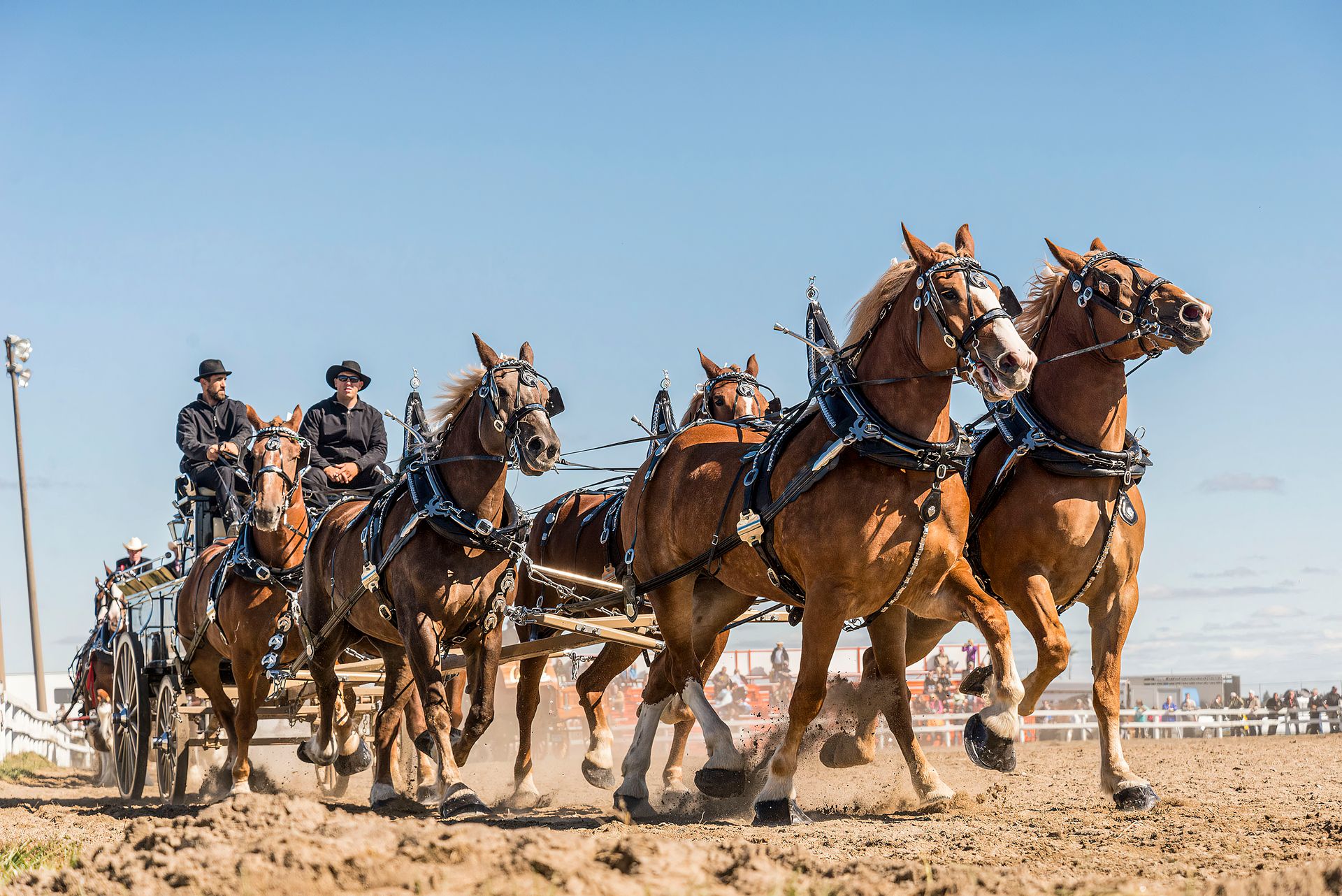
In fact, you can find Belgian Draft horses pulling sightseeing carriages in New York City's Central Park. They're also used in hitch competitions, horse shows, and even logging.
The breeding of Belgian Draft horses takes place mainly in Belgium, with some small private studs in other European countries. Historically, the breed was developed for farm work and hauling, and they're still used in agriculture today.
Here are some of the modern uses of Belgian Draft horses:
- Advertisements
- Agriculture
- Hitch competitions
- Horse shows
- Logging
- Pleasure riding
- Pulling competitions
- Sled pulling
Historic Use
Belgian stallions were exported worldwide to produce larger animals for industrial and farming use, and their stocky builds made them perfect for pulling heavy plows.
Their powerful physique and strength made them a popular choice for working horses. The breed gained recognition for its ability to perform heavy labor.
Belgian breeders organized exhibits to showcase their stallions, including the Great National Show in Brussels, which helped establish a fixed breed type.
The first Belgian Drafts imported to North America arrived in the 19th century, and they quickly gained popularity as a powerful working horse. American breeders used their existing stock to develop a distinct line of American Belgian Drafts after imports stopped during World War I.
The breed's popularity declined after the mechanization of agriculture, but it rebounded as Belgian Drafts gained popularity as recreational horses. Today, they're not just used for work, but also for pleasure and leisure activities.
Take a look at this: American Indian Horse
Modern Uses
The Belgian Draft Horse is a versatile breed with a wide range of uses. It's a popular choice for pulling sightseeing carriages in New York City's Central Park.
In addition to its use as a mode of transportation, the Belgian Draft Horse is also used in advertisements. You might have seen them in commercials or promotional materials.
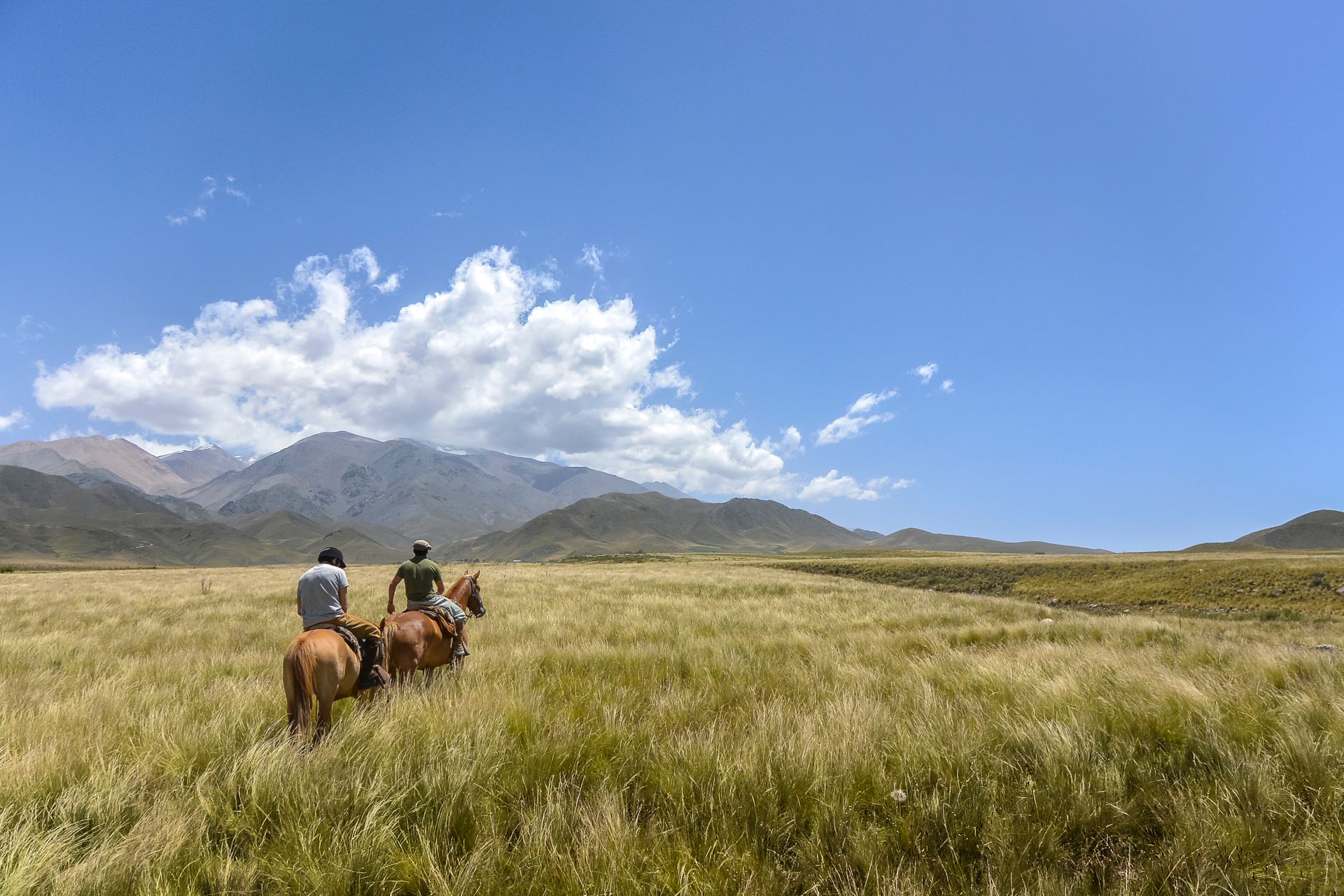
Agriculture is another common use of the Belgian Draft Horse. Their strength and endurance make them well-suited for heavy labor on farms.
Hitch competitions are a fun way to showcase the horse's strength and agility. These events are a great way to see the horse in action.
Horse shows are a great way to appreciate the beauty and athleticism of the Belgian Draft Horse. They're often used in draft horse classes.
Logging is a physically demanding task that requires a strong and reliable horse. The Belgian Draft Horse is well-suited for this type of work.
Pleasure riding is a great way to enjoy the company of a Belgian Draft Horse. They're gentle and even-tempered, making them a great choice for riders of all experience levels.
Here are some of the many uses of the Belgian Draft Horse:
- Advertisements
- Agriculture
- Hitch competitions
- Horse shows
- Logging
- Pleasure riding
- Pulling competitions
- Sled pulling
Breeding of
The breeding of Belgian Draught horses primarily takes place in their country of origin, Belgium, with some private studs in other European countries.
Belgium is the main hub for breeding these magnificent horses, with many breeders and enthusiasts working hard to preserve the breed.
Some private studs in other European countries do exist, but they are relatively small and not as prominent as those in Belgium.
The United States has played a significant role in developing Belgian Draft horses for breeding purposes, with organizations like the Belgian Draft Horse Corporation of America working tirelessly to promote the breed.
These organizations have helped make the Belgian Draft horse a popular choice for various activities, from agriculture to carriage driving.
You might like: Working Horses
How to Get
To get started with modern uses and breeding, you'll need to choose a suitable breed for your needs.
Many modern breeders are opting for hybrid orchids, which can thrive in a variety of conditions and produce vibrant blooms.
For a low-maintenance option, consider the Phalaenopsis, a popular choice for indoor spaces.
These plants are relatively easy to care for and can bloom for several months with proper care.
If you're looking for a more exotic look, consider the Dendrobium, which can grow quite tall and produce an abundance of flowers.
Just be sure to provide it with the right amount of light and water to keep it happy and healthy.
To get your orchid to bloom, make sure it's exposed to a period of cooler temperatures, typically around 50-60°F (10-15°C), to induce flowering.
Keep in mind that some orchids may require more specific temperature requirements, so be sure to research the specific needs of your plant.
More About Draft
The Belgian Draft horse is a versatile breed that has been used for various purposes, including agriculture and carriage driving. They are known for their muscular builds and gentle personalities.
In the early 20th century, the Belgian government sent an exhibit of Belgian Drafts to the St. Louis World’s Fair and International Livestock Exposition in 1904, generating significant interest in the breed. This event marked a turning point in the breed's popularity.
Worth a look: Largest Breed of Draft Horses
Belgian Drafts are typically gentle giants with massive builds, making them well-suited for heavy work such as pulling plows. Their stocky builds were particularly well-suited for this type of work.
After the mechanization of agriculture, demand for the breed fell, but the numbers rebounded as Belgian Drafts gained popularity as recreational horses. This shift in demand highlights the breed's adaptability.
The first Belgian Drafts imported to North America arrived in the 19th century, and American breeders used their existing stock to develop a distinct line of American Belgian Drafts. This development has contributed to the breed's popularity in the United States.
Take a look at this: Saddlebreds
Price and Registry
The price for a Belgian Draught horse can vary significantly, starting at 15 thousand PLN (around 2900 pounds) and going up to 50 thousand PLN (around 9900 pounds).
The price depends on several factors, including the horse's age, sex, and training level.
Pedigree also plays a big role in determining the price of a Belgian Draught horse.
Price
The price of a Belgian Draught horse can vary significantly, starting at 15 thousand PLN (around 2900 pounds) and going up to 50 thousand PLN (around 9900 pounds).
The price is influenced by several factors, including the horse's age, sex, and training level.
A horse's pedigree also plays a big role in determining its price, just like in other breeds.
The price range is quite substantial, spanning from 2900 to 9900 pounds, depending on the individual horse's characteristics.
Breed Registry
The American Belgian Draft Horse breed has a rich history, and its registry is a crucial part of that story. The Belgian Draft Horse Corporation of America (BDCHA) maintains the official breed registry for American Belgian Drafts.
The BDCHA was founded in 1887 by a group of breed enthusiasts as the American Association of Importers and Breeders of Belgian Draft Horses. They changed the organization's name to the Belgian Draft Horse Corporation of America in 1937.
This organization plays a vital role in promoting the preservation of the purebred Belgian Draft in North America.
On a similar theme: American Belgian Draft
Featured Images: pexels.com