The American Belgian Draft is a magnificent breed, known for its impressive size and gentle disposition. They can weigh between 1,800 and 2,000 pounds.
These horses are a testament to their strength and endurance, with some individuals able to pull loads of up to 20,000 pounds. Their muscular build and sturdy bone structure make them well-suited for heavy labor.
One of the most distinctive features of the American Belgian Draft is its distinctive feathering, which is the long hair on its legs. This characteristic is a result of their selective breeding for draft purposes.
Their intelligence and calm nature make them a favorite among farmers and horse enthusiasts alike.
History of the American Belgian Draft
The American Belgian Draft has a rich history that spans centuries. The breed was developed from heavy draft horses of Ardennais, Brabant, and Flemish stock imported from Belgium in the late 19th century.
In 1887, a breed association, the American Association of Importers and Breeders of Belgian Draft Horses, was founded in Wabash, Indiana. This marked the beginning of a formal effort to establish the breed.
Explore further: Largest Breed of Draft Horses
American Belgian Drafts were bred to be taller and lighter-bodied than their European counterparts, starting in the 1920s. This change in breeding strategy helped the breed adapt to changing agricultural needs.
The breed gained popularity as a working horse, particularly for pulling heavy plows. Their stocky builds and gentle nature made them valuable assets on farms.
Belgian breeders organized exhibits to showcase their stallions, including the Great National Show in Brussels. This led to a rapid improvement and establishment of a fixed breed type.
The first Belgian Drafts imported to North America arrived in the 19th century. They were later used to develop a distinct line of American Belgian Drafts.
Here are some key dates in the history of the American Belgian Draft:
- 1887: The American Association of Importers and Breeders of Belgian Draft Horses was founded.
- 1920s: American Belgian Drafts were bred to be taller and lighter-bodied.
- 19th century: The first Belgian Drafts were imported to North America.
- 1904: The Belgian government sent an exhibit of Belgian Drafts to the St. Louis World’s Fair and International Livestock Exposition.
Despite a decline in demand after the mechanization of agriculture, the breed rebounded in popularity as a recreational horse. Today, the American Belgian Draft is the most numerous breed of draft horse in the United States.
Characteristics and Breed
The American Belgian Draft is a large and impressive breed, with some individuals reaching incredible heights. A stallion named Brooklyn Supreme is among the largest horses on record, standing at an astonishing height.
These gentle giants typically stand between 16 to 18 hands high, with a weight range of 900 to 1,200 kg. Their broad chest, short back, and powerful hindquarters make them well-suited for heavy tasks and pulling heavy loads.
You'll often see American Belgian Drafts with a chestnut coat, which is the most frequent color. They can also come in sorrel, roan, bay, and black, although black is a rare color.
One of the distinctive features of the American Belgian Draft is their relatively small head compared to their massive body. This, combined with their thick mane and tail, makes for a striking appearance.
Here are some of the most common coat colors found in American Belgian Drafts:
- Chestnut
- Sorrel
- Roan
- Bay
- Black (rare)
Their calm and gentle temperament makes them a popular choice for those looking for a docile draft horse. They are indeed kind giants, with a powerful and muscular build that's hard to ignore.
Temperament and Behavior
American Belgian Draft horses are often described as gentle and easygoing. They are known for their strength and size, which can be intimidating, but their calm nature makes them a joy to be around.
Their calm temperament makes them suitable for various tasks, from farm work to therapeutic riding programs. They rarely spook and tend to have a steady, reliable personality.
One of the standout characteristics of American Belgian Drafts is their intelligence. They are highly responsive to training and are eager to please, making them a pleasure to work with.
Here are some key traits of American Belgian Drafts:
- Patient disposition
- Willingness to work
- Friendly attitude towards humans and other animals
Their friendly nature makes them form strong bonds with their handlers. They are loyal and brave, making them a great companion for those who work with them.
Uses and Applications
American Belgian Draft horses are incredibly versatile animals, excelling in various tasks from farm work to recreational pursuits. Their strength and calm temperament make them valuable in both traditional settings and modern activities.
They are well-suited for heavy tasks and pulling heavy loads in agriculture and forestry, thanks to their powerful, muscular build and large size, comparable to the Percheron and Clydesdale breeds.
Some common uses for American Belgian Draft horses include:
- Plowing fields
- Pulling heavy loads
- Driving
- Pulling
- Riding
Uses and Applications
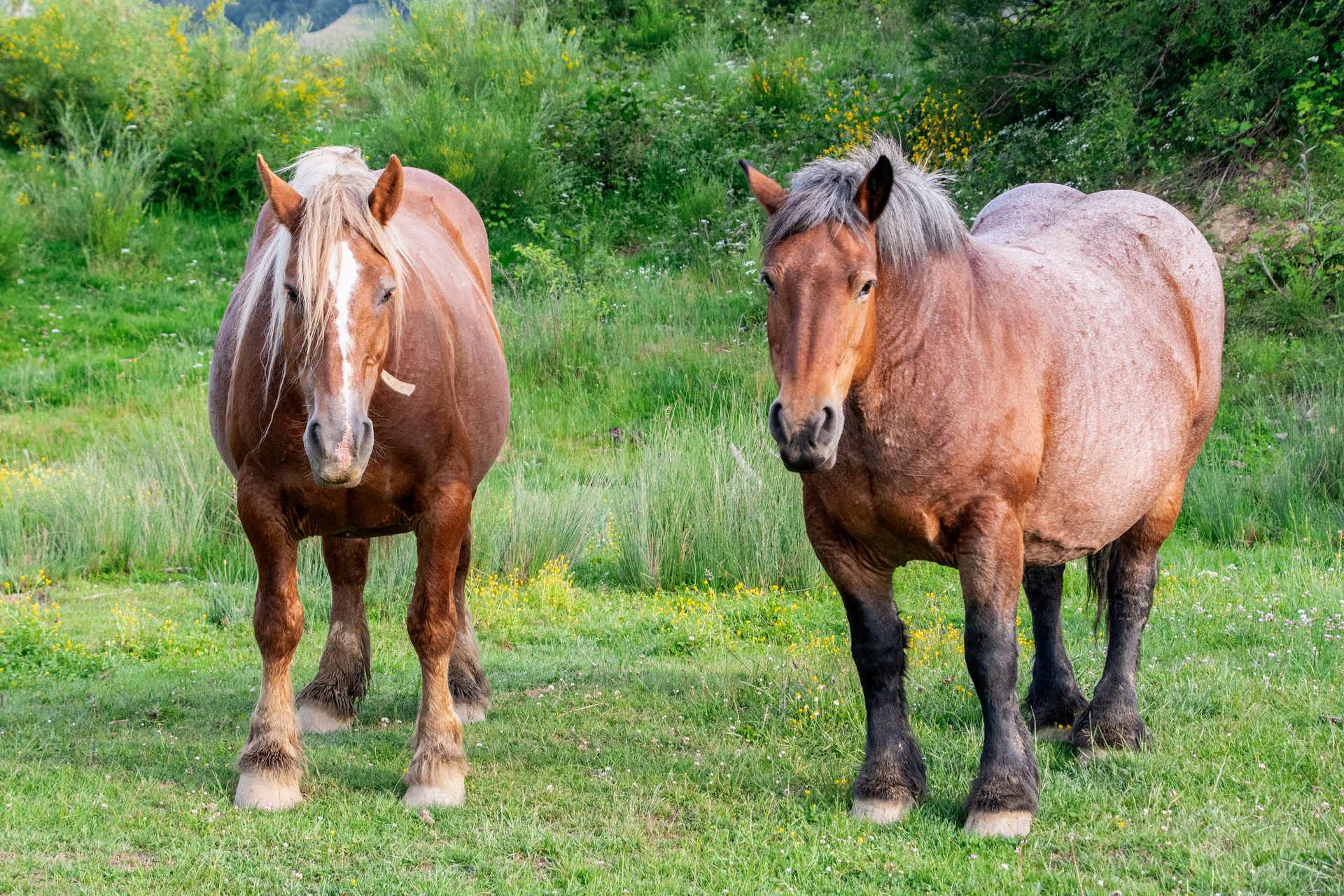
American Belgian Draft Horses are incredibly versatile animals, capable of excelling in a wide range of tasks. From farm work to recreational pursuits, their strength and calm temperament make them valuable in both traditional settings and modern activities.
One of the primary uses of American Belgian Draft Horses is in farm work, where their great strength and gentle nature make them valuable working animals. They're often used for plowing large fields and hauling heavy loads.
These horses are also popular in pulling competitions, where their power and strength are put to the test. In fact, they're commonly used in draft horse competitions, where their power and grace are on display.
American Belgian Draft Horses are also used in logging operations, where their strength allows them to navigate difficult terrains and transport heavy timber. This is due in part to their large size and powerful build.
Their calm and gentle nature also makes them popular for riding and driving, making them a great choice for those looking for a docile draft horse.
Here are some of the key uses and applications of American Belgian Draft Horses:
- Farm work
- Pulling competitions
- Logging operations
- Riding and driving
- Parades and shows
Overall, American Belgian Draft Horses are incredibly valuable animals, capable of excelling in a wide range of tasks and applications.
Horse Corporation
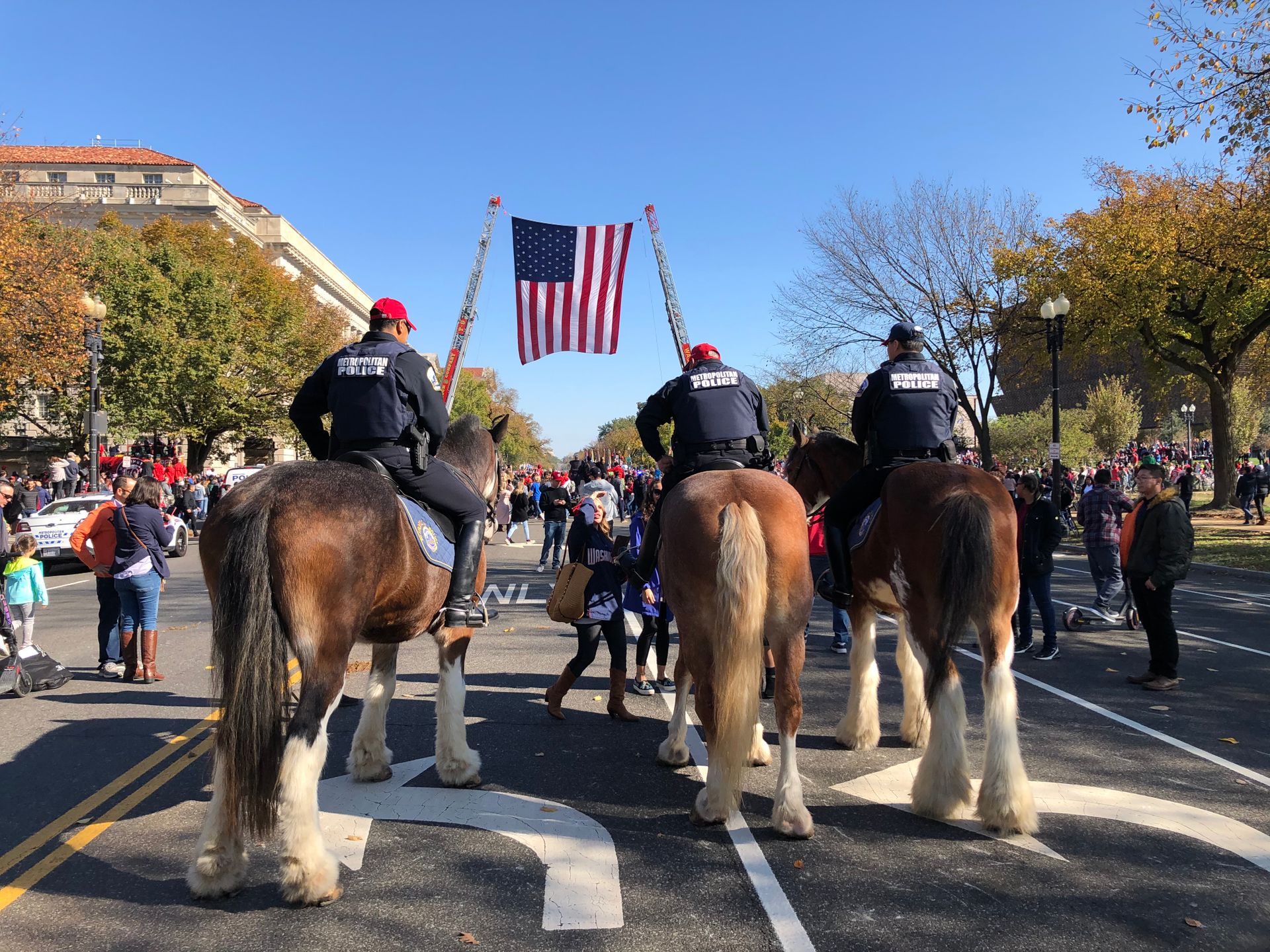
The American Belgian Draft Horse Corporation plays a vital role in maintaining the breed's strong build and calm nature.
This corporation oversees the standards and registration for American Belgian Draft Horses, ensuring that all registered horses meet specific criteria.
They provide detailed pedigrees and emphasize the importance of breed purity, which is crucial for preserving the breed's unique characteristics.
The corporation collaborates with breeders across North America, sharing valuable insights and promoting awareness of the breed's qualities among horse enthusiasts.
By hosting events like shows and competitions, they showcase the American Belgian's reliability as a working horse and its strong build.
Care and Maintenance
Regular grooming is a must for American Belgian Draft Horses to maintain their coat and skin health. Brushing their coats regularly helps remove dirt and sweat. Their thick manes and tails may need special attention to prevent tangling.
Periodic veterinary check-ups are necessary for preventative care shots and dental inspections. Regular hoof care, including trimming every 6-8 weeks, helps prevent lameness and other foot diseases.
Maintenance and Grooming
Regular grooming is a key part of maintaining the coat and skin health of these magnificent horses. Brushing them regularly to remove dirt and sweat is essential.
Their thick manes and tails may need special attention to prevent tangling. Trimming their hooves every 6-8 weeks helps prevent lameness and other foot diseases.
Regular veterinary check-ups are crucial for preventative care shots and dental inspections. This helps ensure their overall health and well-being.
Grooming sessions are a great opportunity to check for wounds or skin irritations, and address them promptly.
Lifespan and Health Issues in Horses
American Belgian Draft Horses can live up to 30 years, but their average lifespan is around 20 years.
Regular veterinary check-ups are essential to maintain their health and prevent conditions like chronic progressive lymphedema, which affects their legs.
This condition can be a serious issue for these horses, so it's crucial to stay on top of their health care.
A healthy diet and regular exercise can also help prevent other health issues, but it's always best to consult with a veterinarian to determine the best course of action for your horse.
Competitions and Events
American Belgian Draft horses are truly versatile, and their competitions and events showcase their strength, beauty, and adaptability. They participate in driving events, where they pull carriages or wagons, demonstrating their power and agility.
Driving events are a highlight of their competitions, with horses competing to pull the heaviest loads over short distances. These events are a thrilling way to see these magnificent horses in action.
Their size requires special saddles and considerable skill from riders, but they're also part of equestrian programs designed for riding experiences. Riding these draft horses in shows highlights their beauty and power.
Halter classes are a key part of the North American Belgian Championship, where horses are judged on their conformation and appearance. This is a great opportunity to see these horses up close and appreciate their unique qualities.
Preservation and Associations
The American Belgian Draft Horse has a rich history, and its preservation is crucial to its future. Breed associations like the American Belgian Draft Horse Corporation and The American Brabant Association play a vital role in maintaining the breed's standards and heritage.
These associations focus on pedigrees, breed standards, and conservation efforts, ensuring the breed's integrity and legacy are upheld. They work tirelessly to safeguard the breed's future.
Selective breeding is a key technique used by these associations to support healthy and pure bloodlines. This approach guarantees that American Belgian Draft Horses retain their valued traits like strength and agility.
Preservation programs also include partnerships with organizations like the American Association of Importers and Breeders of Belgian Draft Horses, further securing the breed's future. These initiatives are not just about maintaining numbers, but about ensuring future generations understand the breed's cultural significance and practical uses.
Educational programs are an essential part of preservation efforts, teaching new generations about the breed's importance and its valued traits. By learning from the past, we can ensure the American Belgian Draft Horse remains a beloved and respected breed for years to come.
Cost and Ownership
Owning an American Belgian Draft horse is a significant investment. It involves various expenses that potential owners must consider.
Feeding these horses is a major cost, with monthly expenses ranging from $150 to $400, depending on local feed prices. This cost can add up over time, so it's essential to factor it into your budget.
Basic veterinary care, including regular check-ups, vaccinations, and deworming, can run over $500 annually. This is a necessary expense to ensure the horse's health and well-being.
Farrier services for hoof care usually add another $200 to $400 yearly. Regular hoof care is crucial to prevent hoof problems and ensure the horse's comfort.
It's also important to consider the cost of equipment such as harnesses and wagons, which are crucial for their work in heavy draft activities. These expenses highlight the financial commitment required to maintain these majestic animals.
Worth a look: American Foxhound Cost
Frequently Asked Questions
Are Belgian Draft horses rare?
No, Belgian Draft horses are not rare, with a large population in the US. In fact, they are one of the most common draft breeds in America.
Is a Belgian draft horse bigger than a Clydesdale?
No, a Clydesdale is generally about 100 kg lighter than a Belgian draft horse. On average, a Belgian draft horse weighs between 950-1,050 kg, while a Clydesdale weighs between 700-1,000 kg.
Can Belgian Draft horses be ridden?
Yes, Belgian Draft horses can be ridden, and they are often used for traditional fishing and pleasure riding, especially for larger riders.
Featured Images: pexels.com