The Australian Fairy Wren is a small, yet vibrant bird species that calls Australia home.
There are nine distinct species of Fairy Wrens found in Australia, each with their unique characteristics and habitats.
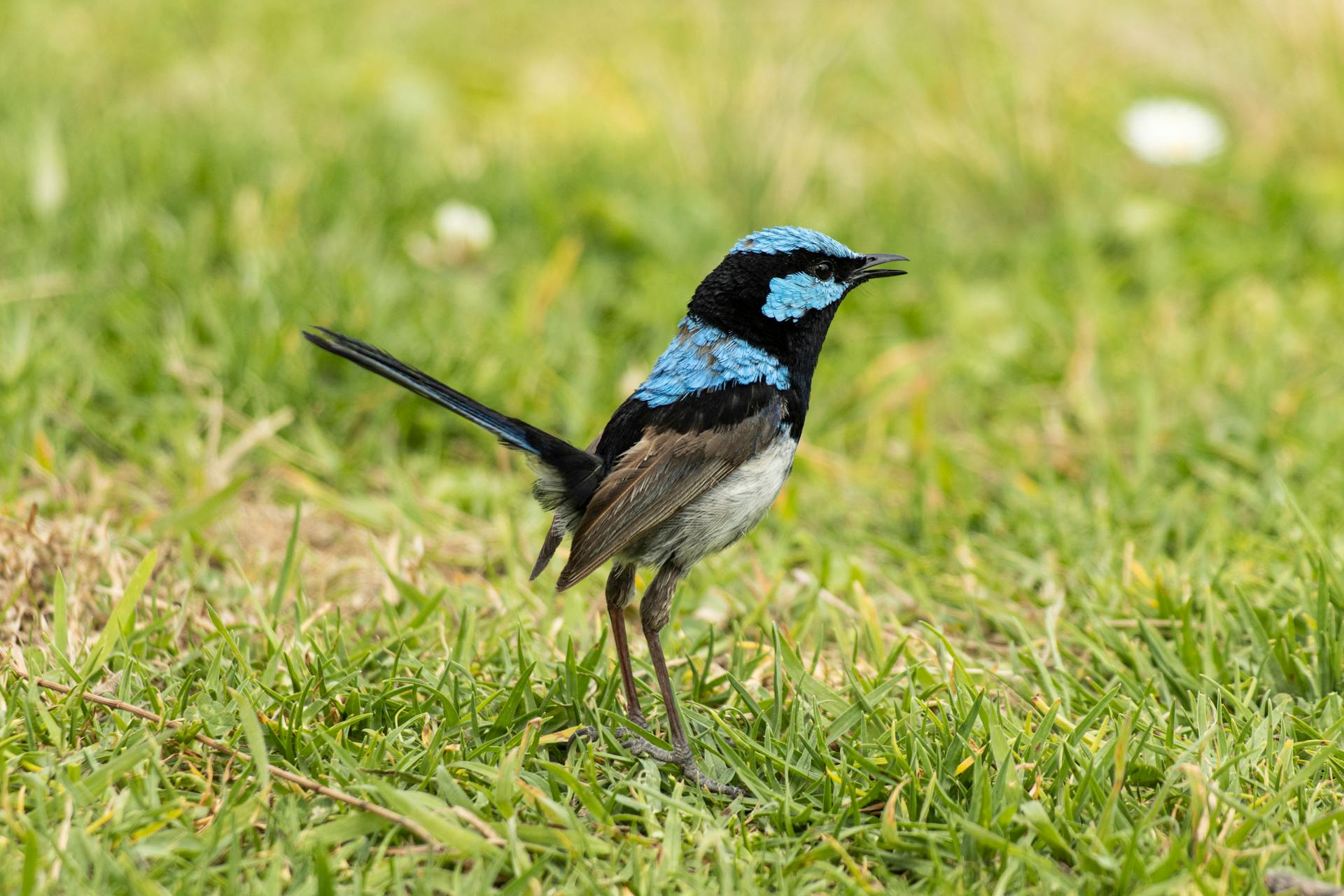
One of the most notable species is the Superb Fairy Wren, known for its bright blue and white plumage and bold behavior.
The Superb Fairy Wren is a common sight in eastern Australia, particularly in open woodlands and gardens.
These birds are social creatures, often living in small groups and engaging in complex interactions with each other.
Broaden your view: North Carolina Wren Bird
Subspecies and Variations
The Lovely Fairywren is unique in that all males retain bright plumage throughout the year, never moulting into a dull plumage.
This is in contrast to other fairywren species, where males may moult into dull plumage for a period of time. Some males may remain in dull plumage for up to four years before moulting into bright breeding plumage, as seen in the White-winged Fairywren.
The Variegated Fairywren, on the other hand, has a very similar appearance and behavior to the related Purple-backed Fairywren, but with some key differences in their plumage.
Amabilis
The lovely fairy-wren is a distinct species, and its subspecies is known as Malurus amabilis.
It's endemic to north-eastern Queensland and is recognized as the most arboreal species of fairy-wren, preferring shrubby areas on the outskirts of the rainforest.
The lovely fairy-wren is best distinguished from other chestnut-shouldered fairywrens by its bright blue and white females.
All males of the lovely fairy-wren retain bright plumage throughout the year and never moult into a dull plumage, making them unique among Australian fairywrens.
Young males, who have yet to adopt bright plumage, are indistinguishable from females.
Males and females of the lovely fairy-wren are often seen in territorial spats, chasing each other frantically and singing loudly in low canopies.
The lovely fairy-wren's bright male plumage features a blue crown, cheek, and upper back feathers, with cheeks more rounded than similar species.
The bright male's throat, breast, lores, nape, and lower back are black, while the belly is bright white.
Here's an interesting read: White Breasted Nuthatch Range
The wings are brown with rufous scapulars, and the blue tail is shorter with more prominent white tips than other chestnut-shouldered fairywrens.
The outer tail feather is edged with white.
In contrast, the female and juvenile plumage of the lovely fairy-wren features a bright blue-grey head, back, and tail, with brown-grey wings.
The breast, throat, and stomach are a pearly white, and the lores and eye-ring are white.
The bill is black.
On a similar theme: Brown Headed Cowbird Scientific Name
Variegated
The Variegated fairy-wren is a fascinating bird species.
They can be found across all Australian states and territories, except for Tasmania, and are quite shy, preferring the thickets of shrubs that provide more protection.
These birds are known to be less vocal than other fairy-wrens, adding to their shy demeanor.
The Variegated Fairywren has a unique appearance, with bright turquoise-blue crown, turquoise cheeks, and eye-ring.
Males rarely breed in intermediate plumage and nearly all helpers achieve bright plumage, which is a distinctive feature of this species.
Broaden your view: Asian Fairy Bluebird
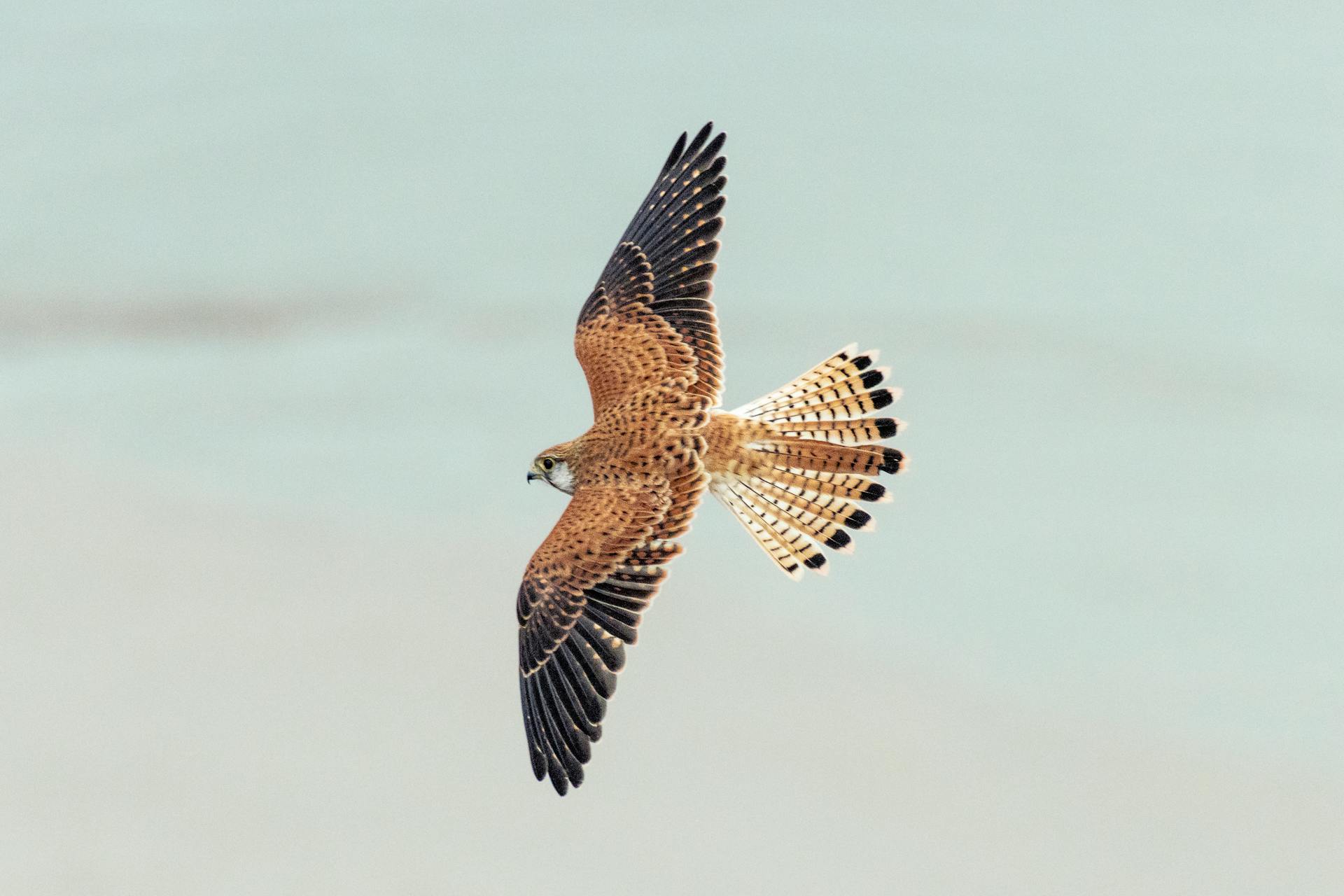
The female and juvenile plumage is grey-brown, with a creamy throat and tan belly, and a blue-grey tail.
In terms of their habitat, Variegated fairy-wrens are restricted to coastal southeastern Australia, east of the Great Dividing Range.
Variegated Fairywrens are very similar in both appearance and behavior to the related Purple-backed Fairywrens.
The bright male plumage of the Variegated Fairywren is characterized by a black bill, lores, breast, nape, and lower back, with dark blue/purple upper back and sides of breast.
White-winged
The White-winged Fairywren is a striking bird found throughout central and western Australia.
Its striking appearance is due in part to its unique plumage, which varies depending on the subspecies.
Males on the mainland have deep blue body feathers with a brilliant white wing patch.
In contrast, island males have deep black body feathers.
Males on the islands, such as Dirk Hartog Island and Barrow Island, have a distinct appearance that sets them apart from their mainland counterparts.
Suggestion: Inaccessible Island Rail
They remain in dull plumage for up to four years before moulting into bright breeding plumage.
This process can take over a year, with males typically developing bright white wing patches first, followed by spotty blue or grey plumage throughout the body.
Females, on the other hand, have a light brown back and head, with grey-brown wings and a creamy-white breast and belly.
Their tail has a blue tinge, and their bill and legs are light pink-brown.
Bright males in non-breeding plumage look similar to females, but with black bills.
Suggestion: White Breasted Nuthatch Size
Specific Species
The Splendid Fairy-wren is a striking bird, standing at 5.5 inches in length.
It's a carnivore, foraging on the ground for insects like ants, grasshoppers, and spiders, but also eating foliage up to canopy height.
The male Splendid Fairy-wren is a deep blue with turquoise cheek patches and crown, while the female is a drab olive color on top with blue tails and wings.
Splendid Fairy-wrens inhabit the drier acacia woodlands and scrublands in Australia, and are stronger fliers than other fairy-wrens.
They're promiscuous breeders, with females incubating eggs for about two weeks and fledging taking place in ten to thirteen days.
Superb
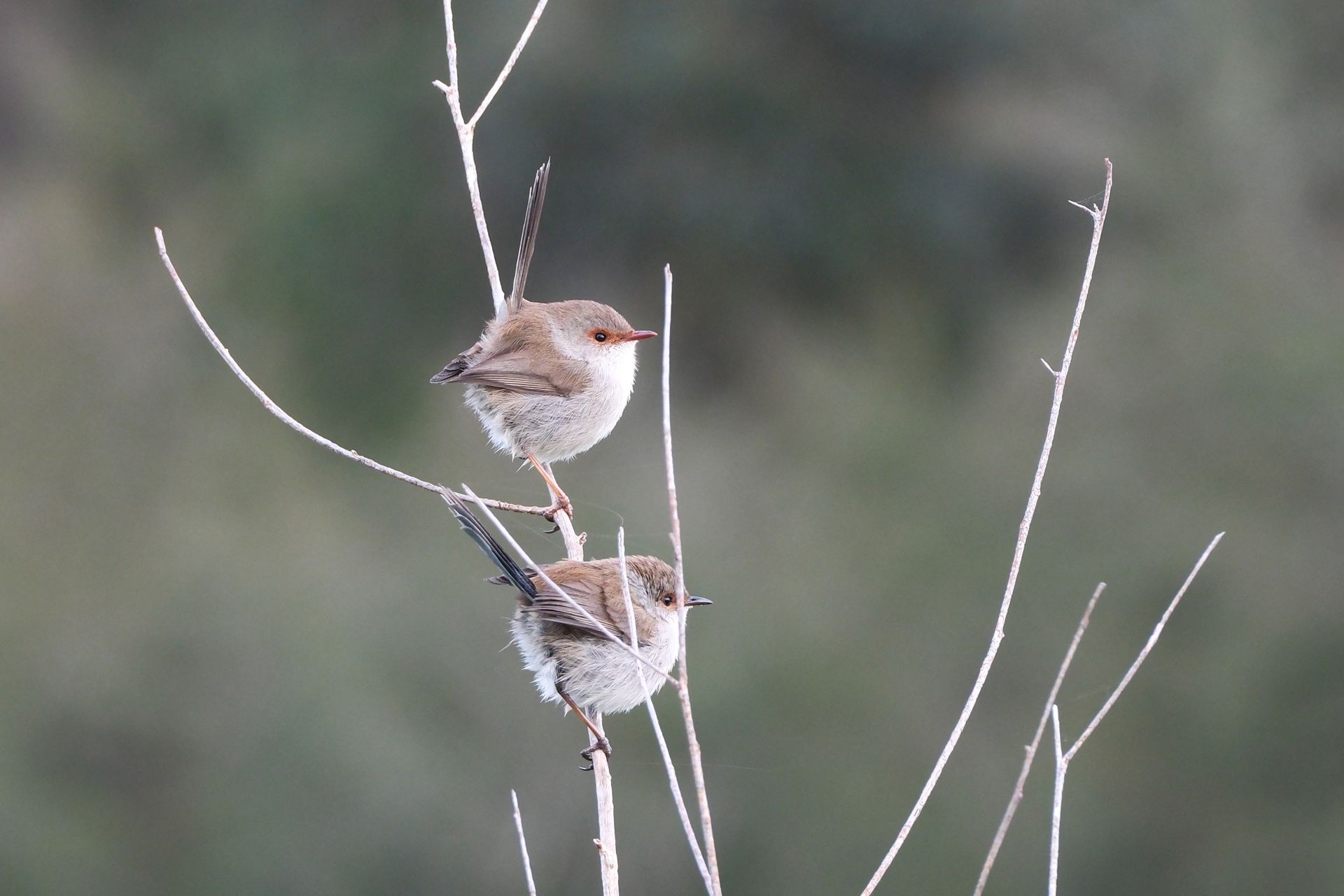
The Superb Fairywren is a bird species that's widely recognized in Australia. It's known for its striking appearance, particularly its bright blue plumage.
One of the most distinctive features of the Superb Fairywren is its iridescent cap, which turns a beautiful sky blue color during breeding season. This is a sight to behold, trust me!
These birds can be found across south-eastern Australia, and they tend to inhabit shrubby understoreys where they move about in small groups. They're social birds, but they also have a unique way of communicating with each other.
Male Superb Fairywrens sing to their eggs, and their chicks can recognize their parent's unique song. This is a fascinating aspect of their behavior, and it shows just how intelligent these birds are.
The Superb Fairywren has different plumage variations, including bright, intermediate, and dull male plumage, as well as female and juvenile plumage. The bright male plumage is particularly striking, with its pale blue top of the head and cheeks, deep blue breast and throat, and stark white belly.
The Superb Fairywren is a bird species that's easy to identify, especially when you know what to look for. With its unique plumage and fascinating behavior, it's no wonder this bird is so well-loved among Australians.
Recommended read: Chickadee Black Capped
Splendid: Species Accounts
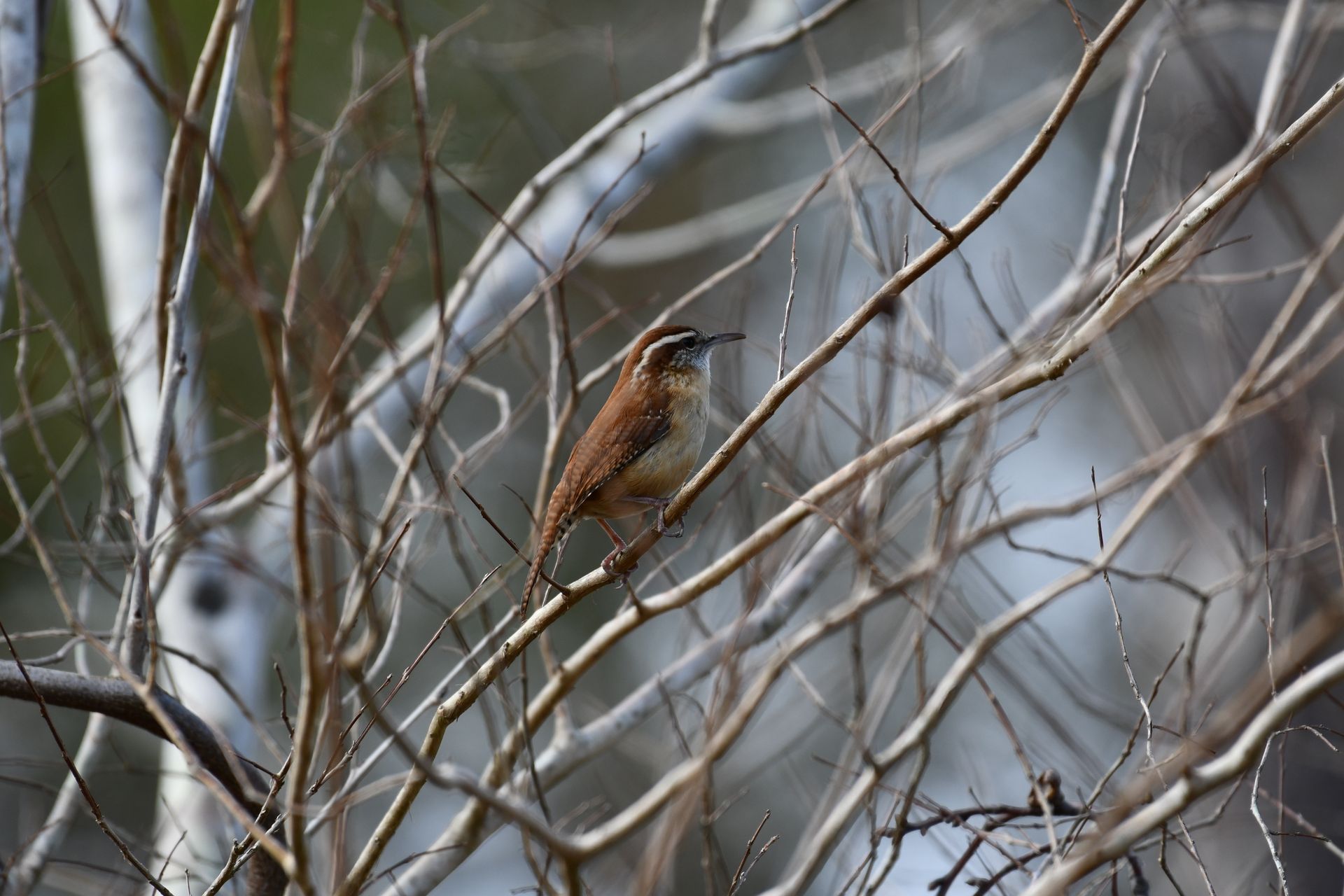
The Splendid Fairy-Wren is a stunning species found throughout Australia, including the western coastal areas, the interior, and some in the east. It's about 5.5 inches in length, with males weighing around 0.28 to 0.39 ounces and females weighing around 0.27 to 0.36 ounces.
These birds are primarily carnivores, foraging on the ground for insects like ants, grasshoppers, and spiders. They also eat foliage up to canopy height and may catch flying insects in the air. They forage for food doing a hop-search, pouncing on their prey.
The Splendid Fairy-Wren is a territorial breeder and is usually found in small groups. Its voice is a loud series of trills. Both males and females mate with multiple birds, and the male is the father of less than half of the offspring in his territory.
The Splendid Fairy-Wren has a bright, deep blue plumage with turquoise cheek patches and crown in breeding males. Females, nonbreeding males, and juveniles are drab olive on top with blue tails and wings. They inhabit the drier acacia woodlands and scrublands.
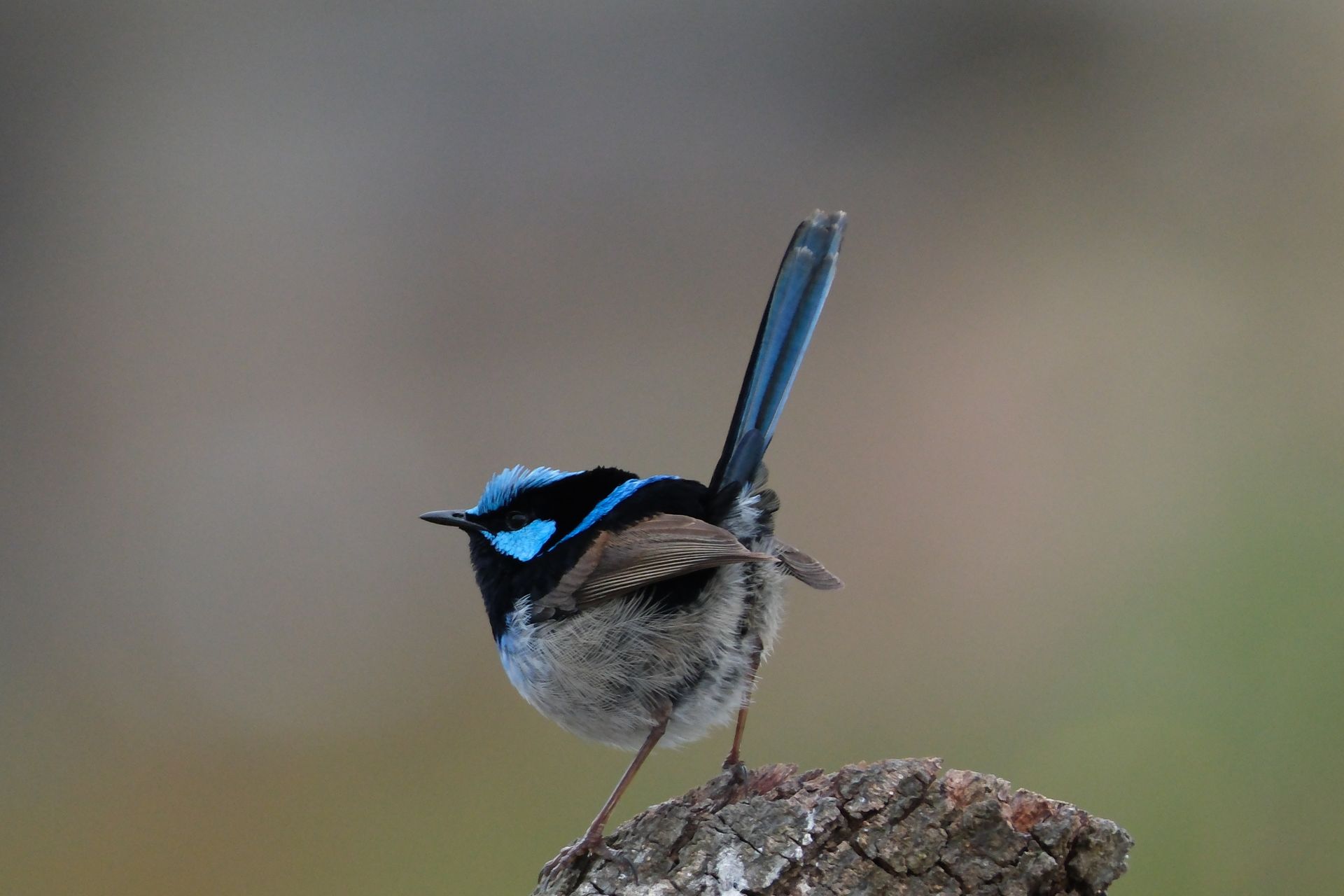
Splendid Fairy-Wrens are promiscuous breeders, meaning both males and females mate with multiple other birds. The male is the father of less than half of the offspring in his territory. Clutches have two to four, red-spotted white eggs.
These birds may be threatened in the future by loss of habitat for agriculture and overgrazing. They are not currently threatened, but conservation efforts are necessary to protect their habitats.
Melanocephalus
The Malurus melanocephalus, also known as the red-backed fairy-wren, is a striking bird species.
They are found in northern and eastern Australia, where you can spot them in grassy understorey.
Males have a bright, crimson-red back, brown wings, and black tail feathers, making them unique among fairy-wrens.
In fact, they're the only fairy-wren with absolutely no blue plumage, and they're also Australia's smallest fairy-wren.
Red-backed fairywrens are common throughout their range, and you can often see males in bright plumage pursuing females across the Australian savanna with their red back feathers raised high.
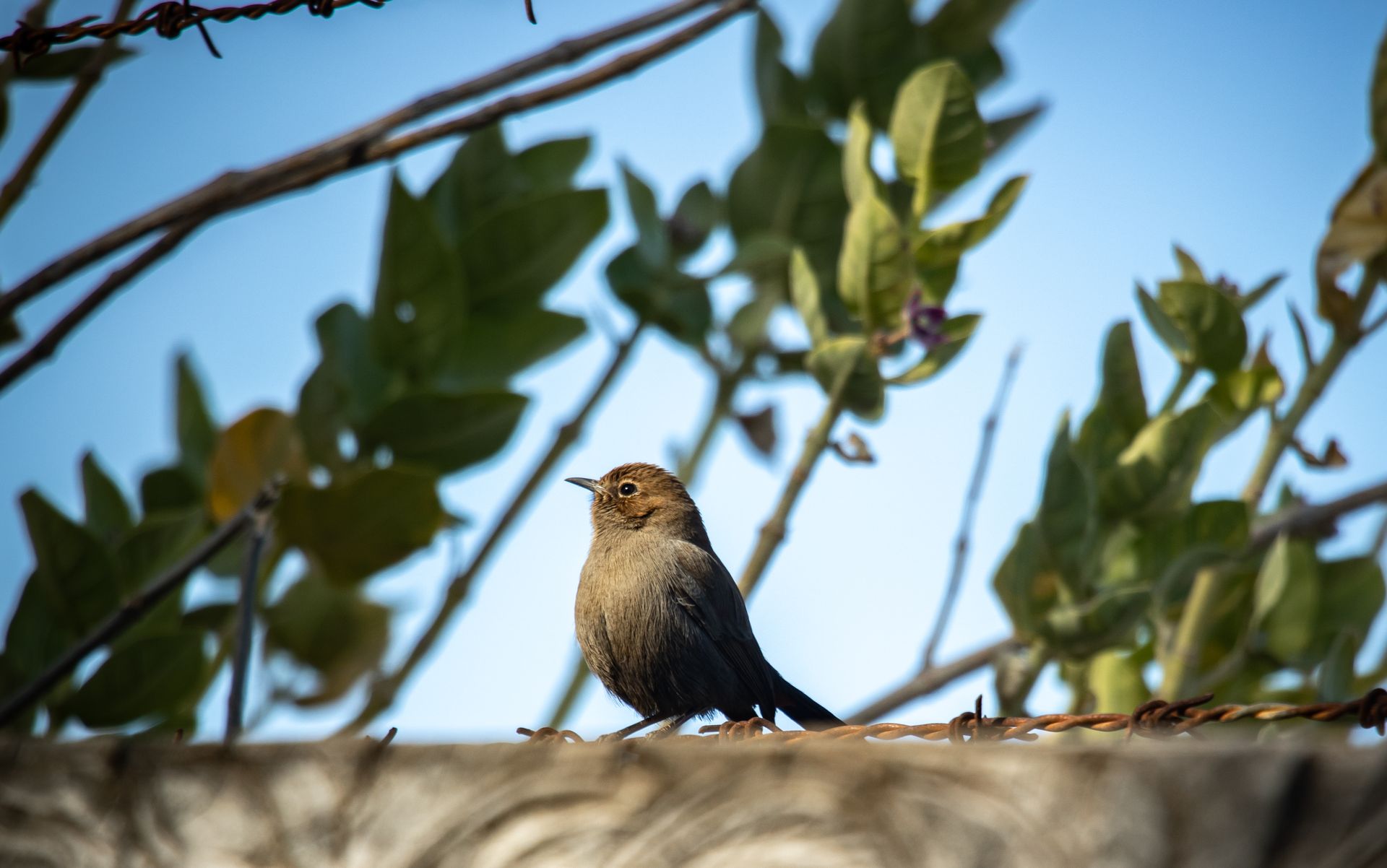
The species is split into two subspecies: M. m. cruentatus in the north and M. m. melanocephalus in the east, separated by the Carpentarian Barrier.
Bright males have a jet black body and tail with a bright red/orange patch on their shoulders and back.
In contrast, females, juveniles, and dull males have a fawn brown back, head, and tail with a creamy-white breast and belly.
You might like: Australian Shepard Tail
Purple-Backed
The Purple-Backed Fairywren is a species found throughout nearly the entire Australian continent.
They have the largest range of all the Australian fairywrens, overlapping extensively with several other fairywren species.
In 2018, the Purple-Backed Fairywren was finally declared a new species, after being incorrectly labelled a variegated fairy-wren prior to the new discovery.
Their bright male plumage is a sight to behold, with a bright blue crown, lighter blue cheeks, and eye-ring, as well as a black bill, lores, breast, nape, and lower back.
Males moulting into bright plumage for the first time may look similar to females, but have no distinct lores or develop black lores and a blue eye ring.
Worth a look: New Caledonian Crow
The Purple-Backed Fairywren has four subspecies: M. a. assimilis, M. a. bernieri, M. a. rogersi, and M. a. dulcis.
Each subspecies has distinct characteristics, but bright males are similar across sub-species.
Helper males retain an intermediate plumage throughout their first breeding season, but can rapidly develop full bright plumage if they disperse and establish their own territory.
Lovely Amabilis
The Lovely Amabilis, also known as the Lovely Fairywren, is a beautiful bird species found in north-eastern Queensland.
Its most distinctive feature is its very short tail in comparison to other fairy-wren species. This is one of the key ways to distinguish it from the Superb Fairy-wren.
The Lovely Fairywren is part of the chestnut-winged fairy-wren group, which also includes the variegated, blue-breasted, and red-winged fairy-wren.
It's a very arboreal species, meaning it spends most of its time in trees, but it prefers to stay in shrubby areas on the outskirts of the rainforest rather than venturing too far in.
The females of this species are easily recognizable due to their bright blue and white plumage.
Intriguing read: Blue Winged Parakeet
Red-winged
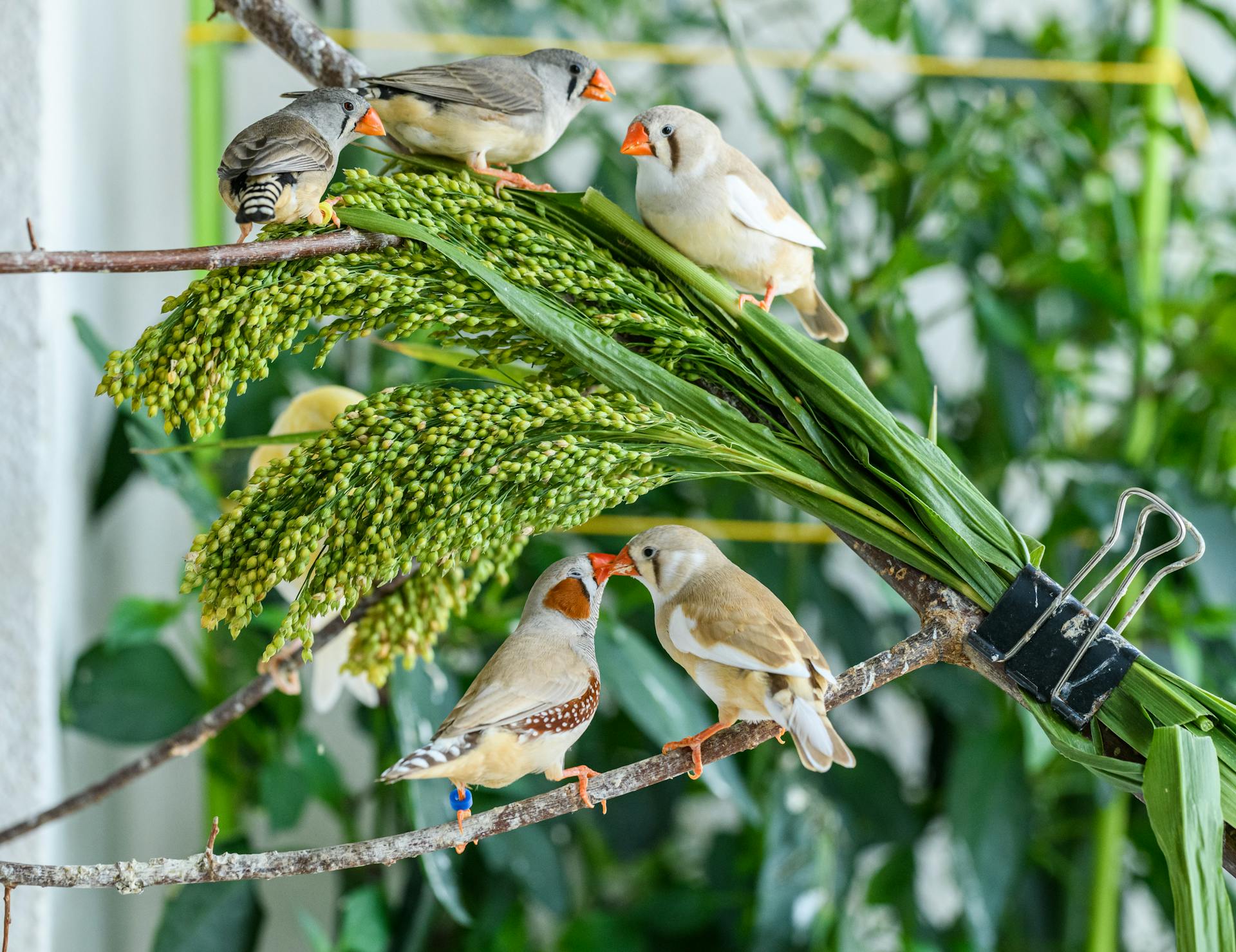
The Red-winged Fairywren is found exclusively in south-west Western Australia, replacing the dry-country Blue-breasted Fairywren in the wet forests or woodlands of the Stirling and Darling ranges.
They prefer denser understory habitat, which is a notable difference from other fairywrens.
Their bright male plumage is a sight to behold, with a dark, blue-black breast and lower back, and a bright light turquoise blue crown, cheeks, and upper back.
The wings are brown with rufous scapulars, and the tail is blue-grey.
Males will often not fully moult into bright breeding plumage their first year, and can remain in intermediate plumage for several months.
In this plumage, the bill and lores will turn black first, followed by the gain of blue around the eye, head, and breast patchily.
The dull male plumage is quite different, with a light grey head and back, and brown wings with rufous scapulars.
The throat is white, with a creamy belly, and the lores, bill, and legs are black.
The only significant difference between females and dull males in the winter is the color of the lores: black in males and rufous in females.
Curious to learn more? Check out: Northern Mockingbird Male vs Female
Geographic and Habitat Information
The Superb Fairy-wren is found in open eucalypt woodland forests of south-eastern Australia.
It inhabits dense understorey, and is usually seen in pairs or small groups.
These birds are incredibly adaptable and can also be found in urban parks and gardens.
Exotic weeds like lantana have become a suitable habitat for them as well.
The Purple-crowned Fairywren's range is mapped using data from BirdLife International and the Handbook of the Birds of the World.
Range maps made in ArcGIS Pro show the extent of their distribution.
This information is available online at http://datazone.birdlife.org/species/requestdis.
Behavior and Conservation
Australian fairy-wrens are not currently threatened, though overgrazing and the changes in the land that come from agriculture and timber production do provide a potential threat.
Their habitat is susceptible to these changes, which can impact their populations and behavior.
The Australian fairy-wren's population is not currently at risk, but it's essential to monitor their habitat and take steps to mitigate the effects of overgrazing and land use changes.
Breeding Behaviour
The Superb Fairy-wren is socially monogamous, forming long-term pair bonds with their mates. This unique social structure allows them to focus on raising their young together.
In most cases, the breeding pair is joined by up to 7 helpers, often males that were raised on the same territory in previous years, who assist with feeding and rearing the young. These helpers are crucial in reducing the workload for the breeding pair.
Nests are typically built less than 1 metre from the ground, often in thick grass or shrubs, and are constructed from loosely woven soft, dry grasses bound with spiders' webbing. They're also lined with feathers, fine soft dry grass, and sometimes fur.
A breeding season typically lasts from September to January, during which time the female lays 3 or 4 white eggs with light reddish-brown spots and blotches.
The female usually incubates the eggs for 10-14 days, and the young birds are fed for 4-6 weeks after hatching.
On a similar theme: Juvenile Female Rose Breasted Grosbeak
Conservation Status
Australian fairy-wrens are not currently threatened, though overgrazing and the changes in the land that come from agriculture and timber production do provide a potential threat.
The main threat to their habitat comes from human activities like agriculture and timber production, which can lead to overgrazing and changes in the land.
Identification and Research
The Australian fairy wren's identification is a fascinating topic. The breeding plumage of the male Superb Fairy-wren is unmistakable, featuring a light blue cap, ear tufts, and cheeks, along with a dark blue-black throat and brown wings.
These birds have distinct differences between males and females, with adult females mostly brown and sporting a white throat, breast, and belly. The beak of the adult female is orange-red, with a similarly colored eye-stripe.
The Superb Fairy-wren is unique in that its non-breeding adult male has a navy blue tail, whereas other fairy wren species have much paler tail coloration.
A fresh viewpoint: Brown Australian Shepard
About the Research
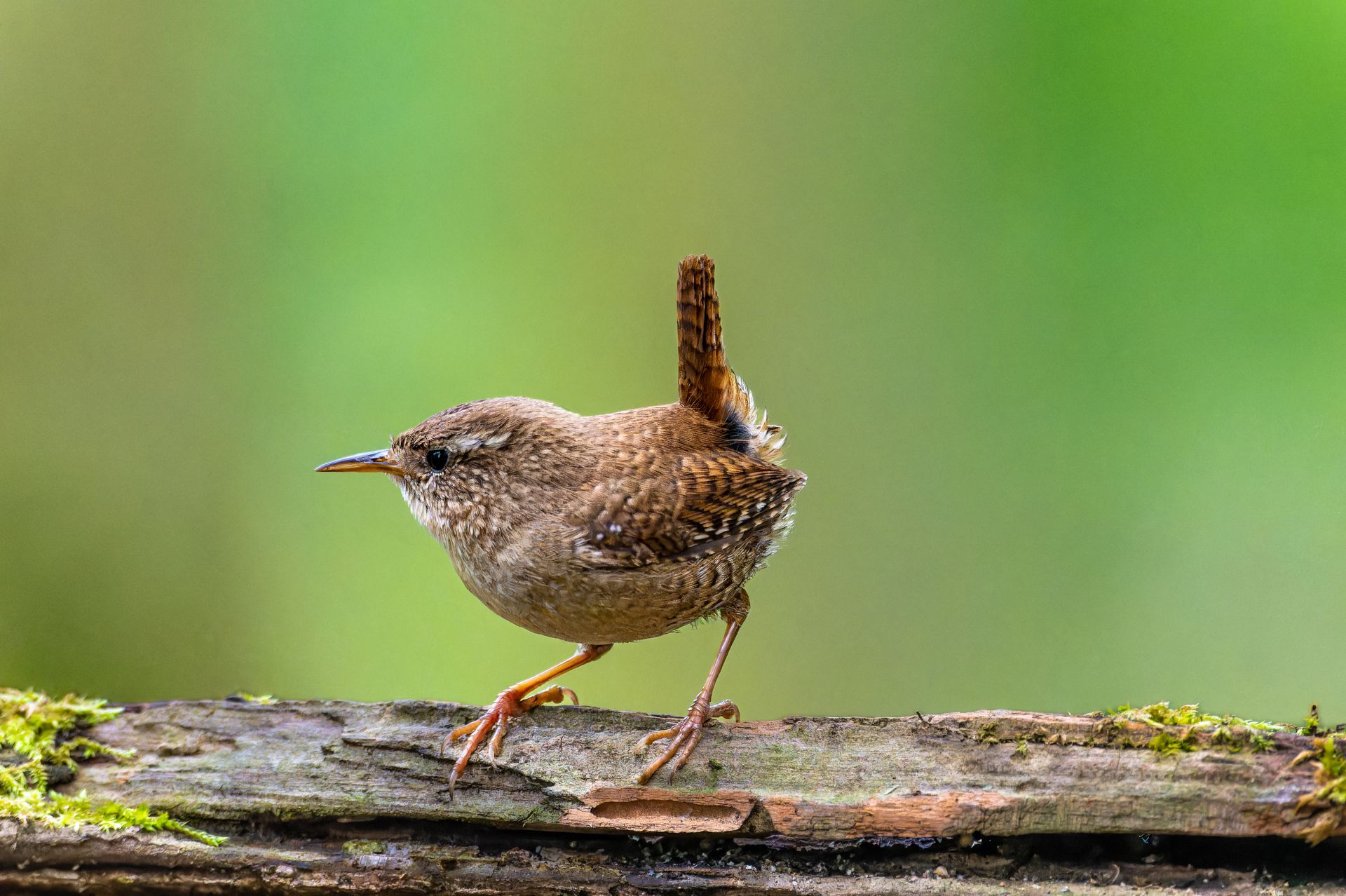
Fairywrens are known for their bright and dazzling plumages, which are a result of a process called delayed plumage maturation.
Male fairywrens typically start out in dull brown or light blue plumages, similar to females, and only transform into their bright breeding plumages once they reach a certain age.
In some species, like the White-winged Fairywren, males may not develop their breeding plumages until they are 3 or 4 years old.
Australia's diverse habitats, ranging from arid interiors to lush coastlines, may influence the differences in delayed plumage maturation found within and across species.
Local ecological variation can also impact social group structure and size, affecting when young birds start breeding.
Identification
The Superb Fairy-wren's breeding plumage is unmistakable, featuring a light blue cap, ear tufts, and cheeks; a black eye-stripe; dark blue-black throat; brown wings and white breast and belly, with a black beak and brown to dark brown legs.
The adult female is mostly brown, with a white throat, breast, and belly, and an orange-red beak with a similarly coloured eye-stripe.
Curious to learn more? Check out: White Throated Sparrow Range
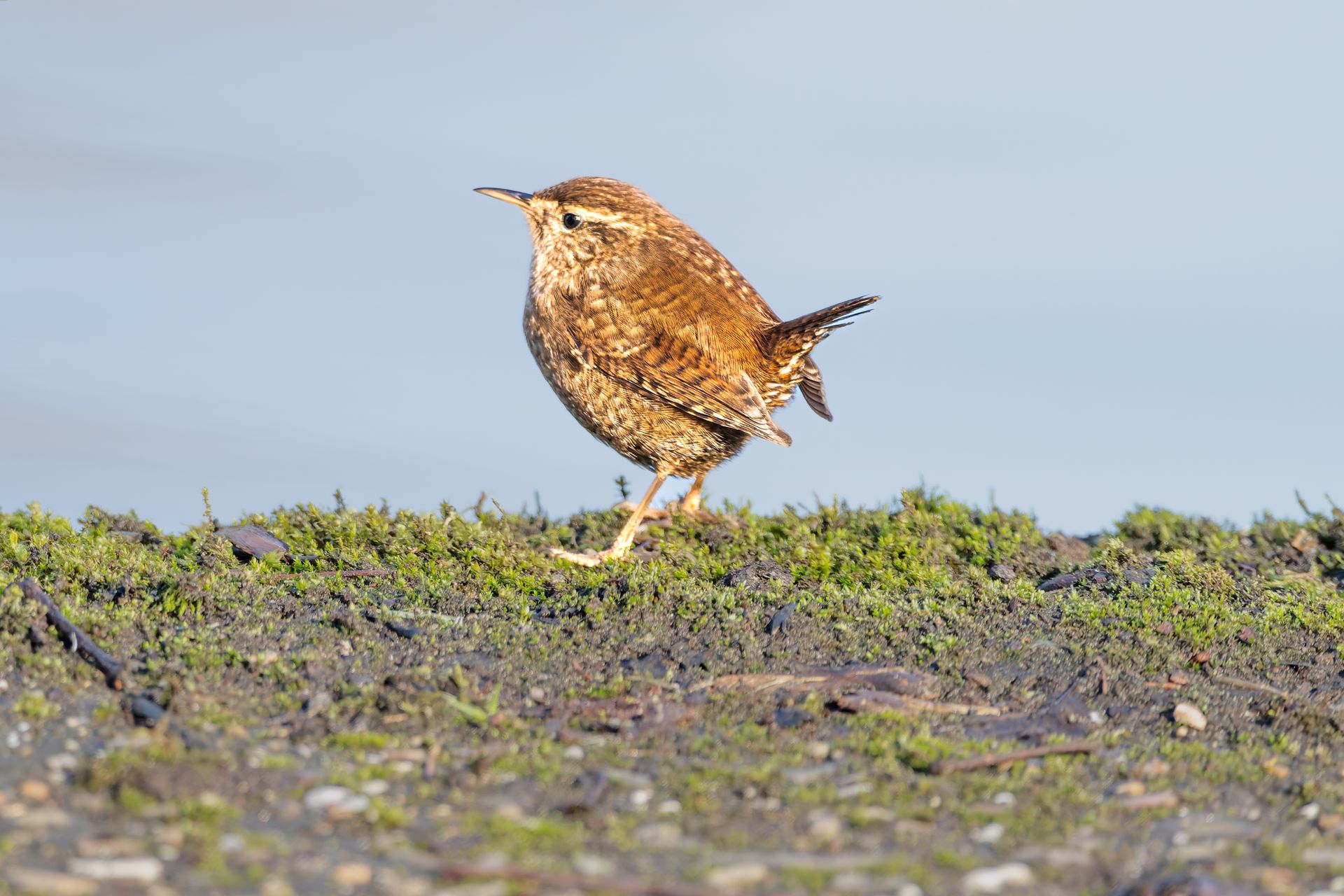
The non-breeding adult male looks similar to the adult female, but has a black beak and a navy-blue tail, a trait unique to the Superb Fairy-wren.
The female Superb Fairy-wren has the same plumage year-round, with a brown tail that has a faint pale blue-grey tinge.
In contrast, non-breeding males of other fairy-wren species have much paler tail colouration.
Frequently Asked Questions
Is a fairy wren the same as a blue wren?
Yes, the terms "fairy wren" and "blue wren" are often used interchangeably to refer to the same bird species, specifically the superb fairy wren.
How rare are fairy wrens?
The Superb Fairy-wren is an abundant species, but it's disappearing from major cities, making its urban presence relatively rare.
What are some interesting facts about fairy wrens?
Fairy wrens are found in diverse Australian habitats, from arid grasslands to dense forests, and can be identified by their vibrant breeding plumage. These small birds spend their days foraging for insects and seeds in native grasses and shrubs
Are there blue wrens in Australia?
Yes, the Superb Fairy Wren, also known as the Blue Wren, is a native Australian bird species found in south-eastern Australia. They can be spotted in low-lying shrubs and grassy areas, including coastal heath and urban margins.
Featured Images: pexels.com