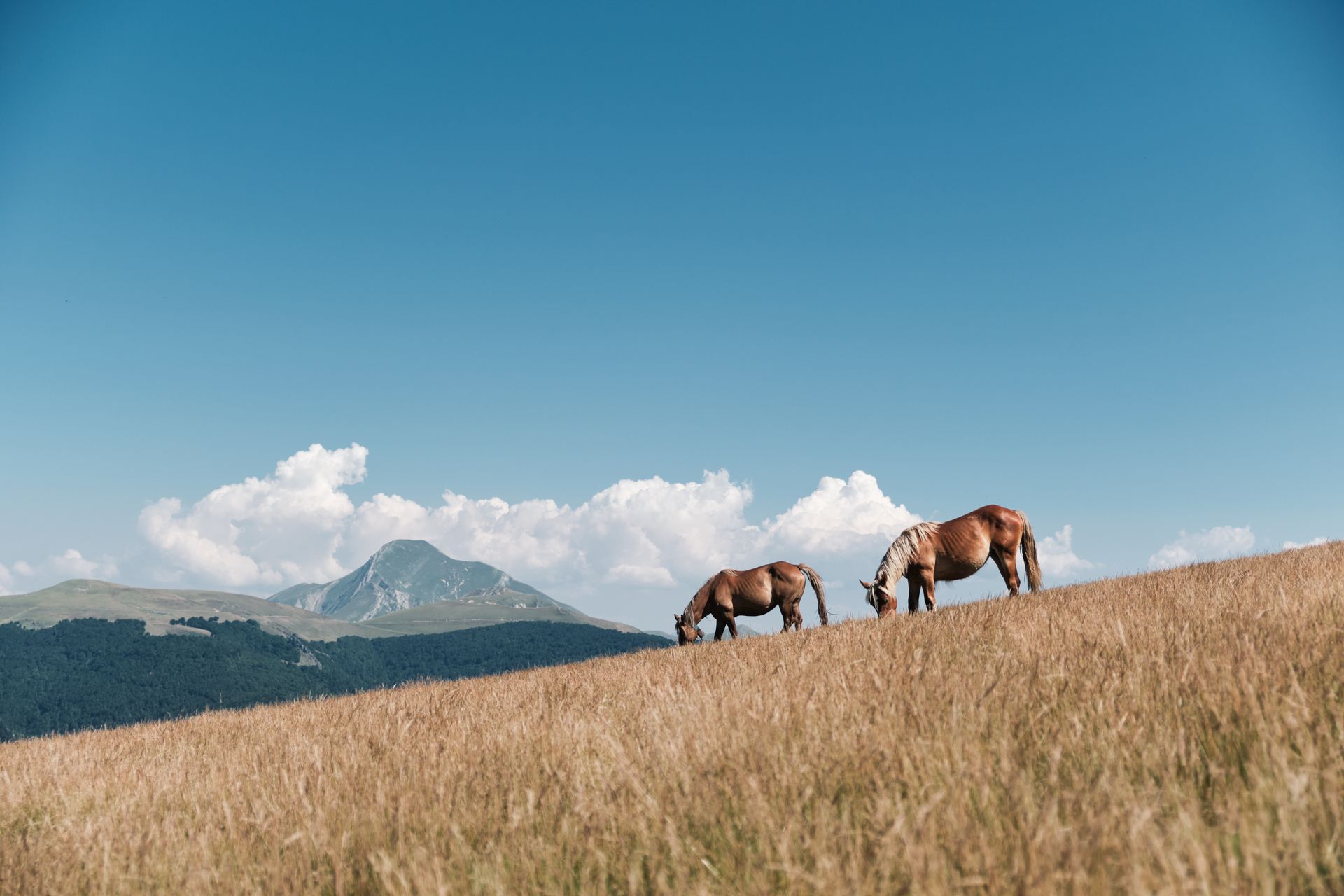
The Australian horse breed has a rich history that spans thousands of years. They were first introduced to Australia by British settlers in the late 18th century, and since then, they have become an integral part of the country's equestrian culture.
From their origins as working horses on farms and stations, Australian horses have evolved into a versatile breed that excels in various disciplines, including racing, endurance riding, and show jumping. They are known for their intelligence, athleticism, and gentle disposition.
One of the most notable characteristics of Australian horses is their hardiness and adaptability to the harsh Australian climate. They are able to thrive in hot and dry conditions, making them well-suited for the country's rugged terrain.
Intriguing read: Horse Breed
History of Australian Horses
The history of Australian horses dates back to 1788 with the arrival of the British First Fleet, which brought a small herd of horses on board, including a stallion, a colt, four mares, and a filly.
These early horses faced the harsh conditions of the Australian outback and evolved to not only survive but thrive.
The 19th century saw breeders working to enhance the physical characteristics of Australian horses by incorporating elements of Thoroughbreds and Arabians.
By the 20th century, the Australian Waler Horse had become essential for those living on ranches and farms in the Australian outback due to their endurance and ability to work in harsh conditions.
The Australian Waler Horse's ability to thrive in the outback was a result of their evolution over time, shaped by the challenging environment they faced.
Breed Characteristics
The Australian Stock Horse is known for its versatility, strength, and adaptability, making it suitable for a wide range of disciplines and environments.
Australian Stock Horses are intelligent, with courage, toughness, and stamina, and have a good temperament. They are considered possibly the world's most versatile horse.
They are typically fast learners, which makes them ideal for a wide range of activities and enables them to develop a diverse skill set. Australian Stock Horses are responsive and calm, suitable for various disciplines and riders of all levels.
Conformation
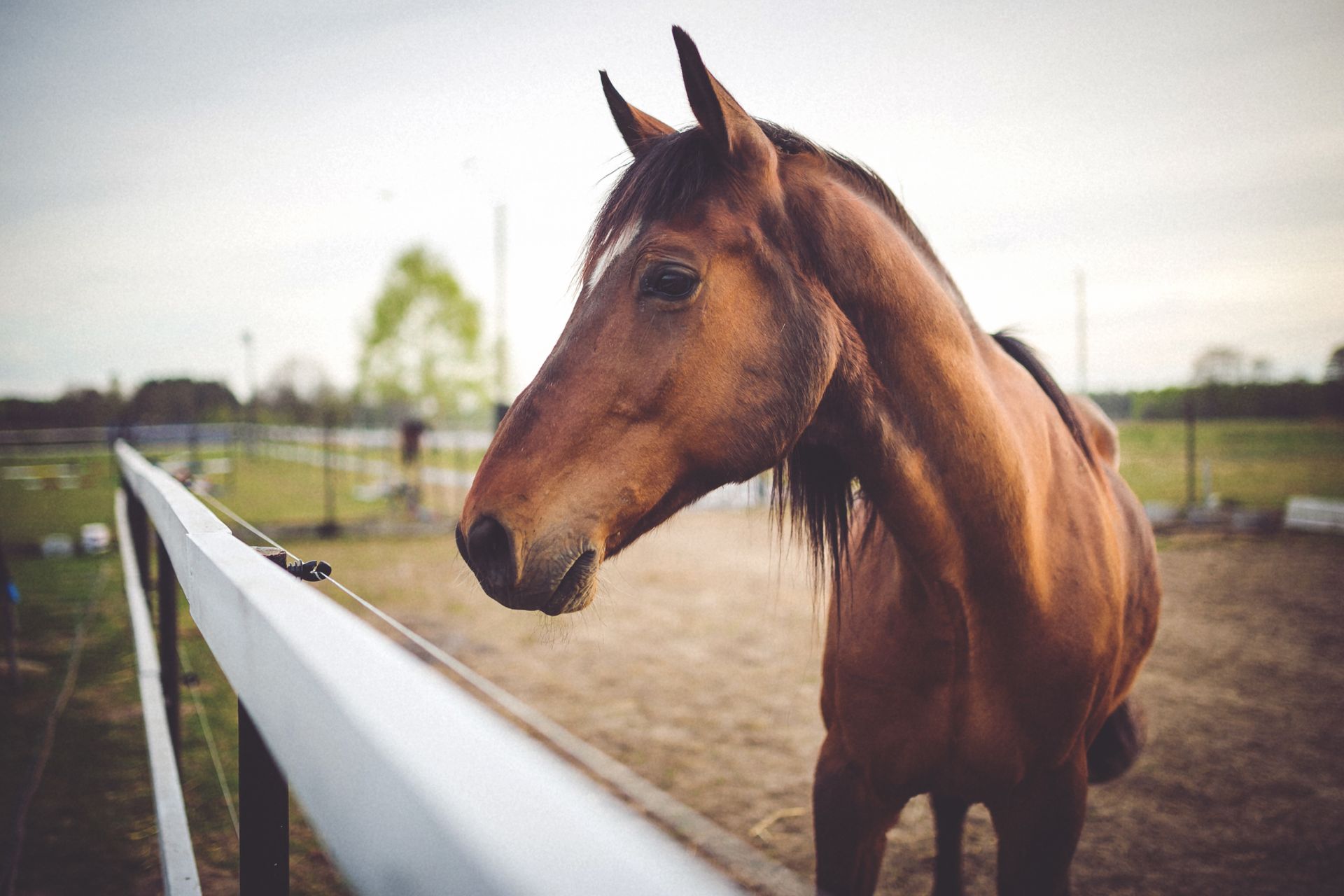
The Australian Stock Horse is a well-proportioned and well-muscled breed, typically ranging in height from 14 to 16.2 hh.
They have powerful hindquarters, which are essential for their work in the field.
A broad forehead is a distinctive feature of the Australian Stock Horse breed.
Their deep chest provides ample space for their lungs, allowing them to take in plenty of oxygen.
Their slender neck is a characteristic that sets them apart from other breeds.
Sloping shoulders are a common feature in the Australian Stock Horse, providing a balanced and athletic build.
Temperament
The Australian Stock Horse is known for its calm and responsive temperament, which makes it an ideal breed for riders of all levels.
Their intelligence and agility enable them to learn quickly and develop a diverse skill set.
Typically, Australian Stock Horses are fast learners, which is one of the reasons they're suitable for a wide range of activities.
Individual temperaments can vary from horse to horse, but in general, the breed is known for being gentle and responsive.
The breed's versatility and temperament are renowned, and the Society aims to preserve and promote these characteristics.
Morphologie Du Cheval
The Australian Stock Horse is a breed with a varied appearance, but its head resembles that of the Thoroughbred.
Its head features a straight profile and wide nostrils.
Short or long ears are a common feature of this breed.
A long body and neck are characteristic of the Australian Stock Horse.
Its withers are prominent, and its shoulders are powerful.
The fore chest is deep, and the thorax is ample.
The back is long, strong, and powerful, and the hindquarters are powerful as well.
Strong limbs and good musculature are also notable features.
Dry tendons and short cannons are typical of this breed.
The feet are hard, and the tail is set low.
The Australian Stock Horse comes in all solid colors.
Its height ranges from 1.45 to 1.65 meters.
A unique perspective: Big Head
Care and Management
Australian Stock Horses require regular veterinary check-ups to catch and address health issues early. This is crucial to their overall well-being.
Schedule regular veterinary check-ups every few months to ensure your horse's health is on track. A consistent check-up schedule will help prevent small issues from becoming major problems.
Discover more: Horse Health
To prevent infectious diseases, follow a vaccination schedule tailored to your horse's needs, as recommended by your veterinarian. This will protect your horse from diseases common in your region.
Regular dental exams and teeth floating by a qualified practitioner are essential for good chewing and digestion. Senior stock horses may require more frequent dental care.
Implement a strategic deworming plan to safeguard your horse from internal parasites while reducing the risk of anthelmintic resistance. This will ensure your horse stays healthy and active.
Regular farrier visits and hoof trimming are vital to maintaining hoof health and balance. This will keep your horse's hooves in top condition.
A daily grooming routine is recommended to maintain your horse's coat condition and support overall hygiene. This also provides an opportunity to bond with your horse and monitor them for signs of health problems.
For your interest: What Is Zorro's Horse's Name?
Care and Management
Australian Stock Horses require regular veterinary check-ups to catch and address health issues early. Schedule these check-ups with your veterinarian to ensure your horse stays healthy.
Their hardworking nature demands a preventative wellness program that includes vaccinations tailored to their needs, as recommended by your veterinarian. This will protect them against infectious diseases common in your region.
Regular dental exams and teeth floating by a qualified practitioner are essential for good chewing and digestion. Senior stock horses may require more frequent dental care.
Implement a strategic deworming plan to safeguard your horse from internal parasites while reducing the risk of anthelmintic resistance. This is crucial for their overall health and well-being.
Regular farrier visits and hoof trimming are vital to maintaining hoof health and balance. This will prevent lameness and other hoof-related issues.
A consistent turnout schedule that allows your horse regular exercise and social interaction is essential. This will meet their physical and mental needs.
Regular grooming is also recommended to maintain the horse's coat condition and support overall hygiene. It's a great way to bond with your horse and monitor them for signs of health problems.
Older horses or those engaged in high levels of activity may benefit from joint care and dietary supplementation. This will help optimize their well-being and prevent potential health issues.
To optimize your horse's nutrition program, identify gaps in their current diet. Consult with your veterinarian to determine the best course of action.
A unique perspective: How Big Is a Horse's Brain?
Nutrition
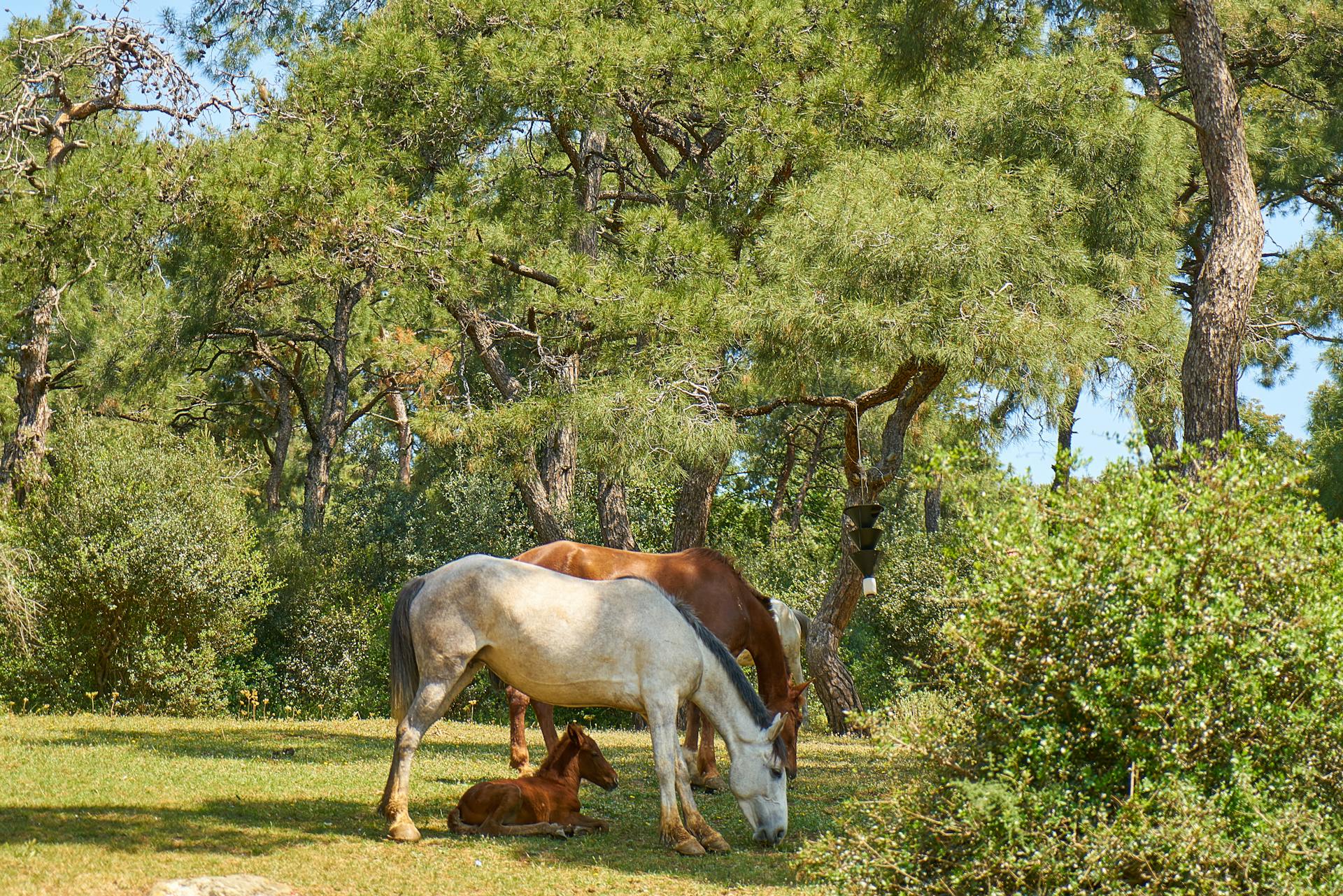
Providing your Australian Stock Horse with a balanced diet is crucial for their overall health and well-being. Their diet must include the right amounts of energy, protein, minerals, and vitamins to support essential physiological functions.
Horses that participate in endurance events require more energy for long-distance competitions, so their diet needs to be adjusted accordingly.
The Australian Stock Horse is adapted to a dry climate, but they still need access to plentiful fresh and clean water to stay hydrated.
For the average 500 kg / 1100 lb horse, our nutritionists recommend feeding 1-2 ounces of plain loose salt daily to ensure adequate sodium intake and encourage drinking.
The Australian Horse Society
The Australian Horse Society is a great resource for anyone interested in these amazing animals. The society was founded in 1971 and has since become a leading authority on the breed.
The society's mission is to promote and preserve the Australian horse breed, which is known for its unique characteristics and versatility. The breed is descended from the Thoroughbred and is prized for its strength, agility, and gentle disposition.
The Australian Horse Society has a strict set of breed standards to ensure the integrity of the breed. These standards include requirements for the horse's size, conformation, and movement.
Modern Australian Horses
The Modern Australian Horse is a breed that's as versatile as it is impressive. With over 190,000 registered horses, they're used in a wide range of activities, from leisure riding to stock work on ranches and farms.
In terms of equestrian sports, they excel in disciplines like polo, polocrosse, and eventing. They're also used in campdrafting, show jumping, and dressage, among others.
One of the key characteristics of the Australian Stock Horse is its intelligence, courage, and toughness. This makes them well-suited to the demands of stock work, where they need to be able to think on their feet and handle challenging terrain.
In fact, horses are still essential for mustering livestock in rough mountain areas, where motorcycles and helicopters can't be used.
Here are some of the equestrian sports where Australian Stock Horses excel:
- Polo
- Polocrosse
- Working Equitation
- Campdrafting
- Eventing
- Show Jumping
- Dressage
Their athleticism and intelligence make them a popular choice for equestrian competitions, and they're also used in Pony Club events and general hacking.
Breed Ancestry and Versatility
The Australian Stock Horse has a rich ancestry that dates back to the First Fleet in 1788, where horses of Arabian and Barb blood were imported into Botany Bay. These horses were specifically chosen for their hardiness and stamina.
The breed's versatility is a result of selective breeding in response to the demands of the environment, making it one of the world's most versatile horses. The Australian Stock Horse has achieved outstanding success in a wide variety of sports, including campdrafting, showjumping, and polo.
With its intelligence, courage, and toughness, the Australian Stock Horse is well-suited for general riding and stock work on rural properties. Its good temperament and athletic ability make it an ideal breed for equestrian competitions.
Breed Ancestry
The Australian Stock Horse has a rich breed ancestry that dates back to the First Fleet in 1788. Horses of Arabian and Barb blood were among the first to arrive in Australia.

These horses were specifically chosen for their hardiness and stamina, traits that would serve them well in the harsh Australian environment. The Barb, developed on the Barbary Coast of North Africa, was a desert horse that could withstand extreme conditions.
In the 1830s, knowledgeable horse breeders imported a steady stream of Thoroughbreds to improve the local horse strains. This influx of Thoroughbreds had a significant impact on the breed, making them popular for horse racing in the early 19th century.
The use of Thoroughbred stallions over local mares produced a strain of tough yet stylish animals, exemplifying the modern Australian Stock Horse.
Versatility of the Breed
The Australian Stock Horse is a breed like no other, and its versatility is truly remarkable. This breed has achieved outstanding success in a wide variety of sports, including campdrafting, showjumping, dressage, eventing, pony club events, harness, polo, and polocrosse.
The breed's intelligence, courage, toughness, and stamina make it a top performer in any discipline. With a good temperament and athletic ability, the Australian Stock Horse is the perfect horse for any rider.
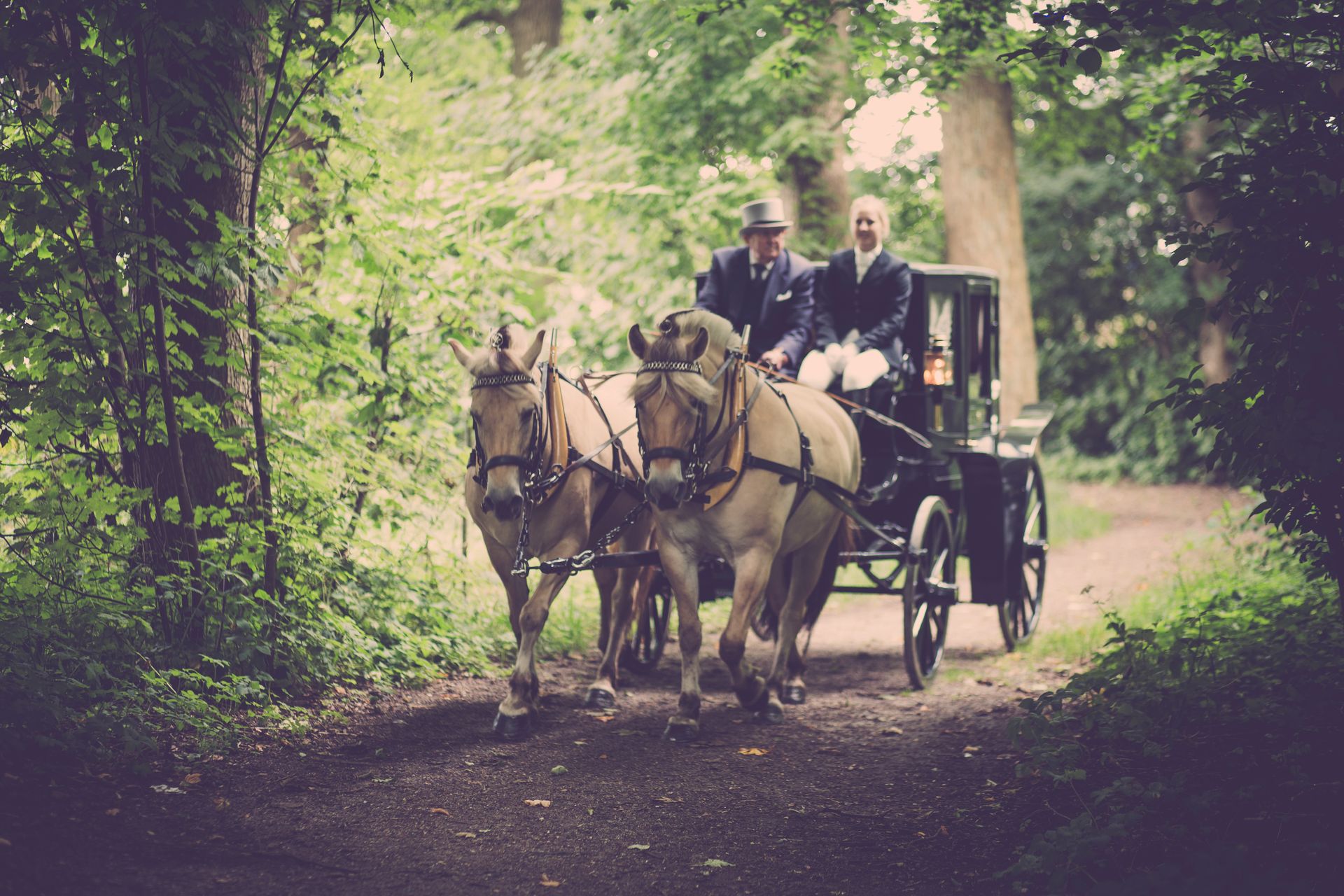
Campdrafting, a truly Australian sport, requires agility, intelligence, and strength from both horse and rider. The breed's ability to "cut-out" a beast from the "camp" or yard and work it around an outside course is just one example of its impressive skills.
Dressage horses, on the other hand, need to have intelligence, suppleness, obedience, and smoothness of movement to produce a flowing and disciplined performance. The Australian Stock Horse's elegant movements make it a standout in this sport.
Polo and polocrosse require fast, strong horses with stamina and a "love of the game." The breed's intelligence, agility, and control at speed make it an ideal candidate for these high-energy sports.
The breed's athletic ability and obedience make it a top performer in showjumping and eventing. Its strength and soundness are essential for navigating challenging courses and terrain.
Pony club horses need a quiet temperament and the ability to perform capably in a variety of events. The Australian Stock Horse's intelligence, athletic ability, and adaptability make it an excellent choice for young riders.
Suggestion: How to Paint a Horse's Mane?
Competition Eligible
To be eligible for competition, Australian Stock Horses need to have Competition Status.
Horses with Competition Status - Not Eligible are not allowed to participate in events restricted to Registered Australian Stock Horses.
This includes horses that are suspended, deceased, or have been sold to a non-member.
Statistics and Foundation
The Australian Stock Horse Society has over 180,000 horses registered or foal recorded with them, with around 3,000 to 3,500 registrations processed each year.
These registrations include transfers, which total between 2,000 and 2,500 annually. The Society also records sale averages and highest prices from Approved ASH Sales, which can be viewed in their Sales Reports and Market History section.
Foundation horses have been identified by the Society due to their impact on the breed, and they're marked with specific codes such as FS, IS, FM, and IM.
Statistics
The Society has a significant number of horses registered or foal recorded, with over 180,000 currently on record.

Each year, the Society processes around 3,000 to 3,500 registrations, and also handles between 2,000 and 2,500 transfers annually.
The value of a horse can vary greatly depending on several factors, including age, breeding, sex, temperament, and level of education and experience.
The price of a horse will also differ depending on whether it's sold privately or at auction, and how it's presented to potential buyers.
Foundation
Foundation horses have been identified by the Society due to their impact on the breed.
These horses have been identified with specific codes as suffixes to their names, such as FS for Foundation Sire.
FS horses are Registered ASH Stallions, registered in the first ten years (registration numbers 1 - 65,000), with over 1,000 Registered ASH Descendants within five generations.
IS horses, on the other hand, are Registered ASH Stallions that are progeny of Foundation or Impact Stallions and registered in the first ten years (registration numbers 1 – 65,000) with over 1,000 Registered ASH Descendants within five generations.
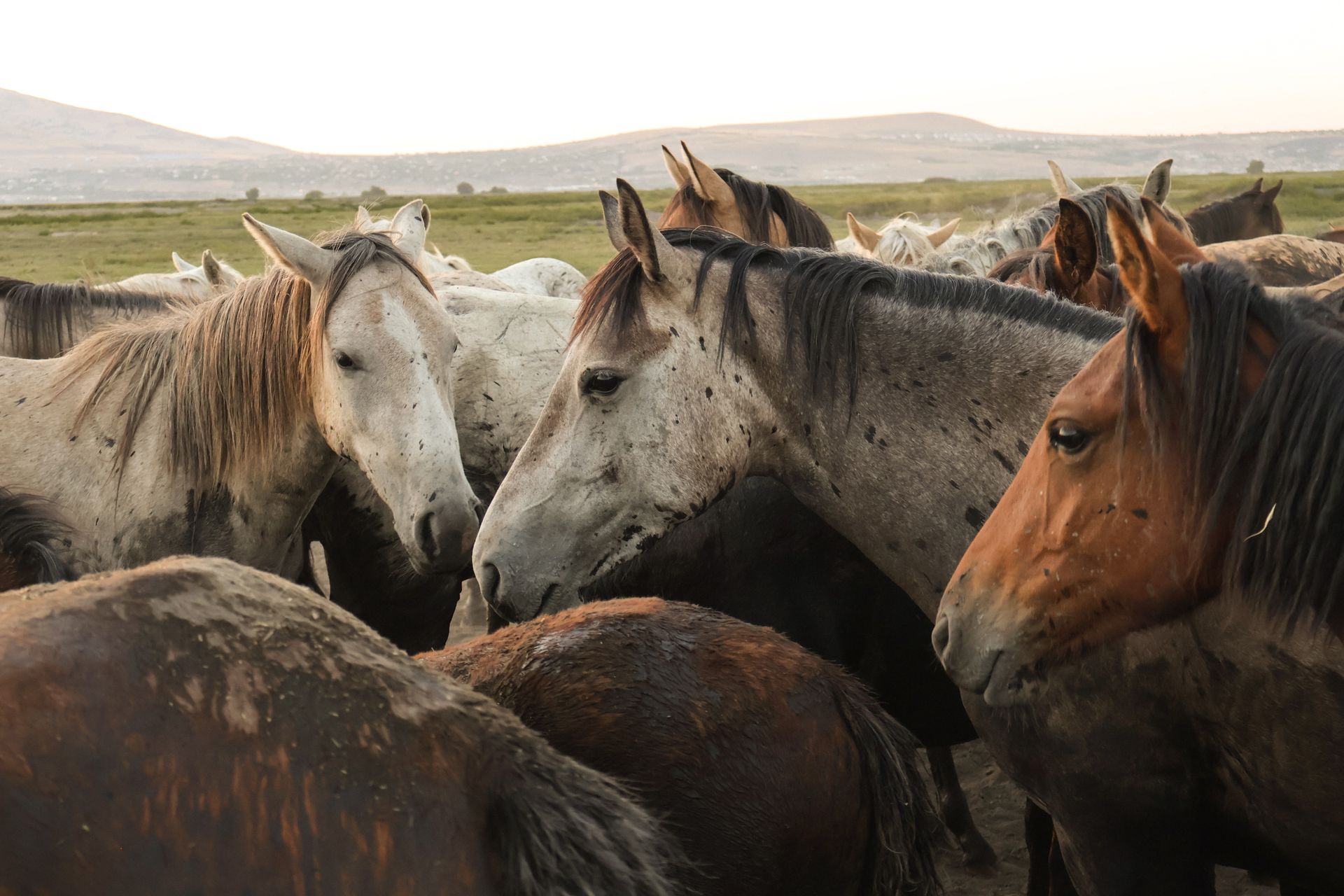
FM horses are Registered ASH Mares, registered in the first ten years (registration numbers 1 - 65,000), with over 500 Registered ASH Descendants within five generations.
The codes FS, IS, FM, and IM are often seen in the bloodlines of horses on the Online Stud Book, in Sale Catalogues or horse's Certificates of Registration.
The Australian Stock Horse Society aimed to form the Breed for Every Need, an ideal Australian work and performance horse suitable for the Australian environment and a wide range of equine endeavours.
Horses accepted under the classification system formed the foundation of the breed today, with breeders assessing individual horses on Breeding, Conformation, Type, Ability and Temperament.
Frequently Asked Questions
What horse is native to Australia?
The brumby is a free-roaming feral horse native to Australia, primarily found in the Northern Territory and Queensland.
What are Australian horses called?
Australian horses are commonly known as Brumby Horses. They are a hardy breed that originated from horses that survived the harsh conditions of early Australian settlements.
Why are Australian wild horses called brumbies?
Australian wild horses are called brumbies because they originated from horses abandoned or escaped by early settlers, specifically one Private James Brumby in 1804. The name "brumby" is believed to have been derived from this historical event.
Featured Images: pexels.com