The Andalusian horse is a majestic breed that originated in the Iberian Peninsula over 1,000 years ago. They were first bred by the Moors and later developed by Spanish horse breeders.
These horses are known for their striking appearance, with a muscular build, a refined head, and a flowing mane and tail. Their distinctive features include a straight or slightly concave profile, a well-defined withers, and a compact, refined body.
The Andalusian horse is a versatile breed that has been used for various purposes throughout history, including as a war horse, a carriage horse, and a riding horse. They are still used today for dressage, show jumping, and other equestrian sports.
A fresh viewpoint: What Are Appaloosa Horses Used for
Physical Characteristics
The Andalusian horse is known for its compact body and great flexion of the leg joints, making it an animated and forward-moving mount.
They average 15.1 hands high, with stallions and geldings weighing around 1,100 pounds and mares weighing slightly less at approximately 900 pounds.
In order to be registered, mares must be at least 14.3 hands, while stallions and geldings must be at least 15 hands.
Size
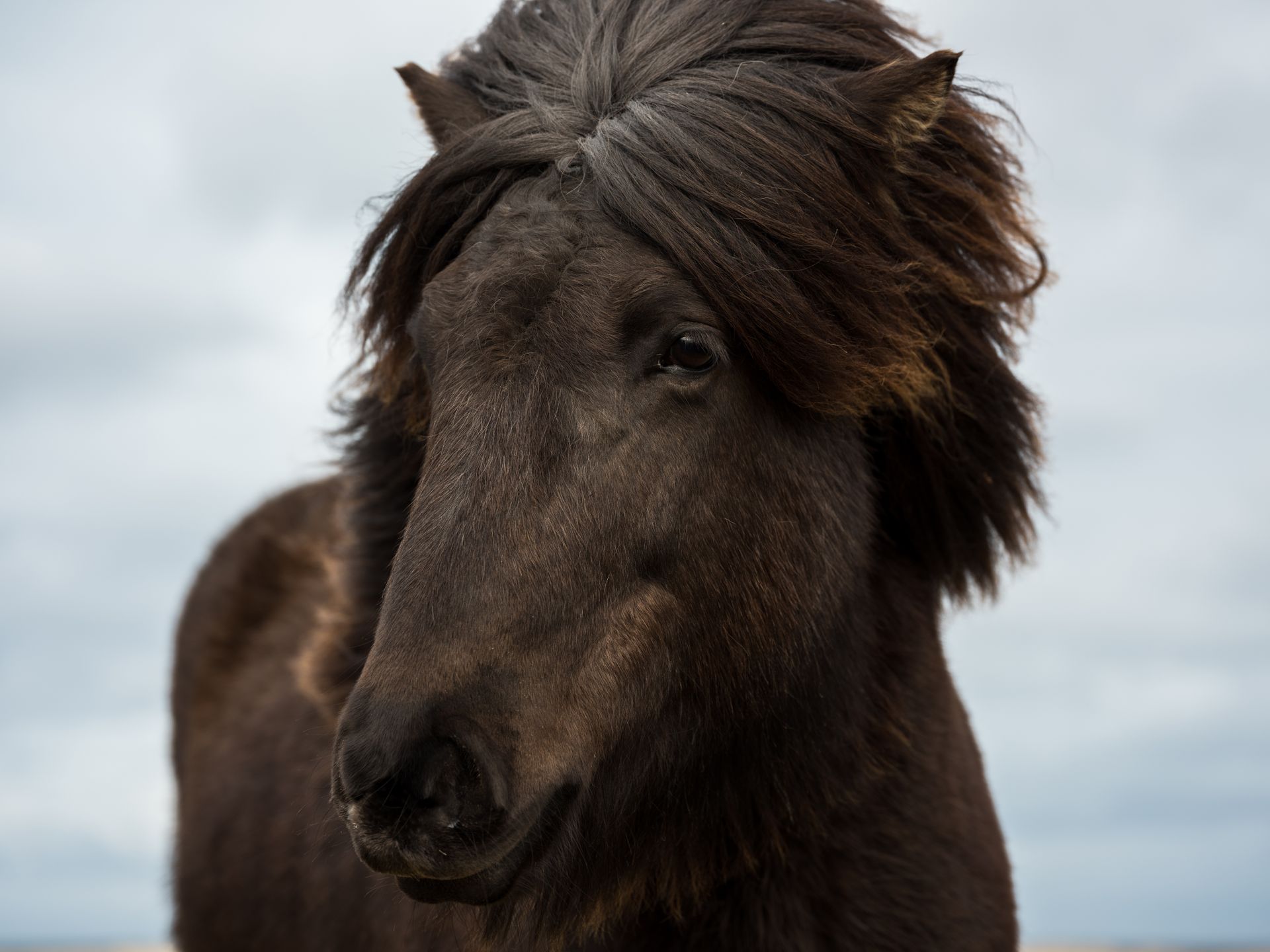
Andalusian horses are strong and compact, averaging 15.1 hands high.
Stallions and geldings typically weigh around 1,100 pounds, while mares weigh slightly less at approximately 900 pounds.
The Association of Purebred Spanish Horse Breeders of Spain has specific height requirements for registration: mares must be at least 14.3 hands, and stallions and geldings must be at least 15 hands.
You might enjoy: How Much Do Thoroughbred Horses Weigh
Colors and Markings
The Andalusian horse's coat colors have undergone refinement over time, and now they're most likely to be gray or bay.
You might spot a few Andalusians with minimal black, dun, chestnut, and palomino colors, but these are less common.
Andalusians with rare buckskin or cremello colorations can be registered, making them a unique sight.
The breed's coat colors are a testament to the breeders' efforts to refine and standardize the Andalusian's appearance.
Related reading: Andalusian Horse Colors
Unique Characteristics
The Andalusian horse is a breed known for its elegant movement, which is a result of its naturally elevated and compact body. This makes them a joy to ride.
Their great flexion of the leg joints allows for an animated and forward-moving mount, making them a pleasure to be around.
These horses tend to naturally learn collection and because of their intelligence, they often learn difficult moves easily and quickly.
Temperament and Movement
The Andalusian horse is known for its kind, sensitive, intelligent, and quick-learning nature, making them a joy to work with. They're naturally docile and robust, which is a testament to their long history as working animals.
Their movement is truly impressive, with a unique ability to sit and collect, making them a popular choice for dressage. They're also used for general riding, farm work, and even bullfighting.
Andalusians are known for their cadenced and elastic paces, with significant elevation and extension. They can collect and turn on their haunches with ease, and their canter is fluid and elastic with impulsion.
Temperament
The Andalusian horse is known for its kind nature, being sensitive, intelligent, and quick to learn. They have been bred to cooperate with humans throughout history, making them a joy to work with.
Their energetic personality is balanced by a naturally docile and robust temperament. This makes them a great choice for riders of all experience levels.
Some Andalusian horses are indeed hotter and more sensitive than others, which can be beneficial in performance sports that require extra dynamism and energy.
Movement
The Andalusian horse is renowned for its ability to sit and collect, making it an ideal choice for dressage.
Their paces are typically cadenced and elastic with significant elevation and extension.
The walk should be ground covering, while the trot is suspended and elegant, with active use of the hindquarters and joint flexion to push forward.
Horses with poor movement, such as irregular paces, poor elevation, dishing and ambling, are penalised accordingly in the assessment process for the studbook.
The canter is fluid and elastic with impulsion, showcasing the Andalusian's impressive movement capabilities.
They also excel in haute école, a discipline that requires a high level of training and trust between rider and horse.
The Andalusian horse is a master of elevated movements, such as the piaffe, passage, levada or corveta, which are essential in haute école.
In fact, the Andalusian horse is the horse par excellence of the alta escuela, thanks to its incredible capacity for performing such complex movements.
Uses and Activities
The Andalusian horse is a highly versatile breed, making them a suitable mount for various activities. They excel in dressage, jumping, trail riding, and English pleasure.
Their calm character, ease of learning, and ability to adapt make them stand out in equestrian competitions, particularly in dressage. They are agile, elegant, and expressive in their movements.
The Andalusian horse is also perfect for Doma Vaquera, a discipline that requires the horse to perform turns, changes of pace, stops, and starts with speed and precision.
Explore further: Andalusian Horse Dressage
Doma Vaquera:
The Andalusian horse is a natural fit for Doma Vaquera due to its intelligence, nobility, and versatility.
This breed's ability to perform complex movements like turns, changes of pace, stops, and starts with speed and precision makes it perfect for this discipline.
As a highly trainable breed, the Andalusian horse can learn and adapt quickly to the demands of Doma Vaquera, making it a popular choice for riders.
Take a look at this: Horse Breed
Harness:
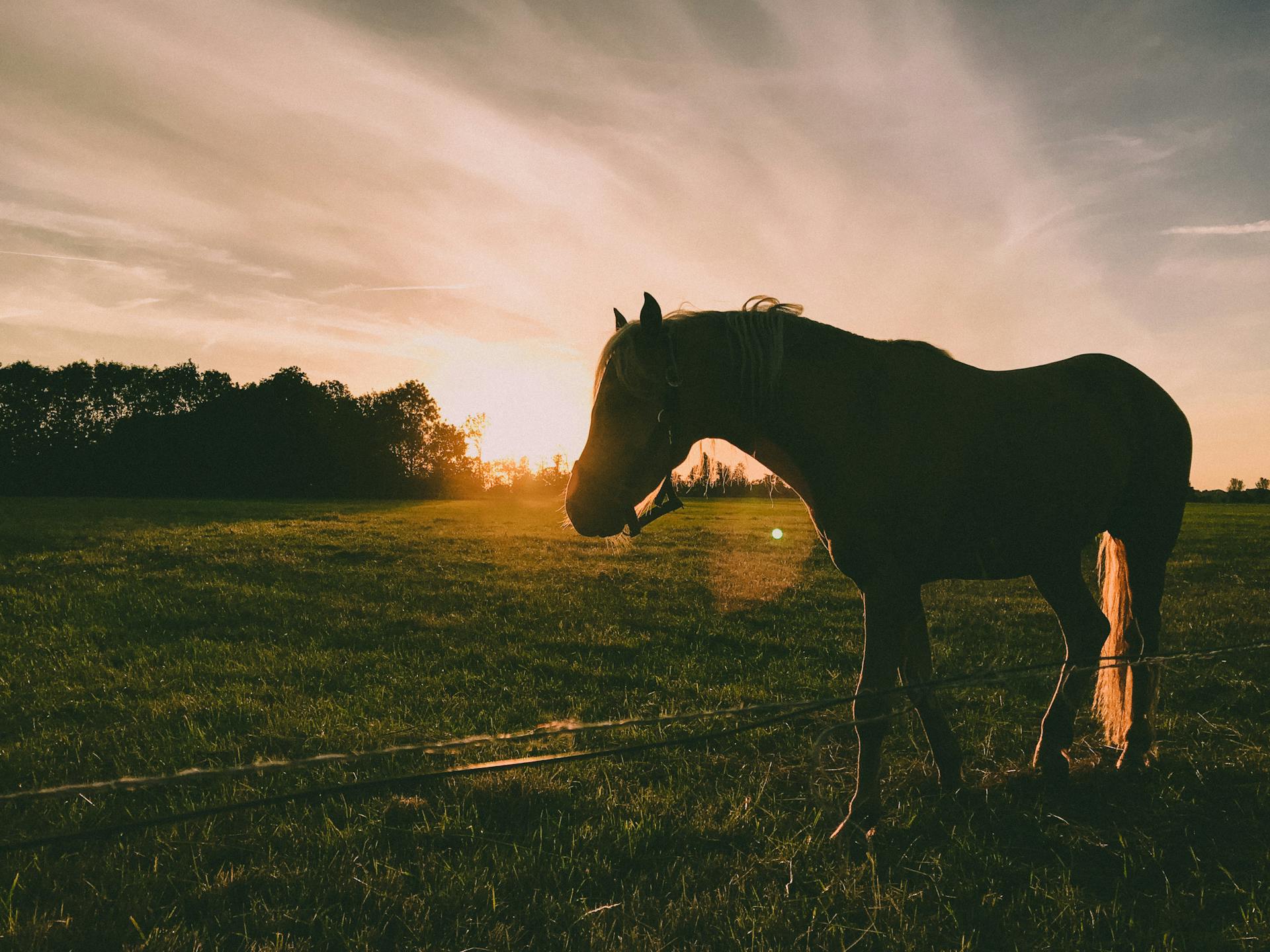
The harness is a crucial component in horse riding, and it's essential to understand how it works. The Andalusian horse and harness, in particular, is very suitable for this discipline due to its strength and endurance.
Good communication between the rider and the horse is key, and the harness plays a significant role in facilitating this. This is because the harness involves coordination between the different components of the harness.
A well-designed harness can make all the difference in a horse's performance and the rider's experience.
For more insights, see: Horse Harness
History and Origins
The Andalusian horse has a rich history that spans thousands of years, originating with the prehistoric horses that populated the Iberian Peninsula in Spain during prehistoric times.
Its ancestors were known as Iberian horses, which were influenced by horses brought to the peninsula by explorers, culminating in the Andalusian breed during the 1400s.
The Andalusian's agility and speed, typically reaching 55 mph, made it a popular choice among European royalty and armies, who favored its ability as a warhorse.
The breed's popularity continued to grow as riding academies formed and the art of riding became popular, influencing breeds like the Lipizzaner, the Cleveland Bay, and the Connemara.
A fresh viewpoint: Prehistoric Horses
History and Origins
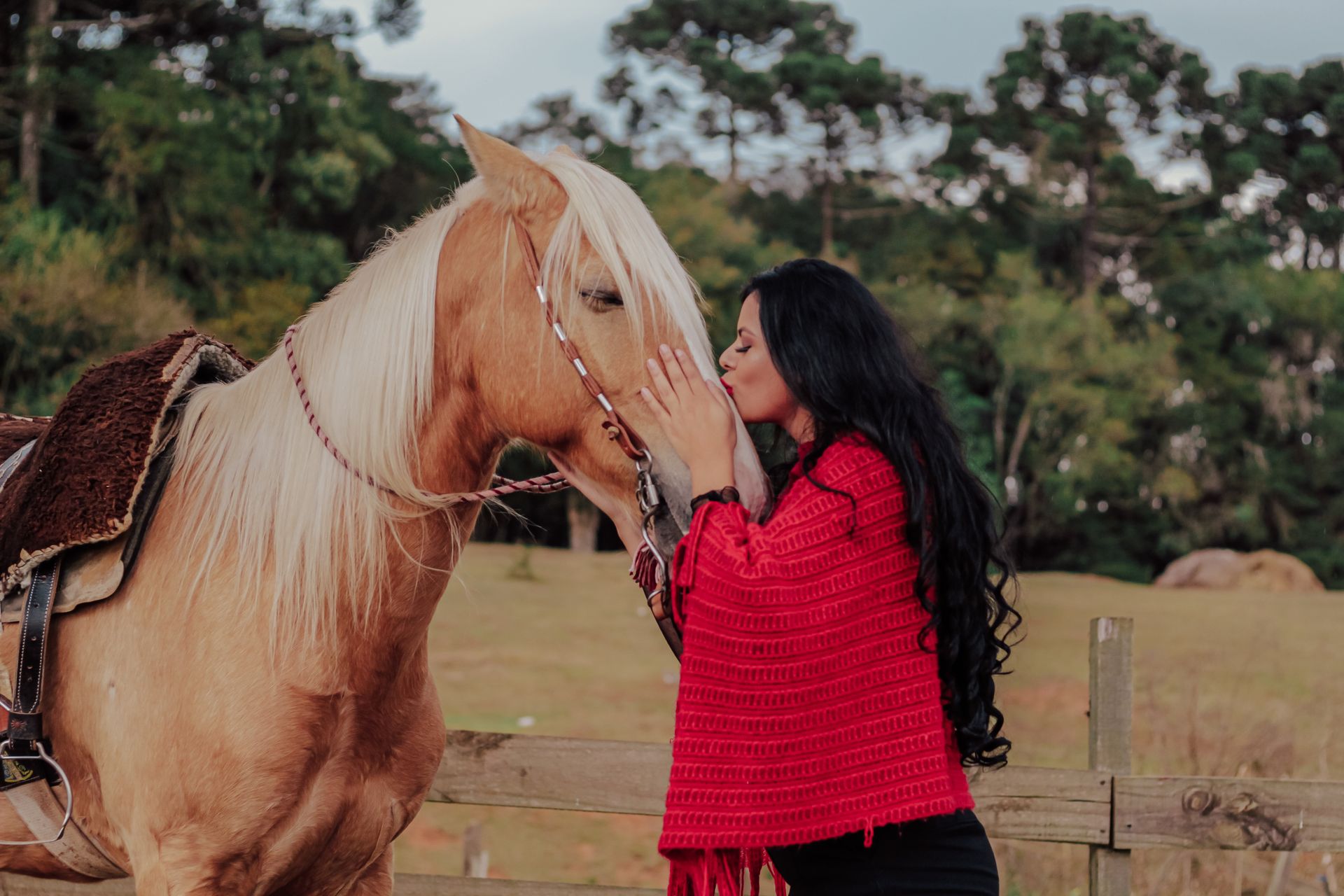
The Andalusian horse has a rich and storied history that spans thousands of years. It originated from the Iberian horses that inhabited the Iberian Peninsula in Spain during prehistoric times.
These ancient horses were crossed with oriental horses brought by the Phoenicians, Carthaginians, and Arabs, giving rise to a unique and refined breed. The Romans highly valued the Andalusian horse, using it for military campaigns and circus performances.
The Romans called the Andalusian horse "equus hispanicus" and considered it the best horse in the world. The breed's agility and speed made it a popular mount among European royalty.
The Andalusian's legacy as a warhorse continued, and it was favored by armies for its speed and agility, which typically reached 55 mph. The breed's influence can be seen in other breeds, such as the Lipizzaner, Cleveland Bay, and Connemara.
The Andalusian's history is intertwined with that of Spain, and it's believed to have been present on the Iberian Peninsula as far back as 20,000 to 30,000 BCE. Cave paintings show the presence of horses in the region during this time.
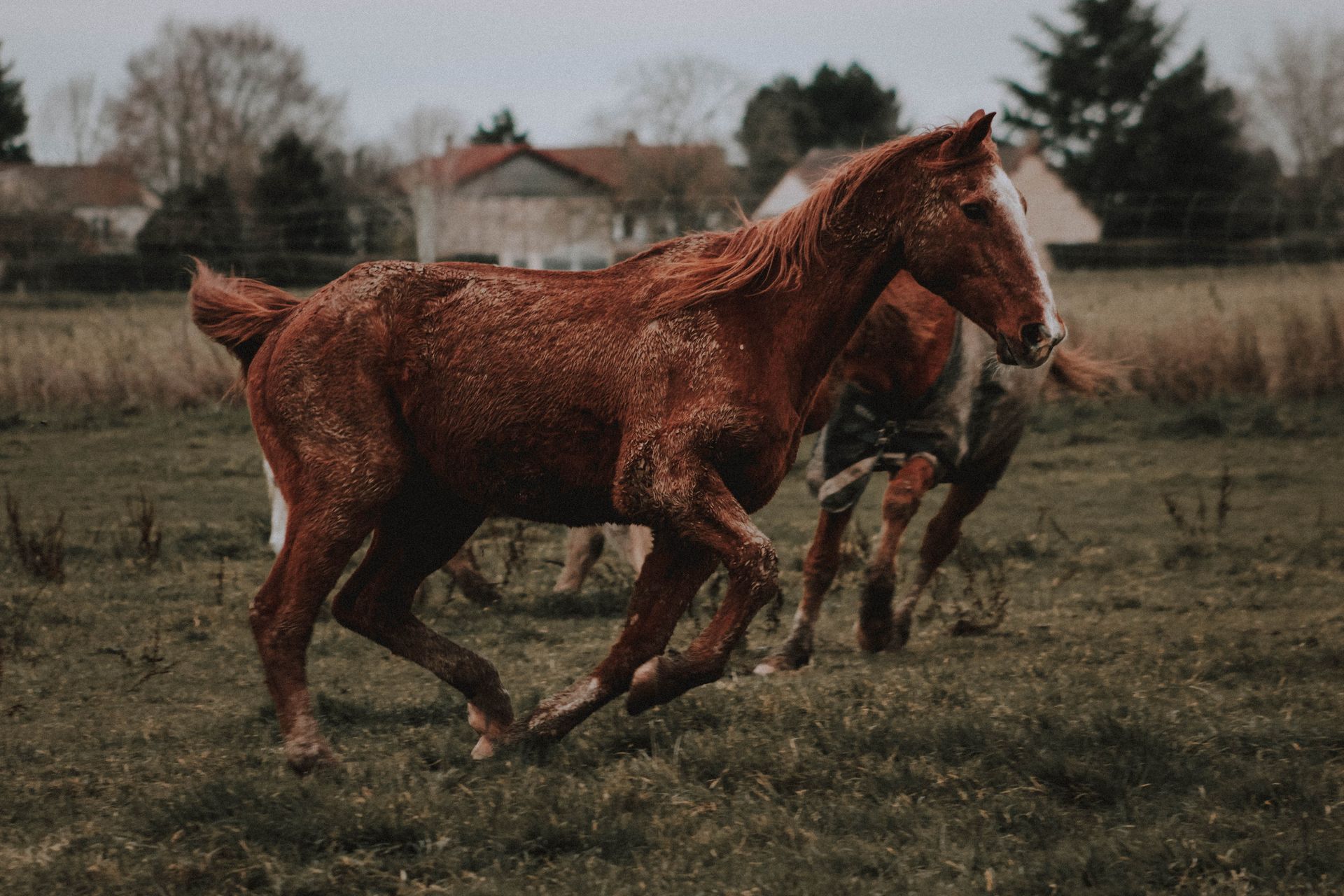
The breed's early development is also tied to the Iberian breeds, which were influenced by various cultures and peoples, including the Celts, Carthaginians, Romans, and Arabs. The Iberian horse was identified as a talented war horse as early as 450 BCE.
The Andalusian was used extensively in classical dressage in Germany since the 16th century, influencing many German breeds, including the Hanoverian, Holstein, East Friesian, and Oldenburg. The breed's influence can also be seen in Dutch breeds, such as the Friesian and Gelderland.
The Andalusian was a significant influence on the creation of the Alter Real, a strain of the Lusitano, and the Azteca, a Mexican breed created by crossing the Andalusian with American Quarter Horse and Criollo bloodlines.
Broaden your view: Types of Friesian Horses
Pre: Breed Standard Overview
The PRE breed is known for its unique characteristics, which are outlined in the breed standard. The PRE horse is medium-sized and short-backed with a high-set arched neck and a rounded topline.
A key aspect of the breed standard is the body proportionality index, which is between 90–110. This ratio helps to create an appearance of general harmony and beauty.
The PRE horse's weight is balanced towards the hindquarters, allowing them to show a high degree of collection and powerful jumping ability.
Their coats are characteristically short and fine, with minimal hair on the fetlocks. The mane is typically abundant and silky, while the tail is low-set and has abundant, often wavy hair.
Here are the specific height requirements for PRE stallions and mares to be registered with the ANCCE:
In terms of color, greys and bays are dominant, but other solid colors are permitted. Around 70% of PREs in Spain are grey.
Famous
Andalusian horses have made a significant impact on the world of equestrian sports. Fuego XII, a notable example, wowed the crowd with his flamenco freestyle in the World Equestrian Games in 2010.
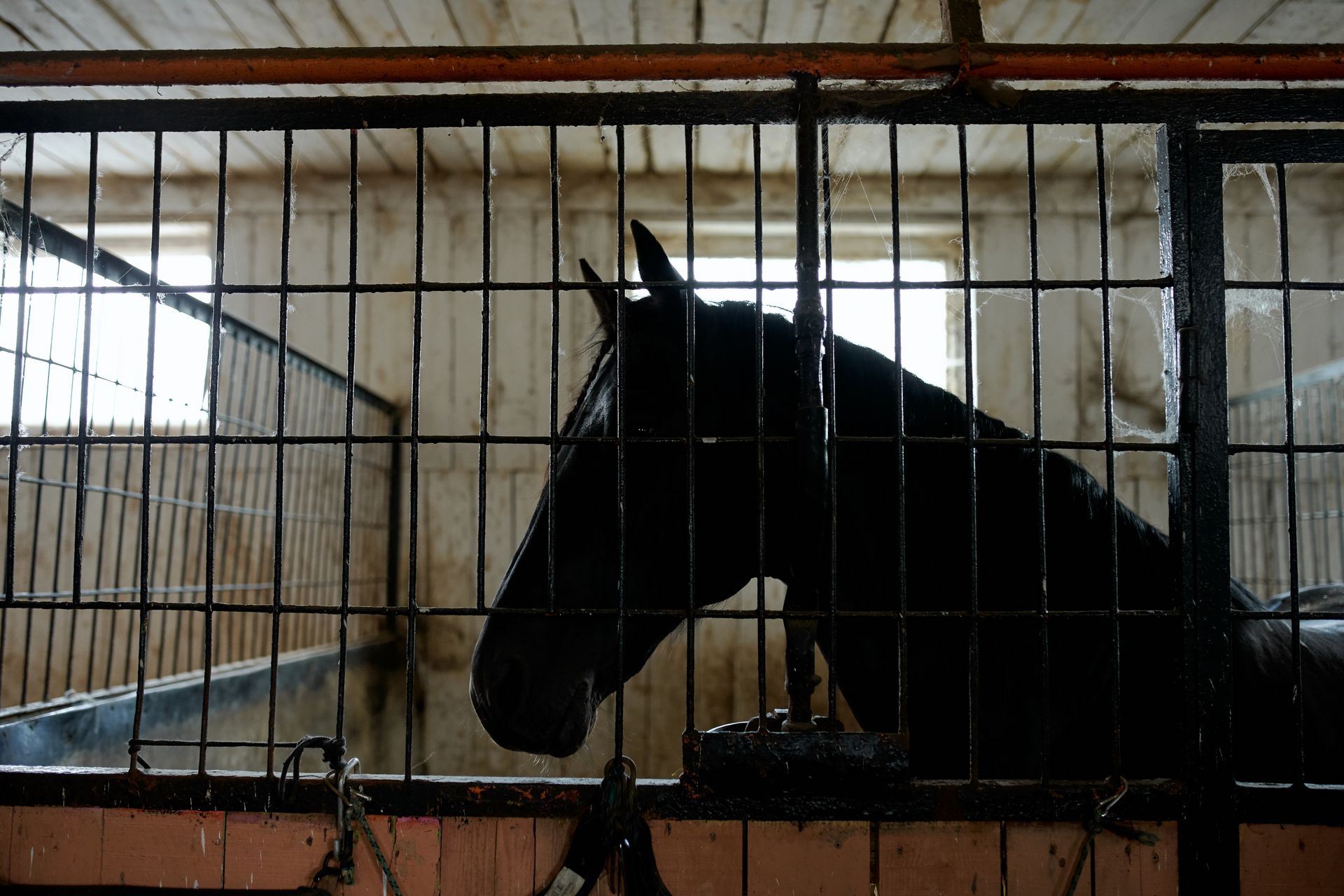
One of the most legendary Andalusian horses is Babieca, the white stallion warhorse of El Cid Campeador from the 11th century in medieval Spain. His historical significance is undeniable.
Evento was a key PRE horse that helped kick off international dressage in Spain, ridden by Ignacio Rambla, and competed at four European Championships.
You might like: Andalusian Horse Show Seville Spain
The
The word "the" has a rich history that dates back to ancient times. It originated from the Old English word "þe", which was used to indicate a specific person or thing.
In Old English, "þe" was a definite article, used to point out a particular individual or object. This word was derived from the Proto-Germanic word "*þiz", which was also the source of the Modern German word "der".
The word "the" has undergone significant changes over the centuries, evolving from a distinct word in Old English to a more integrated part of the English language. This shift reflects the language's adaptation to changing cultural and linguistic influences.
Here's an interesting read: What Are Morgan Horses Used for
Pure Spanish (PRE)
The Pure Spanish Horse, also known as PRE (Pura Raza Española), is a term used by the ANCCE, a private organization, and the Ministry of Agriculture of Spain.
The ANCCE was founded in 1972 and uses neither the term "Andalusian" nor "Iberian horse", and only registers horses with certain recognized bloodlines.
All breeding stock must undergo an evaluation process to be registered.
The ANCCE is recognized by Spain's Ministry of Agriculture as the representing entity for PRE breeders and owners worldwide, as well as the administrator of the breed stud book.
The ANCCE functions as the international parent association for all breeders worldwide who record their horses as PRE.
A second group, the Foundation for the Pure Spanish Horse or PRE Mundial, has begun another PRE registry as an alternative to the ANCCE.
The PRE Mundial registry claims that all of their registered horses trace back to the original stud book maintained by the Cria Caballar for 100 years.
As of August 2011, there is a lawsuit in progress to determine the legal holder of the PRE stud book.
The Unión de Criadores de Caballos Españoles (UCCE) has brought a case to the highest European Union courts in Brussels, charging that the Ministry of Spain's transfer of the original PRE Libro de Origen to ANCCE was illegal.
Explore further: Pre Andalusian Horse
Influence and Recognition
The Andalusian horse breed has had a profound influence on the development of many other breeds around the world.
Spanish stallions were crossed with local mares in many countries, adding Spanish bloodlines to breeds such as the Neapolitan horse, Groningen, Lipizzaner, and Kladruber.
The Andalusian's impact on classical dressage in Germany dates back to the 16th century, influencing breeds like the Hanoverian, Holstein, East Friesian, and Oldenburg.
Many Dutch breeds, including the Friesian and Gelderland, contain significant Spanish blood, as do Danish breeds like the Frederiksborg and Knabstrupper.
The Andalusian has also been used to create more recent breeds, such as the Warlander (an Andalusian/Friesian cross) and the Spanish-Norman (an Andalusian/Percheron cross), with breed associations established in the 1990s.
Explore further: How Many Different Types of Horse Breeds Are There
Influence on Other Breeds

The Andalusian's influence on other breeds is a remarkable story. They were crossed with local mares in many countries, adding Spanish bloodlines wherever they went, especially to other European breeds.
The Andalusian's impact on European breeds is significant, especially in Germany, where they've been used extensively in classical dressage since the 16th century. They've influenced many German breeds, including the Hanoverian, Holstein, East Friesian, and Oldenburg.
The Andalusian's bloodlines can also be found in Dutch breeds like the Friesian and Gelderland, as well as Danish breeds like the Frederiksborg and Knabstrupper.
Their influence extends beyond Europe, with the Andalusian being a significant influence on the creation of the Alter Real, a strain of the Lusitano, and the Azteca, a Mexican breed created by crossing the Andalusian with American Quarter Horse and Criollo bloodlines.
The Andalusian's ancestors also developed the Colonial Spanish Horse in America, which became the foundation bloodstock for many North and South American breeds.
A different take: American Indian Horse
Champion and Celebrity
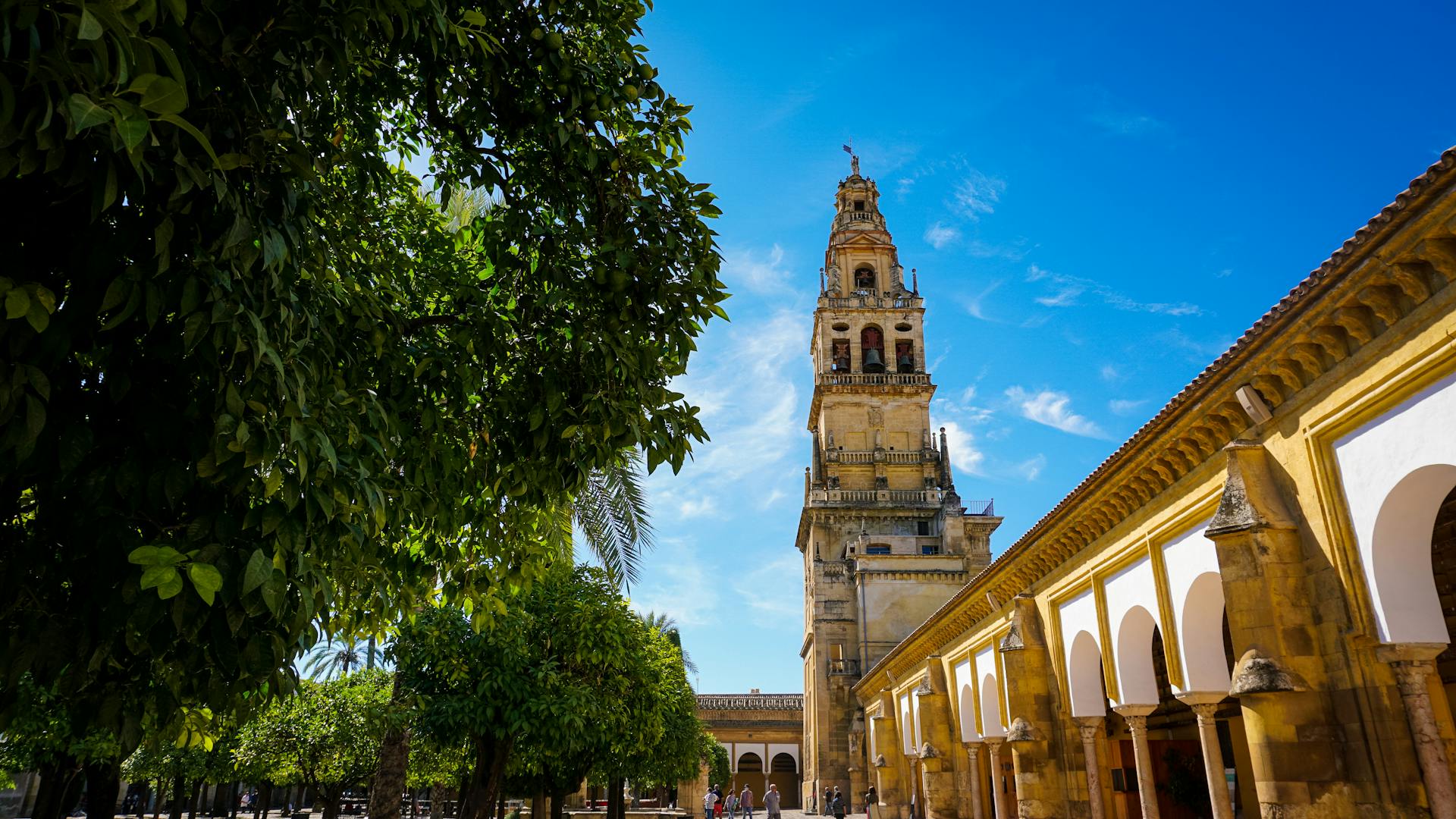
The Andalusian horse breed has a rich history of producing champion and celebrity horses. Babieca, a white Andalusian stallion, was a prized mount of Rodrigo Diaz de Vivar in medieval Spain.
He was a favored warhorse and instrumental in his owner's victory in each battle for 30 years. This impressive record showcases the breed's strength and agility.
Opus, an Andalusian stallion, was a tremendous bullfighting horse. Fans filled the stadium to see him take his victory lap when he retired.
Andalusians have also made appearances in popular media, including films like "Gladiator", "Interview with the Vampire", "Braveheart", and "The Lord of the Rings" films.
Acquiring and Considering
Acquiring an Andalusian horse can be a significant investment, with trained, purebred, and registered horses starting at around $10,000.
These prices can easily double or triple, making them impractical choices for riders with smaller budgets. Consider joining an Andalusian club in your area, as they may be able to connect you to reputable breeders and sellers.
It's possible to identify a quality breeding program and buy a horse directly, or purchase a highly trained horse from an Andalusian show barn with an established competition record. However, these horses can fetch higher prices.
Here are some options to consider:
- Buy a horse directly from a quality breeding program
- Purchase a highly trained horse from an Andalusian show barn
- Buy from a private seller, but be sure to research the seller and read reviews
Regardless of how you acquire the horse, it's essential to have a pre-purchase veterinary exam performed to ensure the horse's health and well-being.
How to Acquire
Acquiring an Andalusian horse can be a significant investment, but with some research and planning, you can find the right horse for you. Trained, purebred, and registered Andalusians start around $10,000, though prices can easily double or triple.
You can identify a quality breeding program and buy a horse directly, but be prepared for higher prices. Andalusian show barns often sell highly trained horses with established competition records, which can also fetch higher prices.
Buying an Andalusian from a private seller is another option, but it's essential to be cautious. Consider joining an Andalusian club in your area, as they may be able to connect you to reputable breeders and sellers.
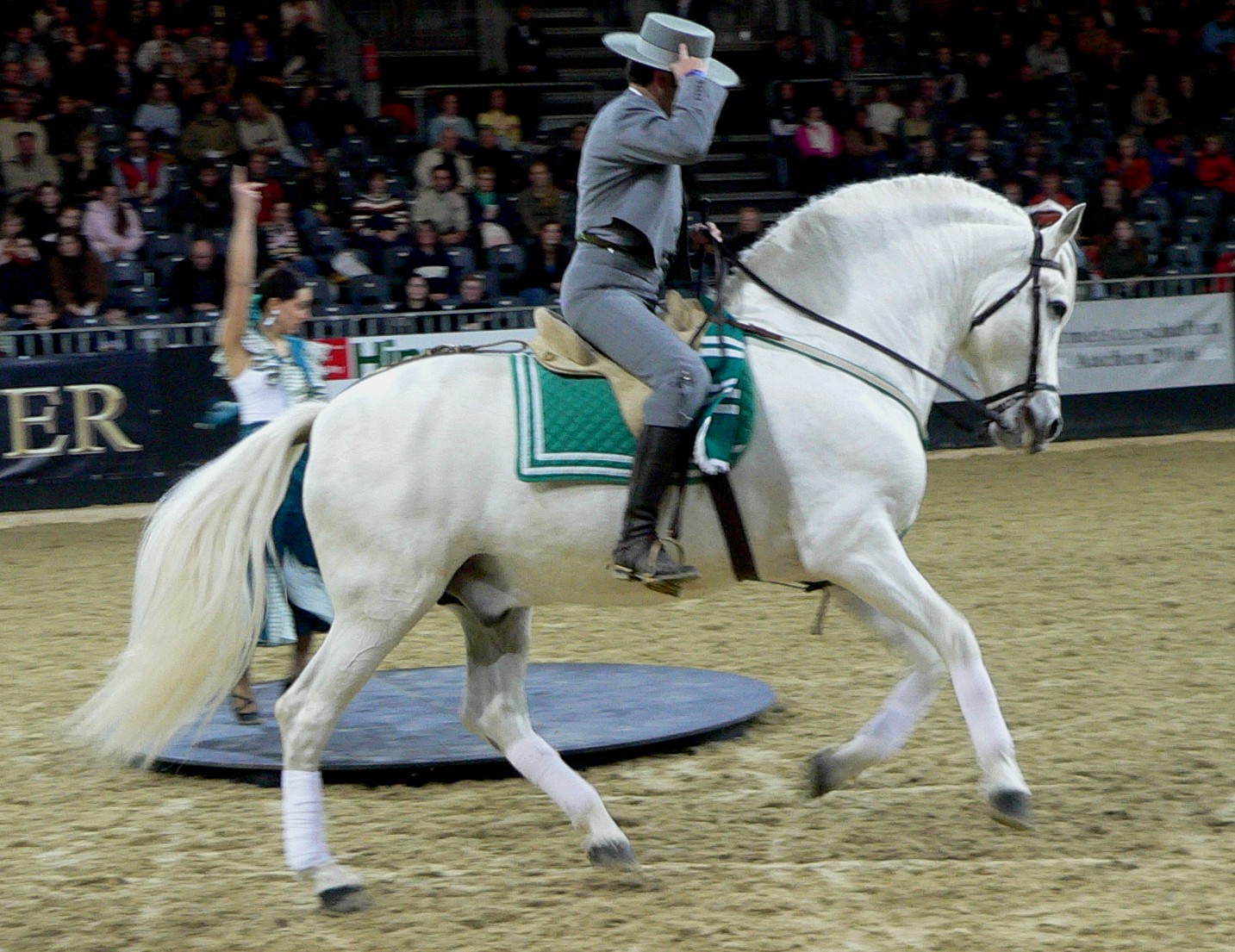
Adopting an Andalusian is rare, but Andalusian crosses may come up for adoption more often. If you do decide to adopt, research the rescue and read reviews from others who have adopted horses.
A pre-purchase veterinary exam is crucial, whether you're buying or adopting a horse. This exam will help ensure the horse's health and well-being.
Is it Right for You?
If you're considering acquiring an Andalusian horse, you'll want to think carefully about whether it's the right fit for you. The Andalusian breed is highly intelligent and easy to train, making them a great choice for experienced riders.
One thing to keep in mind is that Andalusians are best suited for intermediate riders and above due to their forward movement. This means that beginners may find them challenging to handle.
You'll also want to consider the cost, as Andalusians are slightly more expensive than most other breeds. However, their intelligence and agreeable temperament make them a pleasure to work with.
Here are some key points to consider when deciding if an Andalusian is right for you:
- Highly intelligent and easy to train
- Agreeable temperament makes them most pleasant to work with
- Slightly more expensive than most other breeds
- Forward movement can make this breed unsuitable for beginners
Frequently Asked Questions
What are the disadvantages of Andalusian horses?
Andalusian horses are prone to certain health issues, including intestinal problems and metabolic conditions like Cushing's disease, which can be painful and require long-term management. These health concerns may impact the horse's quality of life and require careful consideration for owners.
Are Andalusian horses expensive?
Yes, Andalusian horses can be quite expensive, with prices ranging from $10,000 to $80,000 depending on factors like age, color, and training level. If you're interested in learning more about the costs and benefits of owning an Andalusian horse, keep reading.
Is an Andalusian horse a Warmblood?
Andalusian horses are a foundation breed for many European Warmbloods, but they are not a Warmblood themselves. They are a distinct breed developed for athleticism and stamina.
Featured Images: pexels.com