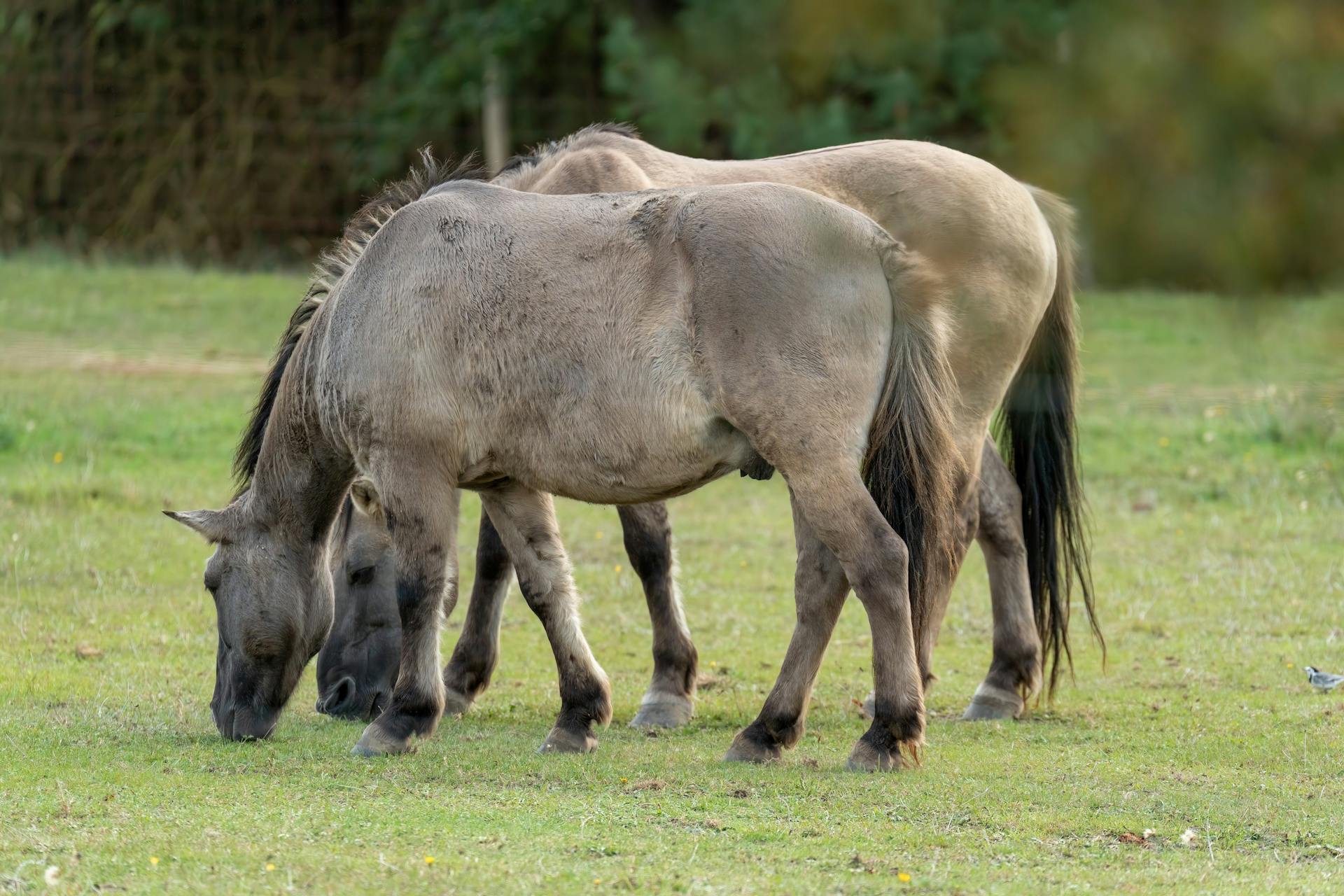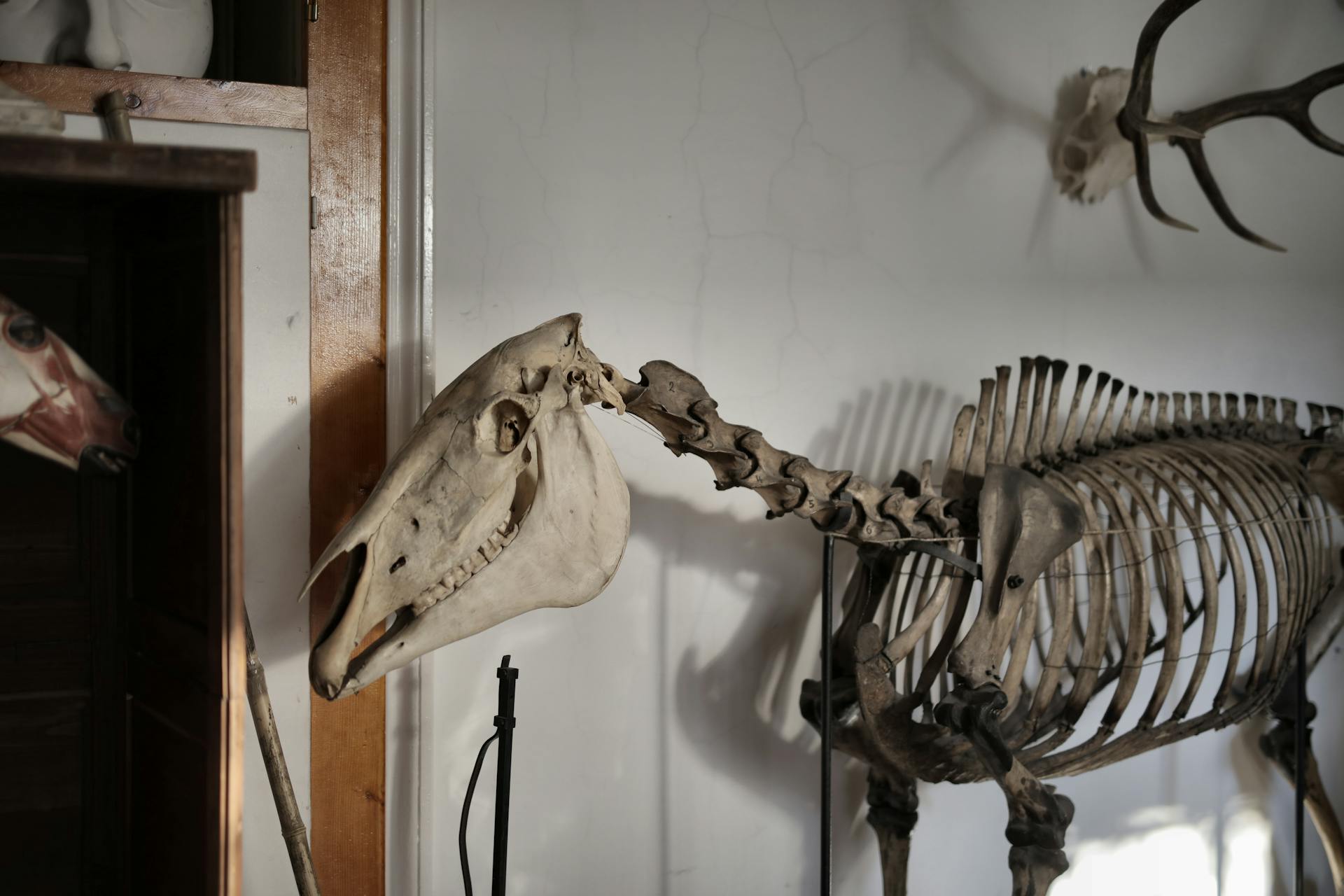
Let's take a journey through time and explore the evolution of prehistoric horses. The earliest known ancestor of modern horses dates back to around 52 million years ago, during the Eocene epoch.
These early horses were small, multi-toed creatures that lived in what is now North America. They were about the size of a large cat.
The first recorded horse-like creature with a single hoof was the Orohippus, which appeared around 45 million years ago. This was a significant milestone in horse evolution.
Over time, these early horses continued to evolve and adapt to their environments, eventually giving rise to the modern horse species we know today.
Horse Evolution
Horse evolution is a fascinating topic that has been extensively studied through fossil records and genetic analysis.
The first horses evolved on the North American grasslands over 55 million years ago, and from there, they migrated across the Bering land bridge into what is now Siberia.
These early horses were quite different from the ones we know today, with some species having small toes surrounding their enlarged middle hooves.
The most modern equids, or descendants of Parahippus, are called equines, and strictly speaking, only the very modern genus, Equus, contains what we know as "horses".
Horse evolution was not a smooth and gradual process, but rather a complex and dynamic one, with different traits evolving at different rates and sometimes reversing direction.
Horse Evolution Has at Least Two Gaps
There are at least two evolutionary gaps in the horse series. The first gap occurs at Epihippus, an animal with sparse fossil pieces that resemble those of earlier species like Orohippus and Eohippus.
Fossil pieces of Epihippus are incomplete and show little resemblance to the horse-like species that came after it. This makes it difficult to understand the transition from Epihippus to the next stage of horse evolution.
The second gap occurs in or just after the group Parahippus. Early Parahippus species are supposed to resemble Miohippus and Mesohippus, while the latter ones are supposed to look like Merychippus.
However, the fossil material for Parahippus is incomplete and shows similarities to 14 of 18 species of horses, including Miohippus and Merychippus. This suggests that Parahippus might be a mixed-up group of unrelated fossils.
Merychippus
Merychippus was a remarkable horse that lived 15 million years ago, standing six feet tall at the shoulder and weighing a massive 1,000 pounds.
Its distinctive feature was its enlarged middle hooves, with small toes surrounding them. This unique hoof structure likely played a crucial role in its adaptation to its North American habitat.
Merychippus was a pioneering horse that successfully adapted to a grass-based diet, marking a significant milestone in equine evolution. Its ability to graze exclusively on grass paved the way for all subsequent horses to thrive in this environment.
Interestingly, Merychippus wasn't a true ruminant, despite its name, as it didn't possess the extra stomachs characteristic of ungulates like cows.
Horse Behavior and Habitat
Equus scotti lived in small herds, like modern wild horses and zebras. This social structure suggests that they were highly social animals.
These small herds would have allowed them to roam freely and efficiently, taking advantage of the available resources in their habitat.
Distribution and Habitat
Equus scotti, a native North American horse, had a wide distribution over the continent.
It probably preferred grasslands, open wetlands, and open woodlands.
Fossils of this horse first appeared approximately 2 million years ago.
Behavior
In the wild, horses and zebras are social animals that live in small herds.
These herds are typically led by a dominant mare, who helps maintain order and protects the group.
Equus scotti, a now-extinct relative of modern horses and zebras, also lived in small herds, just like its modern counterparts.
This social behavior is likely an adaptation to help them survive in their environments, where having a watchful eye can make all the difference.
Horse Lineages
Horse lineages are fascinating, and researchers have been able to track them in remarkable detail. Frozen soils in Alaska, Canada, and Siberia preserve a treasure trove of fossilized bones from ancient horses and other large herbivores.
DNA preserves best in cold environments, which is why researchers were able to sequence the genomes of 68 Late Pleistocene horse specimens from both the American and Eurasian continents. These specimens date back as far as 1 million years ago.
The research team found that there was one distinct horse lineage south of the ice sheets, another across Alaska and the Yukon, and even a third at the westernmost edge of Alaska. This shows that today's geographic country boundaries and accompanying paleontological labels don't accurately define or capture the actual experience of the horse.
The horses in these lineages lived within the ice-free corridor at a time when the landscape was transitioning from steppe-tundra to a much wetter ecosystem. This shift made it less favorable to horse populations and their necessary ecosystems, leading to a significant demographic decline.
Groups of Horses
As we explore the horse lineages, let's take a closer look at groups of horses that may represent created kinds. The horse series offers some intriguing insights, even with limited fossil evidence.
One of the most striking examples is the presence of certain animals that could be considered created kinds, as mentioned in the article. These groups of horses are characterized by distinct features that set them apart from one another.
The fact that we can discern these differences in fossil skeletons suggests that these groups may have evolved over time, but the exact mechanisms behind their development remain unclear. This has sparked a lot of debate among scientists and researchers.
Some of the most notable groups of horses include those with long faces and others with shorter faces. These physical characteristics are not just random variations, but rather seem to be part of a larger pattern. This pattern is thought to be an example of a created kind, with each group representing a distinct and unique entity.
The study of these groups has provided valuable insights into the evolution of horses over time. By examining the fossil record, researchers have been able to piece together a narrative of how these horses lived and interacted with their environments.
Tracking Horse Lineages
Horses have a fascinating history, and tracking their lineages can be a complex but rewarding task. Researchers have sequenced the genomes of 68 Late Pleistocene horse specimens from both the American and Eurasian continents, dating back as far as 1 million years ago.
The DNA of these ancient horses preserves remarkably well in cold environments, such as the frozen soils of Alaska, Canada's Yukon, and Siberia in Russia. This has allowed scientists to reconstruct the genetic history of horses with unprecedented accuracy.
Yvette Running Horse Collin, a Lakota scientist, led the project's genome sequencing laboratory work and ensured that all Indigenous scientific protocols were applied and followed. Her work shows that there was one distinct horse lineage south of the ice sheets, another across Alaska and the Yukon, and even a third at the westernmost edge of Alaska.
The natural migration patterns of horses are not accurately defined by modern geographic country boundaries or paleontological labels. This is evident in the fact that horses lived within the ice-free corridor at a time when the landscape was transitioning from steppe-tundra to a much wetter ecosystem.
This shift proved less favorable to horse populations and their necessary ecosystems, leading to a significant demographic decline. Researchers have also found that there were distinct horse lineages in different regions, highlighting the complexity of horse migrations and evolution.
Genomic Research
Researchers sequenced the genomes of 68 Late Pleistocene horse specimens from both the American and Eurasian continents dating back as far as 1 million years ago.
The team found that horses crossed the land bridge from Eurasia to America between 19,000 and 50,000 years ago, with many subsequent migrations taking place.
Domesticated horses spread across the globe with human societies, but their genetic makeup tells a more nuanced story of migration and adaptation.
The western lineage in North America was traced back to Eurasia, specifically the Ural Mountains, where a horse population native to that region extended across the Arctic and entered North America.
This population eventually left enduring genetic traces as far west as Anatolia and the Iberian Peninsula well into the Holocene Period.
Horses traveled the opposite direction during earlier time periods, following coastal routes southward along the Pacific and reaching as far as northeastern China.
The study shows that the natural migration patterns of horses do not align with modern geographic country boundaries, highlighting the complex history of horse migration.
Readers also liked: North Swedish Horse
Horse Fossil Record
The horse fossil record is a treasure trove of information about the evolution of these magnificent creatures. Dr. Michael Voorhies, an equine specialist, has dedicated his research to understanding the paleontology and geologic history of Nebraska and the Great Plains, where horse fossils have been found.
Horse fossils make up about 18% of the large mammal assemblage at Tule Springs Fossil Beds. These fossils include molar teeth, skull and lower leg bones, and a partial cranium of Equus scotti.
The earliest known horse, Hyracotherium, or "Dawn Horse", was a small, dog-sized creature that lived from 55 to 45 million years ago.
Eocene 55-38
The Eocene epoch, spanning from 55 to 38 million years ago, was a pivotal time in the evolution of horses. This period saw the emergence of the first equid, Hyracotherium, a small forest animal that looked nothing like a horse, with a height of 10-20 inches.
The climate during this time was subtropical, with palm trees, alligators, and magnolias flourishing in what is now North America. Ancestral forms of the horse, rhinoceros, camel, and other mammals appeared in the fossil records from this period.
Mammals had become the dominant form of terrestrial life, and a gradual cooling trend began in North America around 38 million years ago. This trend would last through the Pleistocene Ice Ages, leading to a drier climate and the replacement of forests with vast grasslands.
See what others are reading: Feral Horses in North America
Pliohippus
Pliohippus was a three-toed horse that lived around 15 million years ago in the middle Miocene epoch.
It was very similar to the direct ancestor of Equus, but two significant differences set it apart: its skull had deep facial fossa, and its teeth were strongly curved.
Pliohippus was a large horse, weighing around a half-ton, and it looked and behaved much like other ancestral horses, subsisting on an exclusive diet of grass.
Its loss of side toes was a gradual process, seen in three successive strata, and it was until recently thought to be the direct ancestor of Equus.
However, Pliohippus is now believed to be a side branch in evolution, with its deep facial fossa and curved teeth distinguishing it from Equus.
Consider reading: Equus Ferus Caballus
Merchippus
Merychippus was about 10 hands or 40” tall, making it the tallest of its time. This species was distinctly recognizable as a horse with a very “horsey” head.
The muzzle of Merychippus became elongated, and the jaw became deeper. This change allowed for the large teeth roots to be accommodated.
Merychippus had a notably larger brain, with a fissured neocortex and a larger cerebellum. This made Merychippus smarter and more agile than earlier horses.
Equus
The genus of all modern equines is Equus, and the first Equus was about 13.2 hands tall, pony size, with a classic "horsey" body. It had a rigid spine, long neck, legs, and nose, and fused leg bones with no rotation.
Equus was one-toed, with side ligaments that prevent twisting of the hoof, similar to Dinohippus. This species had high-crowned, straight, grazing teeth with strong crests lined with cement.
The brain of Equus was a bit larger than in early Dinohippus. This species has remained relatively unchanged, with some of the best-preserved fossil horses being found in the Ashfall Fossil Beds in Nebraska.
Tule Springs
Tule Springs is a significant site for horse fossil discoveries. The fossils of horses make up about 18% of the large mammal assemblage at Tule Springs Fossil Beds.
These fossils are mostly fragmentary, but some are identifiable. Commonly found horse fossils include molar teeth, skull bones, and lower leg bones.
One type of horse, Equus scotti, was identified at Tule Springs based on a partial cranium, mandible, and a metapodial. This suggests that Equus scotti was a distinct species found at the site.
A second, smaller horse was also discovered at Tule Springs. Its fossils indicate that it was a long-legged form, possibly related to wild asses.
UC Contributes to First Nations Movements Study
The University of California has been actively involved in a study on First Nations movements in North America.
This study has shed light on the early history of human migration in the region, providing valuable insights into the lives of indigenous peoples.
UC researchers have used fossil evidence to reconstruct the ancient migration patterns of First Nations groups.
The findings of this study have significant implications for our understanding of the peopling of the Americas.
By analyzing fossil records, researchers have been able to identify specific migration routes and times.
These discoveries have helped to challenge previous theories about the origins of First Nations populations.
UC's contributions to this field of research have been instrumental in advancing our knowledge of First Nations movements.
The study has also highlighted the importance of preserving and protecting indigenous cultural heritage sites.
Hipparchion
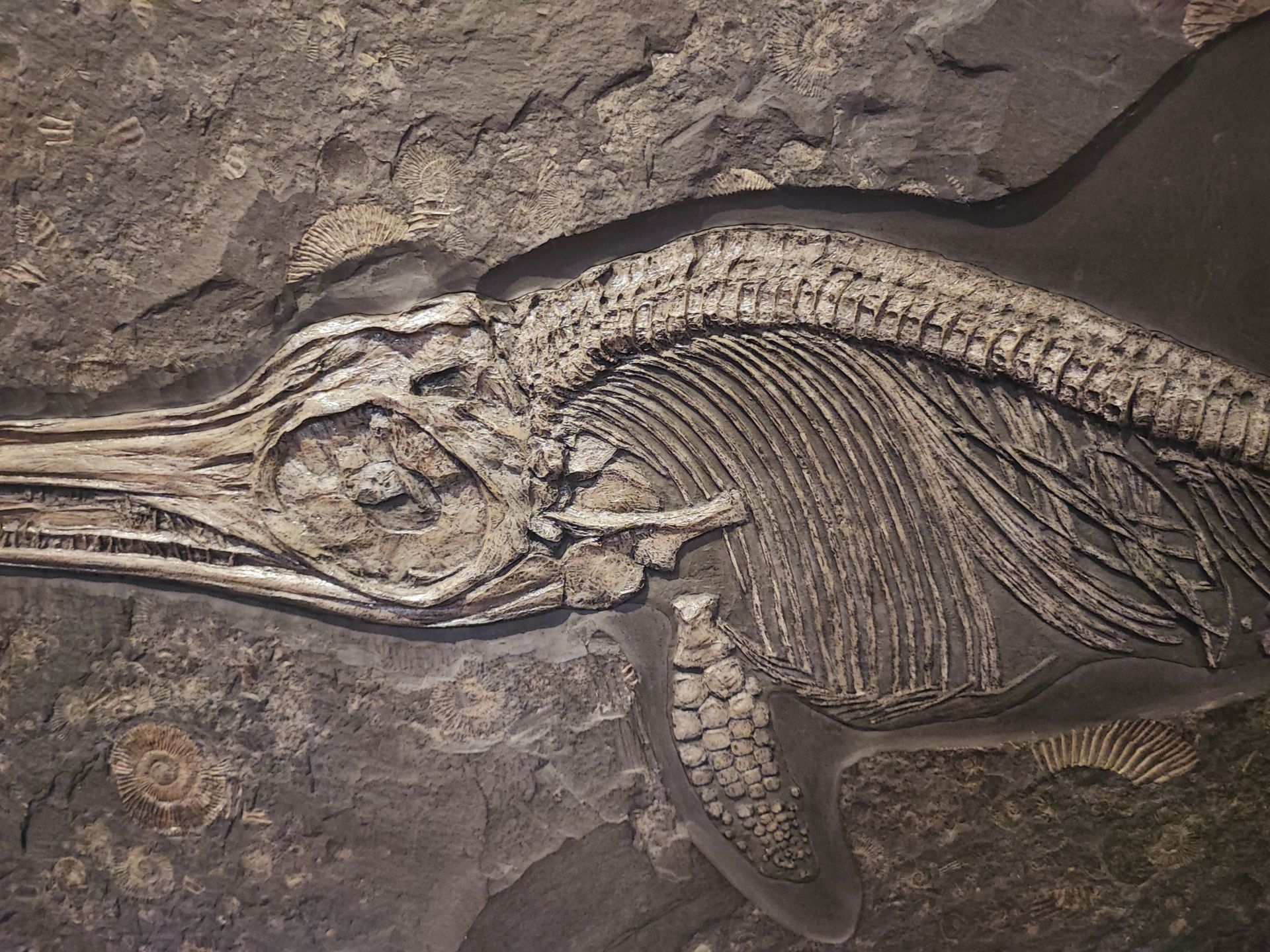
Hipparion was the most successful equid of the latter Cenozoic Era, populating the grassy plains of North America, Europe, and Africa.
It was a direct descendant of Merychippus and slightly smaller than its ancestors, with no species exceeding 500 pounds.
Hipparion retained vestigial toes surrounding its hooves, a characteristic shared with its ancestors.
Its preserved footprints show that Hipparion not only looked like a modern horse but also ran like one.
Oligocene, 38-24
The Oligocene period, spanning from 38 to 24 million years ago, was a pivotal time in the evolution of horse species. This change in climate allowed horses to take advantage of new habitats and food sources, leading to the development of tougher teeth to grind up grasses.
Horses began to grow longer legs as it became more important for animals to run and escape predators. This adaptation was crucial for their survival.
The new species that emerged during this period were the first to exploit grass as their primary diet. This shift in diet had a significant impact on their overall development and growth.
Horses started to get larger, developing more strength and agility. This trend continued throughout the Oligocene period, shaping the modern horse species we know today.
Timeline of Horse Evolution
Dr. Michael Voorhies is an equine specialist who has spent years studying the evolution of horses.
The history of horses in the Great Plains dates back millions of years, to a time when the area was much warmer and more humid.
Dr. Voorhies is Curator of Vertebrate Paleontology at the University of Nebraska Museum and has a vast collection of fossil bones to study.
Warm-blooded mammals roamed the Great Plains, including the ancestors of modern horses.
Dr. Voorhies' research focuses on the geologic history of Nebraska and the Great Plains, specifically the evolution of mammals like horses.
Frequently Asked Questions
What was the largest prehistoric horse ever?
The largest prehistoric horse was Equus giganteus, a massive species that stood up to 2 meters tall and weighed 1200-1500 kg. This enormous horse was as large as or larger than most draft horses.
Featured Images: pexels.com