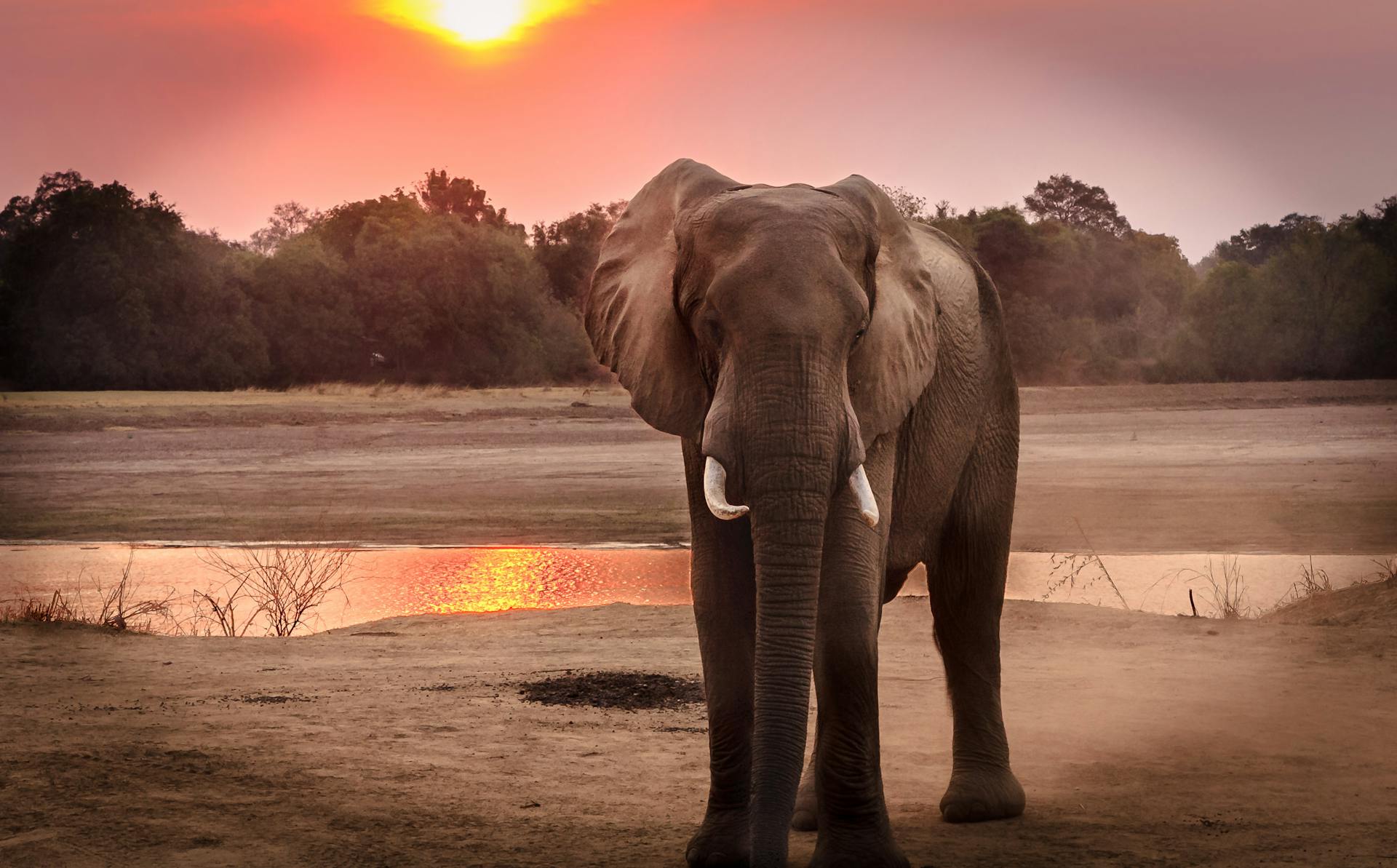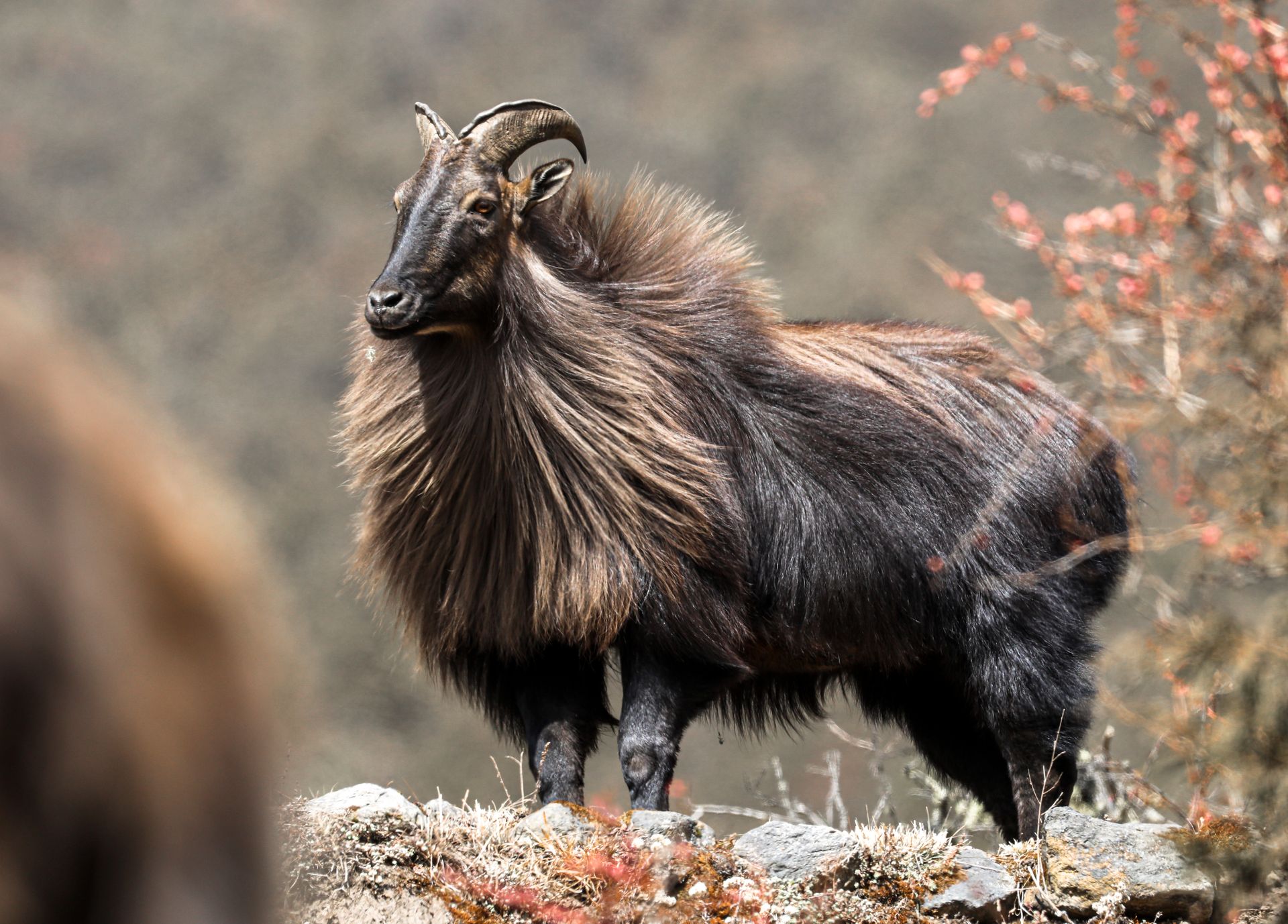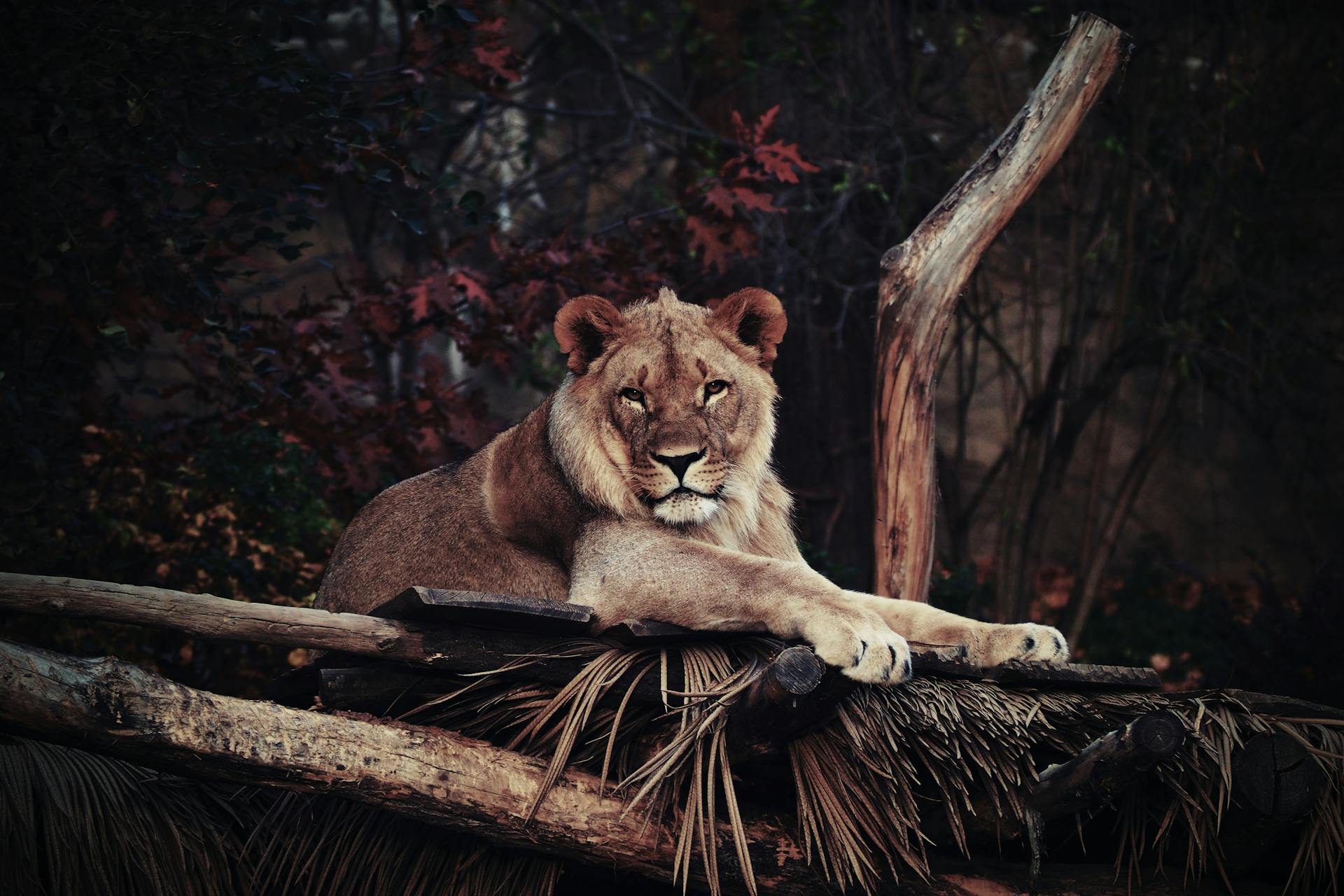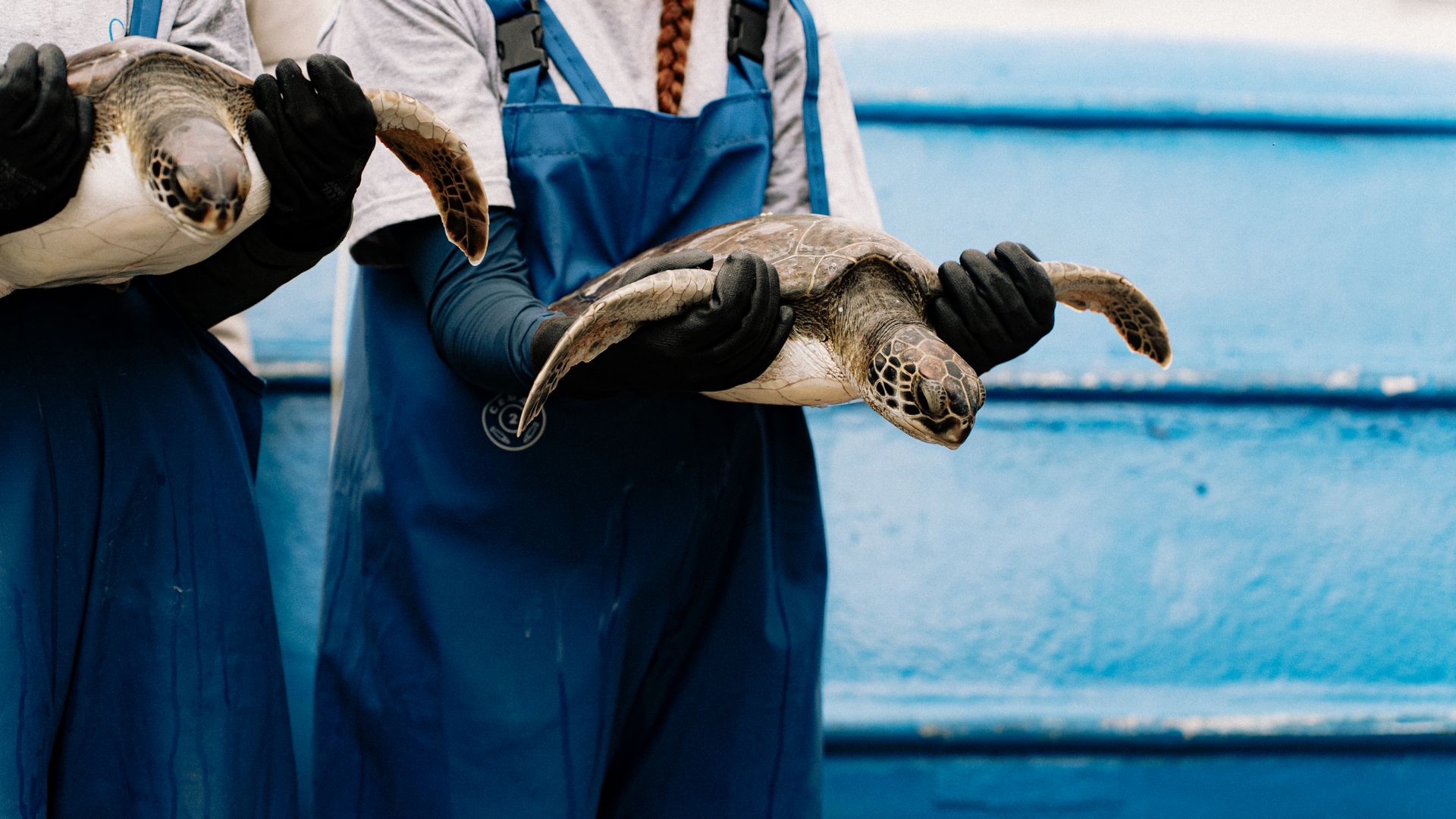
As a wildlife conservationist, you'll have the opportunity to work in a variety of settings, from national parks to wildlife sanctuaries.
Conservationists can work in government agencies, non-profit organizations, or private companies, with salaries ranging from $40,000 to over $100,000.
Many conservationists start their careers as volunteers or interns, gaining hands-on experience in the field and building their professional networks.
Fieldwork is a big part of the job, requiring conservationists to work in challenging outdoor environments, often in remote areas with limited access to amenities.
You might like: Wildlife Rehabilitator Job Work Environment
What Is Wildlife Conservation?
Wildlife conservation is a vital effort to protect and preserve the natural habitats of animals and plants. It's a broad field that encompasses many different aspects, including habitat preservation, species protection, and sustainable resource management.
The goal of wildlife conservation is to maintain the delicate balance of ecosystems, ensuring that species can thrive without harming the environment. This balance is crucial for the health of our planet.
Discover more: World Wildlife Foundation Endangered Species
Conservation efforts often involve working with governments, local communities, and other stakeholders to develop and implement effective conservation strategies. For example, the Endangered Species Act (ESA) in the United States provides a framework for protecting threatened and endangered species.
Wildlife conservationists play a critical role in identifying and addressing the root causes of species decline, such as habitat loss and fragmentation, climate change, and human-wildlife conflict. By understanding the complex relationships between species and their environments, conservationists can develop targeted solutions to these problems.
The conservation of wildlife is not just about preserving animals; it also involves protecting the ecosystems that support them, including forests, grasslands, and oceans. These ecosystems provide essential services like clean air and water, soil formation, and climate regulation.
Building a Career
Conservation scientists can work in a variety of settings, including government agencies, zoos, national parks, and aquaria. As of 2020, 71% of conservation scientists worked for government agencies, according to the U.S. Bureau of Labor Statistics.
Many conservationists also work in management roles, promoting wildlife conservation by locating private and government donors, maintaining databases of donors and grants, and meeting with representatives of various groups. To present accurate information to potential donors, they oversee the production of financial reports, work plans, implementation plans, and other documents.
Potential career paths for wildlife conservationists include conservation, environmental education, game management, public outreach, resource management, and wildlife management.
Where to Start
Starting your career is an exciting but daunting prospect. You've got your degree, now what? Take a look at the job market and identify the most in-demand fields.
The job market is constantly evolving, with new technologies and industries emerging all the time. Consider what skills you've developed during your studies and how they can be applied to these areas.
Networking is key to getting your foot in the door. Attend industry events and join professional organizations to meet people in your field and learn about job opportunities.
Research has shown that people who are proactive and take the initiative to seek out opportunities are more likely to succeed in their careers.
Don't be afraid to take calculated risks and step outside your comfort zone. This is where you'll learn the most and gain the skills you need to succeed.
Potential Careers
Building a career in a field you're passionate about can be incredibly rewarding. As a conservation scientist, you can work in a variety of roles, including conservation, environmental education, and wildlife management.
According to the U.S. Bureau of Labor Statistics, 71% of conservation scientists worked for government agencies as of 2020. This can involve working with government officials and local authorities to discuss policy and raise awareness about conservation efforts.
Many conservationists also work in zoos, national parks, and aquaria, dividing their time between field and office work. In these roles, you may work with a director of foundation relations to review proposals, reports, and correspondences.
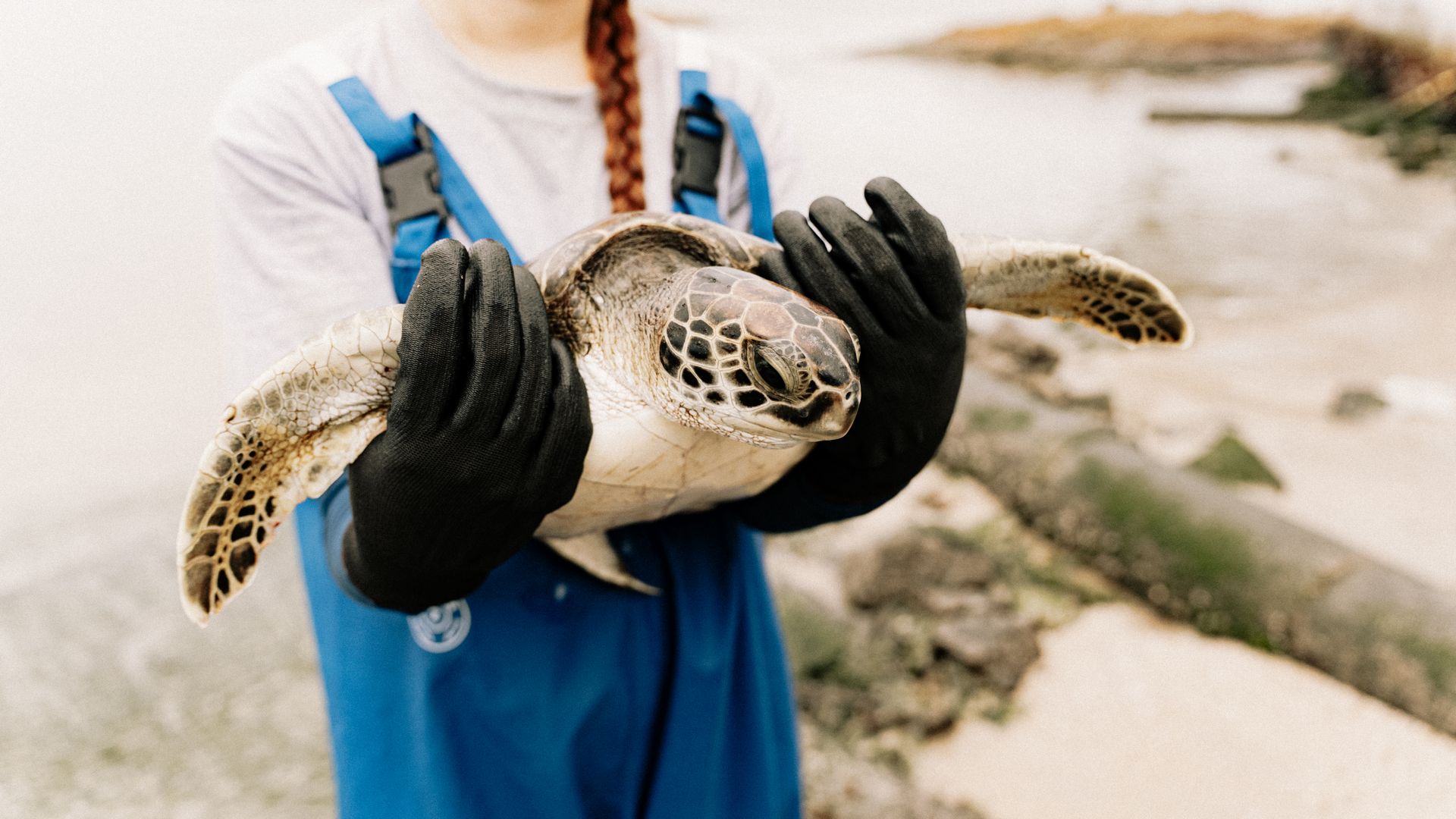
Some potential careers for conservation scientists include:
- Conservation
- Environmental education
- Game management
- Public outreach
- Resource management
- Wildlife management
As a conservation scientist, you may also have the opportunity to work on projects that involve identifying endangered environments and species, and helping to regenerate natural habitats. This can involve traveling to distant locations to examine endangered habitats and petitioning funds to support conservation efforts.
Conservation scientists who work at the management level may also be responsible for promoting wildlife conservation by locating private and government donors, maintaining databases of donors and grants, and meeting with representatives of various groups.
Education and Training
To become a wildlife conservationist, you'll need a solid education and training in the field. A bachelor's degree in wildlife science or a related field is typically required for entry-level jobs.
You can major in wildlife ecology, wildlife management, or wildlife conservation, and some programs may focus on specific environments like forests or fisheries.
To succeed in this field, you'll need excellent interpersonal and communication skills, as well as the ability to work in diverse cultural contexts.
Earning a master's or doctoral degree is often necessary for careers in research or teaching.
An associate's degree in forest management or wildlife management can also be beneficial for technician roles.
Some programs, like the Master Wildlife Conservationist Program, offer intensive classroom and field training, and certification as a Master Wildlife Conservationist requires volunteer service and continued learning opportunities.
The Wildlife & Conservation Biology major provides students with the knowledge and tools to study, conserve, and manage wildlife and their habitats.
Key learning objectives for this major include understanding ecological and societal values, learning about native flora and fauna, and mastering mathematical and statistical skills.
Here are some common degree requirements for wildlife conservationist roles:
Expert Insights
As a wildlife conservationist, it's essential to understand the impact of human activities on the environment. Habitat destruction is a significant threat to wildlife, with 80% of global biodiversity loss attributed to human activities such as deforestation and land conversion.
A unique perspective: Human Wildlife Conflict
Wildlife conservationists work tirelessly to protect and restore habitats, often in collaboration with local communities. According to the article, conservation efforts can be most effective when they involve local people in decision-making processes.
One of the most effective ways to conserve wildlife is through the establishment of protected areas, which can be national parks, wildlife sanctuaries, or even community-managed conservation areas. The article highlights the importance of these protected areas in safeguarding biodiversity.
Innovative conservation methods, such as camera traps and drones, are being used to monitor wildlife populations and habitats. These technologies help conservationists to identify areas of high conservation value and to track the effectiveness of their efforts.
Wildlife conservationists must also address the issue of human-wildlife conflict, which occurs when humans and wildlife come into contact, often with devastating consequences. By working with local communities and implementing measures such as crop protection and livestock insurance, conservationists can reduce the likelihood of conflict.
Conservation efforts must be tailored to the specific needs of the local community and the wildlife they aim to protect. By doing so, conservationists can build trust and ensure the long-term success of their projects.
A fresh viewpoint: Are Crocodiles Protected in Australia
Program Information
The Master Wildlife Conservationist Program (MWCP) is a great way to learn about wildlife conservation in Connecticut. It's administered by the Connecticut Department of Energy and Environmental Protection’s Wildlife Division.
To become a Master Wildlife Conservationist (MWC), you'll need to complete 40 hours of intensive classroom and field training. After that, you'll provide 40 hours of volunteer service within 18 months to get certified.
As a certified MWC, you'll need to provide 25 hours of volunteer service and attend at least one continued learning class annually to stay certified. The program is completely free, so you won't have to worry about any costs.
The goals of the MWCP are to provide education and training on wildlife conservation, increase public knowledge and understanding of conservation, encourage volunteer participation, and inspire public support for conservation efforts.
Here are the specific goals of the program:
- Provide Connecticut residents an opportunity to participate in a natural resource-based education program.
- Increase public knowledge and understanding of conservation as it relates to wildlife and natural resource management.
- Encourage participation of volunteers and communities in conservation efforts.
- Inspire public support of statewide conservation endeavors.
If you're interested in wildlife conservation, you might also want to consider a degree in Wildlife & Conservation Biology. This program provides students with the knowledge and tools to study, conserve, and manage wildlife and their habitats.
Why UNH?
UNH is the perfect place to study wildlife and conservation biology due to its location in the wildlife-rich state of New Hampshire, just minutes from the Atlantic Coast and an hour from the White Mountains.
Students can expect hands-on experience through intensive lab and fieldwork, which is a key part of the program.
The program emphasizes participation in faculty research projects involving a variety of wildlife species, including big game management, conservation biology, conservation genetics, endangered species management, landscape ecology, and population ecology.
This real-world experience will help students develop the skills and knowledge they need to succeed as a wildlife conservationist.
Students are encouraged to participate in these research projects, which will give them a deeper understanding of the subject matter and prepare them for a career in wildlife conservation.
Frequently Asked Questions
Can you make money as a wildlife conservationist?
Yes, wildlife conservationists in California can earn a salary, with median incomes ranging from $45,900 to $73,000 per year. Explore the field to learn more about the potential income and career opportunities available.
How hard is it to get a job in wildlife conservation?
Getting a job in wildlife conservation can be challenging, but persistence and a willingness to take on seasonal field work can increase your chances of success. It requires dedication and flexibility to break into this competitive field.
Featured Images: pexels.com