Human wildlife conflict is a pressing issue that affects people and animals all around the world. It's estimated that over 200 million people globally live in areas where they share their space with wild animals, leading to frequent encounters and conflicts.
In Africa, for example, human-wildlife conflict is a major concern, with elephants and lions often wandering into farmlands and crops, causing significant damage and loss of property. This has resulted in retaliatory killings of these animals by local communities.
In India, the number of human-wildlife conflicts has been increasing steadily, with over 400 reported cases of human-wildlife conflict in 2019 alone. The main culprits behind these conflicts are elephants and tigers, which have been encroaching into human settlements and agricultural lands.
The impact of human-wildlife conflict can be devastating, with animals often being injured or killed, and humans suffering loss of property, livestock, and even lives.
Related reading: Giant Panda Habitat Destruction
Human-Wildlife Conflict
Human-wildlife conflict is a growing issue that affects communities worldwide. It's not just a matter of wildlife posing a threat to people, but also of disagreements between groups of people about how to resolve the situation.
Human-wildlife conflicts occur when wildlife and human populations overlap, making conflicts more likely. This can be due to factors such as human population growth, agricultural expansion, infrastructure development, and climate change.
Retaliation against wildlife is a serious threat to a species' survival and can reverse previous conservation progress. For example, wolves, bears, and other large carnivores are recovering across Europe, but their presence is causing tensions over how to manage them.
The IUCN Species Survival Commission defines human-wildlife conflict as struggles that emerge when wildlife poses a threat to human interests or needs, leading to disagreements between groups of people. This definition acknowledges that conflicts are not just about wildlife posing a threat, but also about human interactions and perceptions.
Human-wildlife conflicts have severe implications for communities' livelihoods, safety, and wellbeing. They can erode support for protected areas, wildlife, and biodiversity, undermining conservation efforts.
Climate change is an amplifier of human-wildlife conflict, exacerbating resource scarcity, altering human and animal behaviors and distributions, and increasing human-wildlife encounters. This can disrupt both subsistence livelihoods and industrial economies.
Recommended read: When Did Humans Domesticate Horses
Causes and Effects
Human wildlife conflict is a complex issue with multiple causes and effects. The world's human population has more than tripled over the last 70 years, leading to increased competition for resources and habitat loss for animals.
As human populations grow, we require more land to live and farm, causing human settlements to expand further into remote locations, leading to habitat loss for animals. This proximity between humans and wild animals increases the frequency of interactions, making human-wildlife conflict more likely.
Converting natural habitats into agricultural land is a major driver of human-wildlife conflict. As wild animal populations lose range and become more fragmented, they lose access to food sources and shelter, and may attempt to feed on human crops and livestock.
Climate change is another significant cause of human-wildlife conflict, altering the climates of specific regions and impacting the distribution of resources. This can cause wildlife to migrate and move into different areas in search of more space, food, and water, increasing the chance of conflict.
A different take: Giant Panda Bear Habitat
Human-induced habitat changes and novel biotic interactions can produce divergent fitness landscapes that promote specific phenotypic traits in urban wildlife. Urban wildlife exhibit increased nocturnality, cognitive and problem-solving innovations, and dietary niche shifts, all of which facilitate survival and reproductive success in cities.
Phenotypic shifts and plasticity in urban contexts can promote local adaptation, reducing the likelihood of human-wildlife encounters. However, in some instances, local adaptation may increase the likelihood of human-wildlife encounters, occasionally resulting in contentious interactions that reduce organismal fitness due to lethal removal actions.
Human Impact
Domestic pets, such as outdoor cats and dogs, significantly disrupt wildlife populations through predation, disease transmission, and disturbance. Outdoor cats, in particular, are a major threat to bird and rodent populations in urban areas.
Human activities also play a significant role in eliciting conflicts with wildlife. Human presence can create a "landscape of fear" that dictates daily activity budgets and habitat use by wildlife, even on the urban-wildland boundary.
The distribution of green spaces is significantly reduced for low-income communities, leading to increased pest species abundances and disease transmission risks.
Socioeconomic Drivers
Low-income communities often have reduced access to green spaces compared to wealthier communities in cities. This disparity can lead to increased pest species abundances, such as brown rats and mosquitoes, that can cause property damage and spread diseases.
The absence of vegetation cover and plant biodiversity in low-income neighborhoods can result in a greater presence of pest species. For instance, brown rats and mosquitoes are more commonly found in areas with reduced vegetation cover.
These pest species can also spread diseases that disproportionately affect low-income residents. In fact, studies have shown that certain diseases, such as those transmitted by mosquitoes, are more prevalent in low-income communities.
The lack of green spaces in low-income areas can also lead to increased urban heat island effects, which can further exacerbate the presence of pest species. This can create a vicious cycle where the absence of green spaces contributes to the proliferation of pest species, which in turn can lead to further health and economic problems for low-income residents.
A unique perspective: Giant Northern Green Anaconda
Sociocultural Determinants
Human perceptions of conflict-causing species can drive our response to emergent conflicts.
Heterogeneity in social, cultural, economic, and personal attributes of society shapes individual human beliefs and values of wildlife.
The type and strength of management strategies implemented are informed by these individual beliefs and values.
Human beliefs and values of wildlife are influenced by social, cultural, economic, and personal attributes.
As organisms navigate cities, they encounter people across jurisdictional boundaries with different beliefs, attitudes, and policies.
Variation in frequency, severity, and types of conflict across taxa can inform attitudes and beliefs around each target species.
Management attention is dictated by attitudes and beliefs around each target species.
Property and Infrastructure Damage
Property and Infrastructure Damage is a significant issue that affects both humans and wildlife. Multistory commercial and industrial buildings with highly reflective windows pose a significant threat to birds, especially males and juveniles, via window strikes.
Birds are often attracted to these windows, which can lead to fatal collisions. A study by Hager et al. (2013) found that birds are particularly vulnerable to window strikes.
Property damage caused by wildlife is another major concern. Taxa such as birds and bats may use structures for refugia, causing damage to commercial and residential properties. This can trigger targeted management actions that often result in lethal control actions to remove selected individuals.
Wildlife-generated fecal waste can also decrease the aesthetic value of properties. This can lead to retaliatory killing and extirpation techniques being used to alleviate such conflicts. These techniques likely place a significant selective pressure on target wildlife involved in associated disturbances.
Retaliatory killing and extirpation techniques can have unintended consequences on wildlife populations. For example, a study by Swan et al. (2017) found that these techniques can lead to a decline in wildlife populations over time.
Pets and Humans
Domestic cats are a significant threat to bird and rodent populations in urban areas, with outdoor cats killing thousands of birds and small mammals every year.
Outdoor domestic cats are also a major driver of conflict with other urban carnivores, such as coyotes and leopards. They often get into fights, leading to emotional and economic trauma.
Domestic dogs, on the other hand, can have a positive impact by reducing the risk of rabies transmission to humans. However, they can also increase the probability of human-carnivore conflict in green spaces and built environments.
Human activities and recreation can have a profound impact on wildlife behavior, creating a "landscape of fear" that dictates daily activity budgets and habitat use. This effect can even be felt on the urban-wildland boundary, where humans can drive behavioral strategies that reduce human-wildlife encounters.
For example, human recreational trails can fragment natural remnants, reducing refuges for wildlife and increasing the likelihood of human-wildlife conflicts.
How Harm Animals?
Harm to animals can be caused by pollution from plastic waste, with over 8 million tons of plastic entering the ocean every year.
The effects of microplastics on marine life are still being studied, but it's known that they can cause physical harm and even death.
Pollution from plastic waste also affects land animals, with many species getting entangled in or ingesting plastic debris.
In the article, it's mentioned that the Great Pacific Garbage Patch is a massive collection of plastic waste that's harming marine life.
The overuse of pesticides and fertilizers in agriculture can also harm animals, as they can contaminate soil and water and have toxic effects on wildlife.
For example, the article notes that the use of pesticides has been linked to the decline of bee populations.
The destruction of habitats due to deforestation and urbanization can also harm animals, as it reduces their living spaces and makes it harder for them to find food and shelter.
The article mentions that the Amazon rainforest is being cleared at an alarming rate, which is having a devastating impact on the animals that live there.
Regions and Ecosystems
Africa is a hotspot for human-wildlife conflict due to its tropical climate and substantial anthropogenic development, leading to frequent encounters between humans and predators like lions, leopards, and cheetahs.
In Namibia alone, over 8,000 human-wildlife conflict incidents were reported in 2017, with hyenas killing more than 600 cattle between 2011 and 2016.
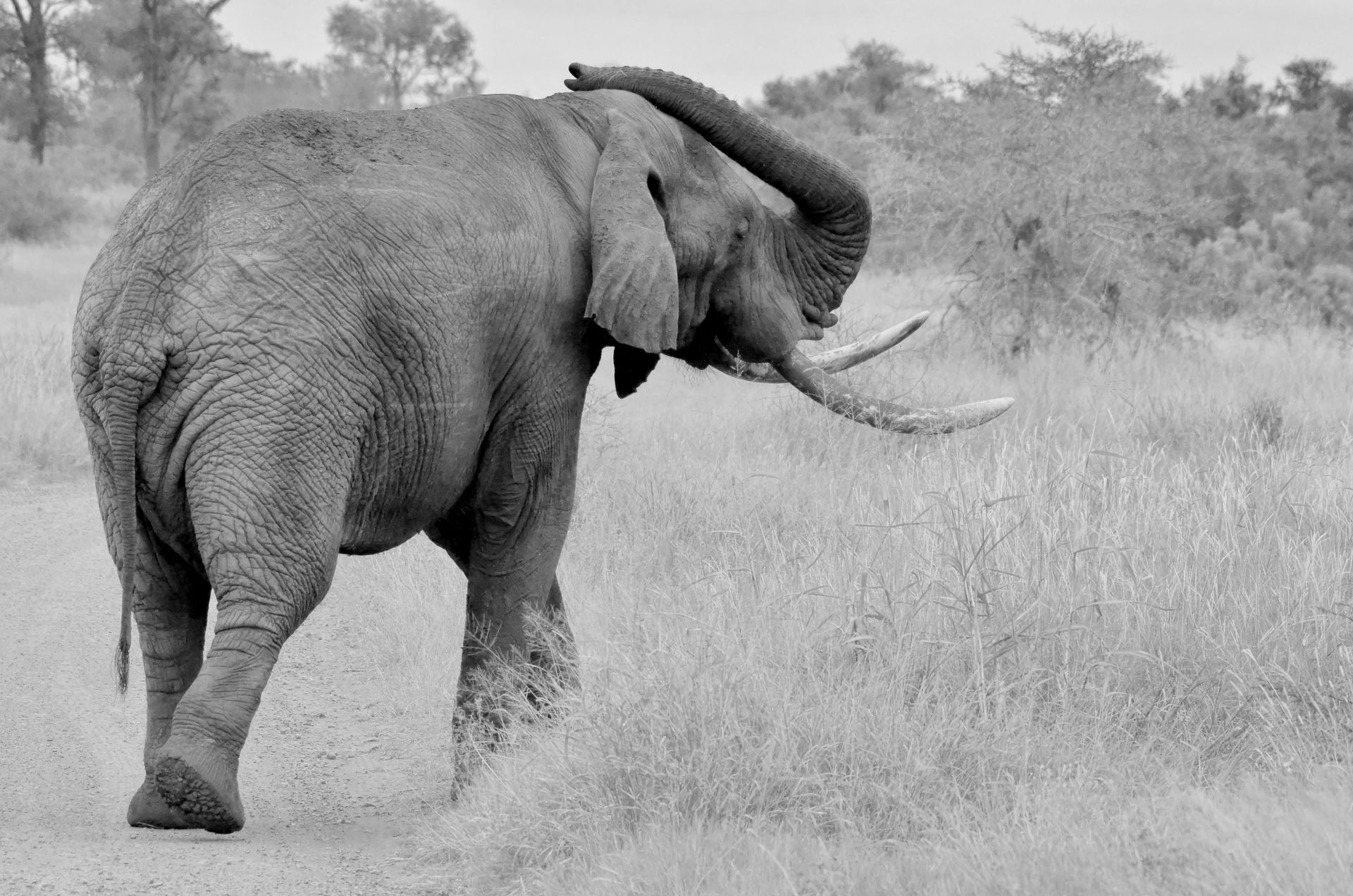
Human-elephant conflict is also prevalent in Africa, with elephants causing significant damage to crops and infrastructure, leading to retaliatory killings by locals.
The following regions in Africa are particularly affected by human-wildlife conflict:
- Namibia
- Kenya
- Botswana
In contrast, Oceania's human-wildlife conflict is often driven by encounters between humans and non-predatory animals like dingoes and magpies, which can attack people who approach their nests.
In Australia, for example, wild dingoes have attacked humans, including a child, on K'gari-Fraser Island.
Africa
Africa is a tropical continent with substantial human development, making it a hotspot for human-wildlife conflict. This conflict is particularly evident in human-predator and human-elephant conflicts.
In Kenya, Namibia, Botswana, and other areas, African predators like lions, leopards, and cheetahs frequently depredation livestock. This can lead to retaliatory killings of elephants by locals when their long-distance migrations intersect with farms.
In Namibia alone, over 8,000 human-wildlife conflict incidents were reported in 2017 (World Bank, 2019). The Zambezi Region of Namibia saw more than 4,000 incidents of crop damage, mostly caused by elephants moving through the area (NACSO, 2017a).
Hyenas in the Zambezi Region of Namibia killed more than 600 cattle between 2011 and 2016. This is just one example of the devastating impact of human-wildlife conflict in Africa.
Here are some key statistics on human-wildlife conflict in Africa:
- Human–wildlife conflict incidents in Namibia: over 8,000 (World Bank, 2019)
- Cattle killed by hyenas in the Zambezi Region of Namibia: over 600 (NACSO, 2017a)
- Crop damage incidents in the Zambezi Region of Namibia: over 4,000 (NACSO, 2017a)
Asia
In Asia, human-wildlife conflicts are a pressing issue due to the rapid growth of the human population and high biodiversity. The interactions between people and wild animals are becoming more frequent, leading to attacks on humans and livestock.
Encounters between tigers, people, and livestock are a prominent issue on the Asian continent, exacerbating major threats to tiger conservation such as mortality and removal of individuals from the wild. Negative perceptions of the animals from locals are also a concern.
Crop-raiding by elephants and macaques persists in both rural and urban environments, respectively. Poor disposal of hotel waste in tourism-dominated towns has altered the behaviors of carnivores such as sloth bears.
As a result of the human-elephant conflict in Sri Lanka, each year as many as 80 people are killed by elephants and more than 230 elephants are killed by farmers. The Sri Lankan elephant is listed as endangered, with only 2,500-4,000 individuals remaining in the wild.
In India and Kerala, the conflict is exceedingly acute due to the country's Wildlife Protection Act. This highlights the need for effective conservation measures to mitigate human-wildlife conflicts.
In Asia, wildlife is considered sacred in some cultures, posing a challenge to conservation efforts. For example, in Nara City, Japan, the sacred Japanese sika deer has seen a population surge around Nara Park, posing a risk to its unique genetics.
Here's an interesting read: Sri Lankan Junglefowl
Marine Ecosystems
In marine ecosystems, human-wildlife conflict is just as diverse and widespread as it is on land. Human-wildlife conflict in aquatic environments extends across the globe.
Marine predators like killer whales and fur seals compete with fisheries for food and resources. This competition can lead to decreased fish populations and economic losses for fishermen.
In Hawaii, an increase in monk seals around the islands has created a conflict between locals who believe that seals "belong" and those who do not. This conflict highlights the complex relationships between humans and wildlife in marine ecosystems.
Great white sharks have a history of injuring humans, making them a significant concern in coastal communities.
North America
In North America, human-wildlife conflict is a widespread issue. Wisconsin is a prime example, where wolves have injured or killed 377 domestic animals over a 24-year span.
Expanding urban centers in Colorado and California have created increasing interactions between humans and coyotes and mountain lions, respectively. The Greater Yellowstone ecosystem has also seen its fair share of wolf-related incidents, with reports of wolves killing pets and livestock.
In Central Mexico, big cats are a common source of conflict, with widespread reports of livestock depredation. Similar incidents have been observed in Canadian cities, where humans and coyotes interact more frequently.
Curious to learn more? Check out: Do Coyotes Lure Dogs to Attack Them
South America
In South America, human-wildlife conflict is a significant issue, particularly in Patagonia, Chile, where guanacos are killed by predators, causing tensions between ranchers and wildlife.
The Andean Bear, South America's only species of bear, faces population declines due to conflict with livestock owners in countries like Ecuador.
In Patagonia, Chile, guanacos possess both economic and cultural value, making their killings by predators a sensitive issue.
Expand your knowledge: Eastern Diamondback Rattlesnake South Carolina
Coyotes vs. Brown Rats
Coyotes are uniquely feared for rare but alarming physical attacks on people and domestic animals, and conflicts are disproportionately caused by so-called “problem individuals,” which exhibit unusually high levels of habituation to human presence.
Coyotes are often managed at the individual level by hazing or removing problem individuals, which may select for less bold phenotypes.
Rats, on the other hand, cause over 20 billion USD in property damage annually by chewing infrastructure and spoiling food stores, and transmit many zoonotic pathogens.
The goal of rat management is to reduce densities via trapping or poisoning, which may impose less selection than directly targeting individuals exhibiting atypical behaviors.
Worth a look: Great Pyrenees Kills 8 Coyotes
Nonlethal management strategies such as hazing may select for plastic phenotypes, while the removal of problem individuals may select for less bold phenotypes in coyotes.
In contrast, population-level culling to reduce rat densities may impose less selection than directly targeting individuals exhibiting atypical behaviors in rats.
Intense lethal management will undoubtedly impose a selective pressure favoring neophobia and resistance to poisons in rats.
Changing management practices toward both species will serve as natural experiments for urban evolution, helping to inform successful mitigation strategies.
The success of coyotes and rats has led to high rates of conflict in cities throughout their respective ranges, highlighting the need for effective management strategies.
On a similar theme: Will Black Vultures Attack Small Dogs
Mitigation Strategies
Human wildlife conflict can be mitigated through various strategies. One effective approach is to create wildlife corridors, which can help reduce the likelihood of encounters between humans and wildlife.
By providing a safe passage for wildlife to move through, corridors can also help to maintain healthy and diverse ecosystems. In some cases, corridors can be as simple as a buffer zone or a green belt around a city or town.
For example, in areas where elephants are known to roam, creating corridors can help to reduce crop damage and human-wildlife conflict. In one study, corridors were found to reduce elephant crop damage by up to 50%.
On a similar theme: How Do Horses Help Humans Mentally
Mitigation Strategies
To mitigate the effects of climate change, we can start by reducing our carbon footprint. One effective strategy is to use energy-efficient appliances, which can save up to 30% of energy consumption.
Investing in renewable energy sources such as solar and wind power is also crucial. These sources can generate up to 50% of a country's energy needs.
By conserving water, we can also reduce the energy needed to treat and transport it. This is especially important in areas where water scarcity is a significant issue.
Implementing sustainable agriculture practices can help sequester carbon in the soil and reduce greenhouse gas emissions. For example, regenerative agriculture can increase soil carbon by up to 2%.
Reducing food waste is another key strategy, as it can help minimize the environmental impact of agriculture. In the United States alone, up to 40% of food produced is wasted.
Increasing energy storage capacity is also essential for a smooth transition to renewable energy. This can be achieved through the use of advanced battery technologies.
You might like: American Bald Eagle Food Chain
By adopting a circular economy model, we can reduce waste and promote sustainable consumption. This involves designing products and systems that are restorative and regenerative by design.
Implementing policies and regulations that support these mitigation strategies is also crucial. This can include carbon pricing, clean energy standards, and green infrastructure investments.
Targeted Removals
Targeted removals can be a strong form of management-driven directional selection for urban wildlife, especially when individuals with conflict-prone behavioral phenotypes are selectively removed from the population.
Selective removal of targeted animals is arguably the strongest and most consistent form of management-driven directional selection for urban wildlife. This approach can help avoid conflict escalation, but it may also have unintended consequences.
Individuals with specific behavioral phenotypes that are conflict-prone are removed from the population, which can lead to selective costs for bold or aggressive individuals. Urban environments with stronger and more consistent targeted removal programs may exhibit greater selective costs for these individuals.
Lethal removal of conflict-prone individuals has been suggested as a strategy to manage urban deer, but it's possible that culled individuals will be replaced by the next boldest individuals in a population.
Additional reading: Eastern Gray Squirrel Population Distibution Pattern
Examples and Case Studies
In nonurban environments, stabilizing selection favors low-to-moderate boldness, as bolder individuals are often hunted or lost to predation. This means that in areas with less human presence, wildlife tends to be less bold.
Urban environments, on the other hand, promote directional selection toward bolder phenotypes due to competitive release and decreased hunting. This is because in cities, wildlife has less to fear from natural predators.
In urban areas, the type and frequency of human encounters can shape reaction norms toward anthropogenic factors, such as human densities and presence. This can lead to mean-level population differences in boldness between cities.
Despite individual plasticity persisting in all environments, human-animal interactions can induce mean-level phenotypic variance in traits. This means that even in areas with similar types of human encounters, population differences in boldness can emerge.
Consider reading: Population of Bengal Tiger in India
Organizations and Efforts
IFAW is working to prevent human-wildlife conflict through education and community engagement. They're shifting public perception of wildlife in urban areas to promote coexistence.
One example is their work on coyotes, one of the most persecuted animals in human history. IFAW has worked with members of Congress to promote non-lethal wild management strategies.
To reduce conflict with animals like coyotes, IFAW also campaigns against cruel methods like poisoning. They're promoting humane ways to deter animals from approaching human-occupied regions.
In Malawi, IFAW is using beehives to deter elephants from human communities. This has created jobs for 150 people and is expected to decrease human-elephant conflicts by 85%.
Community empowerment is key to human-wildlife conflict prevention. IFAW supports local communities with coping mechanisms and resilience to coexist with wildlife.
By centering local communities in conservation discussions, IFAW is working to support wildlife-friendly livelihoods.
Featured Images: pexels.com