Writing a veterinary technician resume can be a daunting task, but with the right guidance, you can create a standout resume that showcases your skills and experience.
To start, tailor your resume to the specific job you're applying for, highlighting the skills and qualifications mentioned in the job description.
Keep your resume concise and easy to read, using bullet points and clear headings to break up the text.
Resume Types
There are several types of resumes that can be tailored to a veterinary technician's skills and experience. A chronological resume highlights work history and experience, while a functional resume emphasizes skills and qualifications.
A combination resume is a good choice for veterinary technicians, as it can effectively showcase both work experience and relevant skills. It's also a good idea to use a combination resume if you're changing careers or have gaps in your employment history.
A functional resume is best suited for veterinary technicians who are new to the field or have limited work experience, as it allows them to focus on skills and qualifications rather than work history.
Check this out: Is Veterinary Technician a Good Career
Internship-Focused
An internship-focused resume is perfect for students or recent graduates with multiple internship experiences. This type of resume showcases a candidate's hands-on skills and knowledge gained from various internships.
The example of an internship-focused vet tech resume highlights the importance of highlighting specific responsibilities and skills gained from each internship. This is evident in the candidate's experiences as a Veterinary Technician Intern, Exotic Animal Care Intern, and Emergency Veterinary Assistant Intern.
To create an effective internship-focused resume, it's essential to include relevant details about your internships. This can include the specific skills you gained, such as performing laboratory tests, administering medications, and maintaining accurate medical records.
Here are some key takeaways from the example:
- Highlight specific responsibilities and skills gained from each internship
- Emphasize the diversity of your internship experiences
- Include relevant certifications, such as Veterinary Assistant Certification
For instance, the candidate in the example highlights their experience as a Veterinary Technician Intern, where they assisted in physical examinations, diagnostic procedures, and treatments for small animals. This demonstrates their ability to work in a fast-paced veterinary setting.
In addition to highlighting your internship experiences, it's also essential to include relevant certifications and academic achievements. The candidate in the example has a GPA of 3.8/4.0, which demonstrates their academic excellence.
By following these tips and highlighting your internship experiences, you can create an effective internship-focused resume that showcases your skills and knowledge to potential employers.
Here's an interesting read: Veterinary Assistant Internship
Functional
The functional format is a great choice for those with little to no practical work experience. It focuses on highlighting your knowledge and transferable skills.
This format is perfect for entry-level vet techs, as it showcases their skills without relying on work experience. It can also be used by those switching careers.
The functional format uses a resume objective instead of a summary to explain how your skills make you a good fit for the job. This is a key difference from other formats.
The layout has been proven to work best for veterinary technician resumes, making it a straightforward and effective choice.
Curious to learn more? Check out: How Is a Veterinary Technician Work Environment
Specialized Resumes
A specialized resume is a must for veterinary technicians, especially if you're looking to work in a specific area, such as zoos or research facilities.
Highlighting your experience with animals, such as dogs, cats, or even exotic species, can make your resume stand out.
If this caught your attention, see: Dog Grooming Resume
Experienced Resumes
When crafting a resume for an experienced veterinary technician, it's essential to showcase your skills and experience in a clear and concise manner. Use the reverse chronological format for your work experience section, starting with your most recent job.
This format allows you to highlight your achievements and responsibilities in a logical order. For instance, if you've worked as a veterinary technician for several years, you can list your current job first, followed by your previous positions.
In your work experience section, be sure to include the location you worked at, your position, how long you were there, and a short list of your responsibilities and achievements. Keep this list to 3-5 items to avoid overwhelming the reader.
Curious to learn more? Check out: Veterinary Technician Relief Work
Here's an example of a good work experience description section:
- Monitored the health and behavior of animals by observing appetite, examining their urine and fecal output, and performing weight checks.
- Participated in over 500 spay and neuter surgical procedures.
- Assisted the staff veterinarian with anesthesia application.
Your education section doesn't need to be extensive, but it's still important. You should include your highest degree level achieved, such as a degree in veterinary technology or a related field.
Remember, the goal is to showcase your relevant experience and education in a clear and concise manner. By following these tips, you can create a strong resume that showcases your skills and experience as a veterinary technician.
See what others are reading: Veterinary Technician Continuing Education
Specialized
A specialized resume is one that highlights a specific skill or expertise, often in a particular industry or field. In the veterinary field, for example, a veterinary nutrition specialist vet tech resume will focus on the candidate's experience and skills in animal nutrition and dietary management.
One way to make a specialized resume stand out is to include specific details about the candidate's experience and skills. For instance, a veterinary nutrition specialist vet tech resume might include bullet points highlighting the candidate's expertise in developing and implementing customized nutrition plans for various species and medical conditions.
Certifications can also be a great way to demonstrate expertise in a specialized field. A veterinary nutrition specialist vet tech resume might include certifications such as the Veterinary Technician Specialist (VTS) in Nutrition or the Certified Canine Rehabilitation Practitioner (CCRP).
Here are some key takeaways to consider when creating a specialized resume:
- Highlight specific skills and expertise in the field
- Include certifications and relevant training
- Use bullet points to break up large blocks of text and make the resume more scannable
By following these tips, you can create a specialized resume that effectively showcases your skills and expertise in a particular field.
Exotic Animal
Exotic animal vet tech resumes showcase a unique blend of technical skills and hands-on experience with non-traditional species.
To excel in this field, it's essential to have extensive knowledge of husbandry, nutrition, and medical needs of various exotic species, as seen in the first example.
The first example highlights a Senior Exotic Animal Veterinary Technician with 7 years of experience, demonstrating expertise in assisting veterinarians with examinations and treatments for exotic pets, including reptiles, birds, and small mammals.
A fresh viewpoint: Exotic Veterinary Technician
Experience with both exotic and domestic animal care is valuable, as seen in the first example, where the candidate gained experience in routine exams, vaccinations, and minor procedures for a variety of species.
A Certified Veterinary Technician Specialist (VTS) in Exotic Companion Animals can make a significant difference, as seen in the first example, where the candidate holds this certification.
Some notable achievements in exotic animal care include:
In terms of education, a Registered Veterinary Technician (RVT) certification is beneficial, as seen in the first example, where the candidate holds this certification.
In the field of exotic animal care, it's not uncommon to work with a variety of species, including reptiles, birds, and small mammals, as seen in the first example.
Attention to detail is crucial when working with exotic animals, as seen in the second example, where the candidate conducted routine lab tests and analyses, maintaining a 99% accuracy in test results.
Developing and implementing new protocols can lead to significant improvements, as seen in the second example, where the candidate developed and implemented a new protocol for anesthesia monitoring, reducing complications by 20%.
On a similar theme: Veterinary Technician Certification
Small Animal
Small Animal Veterinary Technicians are highly skilled professionals who play a crucial role in the success of veterinary clinics. They are responsible for preparing exam rooms, maintaining equipment, and supporting veterinarians during surgeries and procedures.
One of the key responsibilities of a Small Animal Veterinary Technician is to ensure patient safety and comfort. For example, they can develop effective patient restraint techniques, as seen in the example below:
- Developed a more effective patient restraint technique taught to staff, minimizing stress and improving procedure safety.
To achieve this, they need to stay up-to-date with the latest medical technologies and procedures. For instance, they can monitor anesthesia using state-of-the-art technology, ensuring optimal patient safety and reducing risks.
Small Animal Veterinary Technicians also play a critical role in improving patient care protocols. By collaborating with veterinarians, they can lead to a noticeable increase in positive outcomes, as seen in the example below:
- Collaborated with veterinarians to improve patient care protocols, leading to a noticeable increase in positive outcomes.
In terms of client education, Small Animal Veterinary Technicians can develop and implement effective programs to improve client engagement and preventive care participation. For example, they can initiate pet owner education programs, improving client engagement and preventive care participation by 25%.
Intriguing read: Veterinary Education
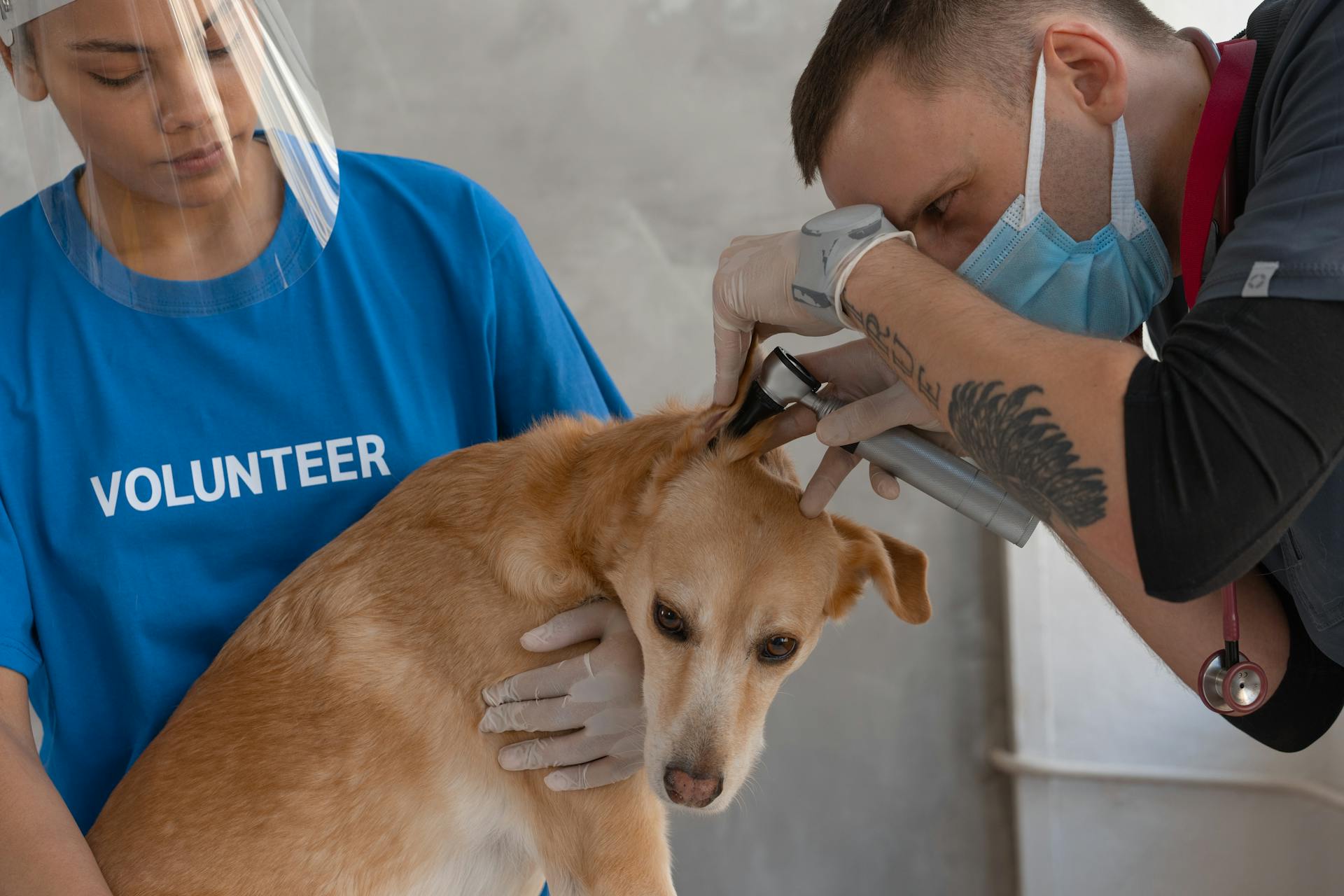
Here are some key statistics that highlight the importance of Small Animal Veterinary Technicians:
- Increased vaccination compliance rates by 35% through strategic client communication and educational outreach.
- Improved client engagement and preventive care participation by 25% through pet owner education programs.
- Reduced postoperative complications for patients by 15% through effective anesthesia monitoring protocols.
These statistics demonstrate the significant impact that Small Animal Veterinary Technicians can have on patient care and client satisfaction.
Marine Animal
I've worked with many marine animal enthusiasts who have impressive skills in data analysis, but struggle to showcase them in a resume.
The octopus is a master of disguise and can change its color to blend in with its surroundings, just like how a resume should blend in with the company's culture.
A resume should be tailored to the specific job, just like how a whale's song changes pitch and tone to communicate with different members of its pod.
The sea turtle's ability to navigate long distances using the Earth's magnetic field is impressive, but it's not as impressive as a resume that highlights specific skills and experiences.
The cuttlefish has a highly developed sense of vision and can detect polarized light, which is useful for detecting the presence of a predator. Similarly, a resume should clearly state the presence of relevant skills and experiences that can help you stand out from the competition.
Resume Writing
A veterinary technician resume is similar to other kinds of resumes, but it's created with a specific goal in mind: to land interviews for veterinary technician positions.
Your skills are the most important part of your resume, so you'll want to focus on the ones that directly relate to the job description or can be transfered to it. This includes both hard and soft skills.
Hard skills are technical skills you learn through study or training, while soft skills are interpersonal skills that you develop as part of your personality.
Summaries
A veterinary technician resume summary is a concise overview of your experience and skills. It's usually the first thing a hiring manager sees, so make it count!
A good summary should highlight your unique strengths and qualifications, such as experience working in fast-paced environments or a proven ability to multitask. This can be seen in the example of a reliable professional who works exceptionally well in fast-paced environments and prioritizes effectively.
A compassionate and dedicated veterinary technician should emphasize their commitment to providing excellent service and care for animals. This is evident in the example of a compassionate veterinary technician who leverages innovative, comprehensive, stress-free pet care experience to patients.
Your summary should also showcase your problem-solving skills, as seen in the example of a well-qualified and dedicated professional who can respond to problems and emergencies while remaining organized and calm.
A veterinary technician resume summary is not just a summary, it's an opportunity to tell your story and showcase your unique qualifications.
How to Write
Writing a resume can be a daunting task, but with the right approach, you can create a standout document that showcases your skills and experience. To start, you need to understand the purpose of a veterinary technician resume, which is to highlight your unique qualifications and experiences in a way that sets you apart from other candidates.
A veterinary technician resume should feature a clear and concise summary of your experience and skills, including any relevant certifications or education. For example, a career-changer vet tech resume might highlight transferable skills such as client communication and data analysis, while showcasing newly acquired veterinary knowledge and hands-on experience.
To write a strong veterinary technician resume, you should focus on including a combination of hard and soft skills. Hard skills are technical skills you learn through study or training, such as administering emergency first aid or supporting the veterinarian for surgery procedures. Soft skills, on the other hand, are interpersonal skills that you develop as part of your personality, such as compassion and effective communication.
Some examples of hard skills for veterinary technicians include:
- Administering emergency first aid, medication, or vaccines.
- Supporting the veterinarian for surgery procedures
- Safely restraining animals
- Performing diagnostics tests, x-rays, or blood work.
In addition to highlighting your skills, you should also include relevant work experience and education on your resume. A well-qualified and dedicated professional with 5+ years of experience in the veterinary field, for example, might include a summary that highlights their ability to respond to problems and emergencies while remaining organized and calm.
When writing your resume, remember to tailor it to the specific job you're applying for, and use action verbs like "assisted", "performed", and "educated" to describe your experiences. By following these tips and highlighting your unique qualifications and experiences, you can create a standout veterinary technician resume that helps you land your dream job.
Header Requirements
Your resume header is the first thing potential employers will see, so it's crucial to get it right.
A name that's only partially written out can give the impression that you're not taking the time to present yourself professionally.
Include your full name in your resume header to make a good first impression.
Location information should also be included, as it gives employers an idea of where you're based and whether you're willing to relocate.
A professional email address is a must-have, as it's often the first point of contact between you and a potential employer.
Don't forget to include your phone number in your resume header, as it allows employers to easily get in touch with you.
Having a LinkedIn profile or other additional contact information can also help you stand out as a professional and make it easier for employers to find you.
Resume Sections
When crafting a veterinary technician resume, it's essential to include the right sections in the right order. Your veterinary technician resume should start with a professional summary or objective statement, followed by your education and certifications. This is where you highlight your relevant education and certifications, such as your veterinary technician degree and any specialized certifications you may have.
Broaden your view: Free Online Continuing Education for Veterinary Technicians
The next section should be your work experience, which should include a leadership-focused resume experience section. This section should clearly demonstrate your ability to guide and support a team, and highlight how you took initiative and achieved meaningful results.
A well-structured work experience section should include bullet points that showcase your leadership skills, such as leading a team, implementing training programs, and spearheading quality improvement initiatives. Here are some key points to include in your work experience section:
- Led a team and enhanced team efficiency.
- Implemented training programs and improved technical skills and team collaboration.
- Directed inventory management and reduced costs.
- Spearheaded quality improvement initiatives and increased patient satisfaction scores.
General Practice
In a general practice setting, you'll want to highlight your skills and experience in animal care, from routine check-ups to complex medical procedures. This section should showcase your ability to work efficiently and provide high-quality patient care.
A dedicated and experienced veterinary technician, like the one in our example, has 7+ years of expertise in general practice settings. They're skilled in all aspects of animal care and committed to providing compassionate care and educating pet owners on best practices.
For another approach, see: Animal Health Technician
As a Lead Veterinary Technician, you'll want to highlight your leadership skills and ability to oversee a team of vet techs. This includes ensuring efficient clinic operations and high-quality patient care, as seen in the example. You can also mention specific tasks, such as managing inventory and maintaining equipment.
If you're a Veterinary Technician, you'll want to highlight your hands-on experience in surgeries, dental cleanings, and laboratory tests. This section should also include any specialized skills you have, such as anesthesia administration and monitoring.
Certifications, such as Certified Veterinary Technician (CVT) or Veterinary Technician Specialist (VTS), can be a great way to demonstrate your expertise and commitment to the field. In the example, the veterinary technician has advanced certifications in anesthesia administration and monitoring, as well as client education and communication.
Here are some key certifications to consider:
- Certified Veterinary Technician (CVT)
- Veterinary Technician Specialist (VTS) in Clinical Practice - Canine/Feline
- Fear Free Certified Professional - Elite Level
What to Include
A well-crafted resume is crucial for standing out in a competitive job market. To make a strong impression, it's essential to include the right sections in your veterinary technician resume.
Your resume should include a clear and concise summary of your job title and the organization you worked for.
A leadership-focused experience section is a must-have for highlighting your ability to guide and support a team. This section should demonstrate your initiative and achievements, such as improving efficiency or handling resource management.
To showcase your leadership skills, use action-oriented verbs like "led", "developed", "enhanced", and "managed." Tailor your content to align past experiences with the leadership qualities required for the new position.
Here are some examples of what to include in your experience section:
- Led a team of 5 veterinary technicians, enhancing team efficiency by 20%.
- Implemented training programs that improved technical skills and team collaboration.
- Directed inventory management, reducing costs by 15% while ensuring supplies met clinic needs.
- Spearheaded a quality improvement initiative that increased patient satisfaction scores by 30%.
Remember, the order of your resume sections matters. Typically, your veterinary technician resume should include the following sections, in this order:
1. Contact information
2. Summary/Objective statement
3. Education
4. Experience
5. Skills
6. Certifications
7. Volunteer work or relevant extracurricular activities
Laboratory
In the Laboratory section of a resume, it's essential to showcase your technical skills and experience working with laboratory equipment, supplies, and procedures.
If this caught your attention, see: Laboratory Procedures for Veterinary Technicians
You can demonstrate your expertise by highlighting your ability to operate and maintain laboratory equipment, such as reducing user errors by 15% through regular staff training.
A key responsibility of a laboratory technician is to manage inventory and supplies, which can be achieved by reducing costs by 12% through efficient stock control.
To ensure quality and compliance, you can mention your participation in accreditation processes, ensuring that you meet quality standards and achieve facility-wide recognition.
You can also highlight your ability to implement standardized record-keeping systems, improving data accessibility and enhancing communication with veterinary staff.
Here are some specific examples of Laboratory section achievements:
By highlighting these achievements, you can demonstrate your technical expertise and experience working in a laboratory setting, making you a more competitive candidate for laboratory technician positions.
Experience Sections
When creating the work experience section of your veterinary technician resume, you'll want to use the reverse chronological format. This means starting with your most recent job and working your way down, highlighting your responsibilities and achievements.
The reverse chronological format is usually the best choice for veterinary technician resumes because it highlights your work experience, which is a crucial aspect of a vet tech's resume. This format shows your evolution as a veterinary technician, starting from the top.
To write a strong work experience section, include the location you worked at, your position, how long you were there, and a short list of your responsibilities and achievements (3-5). For example, you could describe how you monitored animal health, participated in surgical procedures, and assisted the staff veterinarian with anesthesia application.
Here's a comparison of two work experience descriptions:
- Monitored the health and behavior of animals by observing appetite, examining their urine and fecal output, and performing weight checks.
- Participated in over 500 spay and neuter surgical procedures.
- Assisted the staff veterinarian with anesthesia application.
- Assisted owners with their pet care.
- Conducted patient workups and gathered their history
- Fed and bathed all the pets at the veterinary
Remember, the key is to focus on the responsibilities and achievements that are most relevant to the job you're applying for.
Recent Graduate
As a recent graduate, you're eager to showcase your skills and experience to potential employers. A strong experience section on your resume is crucial in this case. For instance, Example 1 highlights a recent graduate vet tech resume example that effectively showcases academic achievements and relevant coursework.
A dedicated recent graduate with a strong foundation in veterinary technology is a great starting point. This individual seeks to apply classroom knowledge and hands-on experience to a full-time vet tech position. Passionate about animal welfare and committed to providing excellent care.
The experience section should include relevant internships, volunteer work, or coursework that demonstrates your skills and dedication to the field. For example, the recent graduate vet tech resume example in Example 1 includes a veterinary assistant intern position that showcases practical skills.
Some key skills to highlight in your experience section as a recent graduate include animal restraint and handling, laboratory sample collection and processing, radiography assistance, medical record management, and client communication.
Here are some key skills to include in your experience section:
By highlighting these skills and including relevant internships or volunteer work, you'll be able to demonstrate your skills and dedication to potential employers.
Suggestion: Skills of a Veterinary Technician
Innovation-Focused Experience Section
An innovation-focused experience section in a veterinary technician resume is all about showcasing your creative contributions and how they enhanced the workplace. This type of section highlights experiences where you developed new methods or improved existing ones, demonstrating your problem-solving skills and innovative ideas.
To create an effective innovation-focused experience section, start by highlighting experiences where you made a tangible impact. For example, developing a new patient intake process that reduced wait times by 30% is a great way to showcase your problem-solving skills.
You can also highlight experiences where you introduced new technologies or improved existing ones. For instance, introducing a telehealth consultation option that enhanced service accessibility for clients is a great way to demonstrate your ability to drive innovation.
A key aspect of an innovation-focused experience section is to provide specific examples and metrics to help potential employers understand your accomplishments and the value you can bring to their team. This can include metrics such as reducing clinic costs by 15% or increasing client satisfaction by 90%.
Here are some examples of innovative experiences that you can include in your experience section:
- Developed a new patient intake process that reduced wait times by 30%.
- Introduced a telehealth consultation option that enhanced service accessibility for clients.
- Led a team initiative to create a reusable materials program, cutting clinic costs by 15%.
- Implemented a weekly training session for staff on the latest veterinary tools and technologies.
Remember, the key to a great innovation-focused experience section is to be specific and provide concrete examples of how your innovative ideas have made a positive impact in the workplace.
Reverse Chronological
The reverse chronological format is a popular choice for veterinary technician resumes. This format highlights your work experience, which is a crucial aspect of a vet tech's resume.
The reverse chronological format starts with your current or most recent job, then works its way down to your previous jobs. This way the recruiter gets to see your evolution as a veterinary technician but starting from the top as opposed to the bottom.
For example, in Example 1, the work experience section is listed in reverse chronological order, starting with the most recent job. This format is usually the best choice for veterinary technician resumes, as it highlights your work experience.
In Example 2, the resume of a surgical vet tech is listed in reverse chronological order, with the most recent job listed first. This format showcases the candidate's extensive experience and specialized skills in veterinary surgery.
Here's a breakdown of the benefits of the reverse chronological format:
By using the reverse chronological format, you can create a strong and effective work experience section on your veterinary technician resume.
Anesthesia
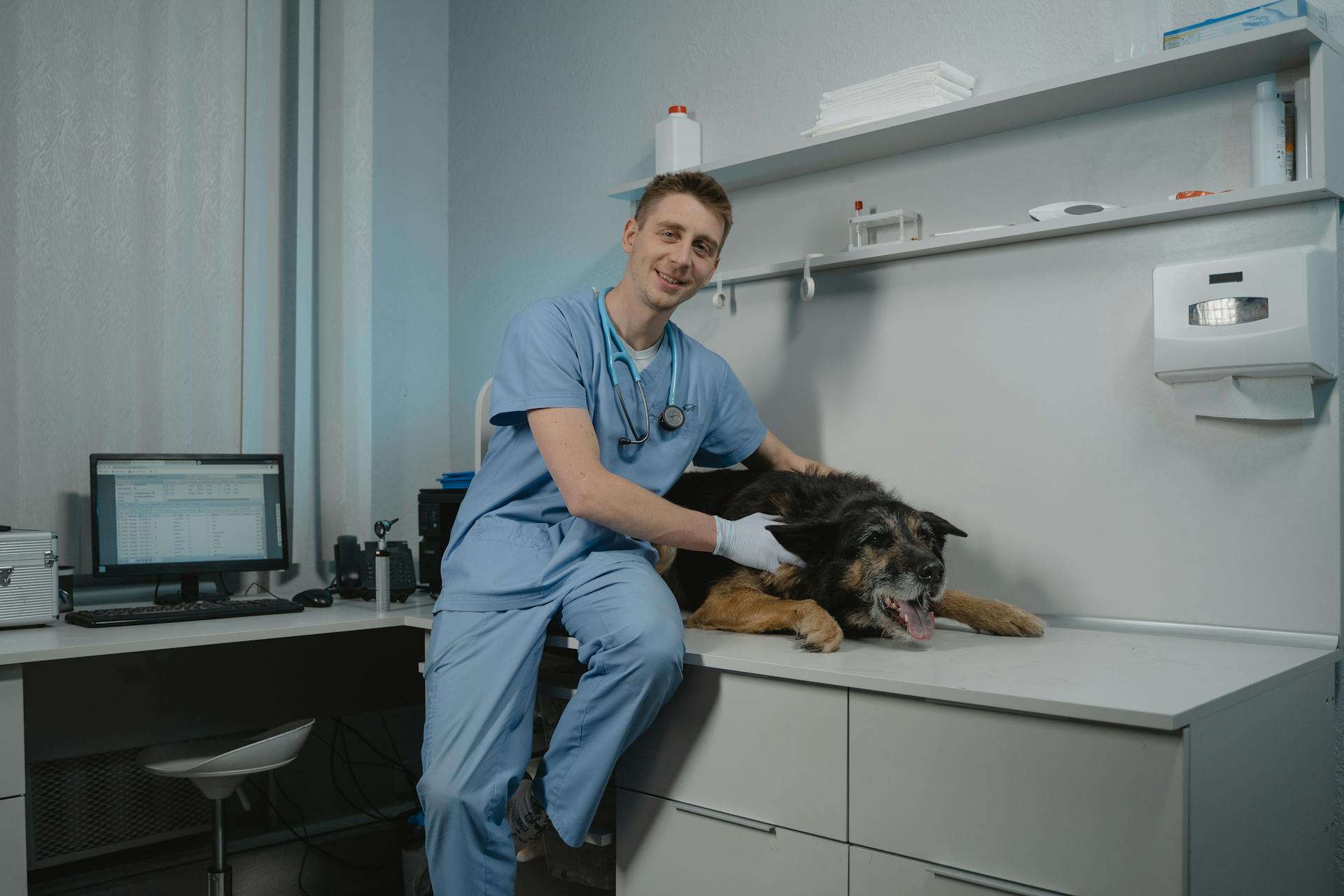
Anesthesia is a critical aspect of veterinary care, and having a skilled technician on hand can make all the difference. A tailored anesthesia protocol can reduce post-operative complications by 20% and increase successful outcomes by 15%.
Developing and implementing anesthesia protocols requires collaboration with veterinarians and a keen eye for detail. In one example, a technician developed a protocol that reduced post-operative complications by 20%.
Anesthesia equipment maintenance is also crucial to ensure operational efficiency. By overseeing equipment maintenance, a technician can improve operational efficiency by 20% and reduce equipment downtime.
In emergency situations, rapid anesthesia induction is vital. Executing rapid anesthesia induction during emergency surgeries resulted in a 95% patient stabilization rate.
Here are some key statistics on anesthesia in veterinary care:
By focusing on anesthesia and working closely with veterinarians, technicians can make a significant impact on patient care and outcomes.
Customer-Focused Experience Section
A customer-focused experience section on your resume is all about showcasing how you enhance client satisfaction alongside patient care. It's a great way to demonstrate your strong communication skills and empathy.
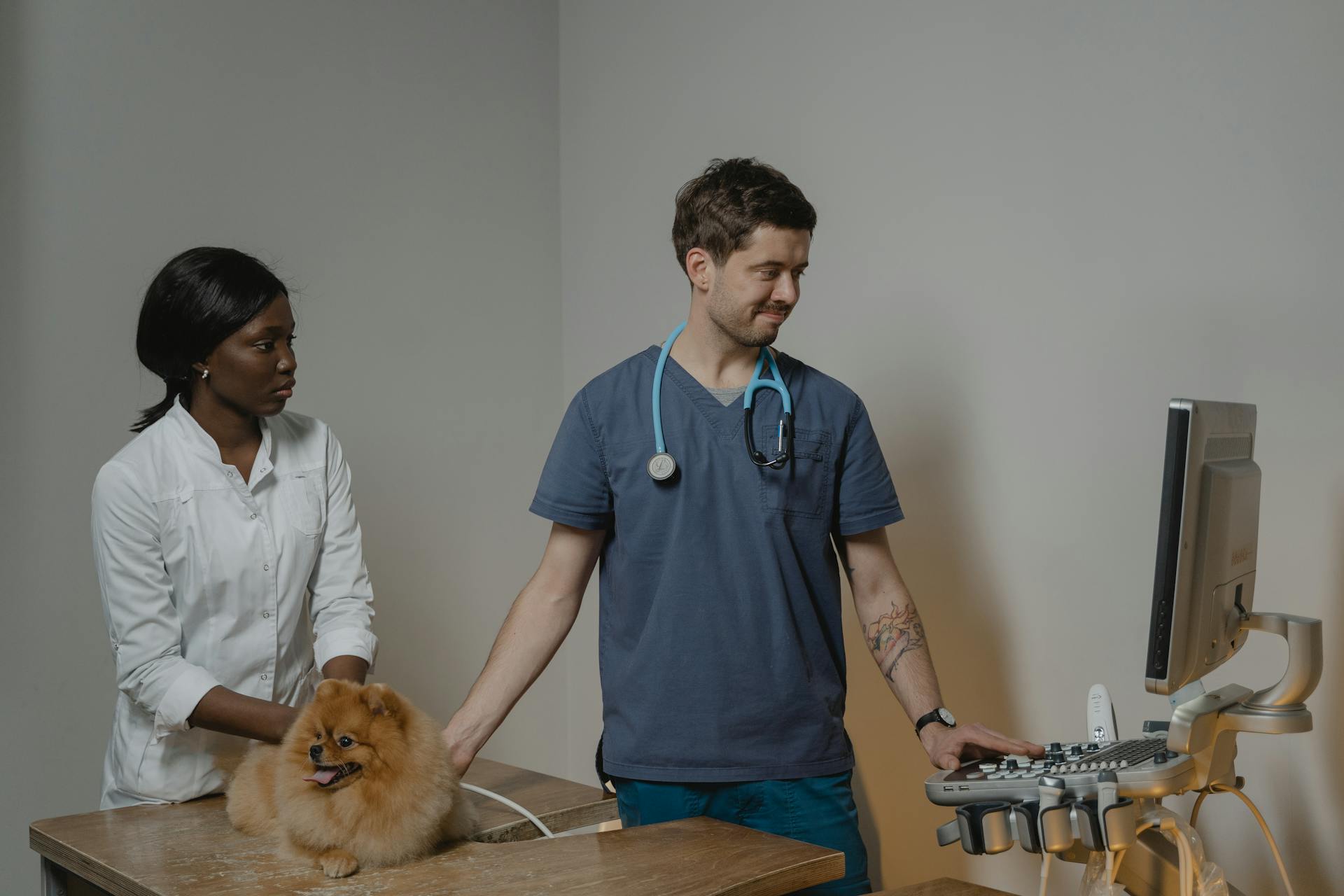
Highlight your experience engaging with pet owners, where addressing their concerns and building trust were key. Emphasize your strategies for making the customer service experience more welcoming and effective.
To effectively convey your achievements, use bullet points to outline your responsibilities and the outcomes of your efforts. Including specific examples of how you increased satisfaction scores or resolved challenging customer issues can make your skills stand out.
Quantifying your results adds clarity, demonstrating the tangible impact of your contributions. This method helps potential employers understand how your commitment to customer service makes you a valuable asset to any team.
Here's an example of a customer-focused experience section:
- Improved client satisfaction scores by 20% through attentive service and follow-up.
- Organized monthly pet wellness workshops to educate owners, enhancing rapport and trust.
- Streamlined appointment scheduling process, reducing wait times by 30%.
- Addressed client concerns empathetically, fostering positive relationships and repeat visits.
In this example, the veterinary technician is showcasing their ability to improve client satisfaction and build trust with pet owners. By highlighting specific achievements, such as increasing satisfaction scores or reducing wait times, they're demonstrating their value as a customer-focused professional.
Resume Format
When choosing a resume format, consider a combination format, as it allows you to highlight both your practical skills and professional experience.
A clean and clear format is essential for a veterinary technician resume. Use clear section headings and bullet points to make it easy for potential employers to find the information they need.
Consistent margins are also key to a polished resume. One-inch margins on all sides help keep your document looking clean and balanced.
For a vet tech resume, a chronological layout is often the recommended choice. This format highlights your work history in reverse chronological order, showcasing your most recent and relevant experiences first.
Here are some resume layout options to consider:
- Combination Resume: Ideal for vet techs with diverse experiences or those transitioning from a related field.
- Functional Resume: Best for career changers or those with limited vet tech experience.
Choosing a Format
Choosing a format for your resume is a crucial step in making a great impression on potential employers. A clean and clear format is essential for effectively presenting your qualifications.
A combination format is often the best choice for a veterinary technician resume, as it allows you to highlight both your practical skills and professional experience. This format is particularly useful if you've accumulated a variety of hands-on experiences.
Using a chronological resume layout is recommended for most vet tech positions, as it highlights your work history in reverse chronological order. This showcases your most recent and relevant experiences first.
In some cases, a combination or functional resume might be more appropriate. A combination resume is ideal for vet techs with diverse experiences or those transitioning from a related field. It allows you to highlight both your skills and work history.
A functional resume is best for career changers or those with limited vet tech experience. It focuses on your skills and relevant qualifications rather than your work history.
Here are some key considerations when choosing a format:
- Combination format: ideal for vet techs with diverse experiences or those transitioning from a related field.
- Functional format: best for career changers or those with limited vet tech experience.
- Chronological format: recommended for most vet tech positions.
Choosing the right font can also enhance your resume's appearance. Modern fonts like Raleway, Montserrat, and Chivo provide a fresh and professional look without overwhelming the reader.
Bad Header
A bad header can make a big impression - but not in a good way. It's the first thing potential employers will see, and it's a chance to make a strong first impression.
Don't include your name only partially written out, like "Dominique Belmont" - it's better to spell it out fully, as in the example resume.
Location information is also a must-have, so make sure to include it, like "Santa Monica, CA" in the example resume.
Your email address should be professional, not something like "[email protected]" - use a more formal email address or a LinkedIn profile instead.
And don't forget to include your phone number, like "424-214-2512" in the example resume.
Here are some key elements to include in your header:
- Full name
- Location information
- Professional email address
- Phone number
- LinkedIn profile or additional contact information
Resume Examples and Tips
When crafting a veterinary technician resume, it's essential to showcase your skills and experience. A Certified veterinary technician with 6 years of experience can highlight their achievements, such as achieving a 99% customer satisfaction rating.
To demonstrate your ability to work in a fast-paced environment, mention your experience working in a busy veterinary clinic. For example, a Sr. Veterinary Technician at Meows and Barks Veterinary Clinic supported 3 veterinarians, triaging and treating 20+ animals per day.
Reorganizing patient exam rooms can also be a valuable skill to highlight. The Sr. Veterinary Technician at Meows and Barks Veterinary Clinic reorganized patient exam rooms, saving 5 minutes per visit.
A well-structured education section is also crucial. The example resume shows a BSc in Veterinary Technology from 2017.
Here are some key skills to include in your resume:
- Patient triage
- Patient examination
- Patient care
- Lab tests
- Pre and post-operative care
- Surgical assistance
- Medicine administration
- Medical history and documentation
- Emergency management
- Customer service
Certifications, such as the Certified Veterinary Technician from the Florida Veterinary Technician Association, can also be a valuable addition to your resume.
Featured Images: pexels.com