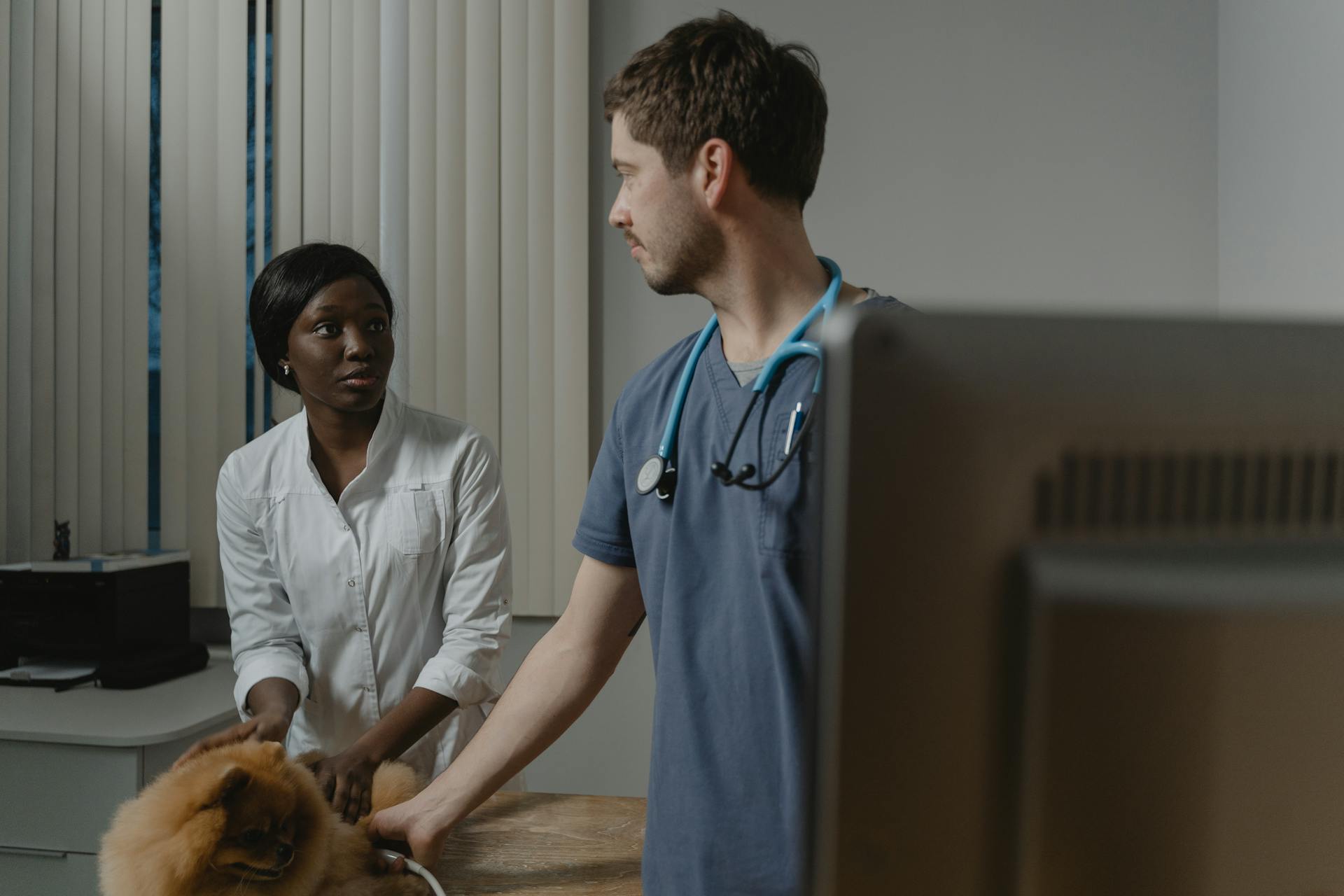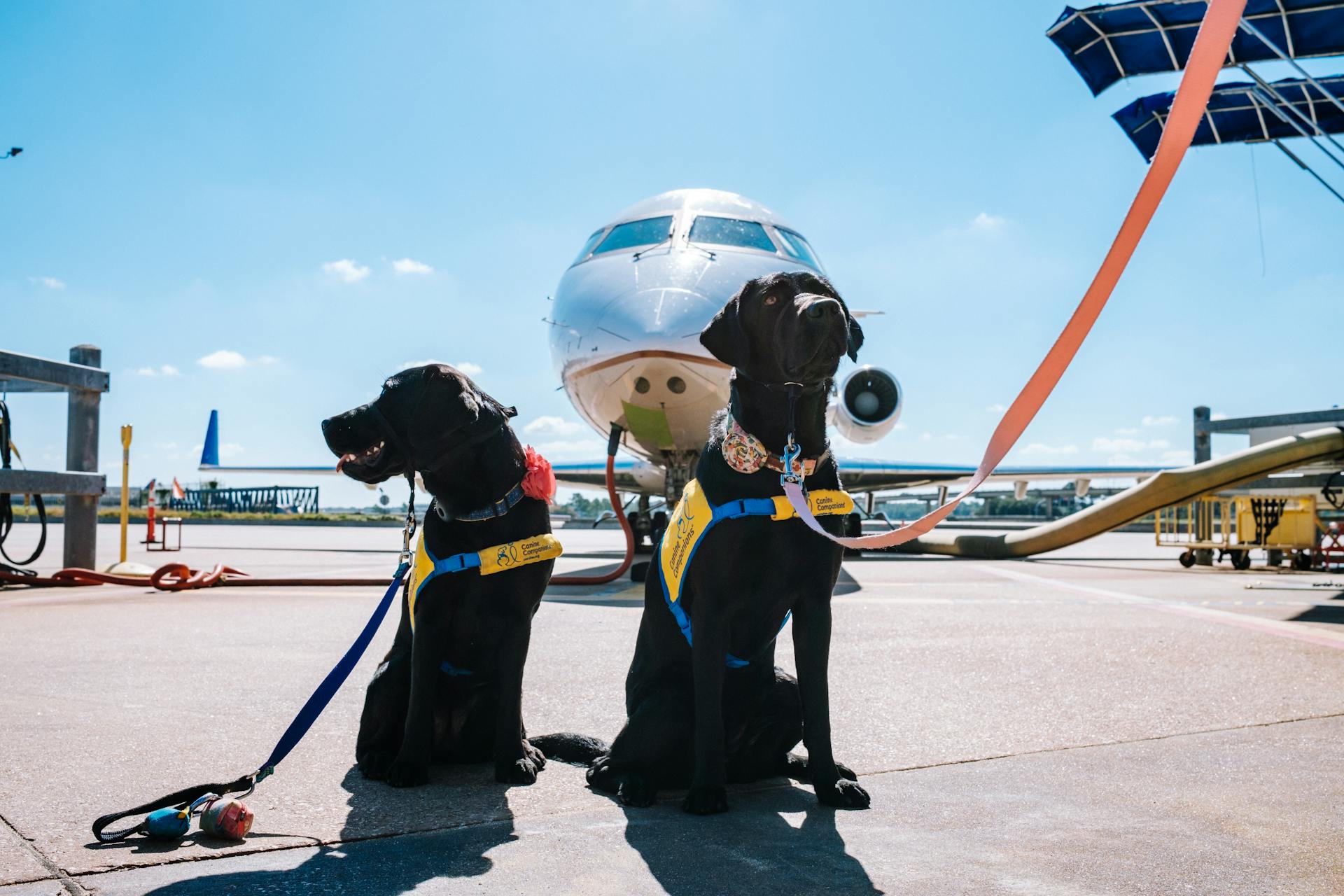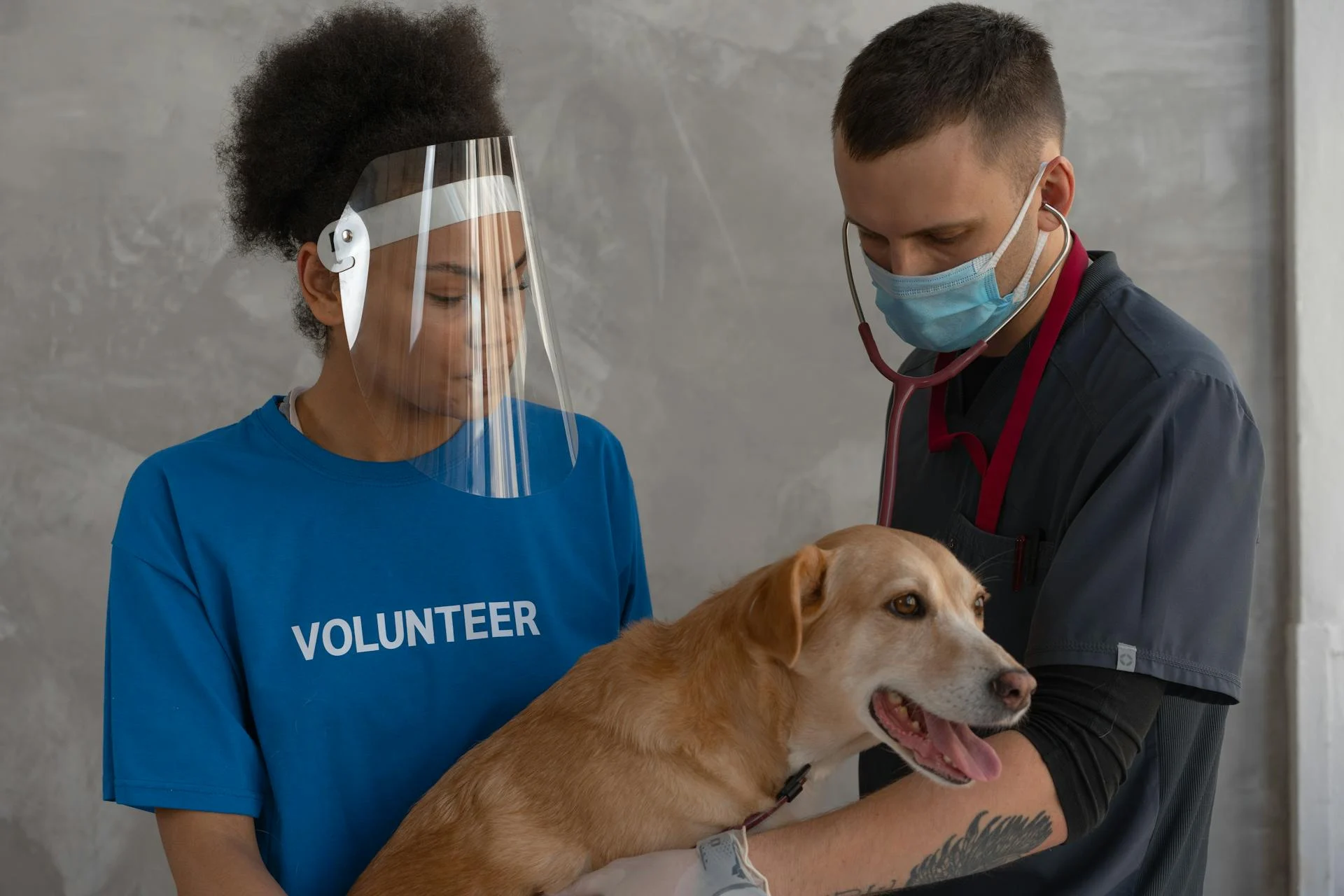
As a veterinary assistant, your duties are a vital part of ensuring the health and well-being of animals. You'll be working closely with veterinarians and other veterinary staff to provide top-notch care.
A typical day for a veterinary assistant may involve tasks such as preparing examination rooms, restraining animals for procedures, and assisting with medical tests. You'll need to be comfortable with handling animals of all sizes and breeds.
Veterinary assistants often work in fast-paced environments, so it's essential to be organized and able to multitask. You'll need to be able to prioritize tasks and manage your time effectively to ensure everything runs smoothly.
Readers also liked: Types of Assistance Animals
Core Responsibilities
As a veterinary assistant, you'll be responsible for the everyday running of clinics and hospitals, making sure animals are comfortable, safe, and well-preserved while under your watch.
Veterinary assistants perform numerous tasks vital for the smooth operation of veterinary teams, including animal care and handling, supporting licensed technicians during exams, treatments, and procedures, and talking with pet owners about appointments and animal care.
One of the key responsibilities of a veterinary assistant is to maintain cleanliness standards, equipment, and exam rooms.
Veterinary assistants also assist in laboratory procedures, carry out basic diagnostic tests, administer medications under supervision, and supervise animal postoperative recovery.
In addition to their core duties, veterinary assistants may also be responsible for tasks such as restraining animals during examination and laboratory procedures, maintaining and sterilizing surgical instruments and equipment, and monitoring and caring for animals after surgery.
Here are some of the key responsibilities of a veterinary assistant:
- Feed, bathe, and exercise animals
- Clean and disinfect cages, kennels, and examination and operating rooms
- Restrain animals during examination and laboratory procedures
- Maintain and sterilize surgical instruments and equipment
- Monitor and care for animals after surgery
- Help provide emergency first aid to sick and injured animals
- Give medication or immunizations that veterinarians prescribe
- Assist in collecting blood, urine, and tissue samples
Veterinary Assistant Duties
Veterinary assistants are essential members of veterinary teams, performing a variety of tasks that are vital to the everyday running of clinics and hospitals. They make sure animals are comfortable, safe, and well-preserved while under their care.
Veterinary assistants provide support for licensed technicians during exams, treatments, and procedures, and also interact with pet owners to set up appointments and provide information on caring for their animals. They help maintain cleanliness standards, equipment, and exam rooms.
A different take: Are Esa Assistance Animals
Some of the key tasks veterinary assistants perform include feeding, bathing, and exercising animals, as well as restraining animals during examination and laboratory procedures. They also assist in collecting blood, urine, and tissue samples, and help provide emergency first aid to sick and injured animals.
Here are some of the key tasks veterinary assistants perform:
- Feed, bathe, and exercise animals
- Restrain animals during examination and laboratory procedures
- Assist in collecting blood, urine, and tissue samples
- Help provide emergency first aid to sick and injured animals
Veterinary assistants also provide direct support for veterinarians during complex treatments, such as surgical or dental procedures. This may involve handing veterinarians equipment or helping to administer medications or vaccines.
Direct Supervision
Direct supervision is a crucial aspect of veterinary assistant duties. A licensed veterinarian must be on the premises and easily available to provide guidance and oversight.
Intravenous catheterizations, collection of blood for diagnostic purposes, and dental procedures are just a few examples of tasks that require direct supervision. These tasks are listed in Rule 700-15-.02 Direct Supervision.
The tasks that require direct supervision include:
Veterinarians must ensure that these tasks are performed under their direct supervision to ensure the best possible care for the animals.
Duties and Responsibilities
As a veterinary assistant, your duties and responsibilities are varied and crucial to the smooth operation of a veterinary clinic or hospital. You'll be responsible for animal care and handling, ensuring the comfort, safety, and well-being of animals under your care.
You'll also assist licensed technicians during exams, treatments, and procedures, providing support and helping to maintain cleanliness standards, equipment, and exam rooms. Veterinary assistants often talk with pet owners, setting up appointments and giving them necessary details about caring for their animals.
In addition to these core duties, veterinary assistants may also assist in laboratory procedures, carry out basic diagnostic tests, administer medications under supervision, and supervise animal postoperative recovery. Their adaptability and keenness make them an important value addition in veterinary clinics.
A significant portion of a vet assistant's day is dedicated to administrative functions, such as answering phones and emails, scheduling appointments or follow-ups, submitting patient and client information via practice management software, and ordering and stocking supplies.
You might enjoy: Hud Assistance Animals
Some of the specific tasks you may be responsible for include:
- Feed, bathe, and exercise animals
- Clean and disinfect cages, kennels, and examination and operating rooms
- Restrain animals during examination and laboratory procedures
- Maintain and sterilize surgical instruments and equipment
- Monitor and care for animals after surgery
- Help provide emergency first aid to sick and injured animals
- Give medication or immunizations that veterinarians prescribe
- Assist in collecting blood, urine, and tissue samples
It's essential to note that some tasks, such as administering medications or performing laboratory tests, must be done under the direct supervision of a licensed veterinarian.
Problem Solver
As a veterinary assistant, you'll be working closely with vets and vet techs, but they won't always be present.
You need to be quick on your feet to solve any problem that arises.
Vets and vet techs can't be present at all times, so you have to be able to think on your toes.
Utilize the knowledge and experience you gained to make decisions with the most promising outcome.
Needs for Different Clinics
Veterinary assistants must adapt to the unique needs of each clinic they serve. They need to develop a thorough understanding of the specific needs and expectations within each facility.
In emergency settings like ICUs, vet assistants play a crucial role. Their communication style may need to be tailored to the fast-paced and high-stress environment.
Administrative tasks can vary greatly depending on the clinic. For example, the volume of clients and associated record-keeping and appointment-setting needs can be a significant factor.
Vet assistants may need to adjust their communication style to suit the needs of each clinic. This could involve adapting their tone, language, and approach to better connect with clients and staff.
The specific needs of each clinic can also impact the administrative tasks that vet assistants are responsible for.
Discover more: What Do Veterinary Assistants Make
Skills and Qualities
To be a successful veterinary assistant, you need to have a range of skills and qualities. Animal handling skills are a must, as you'll be working with animals of all shapes and sizes, including those that may be scared or aggressive.
You'll need to be comfortable standing for long periods and lifting, grabbing, and holding different species of creatures. This job requires physical stamina and endurance.
Being kind-hearted and empathetic is crucial, as you'll be dealing with animals that are often uncomfortable and need consolation. You'll need to be able to notice any changes in the animals' conditions and be ready to take appropriate action.
Recommended read: Veterinary Assistant Skills
Effective communication is key in a veterinary clinic, where you'll be working with veterinarians, vet techs, and pet owners. You'll need to be able to convey information clearly and accurately.
Some of the essential skills and qualities of a veterinary assistant include:
- Animal Handling Skills
- Physical stamina and endurance
- Kind-hearted and empathetic
- Effective communication
- Perceptive and able to notice changes in animals' conditions
Administration Duties
As a veterinary assistant, you'll spend a significant portion of your day on administrative tasks that keep the practice running smoothly.
Answering phones and emails is a crucial part of this role, allowing you to respond to client inquiries and communicate with other staff members.
Scheduling appointments or follow-ups is also a key responsibility, ensuring that patients receive timely care and that the practice stays on track.
You'll use practice management software to submit patient and client information, making it easier to keep track of records and communicate with clients.
Ordering and stocking supplies is another important administrative duty, ensuring that the practice has everything it needs to provide top-notch care.
Here are some specific administrative tasks you might perform as a veterinary assistant:
- Answering phones and emails
- Scheduling appointments or follow-ups
- Submitting patient and client information via practice management software
- Ordering and stocking supplies
Facility and Animal Care
As a veterinary assistant, you'll play a vital role in keeping the facility clean and safe for both the animals and the staff.
Vet assistants help set up surgical areas under the supervision of a vet or vet technician, making sure everything is ready for a smooth procedure.
Disinfecting equipment and surfaces is a big part of the job, and vet assistants take it seriously to prevent the spread of diseases.
They're also responsible for keeping all kennel areas clean, which includes disinfecting cages, examination rooms, and more.
Cleaning Facilities
Cleaning facilities is a crucial part of animal care. Vet assistants play a significant role in keeping facilities clean, especially in areas where animals are present.
Vet assistants help set up surgical areas under the supervision of a vet or vet technician. They're responsible for disinfecting cages, examination rooms, and more.
Keeping kennel areas clean is also a top priority. This includes disinfecting all surfaces to prevent the spread of disease.
Vet assistants work hard to maintain a clean and safe environment for both animals and staff.
Keeping Animals Secure
Keeping animals secure requires a lot of patience and great animal handling skills, especially when they're being given shots, blood is being drawn, or they're being fed medication.
Some animals can be quite stubborn and won't sit still, which is why veterinary assistants need to be prepared for this challenge.
A veterinary assistant will spend a lot of their time holding animals, so it's essential to have a gentle touch and be able to read their body language.
If you're working with animals that react defensively, it's crucial to stay calm and move slowly to avoid any accidents.
Holding animals while they're being given shots or medication can be a daunting task, but with practice and experience, it becomes second nature.
Weighing Animals
Weighing animals accurately is crucial to determine if they're gaining or losing weight, and if they're on target for their species and breed.
Vet assistants play a vital role in ensuring the weight is right and accurate, as it can be a struggle to get dogs, cats, and other animals to stay still on the weight long enough to get an accurate measurement.
A vet assistant's task is to make sure the weight is accurate, which is essential for a pet's overall health and well-being.
This process typically occurs at the start of a vet visit, setting the stage for any subsequent procedures or treatments.
Medical Procedures
As a veterinary assistant, you'll be involved in various medical procedures that keep animals healthy and happy. Administering medicine is often a simpler process than vaccinations, as it can be hidden in food.
Veterinary assistants may also be responsible for administering vaccinations, a task that's usually handled by veterinary technicians, but sometimes falls to assistants. This can impact the vet's interaction with their animal patients.
In some cases, getting animals to consume medication requires a gentle and patient approach, as they may be hesitant to take their medicine.
Blood Collection
Blood Collection is a crucial step in diagnosing many health issues in pets.
A veterinary assistant may need to draw blood for testing, usually under the supervision of a veterinarian or vet technician.
Drawing blood can be a necessary procedure to ensure an accurate diagnosis and proper treatment for your pet.
The veterinary assistant may need to wait for the animal to produce a stool sample for later testing, which is also an important part of the diagnostic process.
Explore further: Do Veterinary Assistants Need a Degree
Medicine and Vaccinations Administration
Administering medicine and vaccinations is a crucial part of a veterinary assistant's job. Most of the time, a veterinary technician will administer vaccinations, but sometimes it falls to a veterinary assistant.
Many vets try to avoid administering vaccinations because it can negatively impact their interaction with their animal patients. Veterinary assistants often take on this duty.
Administering medicine is generally a simpler process. Get the animal to consume medication, often hidden in food, and you've given them their first dose of medicine.
Medical Procedures Certification Required
If you're interested in performing medical procedures for animals, you'll need certification as a veterinary technician or a veterinarian.
Certification as a veterinary technician is a higher barrier to entry than becoming a vet assistant, often requiring an associate's degree or some type of exam.
To become a vet technician, you'll essentially be a certified nurse, assisting the vet in surgery, performing x-rays, and administering anesthesia.
Getting experience as a vet assistant is a great stepping stone if becoming a vet technician is your goal.
Emergency Response
In emergency situations, every second counts, and having a strong team of veterinary professionals on the scene can make all the difference. Vet assistants play a crucial role in this team.
They may be responsible for rooming patients in intensive care units (ICUs). Swiftly and accurately obtaining patient health history is also a key task. Safely restraining animals when required is another critical duty.
Vet assistants provide comfort care for patients and empathy for human clients. They may be called upon to perform basic diagnostic tasks, including radiography. This requires a good understanding of medical procedures and equipment.
In emergency situations, vet assistants may need to restrain animals during examination and laboratory procedures. They also help provide emergency first aid to sick and injured animals.
See what others are reading: Emergency Veterinary Technician
Communication and Support
As a veterinary assistant, it's essential to provide consistent support to veterinarians and vet technicians. This can take many forms, so it's crucial to understand their needs and make every effort to fulfill them.
Strong lines of communication between veterinarians and assistants are vital to a successful practice. Veterinarians need to feel confident that assistants will understand their instructions and feedback, and alert them to emerging concerns.
Poor communication between staff members can lead to negative outcomes, including client complaints or even animal harm. This is why it's essential to establish clear lines of communication and make sure everyone is on the same page.
Communication Between Assistant
Effective communication between assistants is crucial in a veterinary practice. Poor communication can lead to negative outcomes, including client complaints or even animal harm.
Vets need to feel confident that assistants will understand their instructions and feedback. Research indicates that communication between staff members has a huge impact on the clients' impression of the veterinarians and their perception of their pets' healthcare.
Communication breakdowns can be avoided by establishing clear lines of communication between vets and assistants. This includes alerting vets to emerging concerns and ensuring that assistants understand their instructions.
Support the Technicians
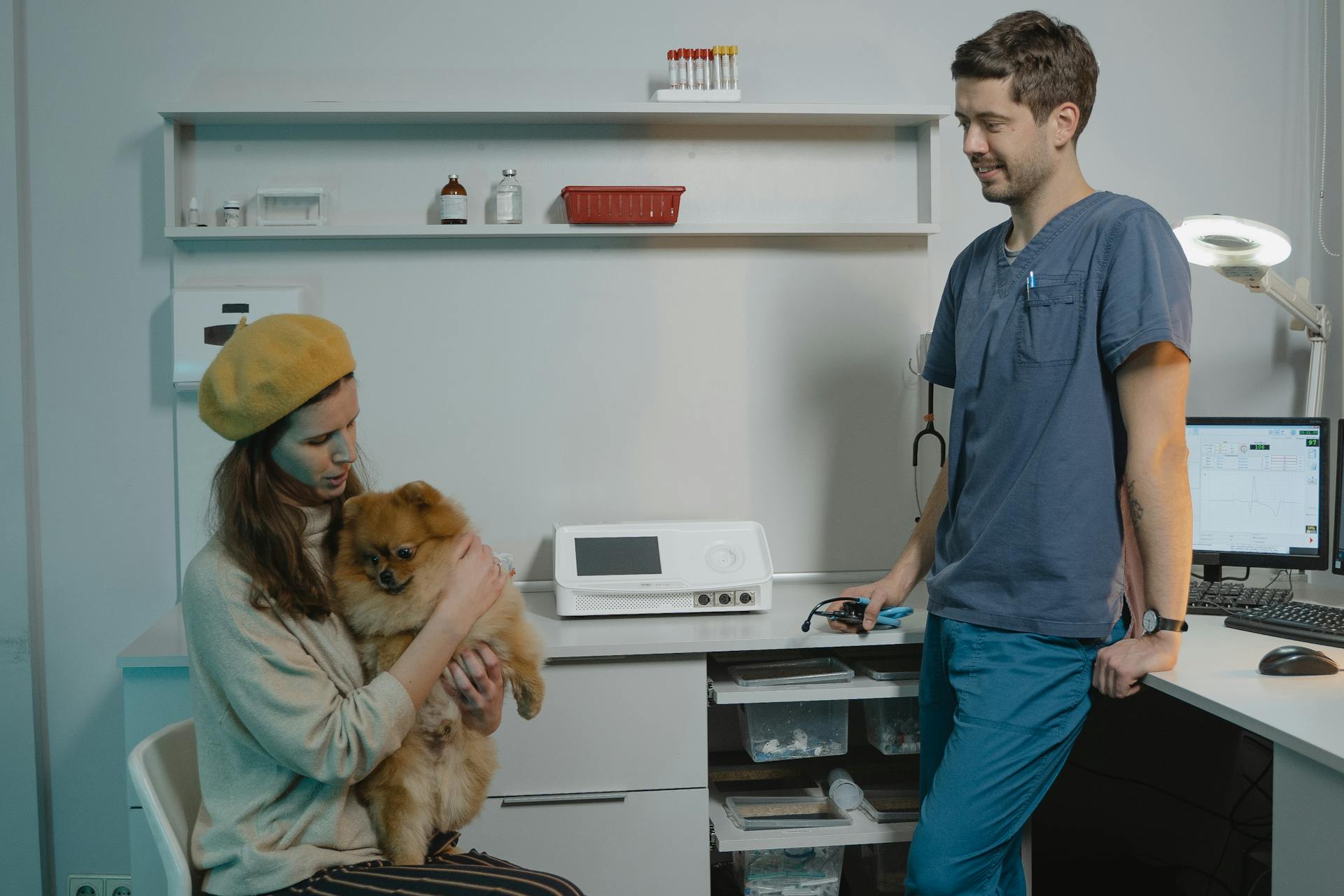
As a veterinary assistant, providing support to licensed technicians is a top priority. They need help during exams, treatments, and procedures, so it's essential to be available and assist when needed.
Veterinary assistants should make sure to provide proper support to technicians, as they play a crucial role in animal care. This can include tasks such as preparing animals for exams and procedures, and maintaining a clean and safe environment.
Technicians also rely on veterinary assistants to communicate with pet owners, setting up appointments and providing them with necessary details about caring for their animals. This helps to ensure a smooth and stress-free experience for both the pet owner and the animal.
Here are some ways veterinary assistants can provide support to technicians:
- Assisting with animal care and handling
- Helping to maintain cleanliness standards, equipment, and exam rooms
By providing this support, veterinary assistants can help to create a more efficient and effective work environment, which ultimately benefits the animals and the veterinary team.
Reception and Clinic Tasks
As a veterinary assistant, you'll be responsible for a wide range of tasks that keep the clinic running smoothly. One of the most important aspects of this job is interacting with clients, which includes greeting them, making scheduling appointments for the week, and responding to email inquiries.
Veterinary receptionists are also in charge of answering phone calls, keeping a record, and ensuring a seamless flow of information between customers and the veterinary nurses. This requires strong communication skills and attention to detail.
To give you a better idea of the tasks involved, here are some key responsibilities of veterinary receptionists:
- Greeting clients
- Making scheduling appointments for the week
- Responding to email inquiries
- Answering phone calls
- Keeping a record
- Ensuring a seamless flow of information between customers and the veterinary nurses
Maintaining Pet Records
Maintaining pet records is a crucial task in any veterinary clinic. Vet assistants are responsible for updating and maintaining these records, which includes billing pet owners and setting up appointments.
Vet assistants need great customer service and communication skills to deal with pet owners effectively. They also require basic veterinary knowledge to perform their duties accurately.
Keeping accurate records is essential for providing quality care to pets. This includes tracking medical history, vaccination records, and treatment plans.
Veterinary nurse practitioners also play a role in maintaining pet records, especially in settings where they provide anesthesia care. They are responsible for keeping records for anesthesia, which is a critical aspect of patient care.
Responsibilities of Receptionists
Receptionists play a vital role in managing the front office of veterinary practices. They are responsible for greeting clients and making scheduling appointments for the week.
Answering phone calls is another key responsibility of receptionists. They must keep a record of these calls and ensure a seamless flow of information between customers and veterinary nurses.
Receptionists are also responsible for responding to email inquiries. This requires them to be organized and efficient in their communication with clients.
Pet and Animal Interaction
As a veterinary assistant, interacting with pets and their owners is a crucial part of the job.
Sharing your home with a pet is a great way to gain experience caring for animals, which is a strongly preferred qualification for this role.
Having a pet at home can provide valuable insight into the physical and emotional needs of both animals and their human companions.
This experience can inform how you interact with clients and their animal companions, making you a more effective veterinary assistant.
Drawing on past experiences with your beloved pets can help you build strong relationships with clients and their pets.
Job Demands and Preparation
This job can be stressful, boring, and everything in between. You'll need to develop a wide range of critical skills to prepare for the unique highs and lows of veterinary work.
Resilience is key to handling the stress that comes with this job. You can develop resilience while enrolled in a Veterinary Assisting program.
Empathy is also crucial, as you'll be working with animals and their owners who may be experiencing emotional highs and lows.
You might enjoy: How to Get a Job as a Veterinary Assistant
Indirect Supervision
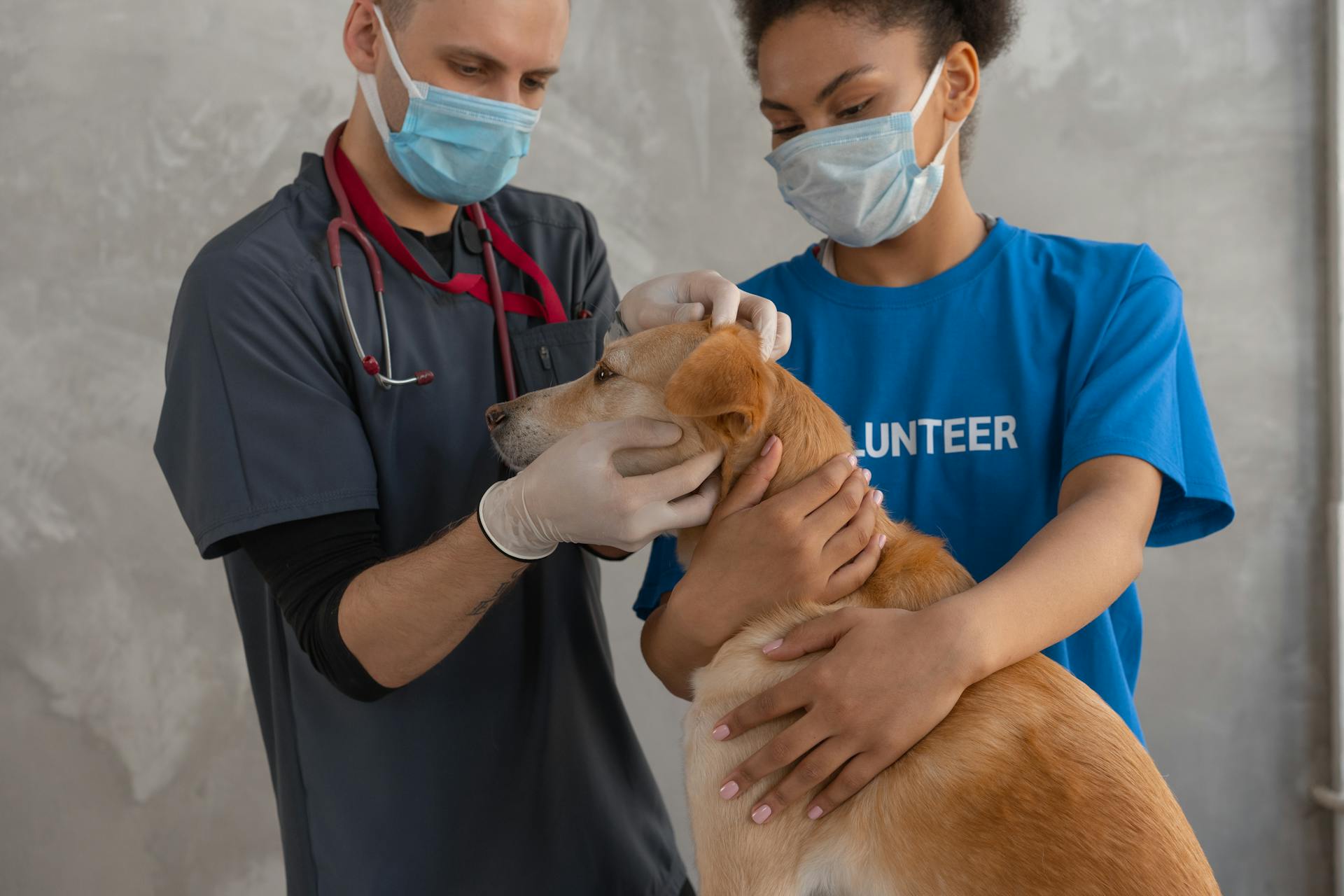
Indirect supervision is a crucial aspect of veterinary care, allowing veterinary assistants to provide critical care under the guidance of a licensed veterinarian. In Georgia, indirect supervision is defined as when a veterinarian is not on the premises but has given instructions for treatment, and the animal has been examined by a licensed veterinarian.
A veterinary assistant working under indirect supervision can administer treatments, drugs, and medications by oral, IM, or subcutaneous routes, excluding rabies vaccine administration. This is a huge responsibility and requires close communication with the veterinarian to ensure the animal receives the best care possible.
Veterinary assistants under indirect supervision can also provide emergency animal patient care, including applying tourniquets and pressure bandages to control hemorrhage, and resuscitative procedures. These tasks require quick thinking and decisive action, but with proper training and supervision, veterinary assistants can make a huge difference in an animal's recovery.
Here are some specific tasks that veterinary assistants can perform under indirect supervision:
- Administration of treatments, drugs, medications, and immunological agents (excluding rabies vaccine)
- Grooming procedures and non-invasive skin treatments
- Handling of biohazardous waste materials
- Application of tourniquets and pressure bandages to control hemorrhage
- Resuscitative procedures
- Application of temporary splints or bandages to prevent further injury
- Application of wound dressings and external supportive treatment in severe wound and burn cases
- External supportive treatment in heat prostration cases
Job Demands Preparation
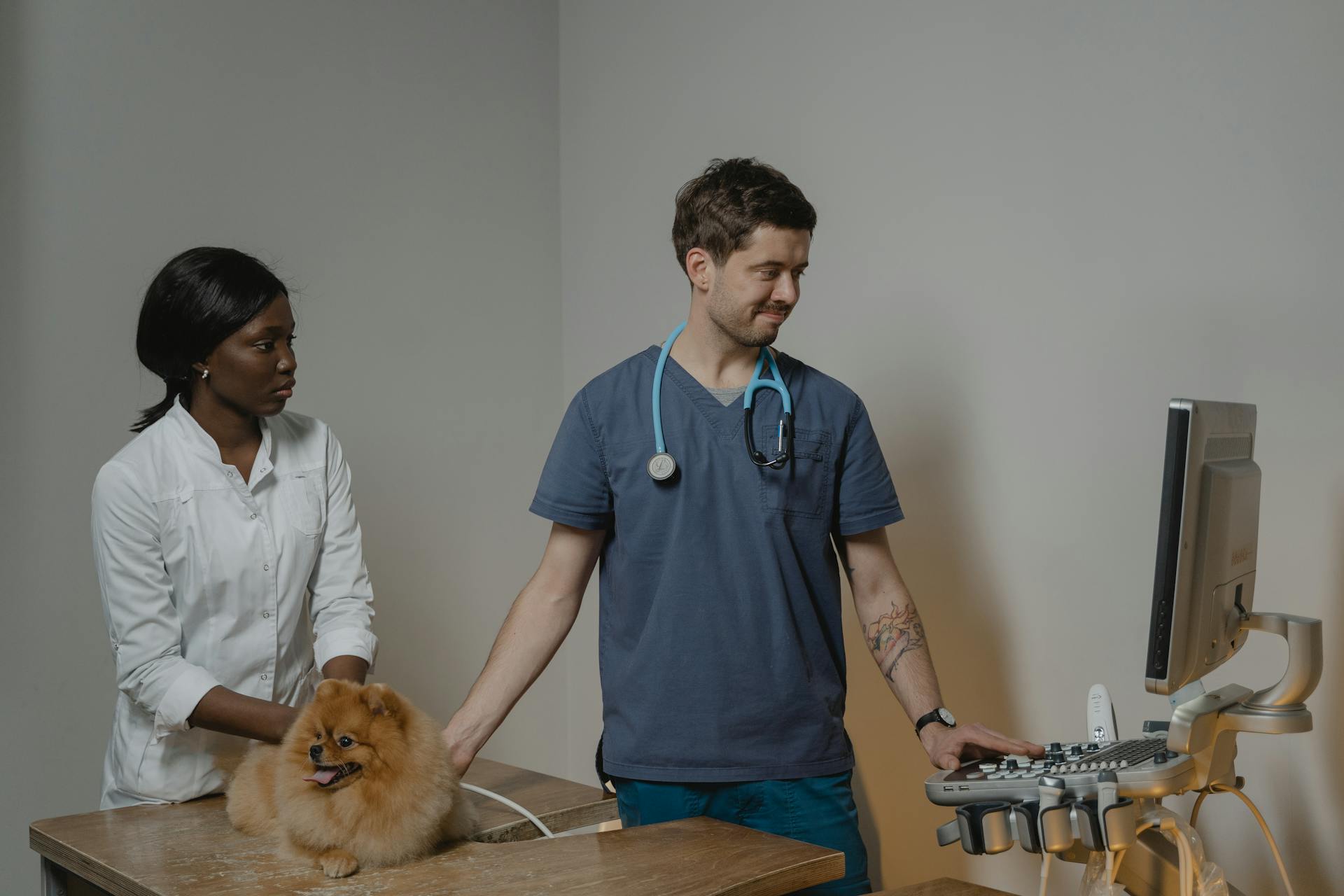
Preparing for the unique demands of a veterinary role is crucial. This job can be stressful, boring, and everything in between.
To succeed, you'll need to develop critical skills like resilience, empathy, communication, and time management. These skills can be developed while you're enrolled in a Veterinary Assisting program.
As you seek hands-on training, focus on building your resilience to handle the stresses of the job.
Discover more: Skills of a Veterinary Technician
Frequently Asked Questions
How do you describe a veterinary assistant on a resume?
A veterinary assistant on a resume is typically described as skilled in assisting veterinarians and performing general animal care tasks, with a focus on problem-solving and animal handling. This role requires a combination of manual dexterity, compassion, and technical skills.
What is the hardest part of being a vet assistant?
One of the toughest aspects of being a vet assistant is helping animals transition out of pain and discomfort. This can be a challenging but compassionate responsibility.
What is the top pay for a veterinary assistant?
The top pay for a veterinary assistant varies by location, with New York offering the highest hourly rate at $23.70. For those interested in veterinary assisting, exploring salaries in different cities may provide valuable insights.
Is being a veterinary assistant worth it?
Being a veterinary assistant is a great way to gain experience and build confidence in the veterinary field, potentially leading to higher earning potential. It's a stepping stone to a veterinary technician role, ideal for those new to the field or looking for a career advancement.
Who gets paid more, a vet tech or vet assistant?
Vet techs generally earn higher salaries than vet assistants due to their specialized education and more complex duties. This is reflected in their average compensation.
Featured Images: pexels.com