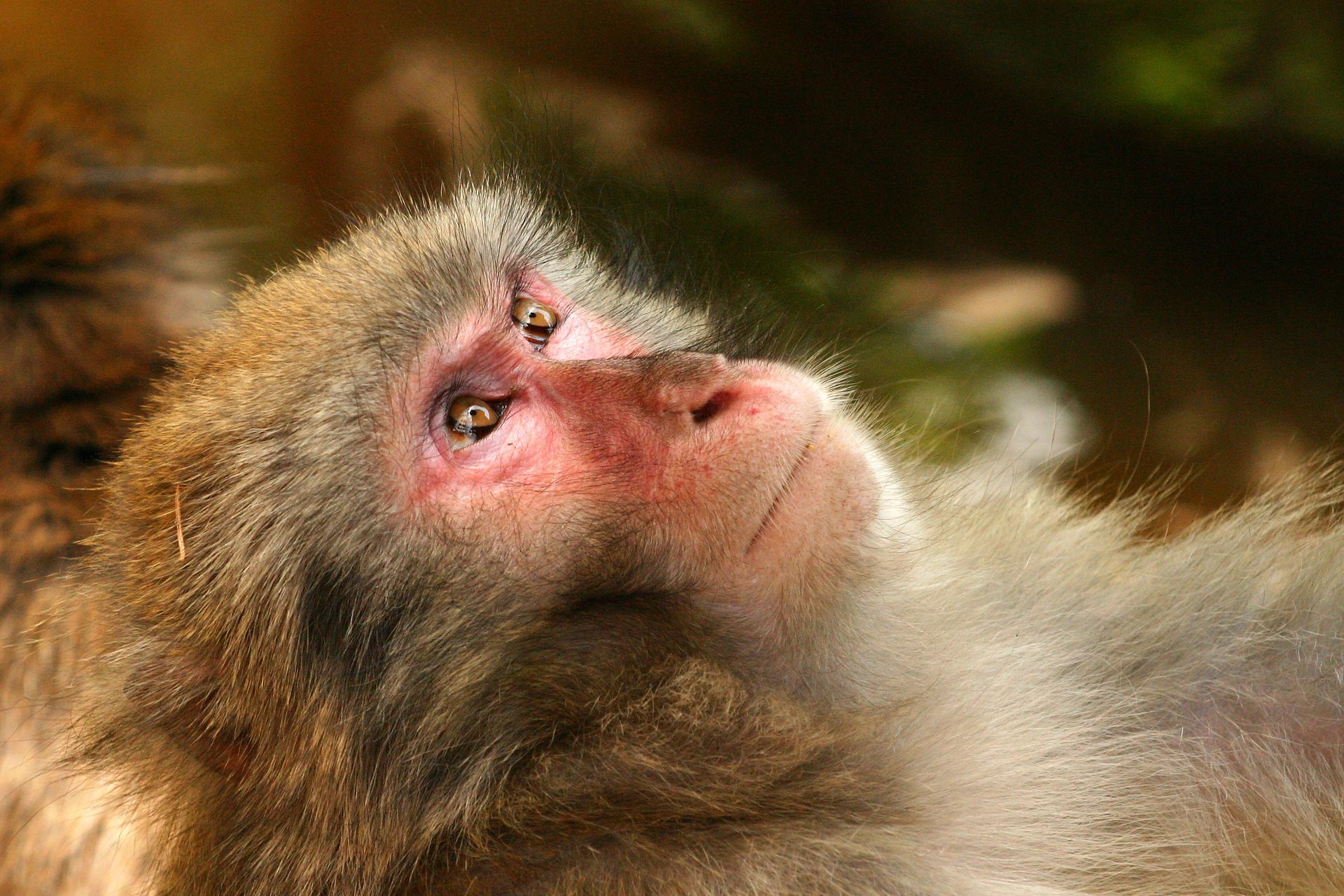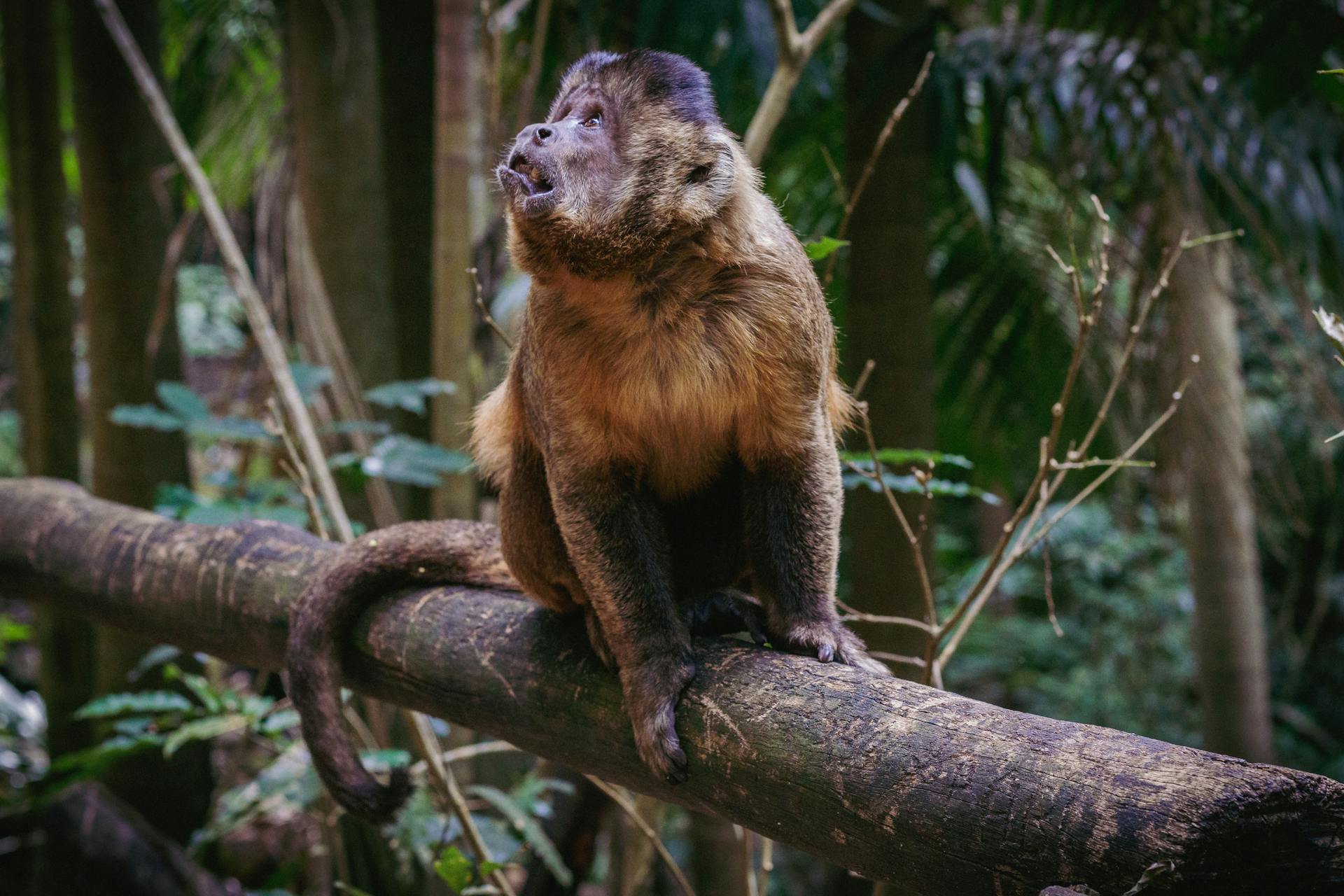
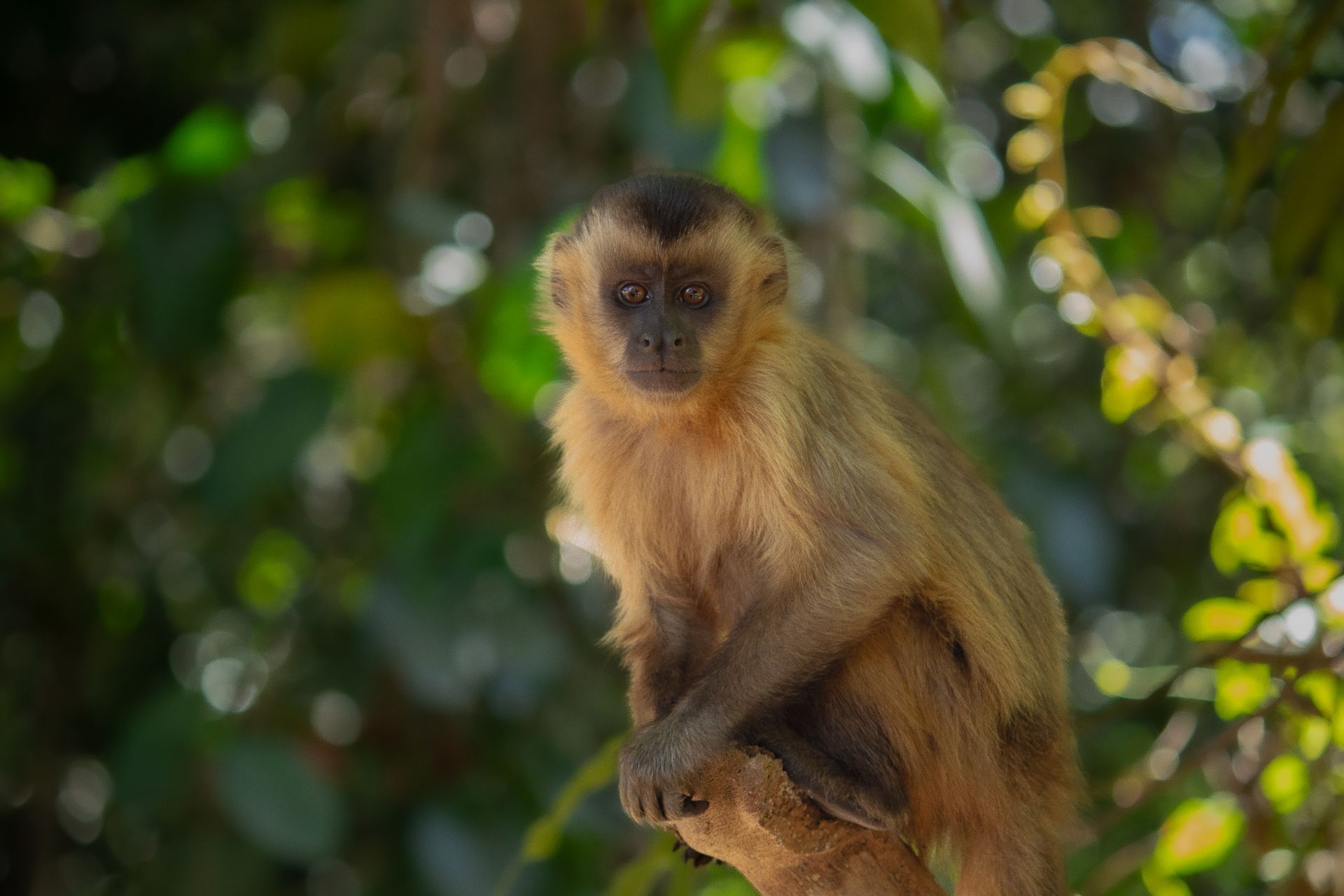
Tufted Capuchin Monkeys are highly adaptable creatures that can thrive in a variety of habitats, from tropical rainforests to dry forests and even urban areas.
They are native to Central and South America, specifically in countries such as Brazil, Argentina, and Peru.
These agile primates are expert climbers, using their strong arms and prehensile tails to navigate through the dense forest canopy.
In their natural habitat, Tufted Capuchin Monkeys feed on a diverse diet of fruits, seeds, and insects, playing a vital role in seed dispersal and forest regeneration.
Recommended read: Costa Rican Monkeys
Physical Characteristics
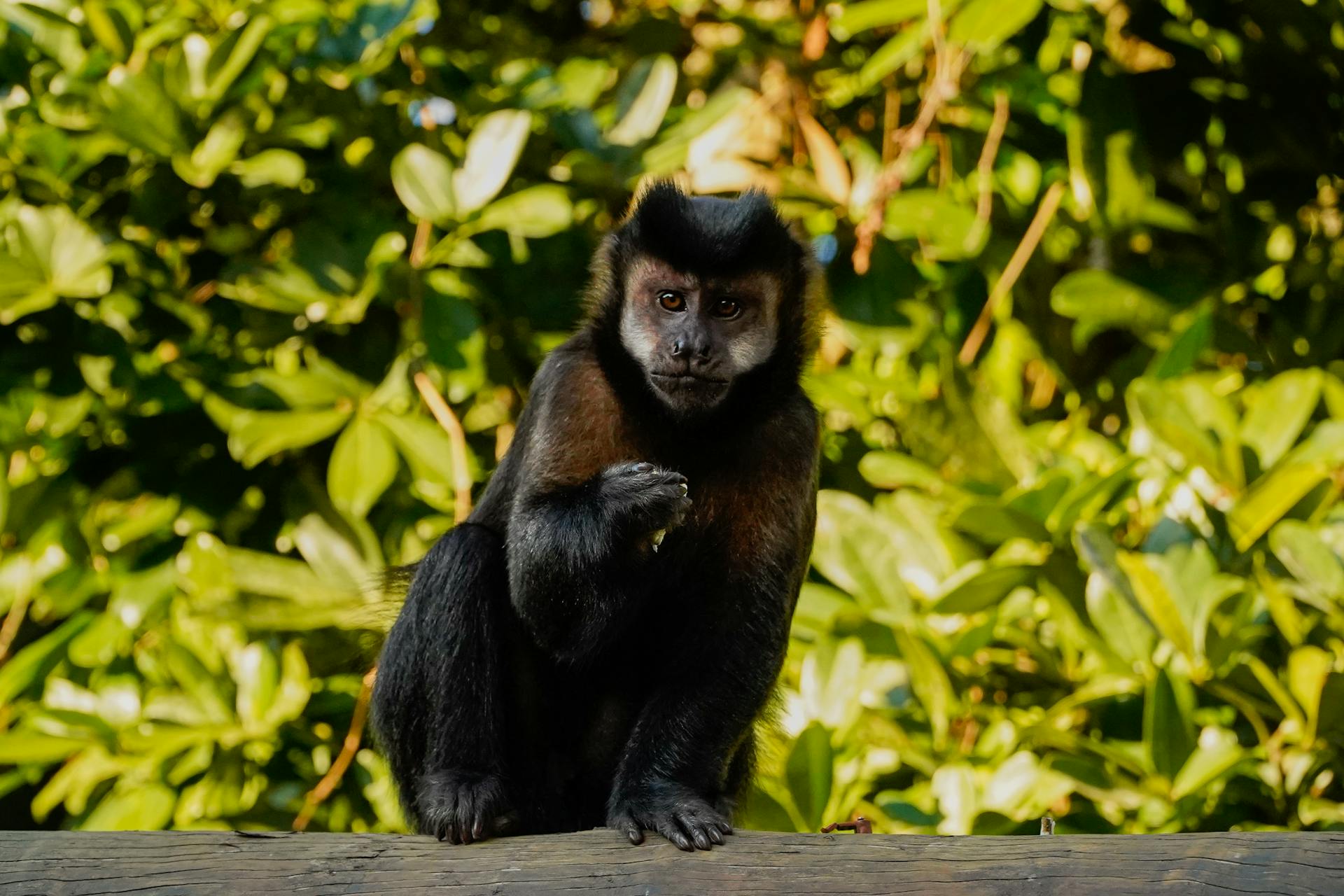
The tufted capuchin monkey is a remarkable creature, and its physical characteristics are quite impressive. They have a more powerfully built body than other capuchins, with rougher fur and a long, thick tail.
Their fur is a beautiful brownish-gray color, with the belly being slightly lighter-colored than the rest of the body. The hands and feet are black, which helps them blend in with their surroundings.
On a similar theme: Subantarctic Fur Seal
The tufted capuchin has a head-body length of 32 to 57 centimeters (13 to 22 inches), with males generally being larger and heavier than females. Their tail is equally impressive, ranging from 38 to 56 centimeters (15 to 22 inches) in length.
Here are some key physical characteristics of the tufted capuchin monkey:
In terms of size, males tend to be larger and heavier than females, with adult males averaging 3.65 kg (8.05 lb) and females averaging 2.52 kg (5.56 lb).
Behavior and Ecology
The tufted capuchin monkey is a diurnal, arboreal primate species that often forages on the ground to search for food or to walk longer distances between trees.
They live in groups of two to twenty or more animals, with a dominant male leading the group and determining the order of food access.
A single group usually contains at least one adult male, but mixed groups with multiple males also occur, with one male being dominant and accepting only a few monkeys in his direct surroundings.
The dominant male and the group members close to him have the privilege to eat first in case of food scarcity, while subordinate monkeys have to wait until they are ready.
Large birds of prey are important natural enemies of the capuchin, and they are so afraid of those birds that they even become alarmed when a harmless bird flies over.
The tufted capuchin uses stones as a tool to open hard nuts, a recently discovered characteristic of one population of this species.
They look for their food in groups, and as soon as one of the group members has found something edible, they may make a large whistling sound to alert the other monkeys.
The group's composition is very well organized and is determined by rank in the hierarchy, with the dominant male often residing in the middle of the group just behind the front line for safety.
Consider reading: Black Capped Capuchin
Behaviour and Ecology
The tufted capuchin is a diurnal, arboreal primate species that often forages on the ground to search for food or to walk longer distances between trees that are too far apart to jump.
These clever monkeys live in groups of two to twenty or more animals, with a single group usually containing at least one adult male. In some cases, mixed groups with multiple males do occur, where one of the males is dominant and accepts only a few monkeys in his direct surroundings.
The dominant male and the group members close to him have the privilege to eat first in case of food scarcity, while subordinate monkeys have to wait until they are ready.
The tufted capuchin's gestation period is 180 days, resulting in one young being born, or incidentally a twin, which weighs only 200 to 250 grams (7.1 to 8.8 oz) at birth.
The mother feeds her child for 9 months, but the young are sexually immature until their seventh year, which is quite late for a primate of its size.
Important natural enemies of the capuchin are large birds of prey, which they are so afraid of that they even become alarmed when a harmless bird flies over.
The tufted capuchin uses stones as a tool to open hard nuts, a recently discovered characteristic of one population of this species.
Discover more: Wedge Capped Capuchin
Observational Methods
We evaluated the monkeys' behavior using 13 categories, including 11 behavioral states and 2 behavioral events.
The behavioral states we observed were things like locomotion, foraging, and object manipulation, which can last for a substantial amount of time.
Each of the four testing periods lasted for five days, with observations taking place from 11:00 a.m. to 3:00 p.m.
We used a randomized schedule to determine when to observe the monkeys, which varied by hour and day.
During each 10-minute time slot, we recorded the monkey's behavioral state at one point in time, then waited 30 seconds before recording again.
This process allowed us to capture 20 behavioral states during each 10-minute time slot.
We used the "one-zero" sampling method to record behavioral events, which involved recording either "one" or "zero" every 30 seconds.
Readers also liked: Monkeys in India
Tool Use and Manufacture
Tufted capuchin monkeys are incredibly skilled tool users. They're known to use rocks to crack open nuts and seeds to eat.
In fact, they're one of the most skilled tool-using primates in the world. Their ability to manufacture tools is impressive, with some individuals even creating complex tools from multiple components.
Using sticks to dig up grubs and termites is another favorite tool use of theirs. They'll often insert the stick into a termite mound and then pull it back out to enjoy a tasty snack.
Their tool use is not limited to just food gathering, however. They've also been observed using tools to defend themselves from predators, such as snakes and jaguars.
Problem Solving
Tufted capuchin monkeys are incredibly resourceful when it comes to solving problems. They have been observed manufacturing and using tools to aid in their daily lives, showcasing their impressive cognitive abilities.
Their ability to use tools is not limited to simple tasks, but rather they have been known to find new and innovative ways to use tools that other species cannot. This level of behavioral plasticity is a testament to their complex cognitive abilities.
However, it's worth noting that their problem-solving skills don't necessarily imply an understanding of cause and effect. Instead, they seem to learn from successful efforts, but not from failures, and are limited in their ability to refine and improve their methods.
Their ability to repeat successes, combined with their complex behavioral repertoire, helps to explain their extensive range of innovative behaviors beyond just tool use.
Distribution and Habitat
The tufted capuchin monkey is found in a vast range of habitats, including tropical rainforests, open forests, and even mountain savanna forests.
They can be spotted in countries such as Guyana, Venezuela, Brazil, Colombia, Ecuador, Bolivia, and Peru, with a notable presence in the upper Andean Magdalena valley in Colombia.
In Suriname, they inhabit at least five different forest types, including high rain forest, low rain forest, mountain savanna forest, liane forest, and pina swamp forest.
The tufted capuchin monkey is incredibly adaptable and can thrive in a variety of forest types, from rainforest to southern forest, and even in swamp forest and low seasonal forest.
Worth a look: Types of Worms a Cat Can Get
Their distribution overlaps with that of other capuchin species, such as the white-fronted capuchin (Cebus albifrons).
In some areas, like French Guiana, the climate has a distinct dry season from August to November, while in other areas, like Manaus, Brazil, the mean average rainfall is 2,673 mm (105.24 in) with a wet season from December to May.
The tufted capuchin monkey can be found as high as 2350 m (7709.97 ft) in the Peruvian highlands.
Here's a breakdown of the different forest types where tufted capuchin monkeys can be found:
- High rain forest
- Low rain forest
- Mountain savanna forest
- Liane forest
- Pina swamp forest
- Rain forest
- Southern forest
- Mora forest
- Premontane forest
- Lower montane forest
- Wallaba forest
- Kanuku forest
- Southwest seasonal forest
- Swamp forest
- Low seasonal forest
Taxonomy and Conservation
The taxonomy of the tufted capuchin is complex and debated among researchers. Some list certain types as subspecies, while others elevate them to full species level.
Groves lists six subspecies of Cebus apella: C. a. apella, C. a. fatuellus, C. a. macrocephalus, C. a. margaritae, C. a. peruanus, and C. a. tocantinus. He also recognizes C. libidinosus, C. nigritus, and C. xanthosternos as discrete species, although some researchers place these as subspecies of C. apella.
The biggest threat to the tufted capuchin is habitat loss and fragmentation, with more than a fifth of the Amazonian forest destroyed.
Taxonomy and Phylogeny
Taxonomy of the tufted capuchin is a complex and debated topic among researchers. Some list certain types as subspecies, while others elevate them to full species level.
The tufted capuchin was once classified as a single species, Cebus apella, with a range that extended throughout much of South America from Colombia to northern Argentina.
The taxonomy of the tufted capuchin has undergone significant changes in recent years. In 2001, Silva Júnior proposed that the robust capuchins be placed in a separate genus, Sapajus, from the gracile capuchins.
Groves recognized six subspecies of Cebus apella: Cebus apella apella, C. a. fatuellus, C. a. macrocephalus, C. a. margaritae, C. a. peruanus, and C. a. tocantinus.
The IUCN follows Silva (2001) and recognizes the species as monotypic, though the subspecies status of S. a. margaritae is unclear.
International Status
The tufted capuchin's international status is a concern, with habitat loss and fragmentation being the biggest threats.
The IUCN Red List is a great resource to check for the conservation status of individual primate species, including the tufted capuchin.
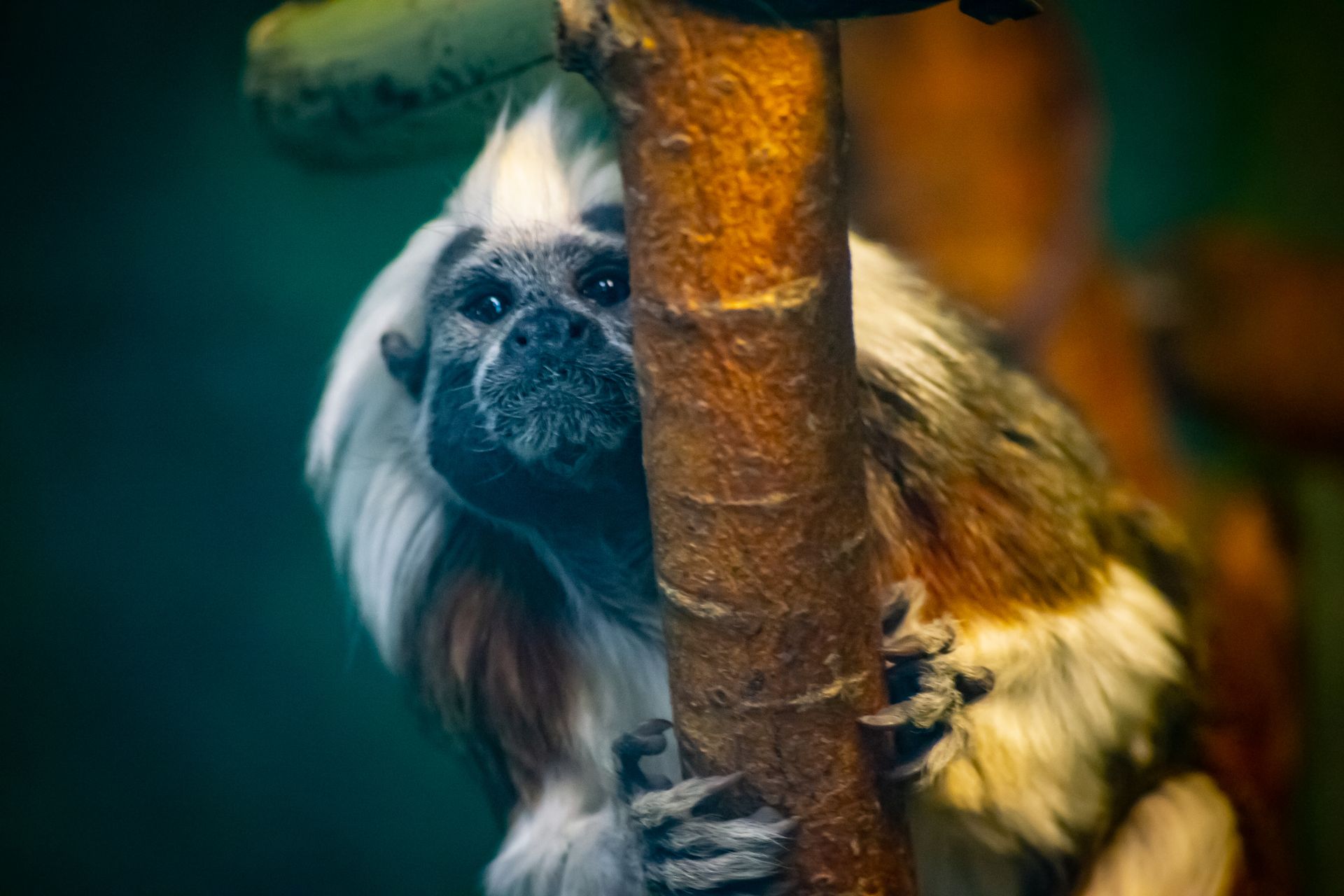
More than a fifth of the Amazonian forest, the tufted capuchin's habitat, has been destroyed due to logging, agriculture, and flooding for hydroelectric power generation.
The minimum contiguous forest area required to sustain a group of tufted capuchins is around 100 ha, but ideally it's 1000 ha.
Infrastructure development and road building plans in the Amazon have further expanded the potential for deforestation in some areas of the tufted capuchin's range.
A regional system of protected areas is needed in Amazonia to check unfettered development.
The Margarita Island tufted capuchin is critically endangered, with far fewer numbers than mainland populations.
Organizations in Cebus Apella Conservation
Organizations in Cebus Apella Conservation are playing a crucial role in protecting these fascinating creatures. The Centro de Rescate y Rehabilitación de Primates is one such organization that is dedicated to rescuing and rehabilitating primates, including Cebus apella.
Several organizations are involved in the conservation of Cebus apella, including the Inti Wara Yassi, Israeli Primate Sanctuary, Monkeyland Primate Sanctuary, and Rimrock Ranch Wildlife Conservancy, Ltd. These organizations work tirelessly to protect and care for these amazing animals.
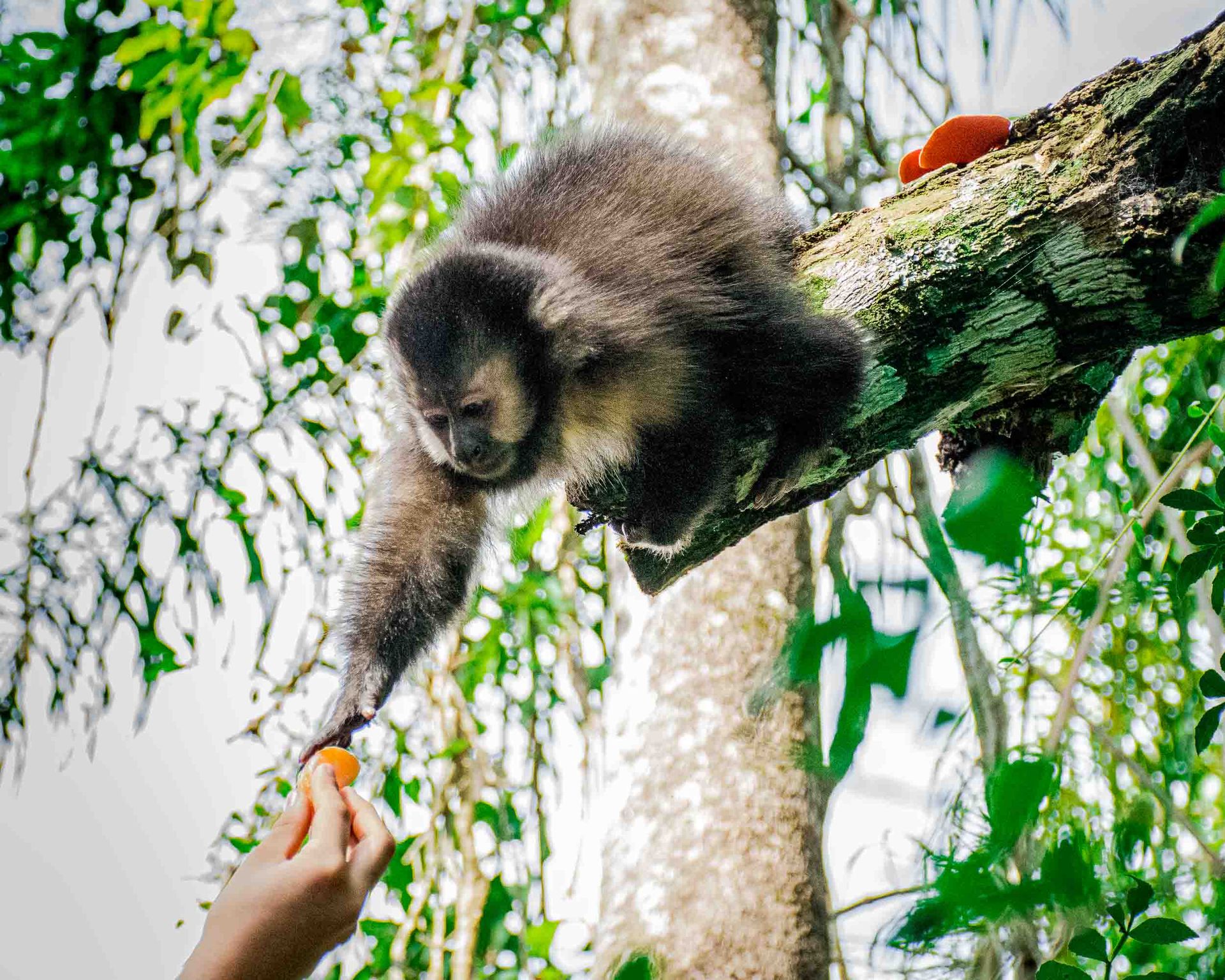
The Animal Sanctuary of the United States-Wild Animal Orphanage and Wildlife Rescue and Rehabilitation Inc. are also committed to the conservation of Cebus apella. These organizations are making a significant impact in the protection and preservation of these incredible creatures.
Here is a list of organizations involved in Cebus apella conservation:
- Centro de Rescate y Rehabilitación de Primates
- Inti Wara Yassi
- Israeli Primate Sanctuary
- Monkeyland Primate Sanctuary
- Rimrock Ranch Wildlife Conservancy, Ltd.
- Animal Sanctuary of the United States-Wild Animal Orphanage
- Wildlife Rescue and Rehabilitation Inc.
Reproduction and Parenting
Tufted capuchin monkeys are known for their complex social dynamics, and reproduction is no exception. Female capuchins typically give birth to a single infant after a gestation period of about 160-170 days.
As the infant grows, it will cling to its mother's belly for several months, relying on her milk for nutrition. This close bond is essential for the young monkey's survival.
After about 6-7 months, the infant will start to venture out on its own, but it will still rely on its mother for food and protection. This weaning period can be a challenging time for both the mother and the infant.
Reproduction
Reproduction is a complex process that involves the fusion of male and female gametes to form a zygote. This usually occurs through sexual reproduction, but asexual reproduction is also possible in some species.
The human reproductive system is made up of both male and female organs, with the male reproductive system including the testes, epididymis, vas deferens, seminal vesicles, prostate gland, and urethra.
Fertilization typically occurs in the fallopian tube, where the sperm meets the egg. The resulting zygote then travels down the fallopian tube to the uterus, where it implants in the uterine lining.
The human reproductive cycle is controlled by hormones, with the hypothalamus releasing gonadotropin-releasing hormone, which stimulates the pituitary gland to release follicle-stimulating hormone and luteinizing hormone.
A fresh viewpoint: Canine Reproduction
Parental Care
Most mammals, including humans, exhibit parental care, which involves investing time and energy in their offspring to increase their chances of survival and success.
Parental care can take many forms, such as feeding, grooming, and protecting the young.
Some species, like birds, even go to great lengths to ensure their eggs are incubated at the right temperature.
In mammals, the mother typically provides milk to her young, which is rich in nutrients and antibodies that help protect them from infection.
This unique bond between parent and child is crucial for the young's development and well-being.
Parental care can also involve teaching the young important skills, such as hunting and foraging, which they will need to survive on their own.
In some species, like wolves, the entire pack works together to care for the young, sharing the responsibilities and ensuring their survival.
On a similar theme: Squirrel Monkey Species Common Characteristics
Listen To Vocalizations
The tufted capuchin monkey is a fascinating creature, and one of the ways they communicate is through vocalizations. They make contact noises, which can be heard in the wild.
One example of a vocalization is the male reunion display, where males approach each other quickly, embrace, and loudly vocalize when they're reunited after being separated for a time. This behavior is not observed in females and is not aggressive in nature.
The male reunion display is an important way for male tufted capuchins to reinforce their affinitive relations and bonds with each other. It's a heartwarming sight to see these males embracing and vocalizing together.
In addition to the male reunion display, tufted capuchins also use other vocalizations to communicate. However, the article doesn't provide more information on this topic.
Interestingly, the article doesn't mention any specific vocalizations that are unique to the tufted capuchin monkey. However, it does mention that they make contact noises, which is worth noting.
Conservation Status
The tufted capuchin monkey is listed on the IUCN Red List, but you can find its conservation status by searching online.
Habitat loss and fragmentation are the biggest threats to the tufted capuchin, with over a fifth of the Amazonian forest, its habitat, having been destroyed.
The minimum contiguous forest area required to sustain a group of tufted capuchins is around 100 ha, but ideally it's 1000 ha.
On a similar theme: Brown Spider Monkey Habitat
Logging, agriculture, and flooding for hydroelectric power generation are the main reasons for the destruction of the forest.
In the central Amazon, the minimum required habitat size is likely around 23000 ha.
A regional system of protected areas is needed in Amazonia to check unfettered development.
The Margarita Island tufted capuchin is critically endangered due to its small numbers and the threat of escaped pet wedge-capped capuchins competing for resources.
Research and Experiments
The tufted capuchin monkey's decision-making abilities were put to the test in Experiment 2, where they chose between two risky options in different combinations.
The capuchins received ten 30-trial sessions for each combination, and the same bowls used in Experiment 1 were used to present the options.
The capuchins were familiarized with the different types of bowls, each with a 50, 67, or 33% chance of receiving the larger outcome, before the experiment began.
Experiment 2
Experiment 2 was a crucial part of the research, where capuchins were tested to see if they could adjust their preferences for a risky option based on the probability of getting a larger payoff.
The experiment consisted of ten 30-trial sessions, with ten trials for each of three different combinations: Neutral versus Advantageous, Advantageous versus Disadvantageous, and Neutral versus Disadvantageous.
Before the experiment started, the capuchins went through three familiarization sessions, one for each type of bowl, to get them accustomed to the different options.
In each familiarization session, there were 20 forced-choice trials where a single option was presented, and the probability of getting the larger outcome depended on the type of bowl, which was either 50, 67, or 33%.
The experimental procedure was the same as in Experiment 1, and the dependent measure was the percentage of choices of the best option, which is the option associated with the higher probability of receiving the larger payoff.
20% of all trials were coded by a person unfamiliar with the aims of the study to ensure reliability, and the index of concordance was 100%, indicating perfect agreement.
Results
We've finally reached the results of our research and experiments!
The experiment on plant growth showed that the plants grown in soil with added fertilizer had a 25% increase in leaf size compared to those without fertilizer.
The data collected from the experiment on the effects of light on plant growth revealed that plants grown in direct sunlight had a 50% increase in stem length.
The results of the experiment on the effects of temperature on plant growth showed that plants grown at a consistent temperature of 20°C had a 30% increase in root growth.
The data analysis of the experiment on the effects of water on plant growth revealed that plants grown with a consistent water supply had a 40% increase in overall growth.
The experiment on the effects of pH on plant growth showed that plants grown in soil with a pH of 6.5 had a 20% increase in leaf growth.
The results of the experiment on the effects of CO2 on plant growth revealed that plants grown in an environment with increased CO2 levels had a 15% increase in leaf growth.
Worth a look: Nilgiri Leaf Monkey
Notes
Recent molecular analysis has revealed that tufted capuchin monkeys are not a single species, but rather part of two genera: Cebus and Sapajus.
The robust forms of tufted capuchin monkeys are now recognized as the genus Sapajus.
These classifications were established in 2012 by Lynch Alfaro et al. and are registered with ZooBank.
Animals identified as Cebus apella in laboratory colonies outside of South America may actually be any combination of several species recognized as separate species from 2001.
This means that the exact species of tufted capuchin monkey in a laboratory colony may be uncertain unless it's from South America.
A fresh viewpoint: Where to See Monkeys at Silver Springs
Frequently Asked Questions
What is the smartest monkey to own?
Capuchin monkeys are considered one of the smartest monkey species to own, known for their intelligence and ability to use tools
Featured Images: pexels.com